 Asia
AsiaAsia travel guide
Wayfarly's sixth continent covers a genuinely wide range of transport realities in one place. Japan and South Korea run rail networks precise and extensive enough to compare honestly the way we compare Europe's trains, China's high-speed network is rapidly closing that gap, and much of Southeast Asia realistically runs on a mix of budget flights, overnight buses, and trains that aren't always the fastest option but are often the most interesting one. Further west and inland, the comparisons change again: Gulf capitals connect by short regional flights, Central Asia and the Caucasus are reshaping the old Silk Road route between cities with new high-speed rail, and Bhutan's tourism model runs through licensed operators rather than open booking. We've built each destination's comparisons around what's actually true for getting there, not a one-size-fits-all assumption — including honest notes on regions like Myanmar and parts of Pakistan where current conditions genuinely matter before you book.
75 destinations, ready to compare
 Abu Dhabi
Abu Dhabi
United Arab Emirates
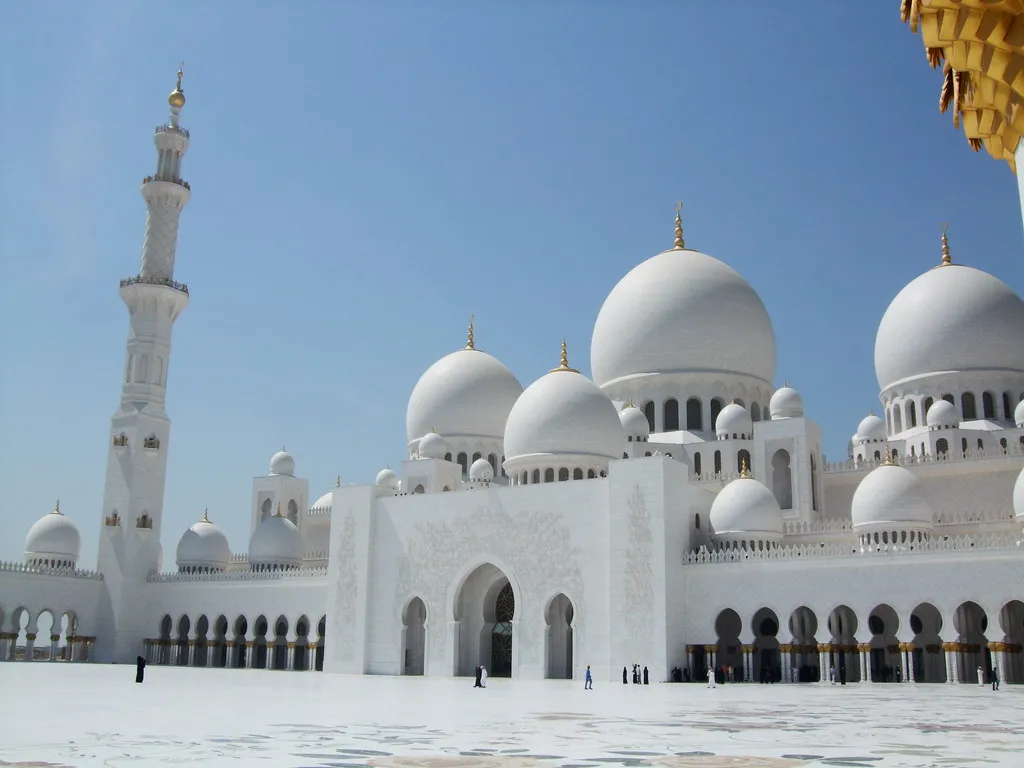
Abu Dhabi holds most of the UAE's oil wealth and its actual seat of government, yet it runs at a noticeably quieter, more formal pace than Dubai, its Sheikh Zayed Grand Mosque housing one of the world's largest hand-knotted carpets in a single seamless piece, woven by around 1,200 artisans over roughly two years.
See full guide →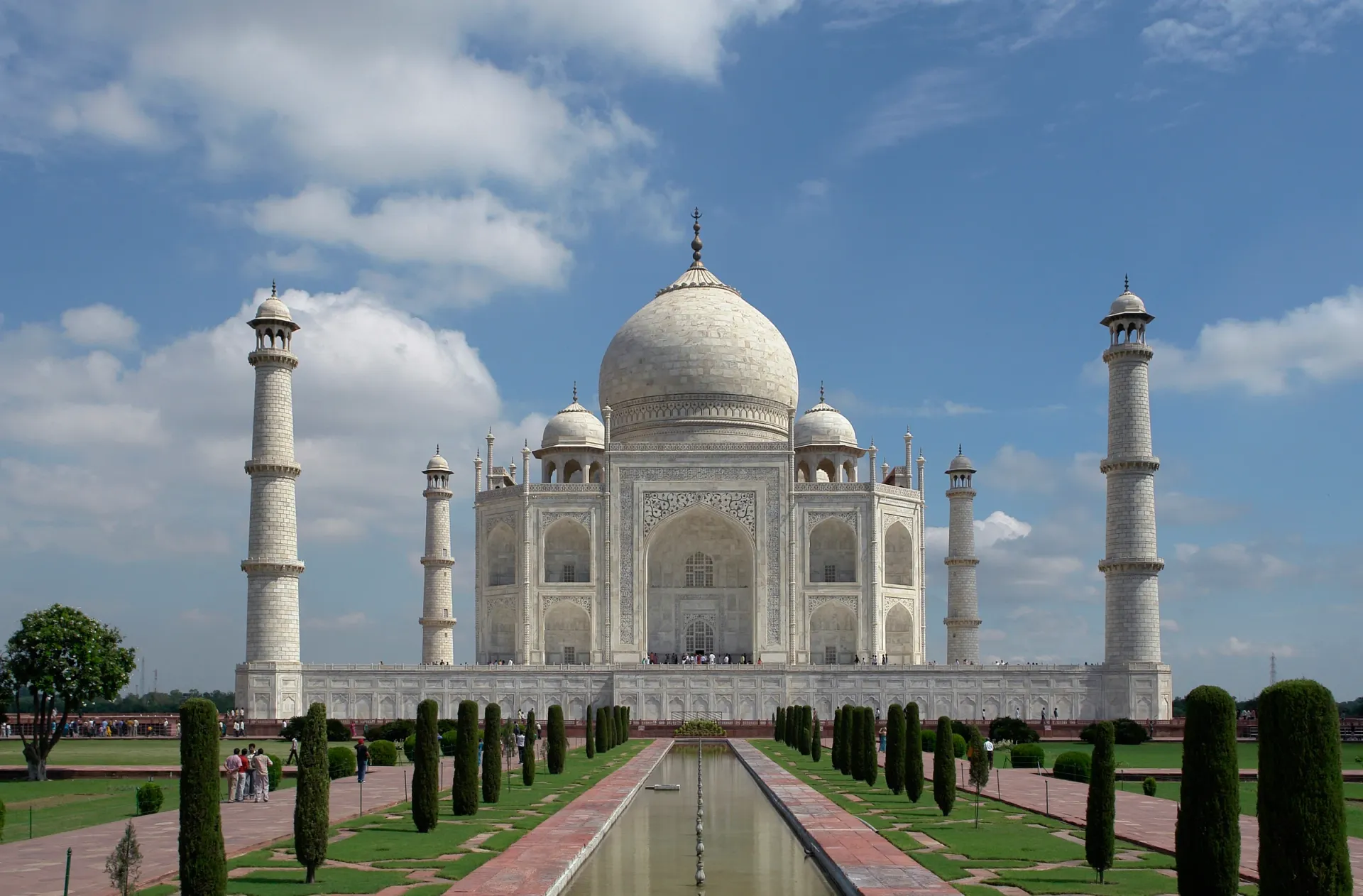 Agra
AgraAgra
India
Shah Jahan built the Taj Mahal as a mausoleum for his favorite wife, who died giving birth to their fourteenth child, and construction of the white marble monument took roughly 20,000 artisans over two decades to complete — a scale of grief made permanent that still draws visitors to Agra specifically to watch its marble shift color with the light.
See full guide →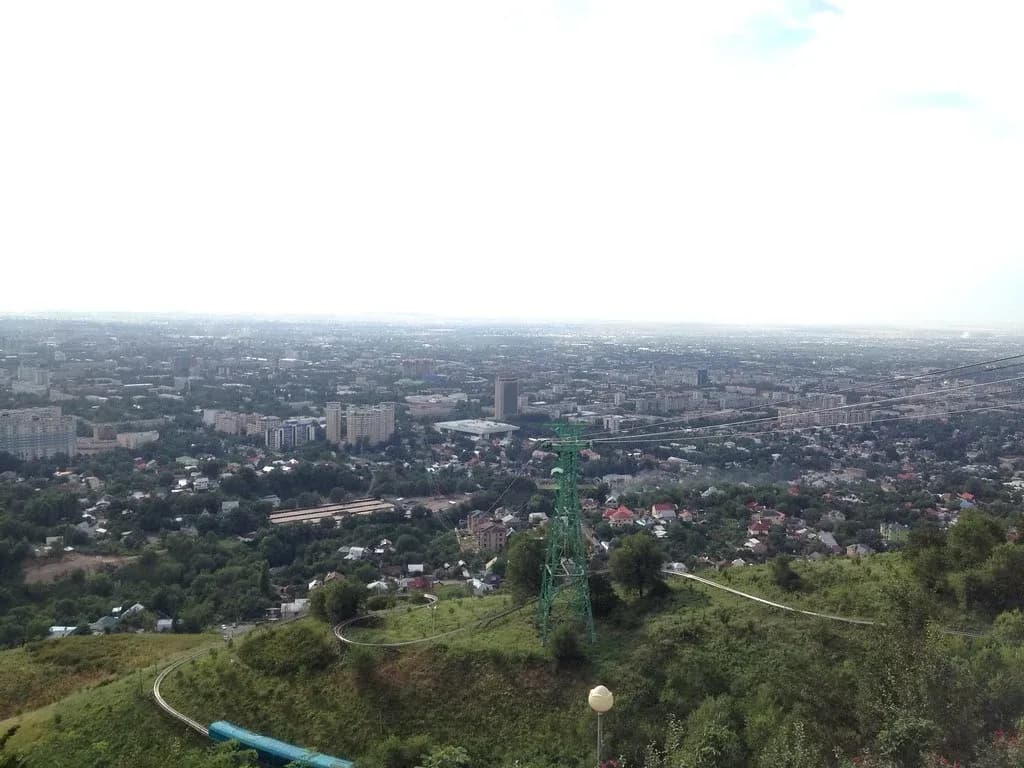 Almaty
Almaty
Kazakhstan
Almaty's name derives from the Kazakh word for "apple," and the wild apple forests still growing in the mountains above the city are genetically confirmed as the ancestral origin of nearly every cultivated apple eaten anywhere in the world today — a fitting starting fact for a former capital wedged dramatically between Central Asian steppe and the snow-capped Tian Shan range.
See full guide →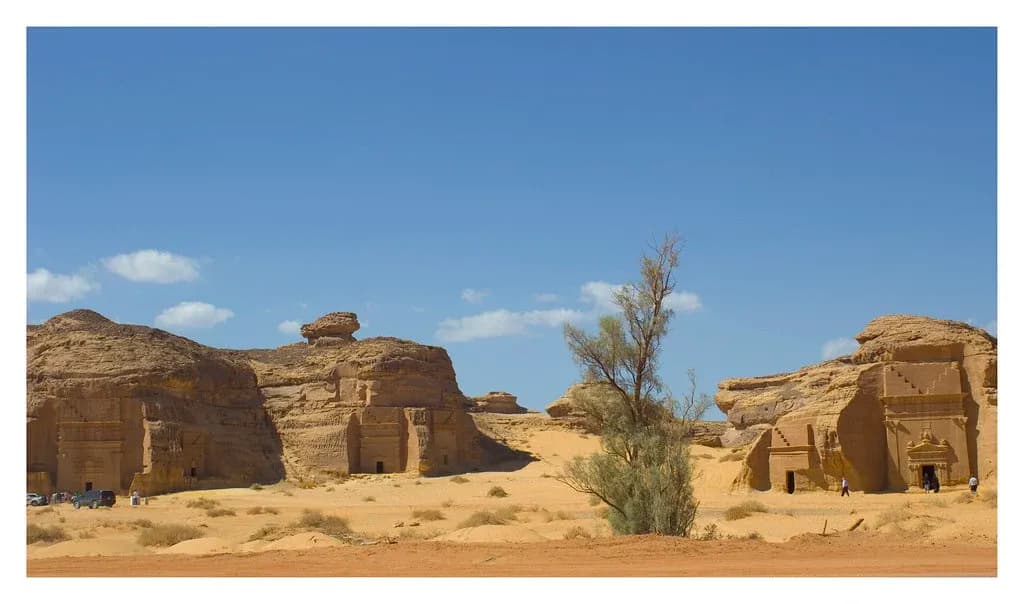 AlUla
AlUlaAlUla
Saudi Arabia
Hegra, a Nabataean city carved into sandstone cliffs by the same civilization that built Petra, sat almost entirely unvisited by international tourists for decades simply because Saudi Arabia didn't issue tourist visas — that changed only in 2019, making AlUla one of the newest major archaeological destinations anywhere in the world to actually open its doors.
See full guide →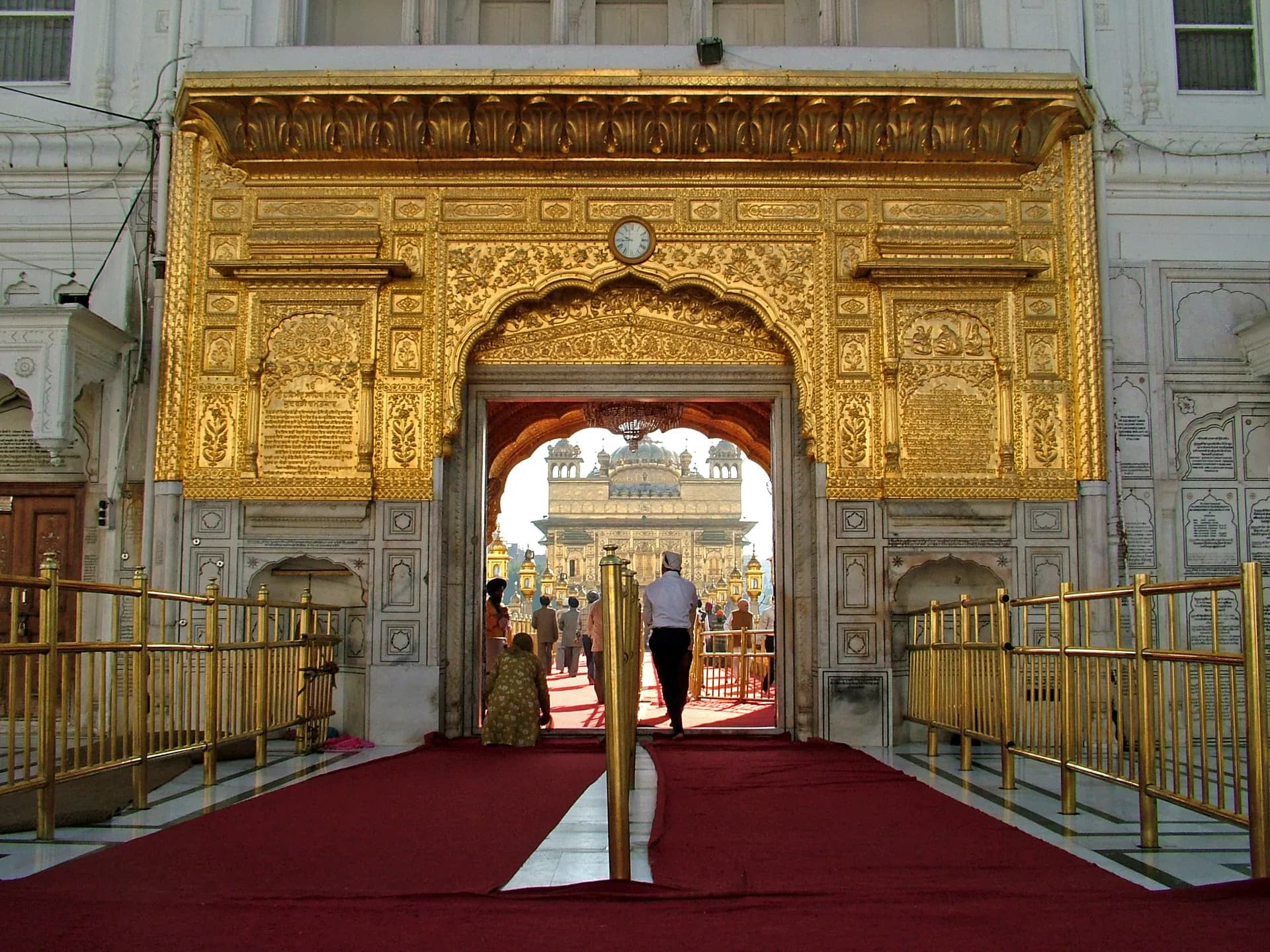 Amritsar
Amritsar
India
The Golden Temple's community kitchen serves free meals to anyone who shows up, regardless of religion, caste, or background, feeding up to 100,000 people on a typical day through entirely volunteer labor — the world's largest free community kitchen, run continuously beside Sikhism's holiest site since the temple's founding centuries ago.
See full guide →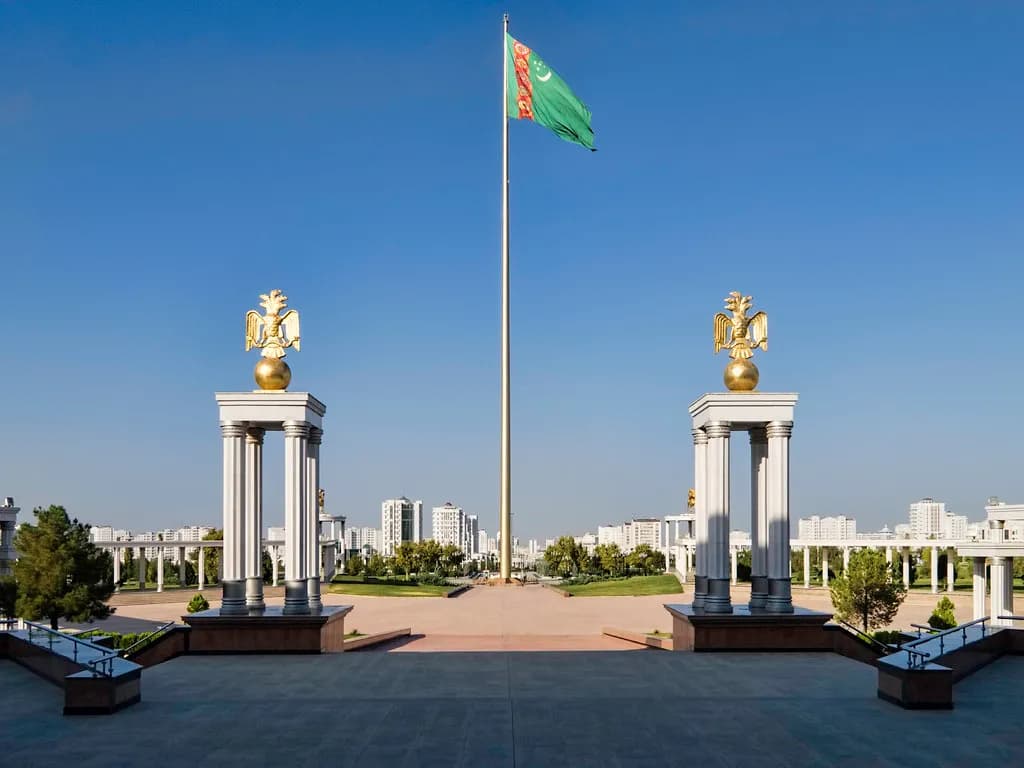 Ashgabat
Ashgabat
Turkmenistan
Ashgabat holds the Guinness World Record for the highest concentration of white marble buildings anywhere on Earth, an entire capital rebuilt in gleaming marble and gold-domed monuments after a 1948 earthquake leveled most of the original city, funded by one of the world's largest natural gas reserves and largely empty of the crowds a city this polished would suggest.
See full guide →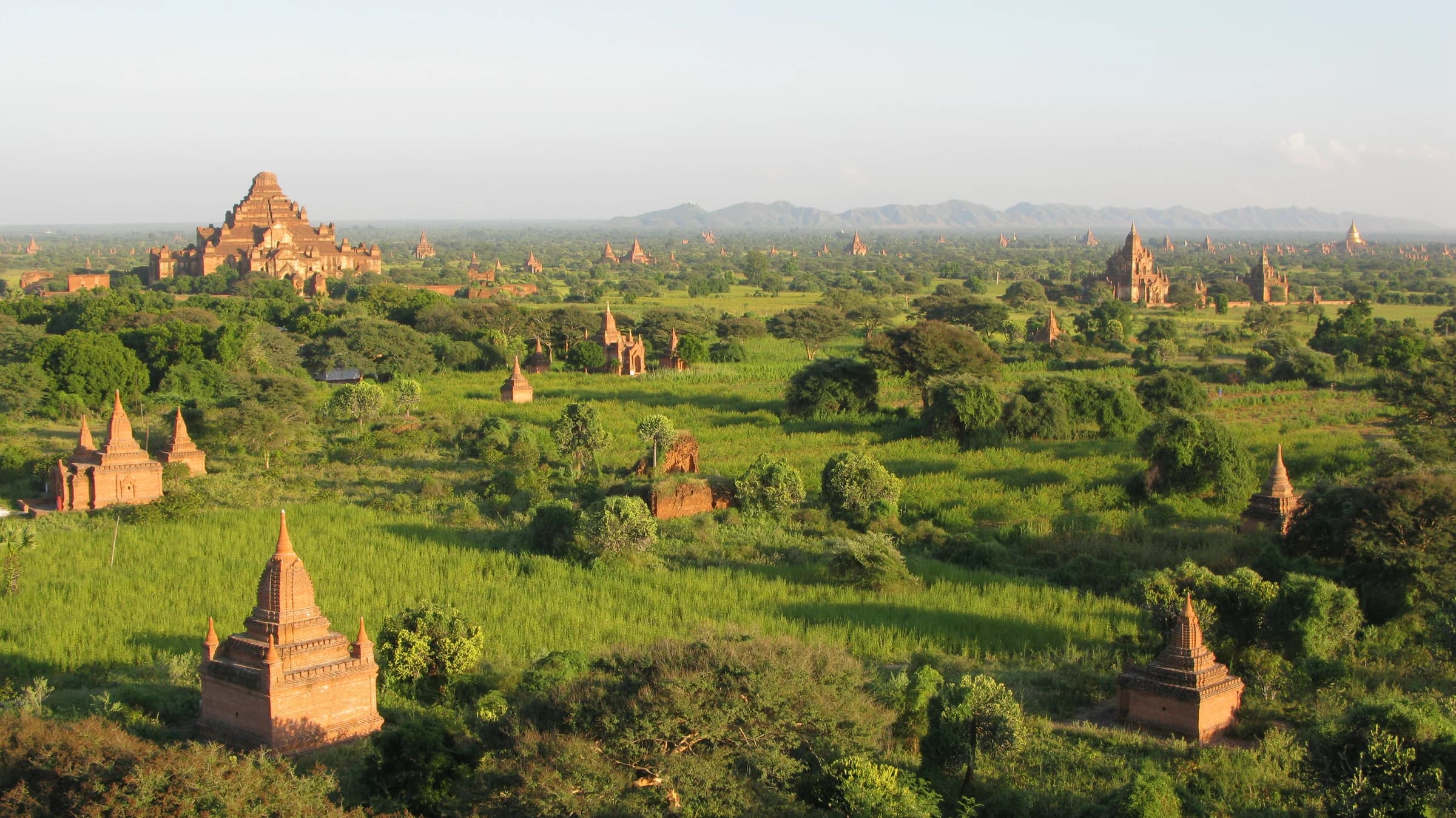 Bagan
BaganBagan
Myanmar
Between the 9th and 13th centuries, the kings of the Pagan Empire built more than 10,000 Buddhist temples and pagodas across a single plain in central Myanmar, and over 2,000 of them still stand today, scattered across the landscape in a scene most visitors only ever see in photos of hot air balloons drifting over the ruins at dawn.
See full guide →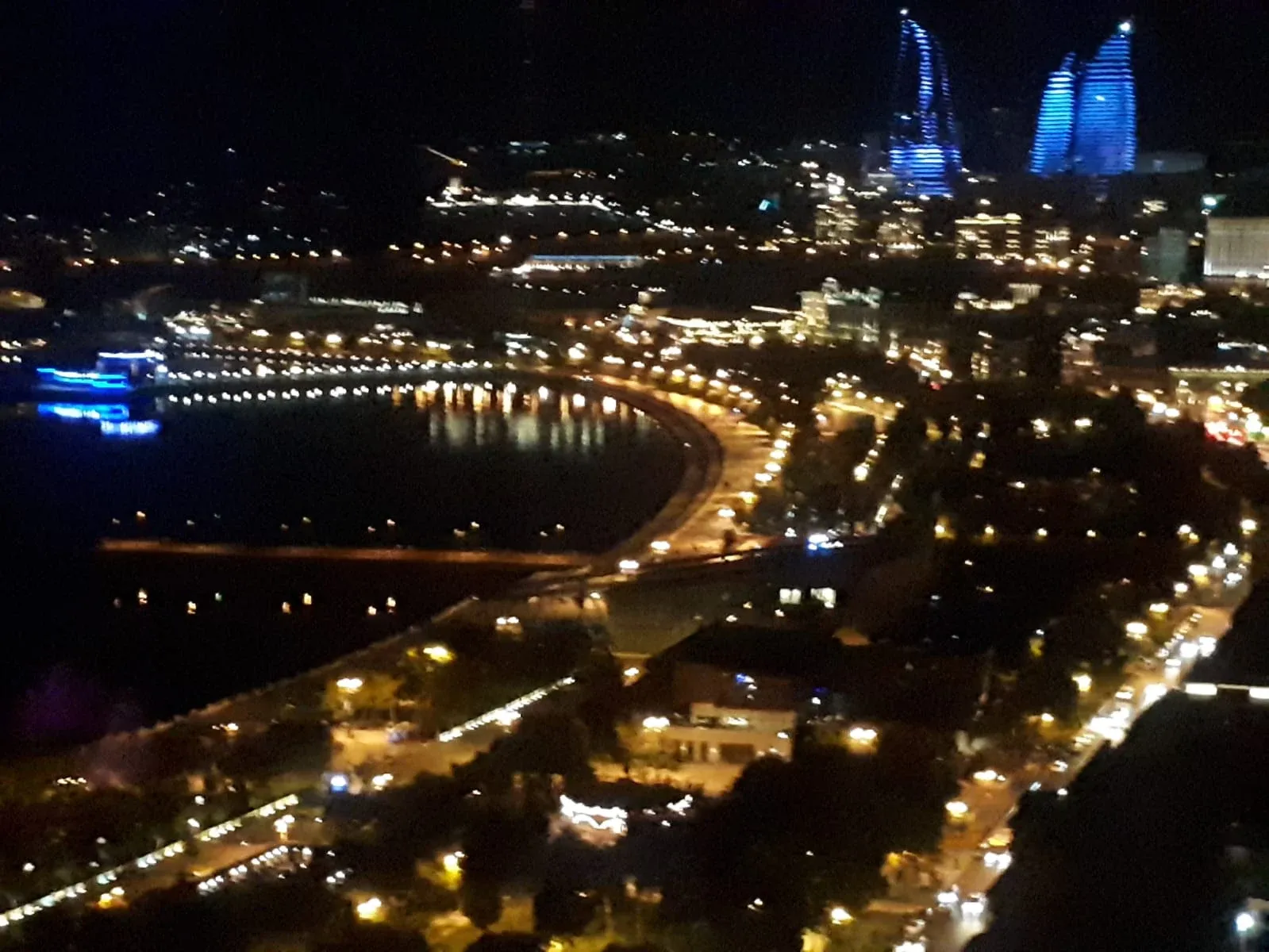 Baku
BakuBaku
Azerbaijan
Baku's three Flame Towers, completed in 2012 and covered in LED screens that flicker like actual fire after dark, sit directly above a walled Old City old enough to hold a 12th-century palace and a mysterious stone tower that predates written records of its own purpose — a skyline built almost entirely on Caspian Sea oil wealth, stacked on top of a Silk Road trading post.
See full guide →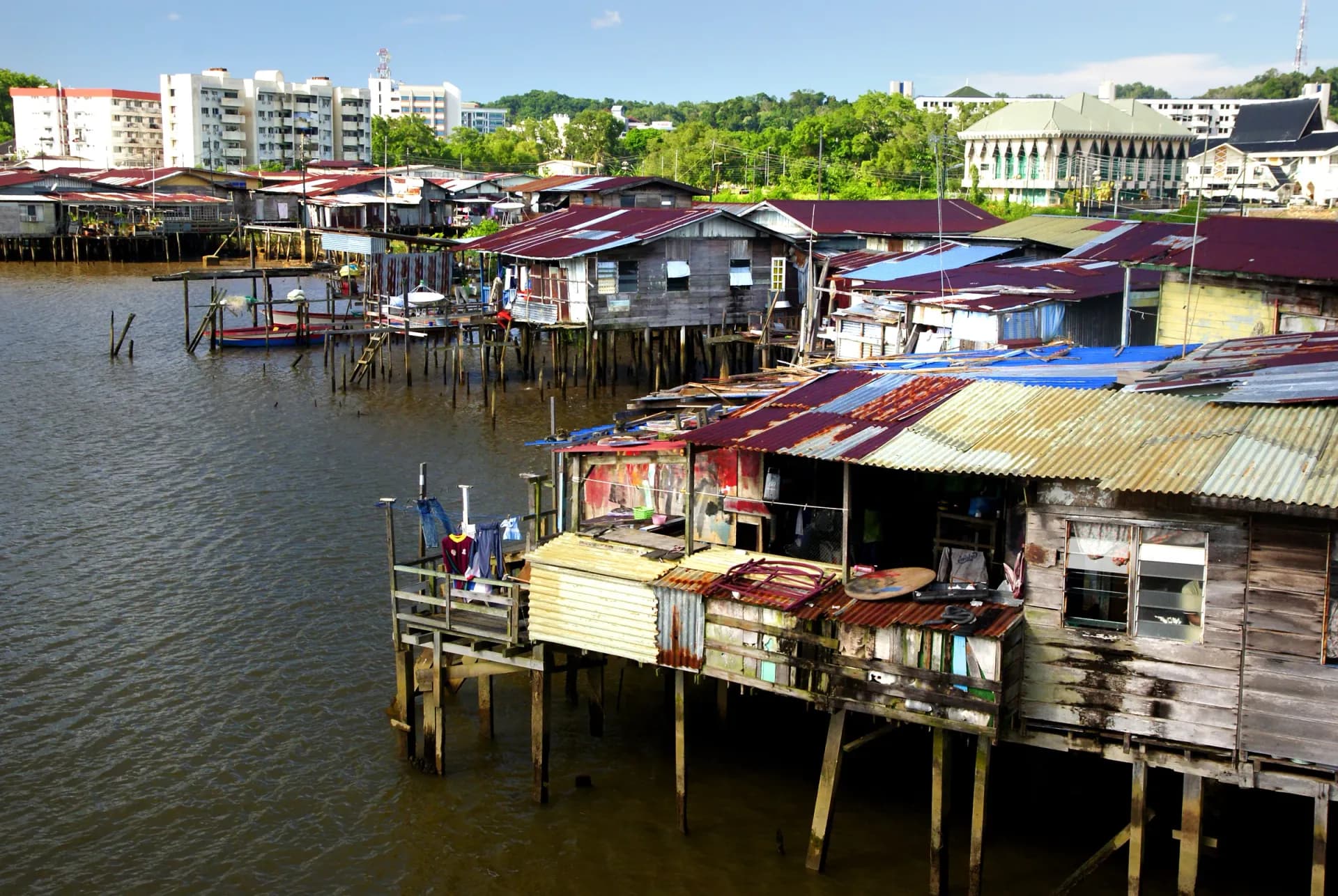 Bandar Seri Begawan
Bandar Seri Begawan
Brunei
Kampong Ayer, a stilt village built entirely over the Brunei River, has housed tens of thousands of residents for generations and is often called the "Venice of the East," one of the largest settlements of its kind still standing anywhere — a striking contrast to the golden-domed mosque and oil wealth that define the rest of Brunei's tiny capital.
See full guide →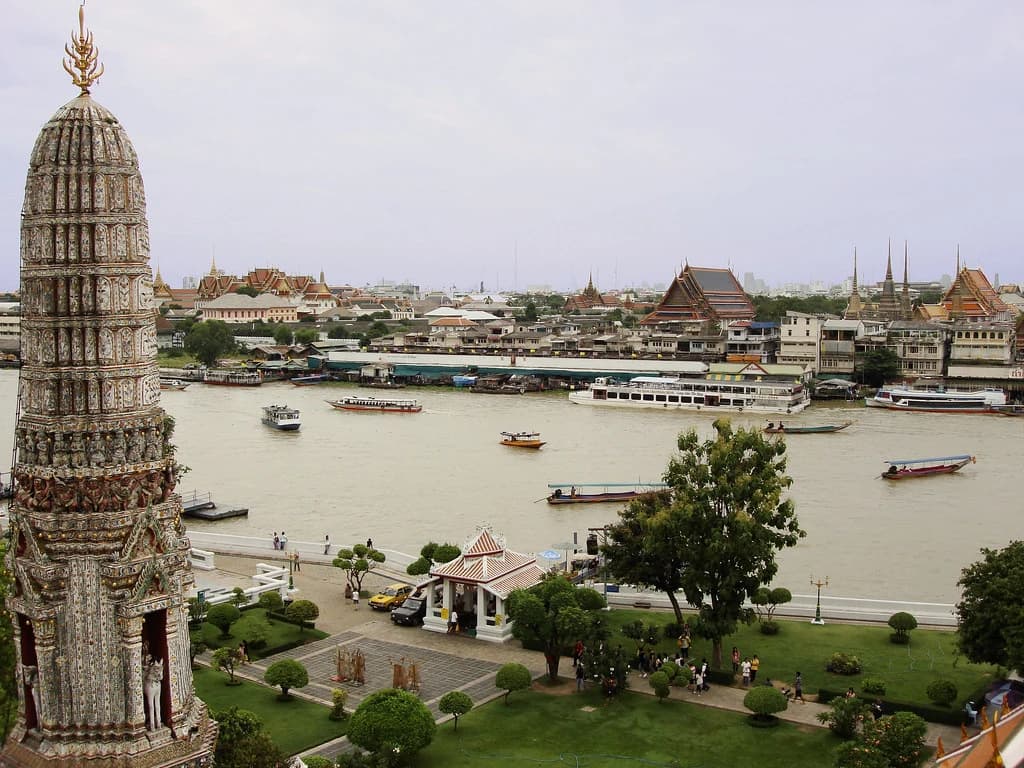 Bangkok
Bangkok
Thailand
Bangkok's full ceremonial name runs 168 characters and holds the Guinness World Record for longest place name on Earth — a fitting bit of excess for a city that packs gold-spired royal temples, a river cut through by canal boats, and Michelin-recognized street food carts into the same few blocks.
See full guide →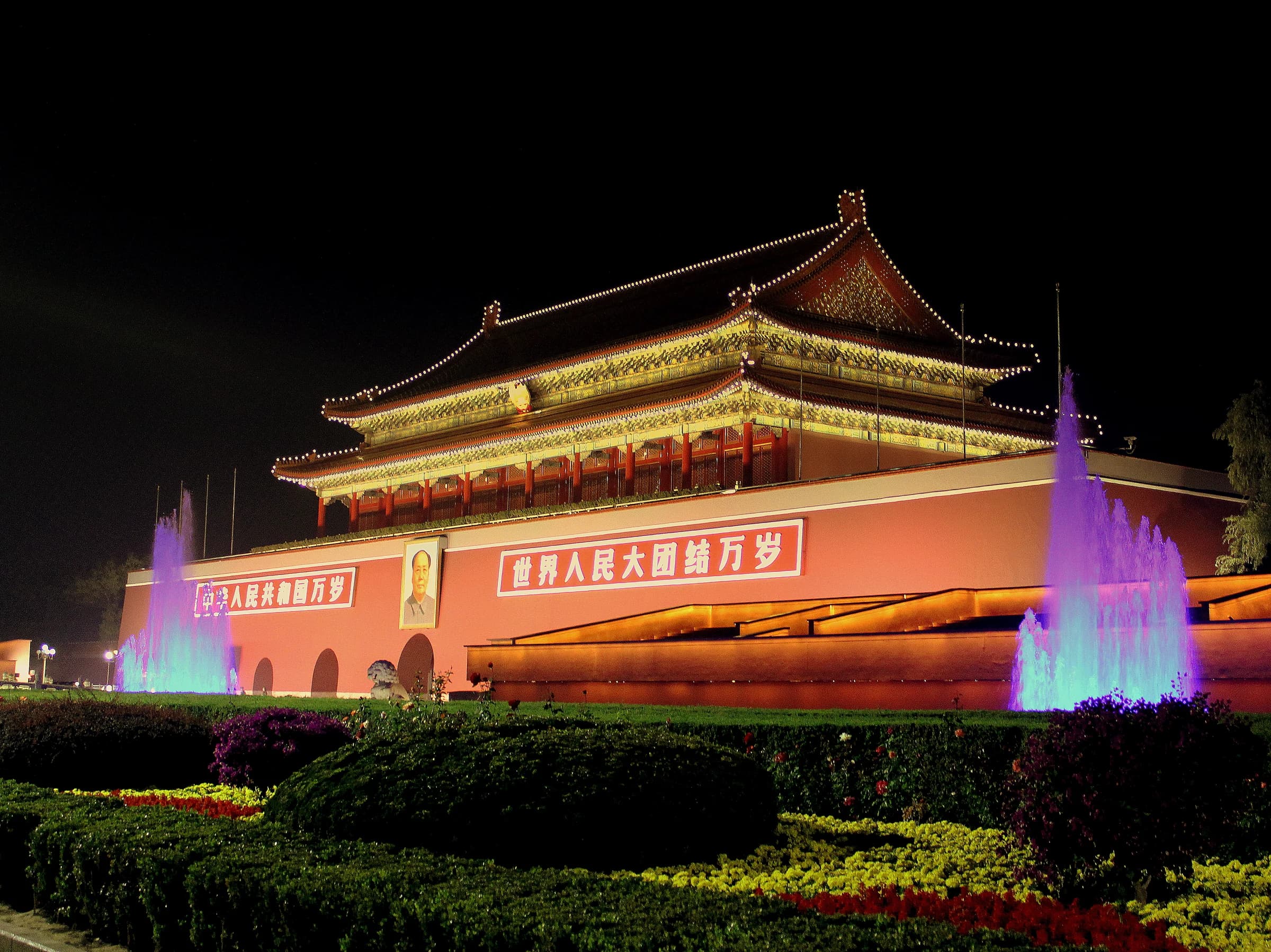 Beijing
Beijing
China
The Forbidden City housed 24 emperors across nearly 500 years inside a walled complex of 980 buildings, and it's just one stop in a capital that also holds the most-visited sections of the Great Wall and one of the largest public squares on Earth.
See full guide →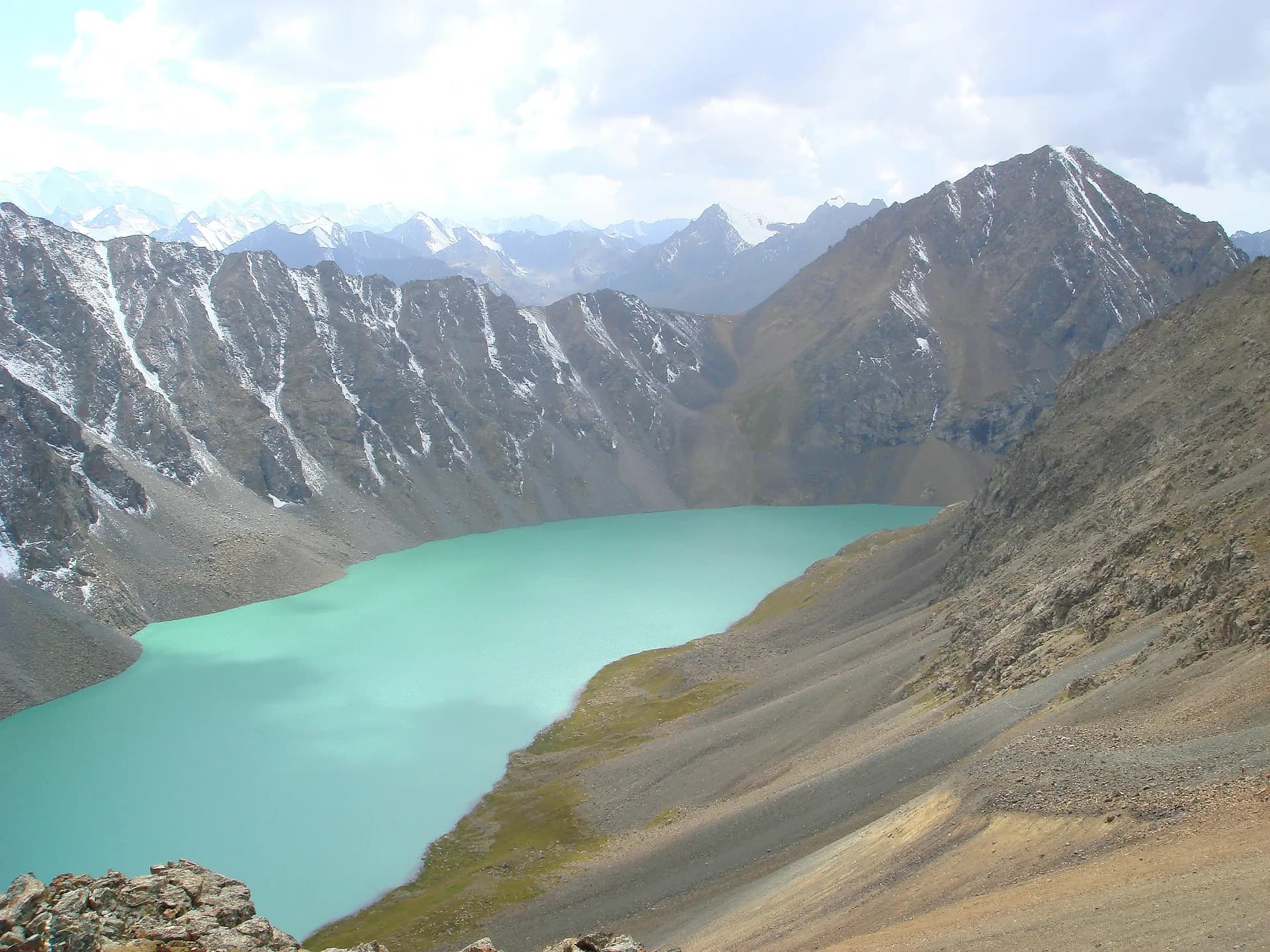 Bishkek
Bishkek
Kyrgyzstan
Issyk-Kul, the alpine lake Bishkek serves as the main gateway to, ranks as the second-largest mountain lake in the world by volume after Lake Titicaca, and it never fully freezes despite sitting at over 1,600 meters elevation, a fact that gave the lake its name, meaning "warm lake" in Kyrgyz.
See full guide →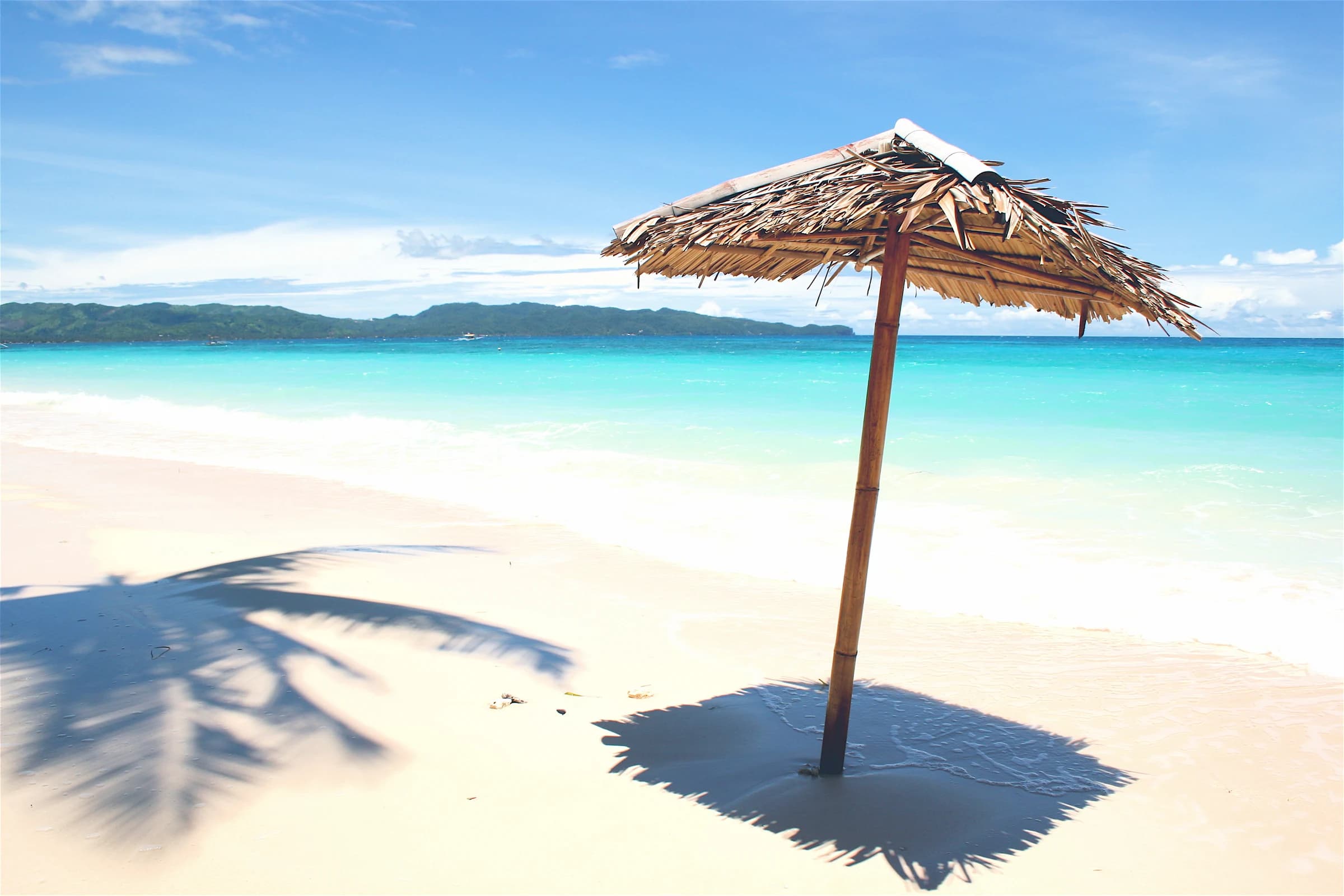 Boracay
Boracay
Philippines
In 2018 the Philippine government shut Boracay down entirely for six months, banning all tourists from an island barely 10 square kilometers in size, to fix a sewage and overcrowding problem that had been quietly ruining the exact beach everyone came for.
See full guide →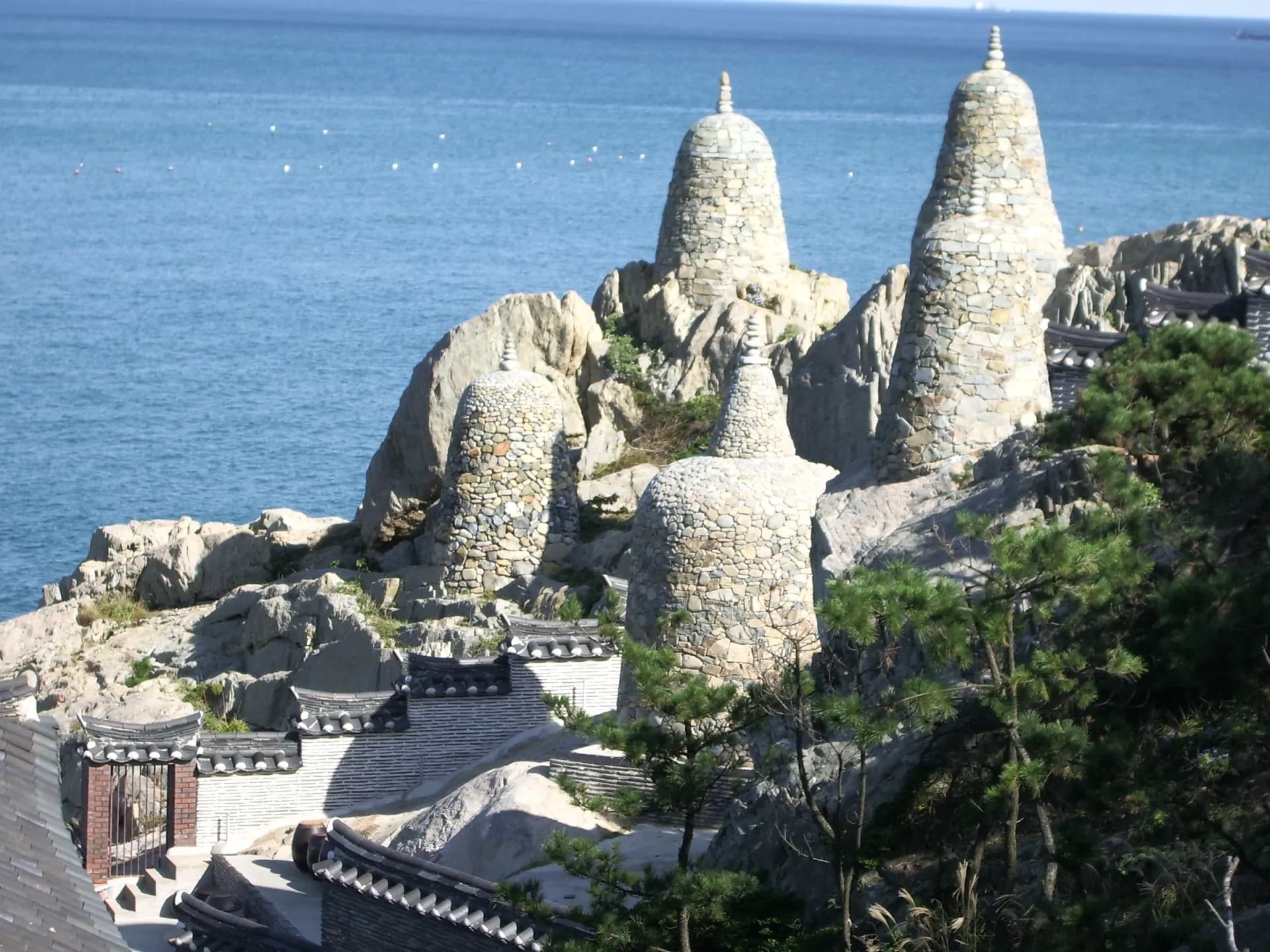 Busan
BusanBusan
South Korea
South Korea's second city built a temple directly into the coastal cliffs at Haedong Yonggungsa, unlike the mountain-set temples found almost everywhere else in the country, and that willingness to break from tradition runs through Busan generally, a port city of beaches, a mountainside village painted like a rainbow, and the country's largest fish market.
See full guide →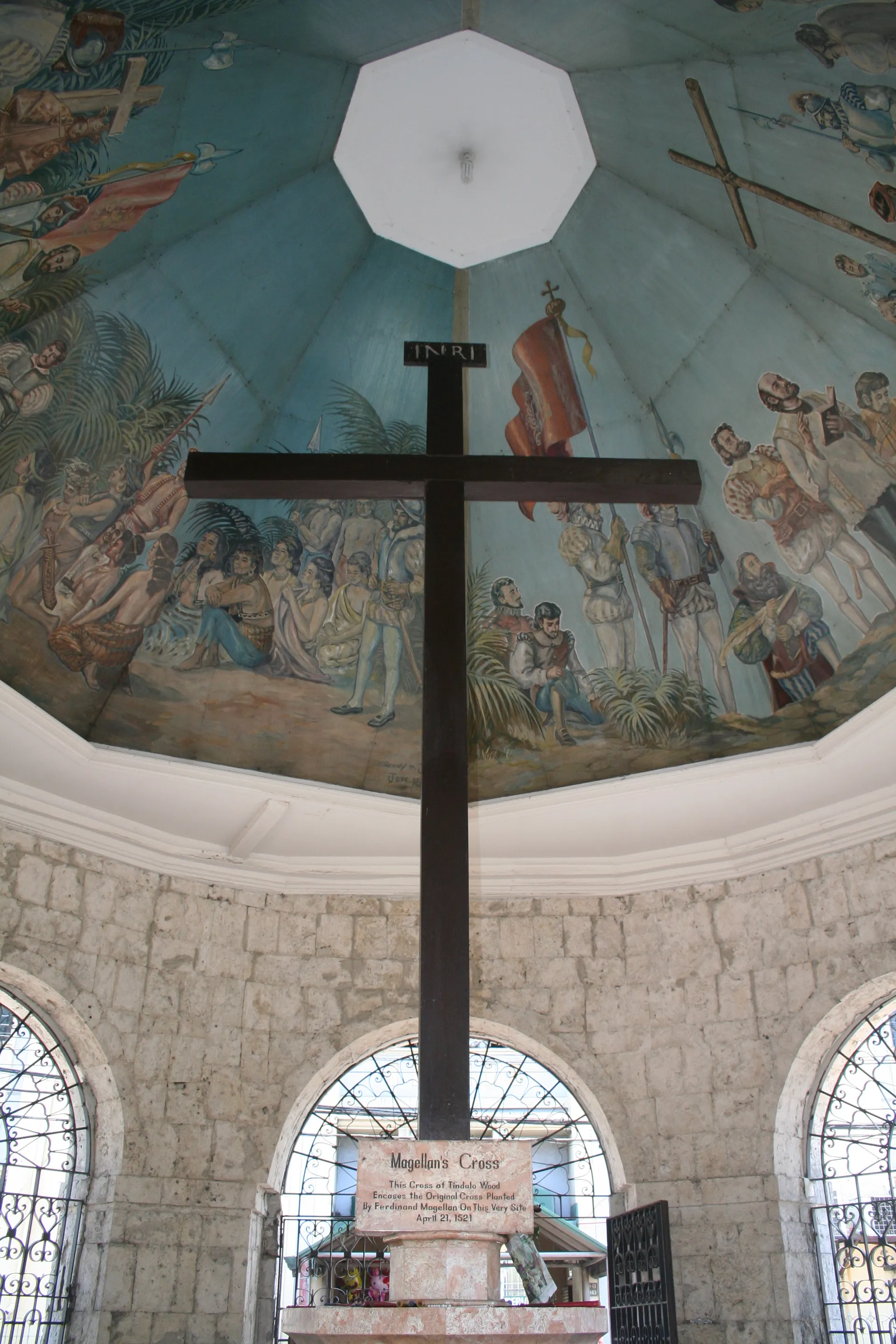 Cebu
CebuCebu
Philippines
Magellan planted a cross on Cebu in 1521 to mark Christianity's arrival in the Philippines, and just weeks later a local chief named Lapu-Lapu killed him on the neighboring island of Mactan, making Cebu the site of both the beginning of Spanish colonization and one of the first recorded instances of successful resistance against it.
See full guide →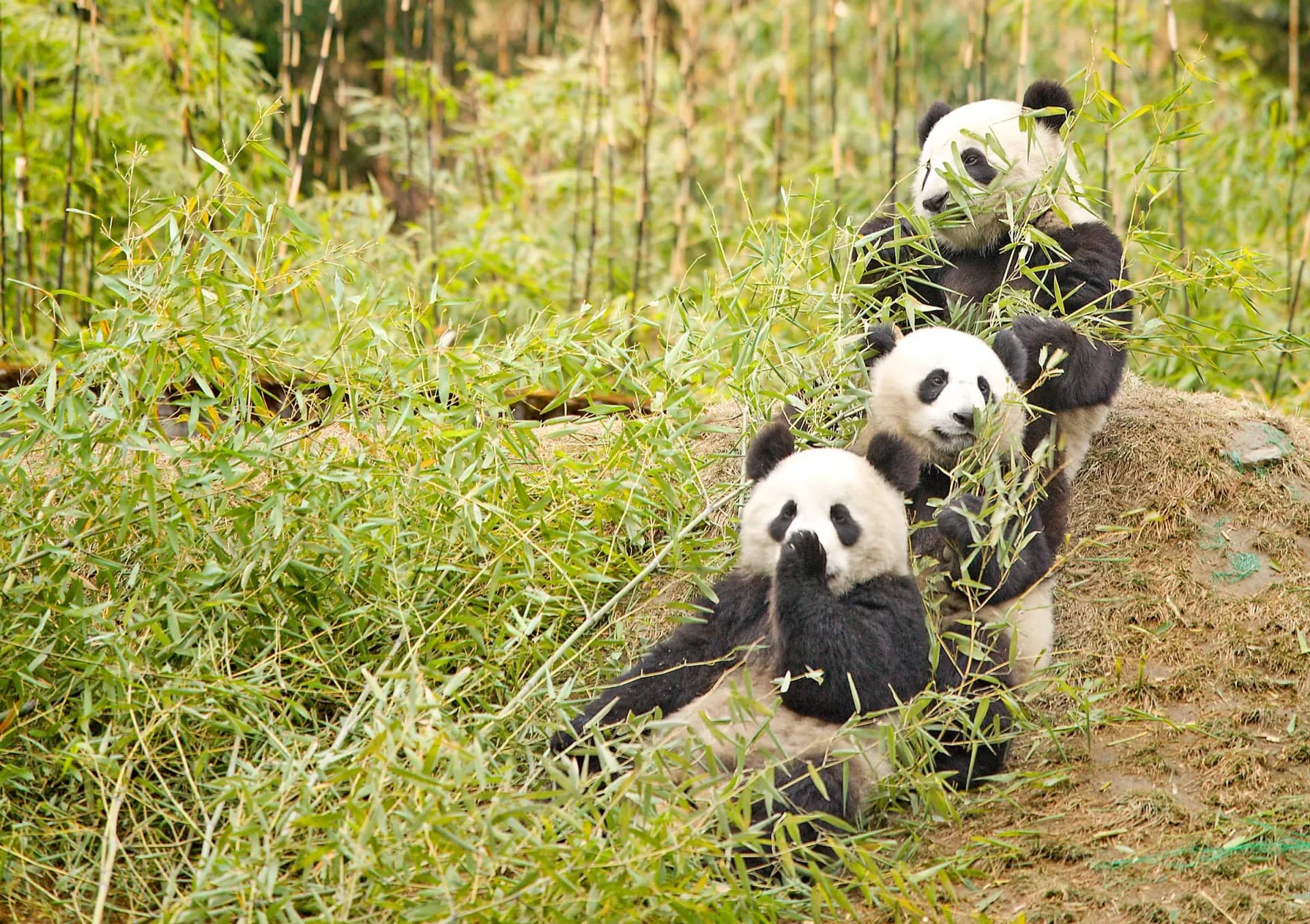 Chengdu
Chengdu
China
Chengdu Research Base has bred giant pandas successfully enough that the species' wild population has climbed from endangered toward vulnerable, and visitors who show up before 9am get to watch the pandas at their most active, before the midday heat sends them into the naps they spend most of the day taking anyway.
See full guide →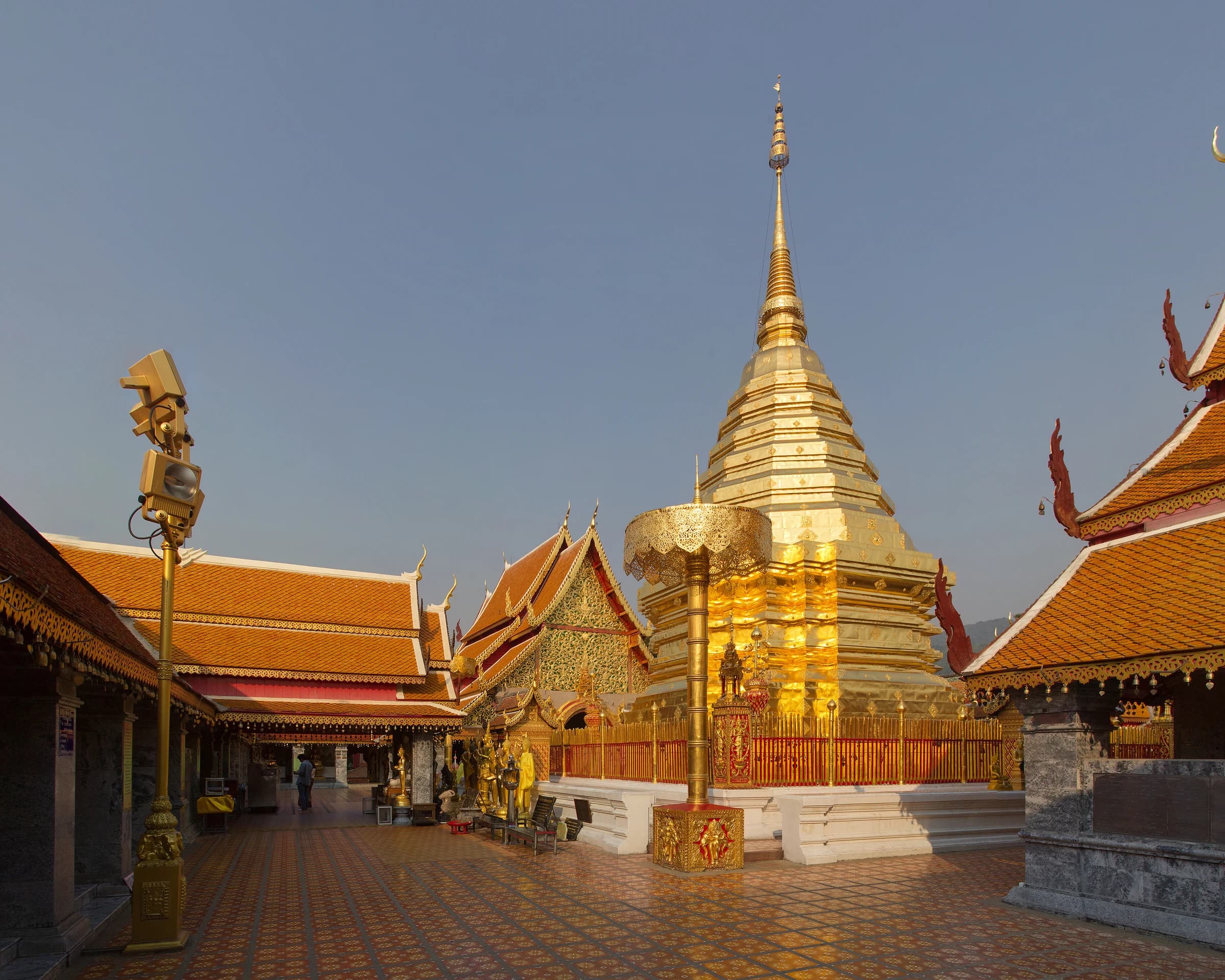 Chiang Mai
Chiang Mai
Thailand
Chiang Mai was founded in 1296 as the capital of the Lanna Kingdom, and its Old City still sits inside a nearly-complete square moat and the remnants of its original brick walls — a slower, mountain-ringed counterpoint to Bangkok that's become one of the world's most popular bases for long-term digital nomads.
See full guide →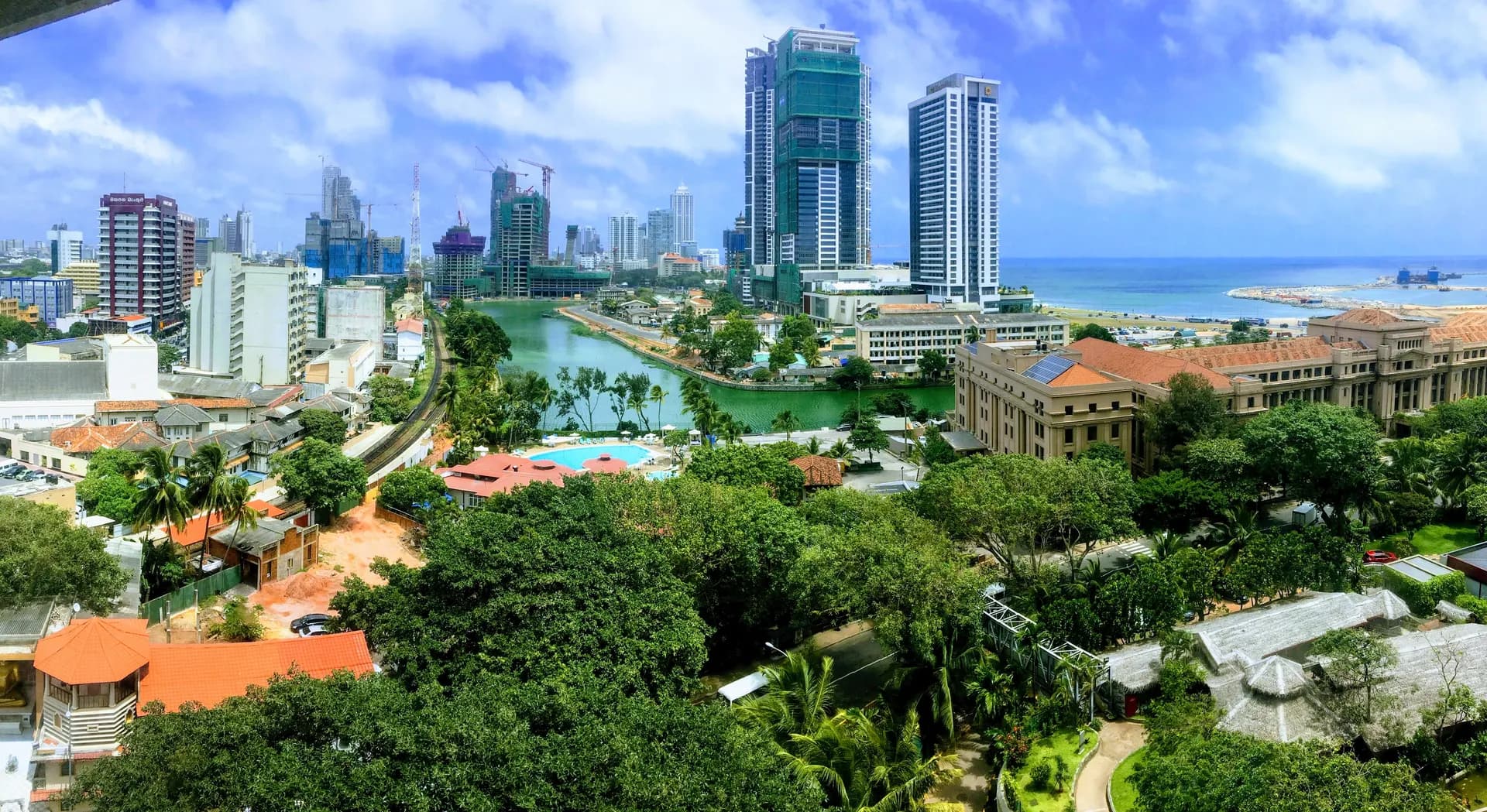 Colombo
Colombo
Sri Lanka
Colombo has passed through Portuguese, Dutch, and British colonial control over roughly four centuries, and that succession left the city with a genuinely layered architectural record, Dutch colonial forts sitting alongside British-era clock towers and railway stations, all now functioning as Sri Lanka's commercial capital rather than a preserved museum piece.
See full guide →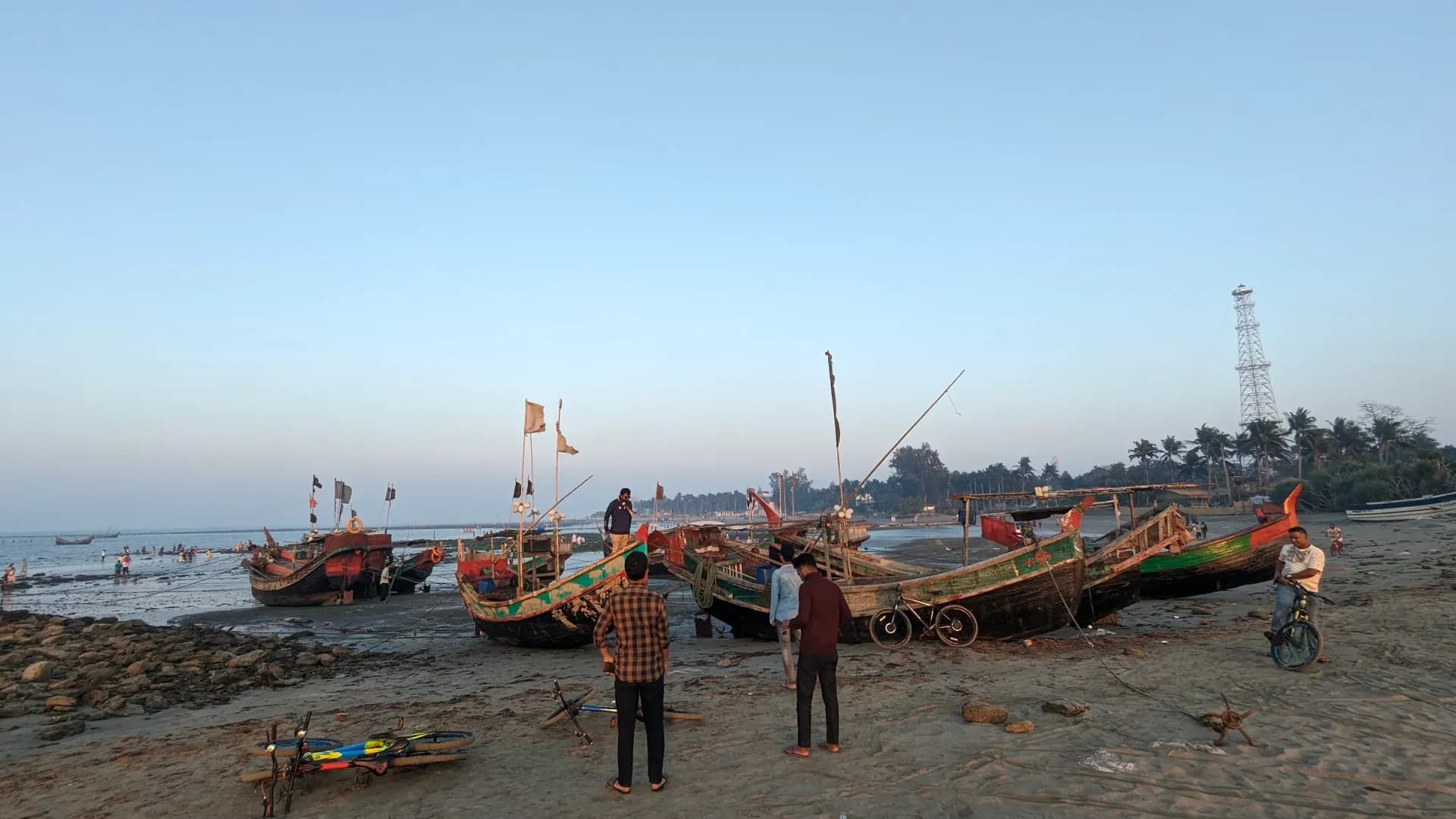 Cox's Bazar
Cox's Bazar
Bangladesh
Cox's Bazar holds an unbroken stretch of natural sand roughly 120 kilometers long, the longest sea beach in the world, and it still sees only a fraction of the international visitors that beaches a tenth its size attract elsewhere in Asia, since Bangladesh remains one of the least-visited countries on the continent.
See full guide →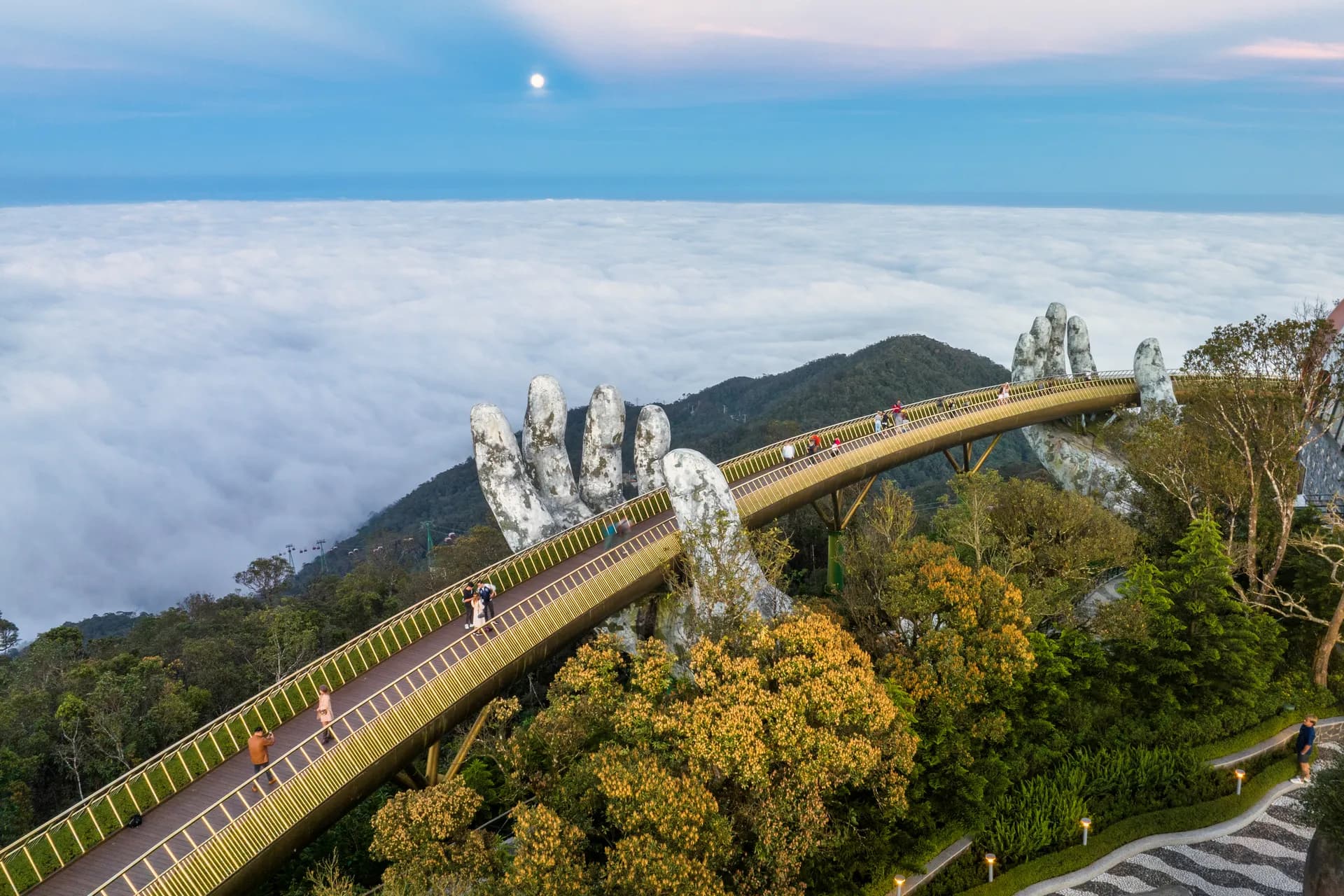 Da Nang
Da Nang
Vietnam
The Golden Bridge above Da Nang appears to rise directly out of a pair of giant stone hands, a piece of architecture so specifically designed for social media that it opened in 2018 and had already reshaped the city's tourism economy within a couple of years, on a coastline that was virtually unknown to international visitors a generation ago.
See full guide →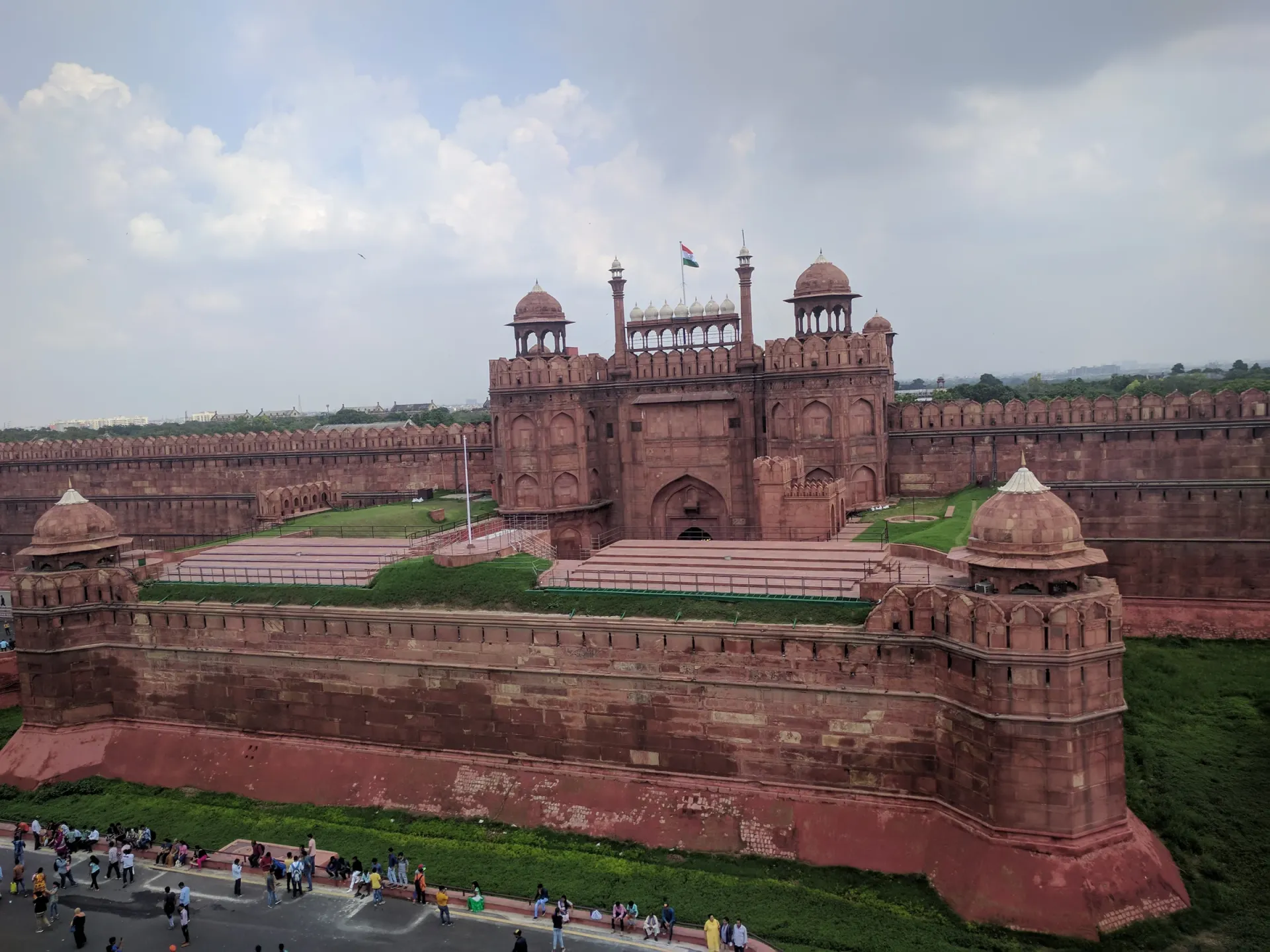 Delhi
DelhiDelhi
India
Delhi has served as a seat of power for roughly a thousand years across multiple empires, and the result is a capital where the Mughal-era Red Fort and the medieval Qutub Minar, at 73 meters the tallest brick minaret in the world, sit within the same metro system as the colonial-built government quarter New Delhi and a population pushing past 30 million.
See full guide →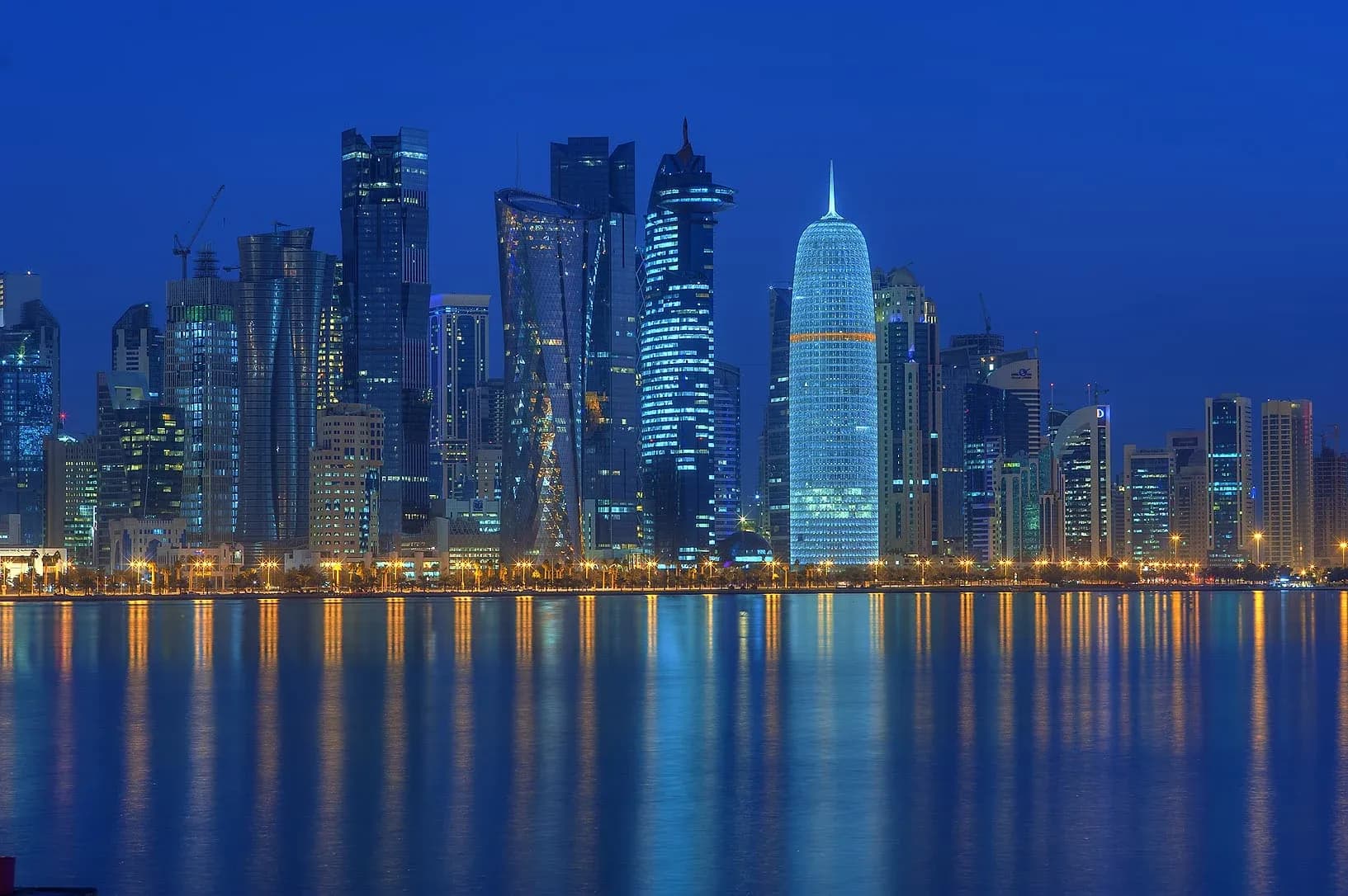 Doha
DohaDoha
Qatar
Doha went from a small pearl-diving and fishing port to hosting the 2022 FIFA World Cup, the first Middle Eastern country ever to do so, within a single lifetime — a transformation funded by natural gas reserves that turned a stretch of Gulf coastline into one of the highest GDP-per-capita economies on Earth.
See full guide →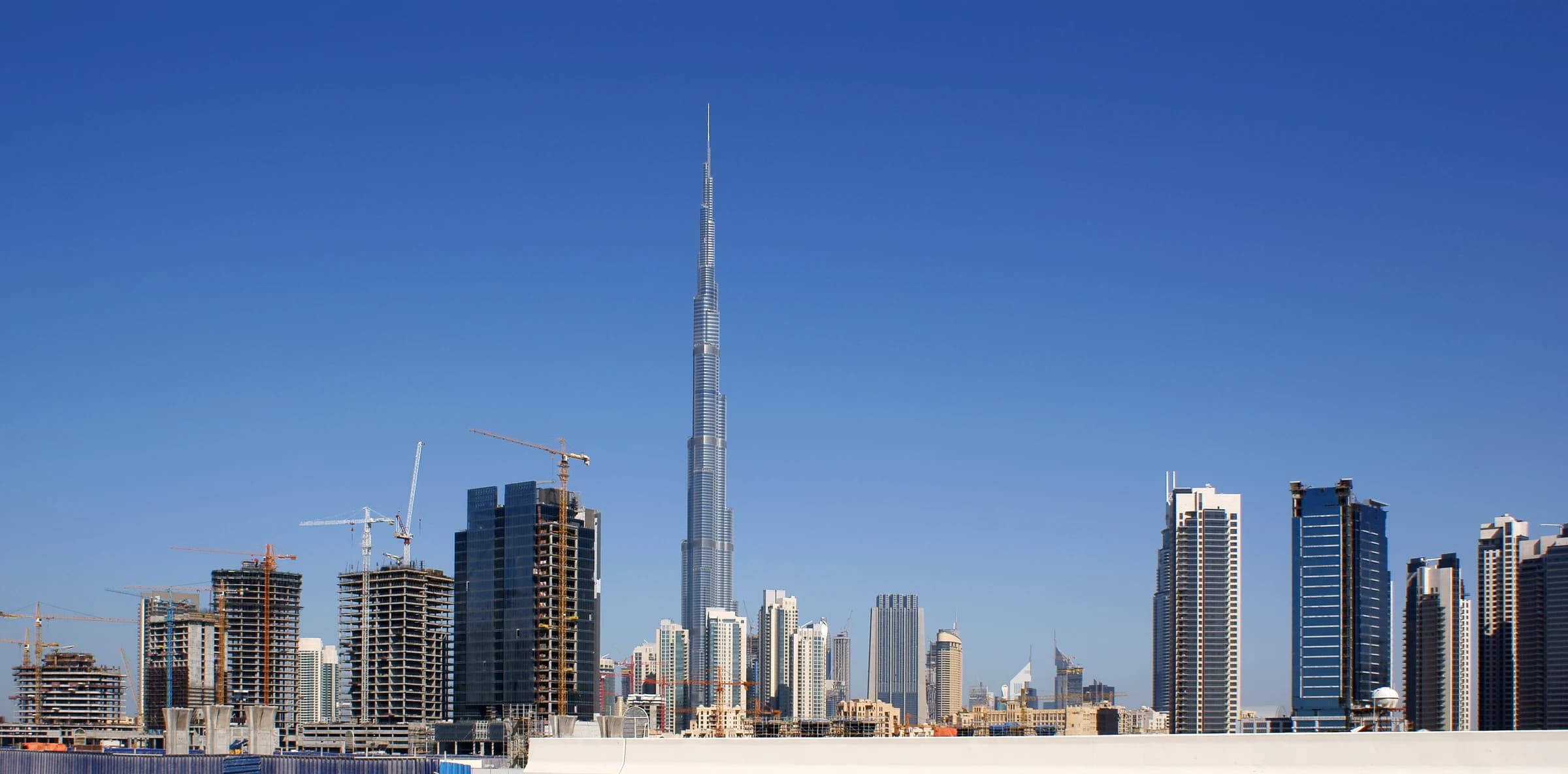 Dubai
DubaiDubai
United Arab Emirates
Less than sixty years ago Dubai was a small fishing and pearling village on the Persian Gulf; today it holds the Burj Khalifa, the tallest building on Earth, and an artificial palm-shaped archipelago visible from space — a transformation compressed into roughly a single working lifetime rather than the centuries most major cities took to build themselves.
See full guide →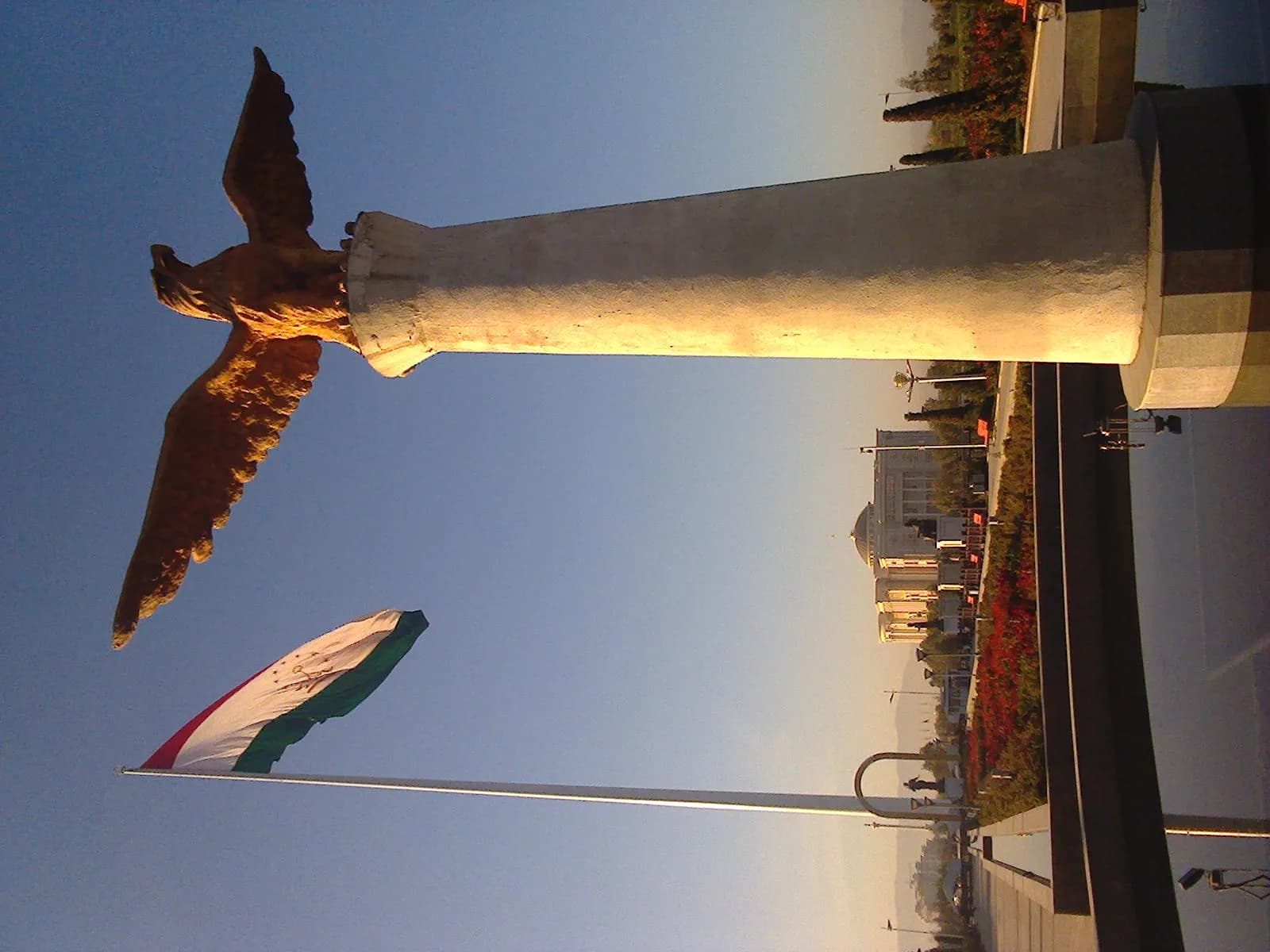 Dushanbe
Dushanbe
Tajikistan
Dushanbe's name means "Monday" in Tajik, a reference to the weekly market that once gave the small village its identity long before it became a Soviet-planned capital, and today it functions mainly as the practical gateway to the Pamir Highway, one of the highest and most remote major roads on Earth, cutting through mountains that rise well above 6,000 meters.
See full guide →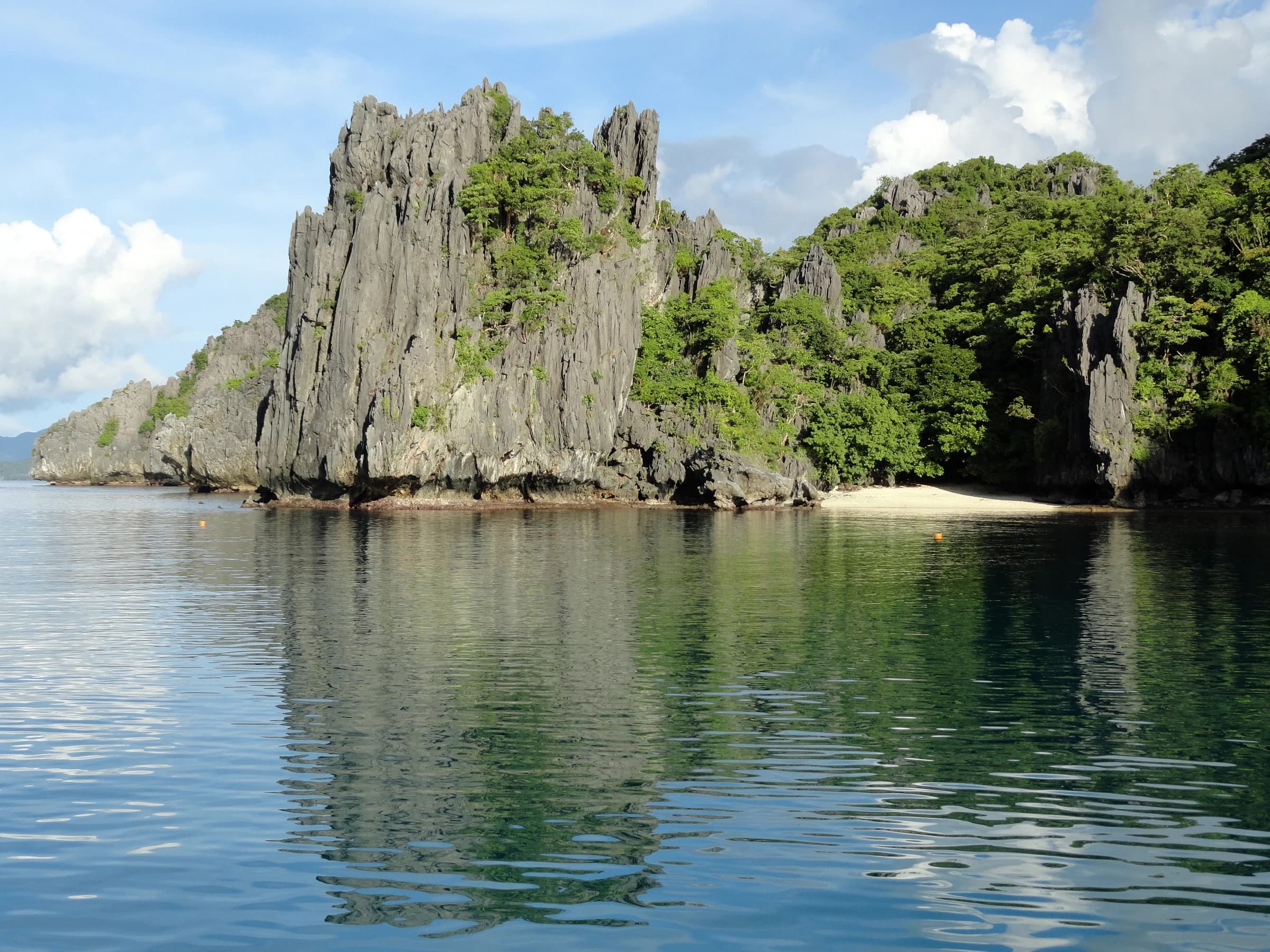 El Nido
El Nido
Philippines
Palawan keeps topping "best island in the world" reader polls year after year, and El Nido, its limestone-cliffed gateway to the Bacuit Archipelago's hidden lagoons, is the reason a chain of islands most people couldn't place on a map has become genuinely hard to book last-minute.
See full guide →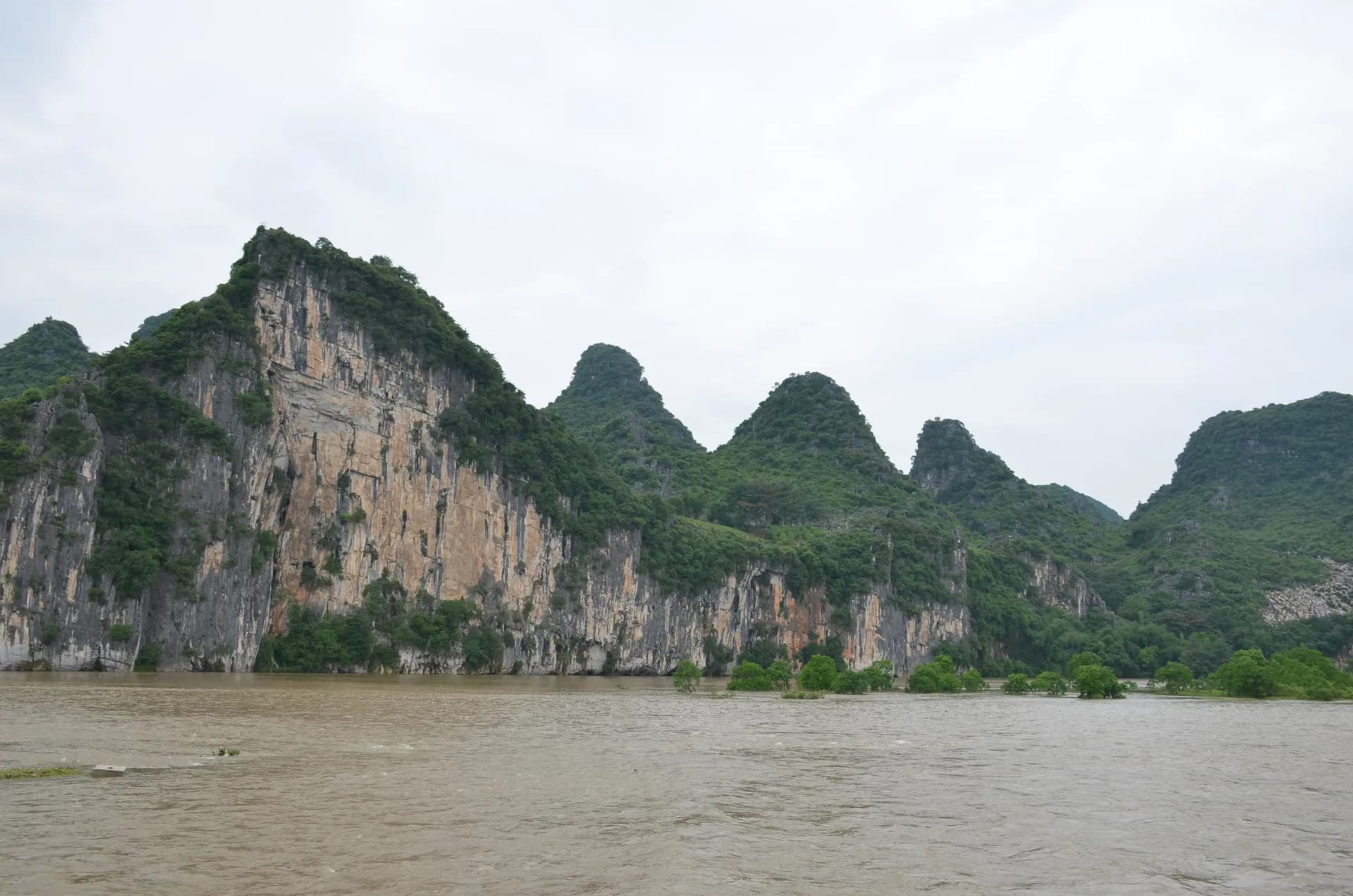 Guilin
Guilin
China
Guilin's karst mountain landscape has appeared on China's 20-yuan banknote and in centuries of traditional Chinese ink painting, and a cruise down the Li River between Guilin and the town of Yangshuo remains the most direct way to see why this particular stretch of limestone peaks became a fixed reference point in Chinese art long before photography existed.
See full guide →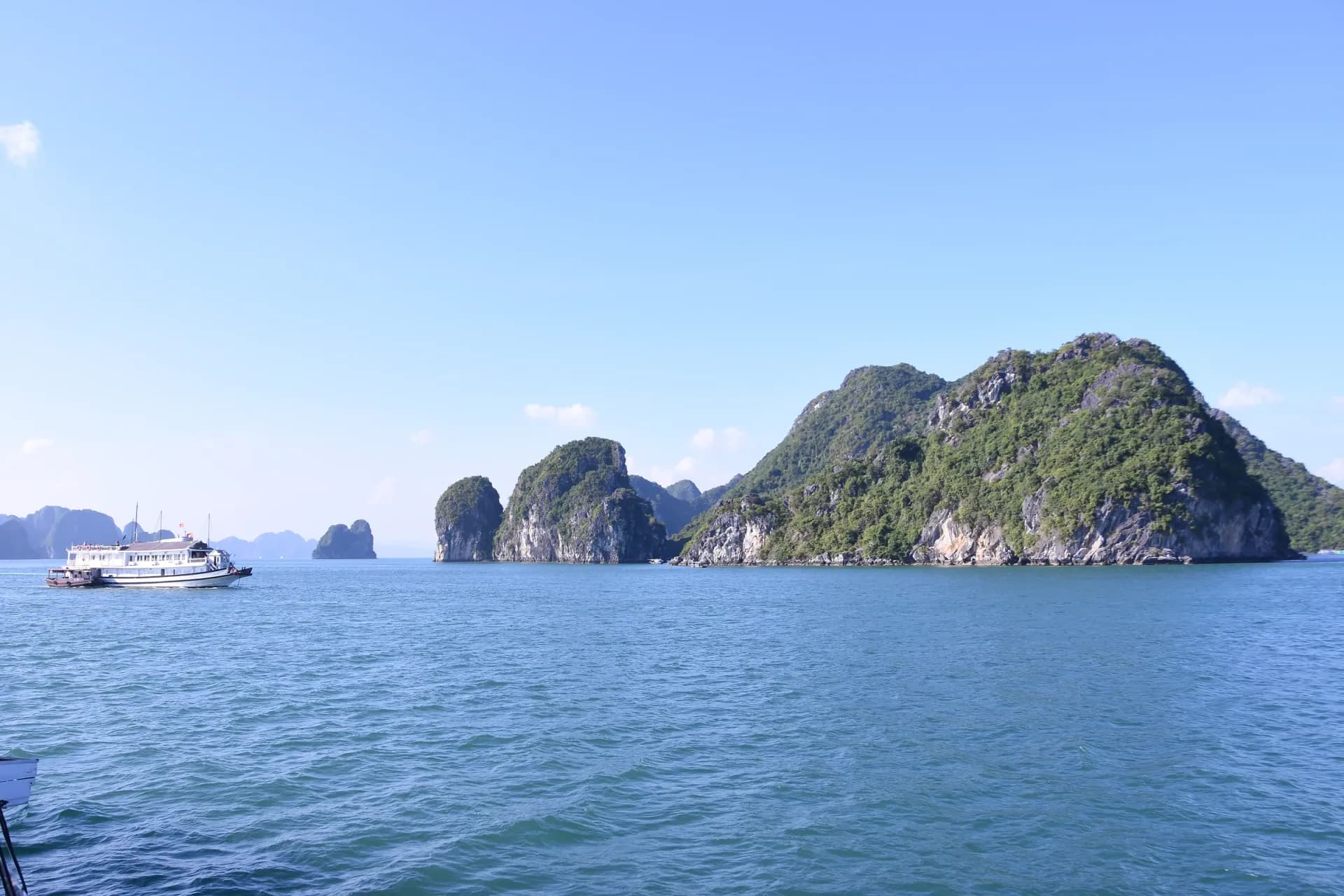 Ha Long Bay
Ha Long Bay
Vietnam
Nearly 2,000 limestone islands and karst pillars rise directly out of Ha Long Bay's emerald water, formations that took roughly 500 million years of geological history to create, and a Vietnamese legend holds they were left behind by dragons sent to defend the coastline — a UNESCO World Heritage seascape best seen from the deck of an overnight boat.
See full guide →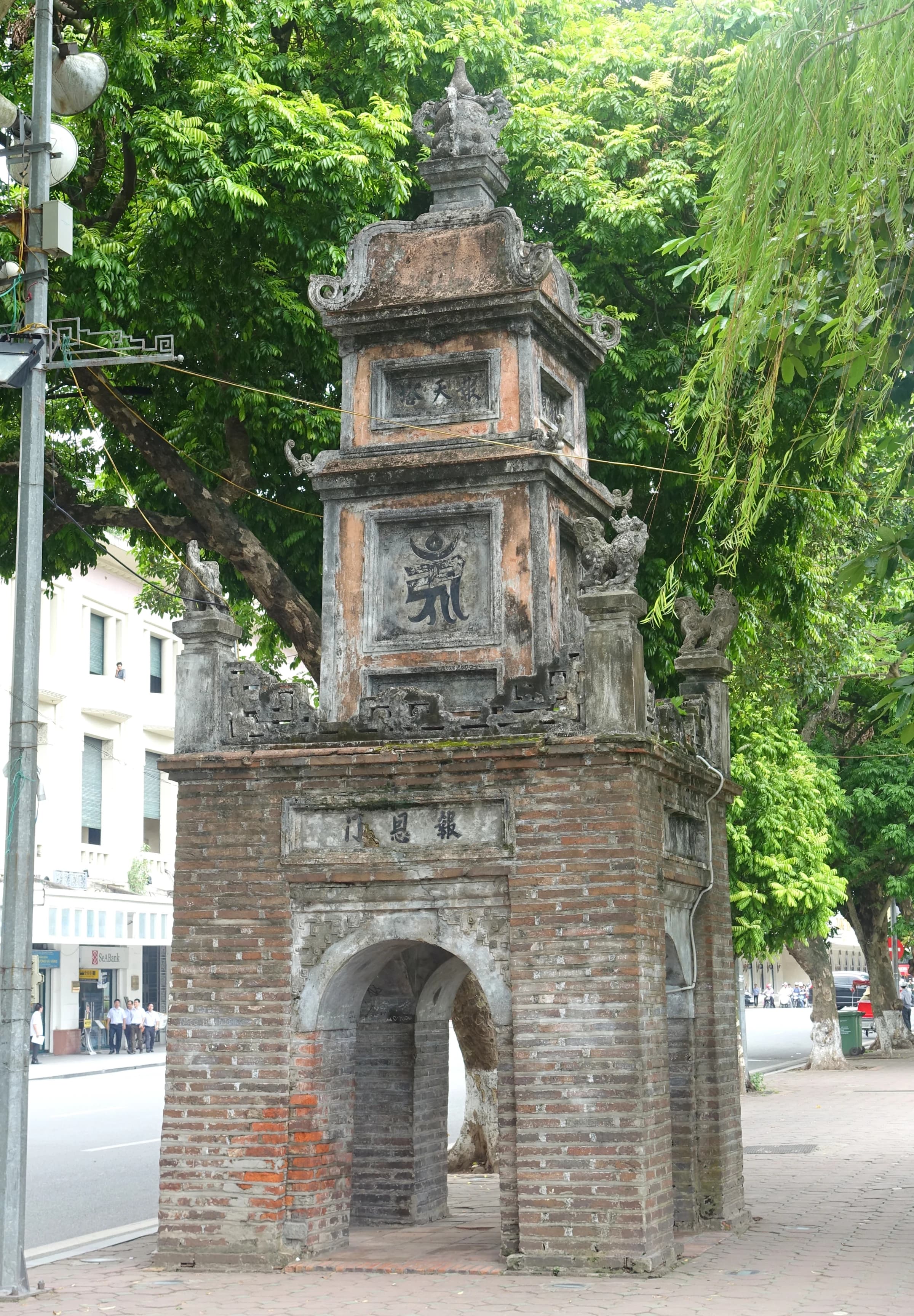 Hanoi
HanoiHanoi
Vietnam
Vietnam's capital has been continuously inhabited since 1010, and a stretch of its Old Quarter still runs literal train tracks through a residential street lined with cafes close enough to touch the passing carriages — one of the more unusual ways a thousand-year-old city and modern viral tourism have collided.
See full guide →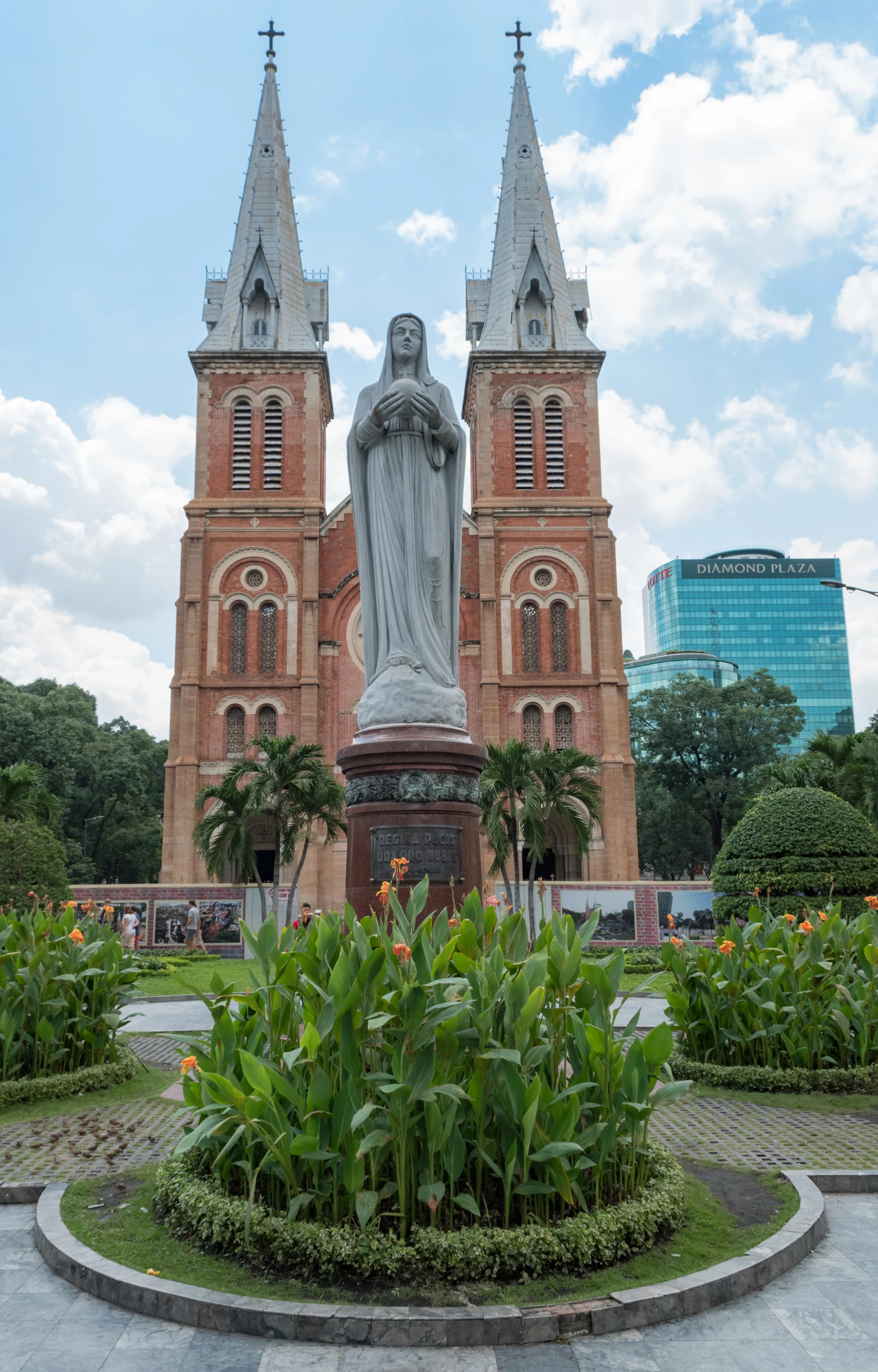 Ho Chi Minh City
Ho Chi Minh City
Vietnam
Renamed after national reunification in 1975, Ho Chi Minh City is still called Saigon by most of the people who actually live there — a city of millions of motorbikes, French colonial buildings repurposed rather than removed, and a war history told bluntly from the Vietnamese side at the War Remnants Museum.
See full guide →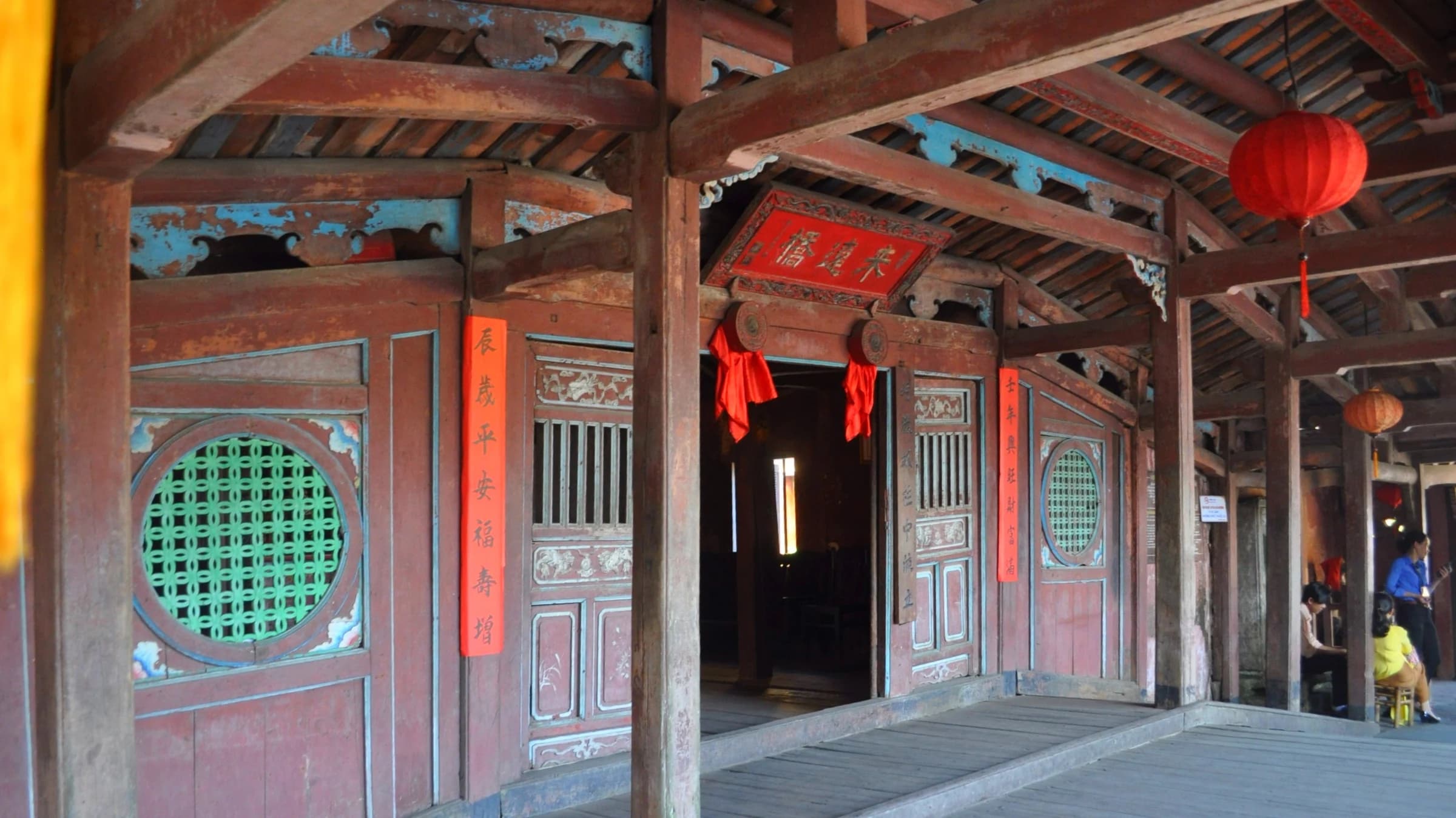 Hoi An
Hoi An
Vietnam
Hoi An spent centuries as a major Southeast Asian trading port where Vietnamese, Chinese, Japanese, and European merchants mixed under one roof, and once a month it still turns off its electric lights entirely, letting the whole UNESCO-listed old town glow purely on silk lanterns instead.
See full guide →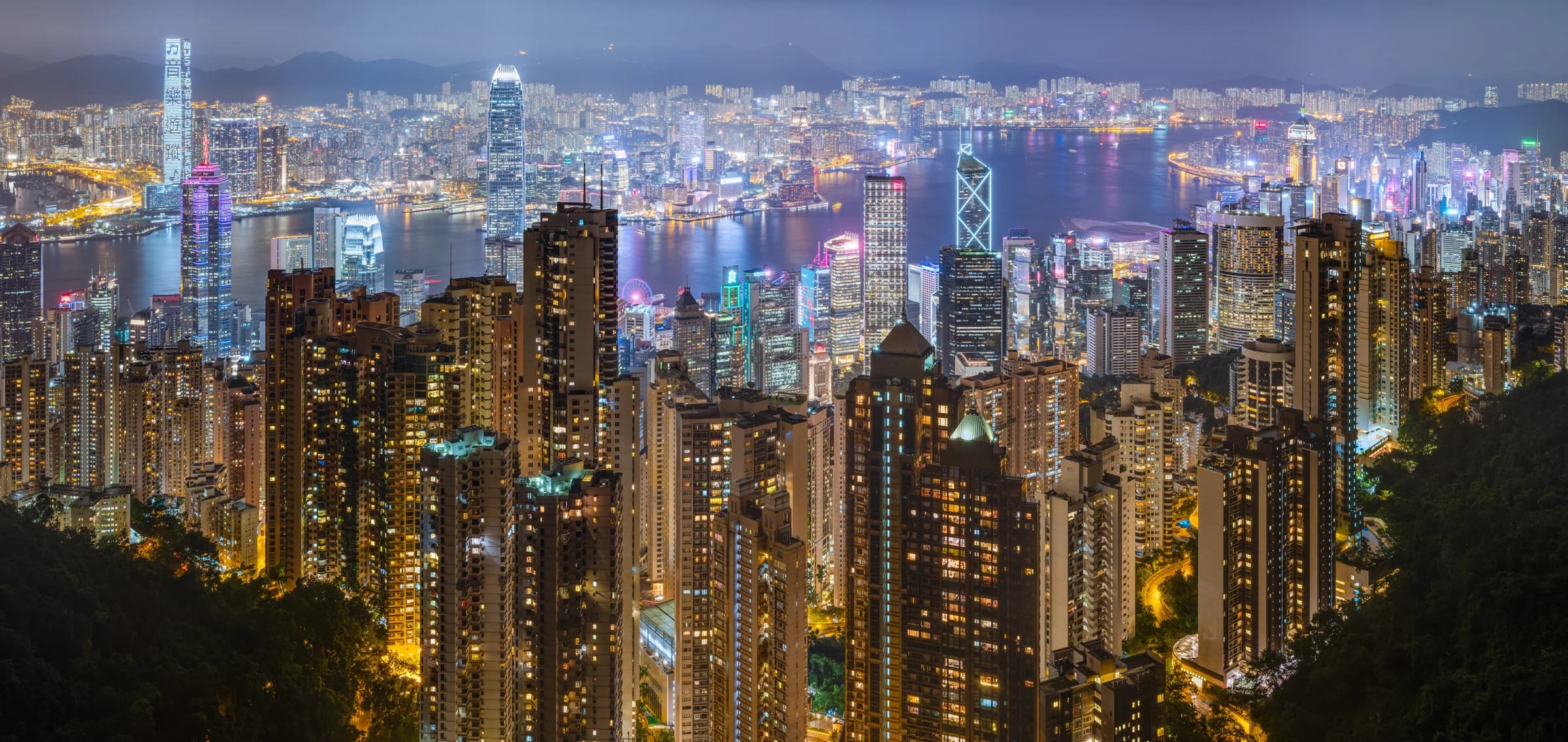 Hong Kong
Hong Kong
Hong Kong
A Star Ferry has crossed Victoria Harbour since 1888 and still costs barely more than pocket change, a small, enduring detail in a city that holds more skyscrapers than anywhere else on Earth and runs Michelin-starred kitchens a few streets from some of Asia's best street food.
See full guide →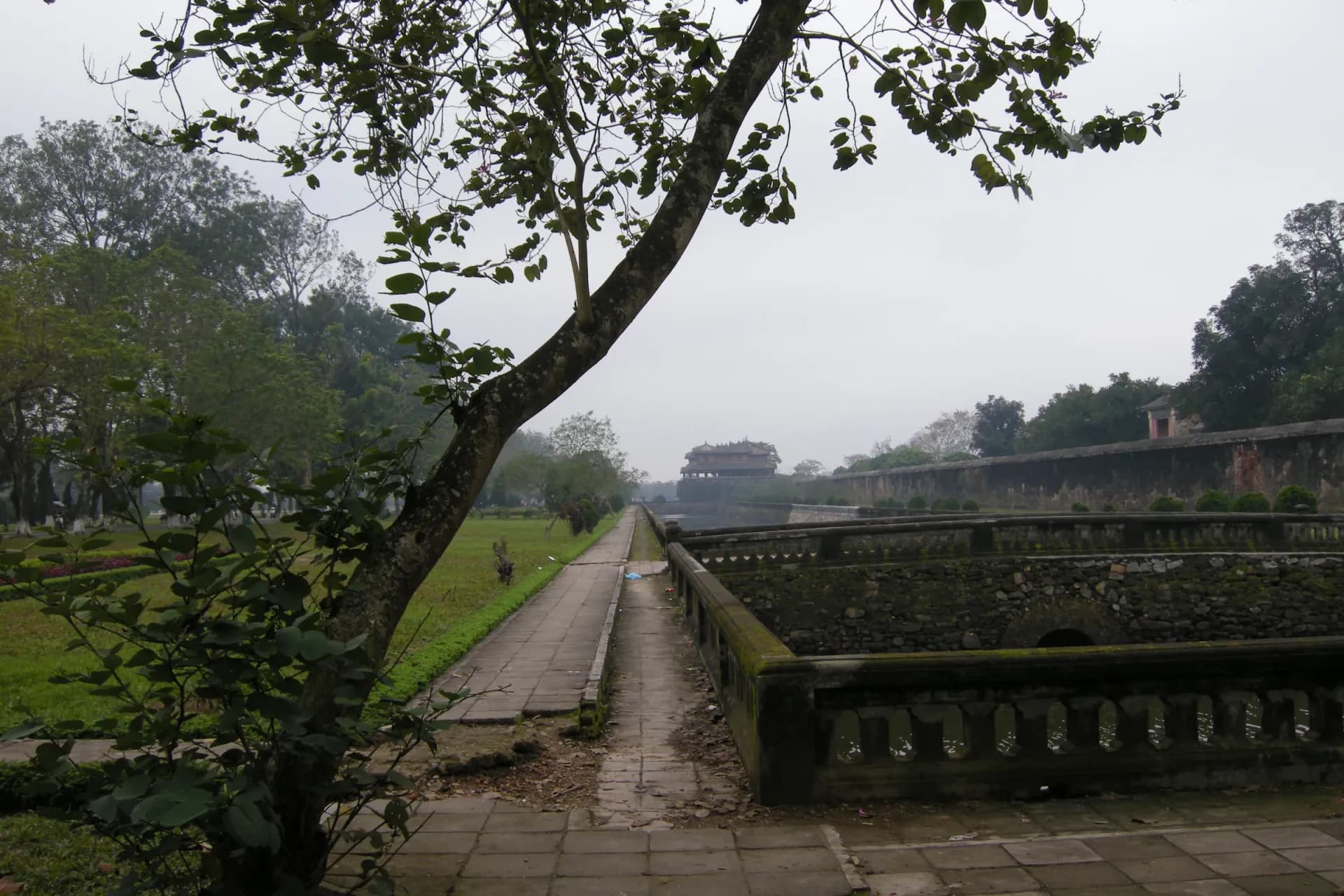 Hue
HueHue
Vietnam
Hue served as the imperial capital of Vietnam's last ruling dynasty for over a century, and its walled Citadel, modeled partly on Beijing's Forbidden City, absorbed heavy damage during the 1968 Tet Offensive's fiercest urban battle of the Vietnam War — leaving a UNESCO World Heritage site that's still being restored, piece by piece, decades later.
See full guide →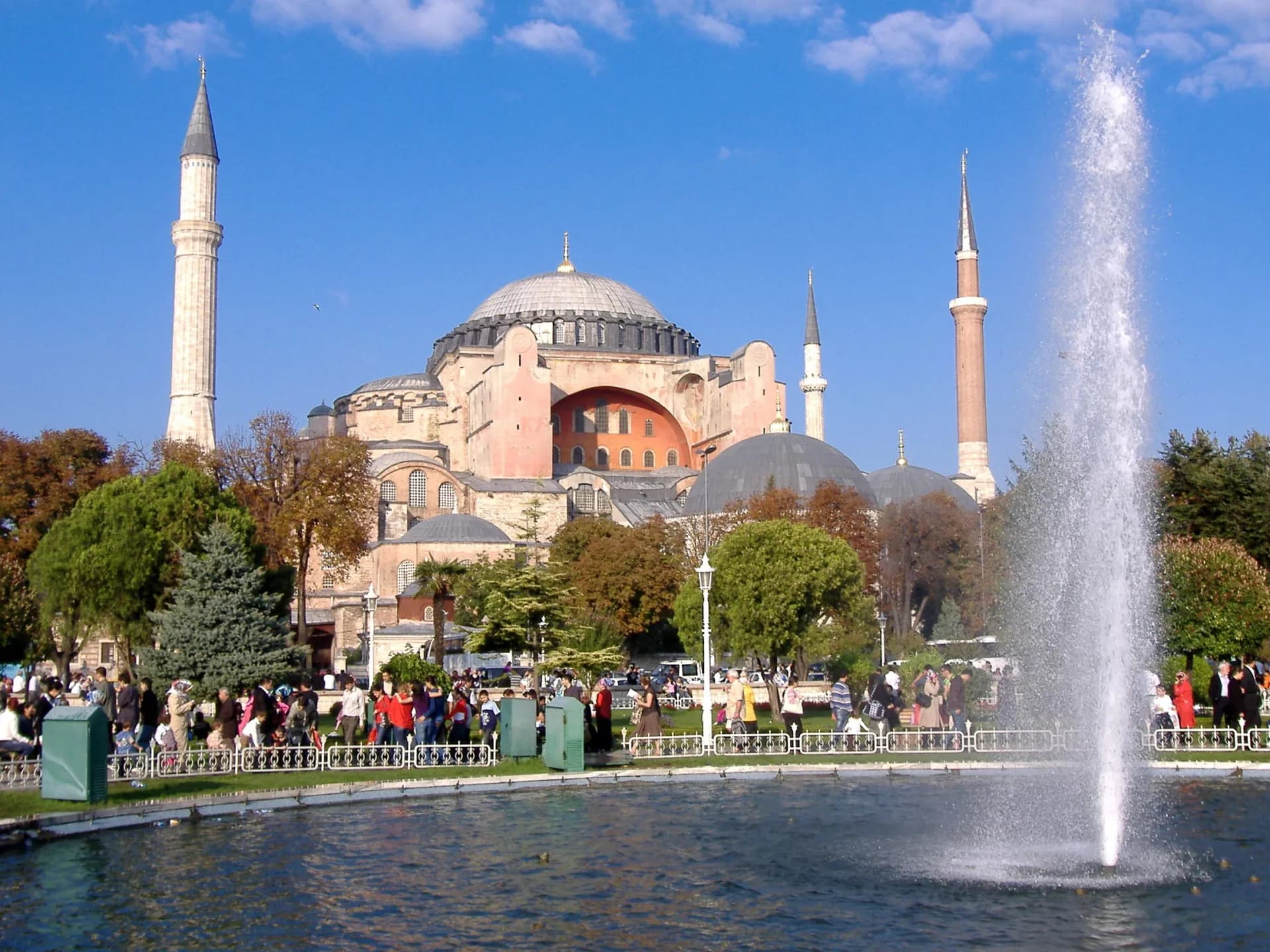 Istanbul
Istanbul
Turkey
Istanbul is the only city in the world built across two continents, split down the middle by the Bosphorus Strait between Europe and Asia, and it's been the capital of two empires under two different names, Constantinople under the Byzantines and later the Ottomans, leaving behind a skyline where a 6th-century cathedral-turned-mosque still dominates the view.
See full guide →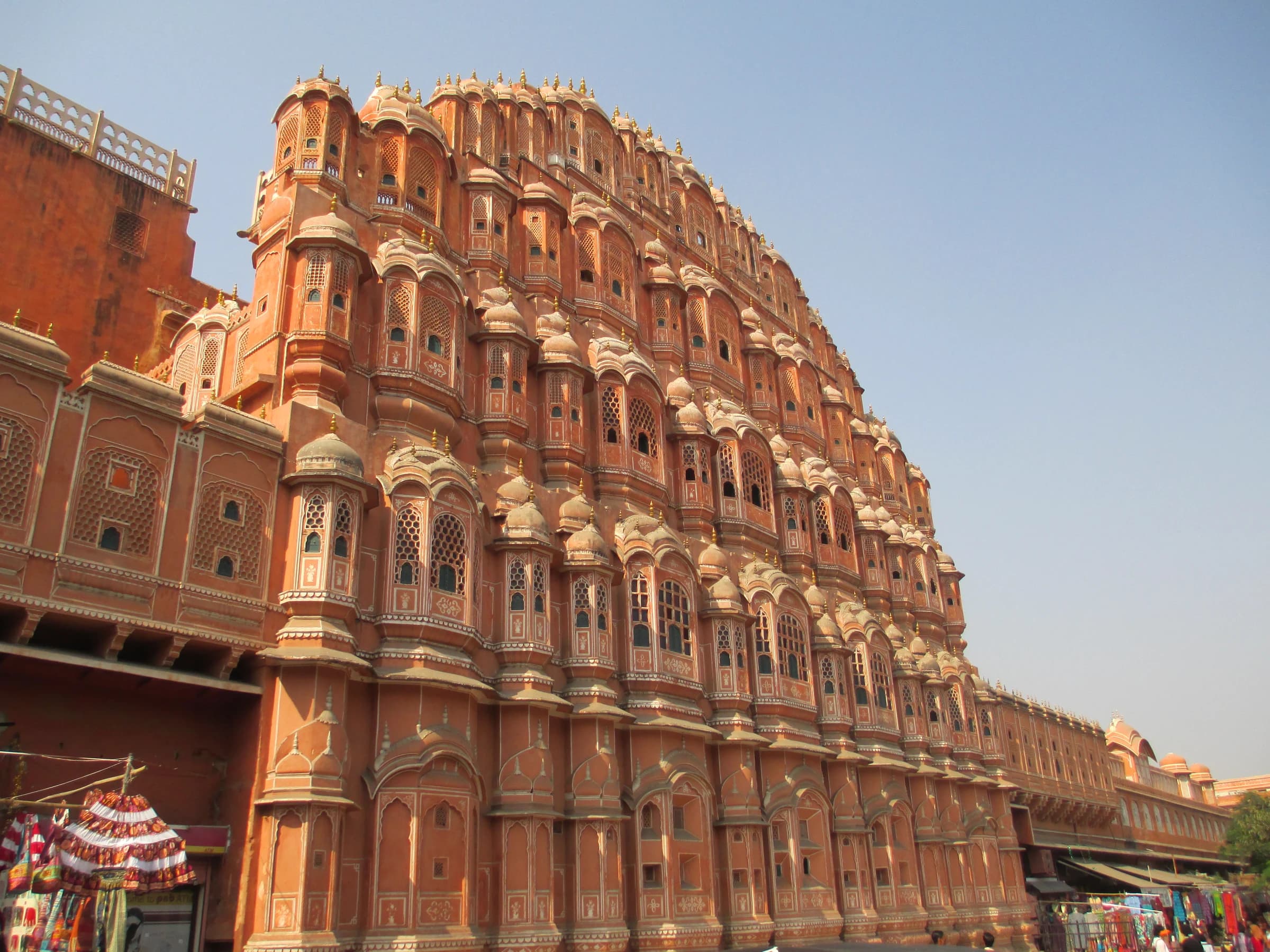 Jaipur
Jaipur
India
Jaipur's old city was painted terracotta pink in 1876 for a single royal visit from the Prince of Wales, and the tradition stuck so firmly that it's now protected by law — giving India's "Pink City" a genuinely unified look across the Hawa Mahal's 953 honeycomb windows, the hilltop Amber Fort, and the rest of its historic center.
See full guide →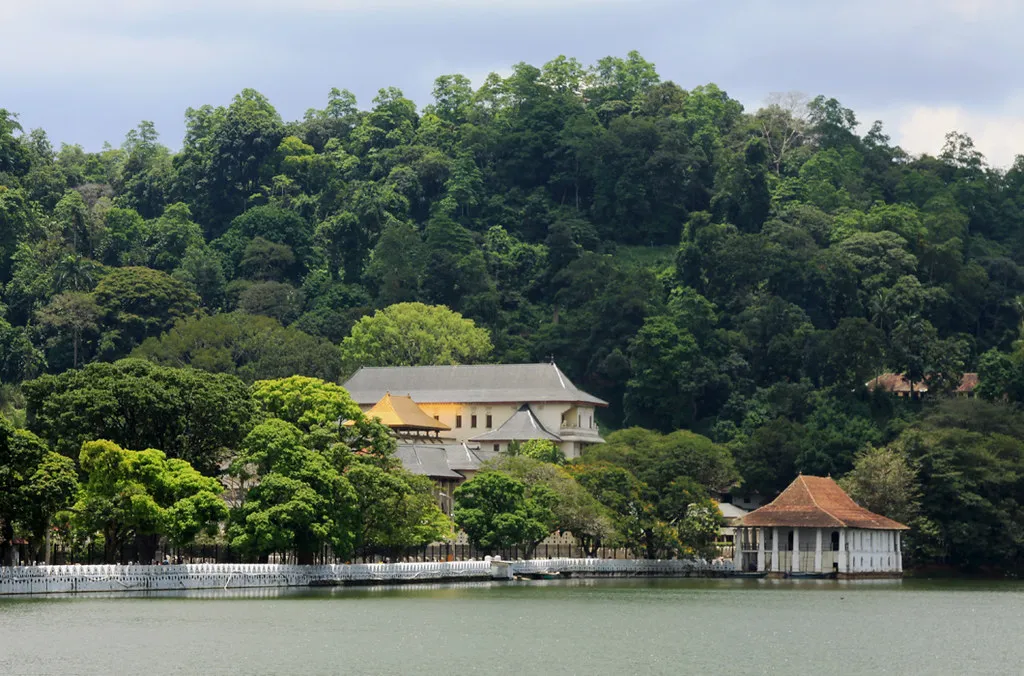 Kandy
KandyKandy
Sri Lanka
The Temple of the Sacred Tooth Relic in Kandy holds what's believed to be one of the Buddha's own teeth, one of the most venerated objects in the Buddhist world, and the relic's arrival here centuries ago helped make Kandy the last capital of Sri Lanka's independent Sinhalese kings before the British finally took full control of the island in 1815.
See full guide →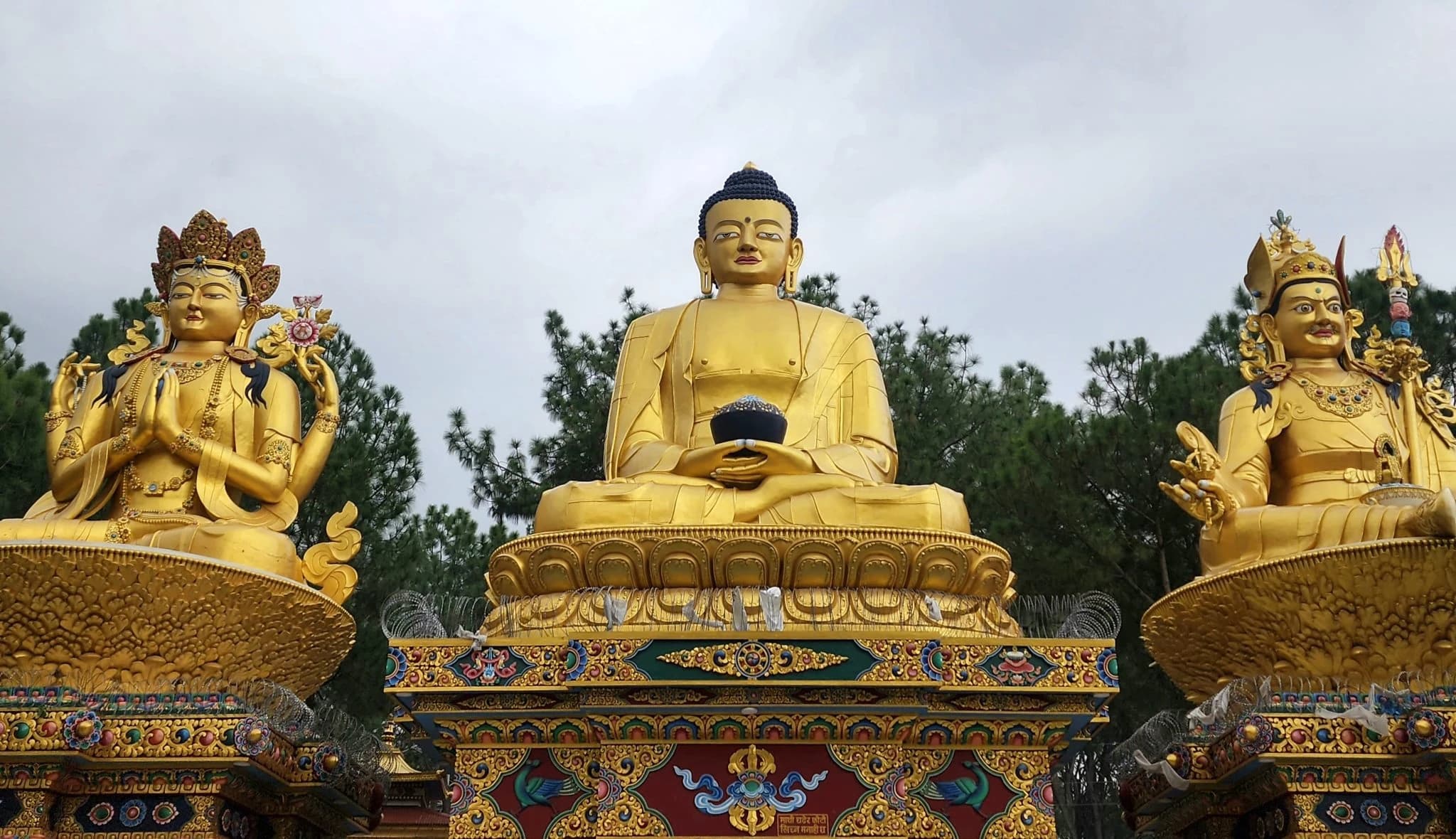 Kathmandu
Kathmandu
Nepal
Kathmandu Valley packs seven separate UNESCO-listed monument zones into a single basin — Durbar Squares, the all-seeing eyes of Swayambhunath, one of the largest stupas in the world at Boudhanath — and still serves as the starting point for nearly everyone attempting to reach the world's highest mountains.
See full guide →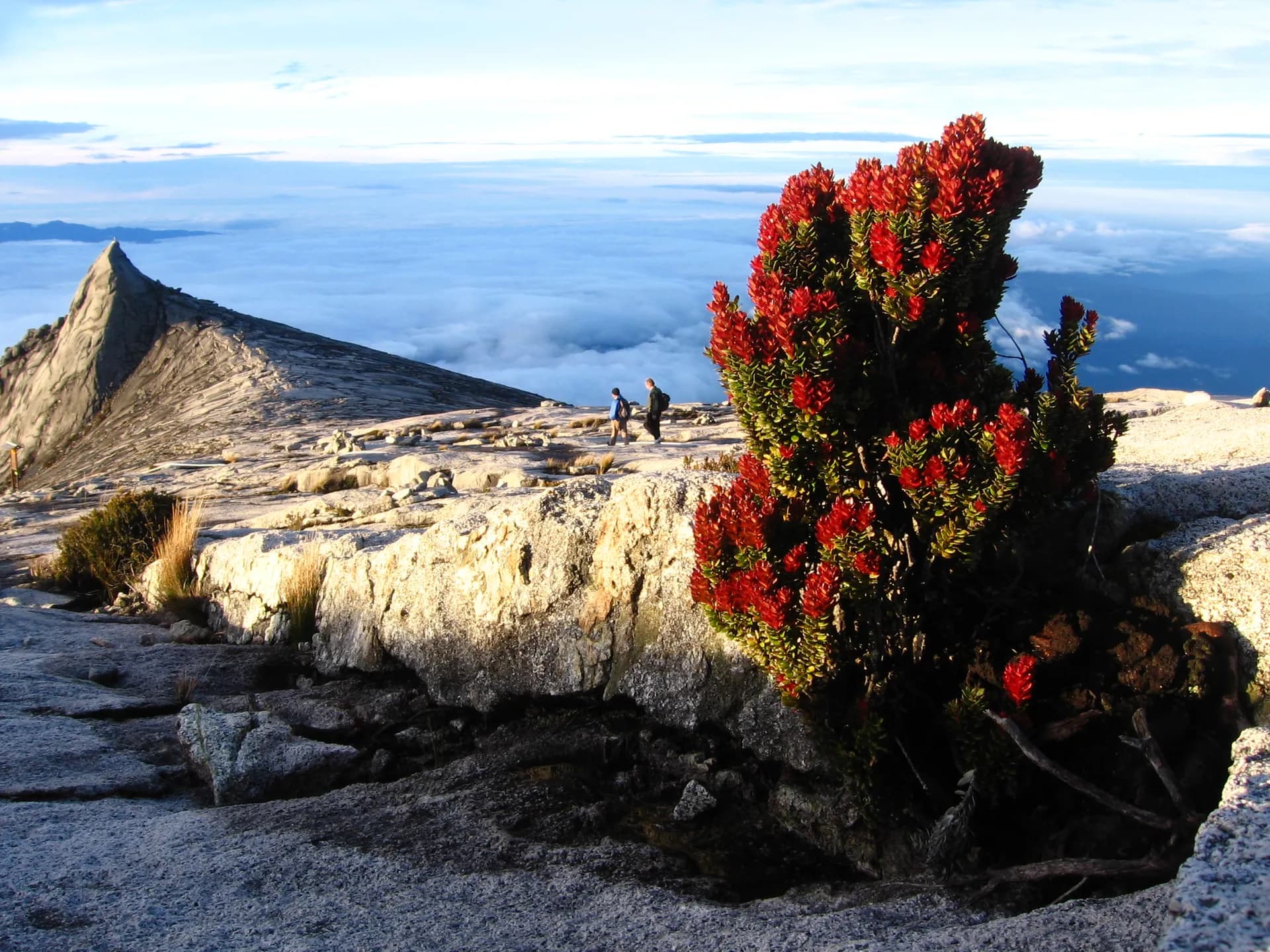 Kota Kinabalu
Kota Kinabalu
Malaysia
Mount Kinabalu, the peak that gives this Bornean city its name, rises higher than any mountain in Southeast Asia between the Himalayas and New Guinea, and it grows taller every year, still pushed upward by the same ongoing tectonic uplift that formed it, at a rate measurable within a single human lifetime.
See full guide →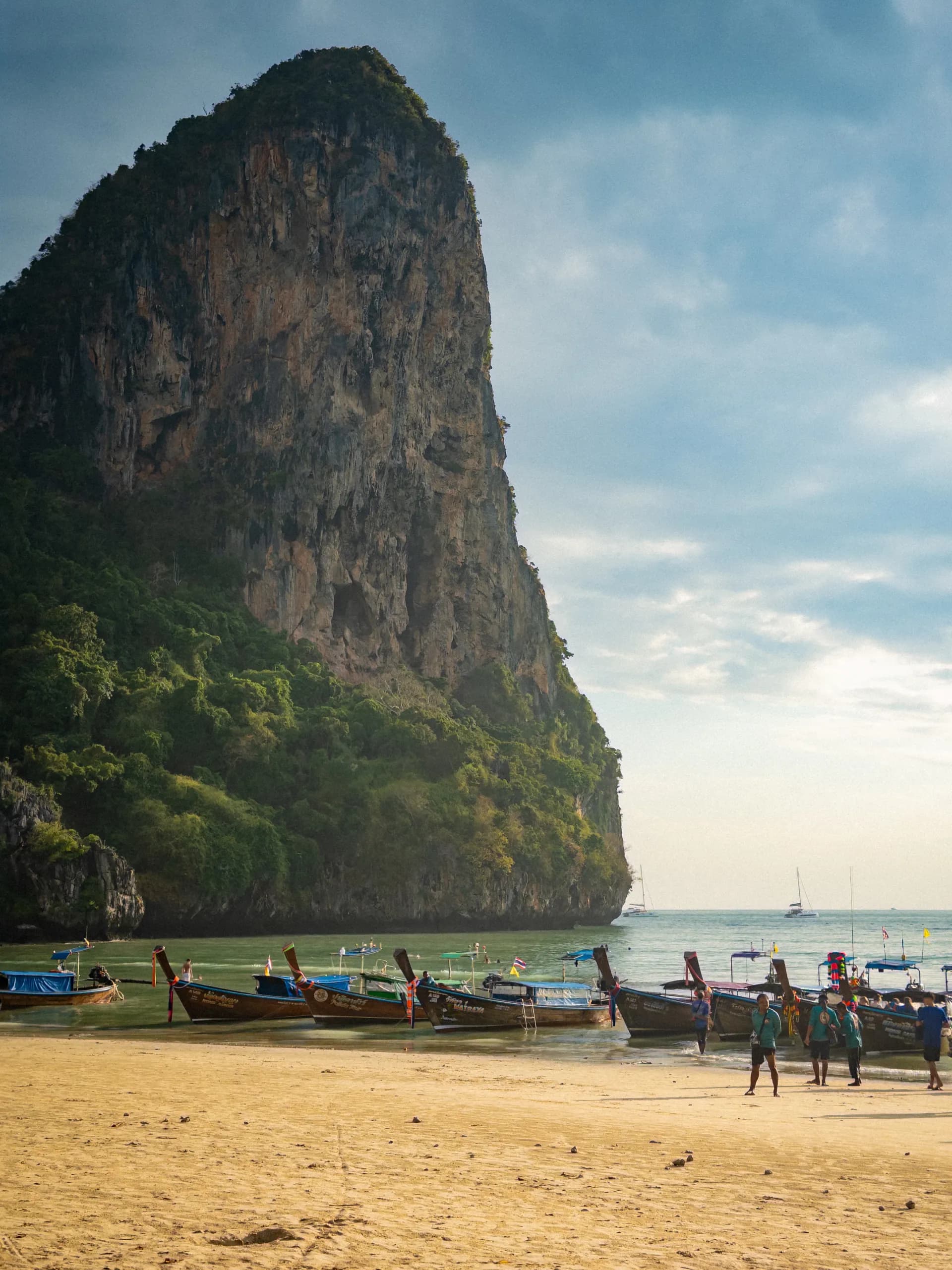 Krabi
KrabiKrabi
Thailand
Railay Beach, one of Krabi's most famous stretches of sand, has no road access at all — sheer limestone cliffs cut it off from the mainland entirely, so every visitor, every hotel delivery, and every bag of cement for construction arrives the same way everyone else does, by longtail boat.
See full guide →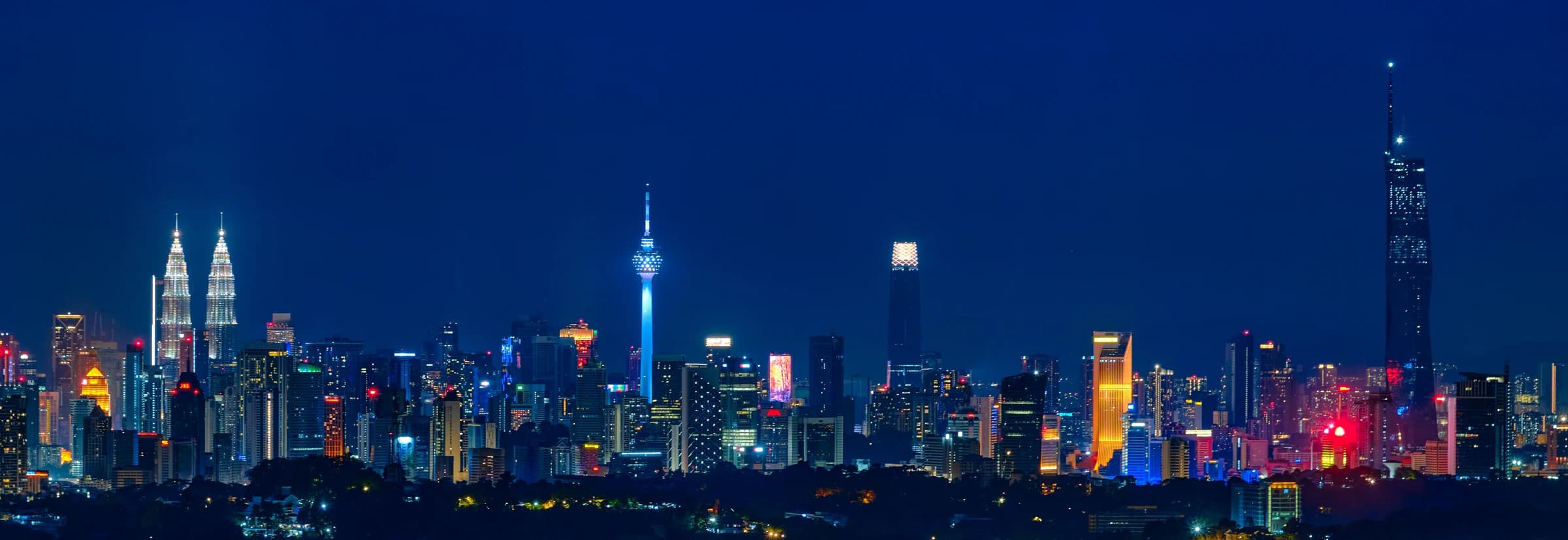 Kuala Lumpur
Kuala Lumpur
Malaysia
The Petronas Twin Towers held the title of world's tallest building until 2004 and remain the tallest twin towers on Earth today, rising over a city where Malay, Chinese, and Indian communities have shaped the same streets for generations — visible in Batu Caves' 42.7-meter golden statue, Chinatown's temples, and Little India's markets, all a short ride apart.
See full guide →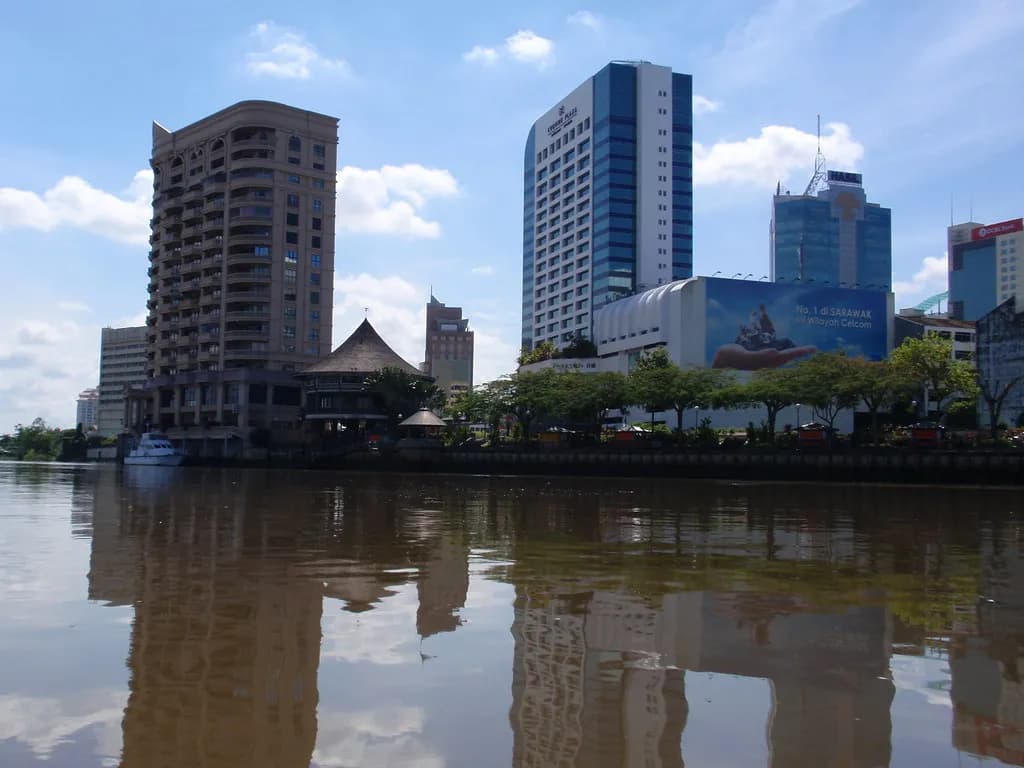 Kuching
Kuching
Malaysia
Kuching, whose name translates to "cat" in Malay, sits on the Malaysian side of Borneo as the gateway to Bako National Park's proboscis monkeys and Semenggoh Nature Reserve's rehabilitated orangutans, a genuinely different Malaysia from the peninsula's cities, shaped by a 19th-century English adventurer who somehow became this region's ruling monarch.
See full guide →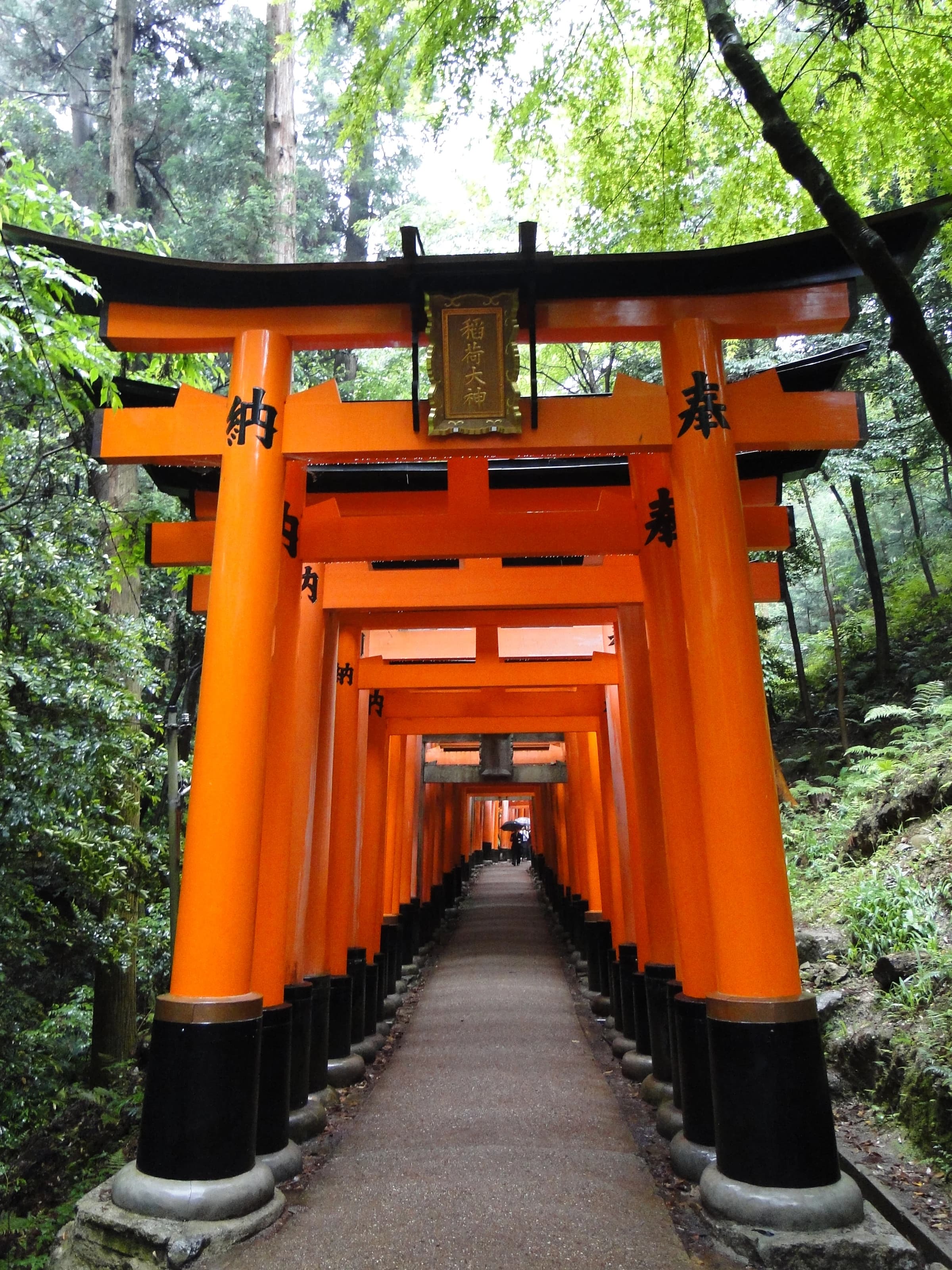 Kyoto
KyotoKyoto
Japan
Kyoto served as Japan's imperial capital for over a thousand years, and unlike most of the country's other historic cities, it was deliberately left off the World War II bombing target list — which is why it still holds thousands of original temples, shrines, and wooden machiya houses that elsewhere in Japan simply didn't survive.
See full guide →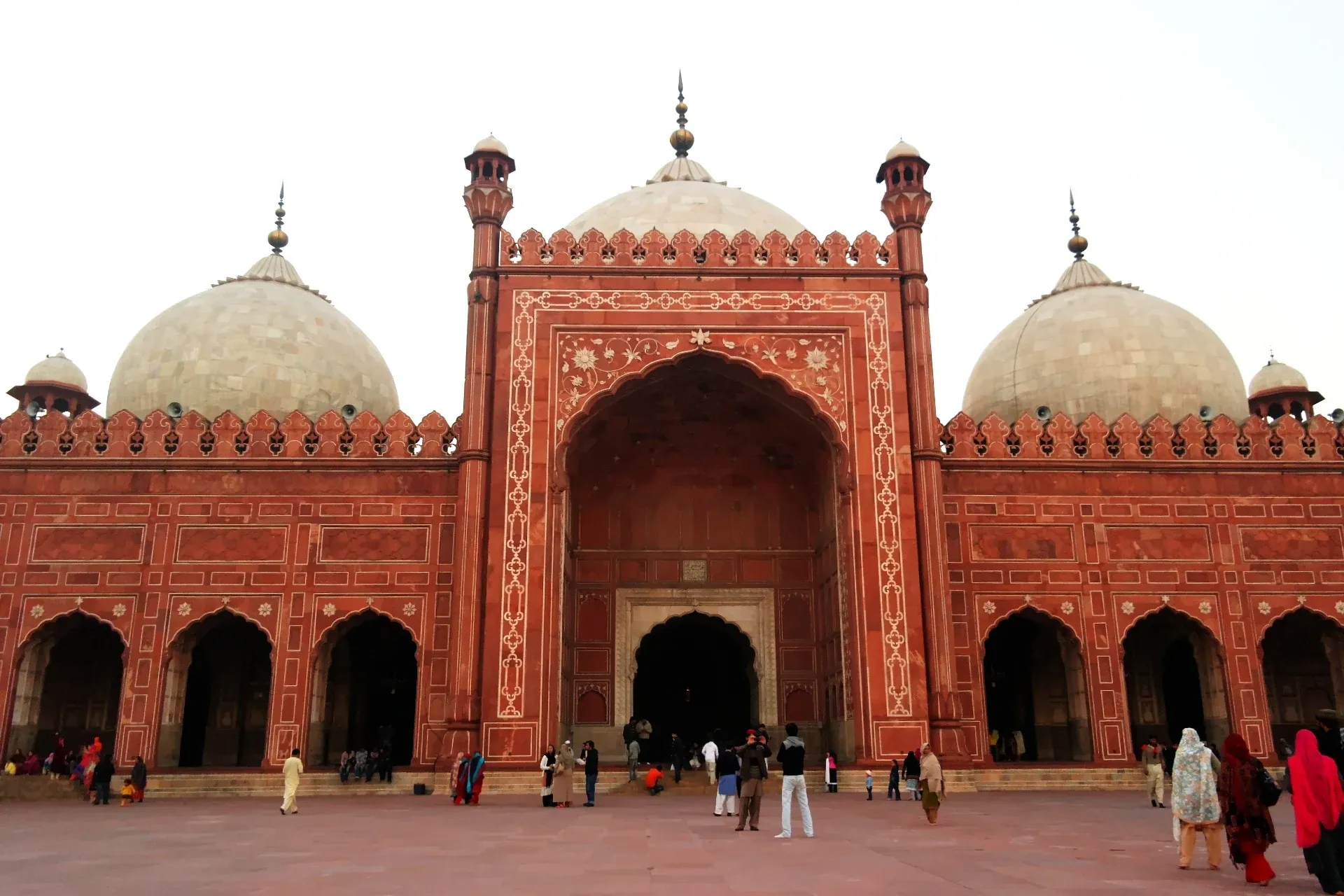 Lahore
Lahore
Pakistan
Lahore was a Mughal imperial capital before it was a Pakistani city, and its Badshahi Mosque ranked among the largest mosques in the world when it was completed in 1673 — still standing today alongside a nightly border ceremony at Wagah where soldiers on both sides of the India-Pakistan line perform an oddly theatrical, competitive flag lowering.
See full guide →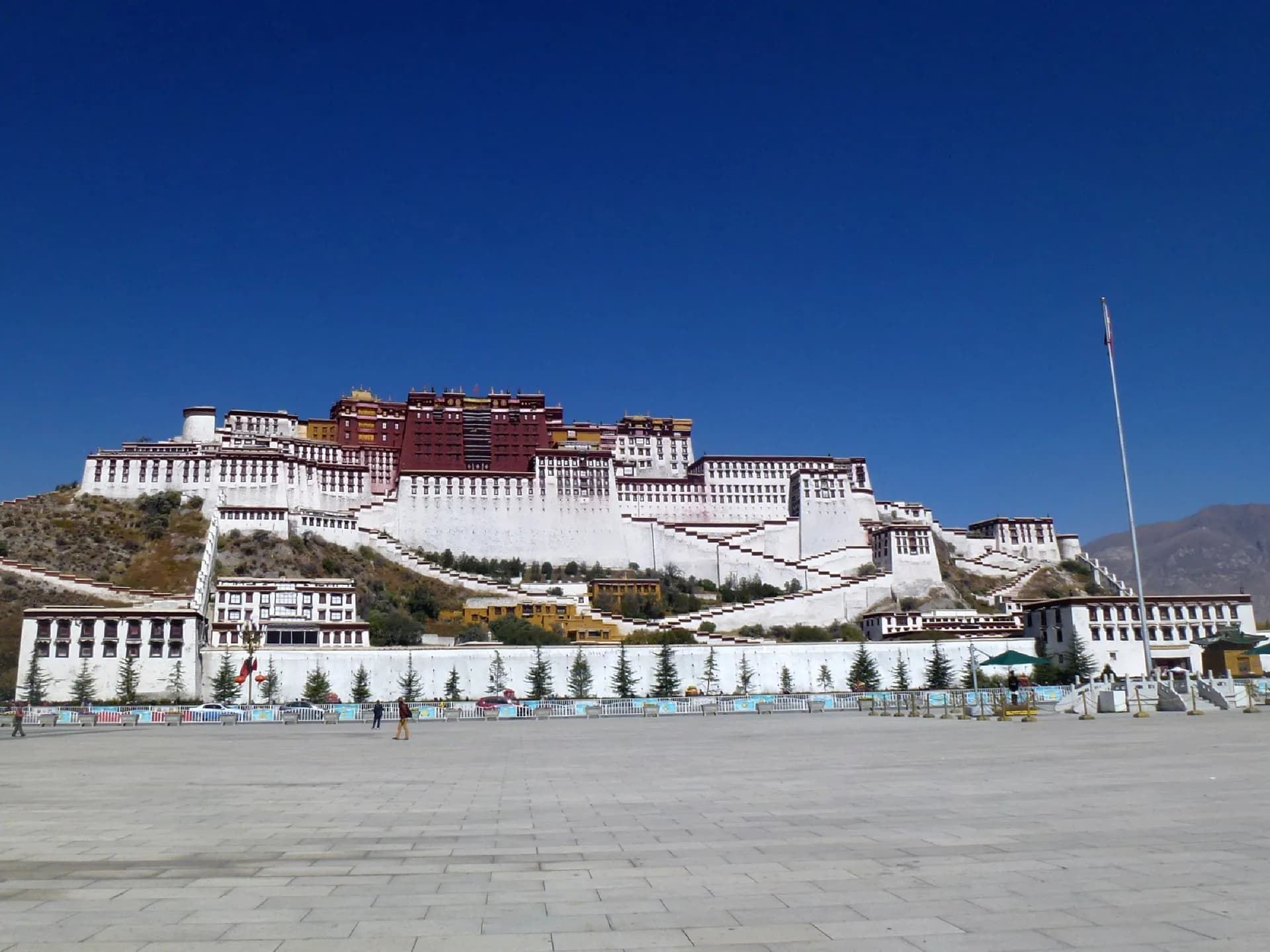 Lhasa
LhasaLhasa
China
The Potala Palace rises across 13 stories and holds well over a thousand rooms on a hillside above Lhasa, built as the winter residence of the Dalai Lamas before the 14th Dalai Lama fled into exile in 1959 — a monument to a political and religious history so sensitive that visiting it today requires a special permit no other Chinese region asks for.
See full guide →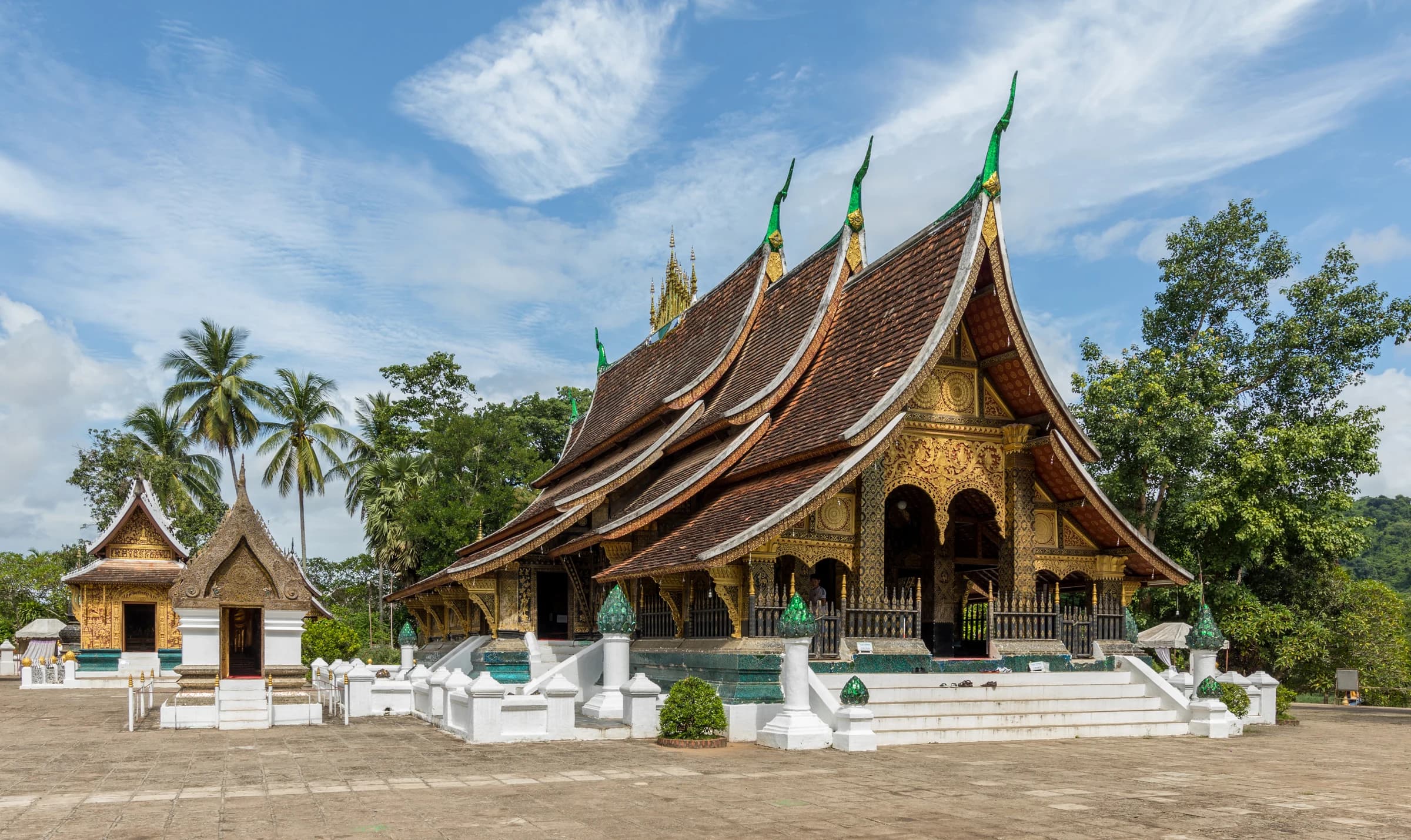 Luang Prabang
Luang Prabang
Laos
Every morning before sunrise, saffron-robed monks still file silently through the streets of Laos's former royal capital collecting rice from kneeling townspeople, a centuries-old alms ceremony that continues daily in a UNESCO-listed town shaped by both traditional Laotian and French colonial architecture.
See full guide →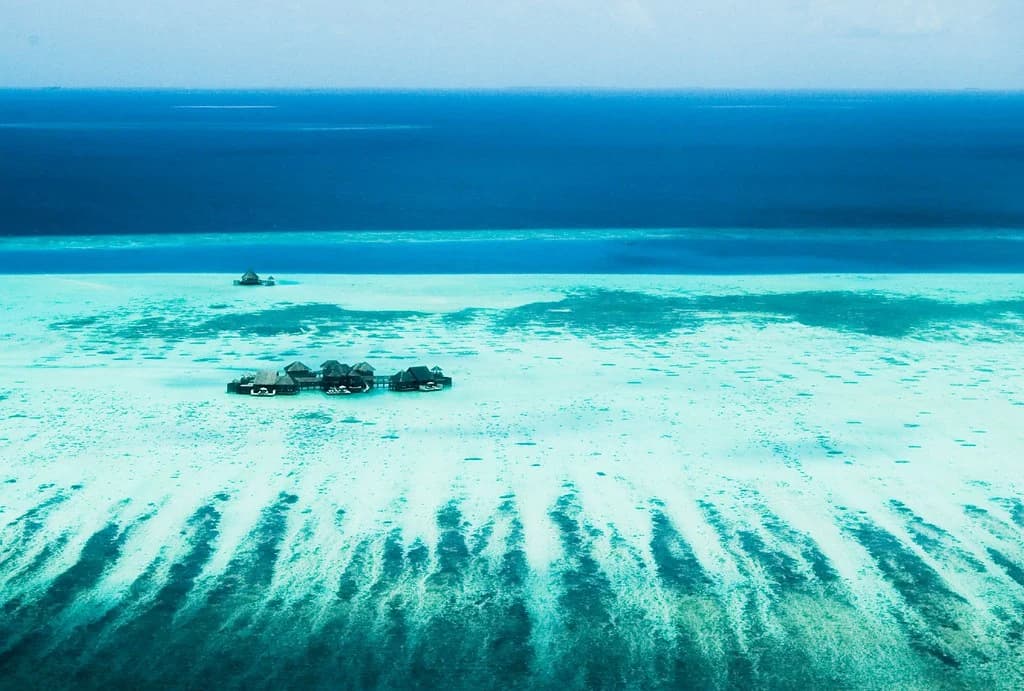 Malé
MaléMalé
Maldives
Malé is the smallest capital city in Asia by land area and one of the most densely packed cities anywhere on Earth, and it sits in a country with an average elevation of just 1.5 meters above sea level, a low-lying gateway to the 1,192 coral islands, most privately run as single-resort escapes, that made overwater bungalows famous.
See full guide →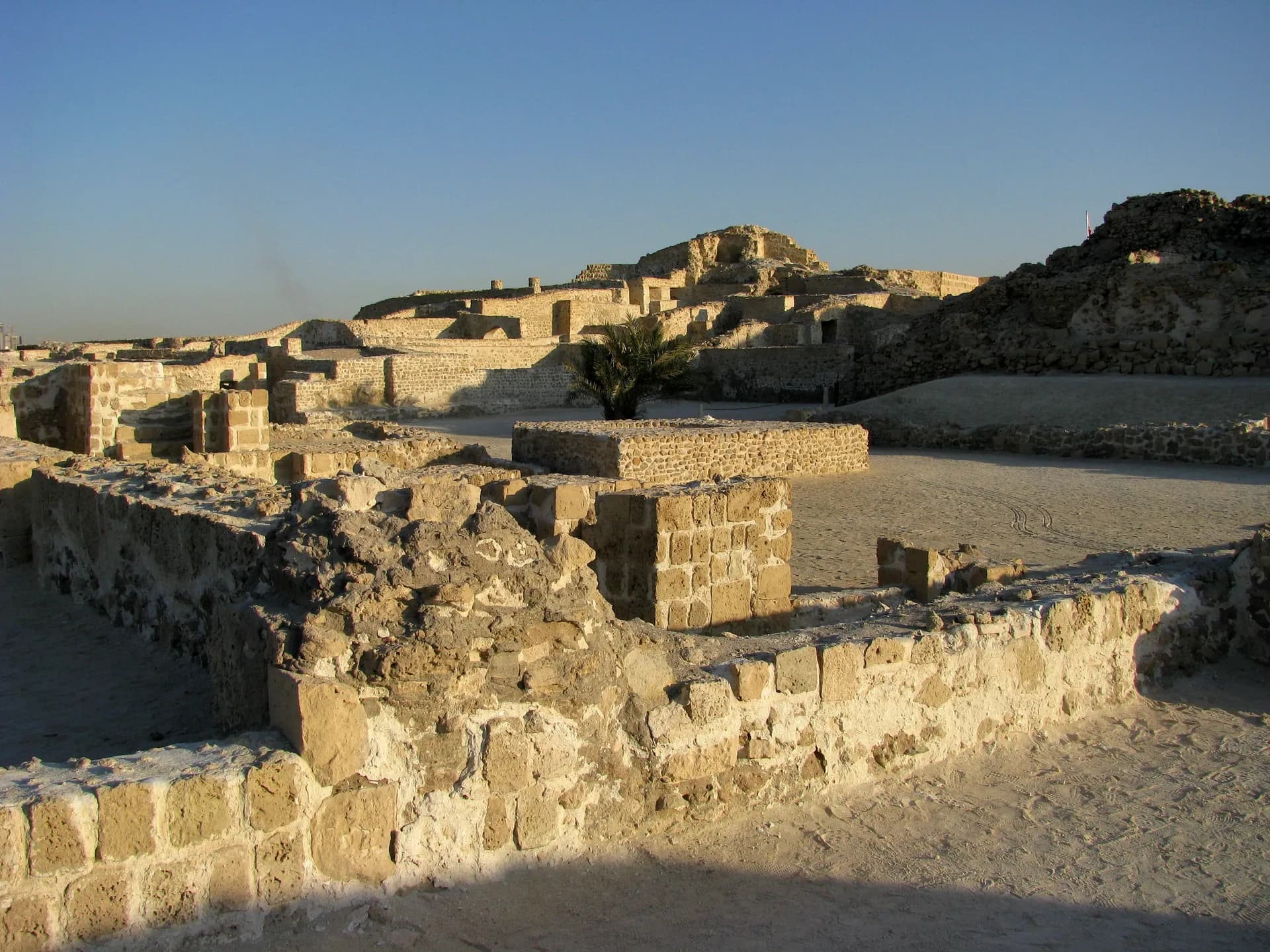 Manama
Manama
Bahrain
Divers off Manama's coast once harvested pearls that supplied much of the world's market before Japanese cultured pearls collapsed the industry in the 1930s, and Bahrain's Formula 1 circuit, opened in 2004, now draws a genuinely different kind of global attention to an island nation that spent centuries known specifically for what came up from its seabed rather than what happens on its track.
See full guide →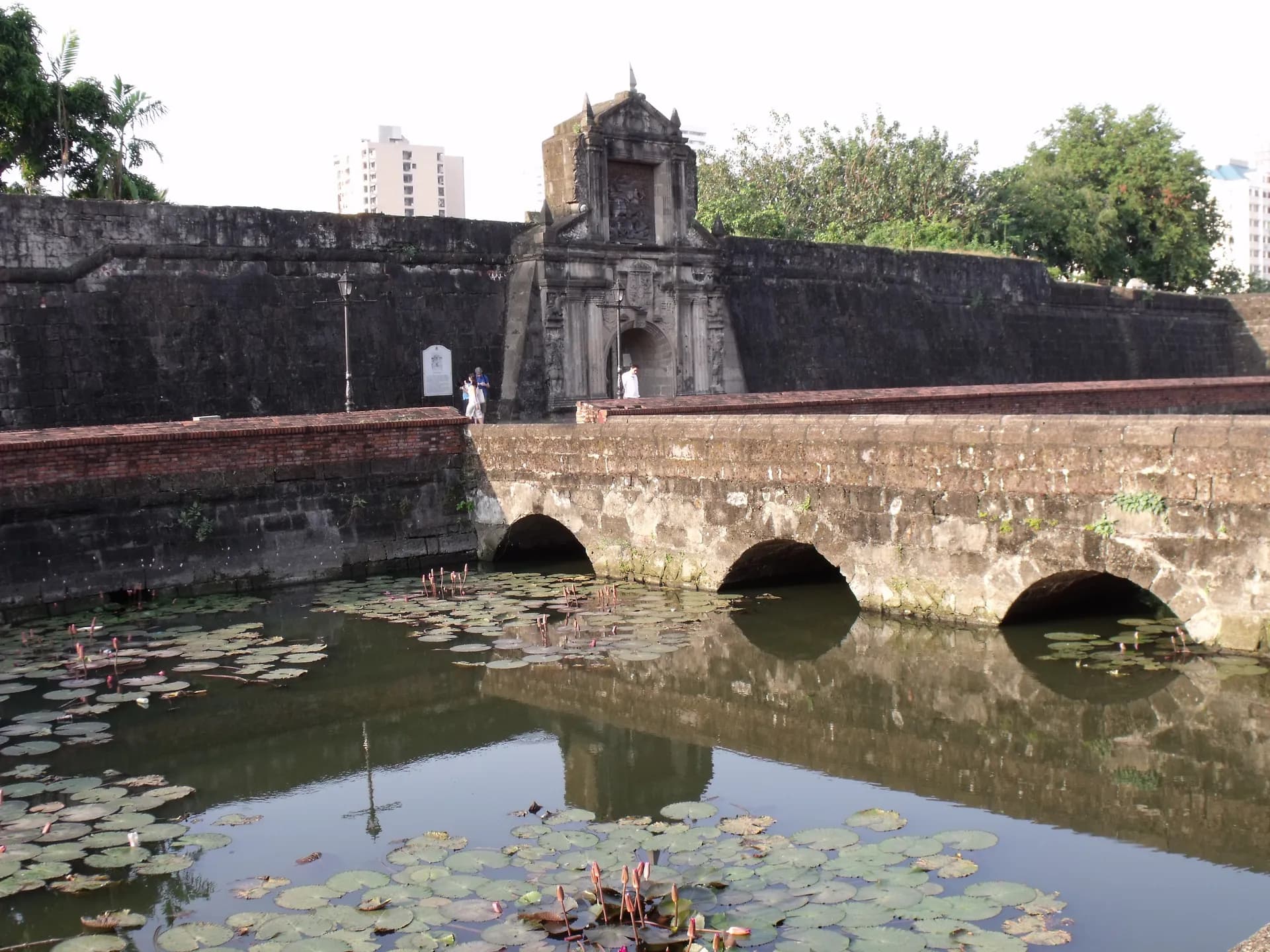 Manila
Manila
Philippines
Intramuros, Manila's walled old city, was built by Spanish colonizers in the 16th century and survived roughly 350 years of colonial rule, only to be almost entirely destroyed during a single month of WWII urban combat in 1945, one of the most devastated Allied-liberated cities of the entire war, leaving a historic core that's spent the eight decades since piecing itself back together.
See full guide →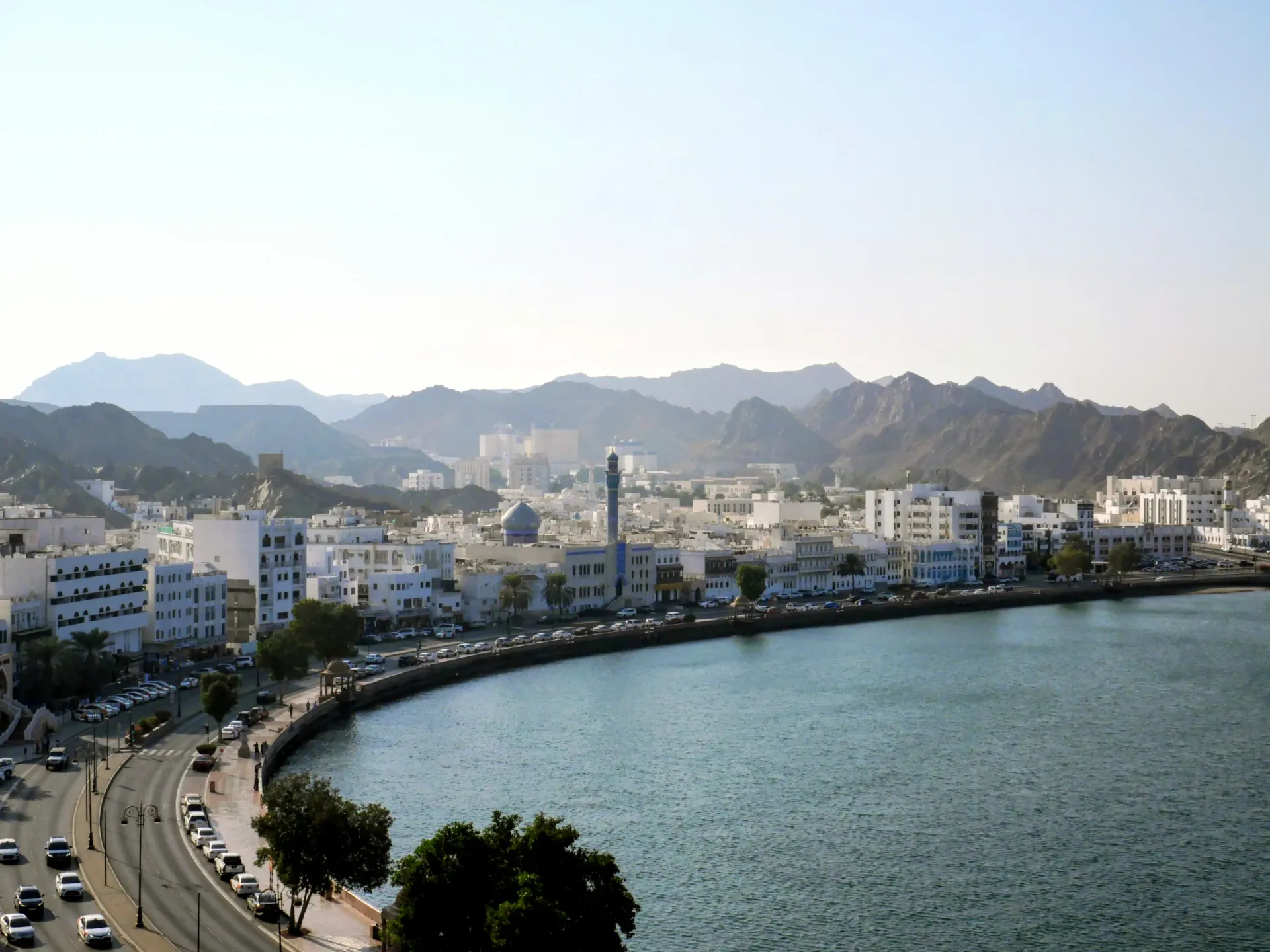 Muscat
Muscat
Oman
Omani building law keeps every structure in Muscat low-rise and finished in white or sand tones, so unlike nearly every other Gulf capital, there's no competing skyline of glass towers here — just a coastal city that stayed largely closed to outsiders until 1970, when a new sultan began deliberately opening it up.
See full guide →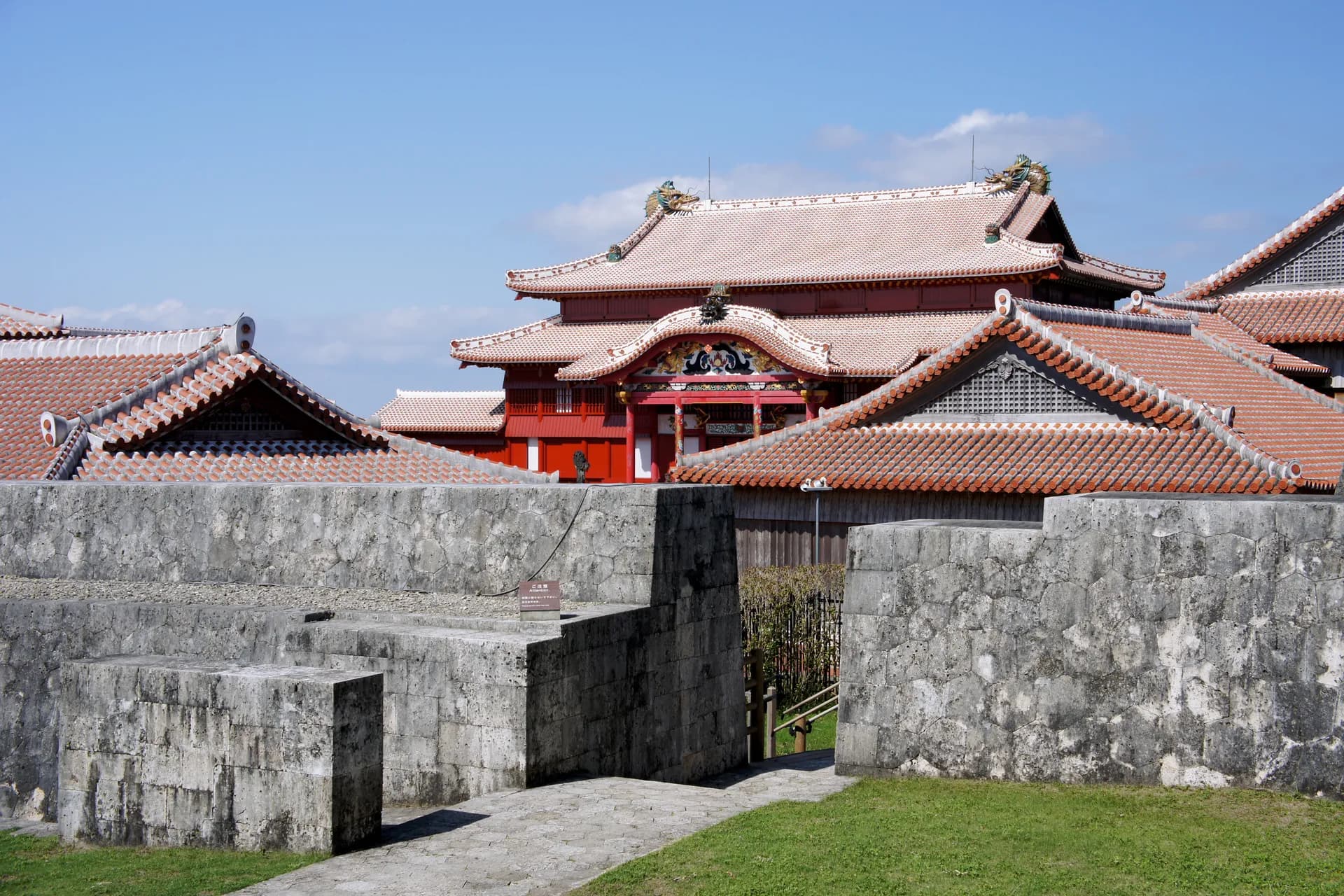 Okinawa
Okinawa
Japan
Okinawa spent centuries as the independent Ryukyu Kingdom, paying tribute to both China and Japan simultaneously before Japan formally annexed it in 1879, and that separate history still shows up in a culture, cuisine, and language distinct enough from mainland Japan that many Okinawans describe their identity as genuinely its own rather than simply a regional variation.
See full guide →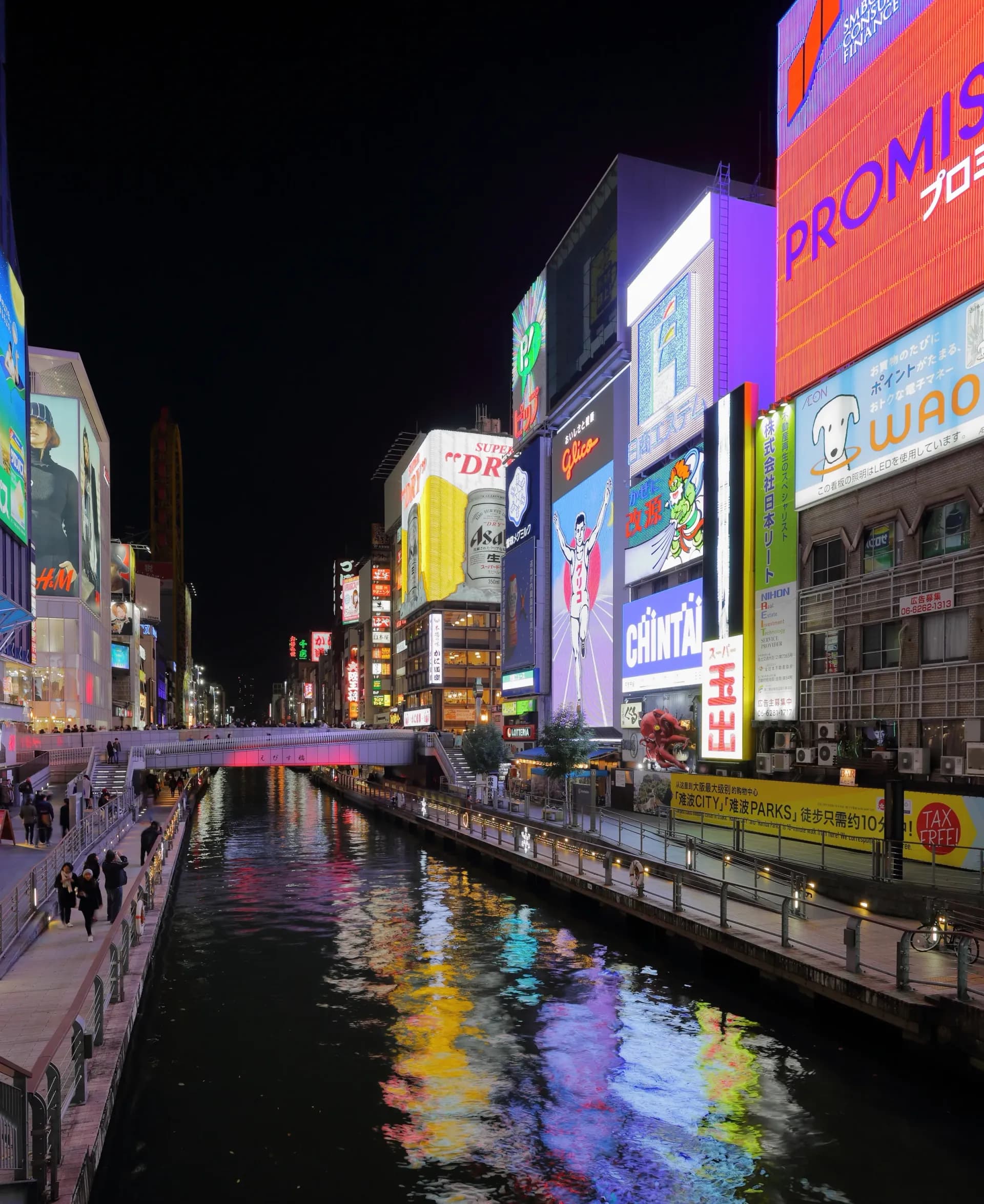 Osaka
OsakaOsaka
Japan
Osakans have a saying, kuidaore, roughly "eat until you drop," and the city built its entire identity around living up to it — a place where Tokyo's reserve gives way to loud neon signage shaped like crabs and blowfish, and a 16th-century castle sits a short walk from some of the densest, most competitive street food alleys in Japan.
See full guide →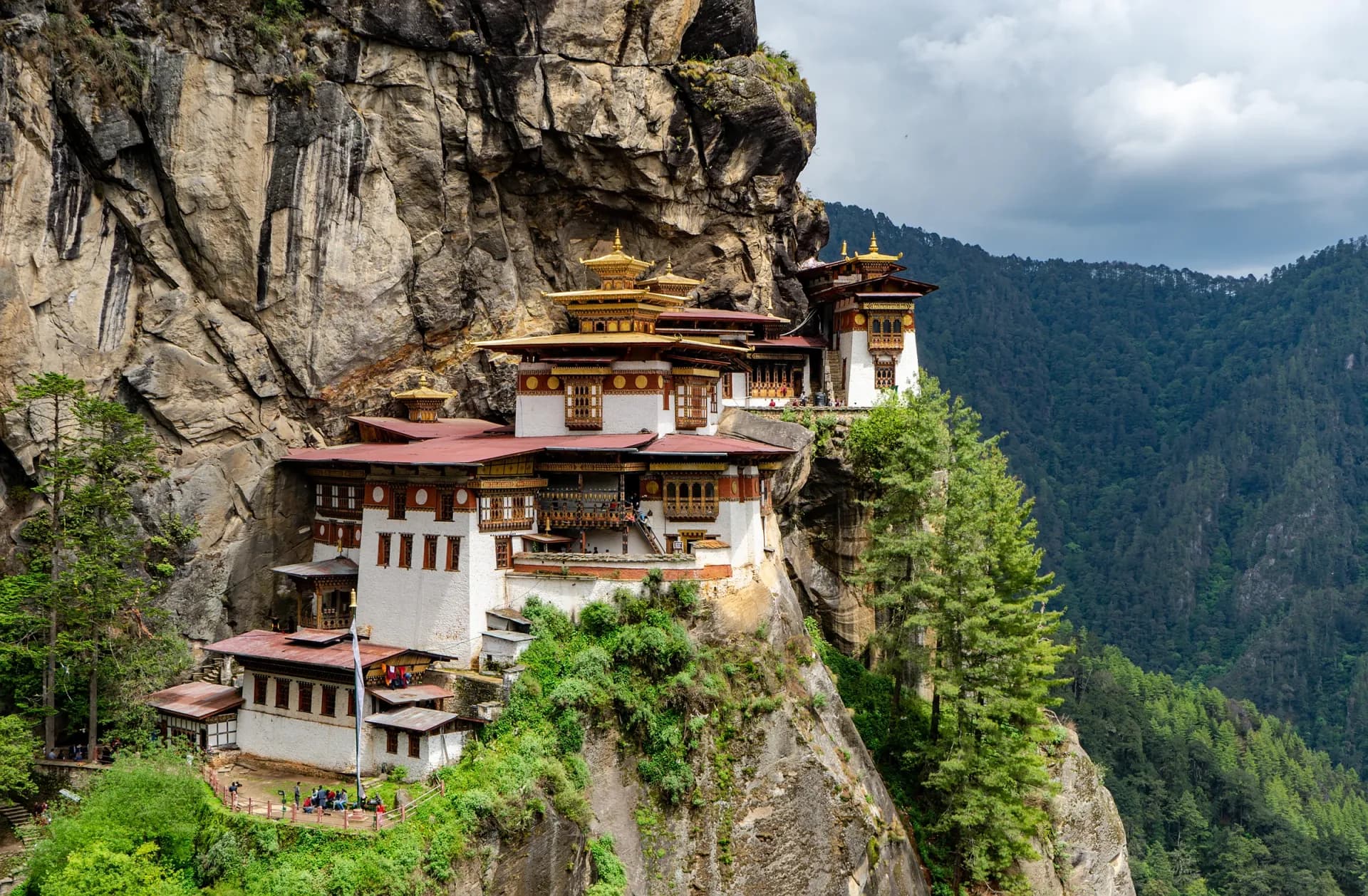 Paro
ParoParo
Bhutan
Bhutan is the only country in the world that governs by measuring Gross National Happiness instead of GDP, and it charges visitors a nightly Sustainable Development Fee rather than opening the gates wide — a deliberate high-value, low-impact approach that's kept the trail to the cliffside Tiger's Nest monastery from ever feeling overrun.
See full guide →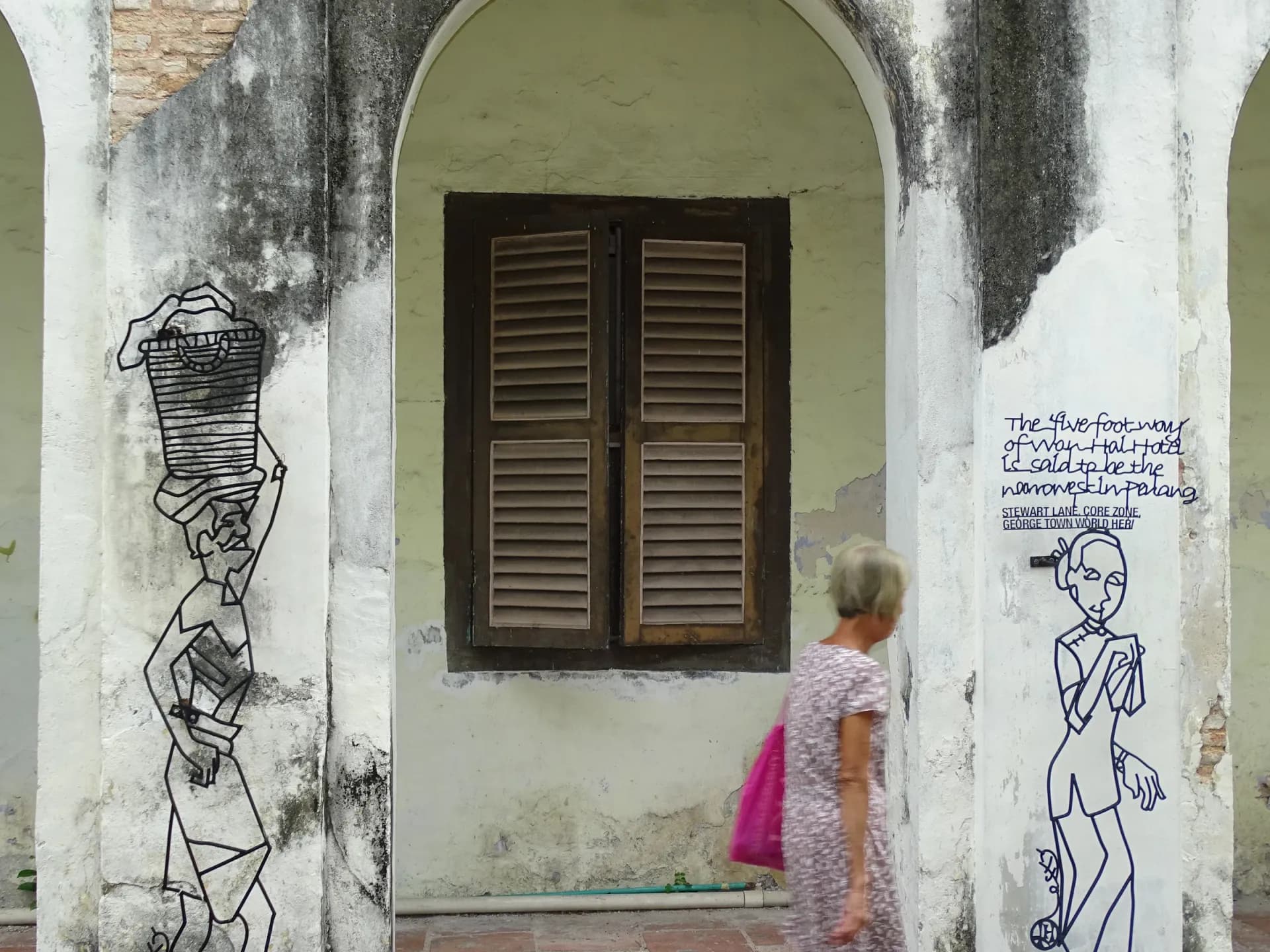 Penang
Penang
Malaysia
George Town, Penang's capital, earned UNESCO World Heritage status for a streetscape that layers British colonial shophouses, Chinese clan temples, and Indian Hindu shrines within a few blocks of each other, and in the years since, the same walls have become an open-air gallery for murals that turned the old trading port into one of Southeast Asia's most photographed cities.
See full guide →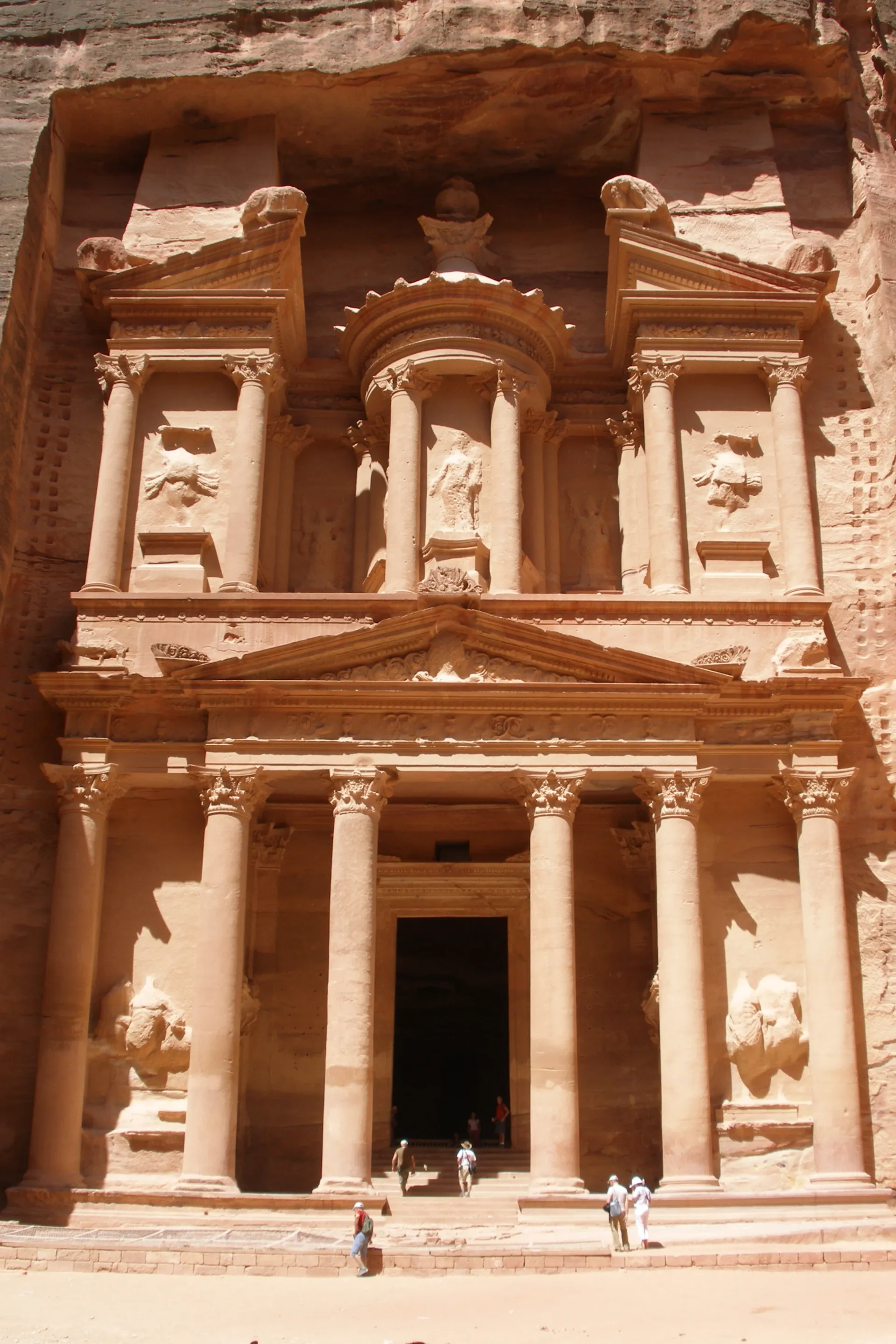 Petra
PetraPetra
Jordan
Local Bedouin communities always knew Petra was there; the wider world only rediscovered this rose-colored city carved directly into sandstone cliffs in 1812, when a Swiss explorer talked his way in disguised as a Muslim scholar, ending centuries of it being effectively lost to the West.
See full guide →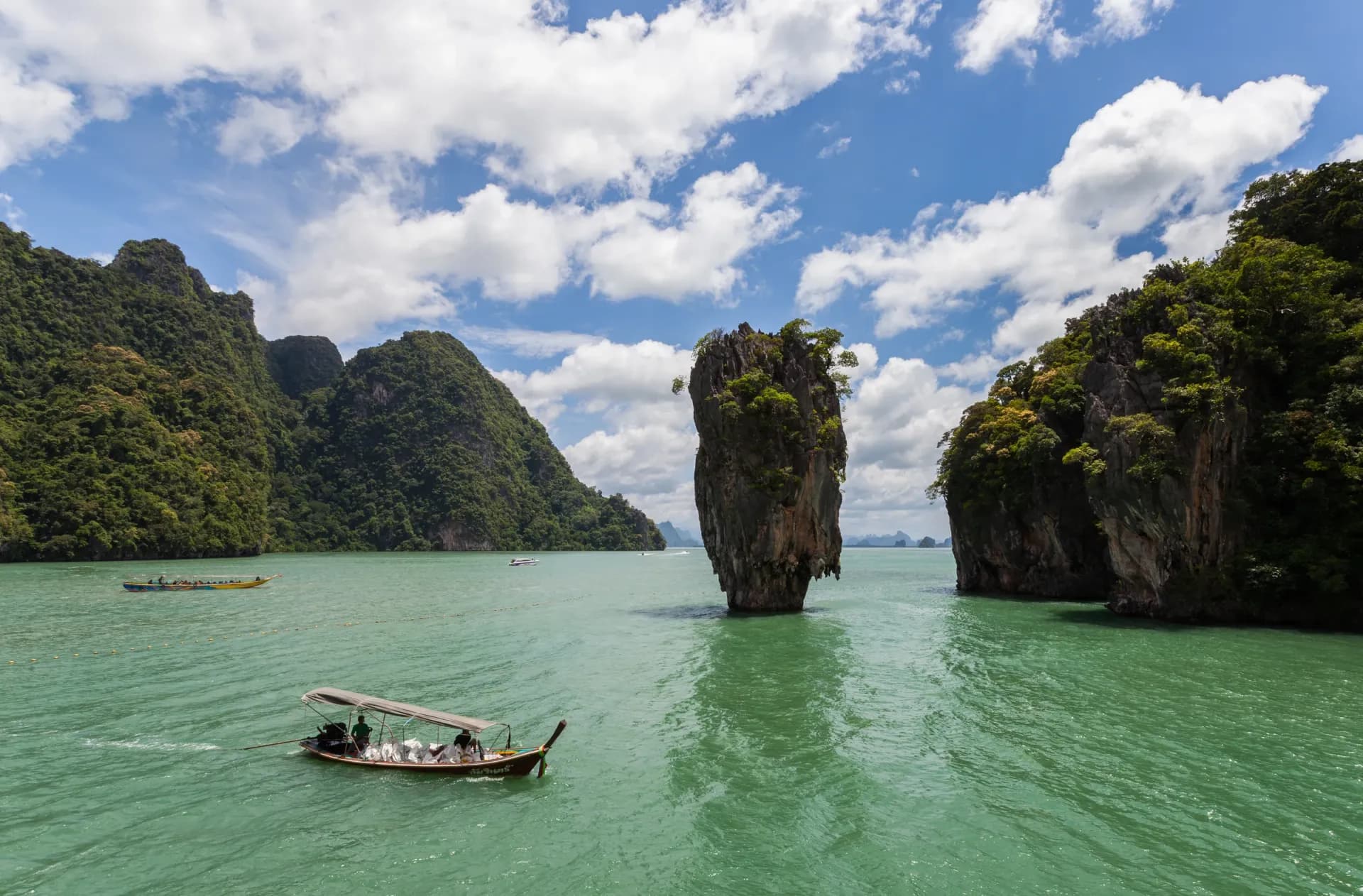 Phuket
Phuket
Thailand
Thailand's largest island turned a former tin-mining economy into Southeast Asia's most developed beach destination, and today Phuket runs the full range in a single trip — limestone karsts rising out of Phang Nga Bay, world-class dive sites reached by speedboat, and a nightlife strip on Patong Beach that never really slows down.
See full guide →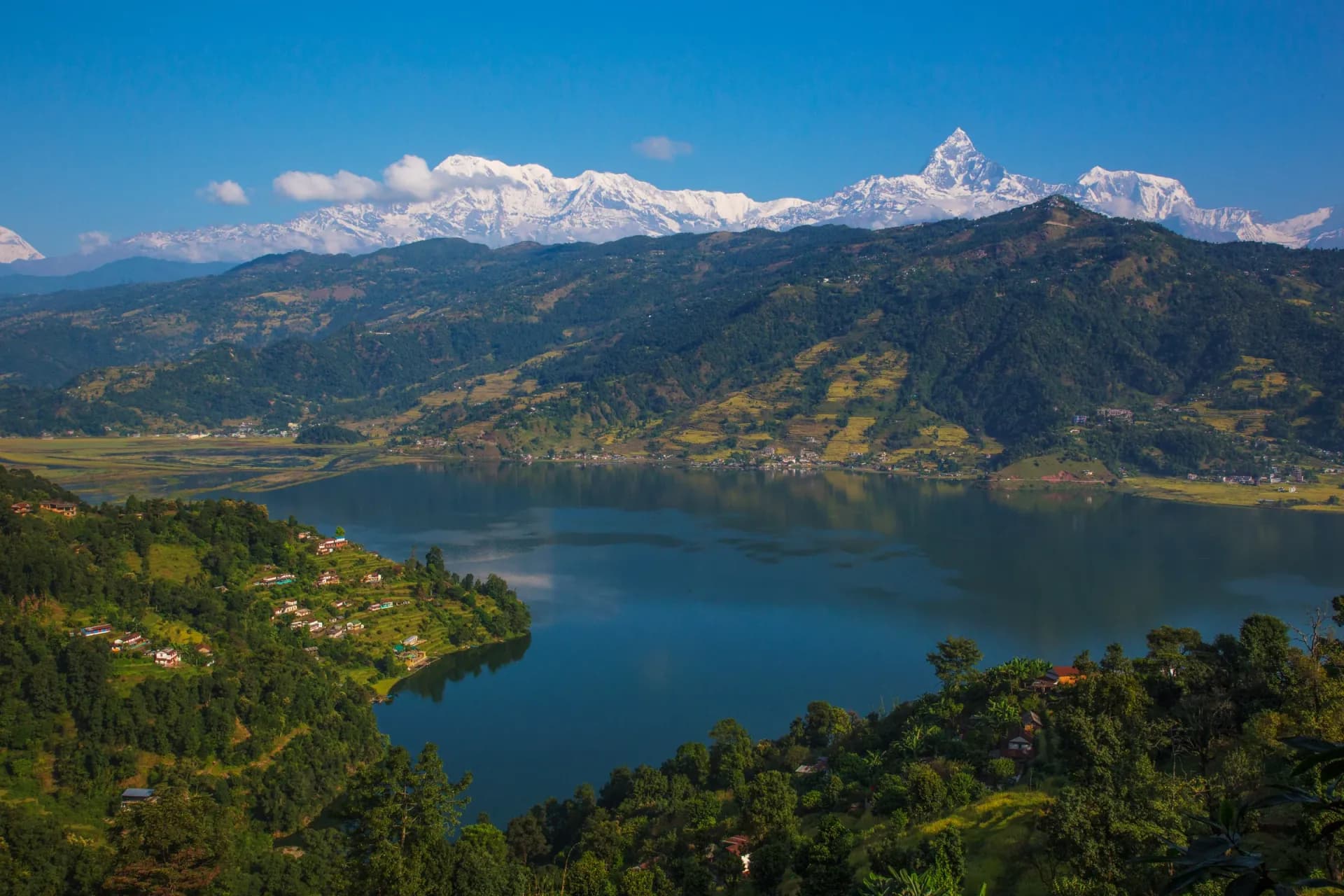 Pokhara
Pokhara
Nepal
On a clear morning, Phewa Lake reflects the Annapurna range's snow-capped peaks so precisely that photos of Pokhara sometimes look flipped or edited, and the city has built an entire tourism identity around that view, functioning as the real starting point for most Annapurna treks rather than the higher-altitude, higher-stakes gateway that Kathmandu is for Everest.
See full guide →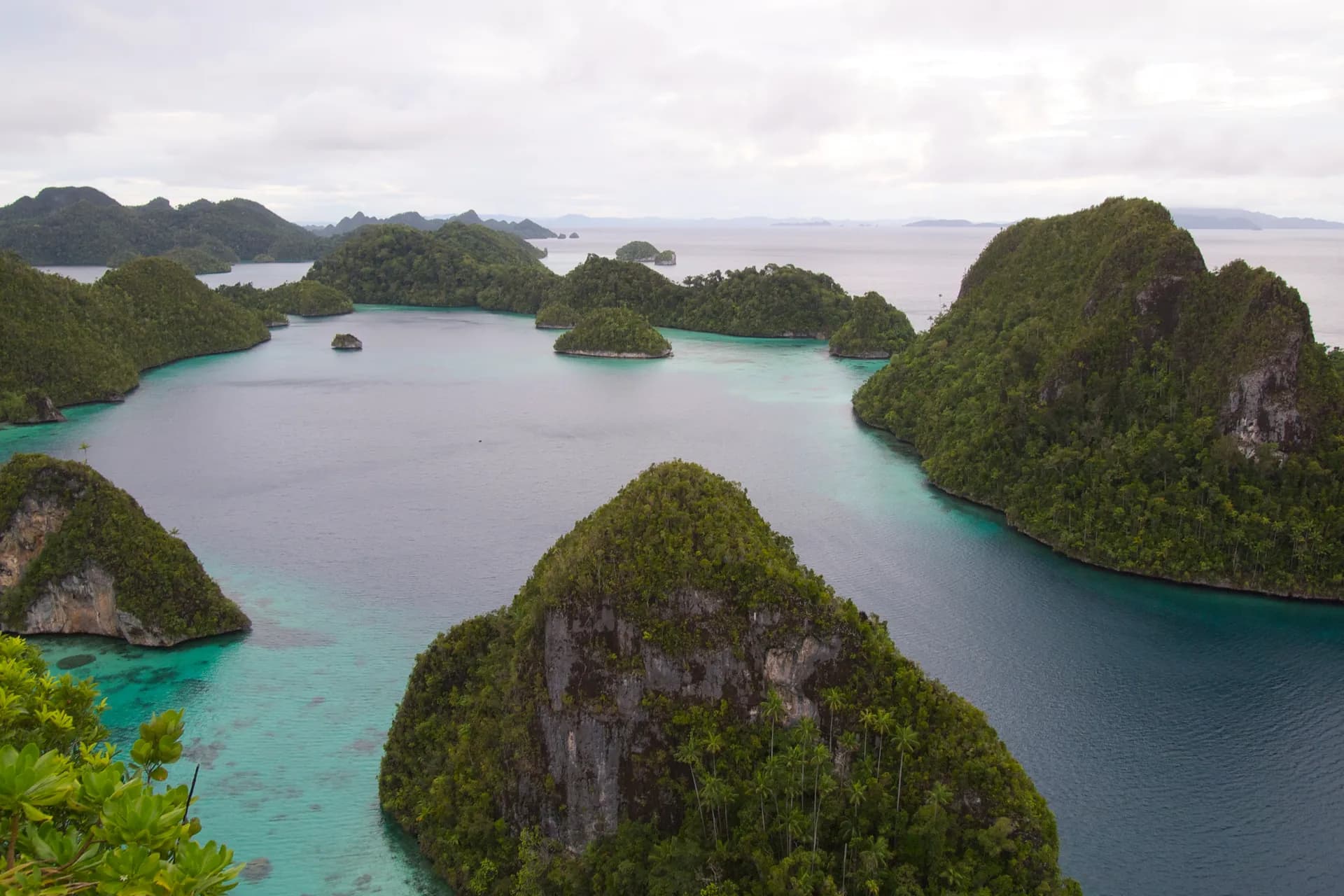 Raja Ampat
Raja Ampat
Indonesia
Marine biologists consistently rank the waters around Raja Ampat as holding the highest marine biodiversity on Earth, home to roughly 75% of the world's known coral species and over 1,500 fish species, in a stretch of remote West Papua that most divers only reach after two flights and a boat ride.
See full guide →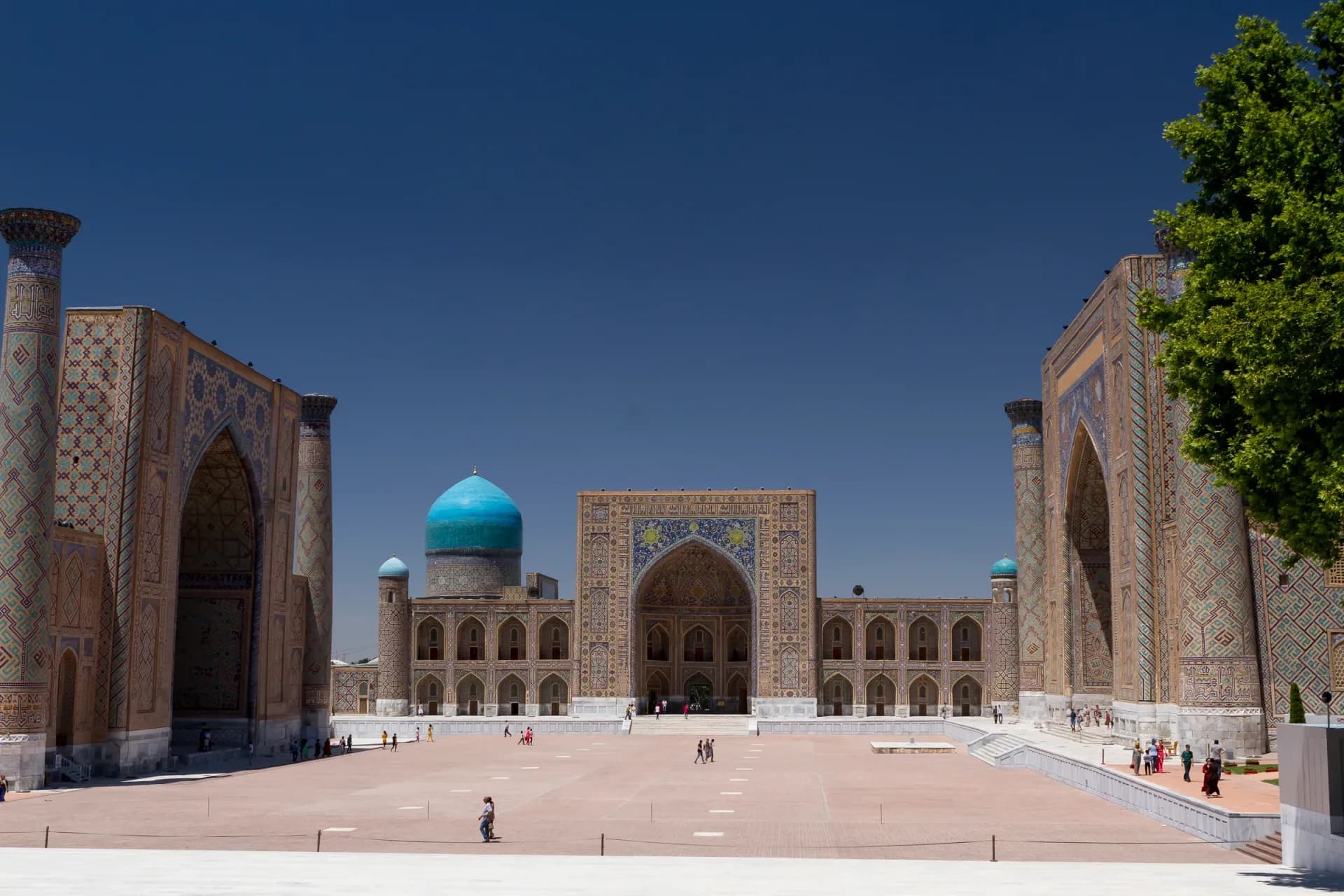 Samarkand
Samarkand
Uzbekistan
Samarkand has stood at the crossroads of the Silk Road for roughly 2,750 years, long enough to have served as the capital of Tamerlane's 14th-century empire, and its Registan Square still holds three towering madrasahs covered in turquoise tilework that traders and travelers have been stopping to look at for centuries.
See full guide →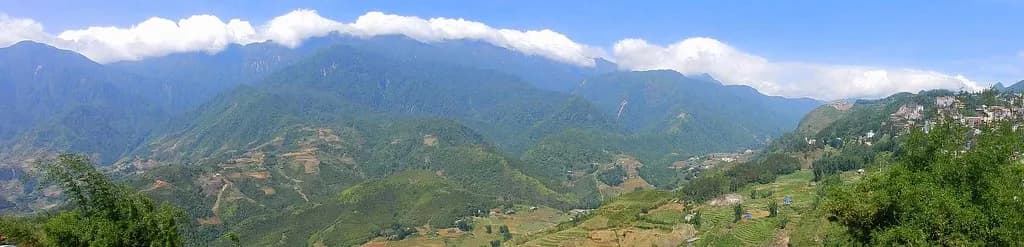 Sapa
SapaSapa
Vietnam
French colonial administrators built Sapa as a mountain hill station in the early 1900s to escape the lowland heat, and the town they left behind now serves as the gateway to Fansipan, the tallest peak in Indochina, reached today by what was, at completion in 2016, the world's longest three-rope cable car.
See full guide →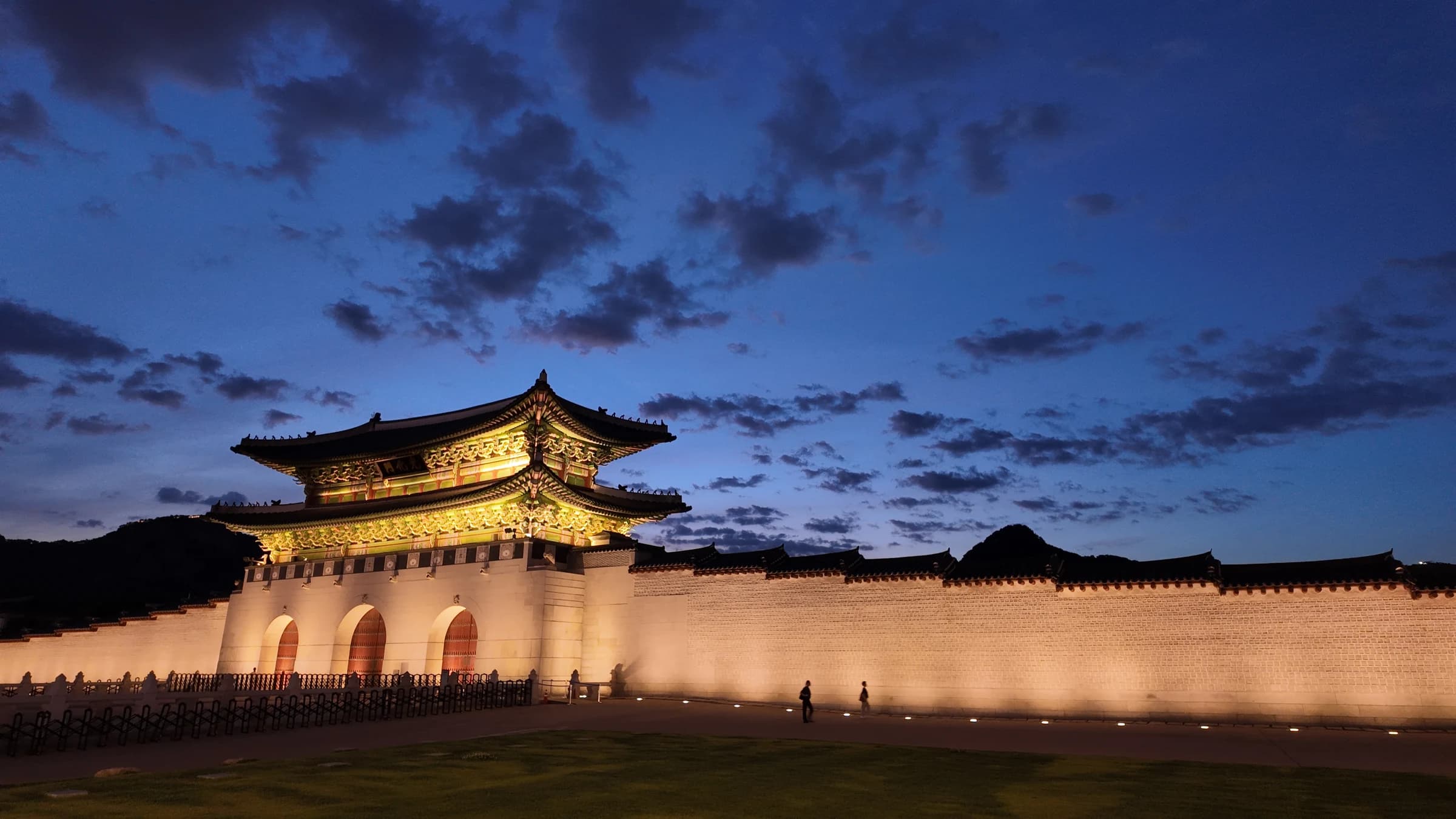 Seoul
SeoulSeoul
South Korea
Seoul runs a daily royal guard changing ceremony outside a 600-year-old palace a short walk from the neighborhoods that produce most of the world's K-pop and K-drama exports — a capital where the Joseon Dynasty and one of the planet's most influential modern cultural exports sit within the same few city blocks.
See full guide →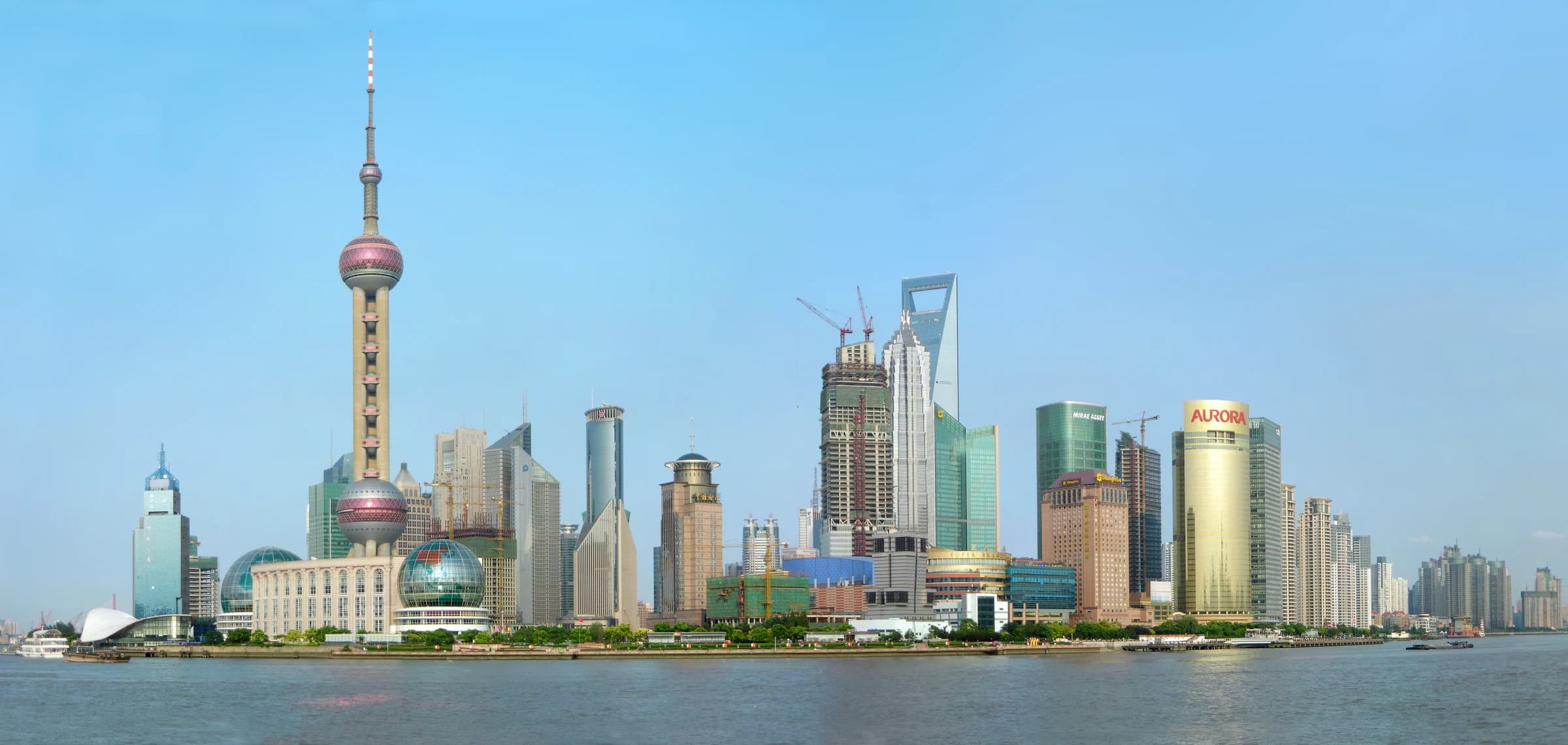 Shanghai
Shanghai
China
A maglev train covers the ride from Shanghai's airport at up to 431 km/h, the fastest commercial train in the world, and it's a fitting welcome to a city where colonial-era buildings along the Bund face a futuristic Pudong skyline across the same stretch of river.
See full guide →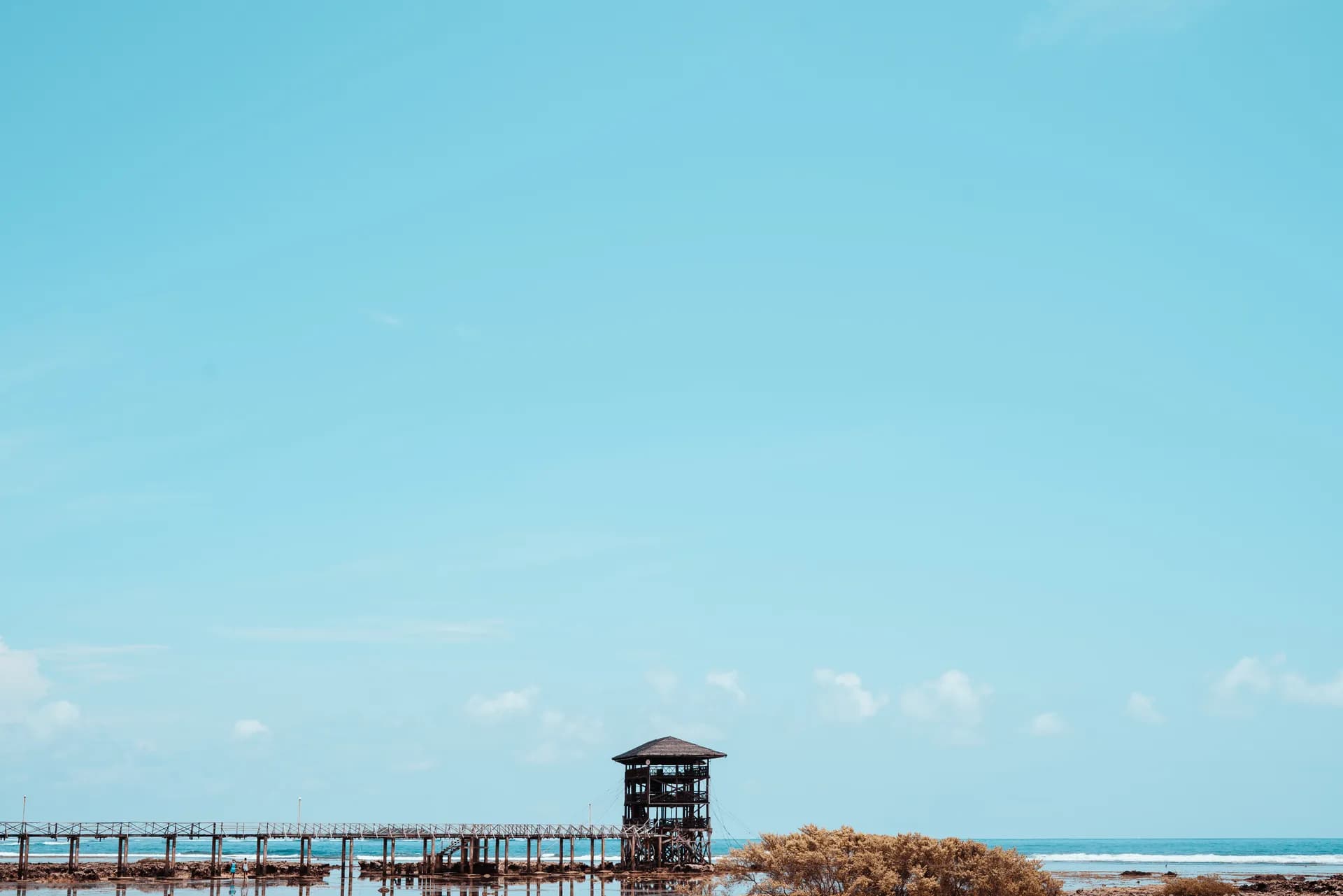 Siargao
Siargao
Philippines
Siargao's Cloud 9 wave took a direct hit from Typhoon Odette in December 2021, one of the strongest storms to ever strike the island, and the surf town's wooden boardwalk and reef break have been rebuilt largely by the same community that's made this teardrop-shaped island the surfing capital of the Philippines.
See full guide →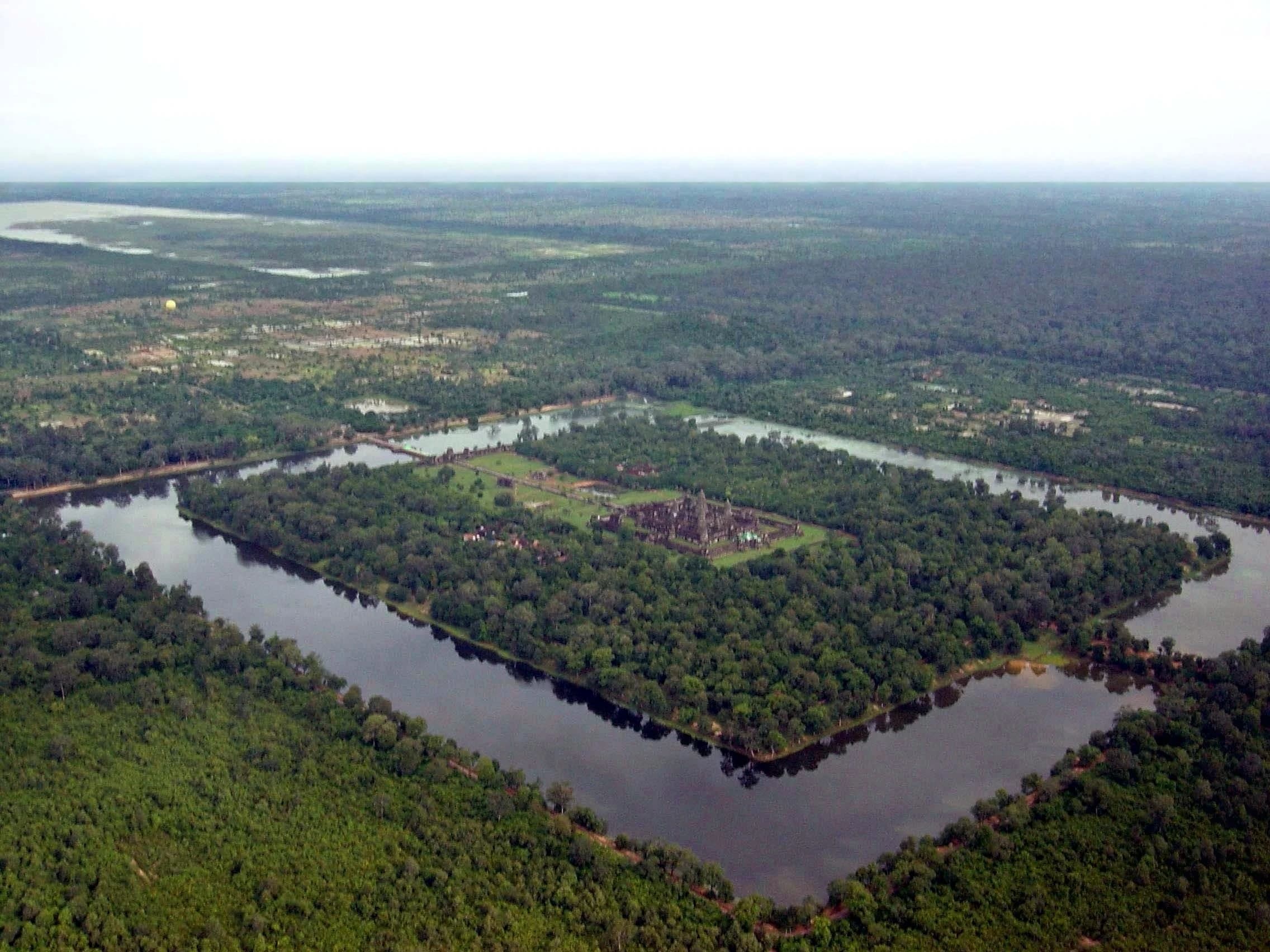 Siem Reap
Siem Reap
Cambodia
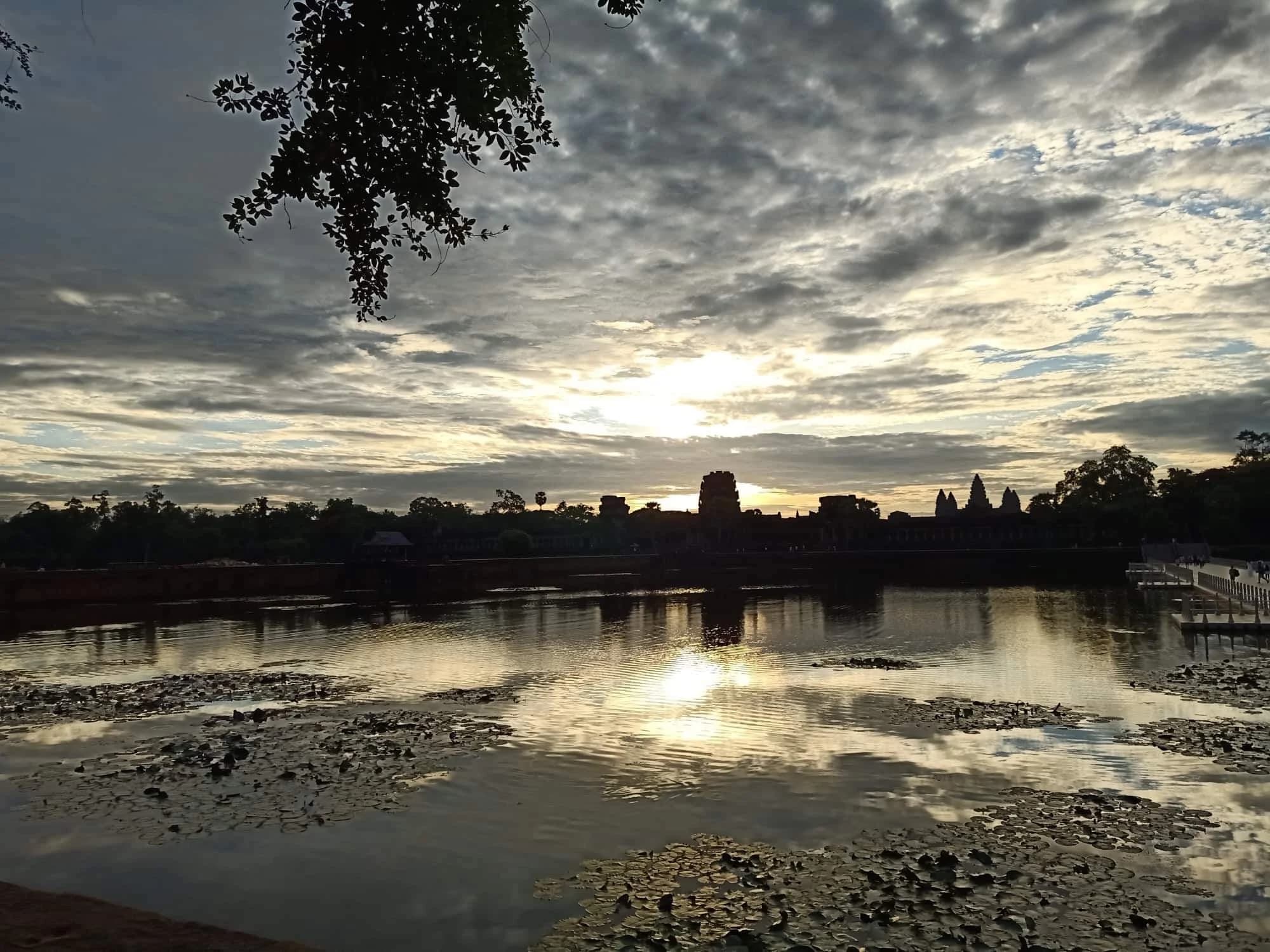
Angkor Wat is the largest religious monument on Earth by land area, and it's the only ancient structure depicted on a national flag anywhere in the world — a single temple within an archaeological park so vast that the city built around it, Siem Reap, has spent decades essentially existing to serve it.
See full guide →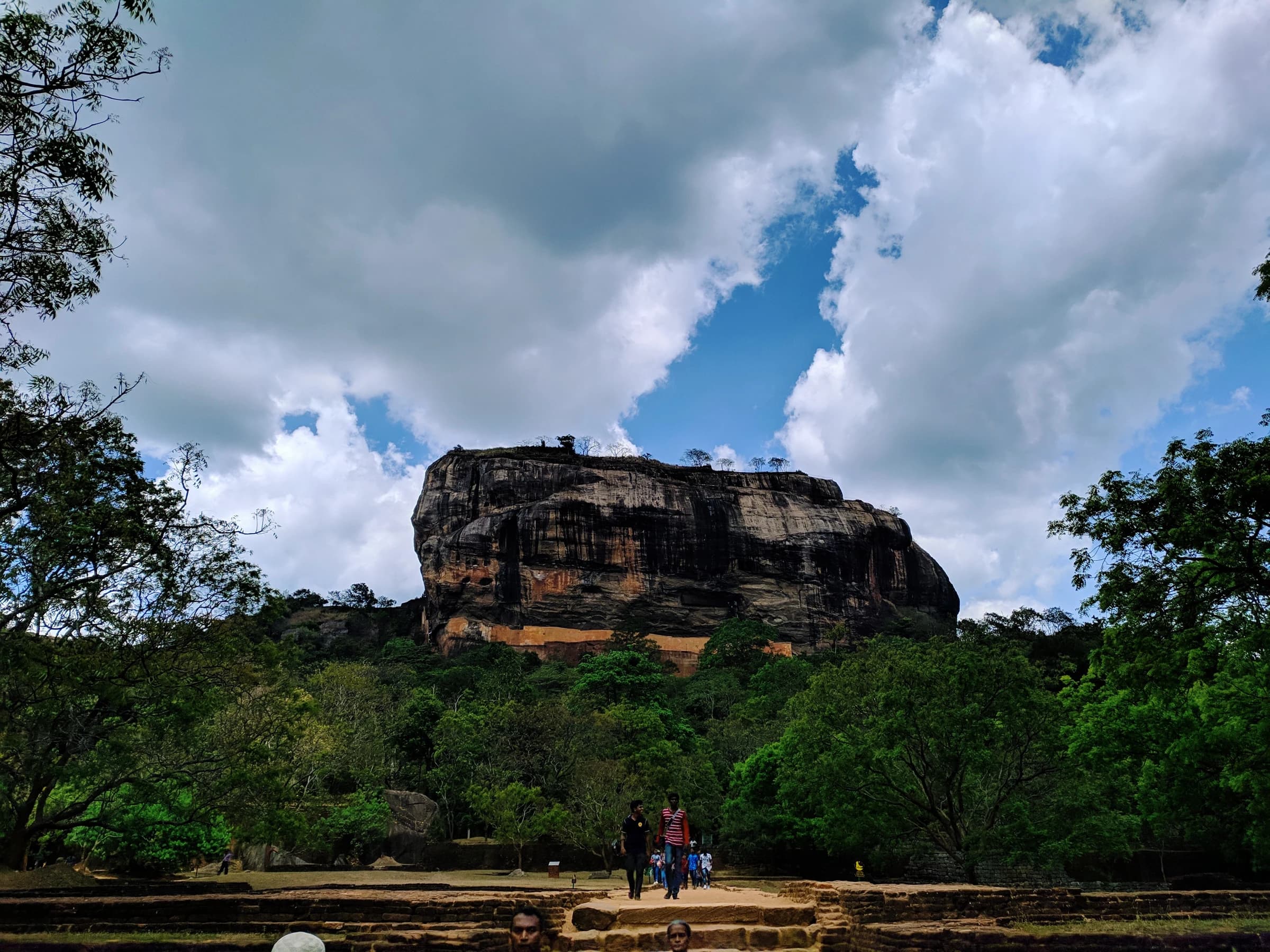 Sigiriya
Sigiriya
Sri Lanka
A 5th-century king built a palace on top of a 200-meter rock column rising straight out of the Sri Lankan jungle, and the frescoes his artists painted on its sheer rock face have survived exposed to the weather for over 1,500 years, making Sigiriya one of Asia's more genuinely improbable ruins.
See full guide →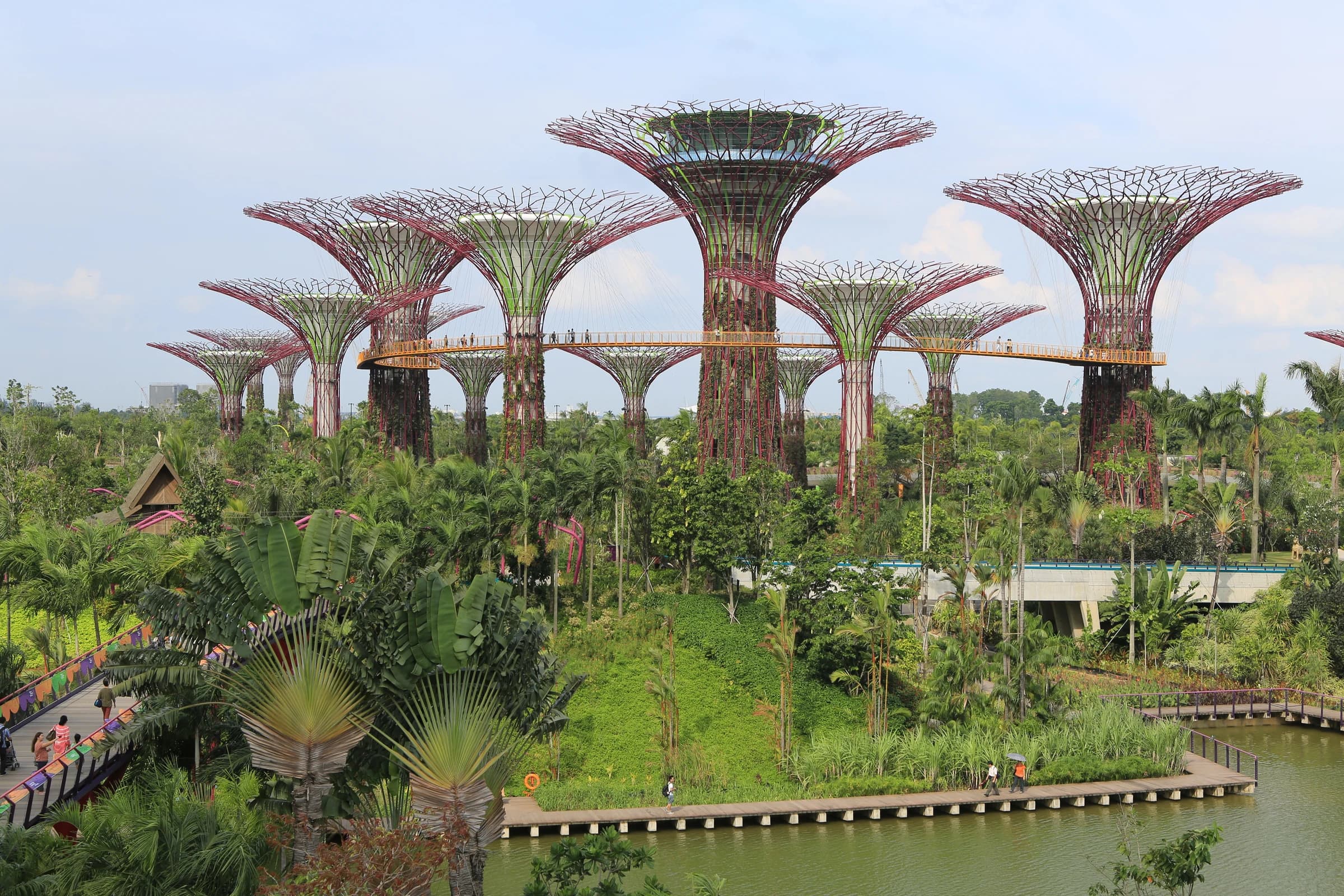 Singapore
Singapore
Singapore
Singapore is one of only three sovereign city-states left in the world, alongside Monaco and Vatican City, and it runs on rules strict enough to earn the nickname "fine city" — while its hawker centers, affordable multicultural food courts serving Malay, Chinese, and Indian cuisine side by side, hold UNESCO cultural heritage status.
See full guide →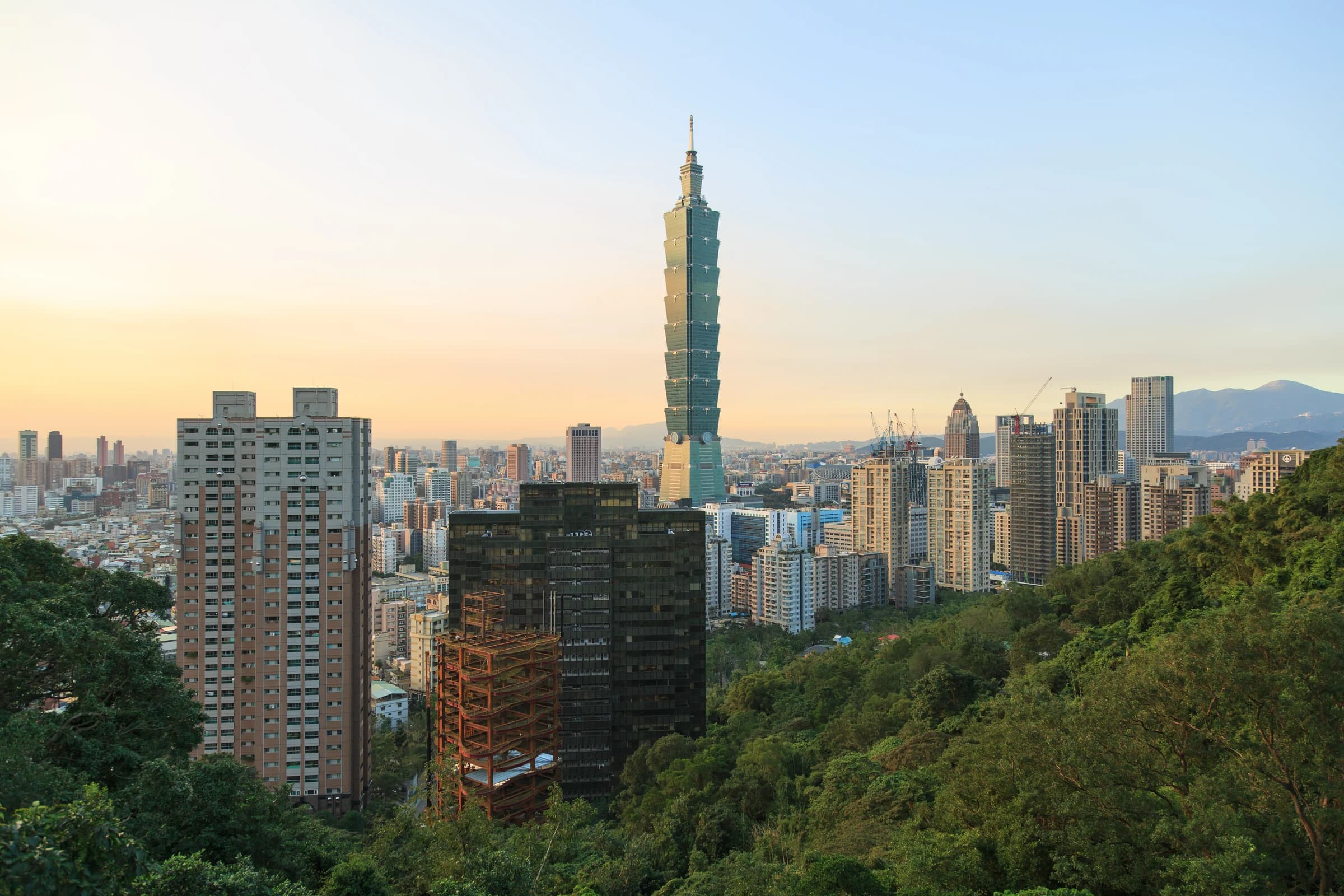 Taipei
Taipei
Taiwan
Taipei 101 held the title of world's tallest building from 2004 to 2010, and its most famous feature isn't the view but a 660-tonne steel ball, a public wrecking-ball-sized damper visible through a window, that keeps the tower from swaying too far in typhoons and earthquakes.
See full guide →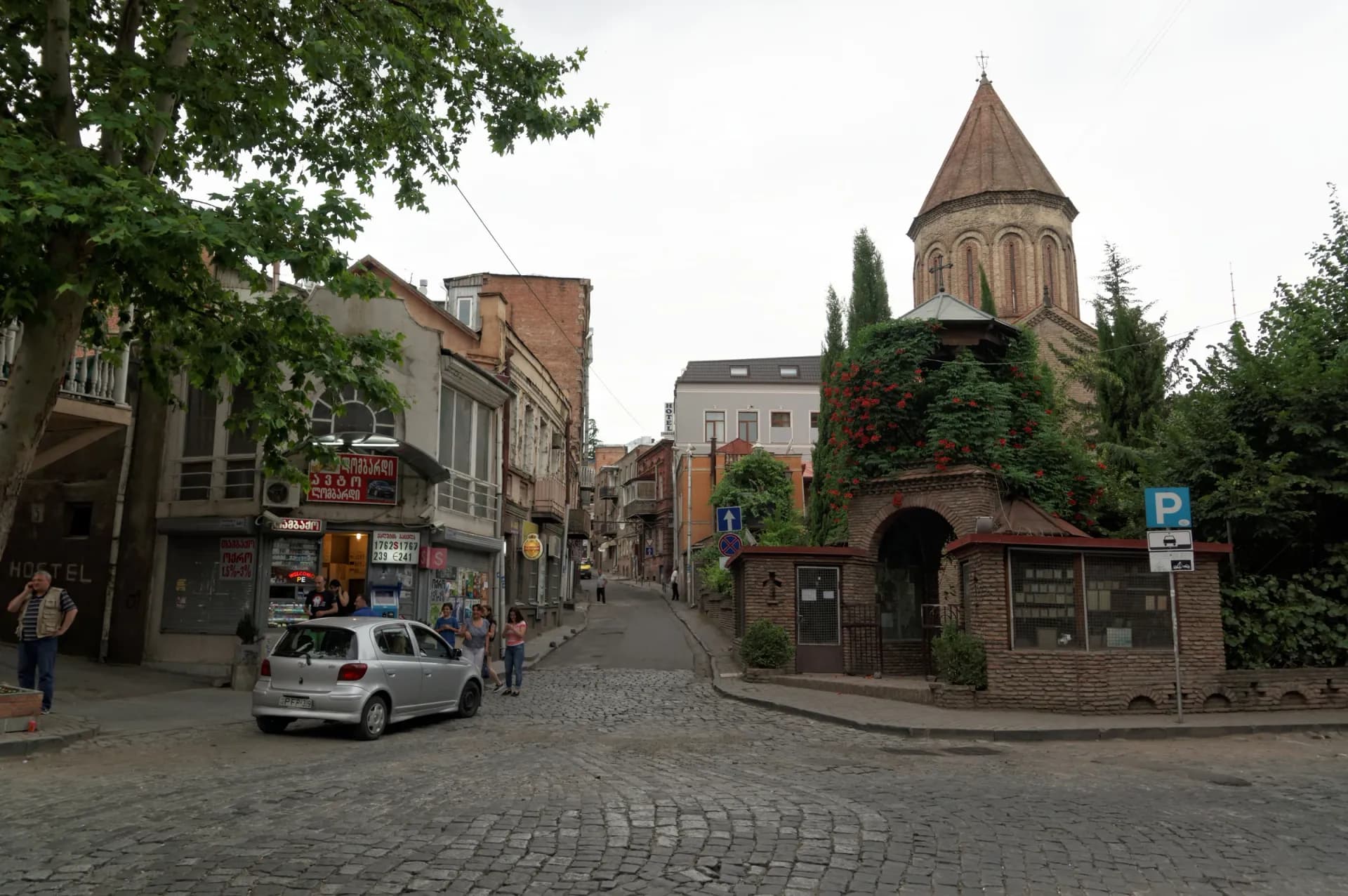 Tbilisi
Tbilisi
Georgia
Georgian winemakers have fermented wine in buried clay vessels called qvevri for roughly 8,000 years, a method UNESCO recognizes as the world's oldest continuous winemaking tradition, and Tbilisi sits at the center of a country that considers itself the actual birthplace of wine — alongside sulfur bathhouses that gave the city its name and a balcony-lined old town clinging to a river gorge.
See full guide →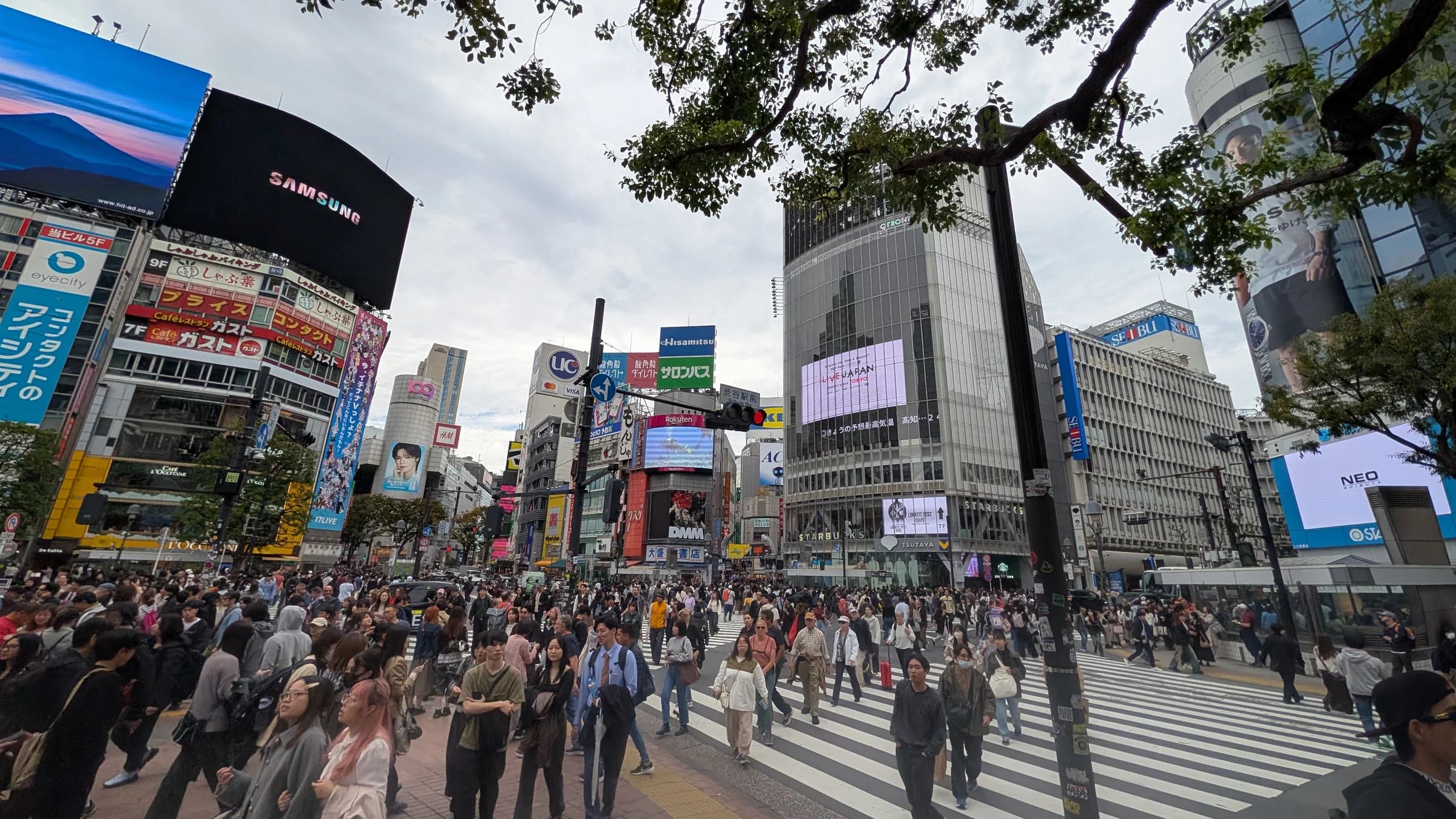 Tokyo
TokyoTokyo
Japan
Shibuya Crossing moves up to 3,000 pedestrians through a single intersection every time the light changes, and somehow nobody collides — a genuinely orderly kind of chaos that sums up Tokyo itself, a city of 37 million people that runs on a level of precision most places its size can't manage.
See full guide →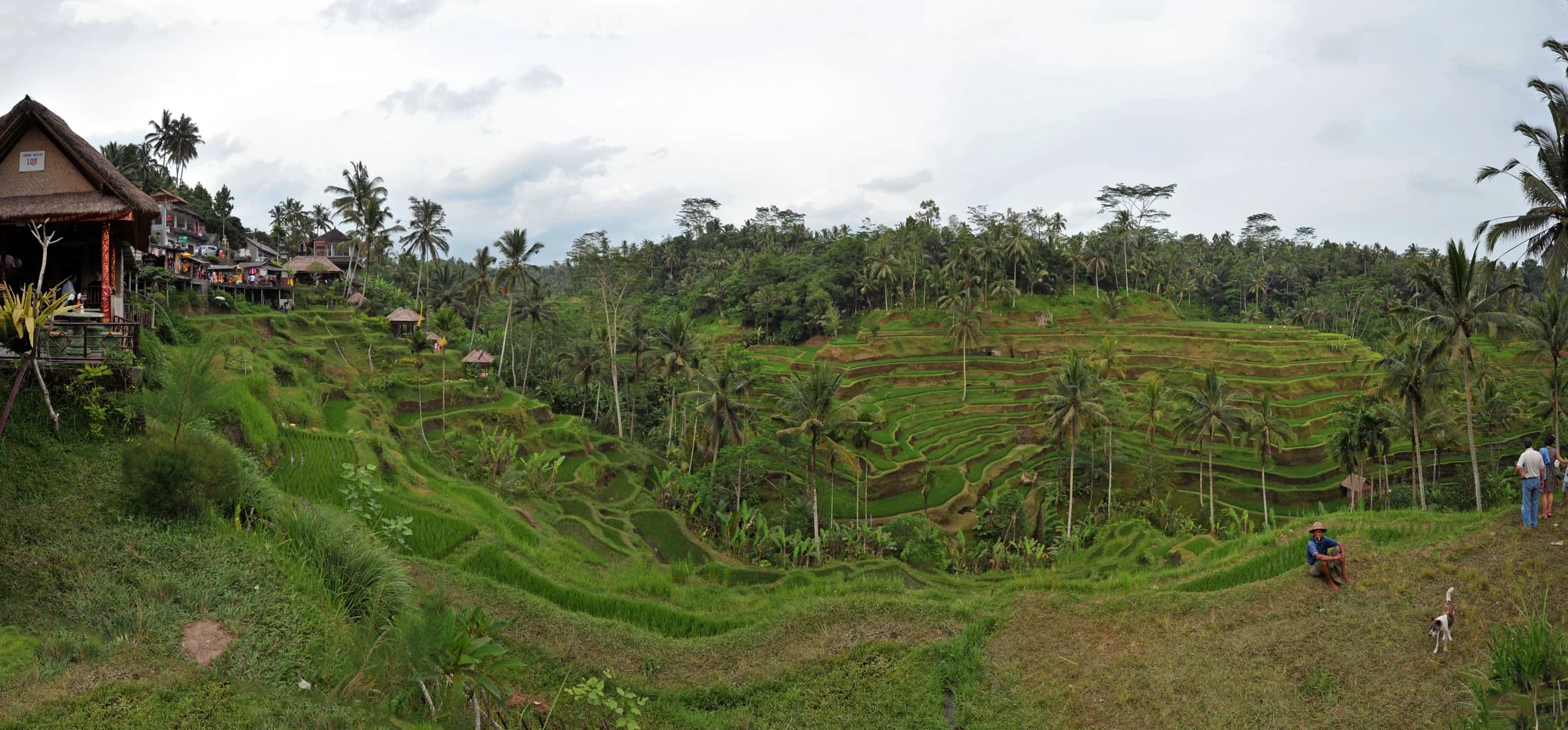 Ubud
UbudUbud
Indonesia
Bali is a Hindu-majority island sitting inside the world's largest Muslim-majority country, and Ubud, its cultural heart, is estimated to hold somewhere around 20,000 temples across the wider island — a genuinely distinct religious and artistic identity that no amount of post-Eat Pray Love tourism growth has managed to flatten.
See full guide →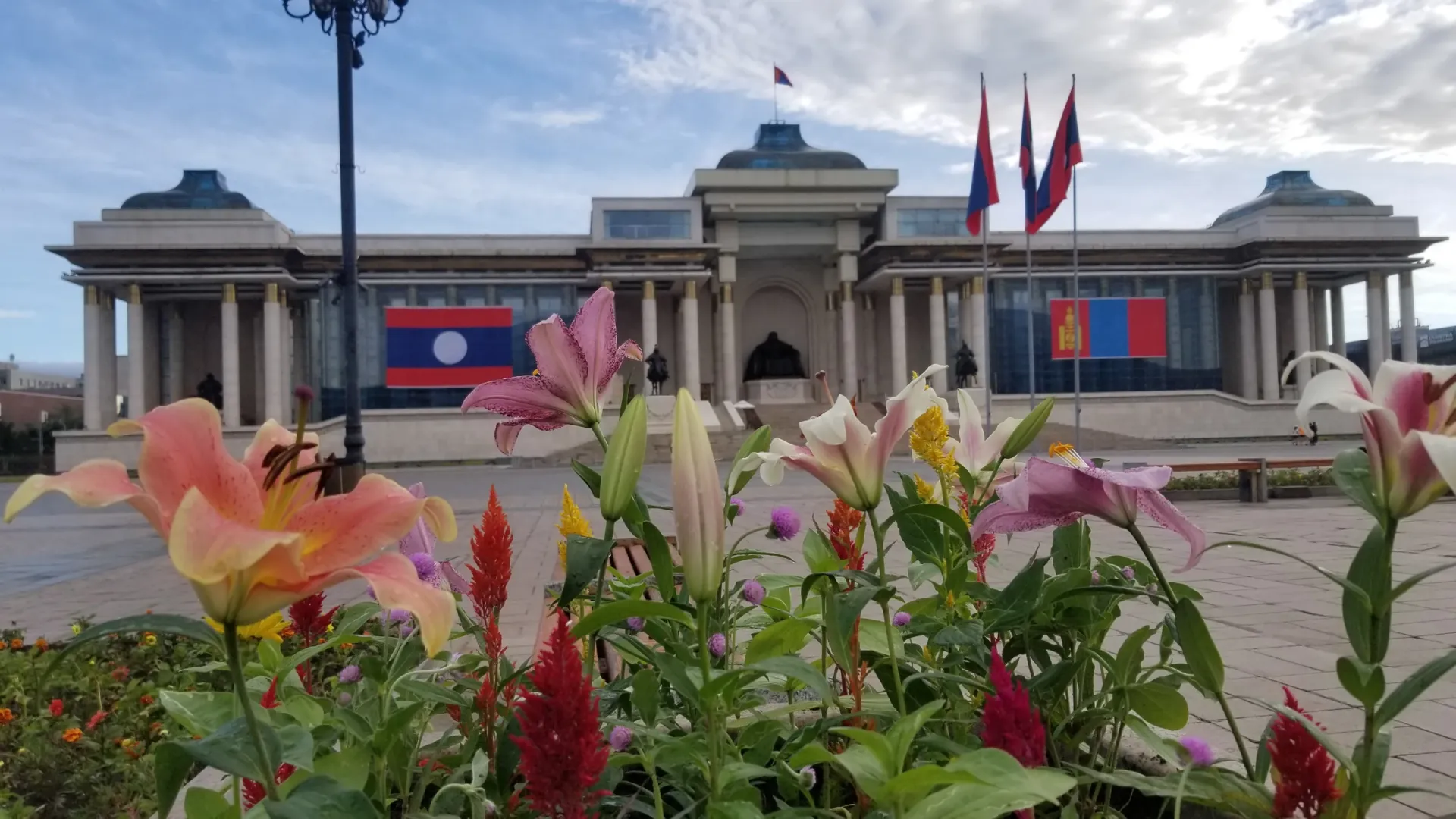 Ulaanbaatar
Ulaanbaatar
Mongolia
Ulaanbaatar holds the title of coldest capital city in the world by average annual temperature, and it sits as the gateway to a country where roughly a third of the population still lives a nomadic or semi-nomadic lifestyle, a genuinely different scale of open space than almost anywhere else left in Asia.
See full guide →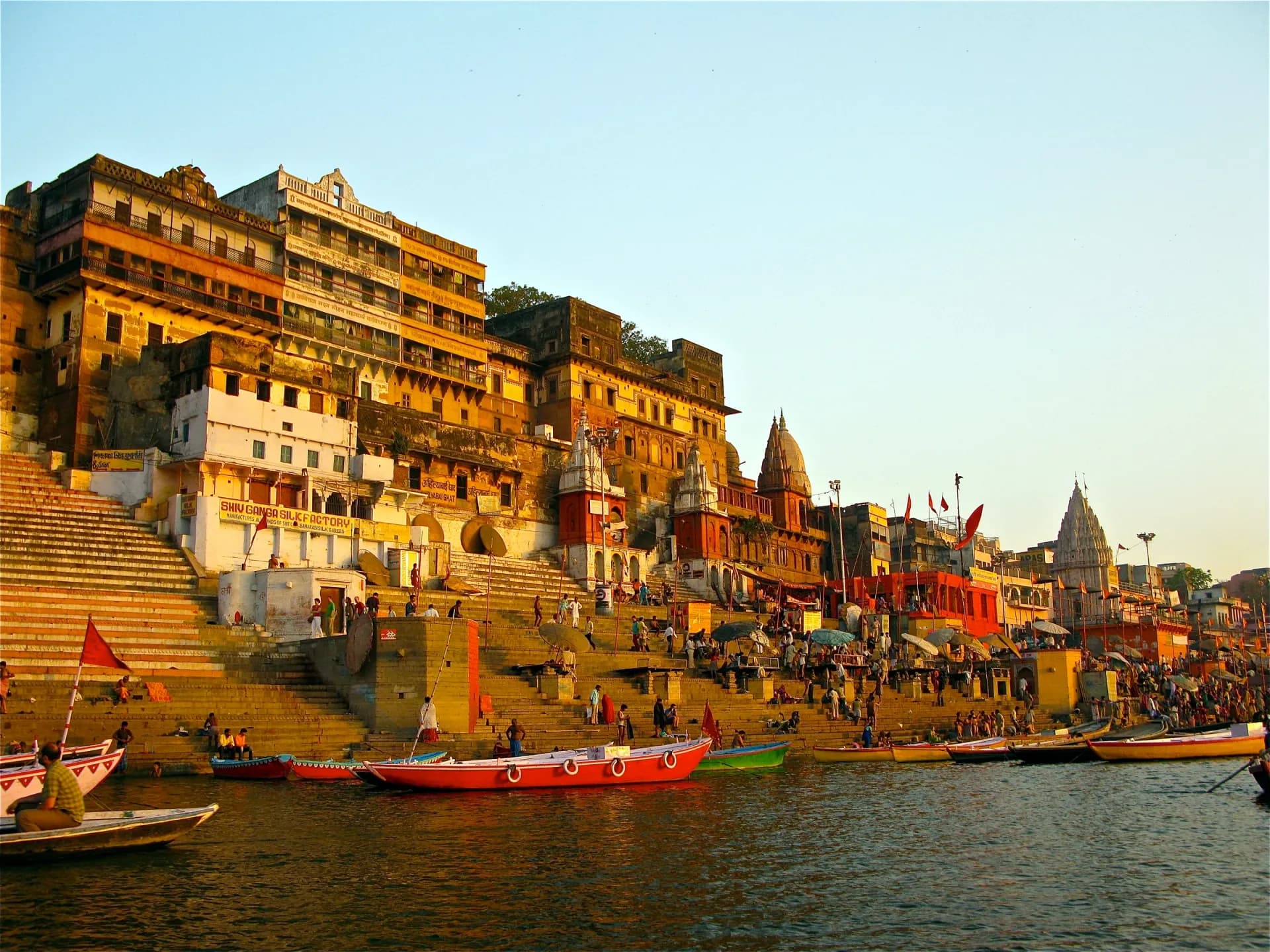 Varanasi
Varanasi
India
Varanasi is one of the oldest continuously inhabited cities in the world, and its ghats along the Ganges River host both cremation ceremonies and sunrise prayers within sight of each other, a directness about mortality that Hindu pilgrims travel here specifically to witness, since dying or being cremated in Varanasi is believed to offer liberation from the cycle of rebirth.
See full guide →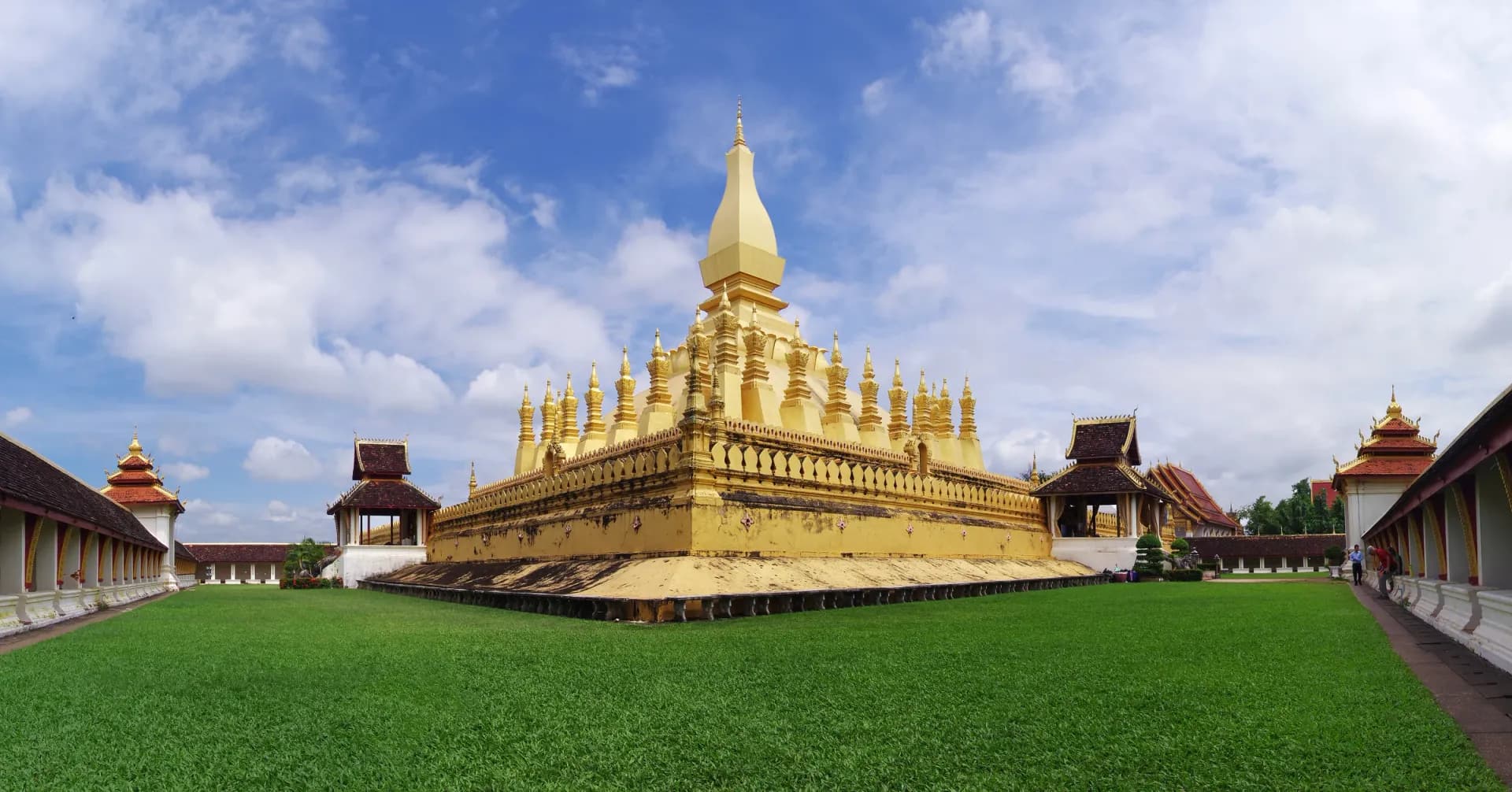 Vientiane
Vientiane
Laos
Vientiane is widely considered the most laid-back capital city in Southeast Asia, a place where the golden stupa of Pha That Luang, Laos's most sacred monument, sits a short walk from riverside cafes on the Mekong that watch the sun set directly over Thailand, close enough to see but a full border crossing away.
See full guide →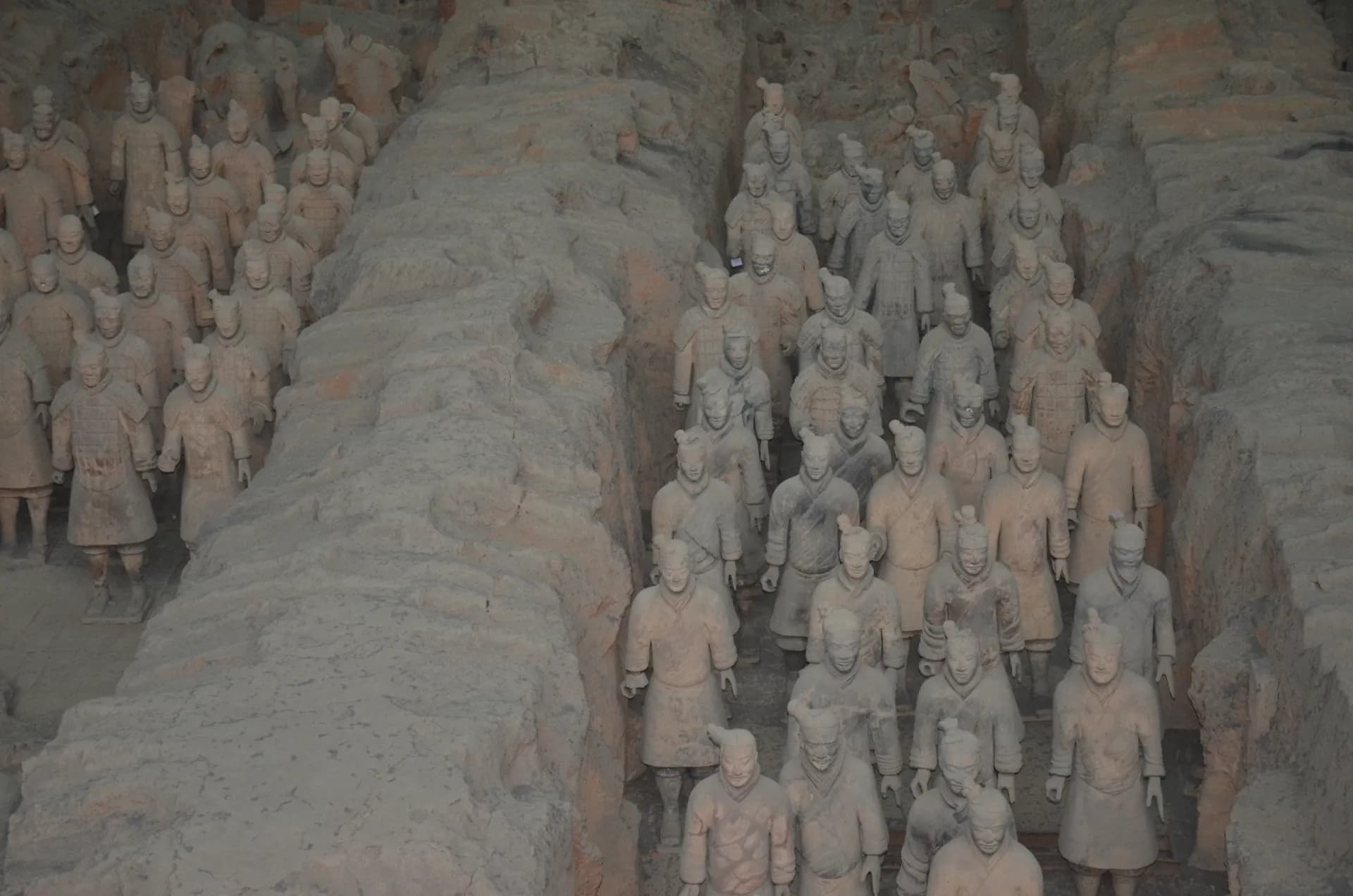 Xi'an
Xi'anXi'an
China
Farmers digging a well in 1974 outside Xi'an accidentally uncovered an army of roughly 8,000 life-sized terracotta soldiers, each with individually sculpted facial features, buried for over 2,000 years to guard the tomb of China's first emperor — one of the largest archaeological discoveries of the 20th century, and still only partially excavated.
See full guide →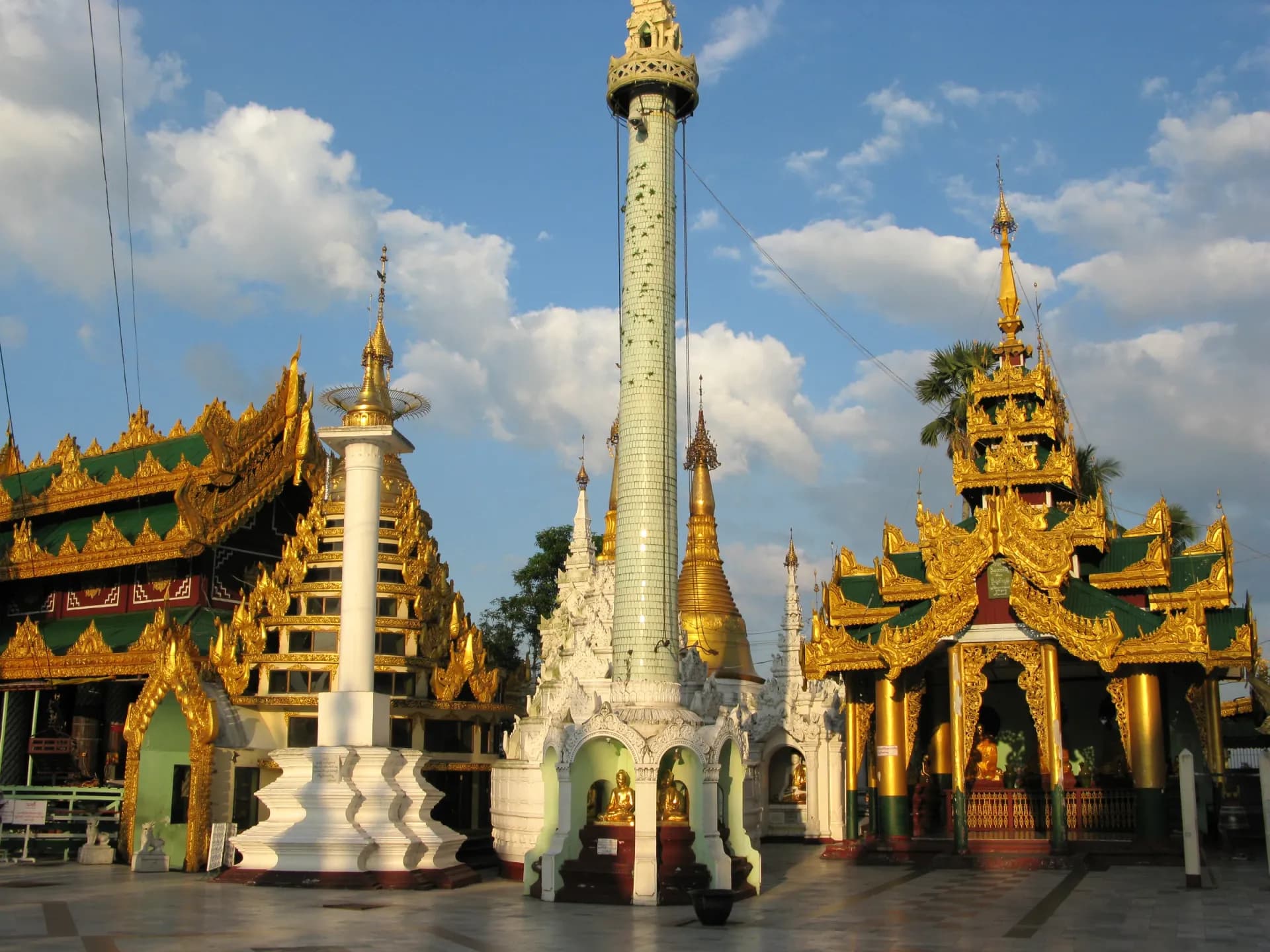 Yangon
Yangon
Myanmar
The Shwedagon Pagoda's central stupa is covered in genuine gold plates and crowned with thousands of diamonds, including a 76-carat stone at its very tip, and Buddhist tradition holds the site has stood for over 2,500 years — a genuinely staggering piece of architecture sitting at the center of a country where current travel conditions require real homework before booking.
See full guide →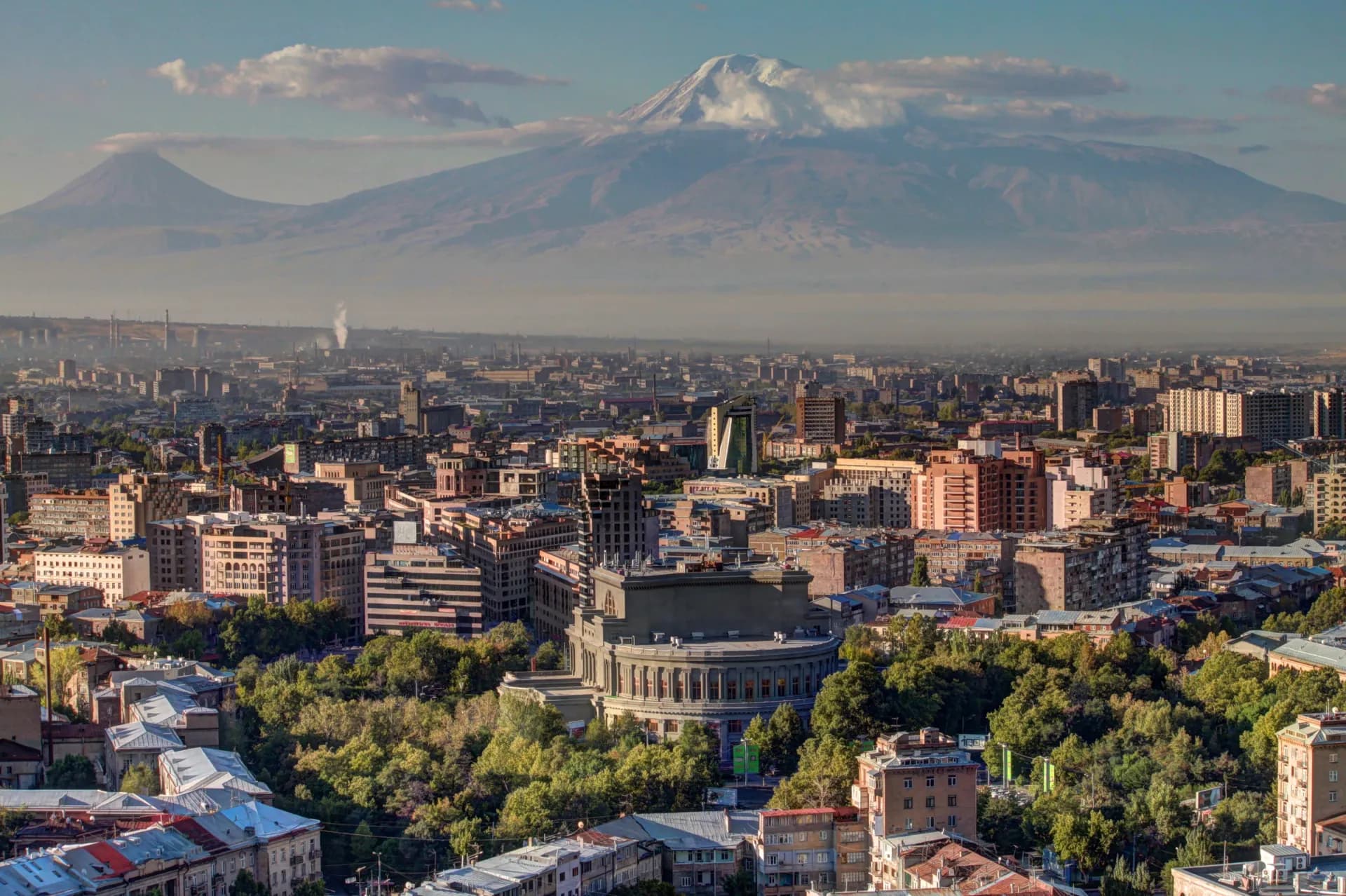 Yerevan
Yerevan
Armenia
On a clear day, Yerevan looks directly across the border into a mountain it doesn't actually own — Mount Ararat, the biblical resting place of Noah's Ark and Armenia's most recognizable national symbol, sits entirely inside Turkish territory, yet it appears on the Armenian coat of arms anyway, a quiet daily reminder of a border drawn without much regard for what the view means to the people who live beside it.
See full guide →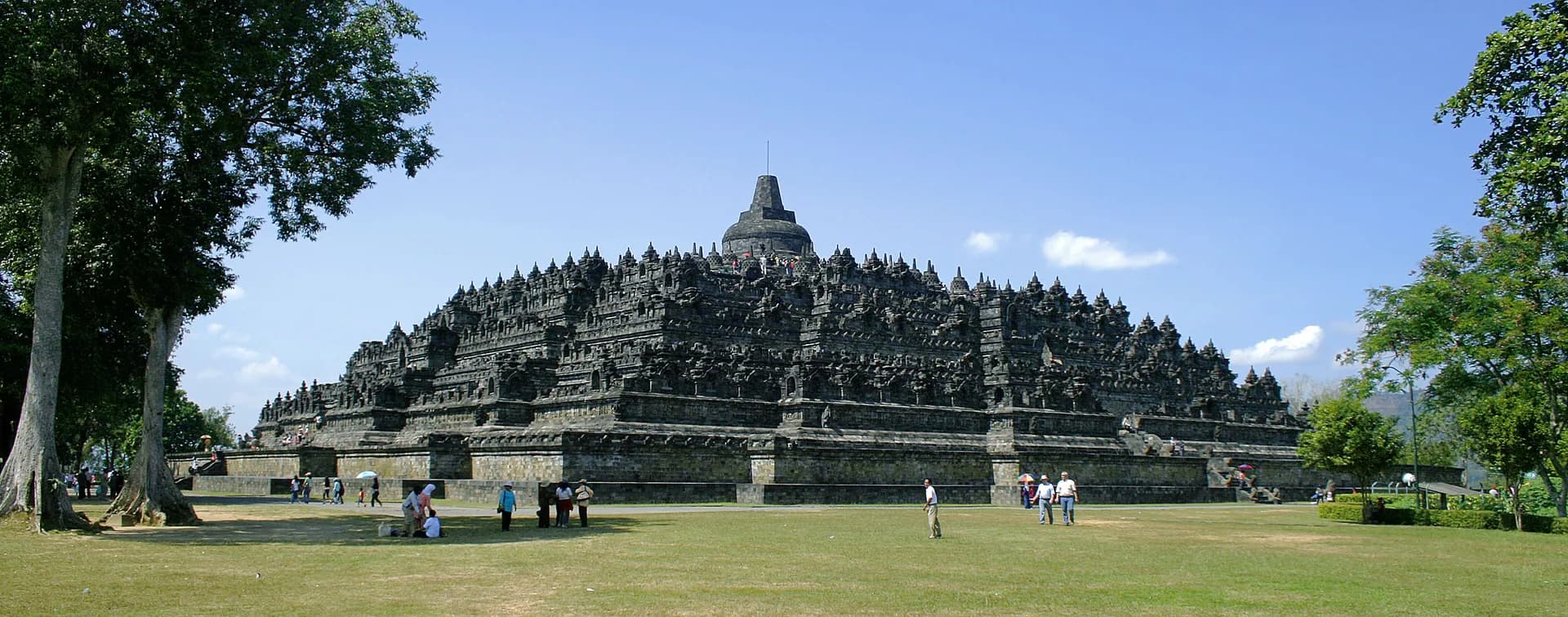 Yogyakarta
Yogyakarta
Indonesia
Borobudur, the largest Buddhist temple in the world, sat buried under volcanic ash and jungle growth for centuries after being abandoned, and it took a British colonial administrator's 1814 rediscovery to bring a 9th-century monument holding 2,672 relief panels and 504 Buddha statues back into view.
See full guide →