Jordan · Asia
Petra
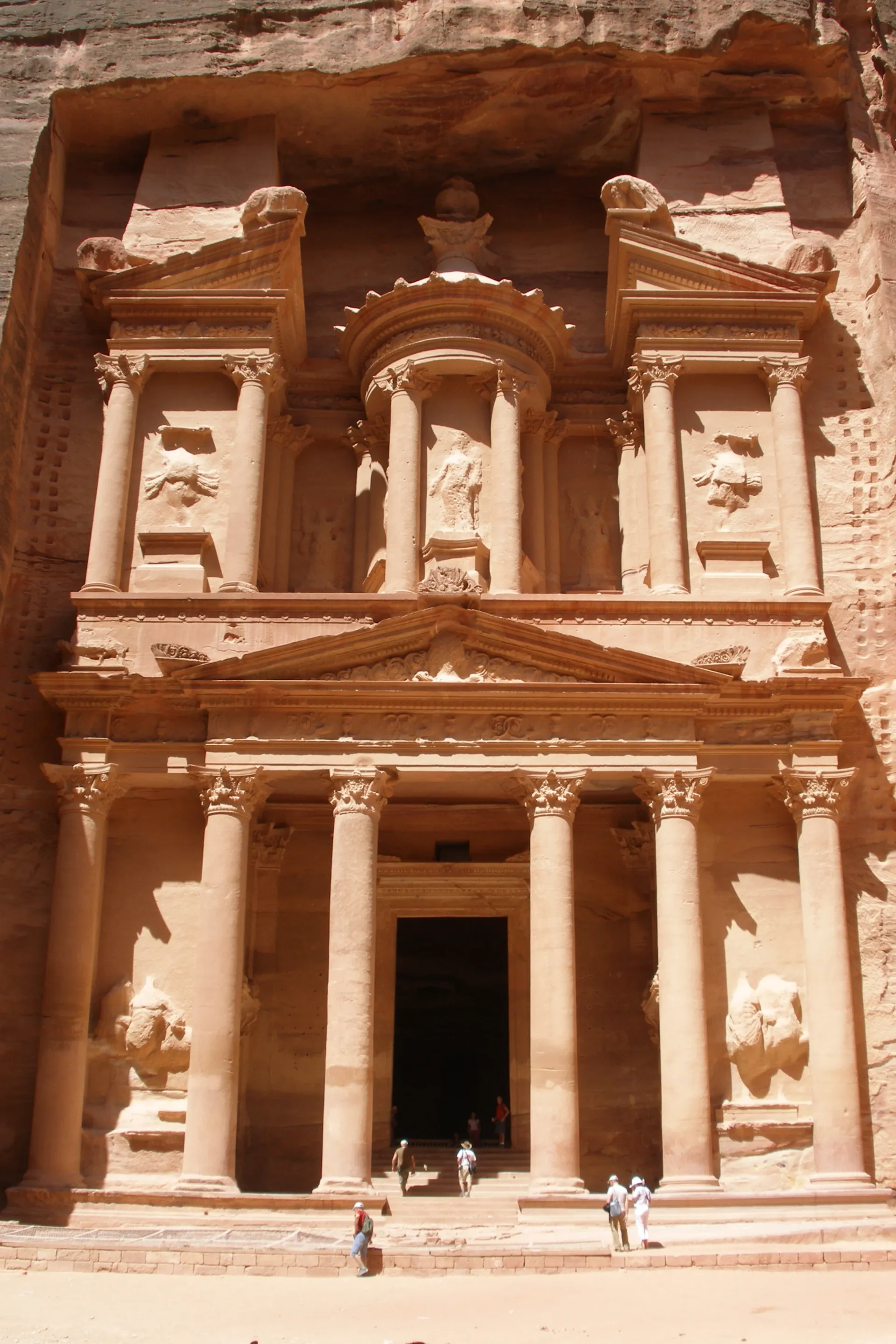
Local Bedouin communities always knew Petra was there; the wider world only rediscovered this rose-colored city carved directly into sandstone cliffs in 1812, when a Swiss explorer talked his way in disguised as a Muslim scholar, ending centuries of it being effectively lost to the West.
Petra served as the capital of the Nabataean Kingdom starting around the 4th century BC, a desert trading civilization wealthy enough to carve entire monumental facades directly into the surrounding sandstone cliffs rather than simply building on top of them. As regional trade routes shifted over the following centuries, the city faded from wider knowledge, known and used by local Bedouin communities but effectively lost to the outside world for hundreds of years.
That changed in 1812, when Swiss explorer Johann Ludwig Burckhardt talked his way into the site disguised as a Muslim scholar, reintroducing Petra to Western audiences after centuries of near-total obscurity. The site's rediscovery story is almost as well known today as the ruins themselves, a reminder that "lost" cities are often only lost to whoever's telling the story.
Reaching the city's most famous structure, Al-Khazneh, or the Treasury, means walking through the Siq, a narrow gorge roughly 1.2 kilometers long with walls rising up to 80 meters on either side. The Treasury's facade appears suddenly at the end of that passage, a moment of reveal that's become one of the most recognizable sequences in travel photography, and one familiar to many visitors before they arrive thanks to its appearance in "Indiana Jones and the Last Crusade."
Beyond the Treasury, Petra holds over 800 individual monuments, tombs, temples, a Roman-style theater carved into the rock, and the Monastery, reached by a climb of roughly 800 uneven steps that thins the crowds considerably compared to the areas near the main entrance. Most visitors need a full two days to cover both the well-known sites and the quieter trails branching off from them.
Petra by Night, held several evenings a week, lights the walk through the Siq entirely with candles, ending at the Treasury with traditional music performed in the open square in front of it. It's a genuinely different experience from a daytime visit, trading the site's scale and detail for atmosphere, and most visitors treat it as a complement to a full daytime exploration rather than a substitute for one.
What a trip here actually costs
$45 / day avg.
- Guesthouse in Wadi Musa
- Local Jordanian restaurant meals
- 1-day Petra entry ticket
- Walking the Siq and main trail, included in entry
What to do at this tier
- • Walking the Siq to Al-Khazneh (the Treasury), included in entry
- • Petra's Street of Facades and Royal Tombs, included in entry
- • Climb to the Monastery (Ad Deir), roughly 800 steps, included in entry
$110 / day avg.
- 3-star hotel near the entrance
- 2-day Petra pass with Petra by Night ticket
- Horse or donkey ride option along parts of the trail
- Sit-down restaurant dinners
What to do at this tier
- • 2-day Petra pass covering the full site at an unhurried pace
- • Petra by Night candlelit evening event
- • Horse or donkey ride along sections of the trail
$280 / day avg.
- 4-5 star hotel with canyon views
- Private guided tour of Petra's full site
- Petra by Night with reserved seating
- Fine dining Jordanian tasting menu
What to do at this tier
- • Private guided archaeological tour of Petra
- • Petra by Night with reserved front-row seating
- • Private day trip combining Petra with Wadi Rum desert
These are average estimates for planning purposes, not real-time prices — actual costs vary by season, availability, and how far ahead you book.
How to get there
Click anywhere on the world map — any airport works, not just our main hubs.
Click anywhere on the map above — any airport in the world works — to see estimated travel time and cost from there.
Times and prices are planning estimates, not live fares — always check a booking site before you commit. See the full Transport Comparison guide for the general tradeoffs of each mode.
Best time to visit
March-May and September-November bring the mildest desert temperatures; summer runs extremely hot for the amount of walking Petra requires.
Safety notes
Generally safe for tourists; wear sturdy shoes for uneven stone paths and carry water, since much of the site offers little shade.
Visa & currency
Jordanian dinar (JOD). Many nationalities can get a visa on arrival, though the Jordan Pass, which bundles Petra entry with visa fee waivers, is worth arranging in advance.
Questions people ask before visiting
Is Petra worth visiting?
Yes — Petra holds over 800 individual monuments carved directly into rose-colored sandstone, including the famous Al-Khazneh facade reached through a narrow 1.2-kilometer gorge called the Siq, and it's genuinely one of the most complete ancient cities still standing anywhere in the world.
How was Petra rediscovered?
Petra served as the capital of the Nabataean Kingdom from around the 4th century BC, but knowledge of it faded from the wider world after the region's trade routes shifted. Local Bedouin communities always knew of the site, and Swiss explorer Johann Ludwig Burckhardt reintroduced it to Western audiences in 1812, entering disguised as a Muslim scholar.
How many days do you need for Petra?
Two full days lets you see the Treasury, the Monastery, and the Royal Tombs at a reasonable pace, including the roughly 800-step climb to the Monastery. A single rushed day covers only the most famous section near the Siq entrance.
What is Petra by Night?
An evening event held several times a week where the path through the Siq to the Treasury is lit entirely by candles, ending with traditional music at the Treasury itself. It requires a separate ticket from daytime entry.
Nearby destinations
 Dubai
DubaiDubai
United Arab Emirates
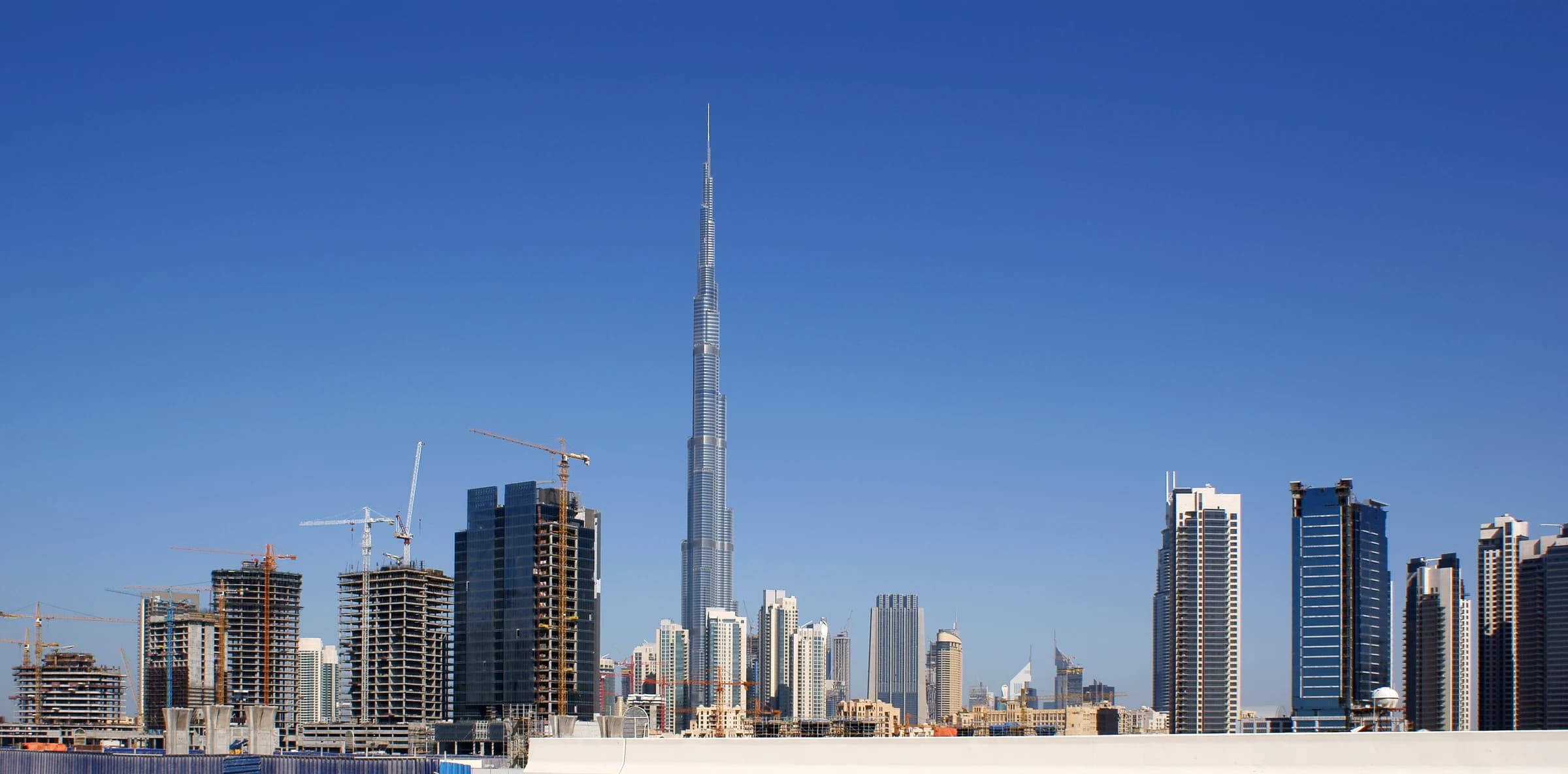
Less than sixty years ago Dubai was a small fishing and pearling village on the Persian Gulf; today it holds the Burj Khalifa, the tallest building on Earth, and an artificial palm-shaped archipelago visible from space — a transformation compressed into roughly a single working lifetime rather than the centuries most major cities took to build themselves.
See full guide →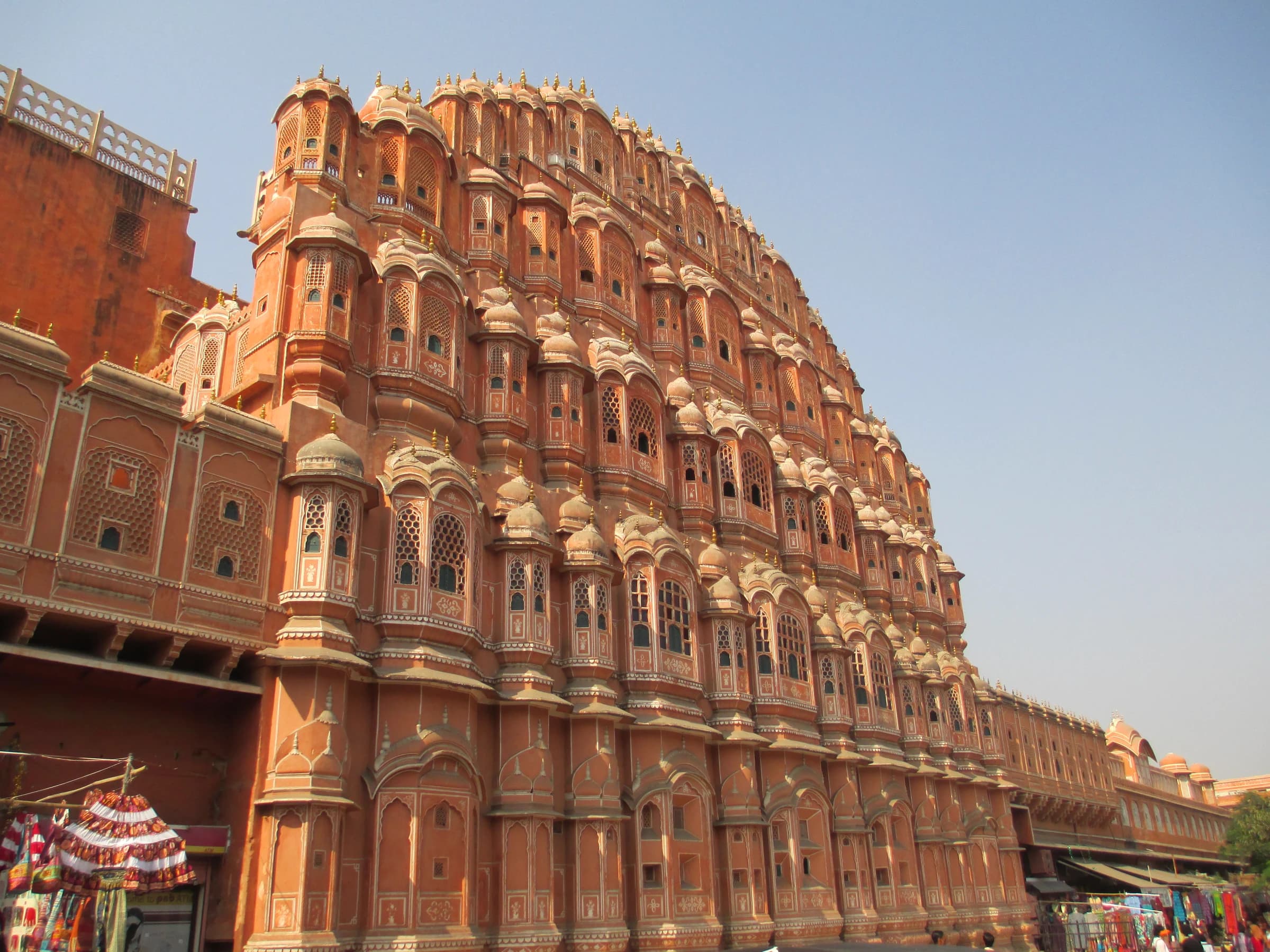 Jaipur
Jaipur
India
Jaipur's old city was painted terracotta pink in 1876 for a single royal visit from the Prince of Wales, and the tradition stuck so firmly that it's now protected by law — giving India's "Pink City" a genuinely unified look across the Hawa Mahal's 953 honeycomb windows, the hilltop Amber Fort, and the rest of its historic center.
See full guide →Comparing more than one route? See the full transport comparison guide.