 Africa
Africa travel guide
Africa's transport reality is more varied than any continent Wayfarly has covered so far — Morocco and South Africa have genuinely good train and bus networks that fit the site's usual comparison format, while reaching East Africa's safari circuit or Southern Africa's more remote parks realistically means flying between hub cities and arranging ground transport locally. This is Wayfarly's fourth continent, built the same deliberate way the first three were: real pricing tiers, honest transport comparisons, no filler pages.
65 destinations, ready to compare
 Abidjan
Abidjan
Ivory Coast
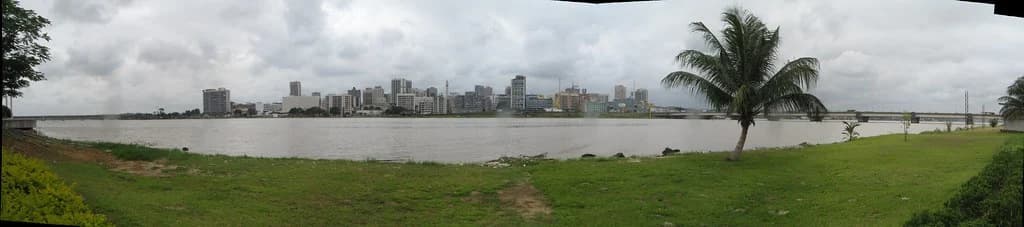
Ivory Coast produces roughly 40 percent of the entire world's cocoa supply, and Abidjan's modern glass towers, dense enough to earn the city nicknames like the 'Manhattan of West Africa,' were built largely on the wealth that trade generated even as the country's official capital moved elsewhere decades ago.
See full guide →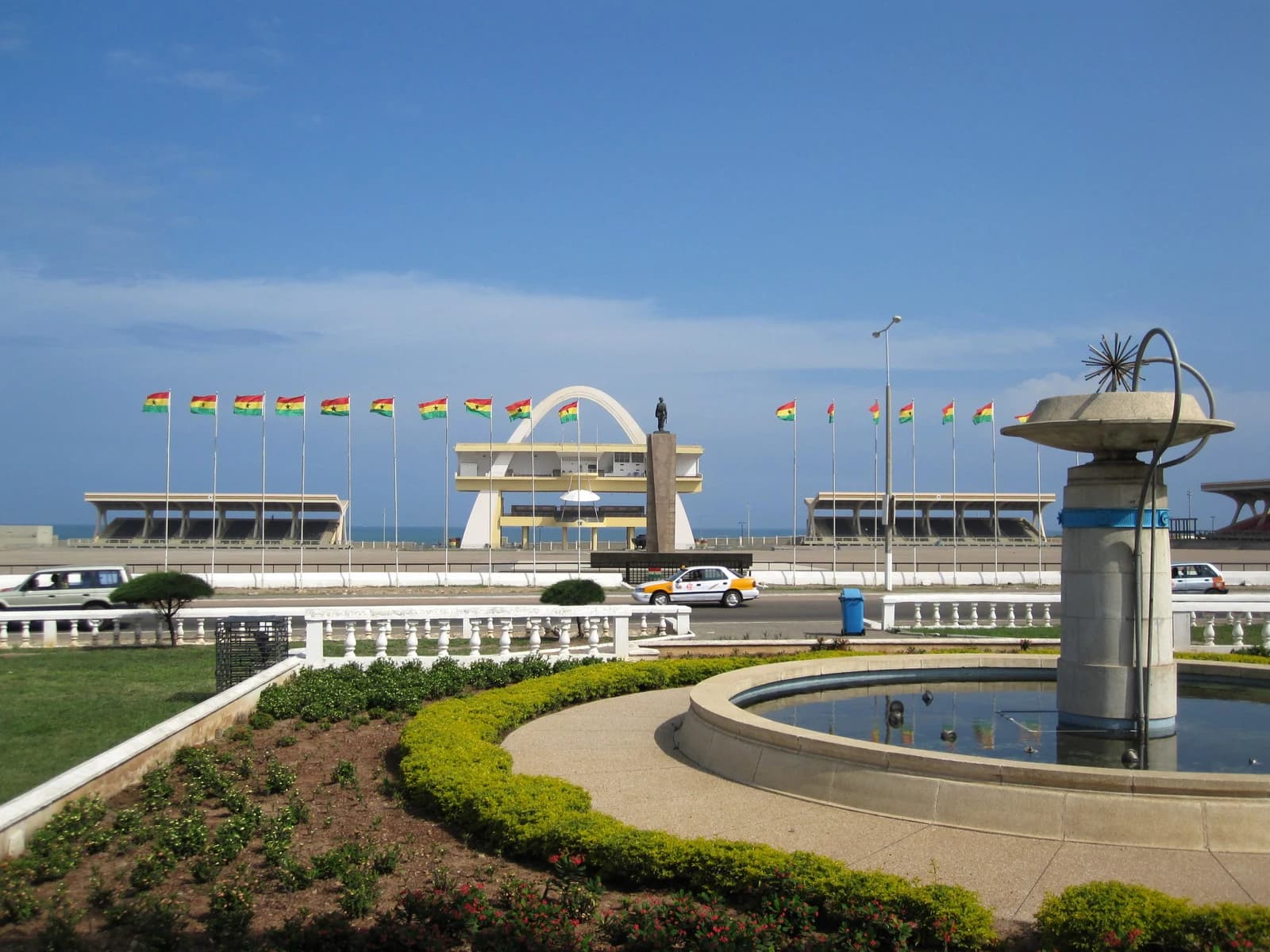 Accra
AccraAccra
Ghana
In 2019, Ghana declared a nationwide 'Year of Return' marking 400 years since the first enslaved Africans arrived in Virginia, inviting the African diaspora to reconnect with the continent — hundreds of thousands of people, many African American, took the government up on it, and Accra has been building on that momentum as a diaspora-tourism hub ever since.
See full guide →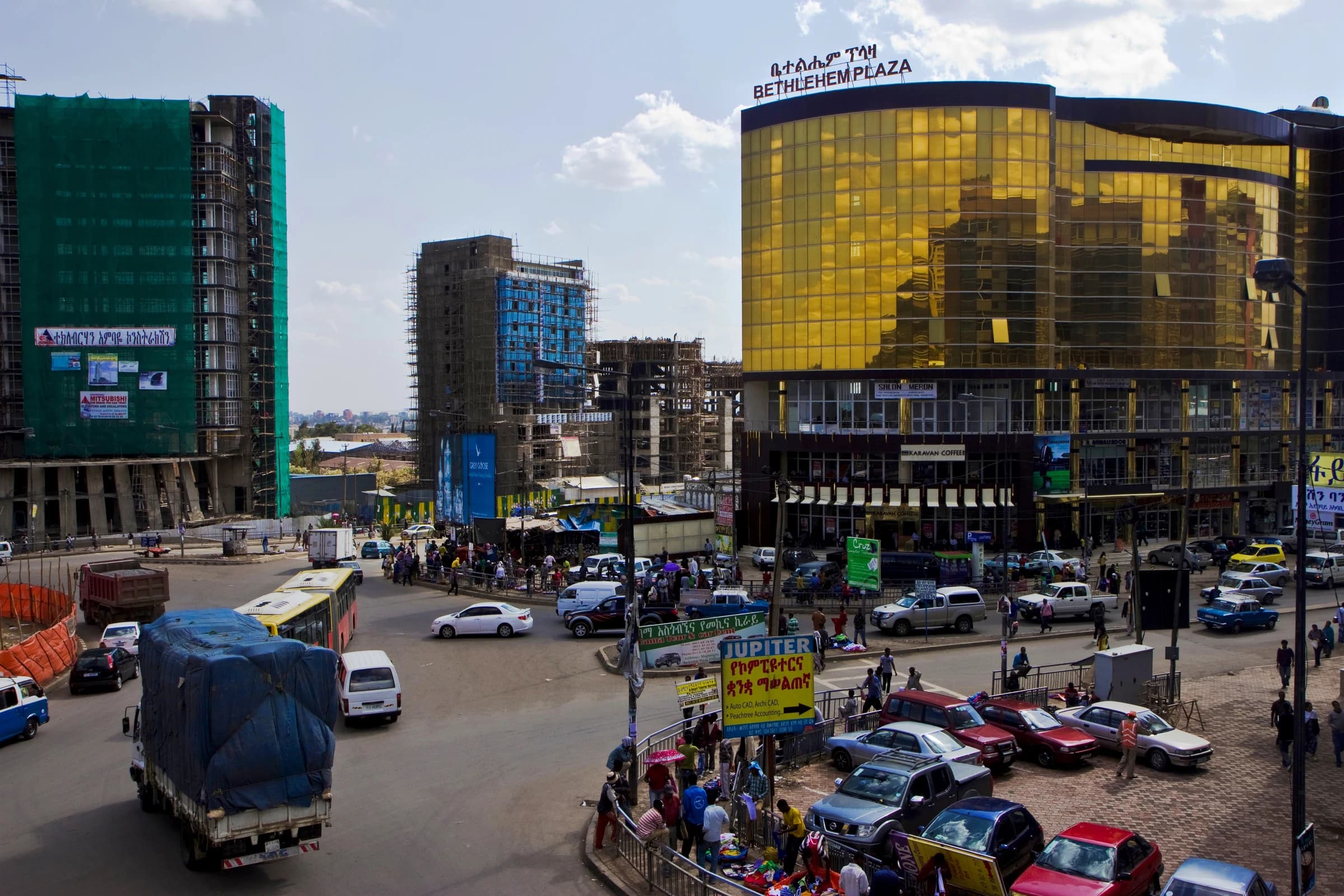 Addis Ababa
Addis Ababa
Ethiopia
Addis Ababa sits at roughly 2,355 meters above sea level, making it one of the highest capital cities in the world — and Ethiopia's National Museum holds an even older claim to fame downstairs: the fossilized remains of Lucy, a 3.2-million-year-old early human ancestor whose skeleton reshaped how scientists understand our own species' origins.
See full guide →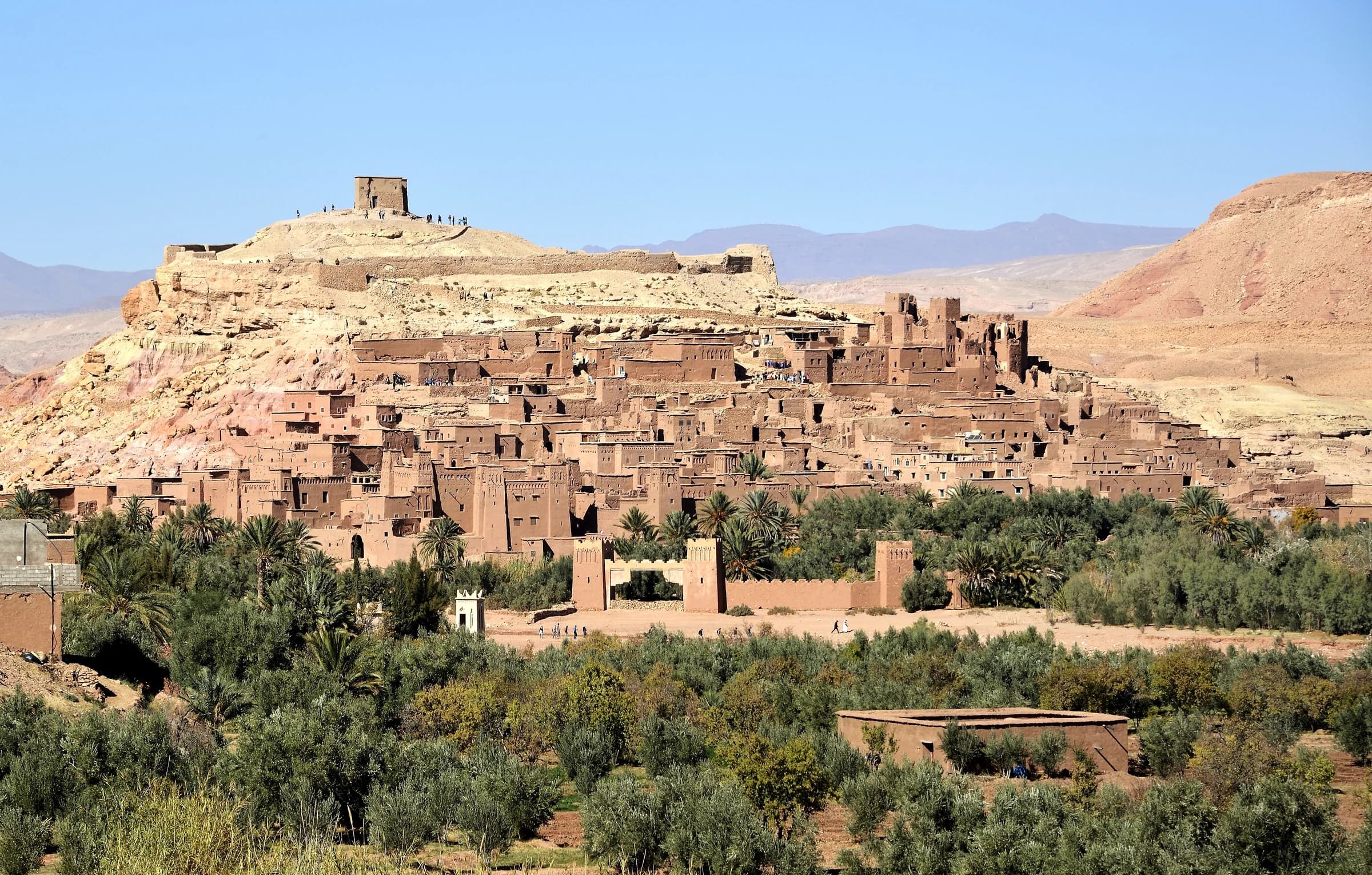 Aït Benhaddou
Aït Benhaddou
Morocco
Aït Benhaddou's earthen fortress walls have played ancient Rome, biblical Egypt, and a Game of Thrones city, all without changing much — the nearby film studios in Ouarzazate have used this single UNESCO-listed ksar as a backdrop for Lawrence of Arabia, Gladiator, and dozens of other productions, earning the town the nickname 'Ouallywood.'
See full guide →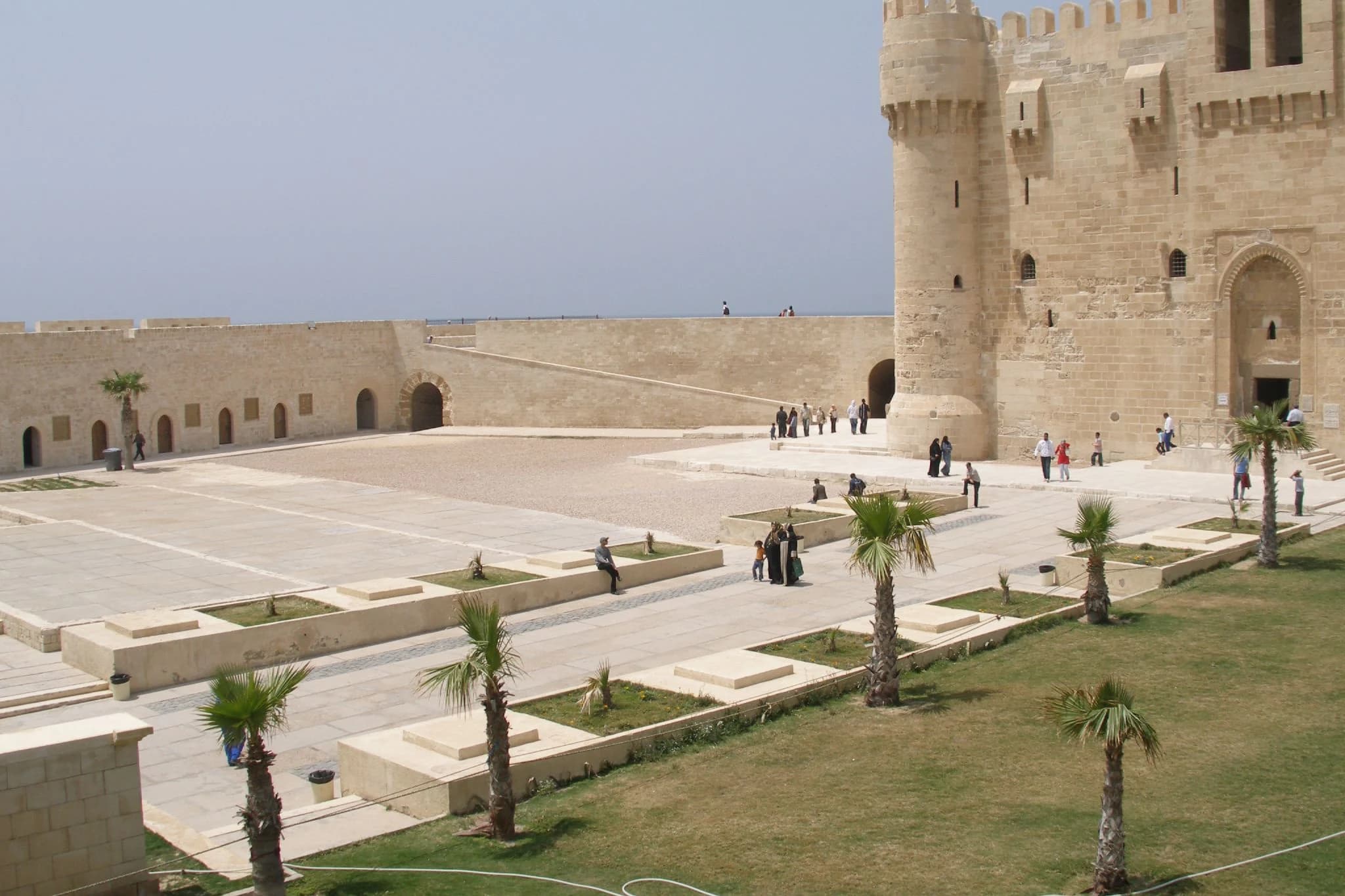 Alexandria
Alexandria
Egypt
Alexander the Great founded this city in 331 BCE, and it later held two of the ancient world's most extraordinary achievements at once — the Lighthouse of Alexandria, one of the Seven Wonders of the Ancient World, and the Library of Alexandria, whose destruction remains one of history's most mourned losses of knowledge.
See full guide →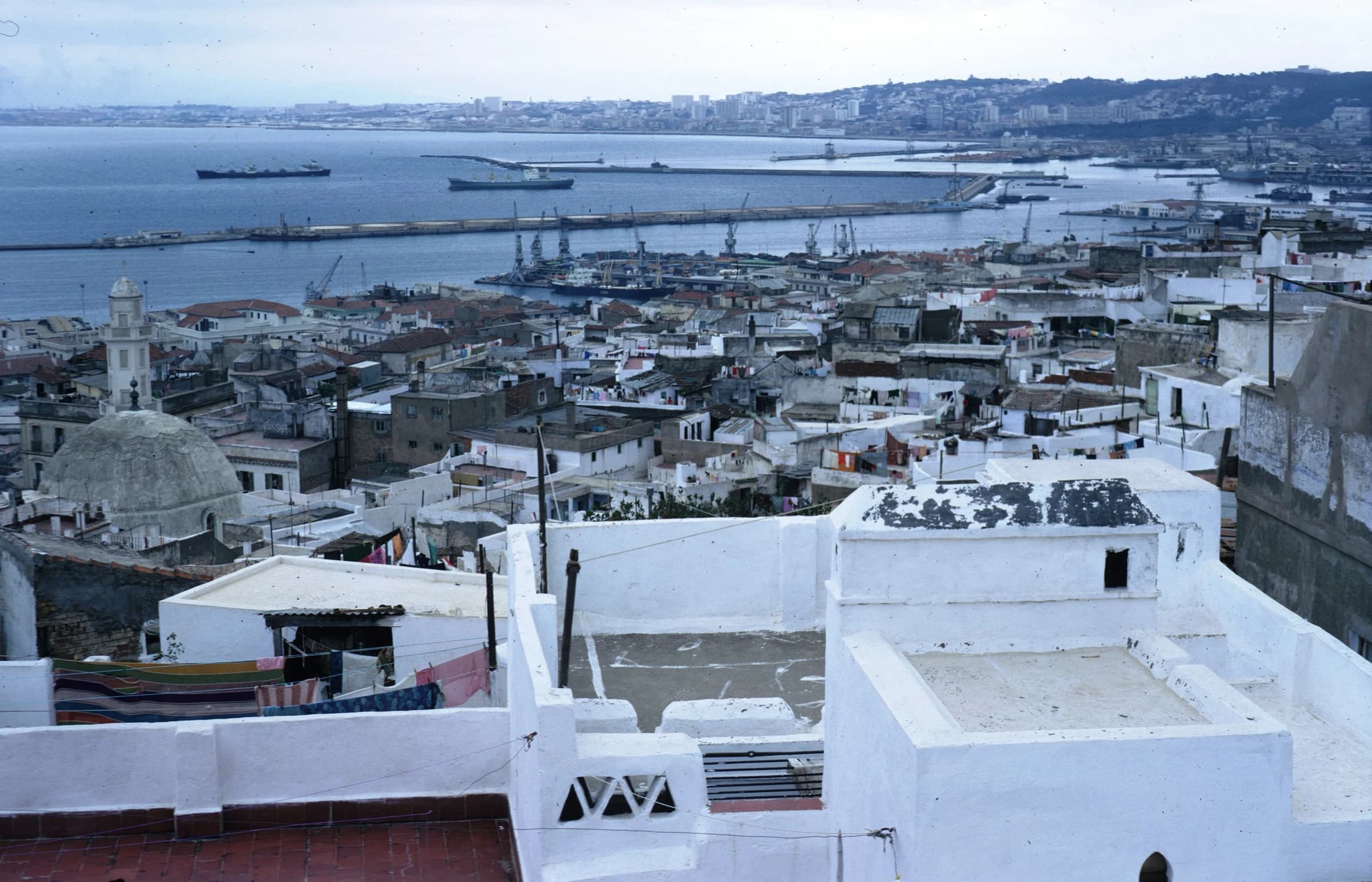 Algiers
Algiers
Algeria
Sailors nicknamed Algiers 'Alger la Blanche,' Algiers the White, for the way its whitewashed buildings cascade down the hillside to the Mediterranean — a view that's stayed largely the same since long before Algeria became, after South Sudan split from Sudan in 2011, the largest country in Africa by land area.
See full guide →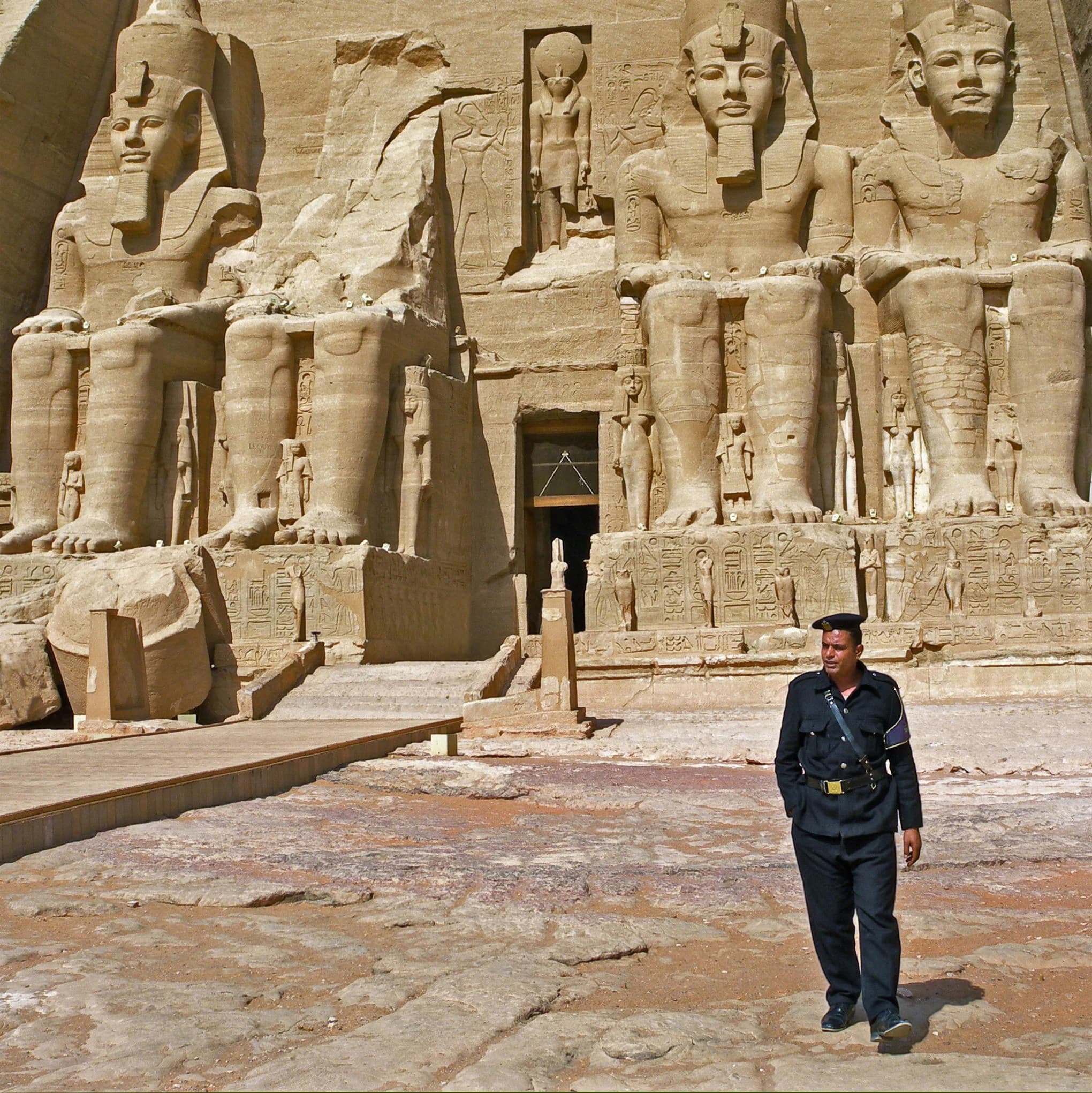 Aswan
AswanAswan
Egypt
When Egypt built the Aswan High Dam in the 1960s, the rising water of Lake Nasser threatened to permanently submerge the ancient temples of Abu Simbel — so UNESCO coordinated an international effort to cut both temples into more than a thousand numbered blocks and reassemble them, stone by stone, on higher ground.
See full guide →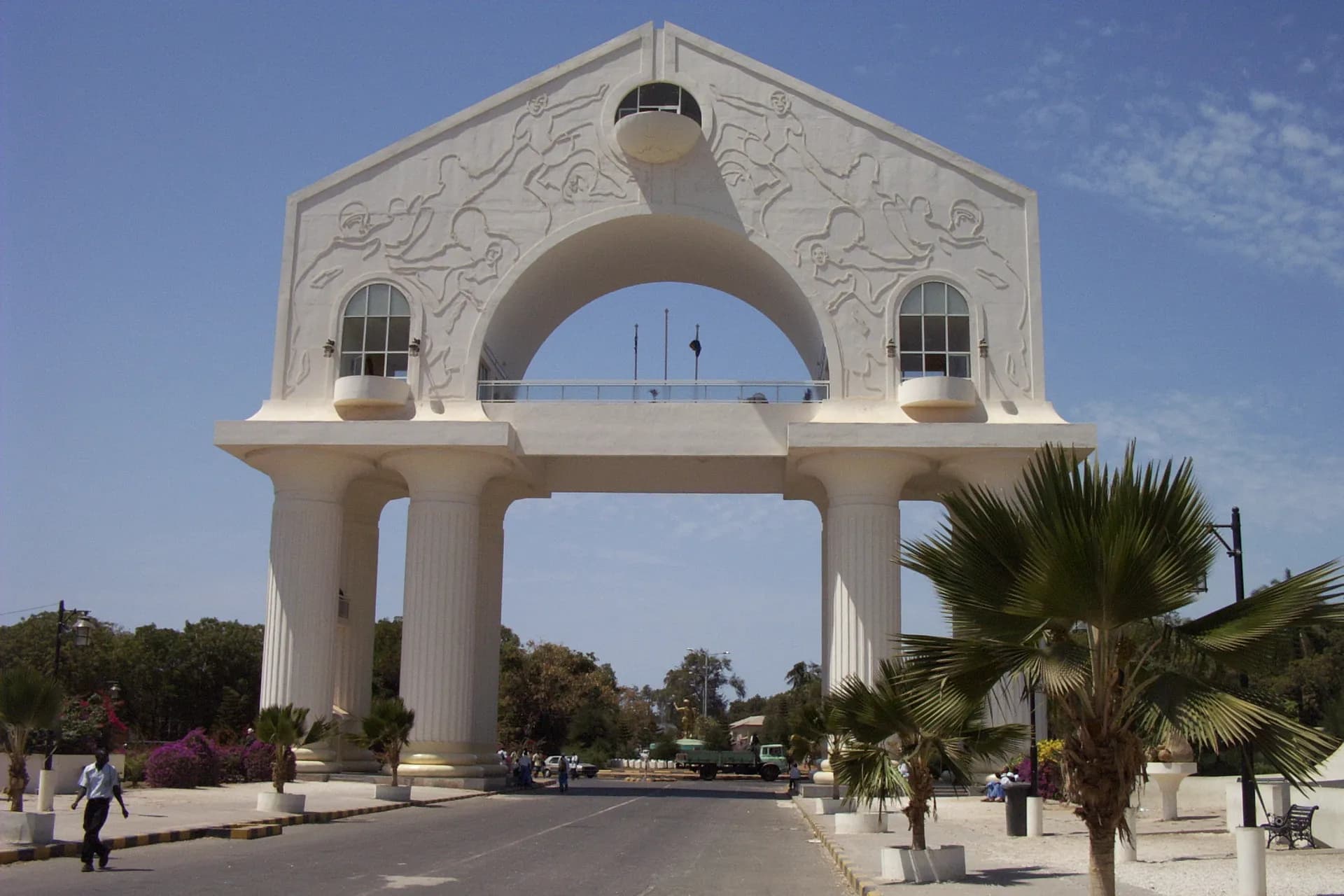 Banjul
Banjul
Gambia
The Gambia is a country shaped almost entirely by a single river, a sliver of land rarely wider than 50 kilometers surrounded on three sides by Senegal, and its capital's biggest draw isn't the city itself but the Gambia River ferries and birdlife just beyond it.
See full guide →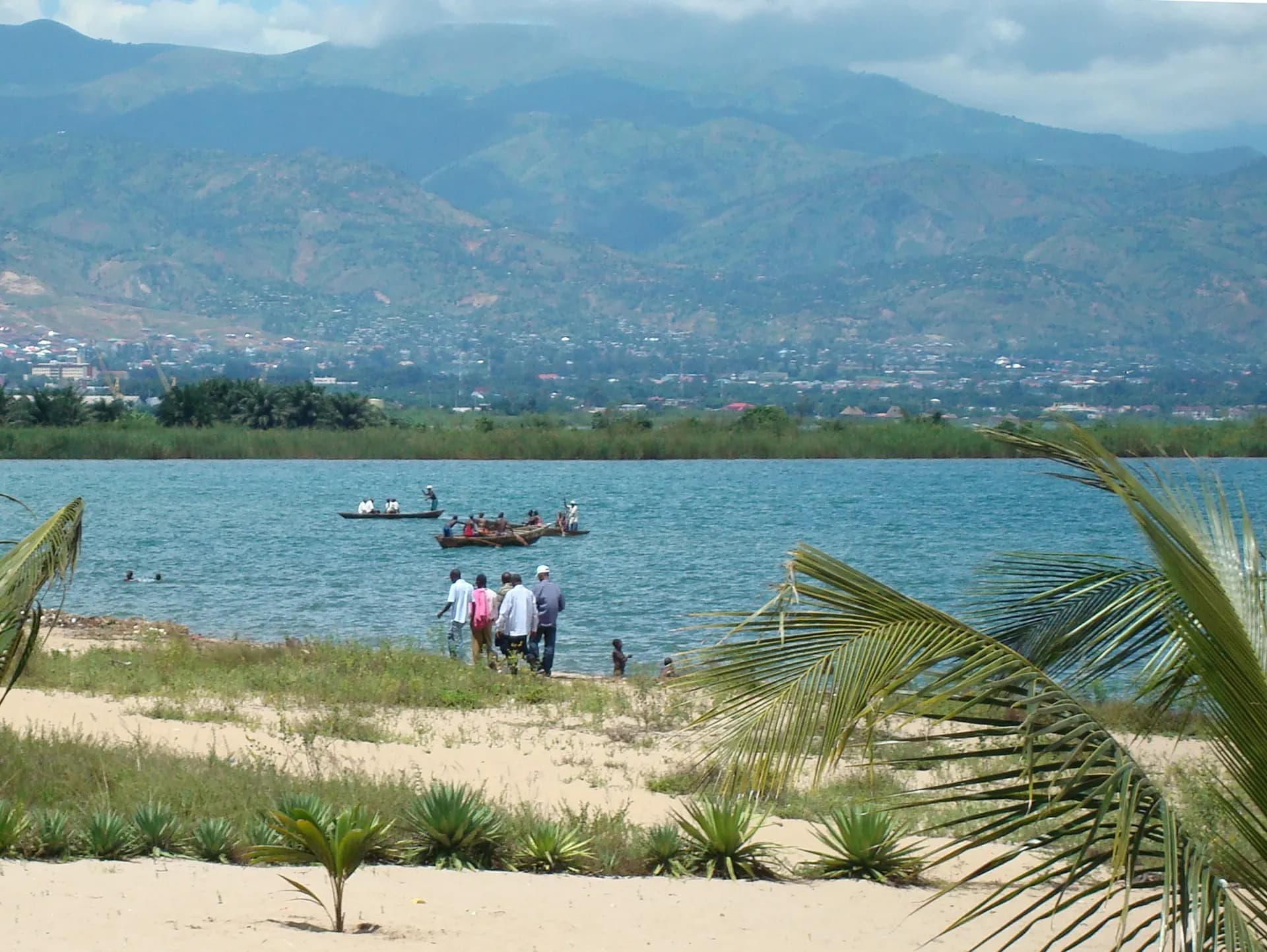 Bujumbura
Bujumbura
Burundi
Lake Tanganyika, the world's second-deepest lake and one of its oldest, holds an estimated one-sixth of the planet's available fresh water — and Bujumbura, Burundi's largest city, sits right on its northern shore, one of Africa's least-visited capitals despite the setting.
See full guide →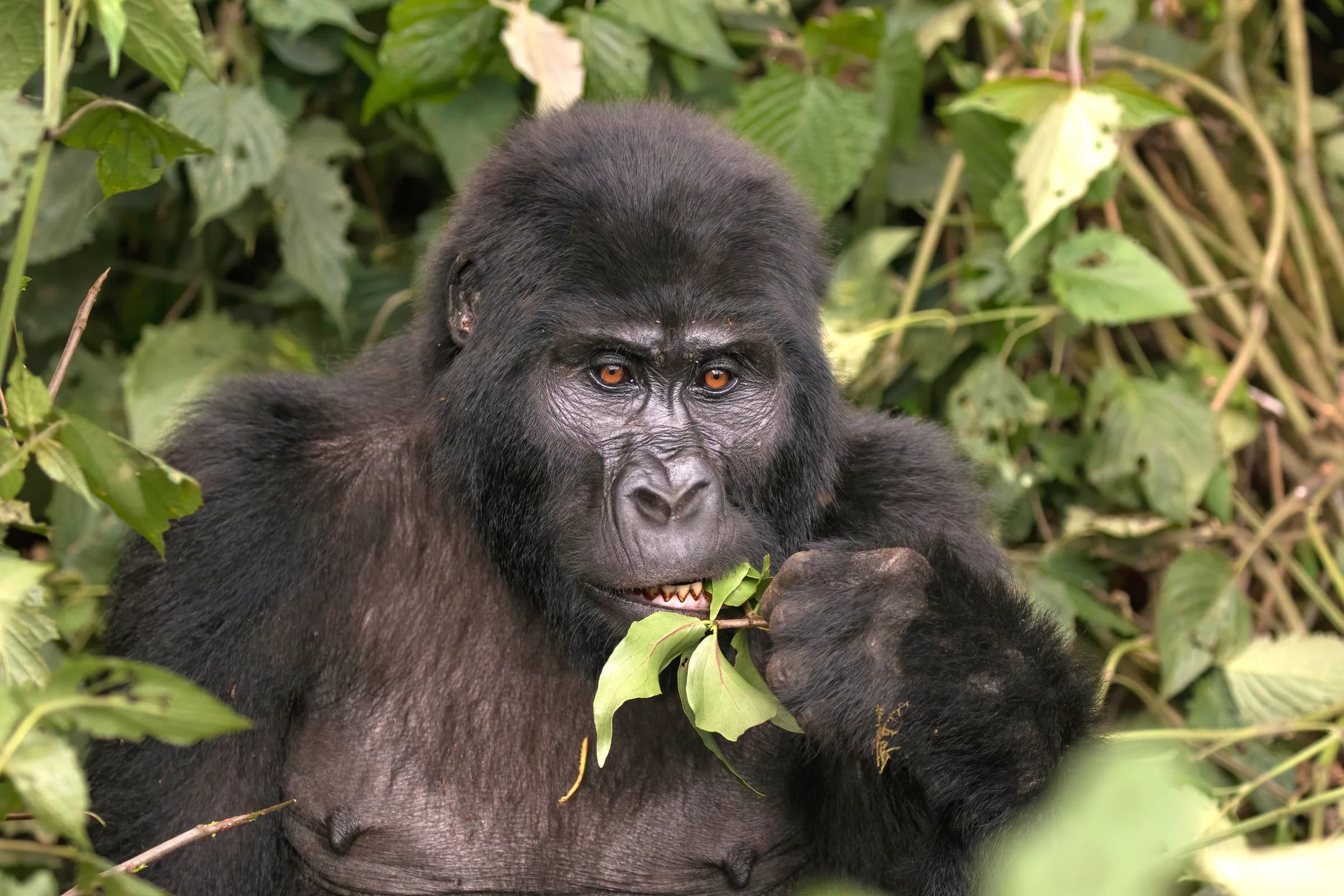 Bwindi Impenetrable Forest
Bwindi Impenetrable Forest
Uganda
Bwindi's name isn't marketing exaggeration — this ancient rainforest is genuinely one of the densest, most tangled forests in Africa, and it's exactly that density, largely untouched since before the last Ice Age, that's let it become home to roughly half of the world's remaining wild mountain gorillas.
See full guide →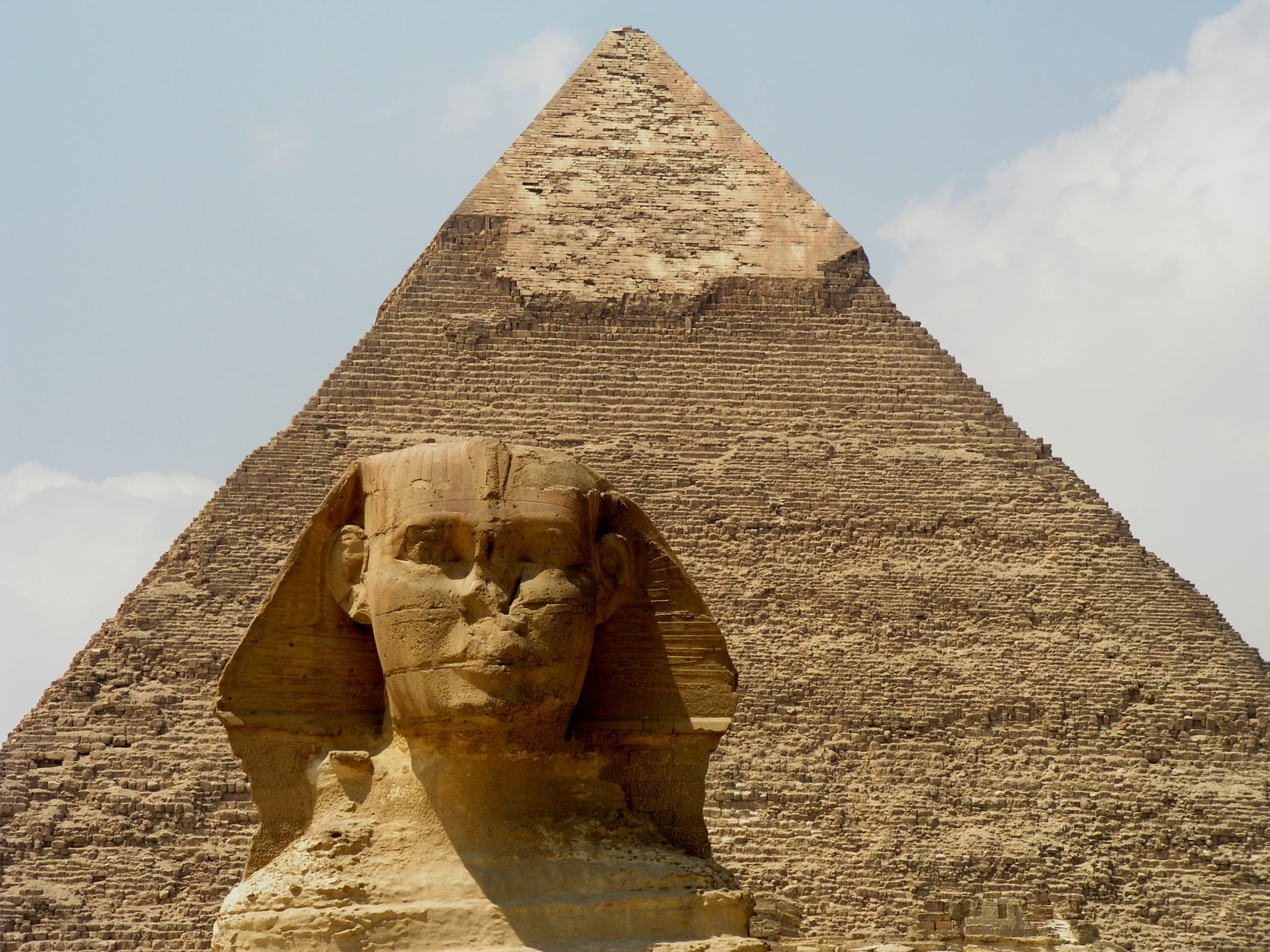 Cairo
CairoCairo
Egypt
The Great Pyramid of Giza sits close enough to Cairo that it functions almost like a city landmark rather than a remote ruin — it's the only one of the ancient world's Seven Wonders still standing, built roughly 4,500 years ago and finished more than two millennia before the Parthenon.
See full guide →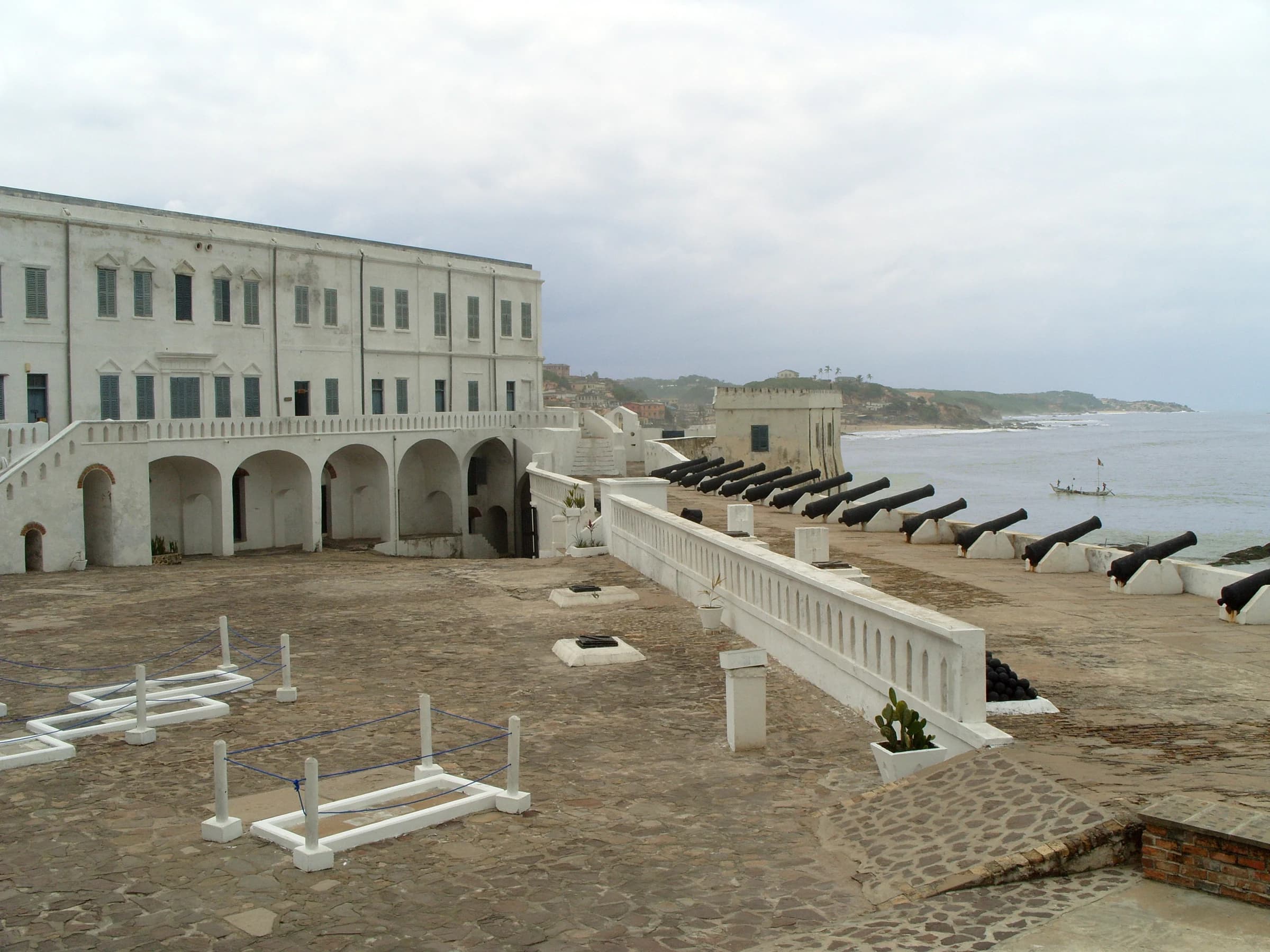 Cape Coast
Cape Coast
Ghana
Cape Coast Castle's dungeons, where thousands of enslaved people were held before being forced through the Door of No Return, sit directly beneath what was once a church and living quarters for the fort's traders — a single building holding both routine daily worship and one of history's greatest atrocities, floor by floor.
See full guide →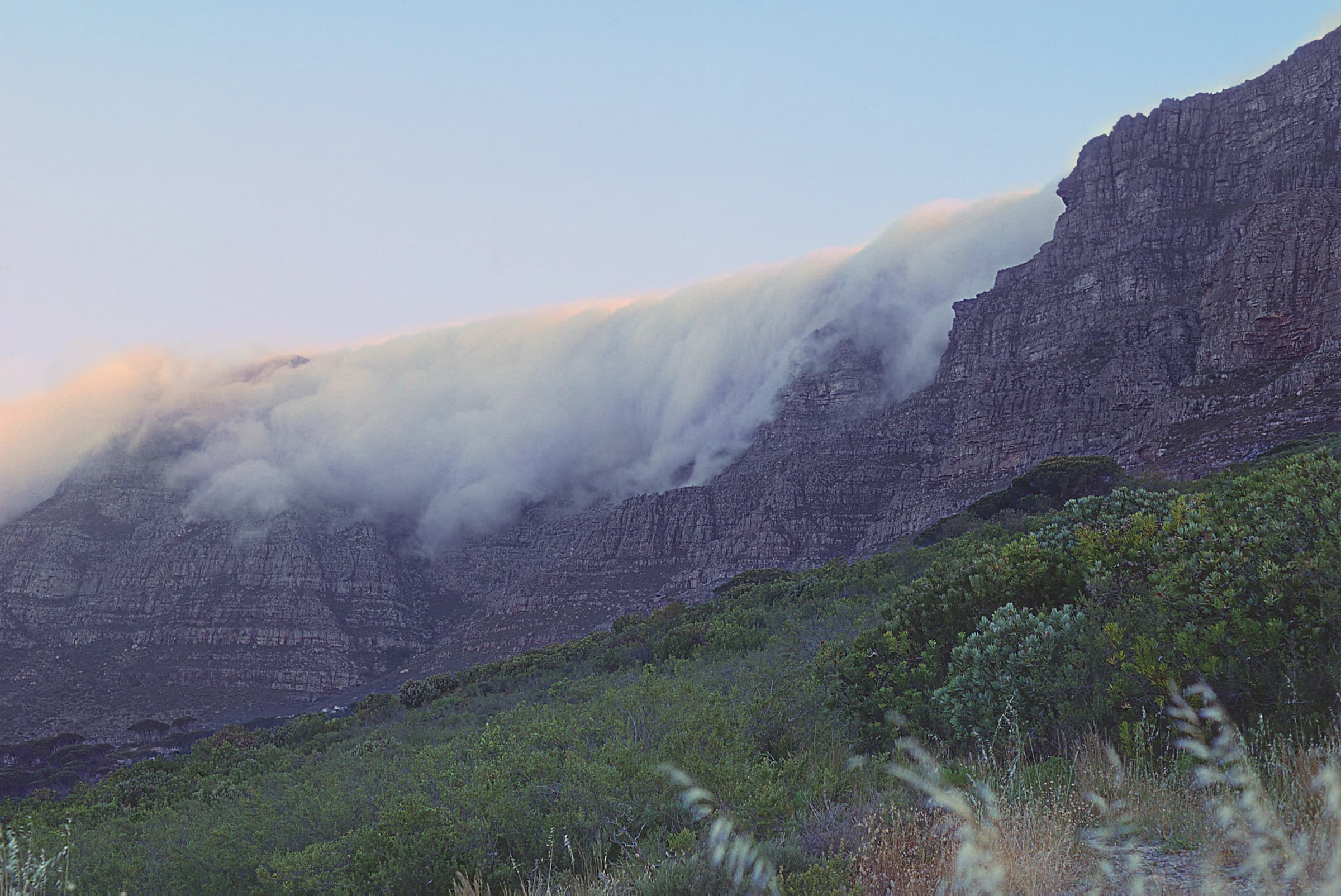 Cape Town
Cape Town
South Africa
Table Mountain is roughly six times older than the Himalayas, formed over 260 million years before those mountains existed, and it still anchors Cape Town's skyline so completely that the city planned its entire waterfront around keeping the view of it unobstructed.
See full guide →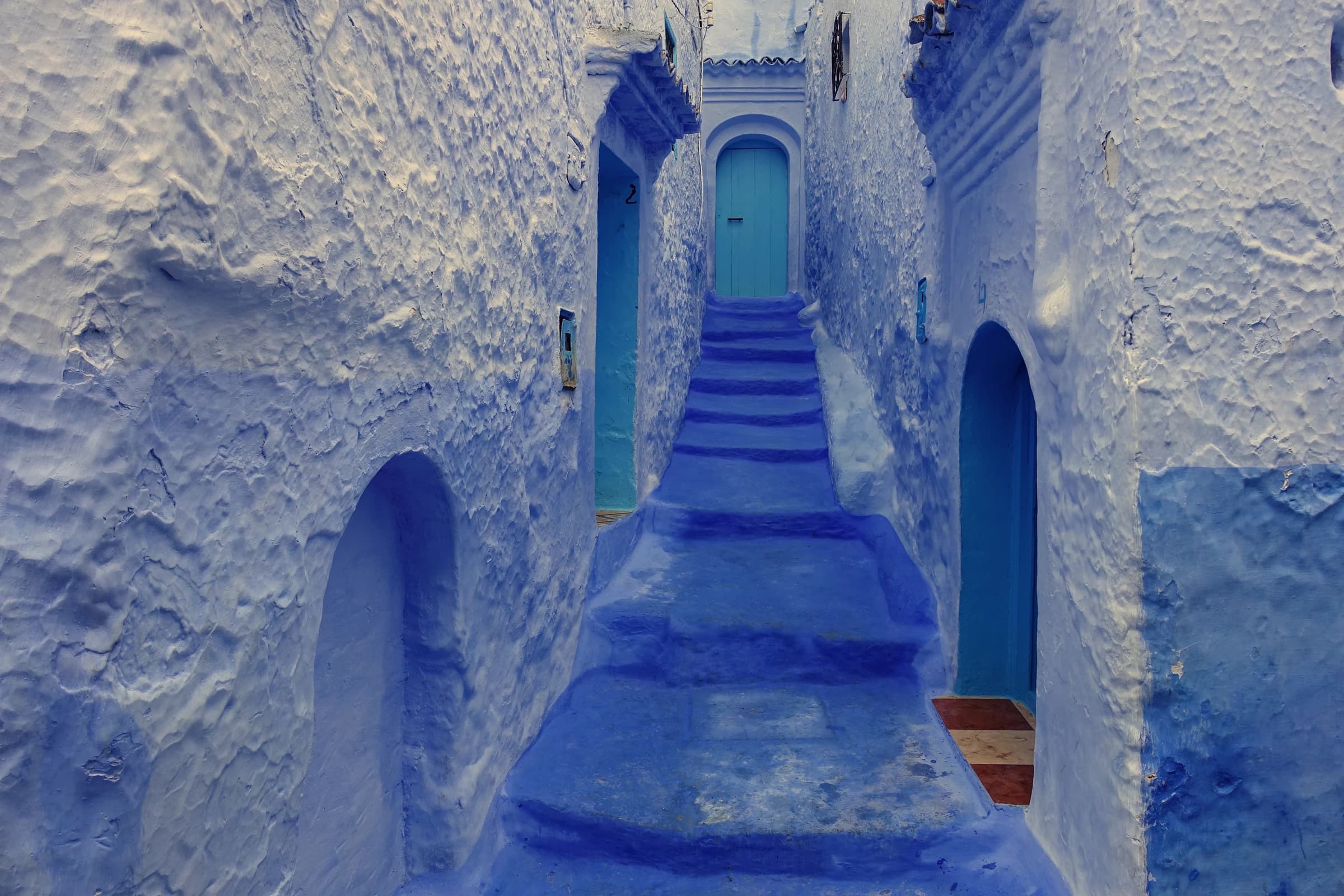 Chefchaouen
Chefchaouen
Morocco
Nobody agrees on exactly why Chefchaouen is painted blue — theories range from Jewish refugees who settled here in the 1930s bringing a tradition tied to the color of the sky and heaven, to a more recent 1970s decision to keep mosquitoes away — but the result is a mountain town where entire streets, stairways, and doorframes disappear into the same shade of blue.
See full guide →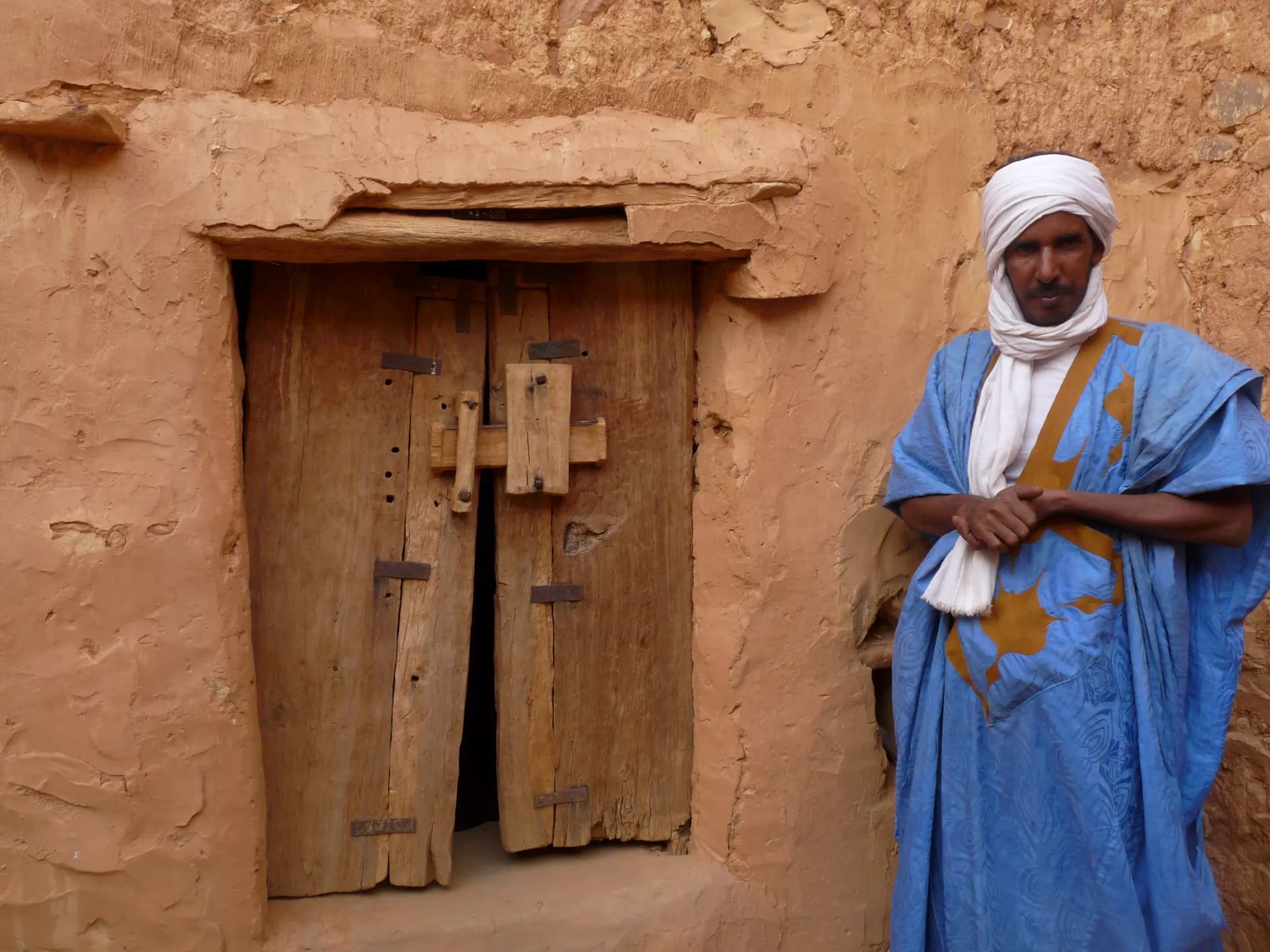 Chinguetti
Chinguetti
Mauritania
Chinguetti's medieval libraries hold thousands of handwritten Islamic manuscripts, some centuries old, stored in family homes in a Saharan town that was once the seventh-holiest site in Islam and is now slowly being swallowed by advancing sand dunes.
See full guide →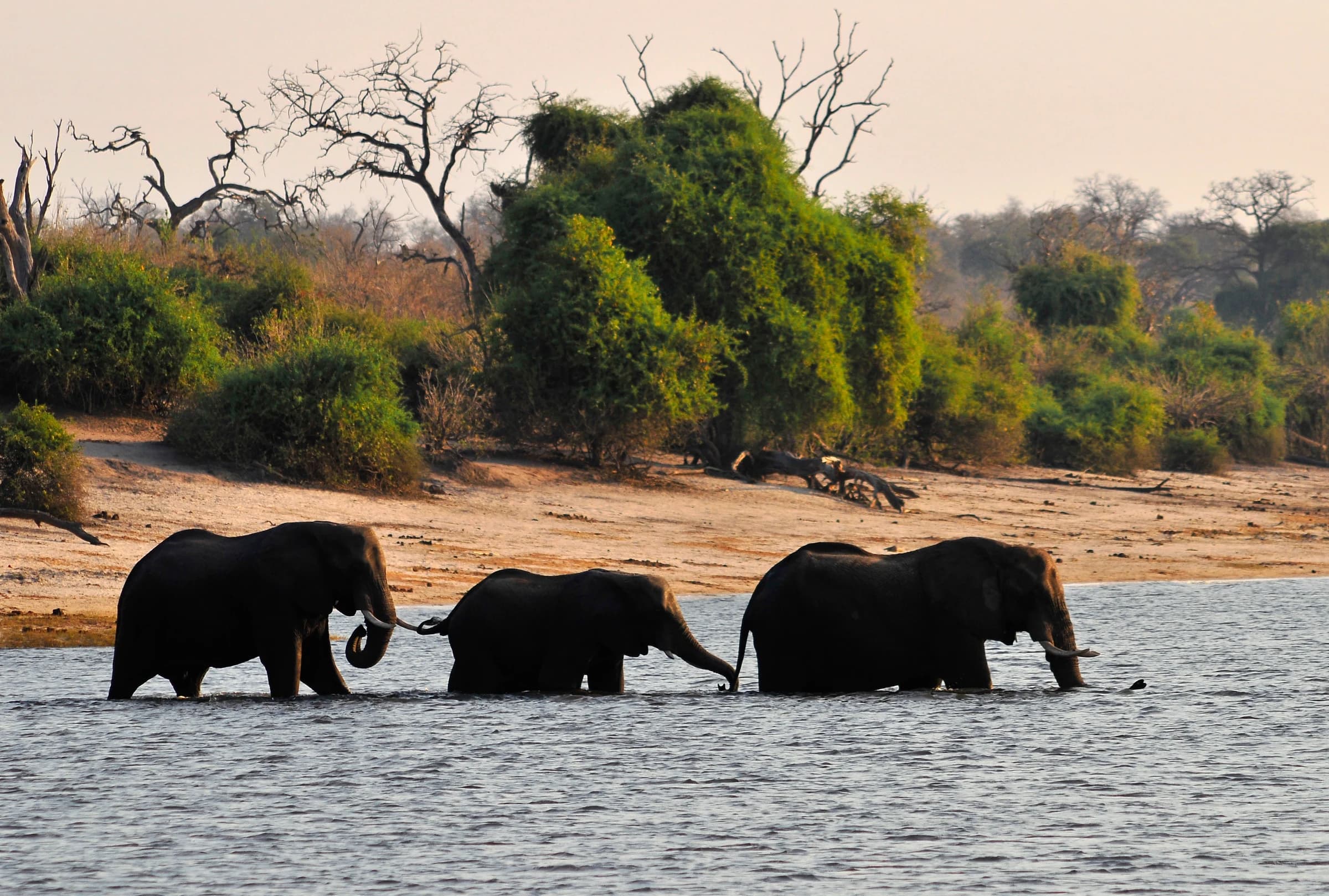 Chobe National Park
Chobe National Park
Botswana
Chobe holds the highest concentration of elephants anywhere in Africa, with population estimates running well past 50,000 — enough that a sunset boat cruise along the Chobe River, watching herds wade in to drink and bathe just meters from the boat, has become one of the most reliably dramatic wildlife encounters on the continent.
See full guide →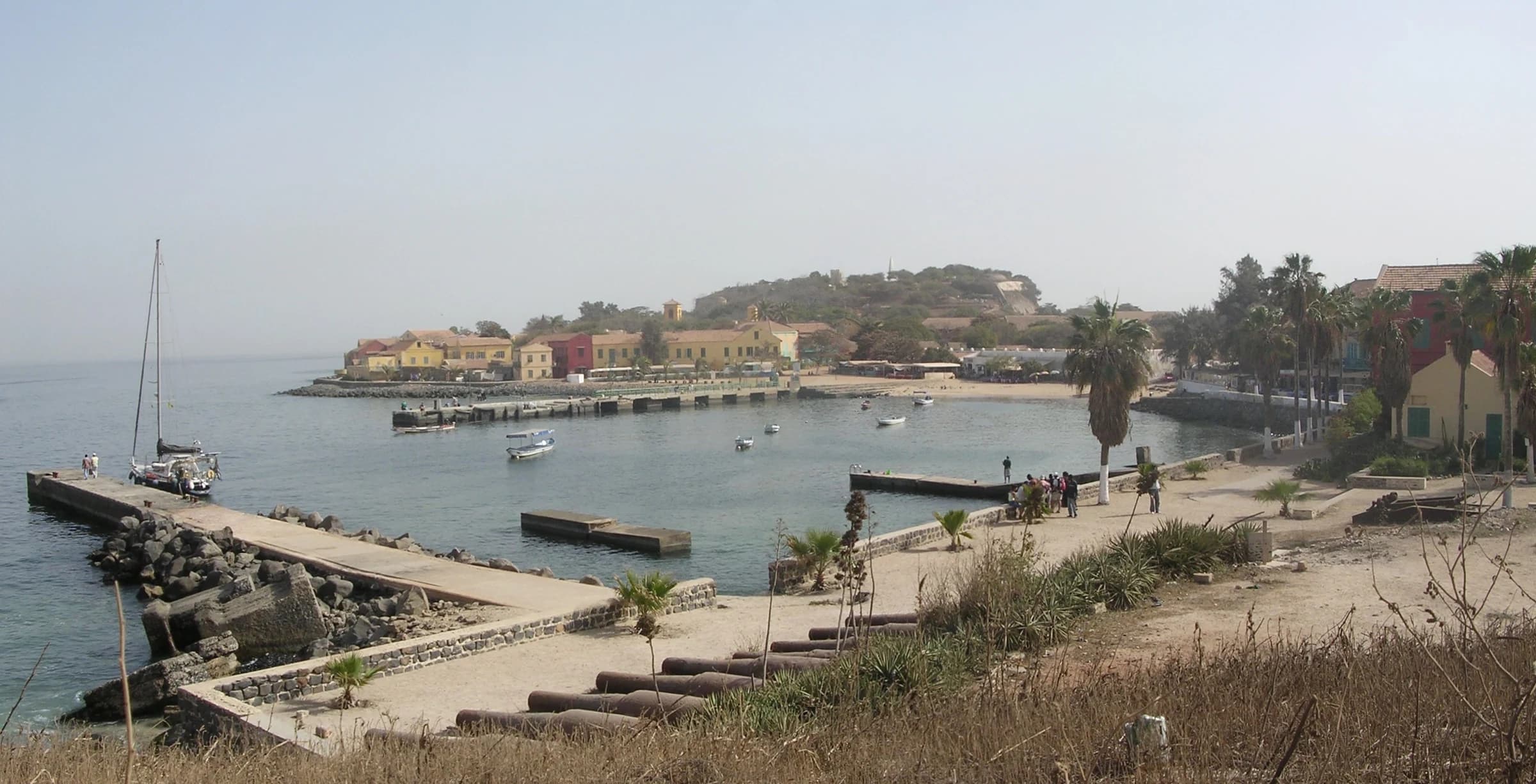 Dakar
DakarDakar
Senegal
Dakar sits at the westernmost point of mainland Africa, and just offshore, Gorée Island holds a small stone doorway known as the Door of No Return — the last thing hundreds of thousands of enslaved people reportedly saw of the continent before being forced onto ships bound across the Atlantic.
See full guide →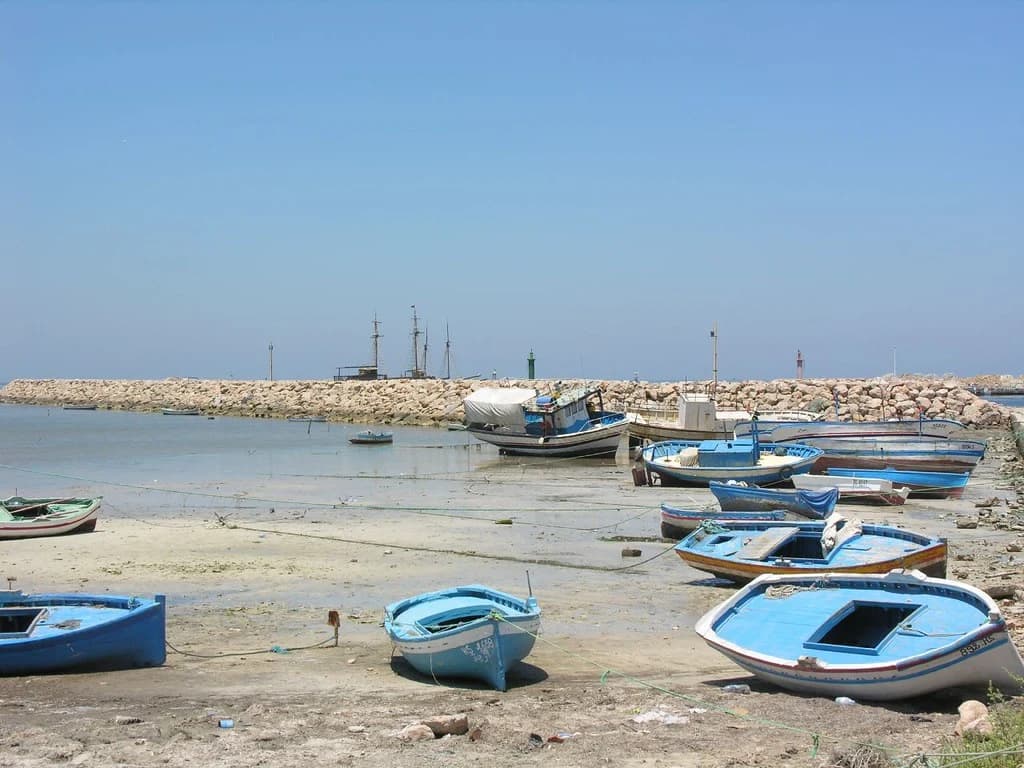 Djerba
Djerba
Tunisia
Some scholars have identified Djerba as the inspiration for the mythical 'Land of the Lotus-Eaters' in Homer's Odyssey, where Odysseus' crew ate a fruit that made them forget home entirely — a fitting legend for an island that's been pulling visitors into a slower pace of life for roughly three thousand years.
See full guide →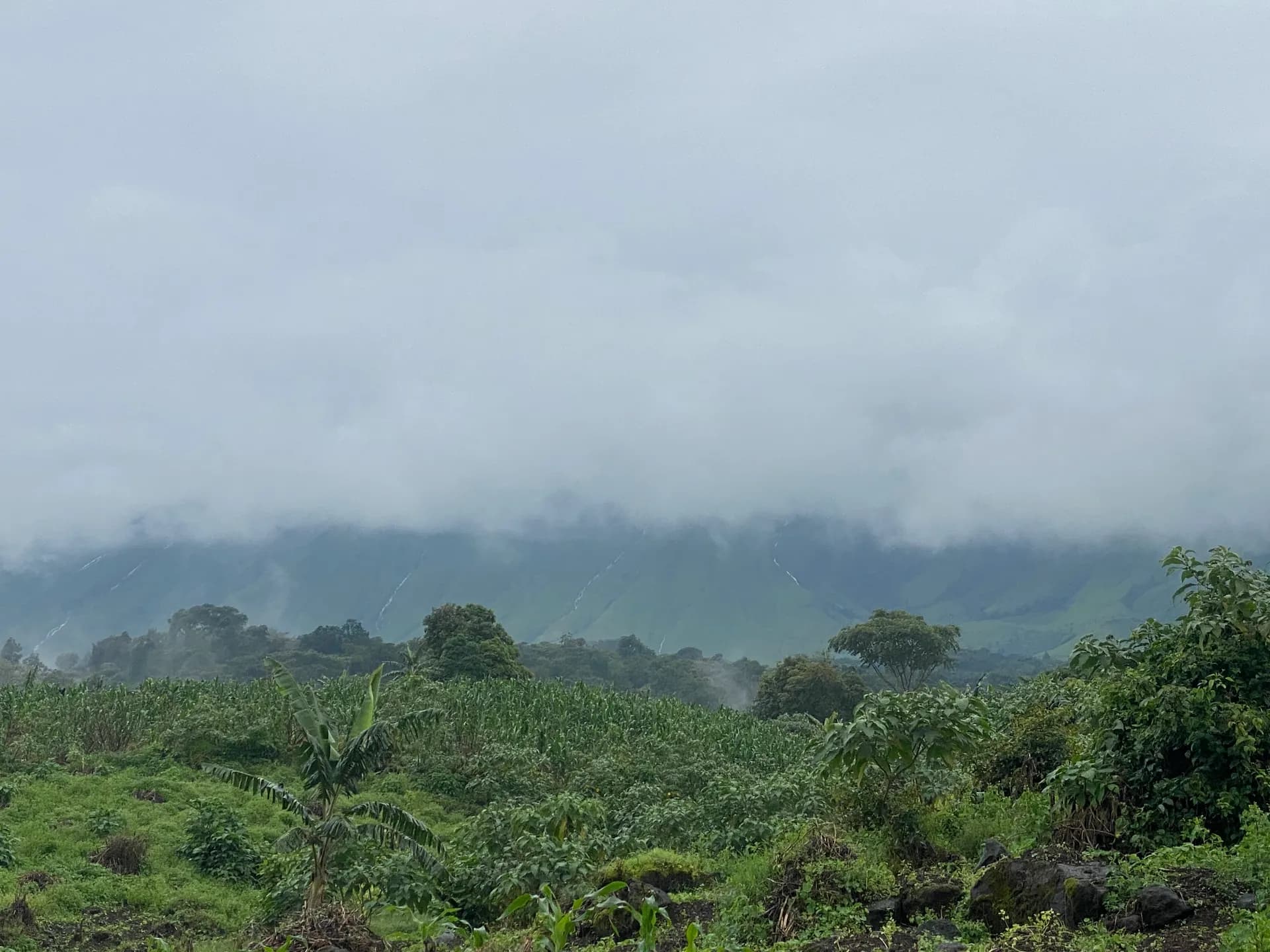 Douala
Douala
Cameroon
Cameroon is nicknamed 'Africa in miniature' for holding nearly every landscape the continent offers within one country, and Douala, its steamy port city, sits within striking distance of Mount Cameroon, West Africa's tallest peak and one of the most active volcanoes on the continent.
See full guide →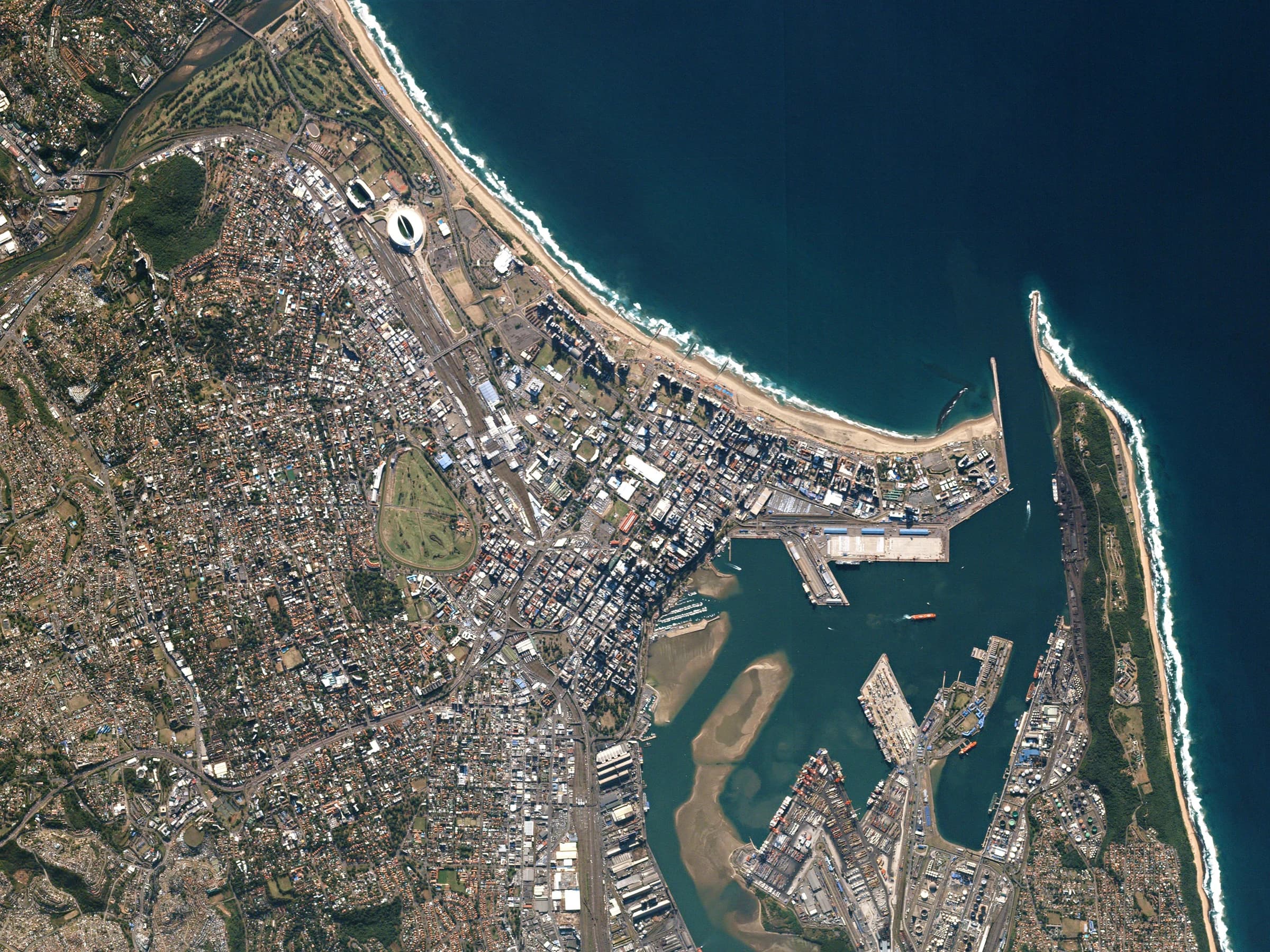 Durban
Durban
South Africa
Durban has the largest population of people of Indian descent of any city outside India itself, a legacy of 19th-century indentured sugar plantation labor — and that history gave South Africa one of its own defining dishes, bunny chow, a hollowed-out loaf of bread filled with curry that Durban's Indian community invented and the whole country has since claimed.
See full guide →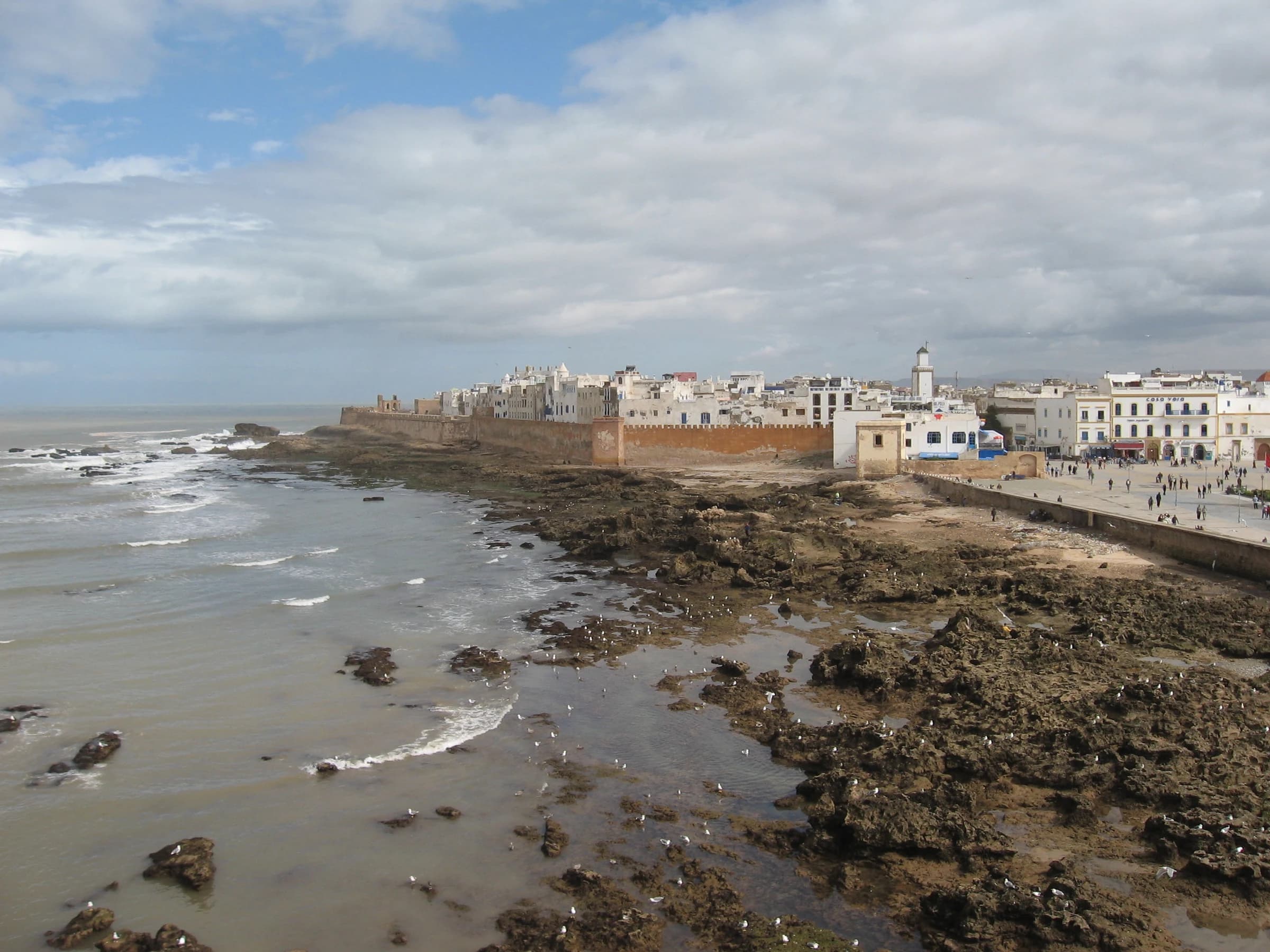 Essaouira
Essaouira
Morocco
Essaouira's near-constant Atlantic trade winds, strong enough that locals nicknamed the city 'Wind City of Africa,' turned a sleepy fishing port into one of the world's more consistent windsurfing and kitesurfing destinations without the town ever really trying to become one.
See full guide →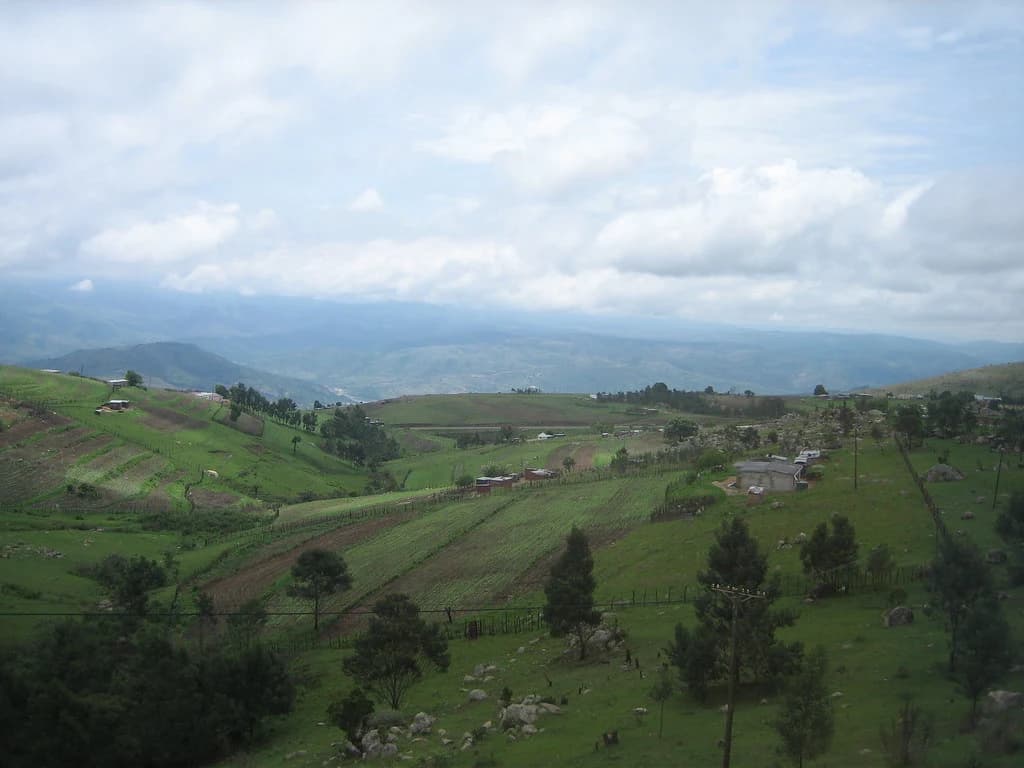 Eswatini
Eswatini
Eswatini
Eswatini is Africa's last absolute monarchy, still ruled by a king whose word carries the force of law — the country was known as Swaziland until 2018, when King Mswati III renamed it himself, reportedly tired of foreigners confusing it with Switzerland.
See full guide →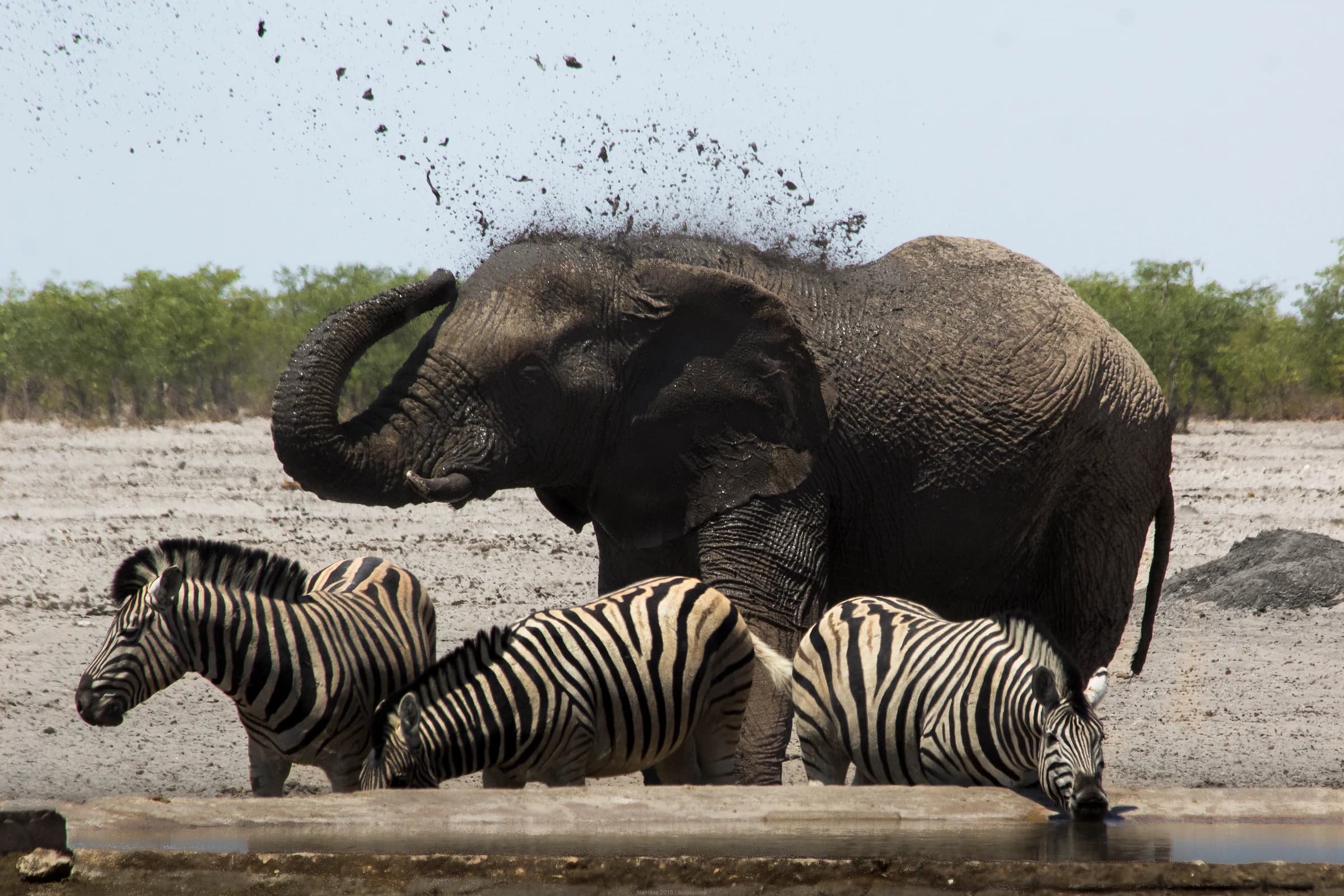 Etosha National Park
Etosha National Park
Namibia
Etosha means 'great white place' in the Ovambo language, named for the vast salt pan at its center — a dry lakebed so large it's visible from space, and so reflective under the midday sun that wildlife often appears as shimmering silhouettes against a landscape that looks almost like snow.
See full guide →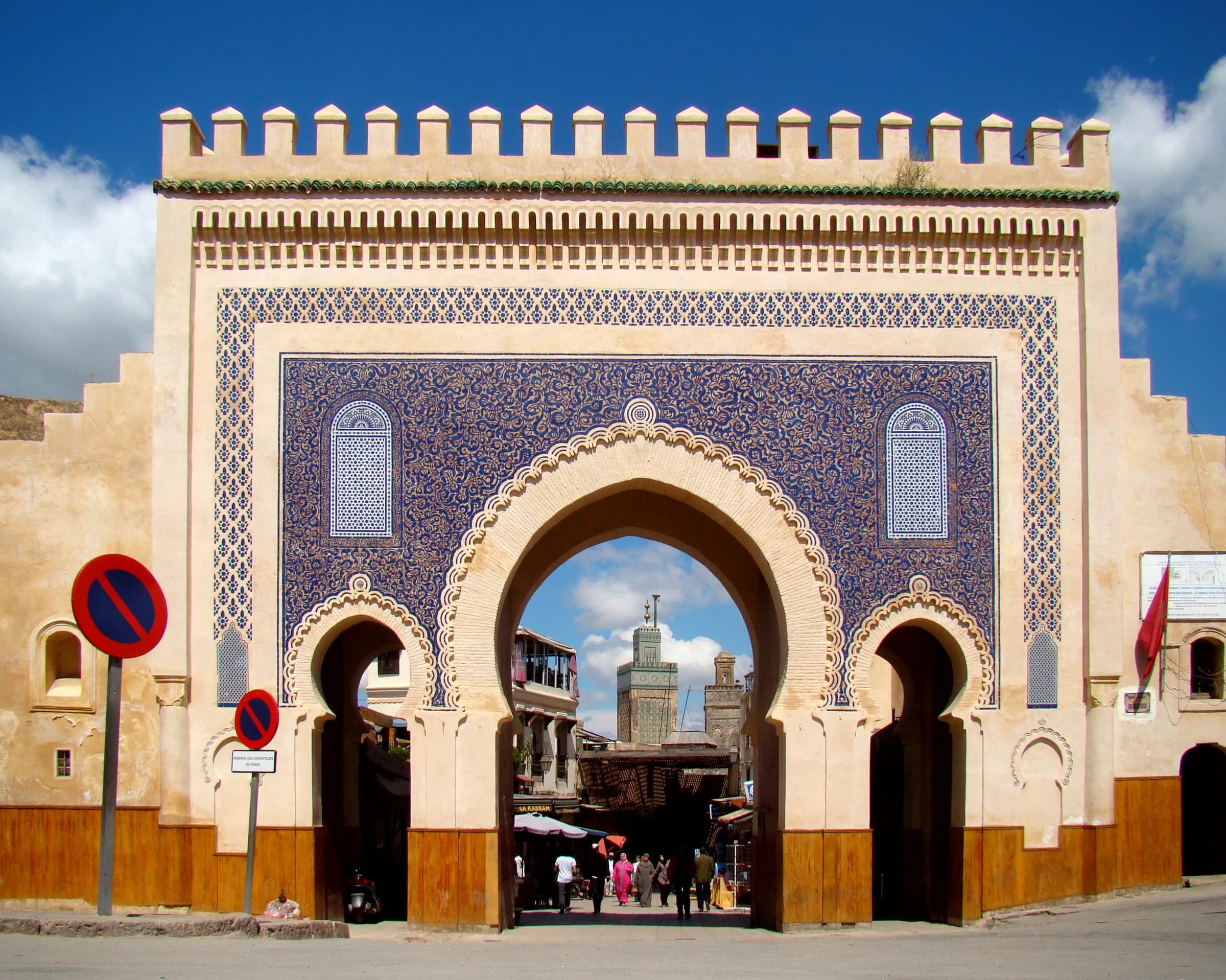 Fez
FezFez
Morocco
Fez's old medina is one of the largest car-free urban areas on Earth, a maze of over 9,000 narrow streets and alleys still navigated the way it has been for a thousand years — by foot, or by donkey where the load is too heavy to carry.
See full guide →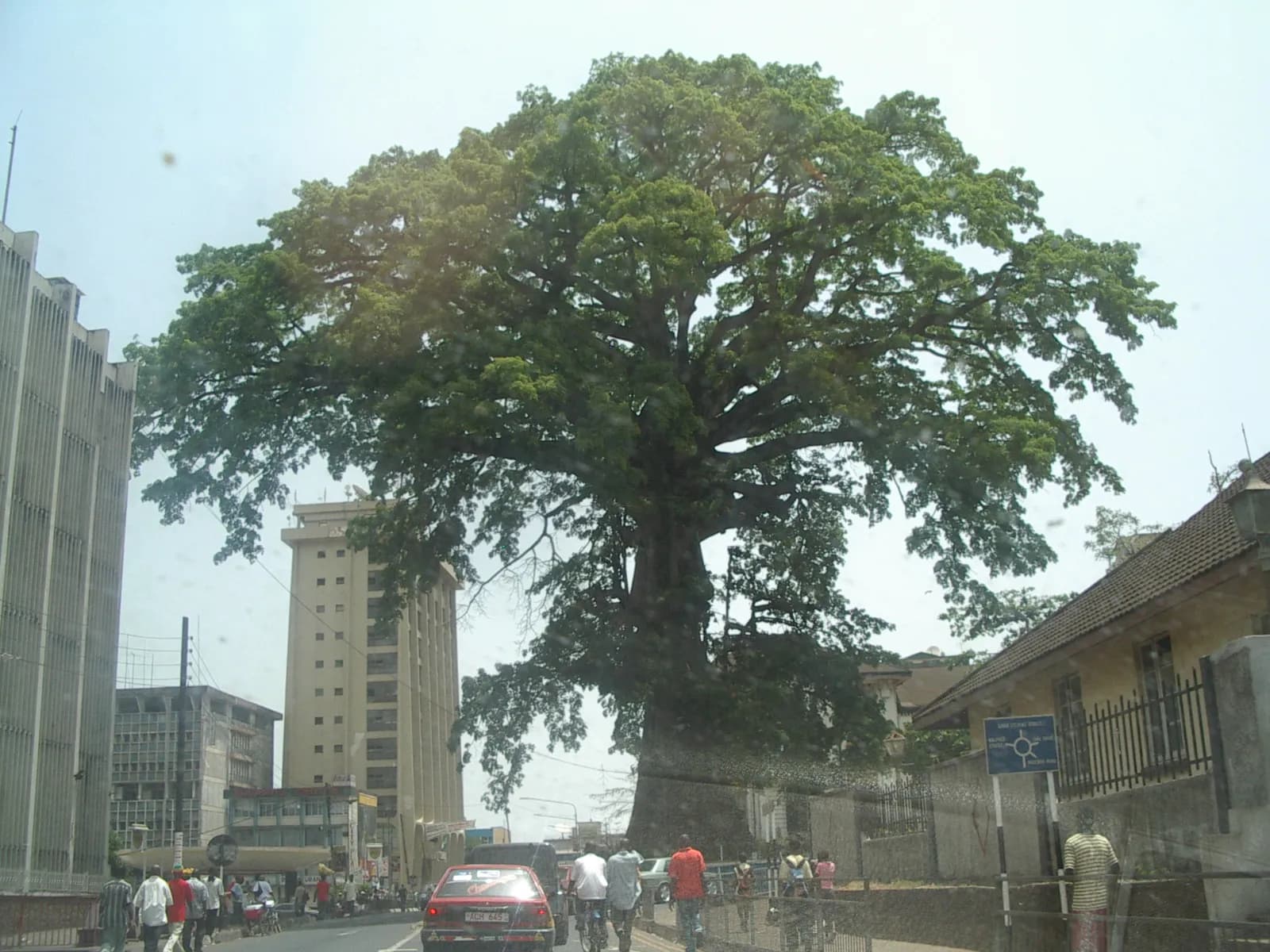 Freetown
Freetown
Sierra Leone
Freetown was founded in 1792 by freed and formerly enslaved Black settlers, giving the city one of the most direct names in the world, and its beaches south of the city now rank among West Africa's least-crowded stretches of coastline, a legacy still overshadowed internationally by the 1991-2002 civil war.
See full guide →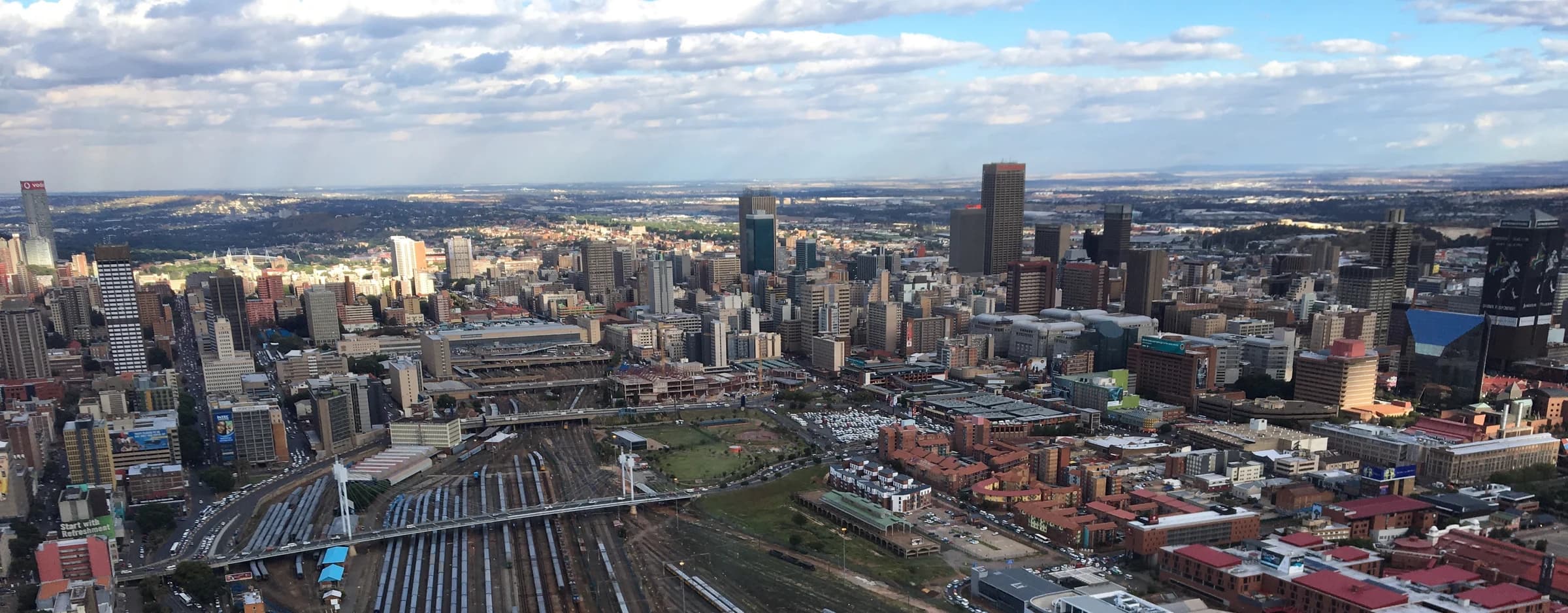 Johannesburg
Johannesburg
South Africa
Johannesburg didn't exist before 1886 — the city was founded almost overnight after gold was discovered on the Witwatersrand ridge, and that gold rush origin still shapes a metropolis with no old colonial core to speak of, built instead around mining wealth and, later, the front lines of the anti-apartheid movement.
See full guide →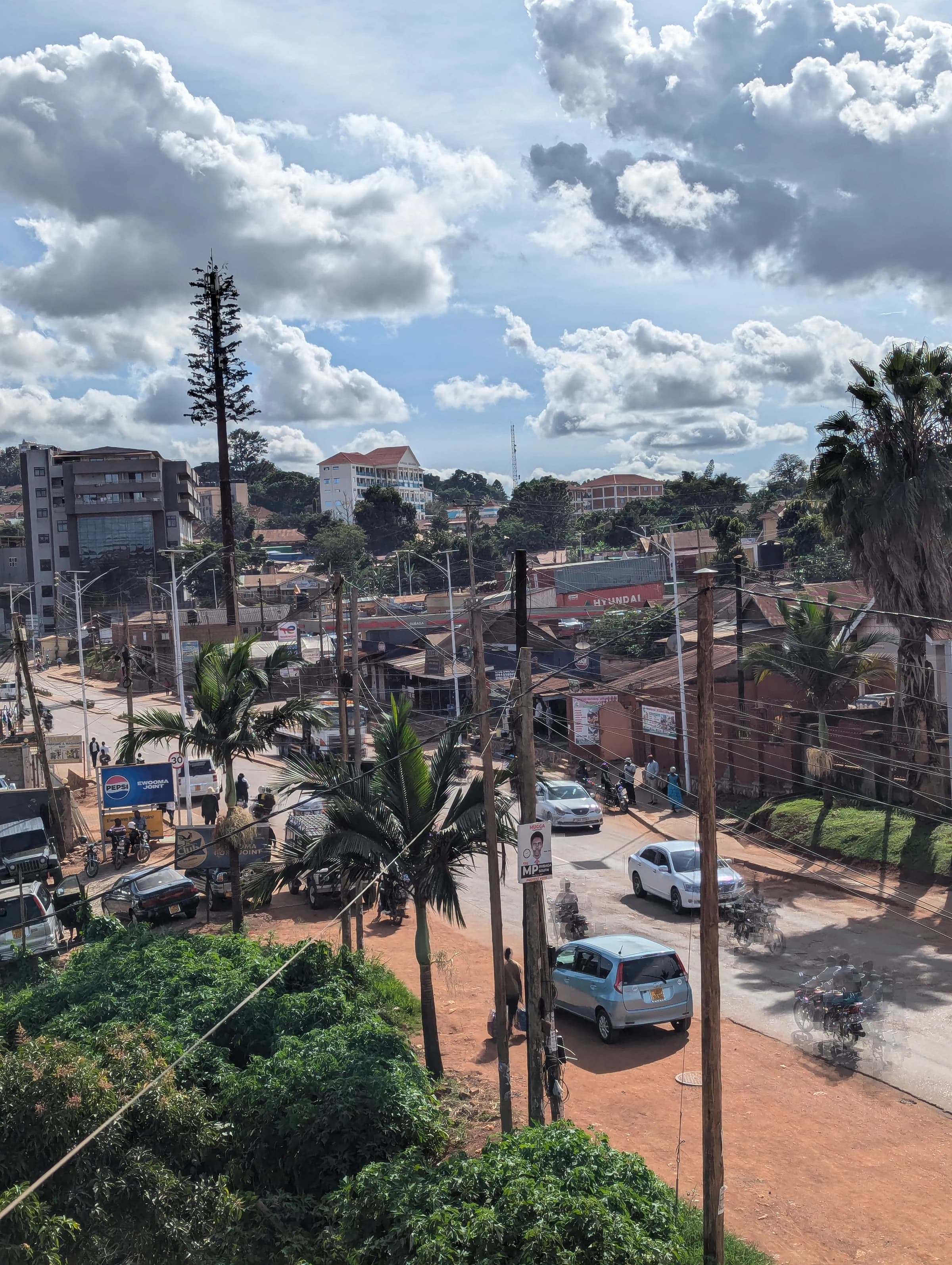 Kampala
Kampala
Uganda
Winston Churchill nicknamed Uganda the 'Pearl of Africa' after visiting in 1908, and Kampala, built across seven hills much like Rome, still functions as the practical gateway to the country's biggest draw: mountain gorilla trekking permits that cost roughly half what neighboring Rwanda charges for essentially the same encounter.
See full guide →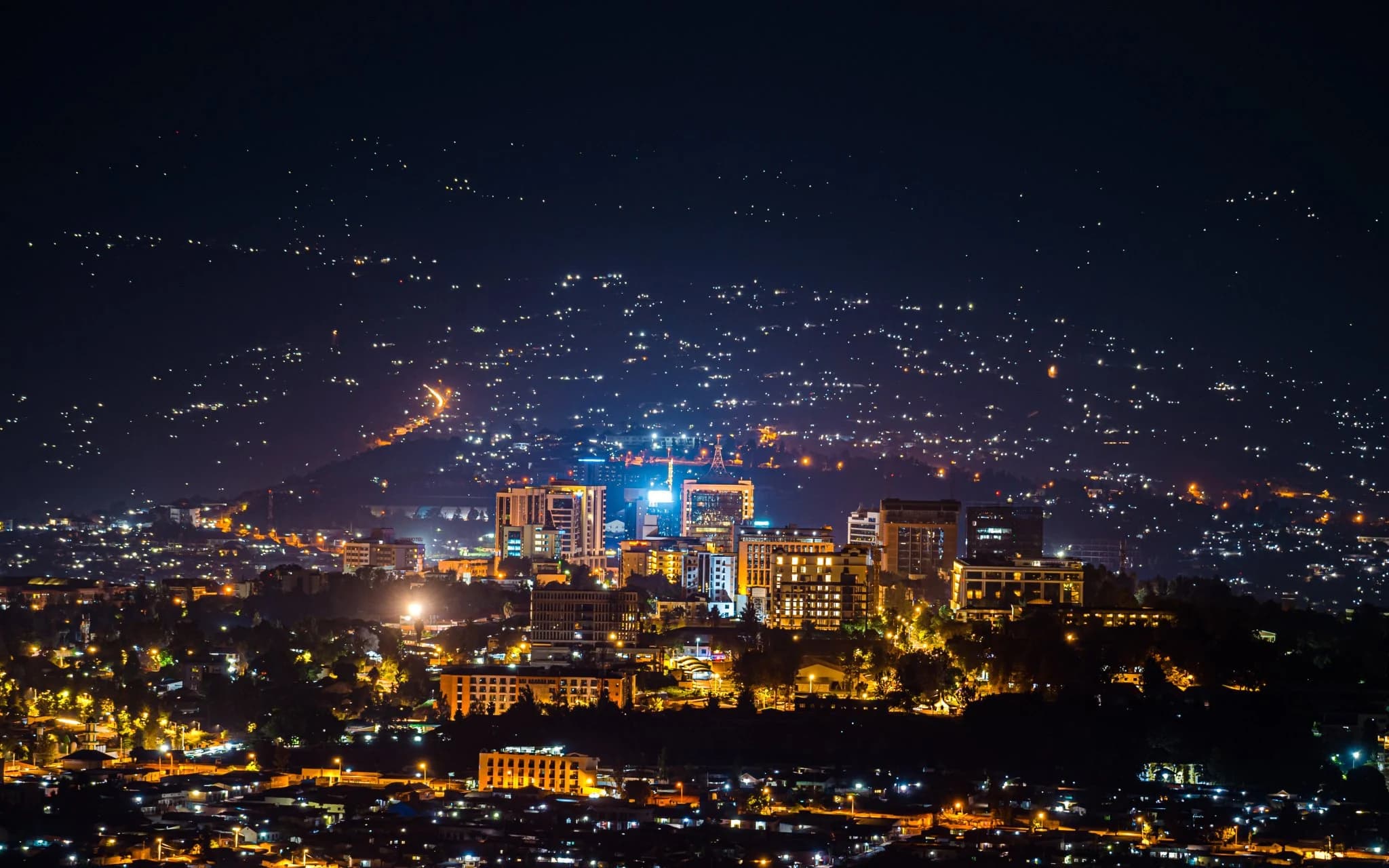 Kigali
Kigali
Rwanda
Rwanda banned plastic bags nationwide in 2008, well before most of the world took the idea seriously, and Kigali backs it up with a mandatory nationwide cleanup on the last Saturday of every month — the result is regularly cited as one of the cleanest capital cities anywhere in Africa.
See full guide →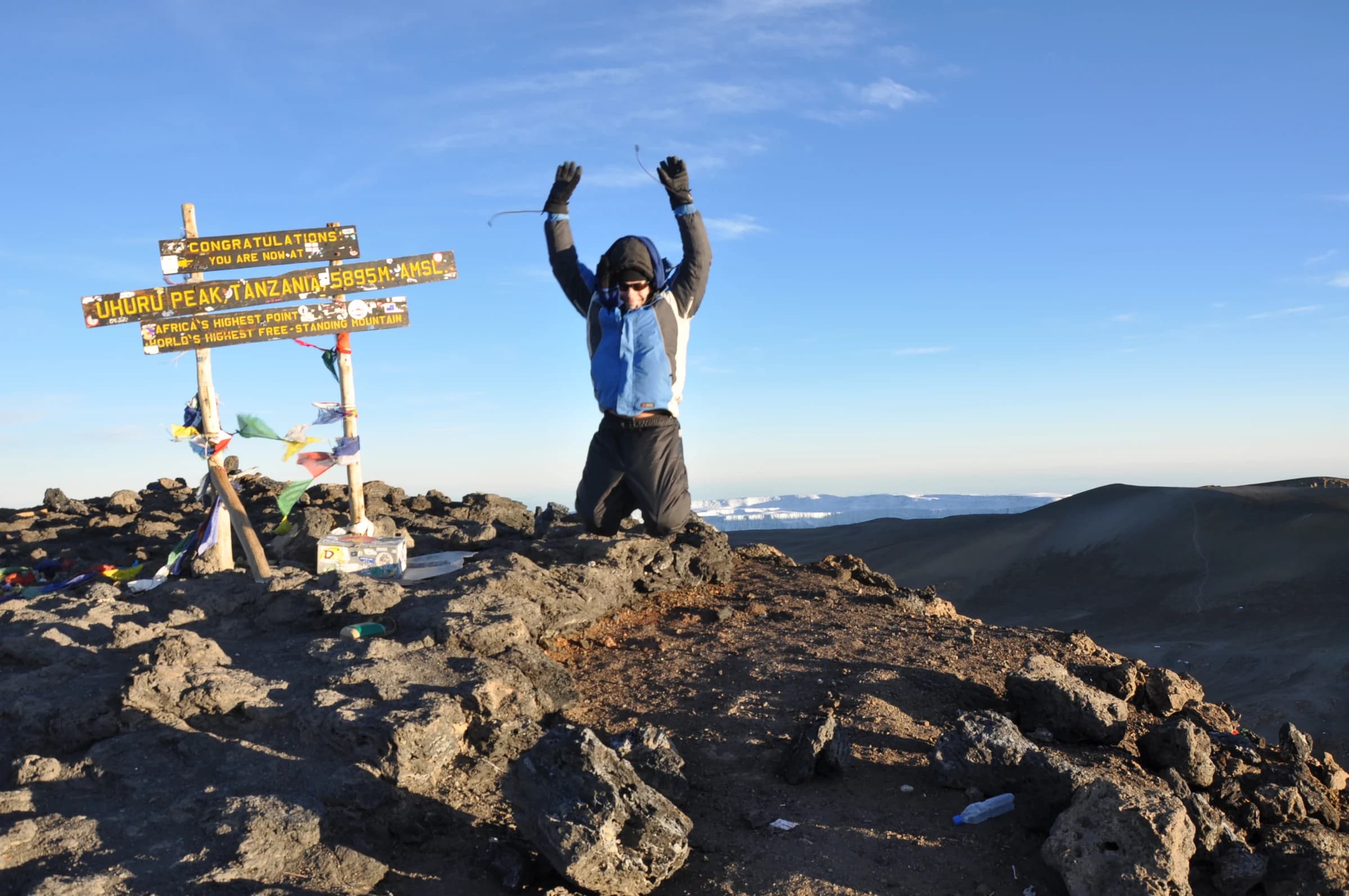 Kilimanjaro
Kilimanjaro
Tanzania
Mount Kilimanjaro is the tallest mountain on Earth that isn't part of a larger range, rising alone from the Tanzanian plains to 5,895 meters — and despite sitting just south of the equator, its summit has held glaciers for thousands of years, though they've retreated so fast in recent decades that scientists expect them to disappear entirely within the coming years.
See full guide →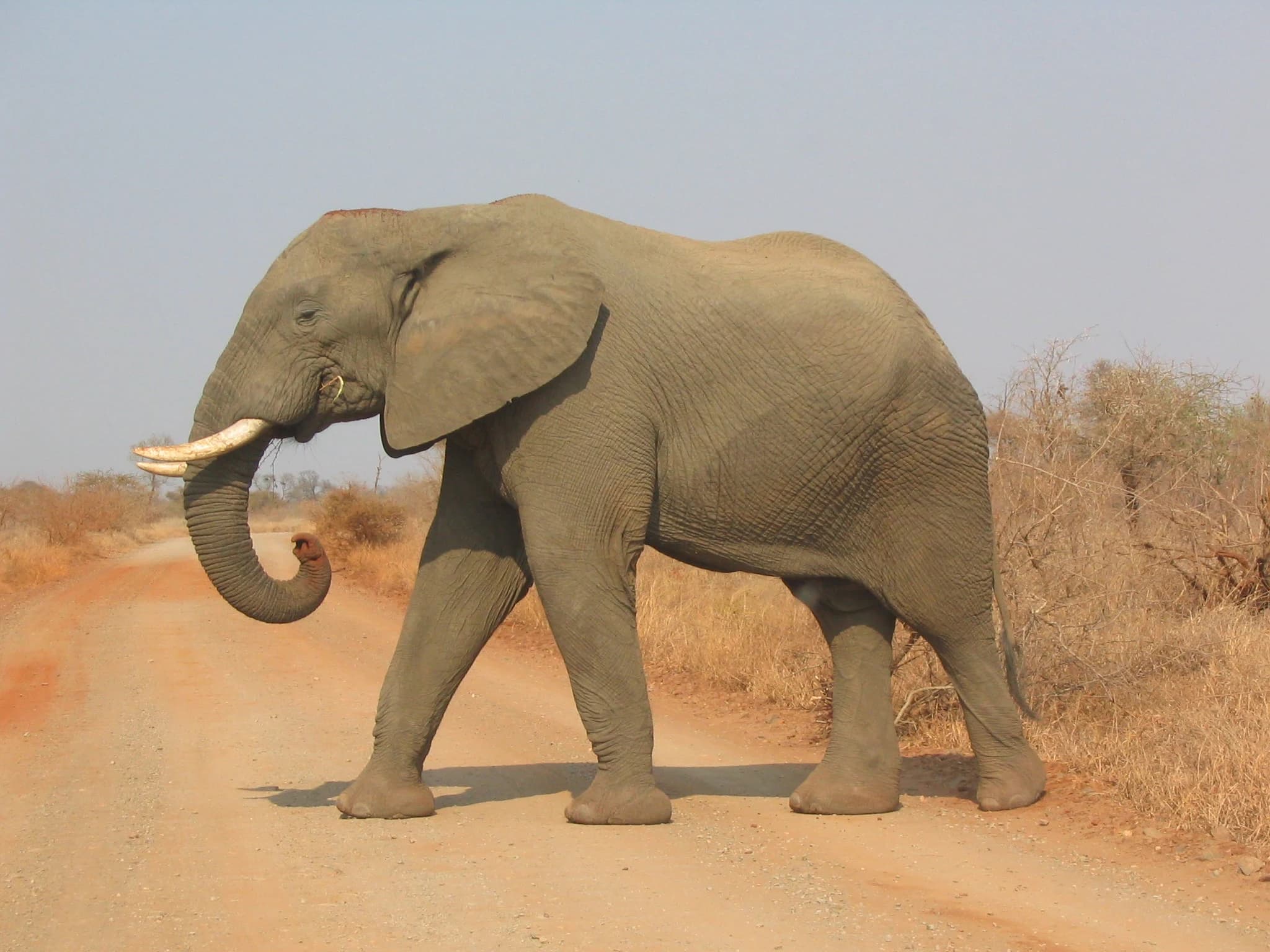 Kruger National Park
Kruger National Park
South Africa
Kruger covers roughly 19,000 square kilometers, an area larger than Wales, and unlike most of Africa's major safari destinations, it's genuinely set up for visitors to drive themselves — a paved and gravel road network lets you self-drive a real Big Five safari without ever booking a guide.
See full guide →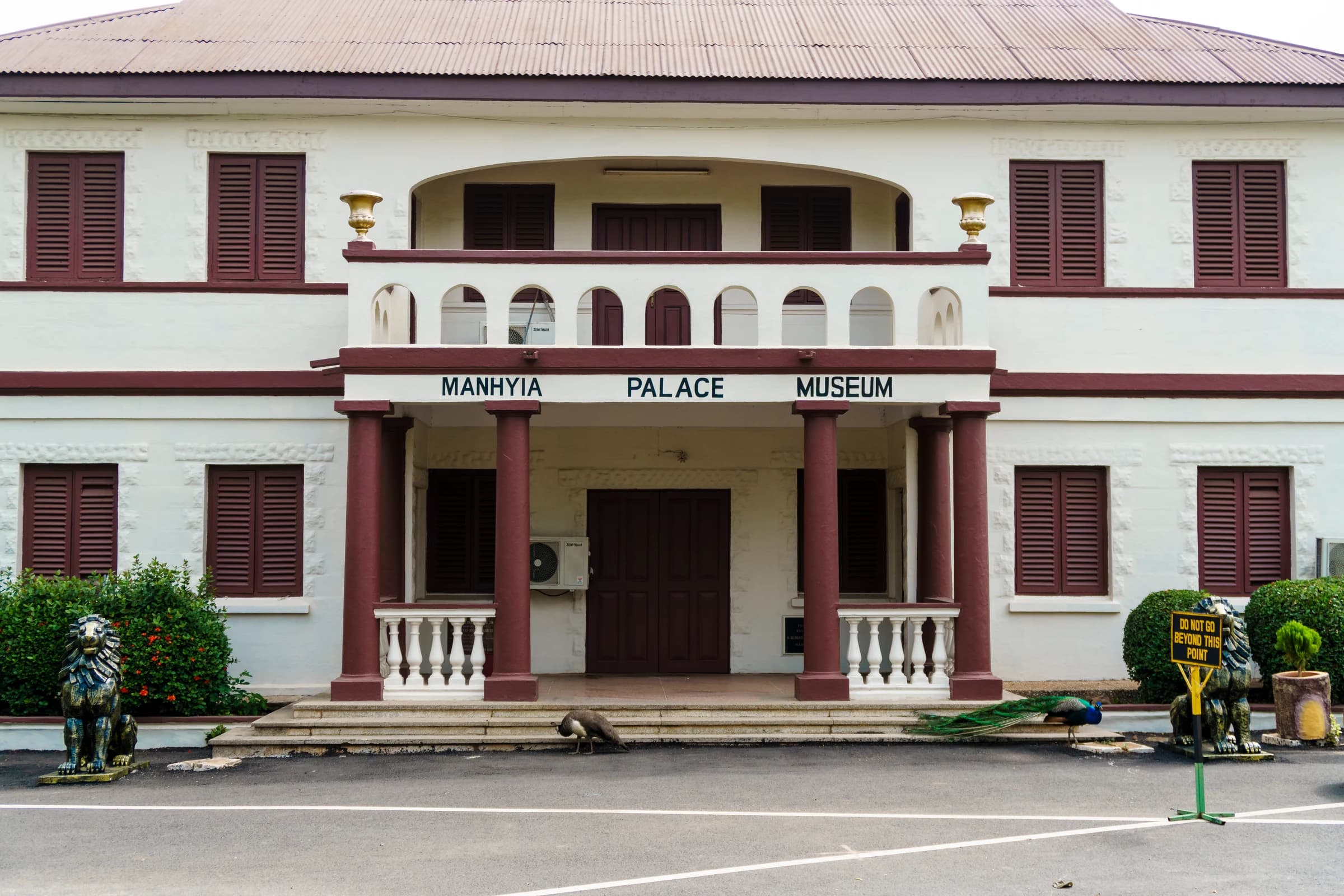 Kumasi
Kumasi
Ghana
Kumasi is still the seat of the Ashanti king, whose throne, the Golden Stool, is said to have descended from the sky and is believed to house the very soul of the Ashanti nation — a sacred object so central to Ashanti identity that 19th-century British forces went to war partly over demands to sit on it, and never did find the real one.
See full guide →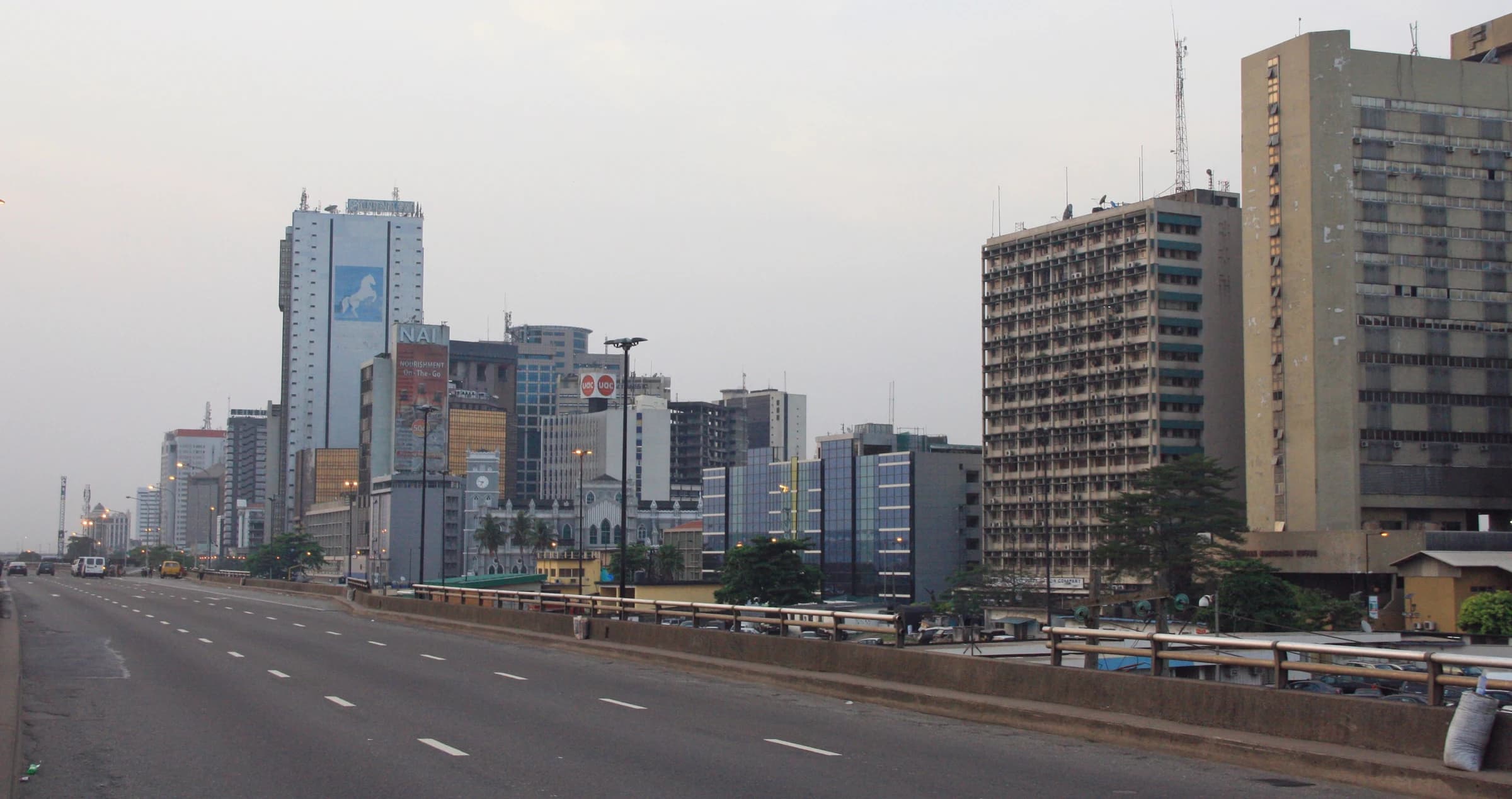 Lagos
LagosLagos
Nigeria
Lagos produces more films per year than almost anywhere else on Earth — Nollywood, Nigeria's film industry centered here, regularly outproduces Hollywood in sheer volume, and the city's music scene has done something similar to global pop charts, turning Afrobeats into one of the most-streamed genres in the world.
See full guide →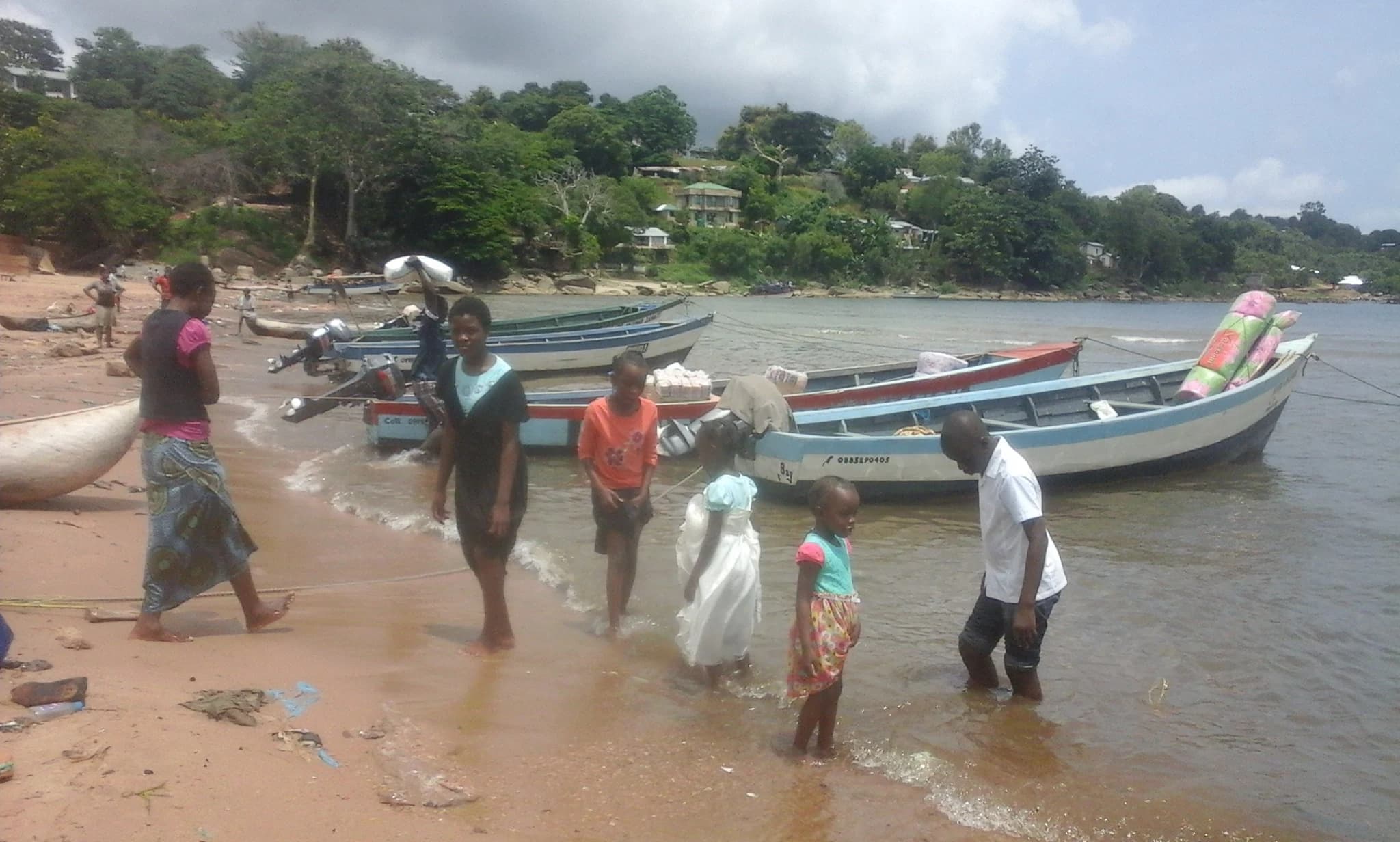 Lake Malawi
Lake Malawi
Malawi
Lake Malawi holds more fish species than any other lake on Earth — estimates run into the hundreds, mostly small, dazzlingly colorful cichlids that evolved separately in different parts of this single Rift Valley lake, a diversity so unusual that UNESCO protects part of the lake itself as a World Heritage Site.
See full guide →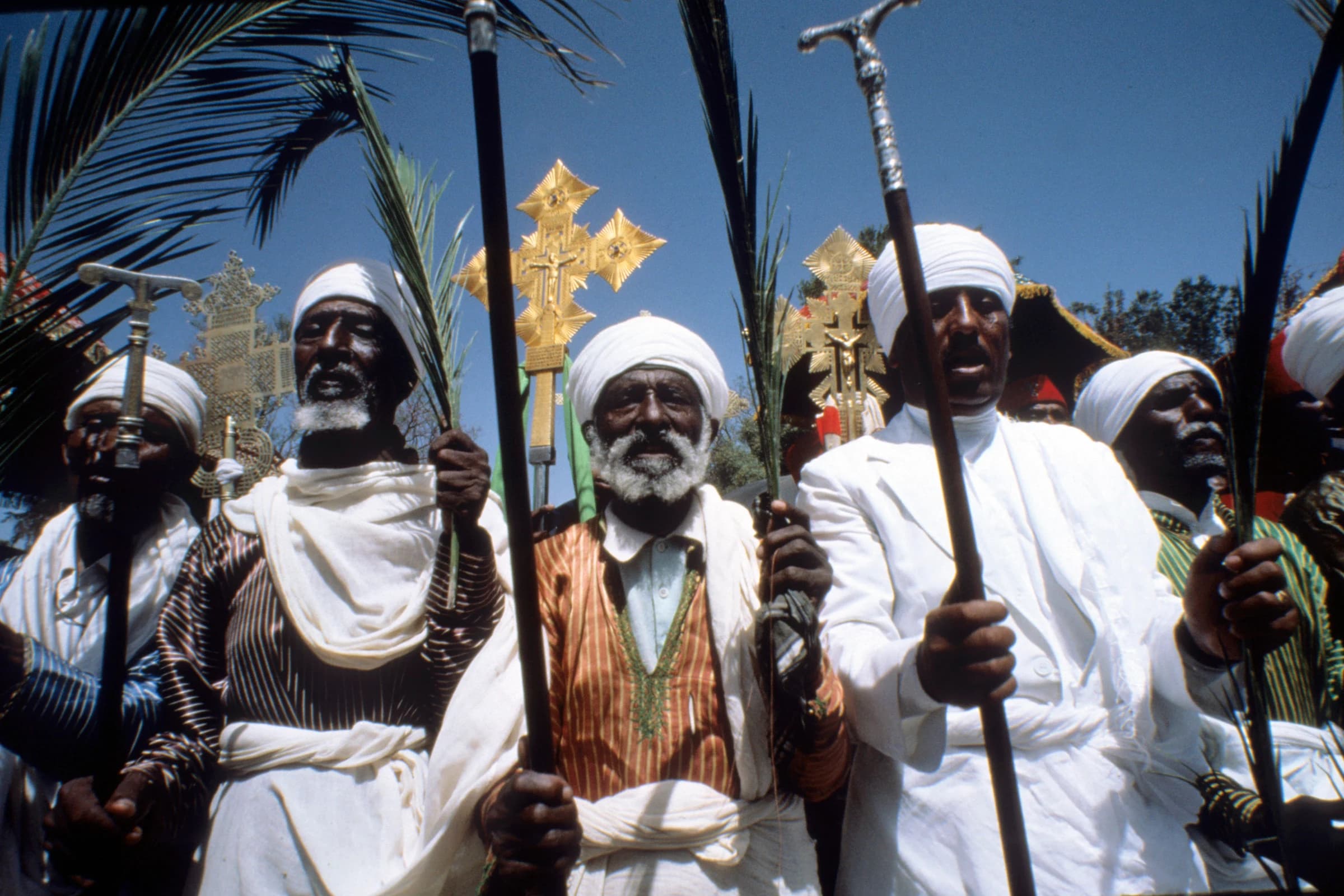 Lalibela
Lalibela
Ethiopia
Lalibela's 11 churches weren't built up from the ground like almost every other church on Earth — they were carved straight down into solid volcanic rock roughly 800 years ago, each one dug out as a single block of stone and hollowed into windows, doors, and columns from the top down.
See full guide →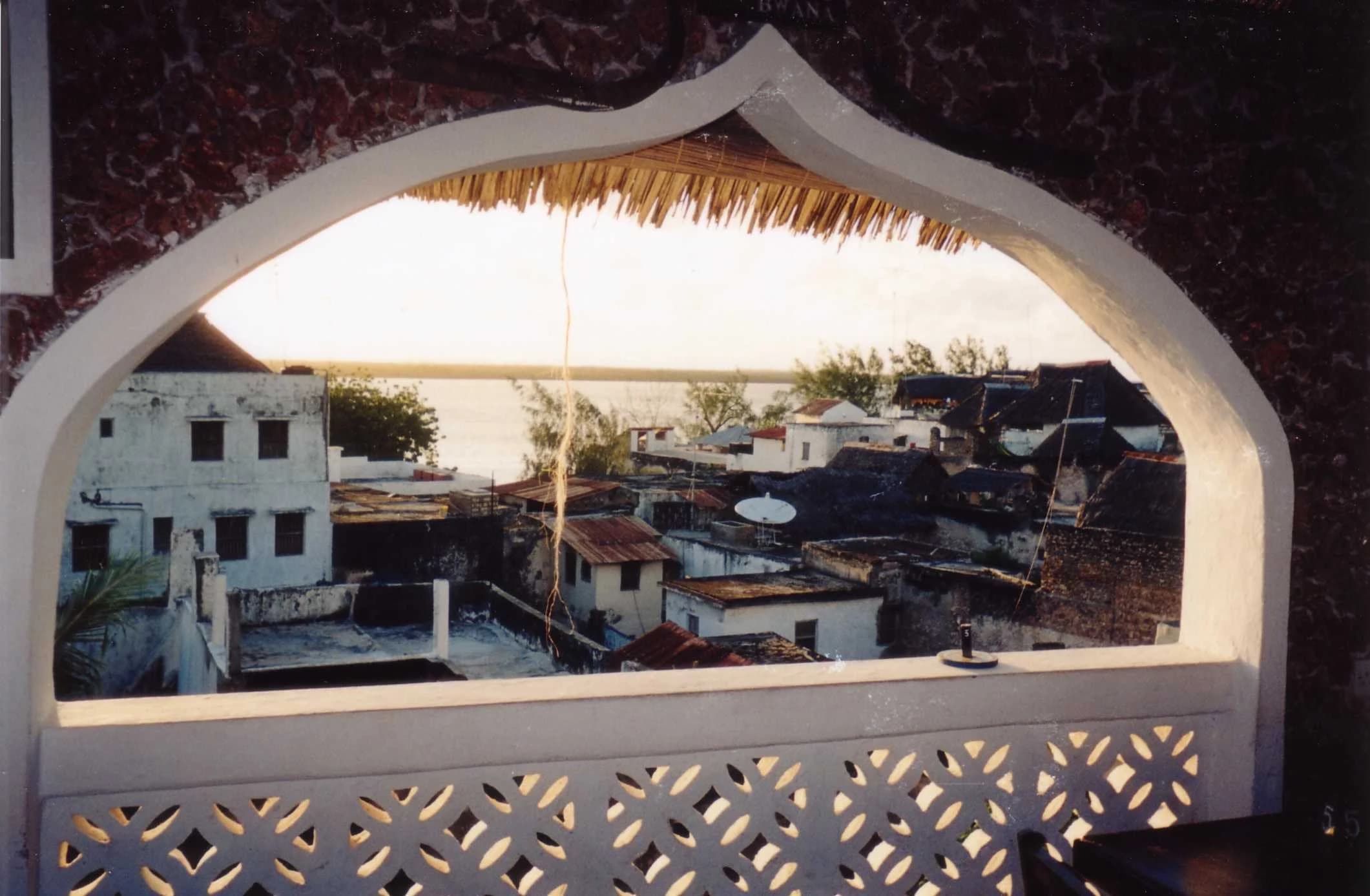 Lamu
LamuLamu
Kenya
Lamu Old Town has no cars — donkeys still outnumber vehicles on the island by a wide margin, and Kenya's oldest continuously inhabited Swahili settlement has kept it that way for over 700 years, its narrow coral-stone streets never widened for anything wider than a loaded animal.
See full guide →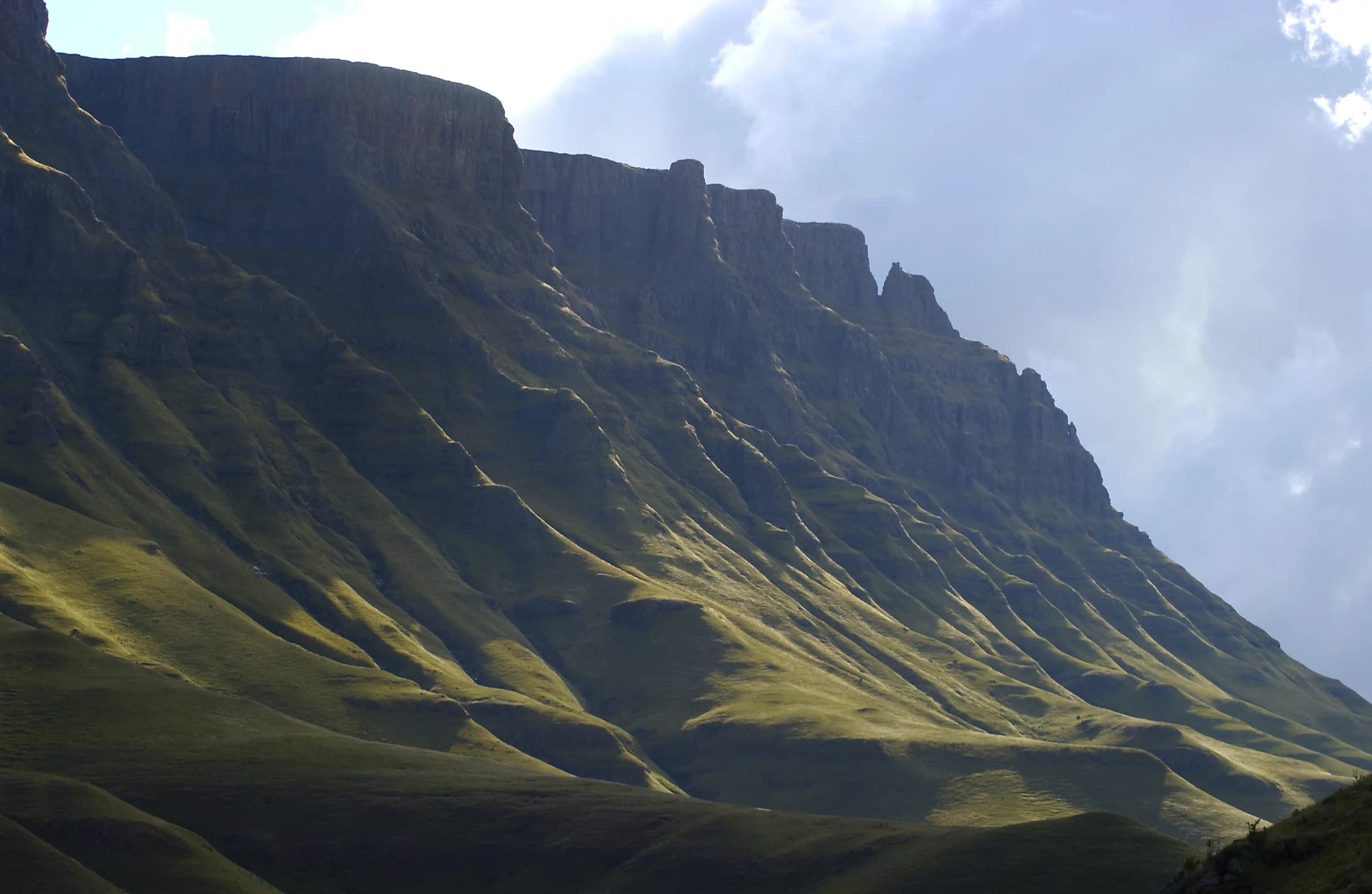 Lesotho
Lesotho
Lesotho
Lesotho is the only country on Earth that sits entirely above 1,000 meters in elevation, a fact that's earned it the nickname 'Kingdom in the Sky' — and it's also completely surrounded by a single other country, South Africa, making it one of only three nations in the world fully enclosed within another.
See full guide →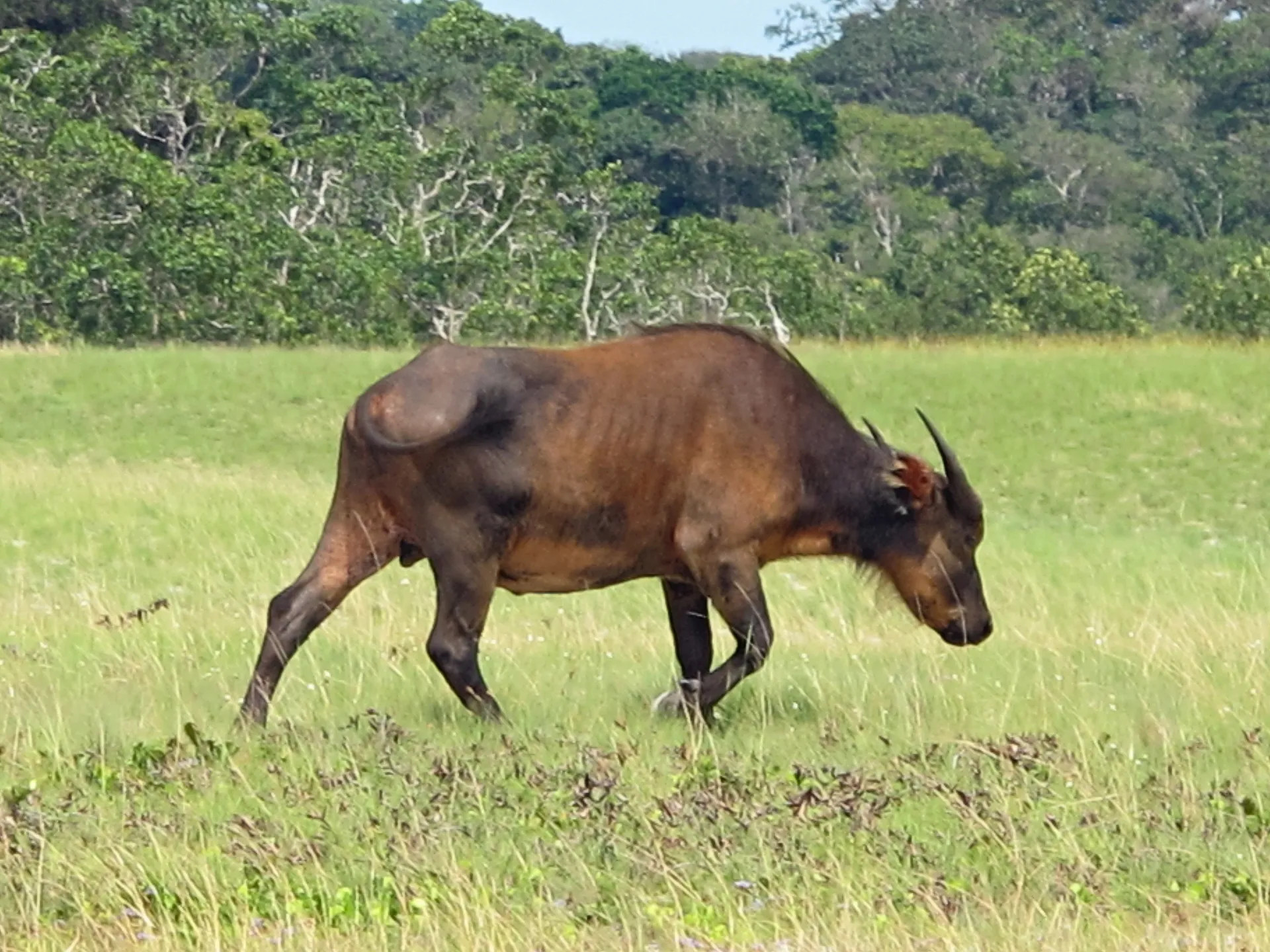 Libreville
Libreville
Gabon
Gabon has kept roughly 88 percent of its land under forest cover, more than almost any other country on Earth, and just south of its capital, Loango National Park is the only place documented where surfers occasionally share the break with wild hippos.
See full guide →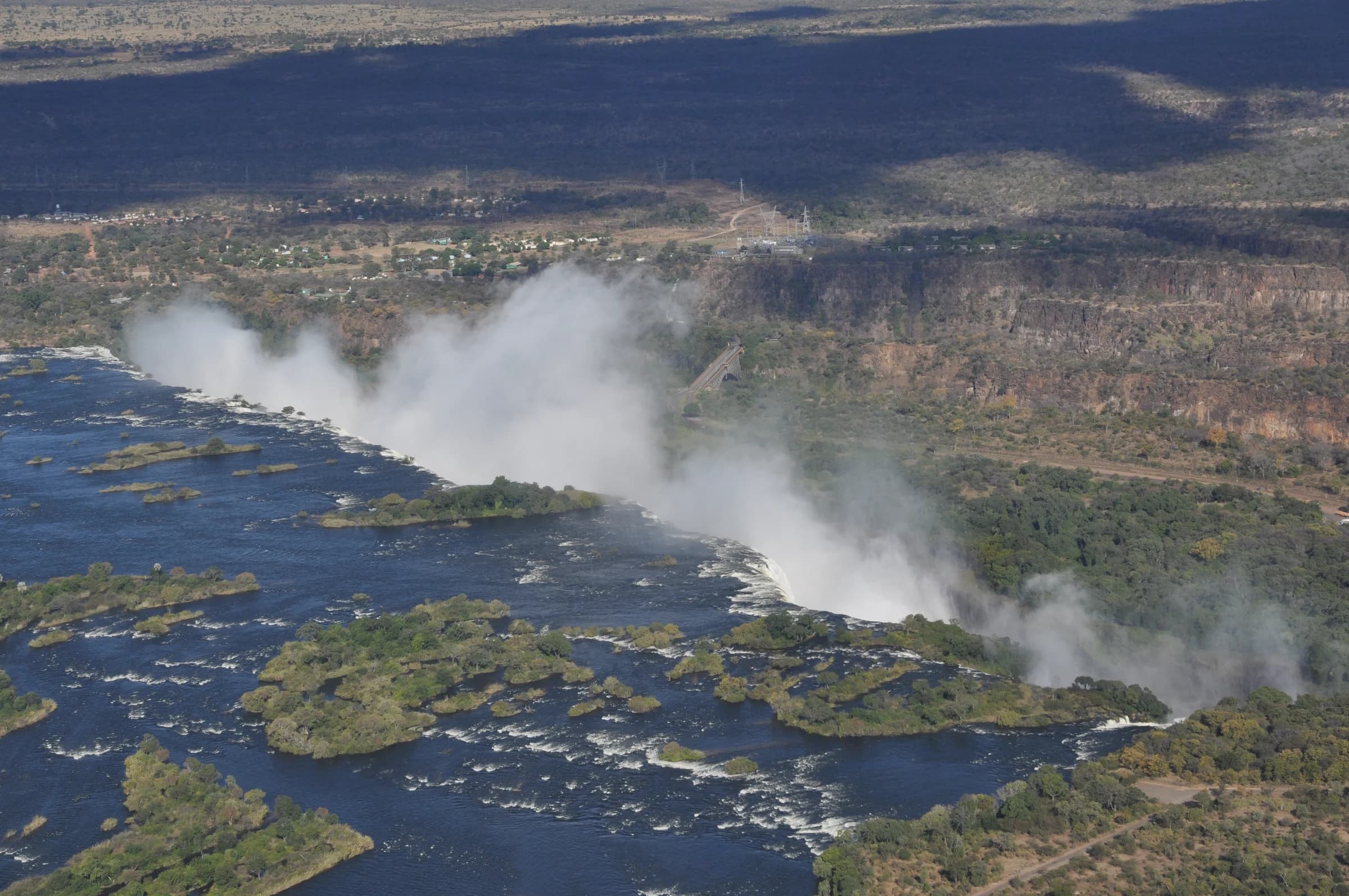 Livingstone
Livingstone
Zambia
During the low-water months, a natural rock pool right at the very edge of Victoria Falls becomes swimmable — Devil's Pool, accessible only from Livingstone Island on the Zambian side, lets swimmers look directly over a 100-meter drop with nothing but a rock lip between them and the fall.
See full guide → Lomé
LoméLomé
Togo
Lomé's Akodessewa Fetish Market is widely described as the largest Vodun market in the world, its stalls lined with animal skulls, hides, and ritual objects used by traditional healers — a genuinely unsettling sight for unprepared visitors, but a working religious supply market for a practice most Togolese still take seriously.
See full guide →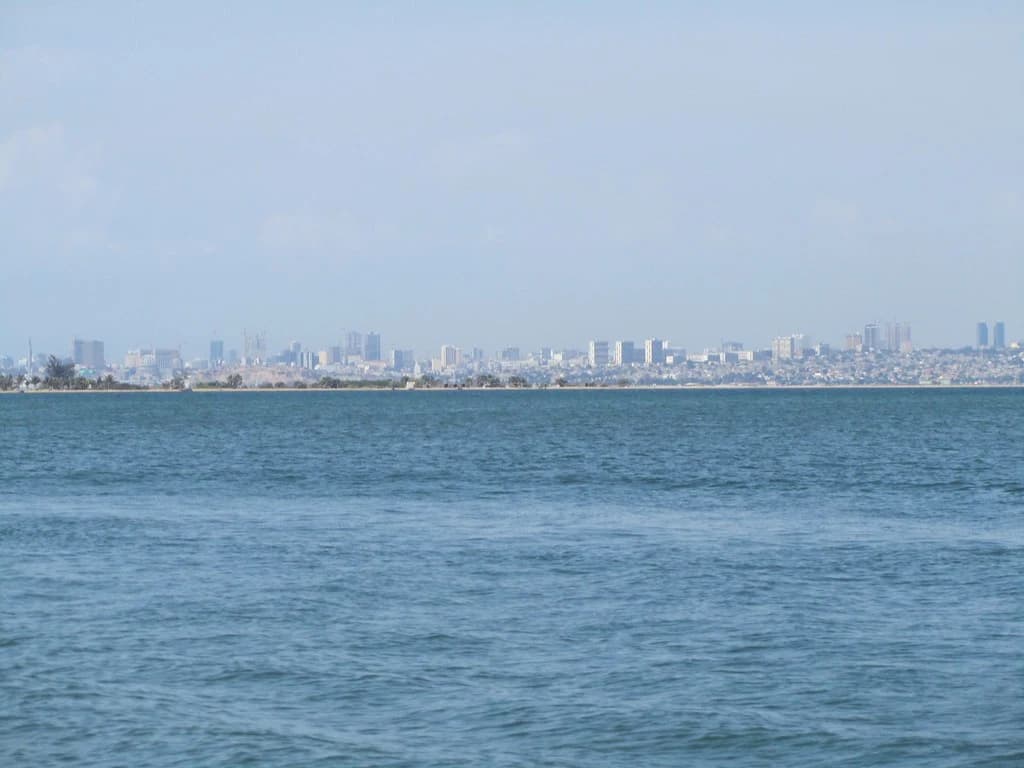 Luanda
Luanda
Angola
Luanda spent years ranked among the most expensive cities on Earth for international workers, pricier than London or Tokyo for a basic apartment — a direct result of oil wealth pouring into a small expat housing market after Angola's brutal 27-year civil war finally ended in 2002.
See full guide →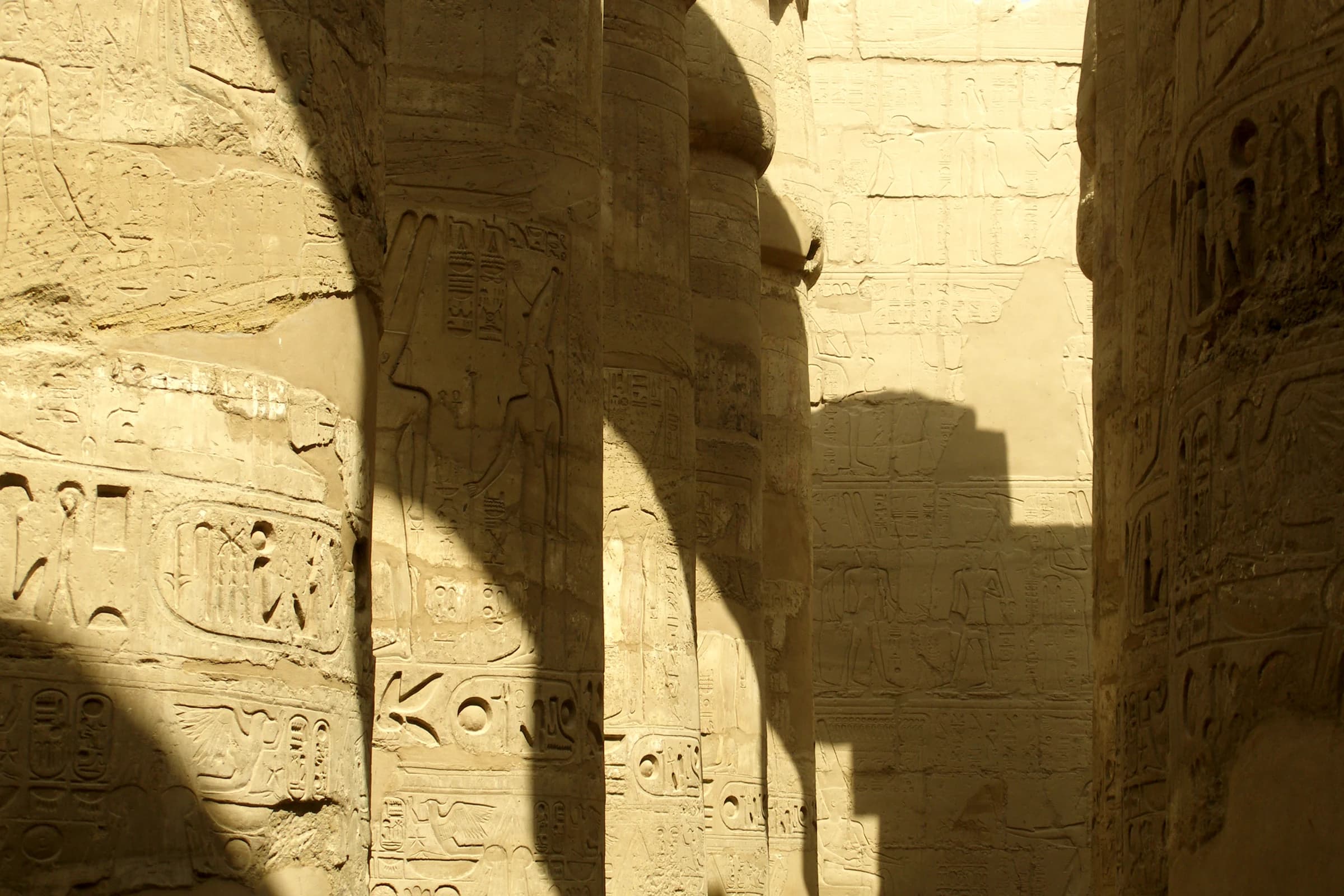 Luxor
LuxorLuxor
Egypt
Ancient Egyptians called the site of modern Luxor 'Thebes,' and for centuries it served as the capital of a civilization that packed more temples, tombs, and monuments into this single stretch of the Nile than almost anywhere else on Earth — UNESCO lists the whole area as a single World Heritage Site rather than trying to separate it into parts.
See full guide →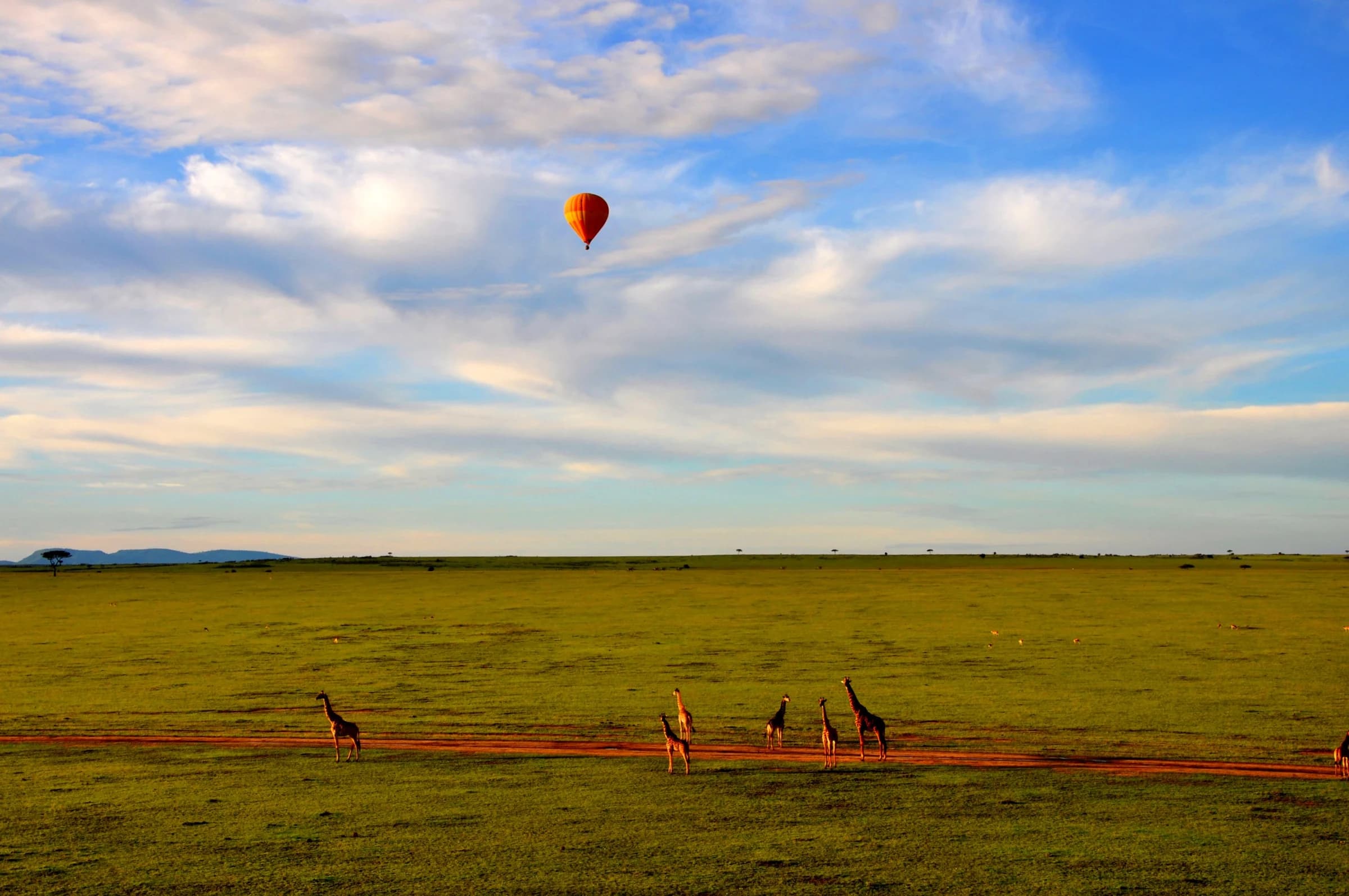 Maasai Mara
Maasai Mara
Kenya
The Maasai Mara takes its name partly from the Maa word for 'spotted,' describing how the landscape looks from a distance — a patchwork of acacia trees, scrub, and cloud shadow across open grassland — and it's also where the Great Migration's most dramatic river crossings happen each year as the herds arrive from Tanzania's Serengeti.
See full guide →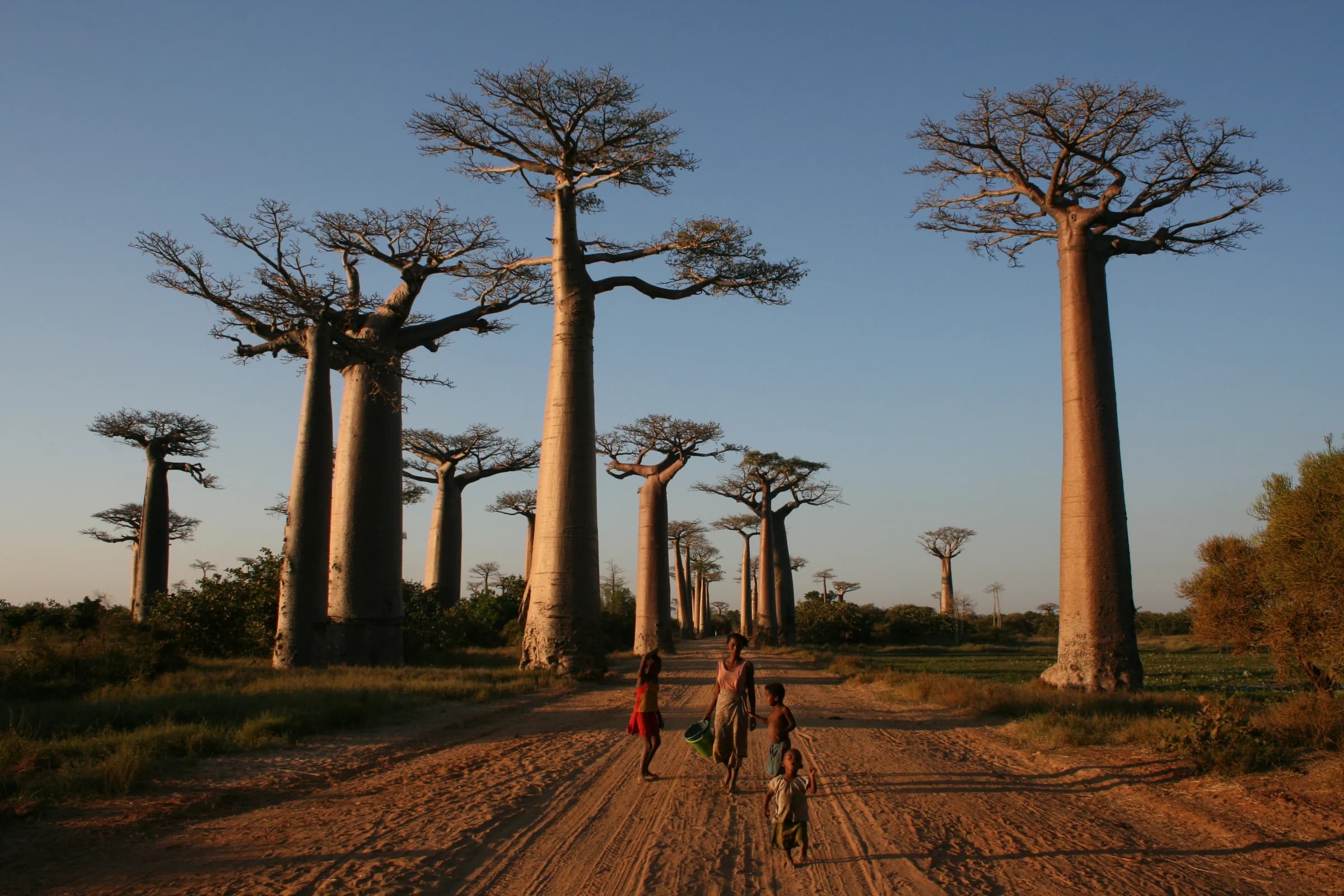 Madagascar
Madagascar
Madagascar
Madagascar split away from mainland Africa roughly 160 million years ago, long enough ago that around 90 percent of its wildlife, including every single species of lemur, evolved in isolation and exists nowhere else on Earth.
See full guide →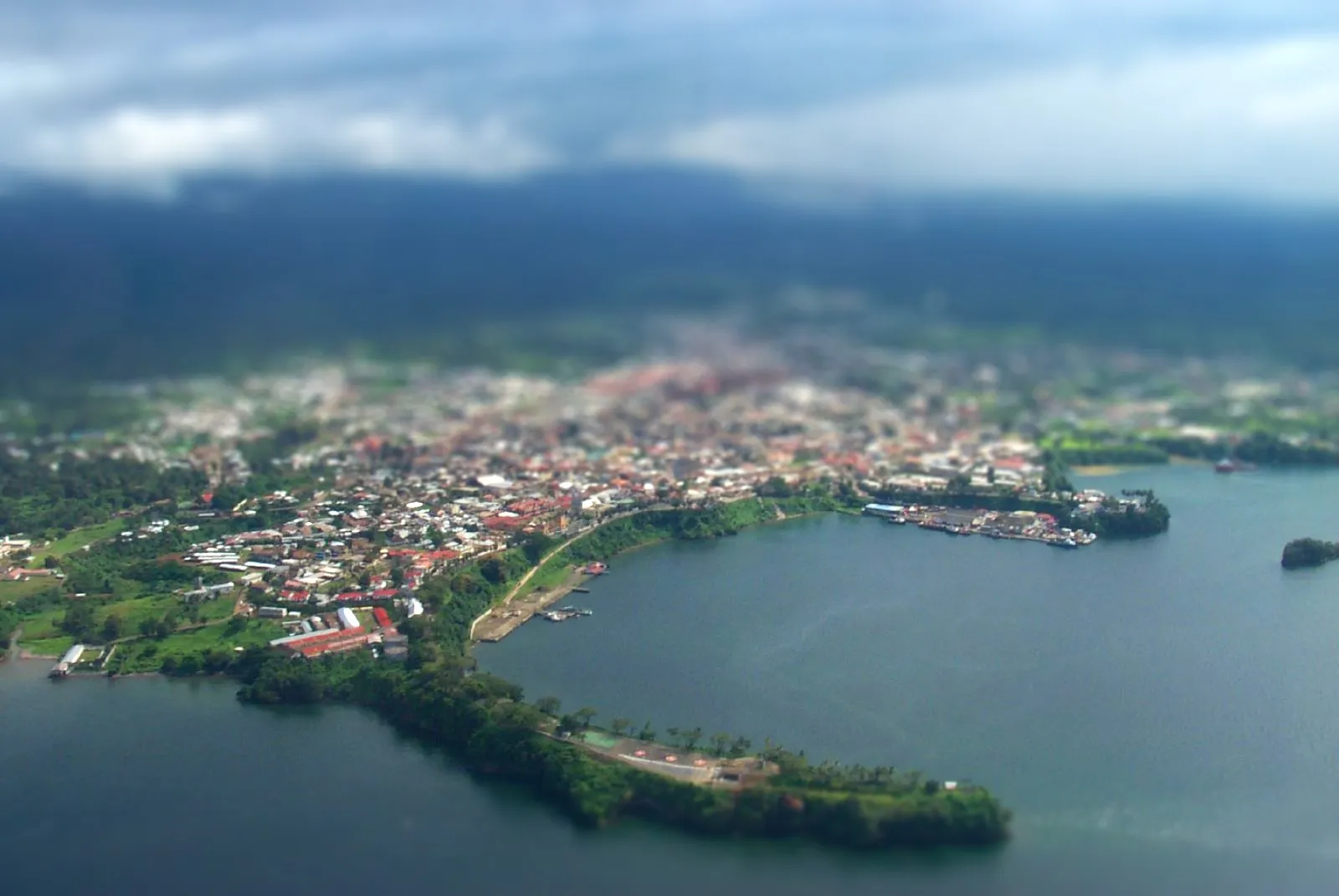 Malabo
Malabo
Equatorial Guinea
Equatorial Guinea's capital sits not on the African mainland but on volcanic Bioko Island, closer to Nigeria and Cameroon than to the rest of its own country, a Spanish-colonial oddity that makes it the only Spanish-speaking nation in sub-Saharan Africa.
See full guide →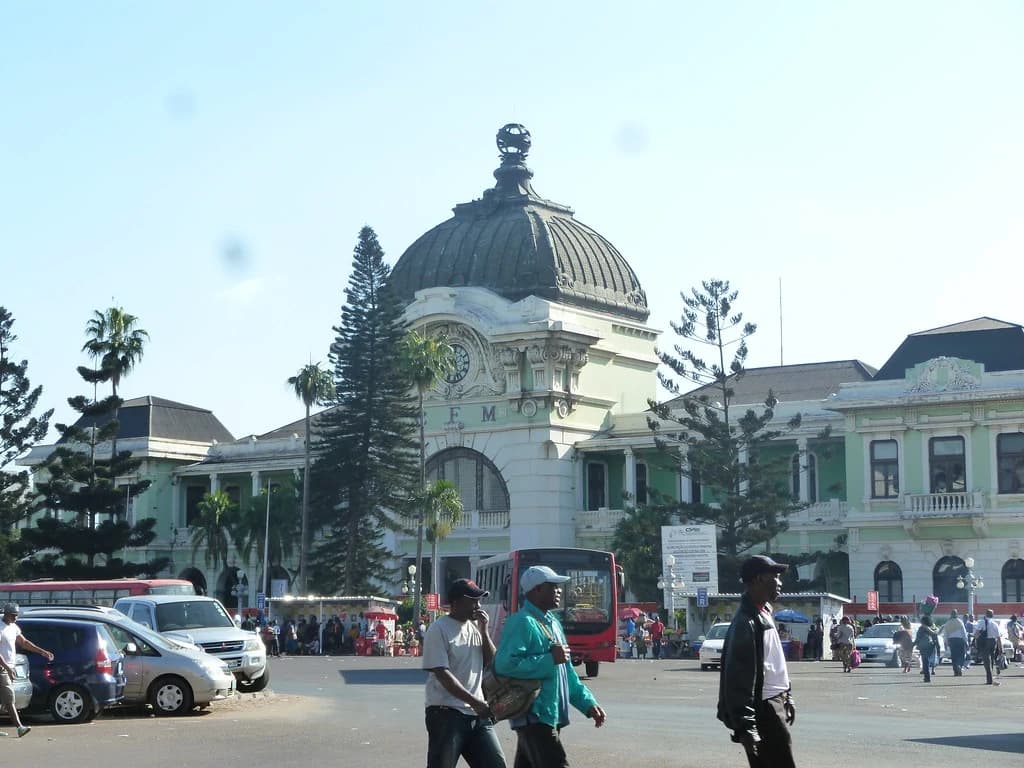 Maputo
Maputo
Mozambique
Maputo's ornate central train station is often credited to the workshop of Gustave Eiffel, the same engineer behind the Eiffel Tower — historians debate how directly involved his firm actually was, but the building's iron-and-glass dome has anchored the city's skyline regardless since the early 20th century.
See full guide →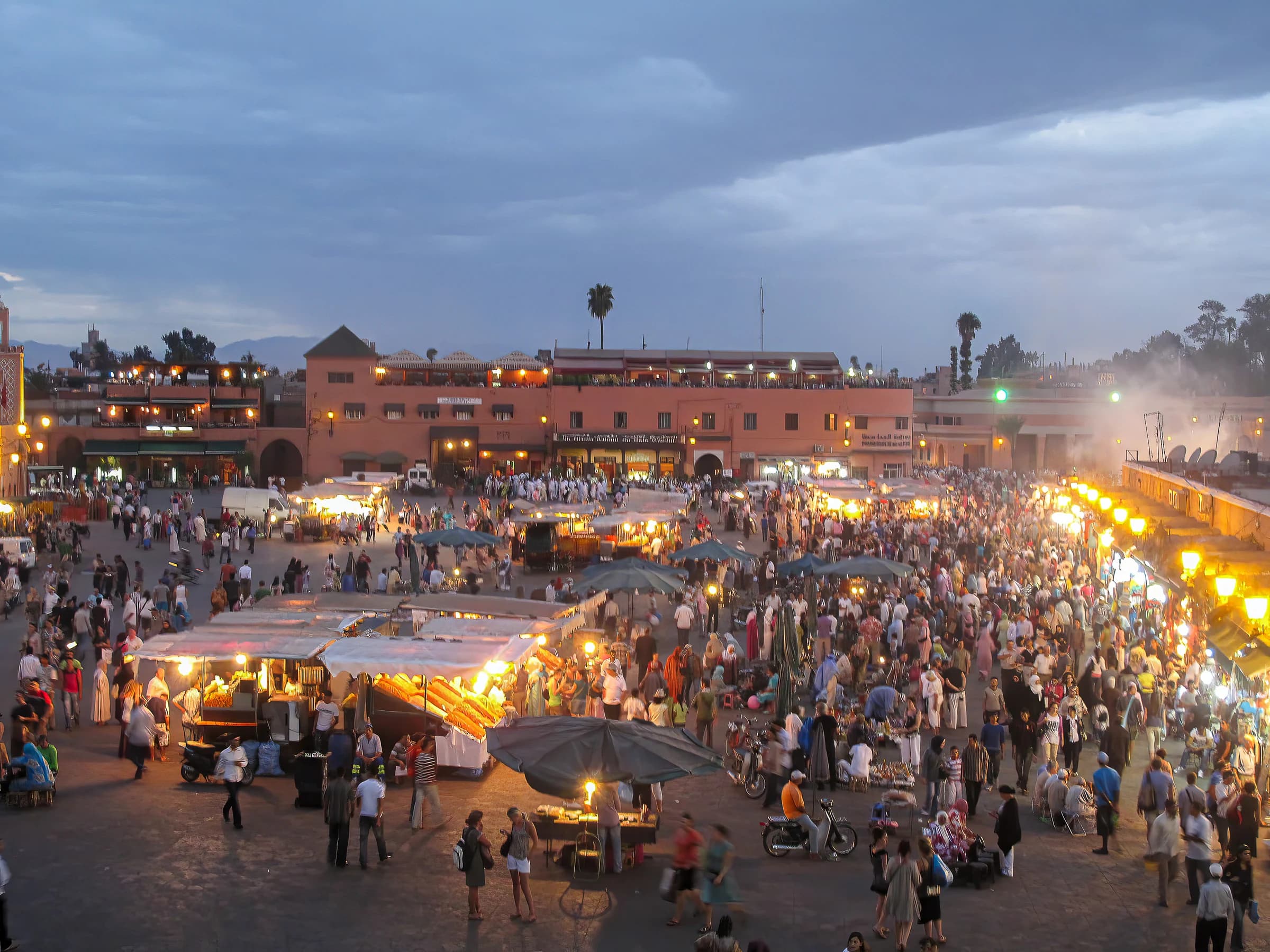 Marrakech
Marrakech
Morocco
Marrakech's central square, Jemaa el-Fnaa, is recognized by UNESCO not as a building or monument but as a piece of living heritage — the storytellers, musicians, and food stalls that fill it every night are protected the same way a historic building would be.
See full guide → Mauritius
Mauritius
Mauritius
The dodo lived nowhere on Earth except Mauritius, and nowhere else on Earth ever will again — the flightless bird went extinct within a century of the island's first permanent settlement, and it's now more famous globally as a symbol of extinction itself than most people realize it was ever a real, living animal from this one specific island.
See full guide →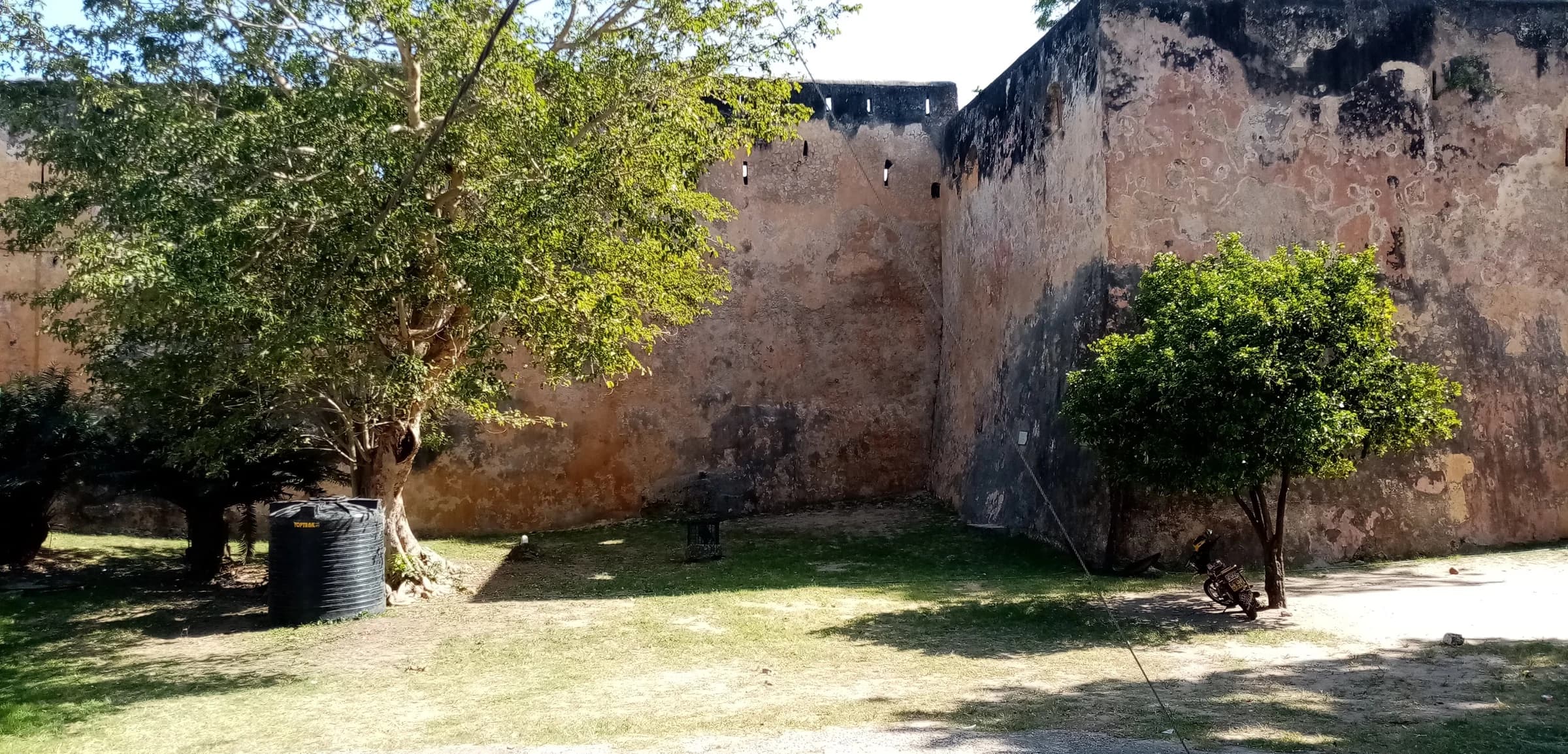 Mombasa
Mombasa
Kenya
Portugal built Fort Jesus in 1593 to control one of the Indian Ocean's most fought-over harbors, and the fort changed hands between Portuguese, Omani Arab, and British control at least nine times over the following three centuries — a genuine record of how contested Mombasa's position on the Swahili coast trading routes really was.
See full guide →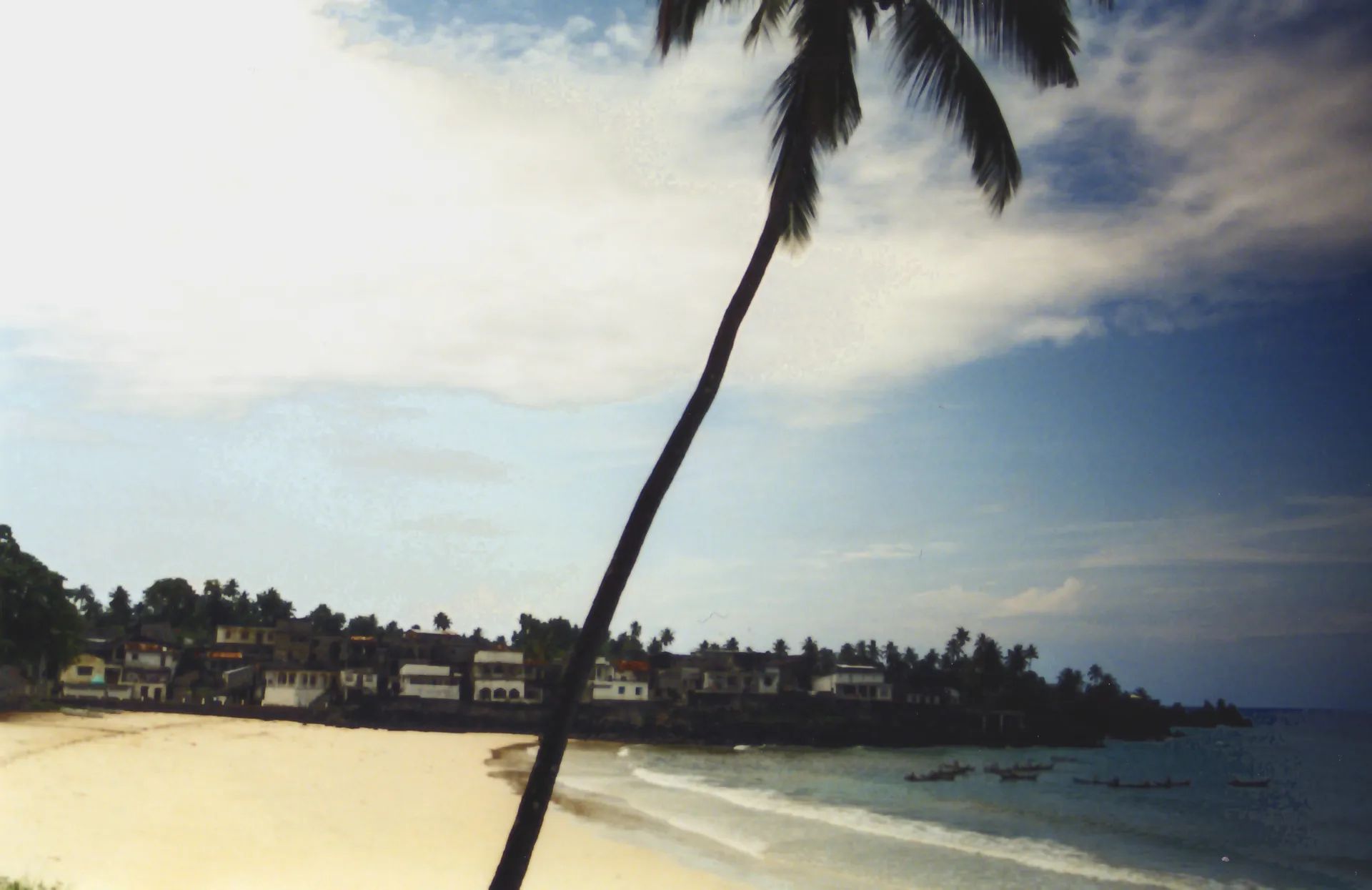 Moroni
Moroni
Comoros
The Comoros produces roughly 40 percent of the world's ylang-ylang oil, the flower essence behind Chanel No. 5, on a handful of volcanic islands so small and little-visited that Moroni ranks among the least-known national capitals on Earth.
See full guide → Nairobi
Nairobi
Kenya
Nairobi is the only capital city in the world with a full national park inside its limits — lions, rhinos, and giraffes roam Nairobi National Park with the city's skyscrapers visible directly behind them, a juxtaposition that shows up in wildlife photography from almost nowhere else on Earth.
See full guide →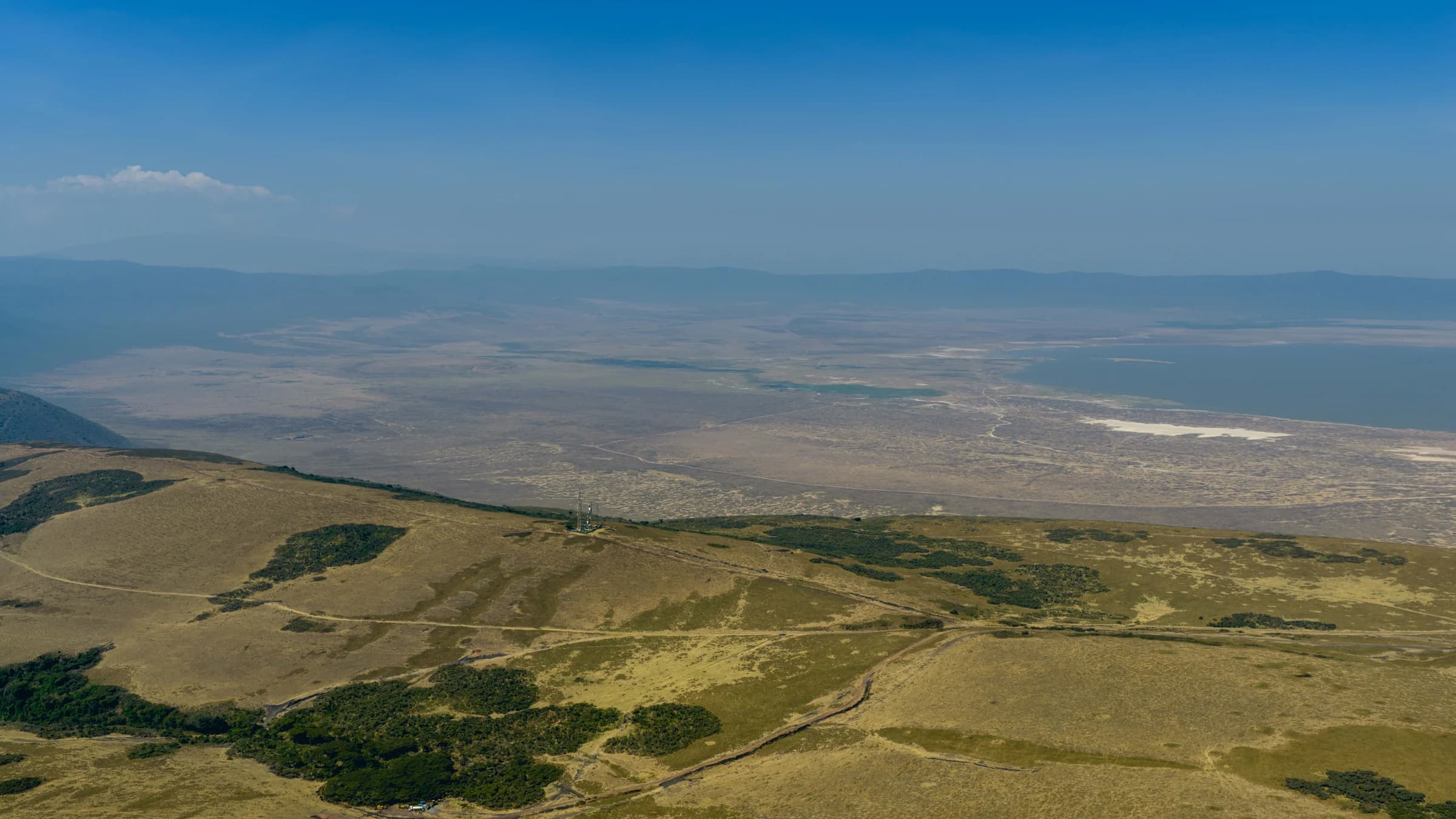 Ngorongoro Crater
Ngorongoro Crater
Tanzania
Ngorongoro is the world's largest inactive, intact, unfilled volcanic caldera — a collapsed volcano roughly 2-3 million years old whose crater floor now holds such a dense concentration of wildlife that seeing all of Africa's Big Five in a single day here is genuinely realistic, something few other places on the continent can promise.
See full guide → Nosy Be
Nosy Be
Madagascar
Nosy Be translates simply to 'big island' in Malagasy, an understatement for a place that produces most of the world's supply of ylang-ylang for perfume and sits beside Nosy Tanikely, a marine reserve where whale sharks pass close enough to shore to snorkel with.
See full guide →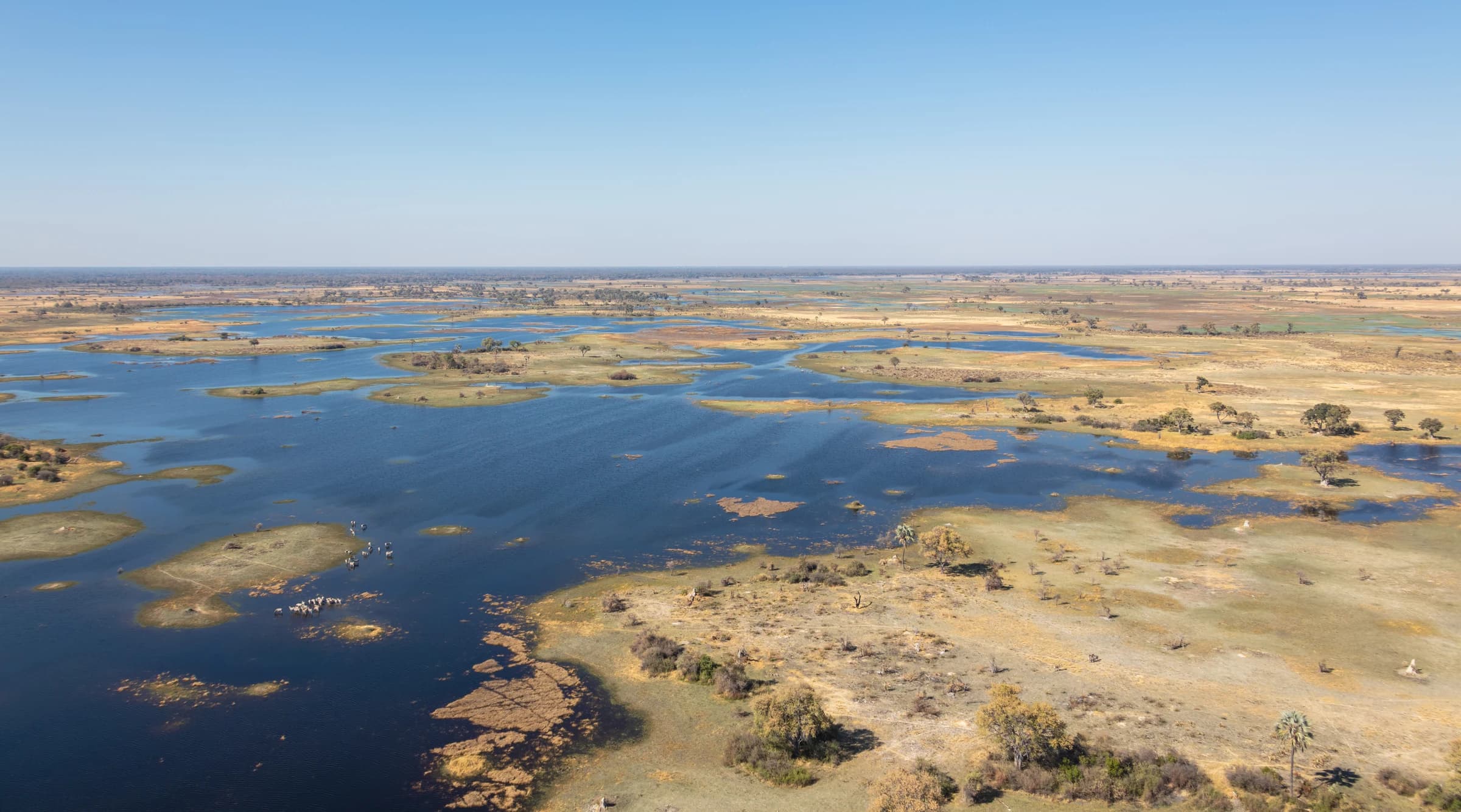 Okavango Delta
Okavango Delta
Botswana
The Okavango River flows for over a thousand kilometers out of Angola's highlands and never reaches the sea — instead it spreads out across the Kalahari Desert into a massive inland delta, and the flooding actually peaks in the dry winter months, months after the rains that caused it fell hundreds of kilometers away.
See full guide →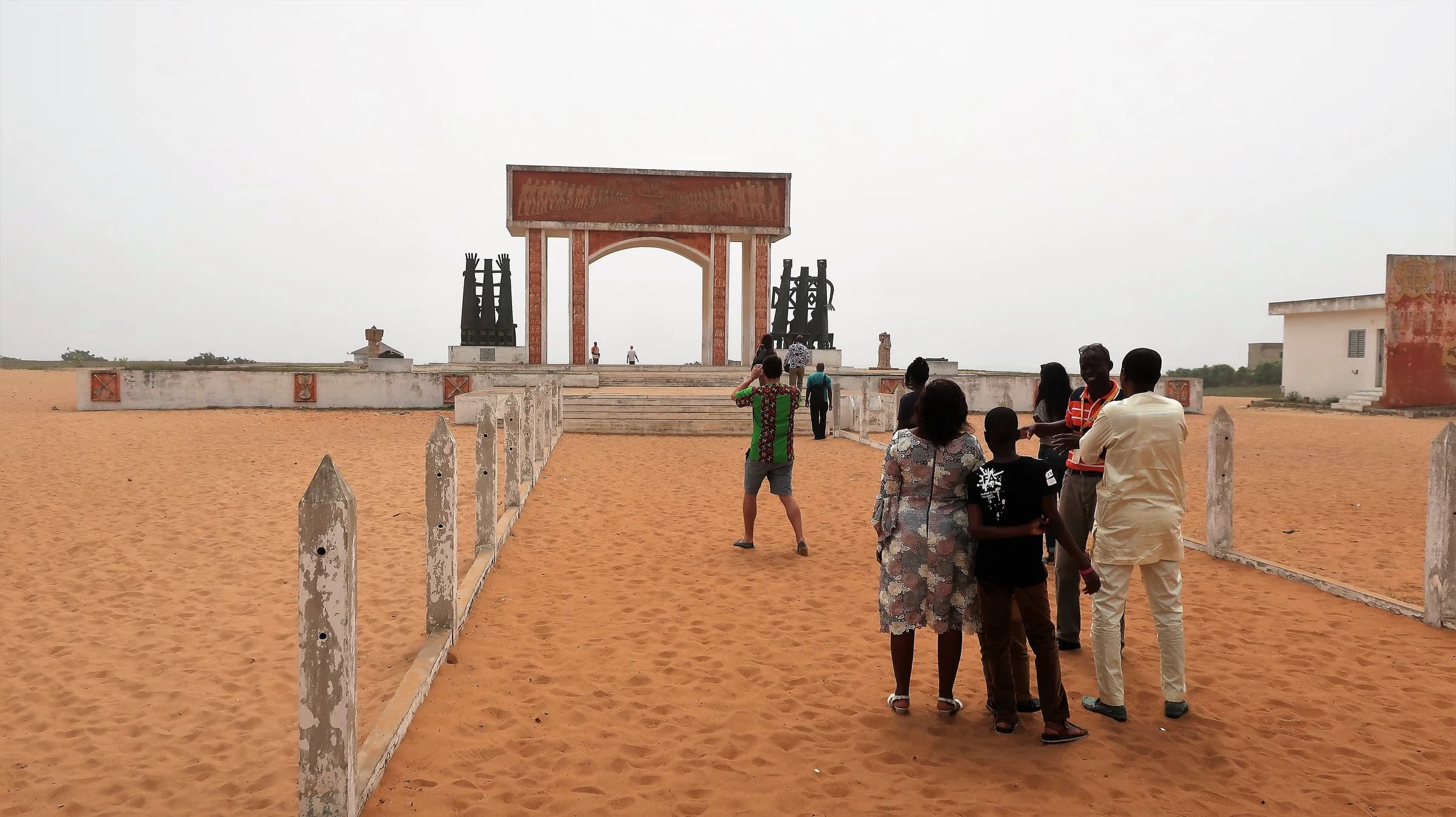 Ouidah
Ouidah
Benin
Vodun, the religion the transatlantic slave trade carried into Haitian Vodou, Brazilian Candomblé, and Louisiana Voodoo, traces its roots directly to this stretch of Benin's coast — Ouidah remains one of its living centers today, complete with a temple of sacred pythons and a national holiday devoted to it.
See full guide →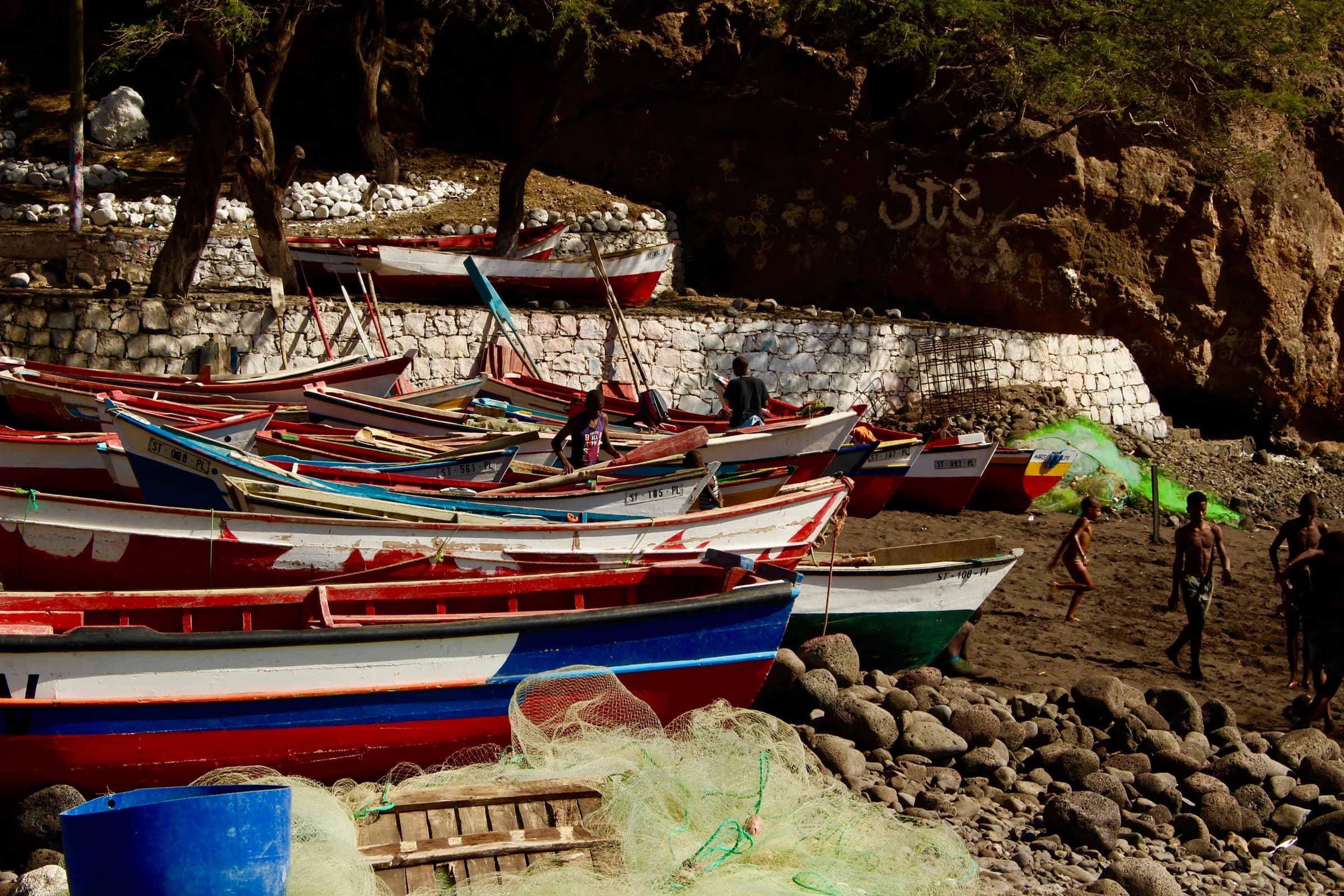 Praia
PraiaPraia
Cape Verde
More Cape Verdeans live abroad than in Cape Verde itself — centuries of drought and emigration scattered the population across Portugal, the US, and beyond, and that diaspora built morna, the melancholic musical genre made globally famous by singer Cesária Évora, into the clearest expression of what Cape Verdeans call sodade, a longing for home that doesn't fully translate into English.
See full guide →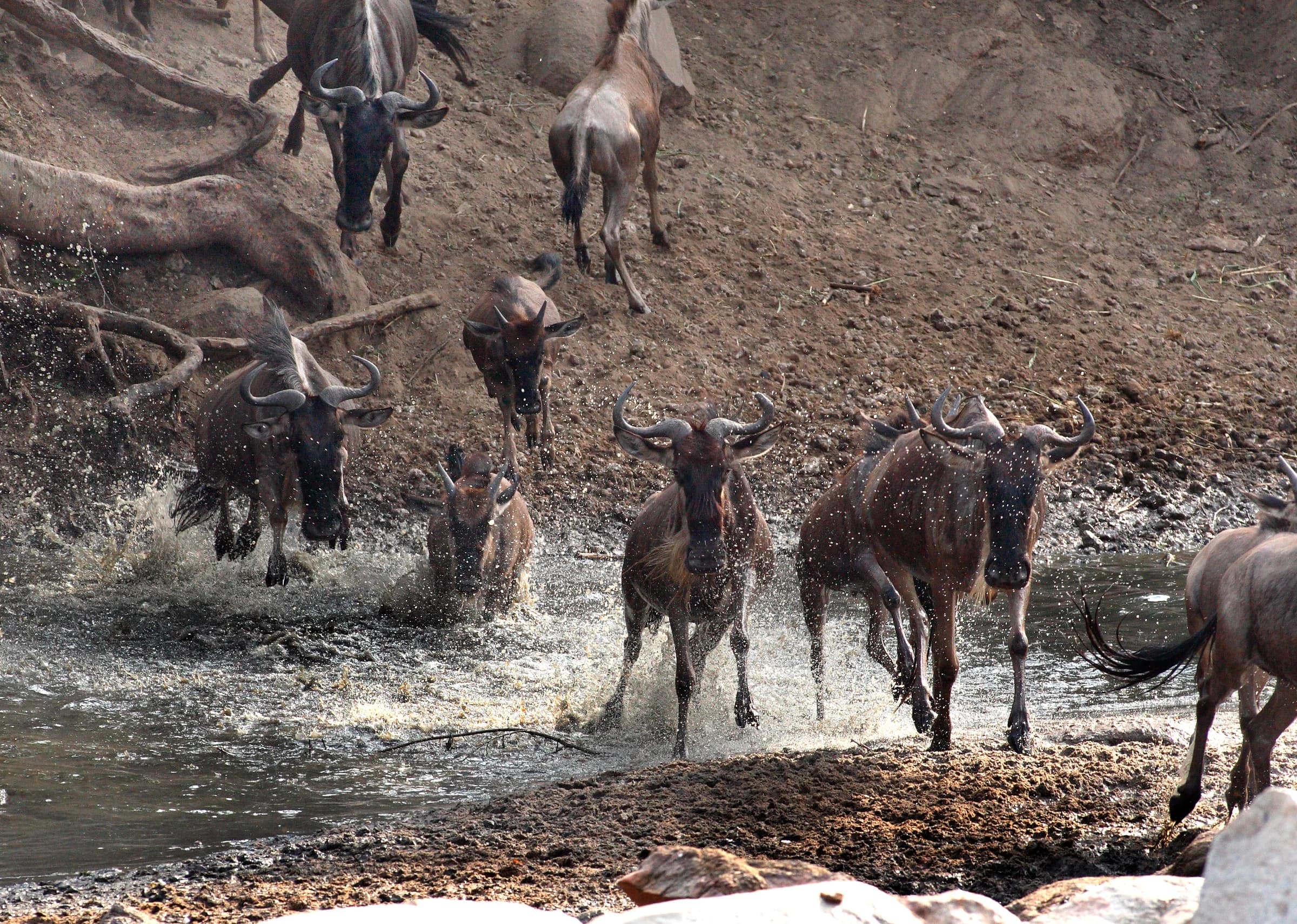 Serengeti
Serengeti
Tanzania
The Serengeti takes its name from the Maasai word siringet, meaning roughly 'the place where the land moves on forever' — a fitting name for a plain that hosts the largest terrestrial mammal migration on Earth, close to two million wildebeest and zebra moving in a rough circle between Tanzania and Kenya every single year.
See full guide →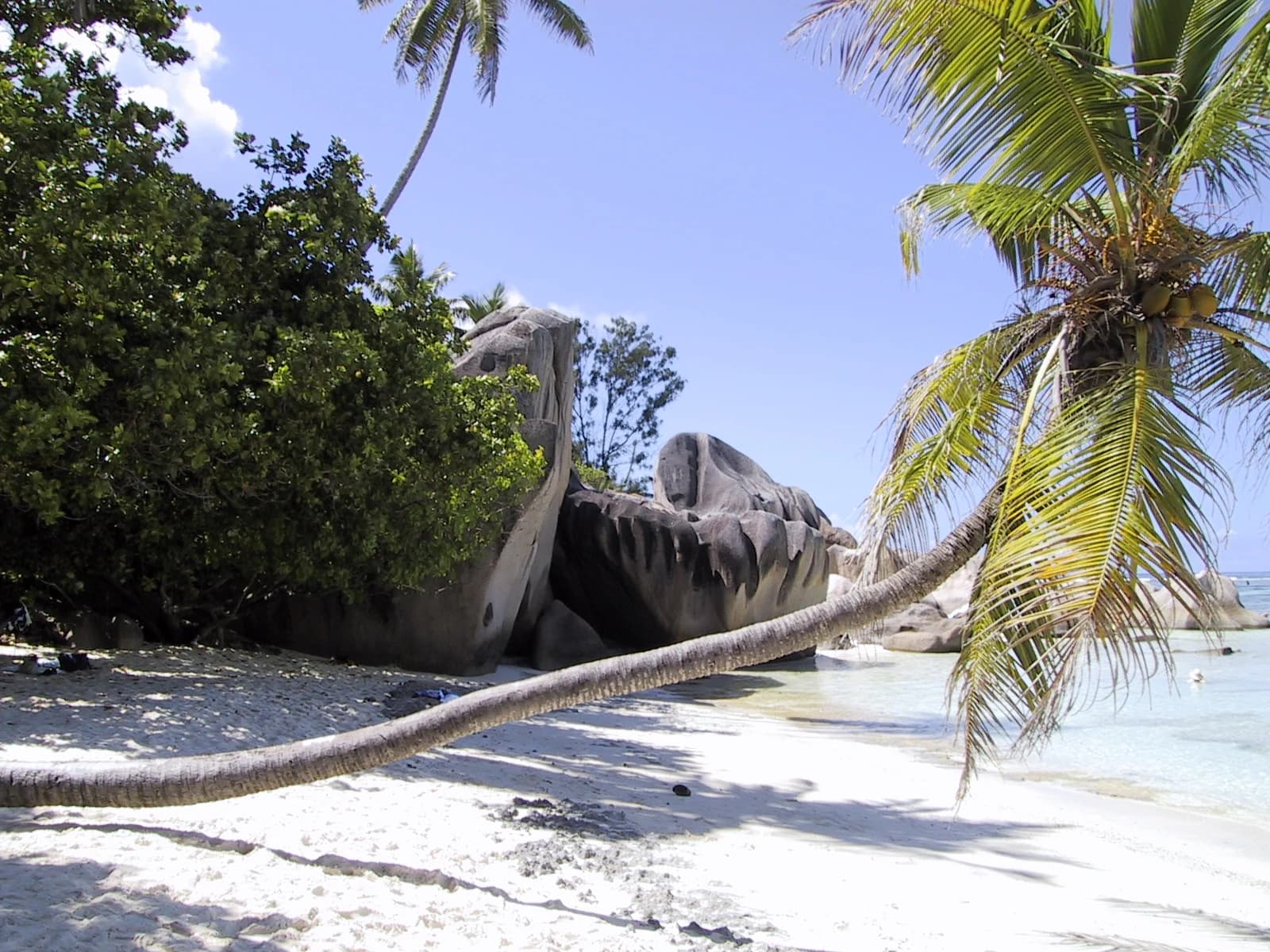 Seychelles
Seychelles
Seychelles
The coco de mer palm, found naturally nowhere on Earth except two Seychelles islands, produces the largest and heaviest seed of any plant known to science — for centuries, washed-up seeds found floating in the Indian Ocean led people who'd never seen the tree to believe they grew on an underwater forest.
See full guide →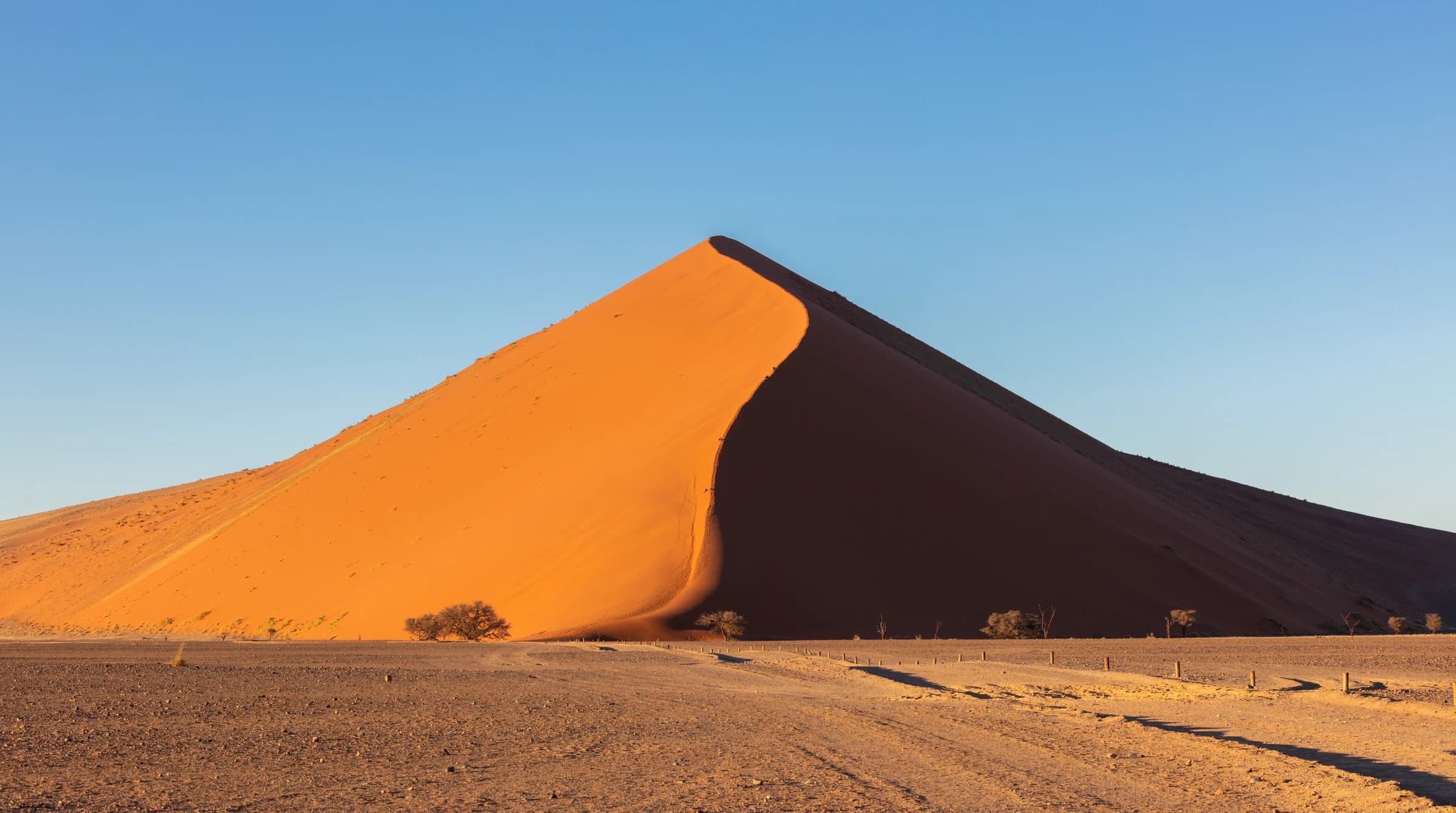 Sossusvlei
Sossusvlei
Namibia
The Namib Desert is generally considered the oldest desert on Earth, arid for somewhere between 55 and 80 million years, and its towering red dunes at Sossusvlei have had that much time to grow — some rank among the tallest dunes anywhere in the world.
See full guide →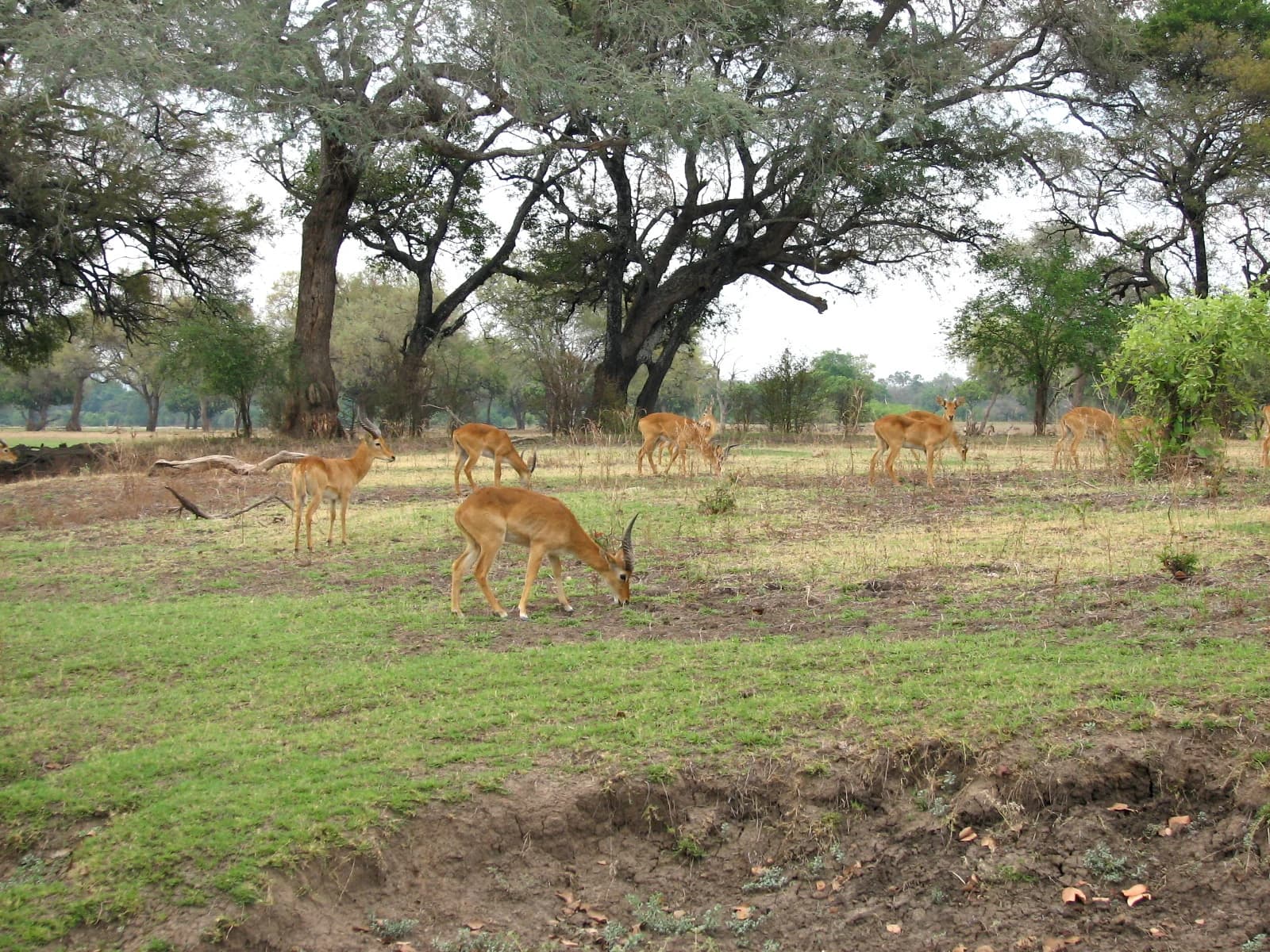 South Luangwa National Park
South Luangwa National Park
Zambia
The walking safari, now offered across much of Southern and East Africa, was pioneered right here in the 1950s and 60s by conservationist Norman Carr — and South Luangwa remains one of the very few major parks where you can still track wildlife on foot the way the concept originally began, rather than exclusively from a vehicle.
See full guide →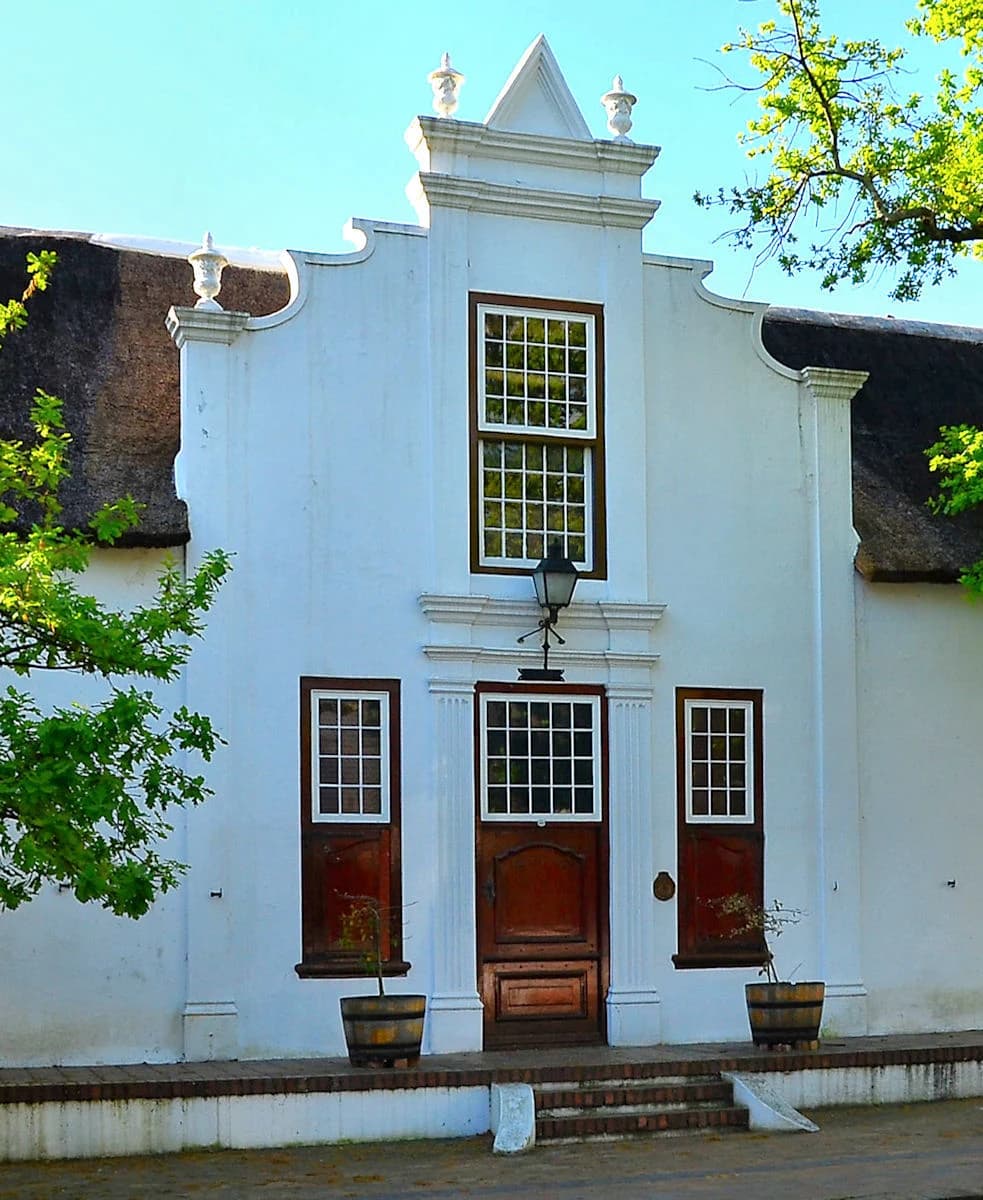 Stellenbosch
Stellenbosch
South Africa
Stellenbosch is the second-oldest European settlement in South Africa, founded in 1679, old enough that its oak-lined streets and whitewashed Cape Dutch buildings have had over 300 years to mature into a wine region now considered one of the great historic wine-growing areas of the New World.
See full guide →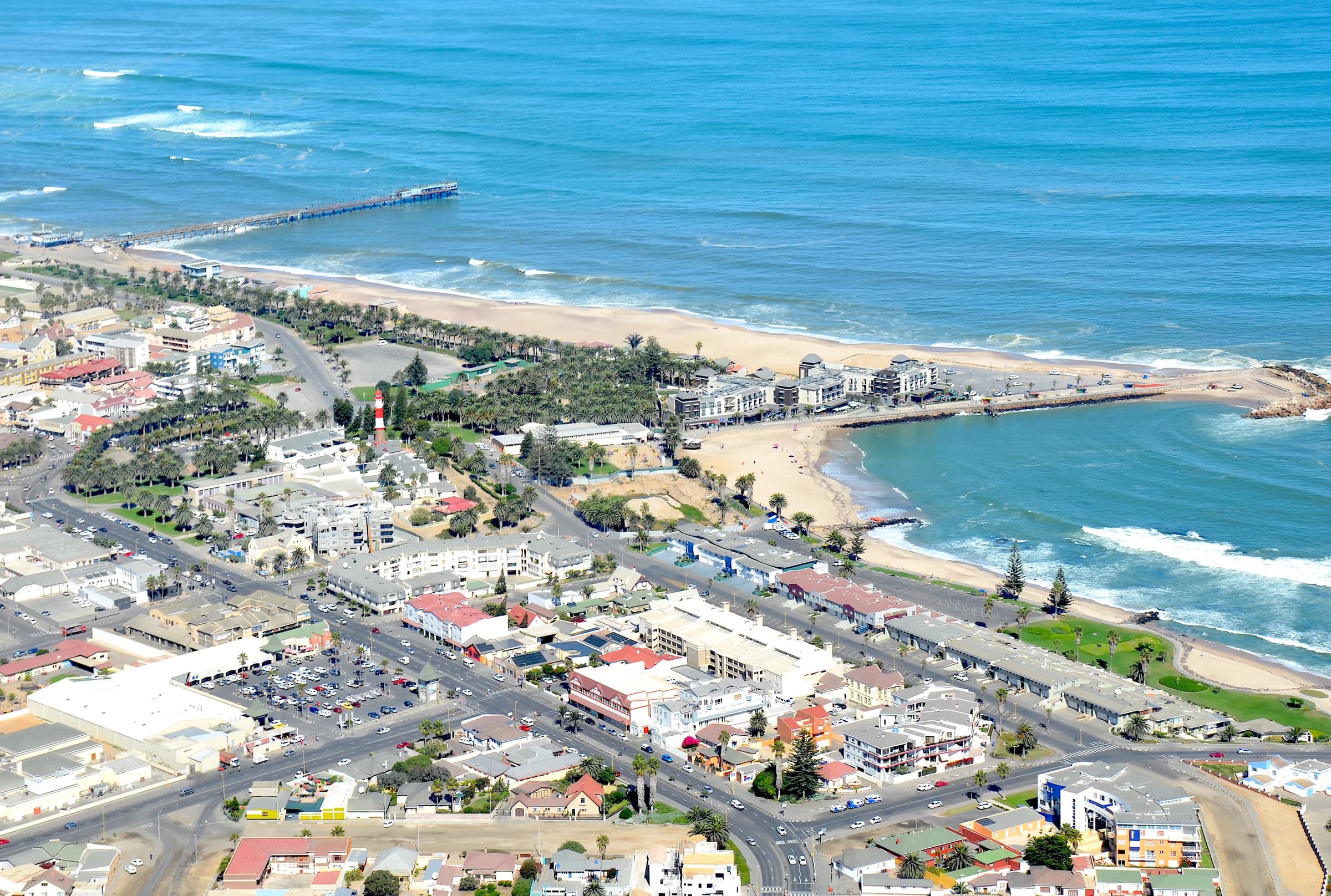 Swakopmund
Swakopmund
Namibia
Swakopmund still looks unmistakably German — half-timbered buildings, bakeries, and street names left over from its founding in 1892 as the main port of German South-West Africa — except the town sits wedged directly between the Namib Desert's dunes and the cold, foggy Atlantic, a combination that exists nowhere else quite like it.
See full guide →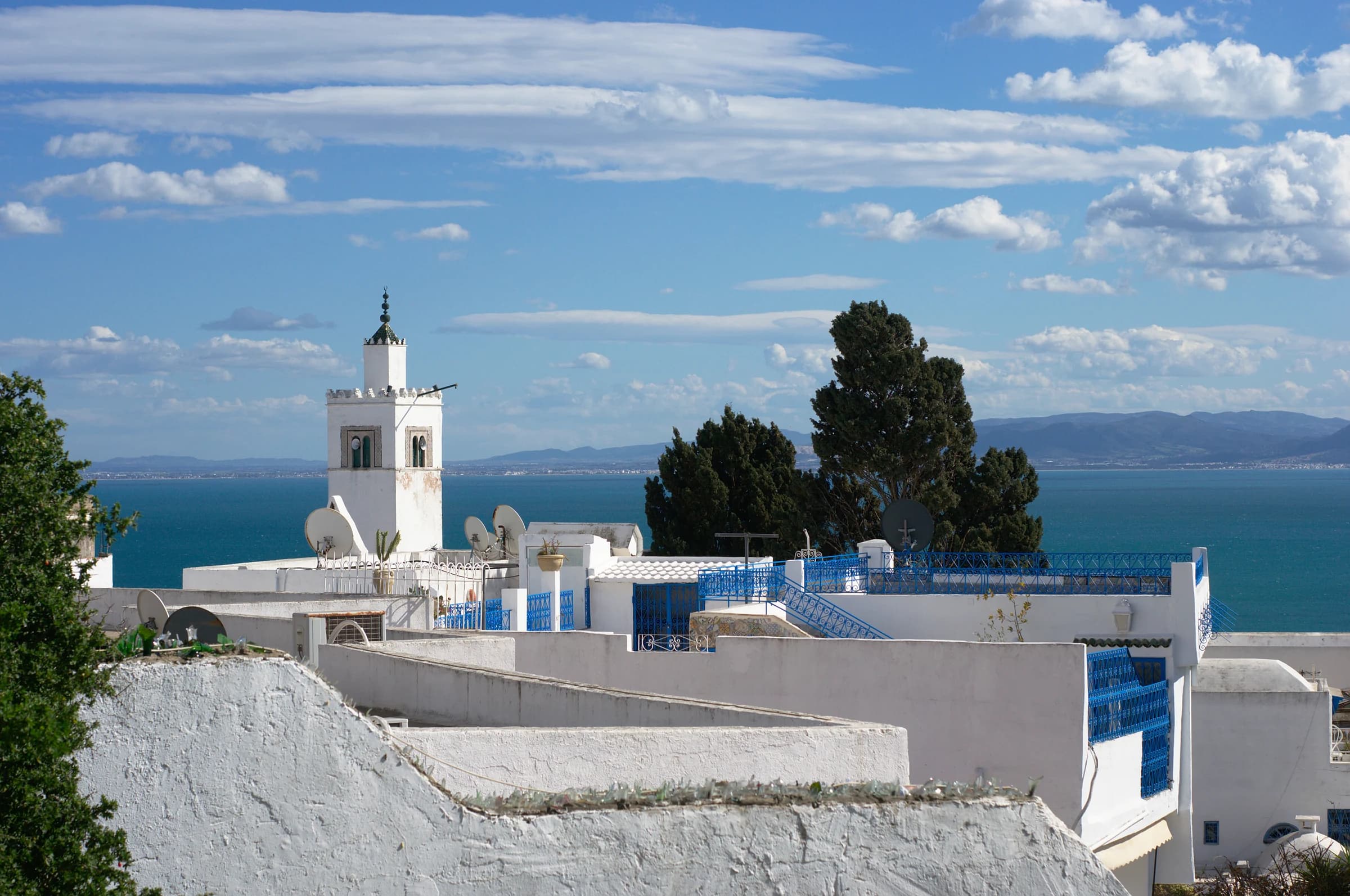 Tunis
TunisTunis
Tunisia
The ruins of ancient Carthage, once Rome's most feared rival and powerful enough to nearly conquer the Roman Republic under Hannibal, sit within Tunis' modern suburbs today — a short tram ride from downtown gets you from a 21st-century capital to the remains of a civilization the Romans worked for over a century to fully erase.
See full guide →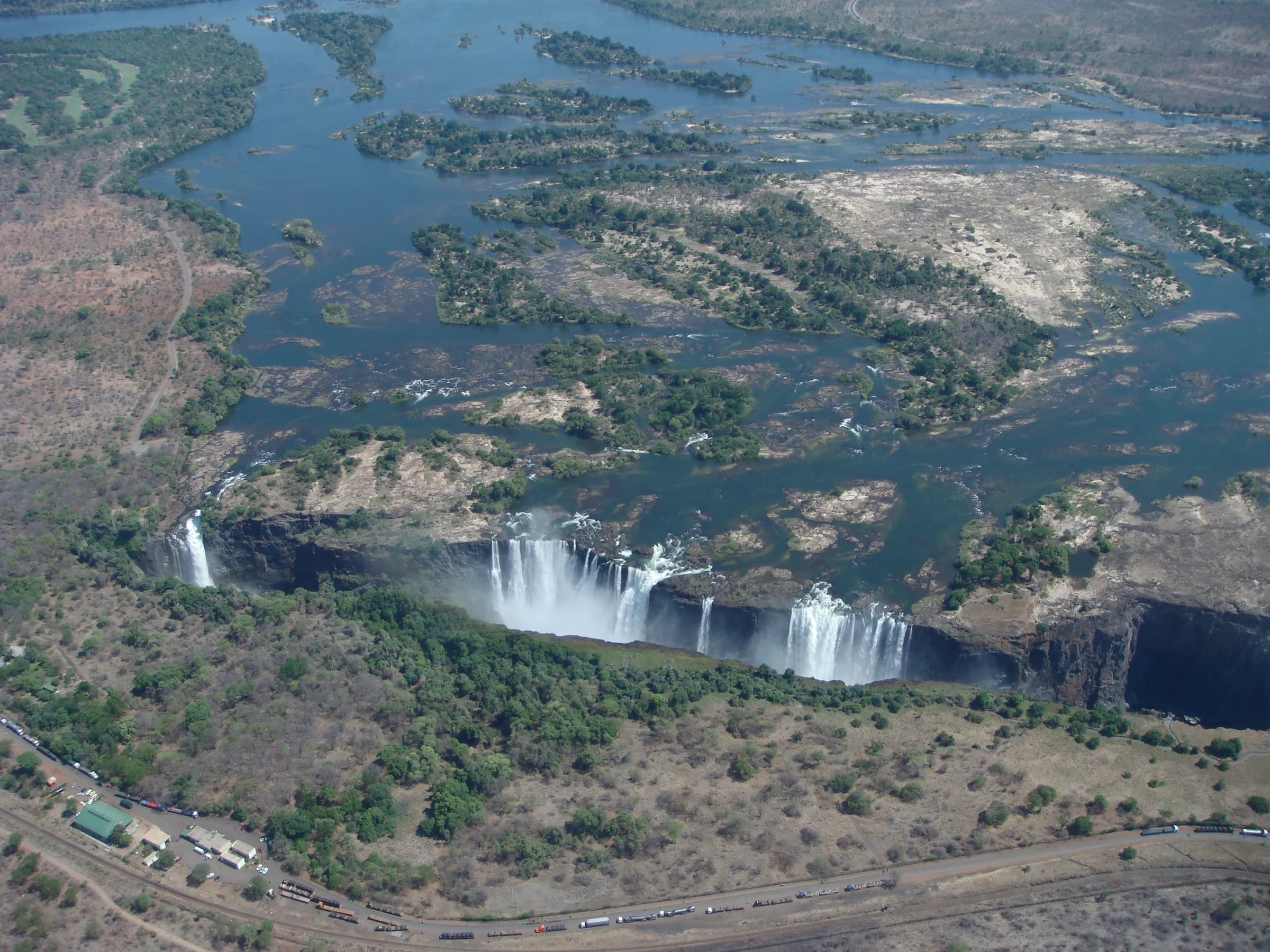 Victoria Falls
Victoria Falls
Zimbabwe
Locals called it Mosi-oa-Tunya, 'The Smoke That Thunders,' long before David Livingstone ever saw it in 1855 — the spray from the falls rises high enough to be visible from more than 20 kilometers away, which is exactly why the name stuck.
See full guide →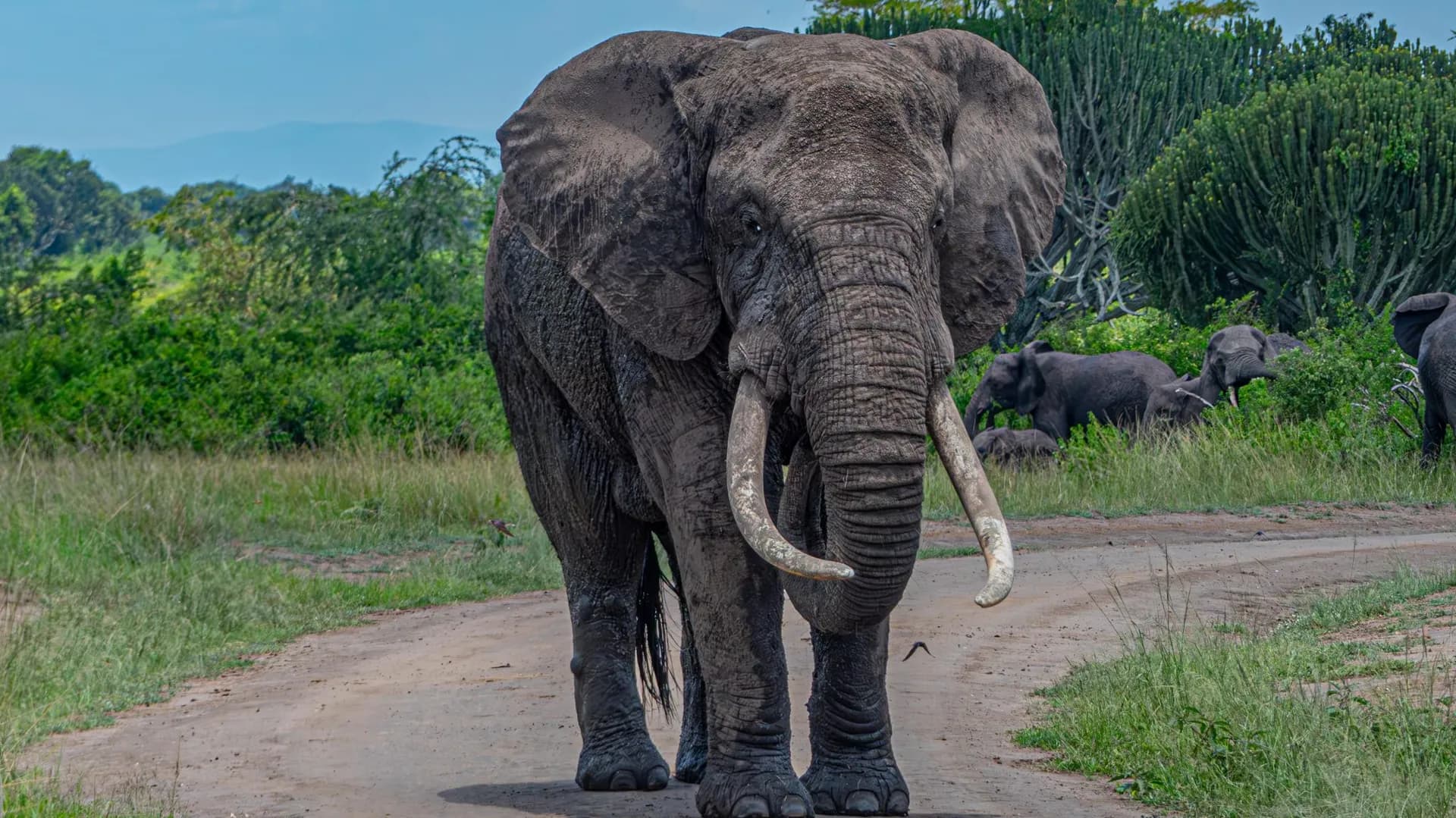 Zakouma National Park
Zakouma National Park
Chad
Zakouma's elephant population was poached down to roughly 450 animals by 2010, losing 90 percent of its herd in under a decade — and then, under a new management partnership, it recorded zero elephants poached for six straight years, one of conservation's more genuine turnaround stories.
See full guide →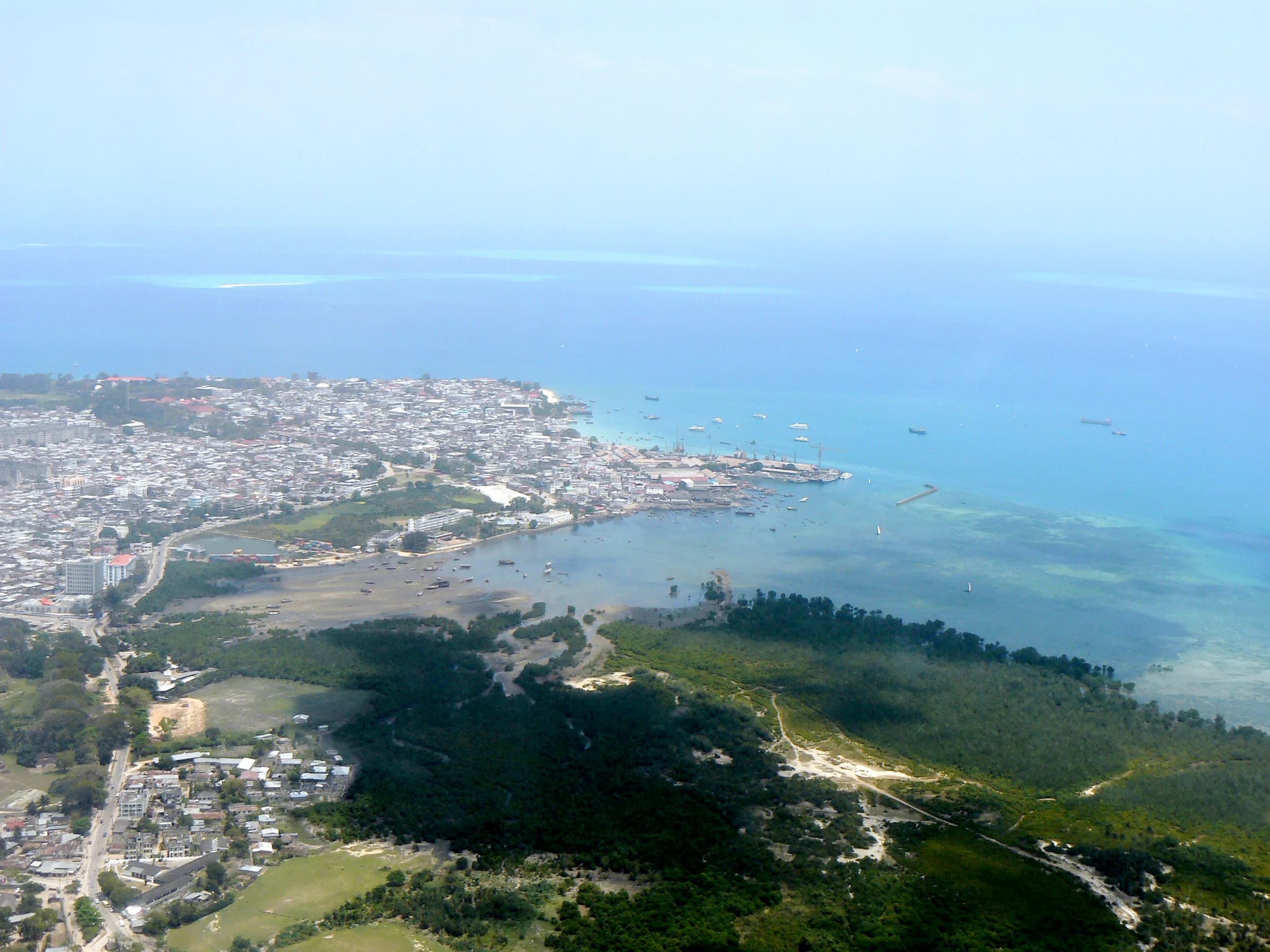 Zanzibar
Zanzibar
Tanzania
Freddie Mercury was born in Zanzibar's Stone Town in 1946, in a house still standing a short walk from the old slave market, a single block of the city holding both a global music legend's birthplace and one of the most sobering chapters of the Indian Ocean slave trade.
See full guide →