Gabon · Africa
Libreville
Gabon has kept roughly 88 percent of its land under forest cover, more than almost any other country on Earth, and just south of its capital, Loango National Park is the only place documented where surfers occasionally share the break with wild hippos.
Gabon has quietly kept roughly 88 percent of its land under forest cover, one of the highest ratios of any country on Earth, a result of a small population, oil wealth that reduced pressure on land for agriculture, and a government that's set aside around 11 percent of the country as national parkland since 2002. The result is a country most travelers have never seriously considered, holding one of Central Africa's most genuinely intact rainforest ecosystems.
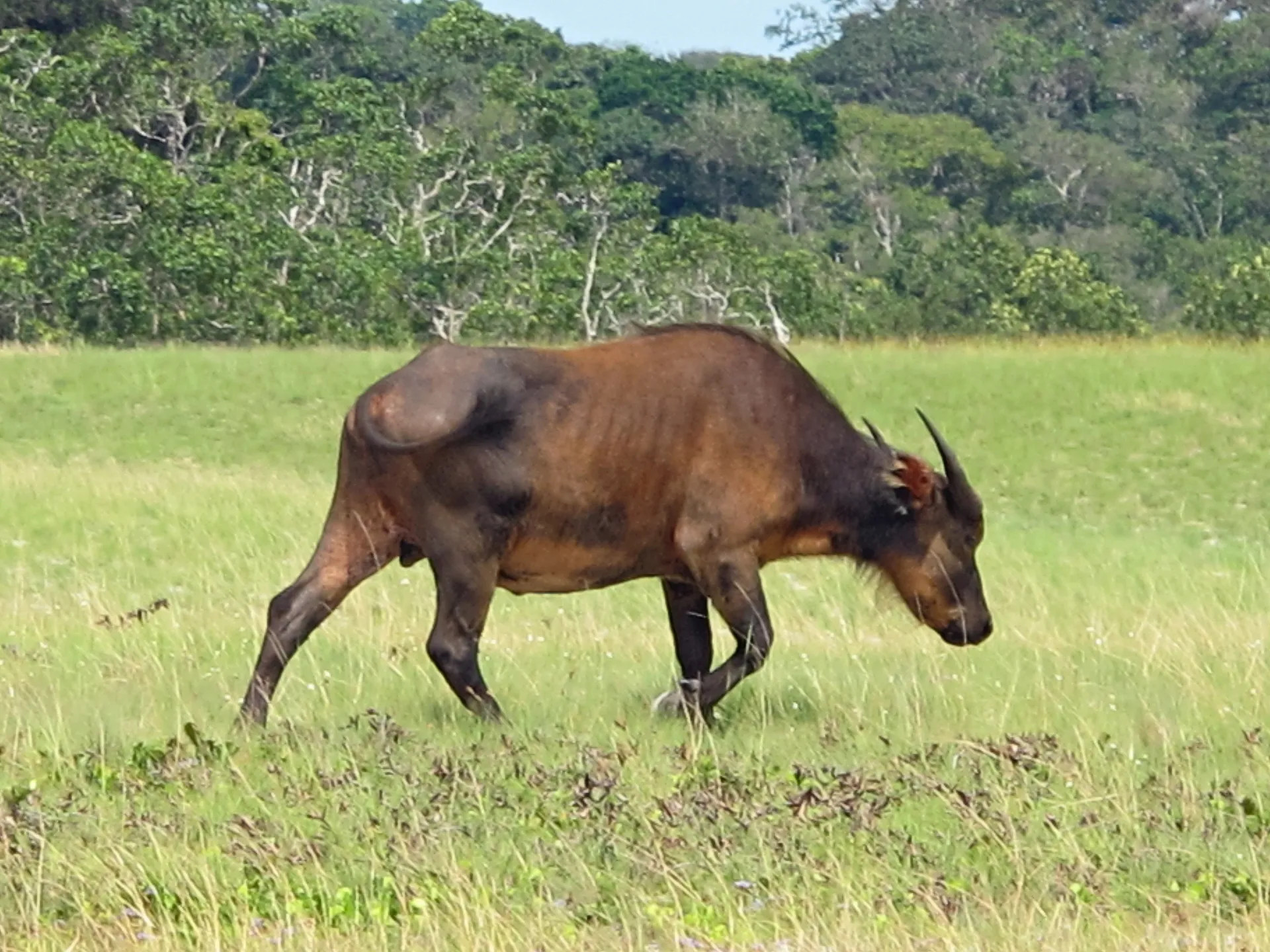
Loango National Park, a few hours by domestic flight and boat from the capital Libreville, is where that forest cover produces its most striking result. Sometimes nicknamed "Africa's Last Eden," Loango's beaches see forest elephants and buffalo emerge directly from the jungle onto the sand, and, in a behavior rarely documented anywhere else, hippos occasionally swim and wallow directly in the Atlantic surf rather than sticking to freshwater rivers and lakes. It's produced some of the most-shared wildlife photography to come out of Central Africa in recent years, animals typically associated with either forest or savanna, appearing instead against open ocean.
Libreville itself functions primarily as the logistics gateway to this wider wilderness rather than a standalone city destination, though Mont-Bouët market offers a genuine look at daily Gabonese commerce, and Pointe Denis, a short boat ride across the bay, gives an easy beach day without the full Loango expedition. Most visitors treat the capital as a one- or two-night stop before continuing on to the parks that are the country's real draw.
Western lowland gorilla tracking, available in Loango and other Gabonese reserves, offers an alternative to the more established, higher-cost gorilla trekking circuits in Rwanda and Uganda, generally with far fewer visitors given how little international attention Gabon's wildlife tourism has received to date. That obscurity cuts both ways: infrastructure remains limited, and nearly all travel requires booking through a specialized tour operator rather than independent planning.
Gabon's tourism industry is still genuinely young, built almost entirely around its rainforest and coastal wildlife rather than any broader circuit of cities or cultural sites, and that narrowness of focus is, for the specific traveler it appeals to, exactly the point: a country that chose, deliberately, to keep its forest rather than clear it, now beginning to open that choice up to the kind of visitor willing to make the effort to see what it protected.
What a trip here actually costs
$180 / day avg.
- Guesthouse in Libreville or park-adjacent lodge
- Domestic transport to Loango
- Full-board meals
- Guided beach wildlife walk
What to do at this tier
- • Guided beach walk watching for elephants and hippos, Loango National Park
- • Libreville's Mont-Bouët market visit
- • Pointe Denis beach day trip from Libreville
$450 / day avg.
- Upscale eco-lodge inside Loango National Park
- Charter flight transfers
- Full-board meals with guided game drives
- Private gorilla and elephant tracking excursions
What to do at this tier
- • Multi-day Loango National Park safari combining beach and forest game drives
- • Western lowland gorilla tracking
- • Boat safari through Loango's lagoons and mangroves
These are average estimates for planning purposes, not real-time prices — actual costs vary by season, availability, and how far ahead you book.
How to get there
Click anywhere on the world map — any airport works, not just our main hubs.
Click anywhere on the map above — any airport in the world works — to see estimated travel time and cost from there.
Times and prices are planning estimates, not live fares — always check a booking site before you commit. See the full Transport Comparison guide for the general tradeoffs of each mode.
Best time to visit
June-September, Gabon's dry season, offers the most reliable wildlife viewing and easier travel conditions; the wet season runs roughly October-May with heavy rainfall.
Safety notes
Generally safe for tourists, particularly on organized park visits; Libreville itself requires standard urban precautions, and independent travel outside the capital is limited by infrastructure rather than safety concerns.
Visa & currency
Central African CFA franc (XAF). Most nationalities require a visa in advance; confirm current requirements before booking, as Gabon's tourism infrastructure remains limited outside organized tours.
Questions people ask before visiting
Is Gabon worth visiting?
For wildlife travelers specifically, yes, and it's one of Central Africa's most underrated destinations for it. Loango National Park is one of the only places on Earth where forest elephants, gorillas, and hippos can be seen on the same beach, all within a country that's kept 88 percent of its land forested.
What is Loango National Park known for?
Loango, sometimes called 'Africa's Last Eden,' is known for wildlife directly on its Atlantic beaches, forest elephants and buffalo emerging from the jungle onto the sand, and hippos occasionally swimming in the surf, a combination of rainforest and coastal wildlife viewing found in very few other places.
Do hippos actually surf in Gabon?
Not literally surfing, but hippos have been documented swimming and wallowing directly in the ocean surf at Loango National Park's beaches, a behavior rarely observed elsewhere, since most hippo populations stick to freshwater rivers and lakes rather than the open Atlantic coastline.
How do you get to Loango National Park from Libreville?
Domestic flights connect Libreville to Port-Gentil, followed by a boat transfer into the park, or charter flights direct to Loango's airstrip. Most visitors book through a specialized tour operator given the park's remote location and lack of independent travel infrastructure.
Nearby destinations
 Okavango Delta
Okavango Delta
Botswana
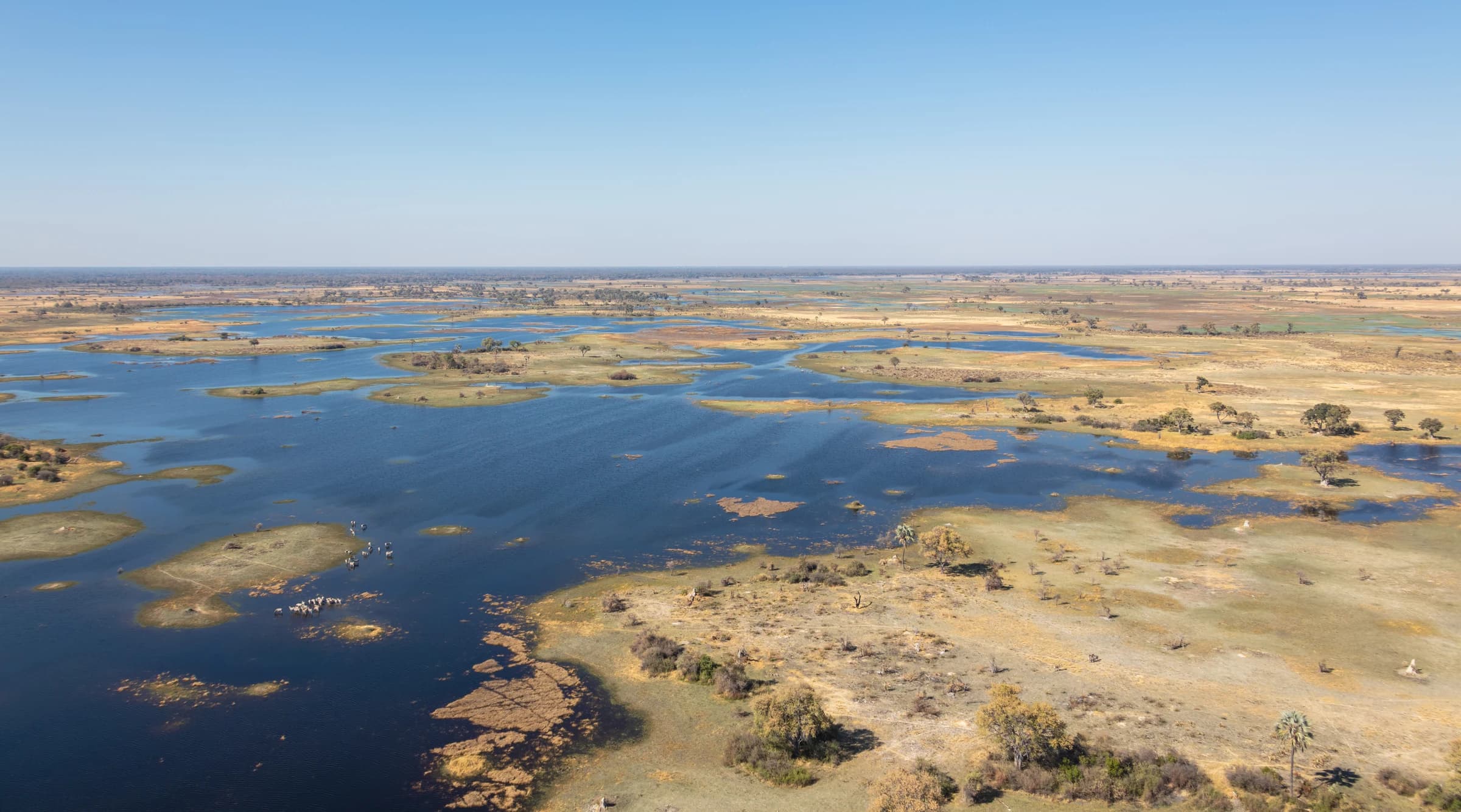
The Okavango River flows for over a thousand kilometers out of Angola's highlands and never reaches the sea — instead it spreads out across the Kalahari Desert into a massive inland delta, and the flooding actually peaks in the dry winter months, months after the rains that caused it fell hundreds of kilometers away.
See full guide →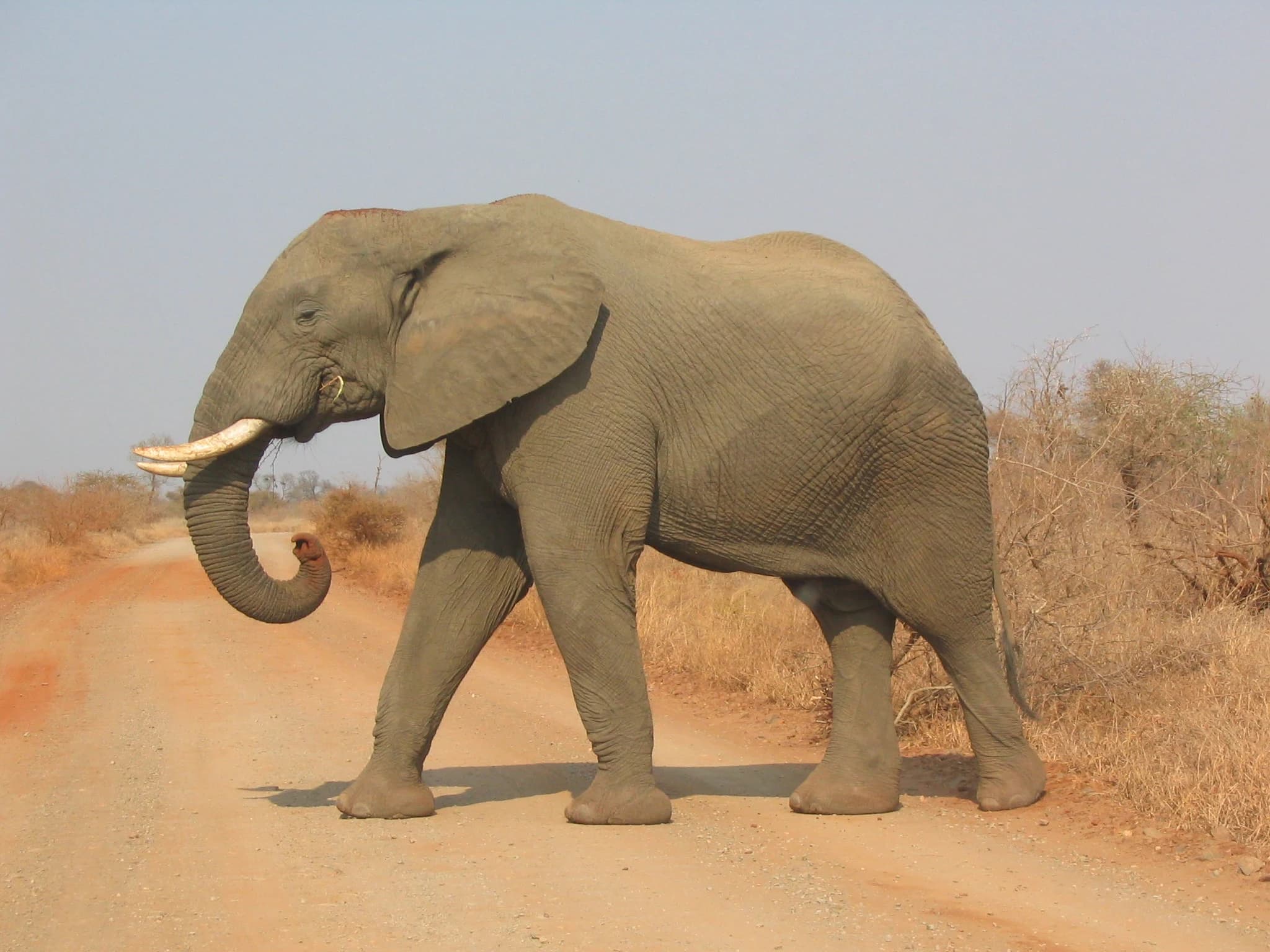 Kruger National Park
Kruger National Park
South Africa
Kruger covers roughly 19,000 square kilometers, an area larger than Wales, and unlike most of Africa's major safari destinations, it's genuinely set up for visitors to drive themselves — a paved and gravel road network lets you self-drive a real Big Five safari without ever booking a guide.
See full guide →Comparing more than one route? See the full transport comparison guide.