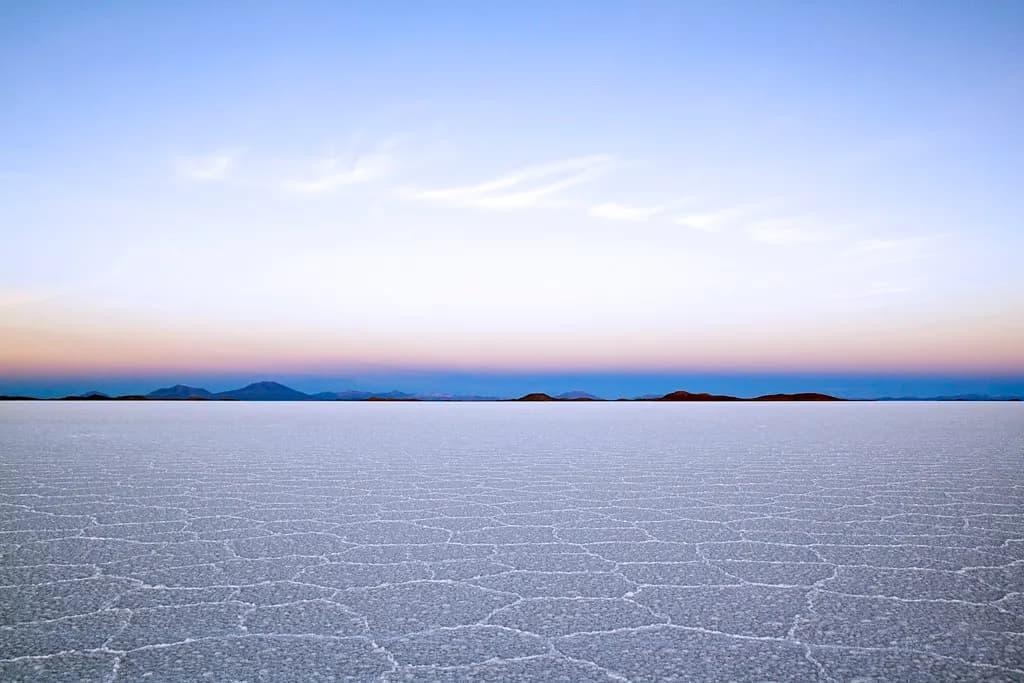
 South America
South America travel guide
South America rewards travelers who plan around distance rather than assuming everything is a short hop — bus networks here are genuinely excellent and often the more comfortable overland option, while a few key routes (like reaching Patagonia or crossing the Andes) are realistically flights. This is Wayfarly's second continent, built the same deliberate way Europe was: real pricing tiers, honest transport comparisons, no filler pages.
65 destinations, ready to compare
 Arequipa
Arequipa
Peru
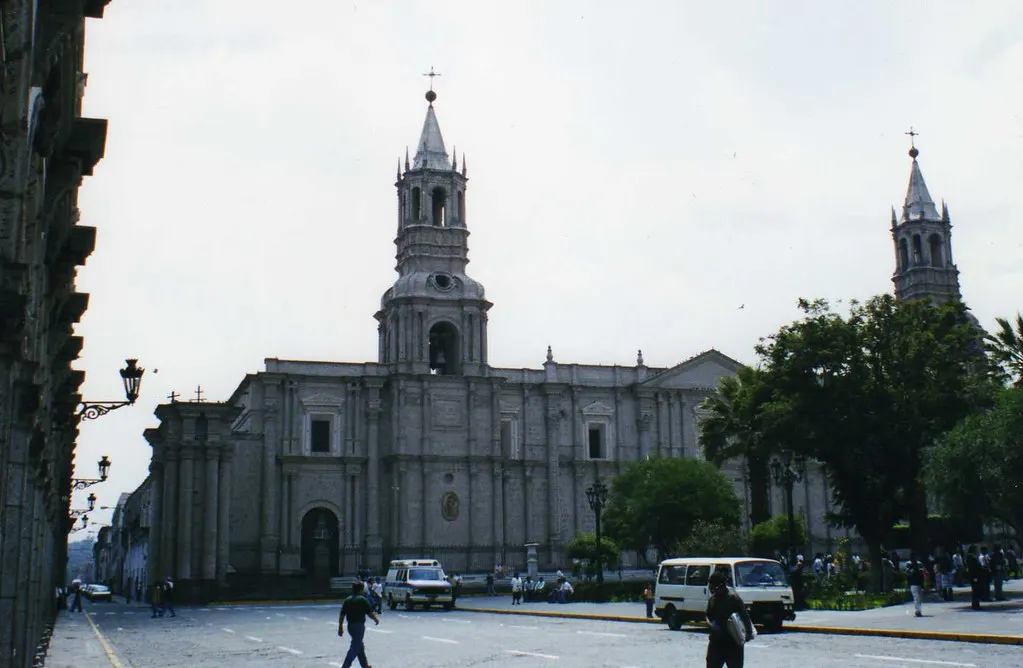
Arequipa is built almost entirely from sillar, a white volcanic stone quarried from the three volcanoes overlooking the city — enough of it that the whole historic center reflects sunlight back with a genuine, unmistakable glow that earned it the nickname "the White City."
See full guide →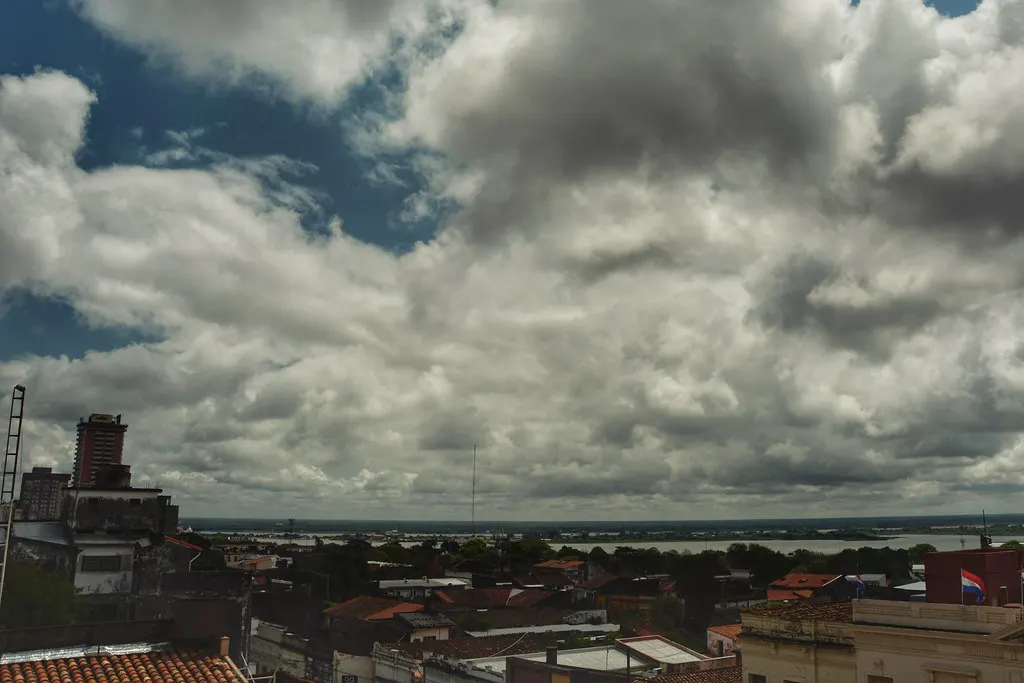 Asunción
Asunción
Paraguay
Paraguay's capital is one of the oldest cities in South America, founded in 1537, old enough that it served as the administrative base for Spanish colonization of a territory that once included parts of four other modern countries.
See full guide →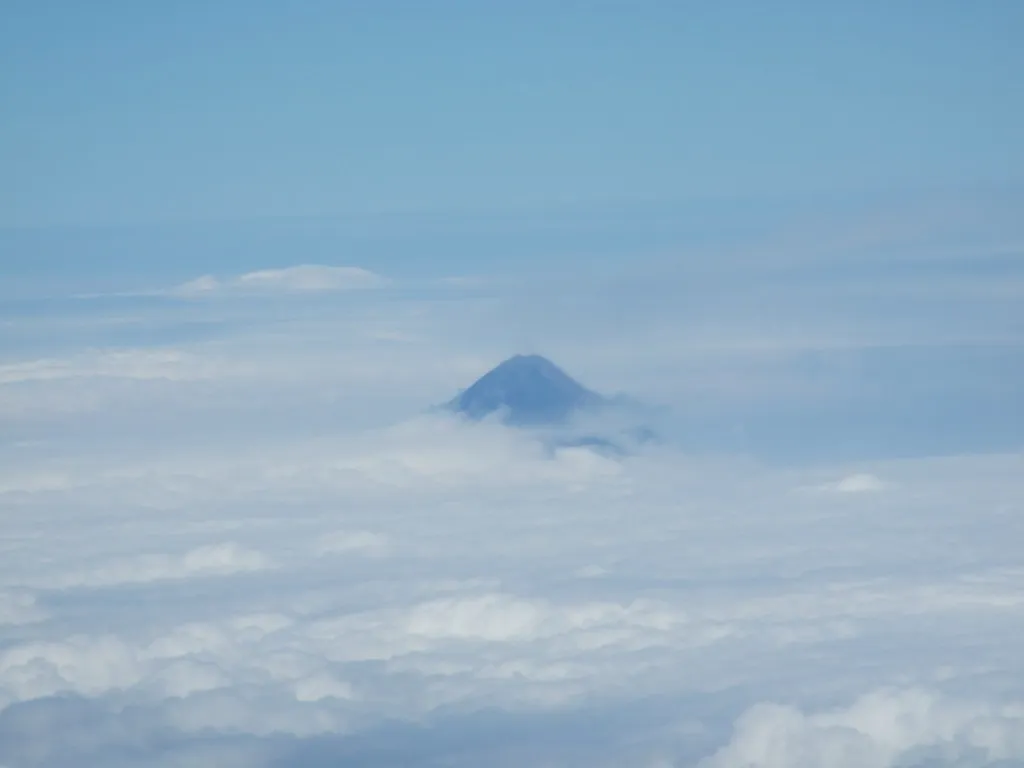 Baños
BañosBaños
Ecuador
Baños sits directly at the base of Tungurahua, an active volcano that erupted as recently as 2016 and once forced the entire town to evacuate for months — and locals rebuilt anyway, turning the town into Ecuador's adventure sports capital, thermal baths and all, in the volcano's own shadow.
See full guide →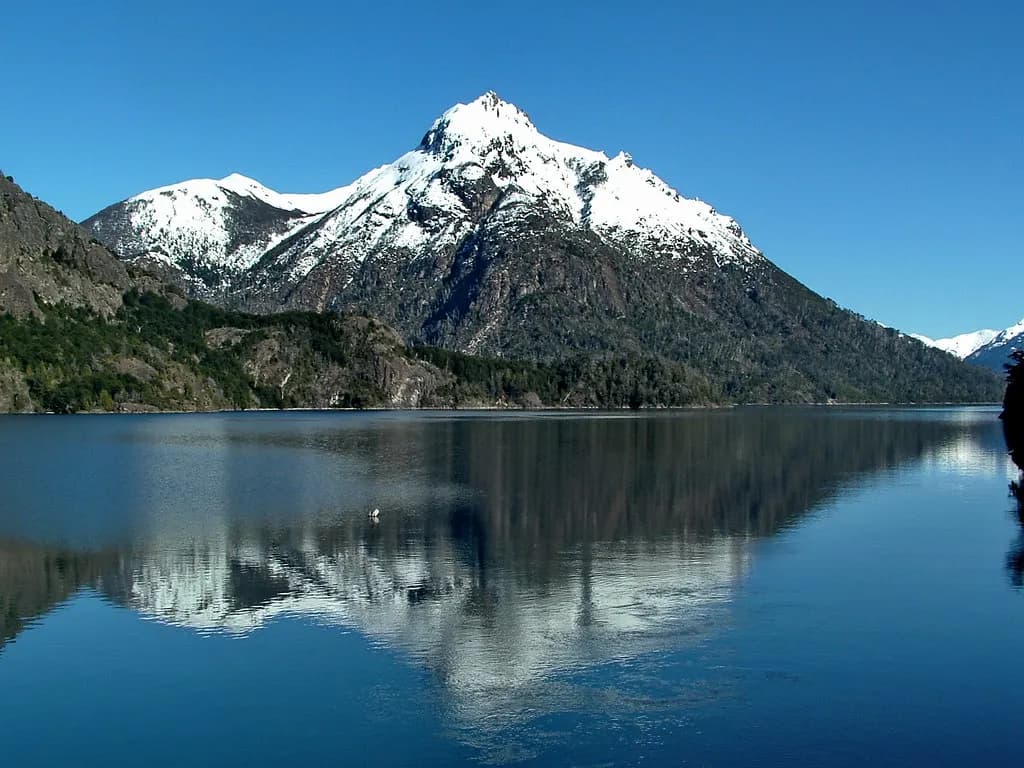 Bariloche
Bariloche
Argentina
Bariloche looks so much like the Swiss Alps that its own founders built the town in a deliberately Alpine style on purpose — chocolate shops, alpine chalets, and a lake district so extensive it takes days just to see the highlights.
See full guide →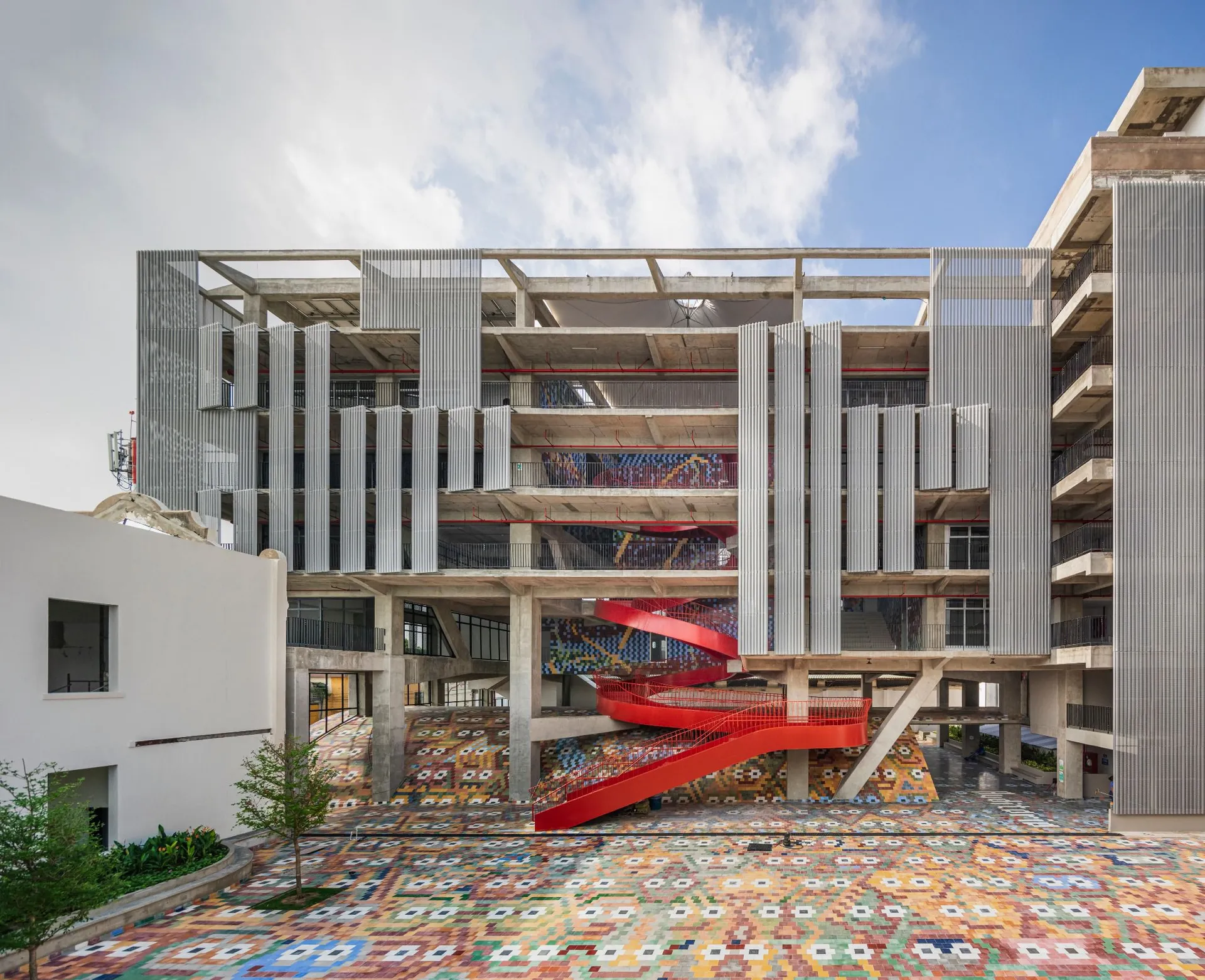 Barranquilla
Barranquilla
Colombia
Barranquilla's Carnival ranks as one of the largest in the world, trailing only Rio de Janeiro and Venice by most measures, and UNESCO has recognized it as an Intangible Cultural Heritage practice — a fitting distinction for the hometown of Shakira, whose global fame traces back to a port city long nicknamed the "Golden Gate of Colombia."
See full guide →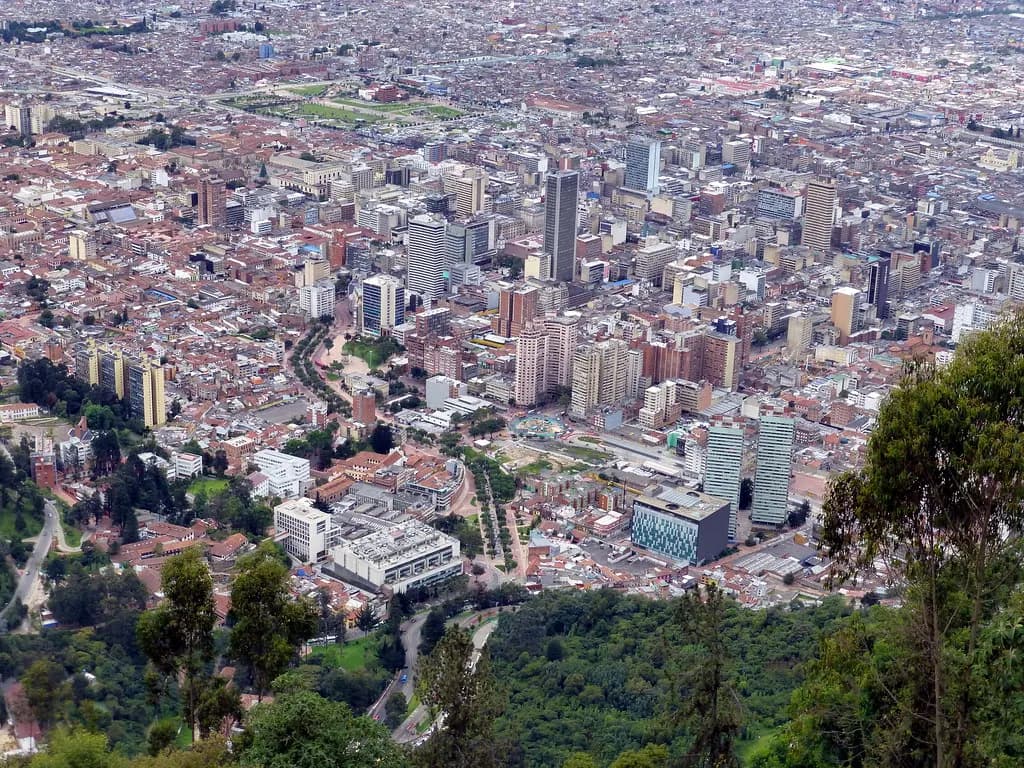 Bogotá
Bogotá
Colombia
Bogotá sits so high in the Andes — over 2,600 meters — that visitors regularly get winded walking uphill on their first day, and the city has responded by closing over 120 kilometers of its main roads to cars every Sunday morning for a citywide bike event that's been running since 1974.
See full guide →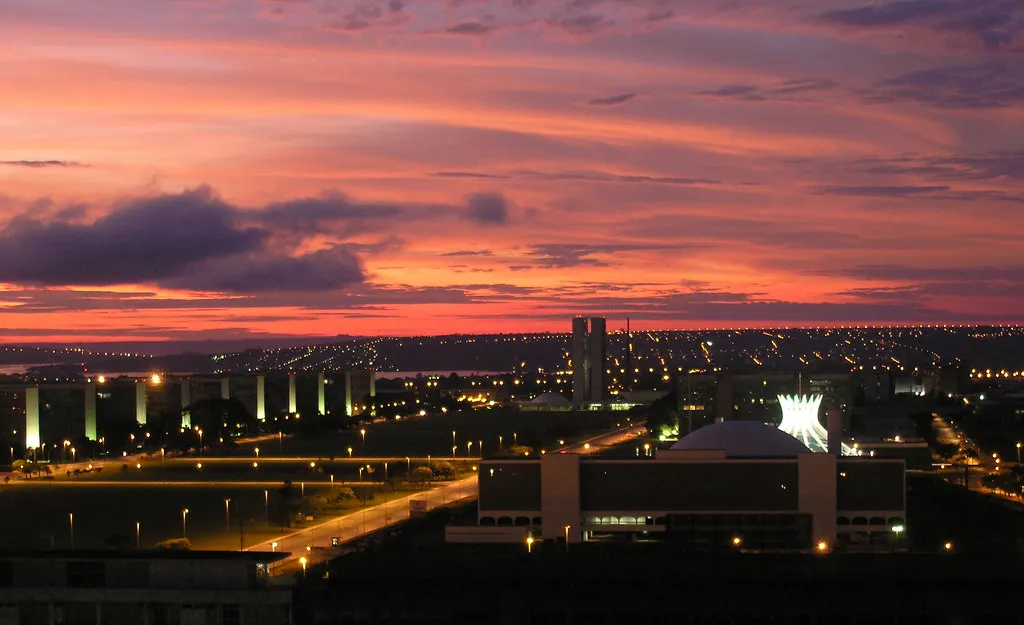 Brasília
Brasília
Brazil
Brasília didn't grow into a capital — it was designed as one, from scratch, in the shape of an airplane, and built in under four years in the middle of an empty plateau specifically to force development into Brazil's neglected interior.
See full guide →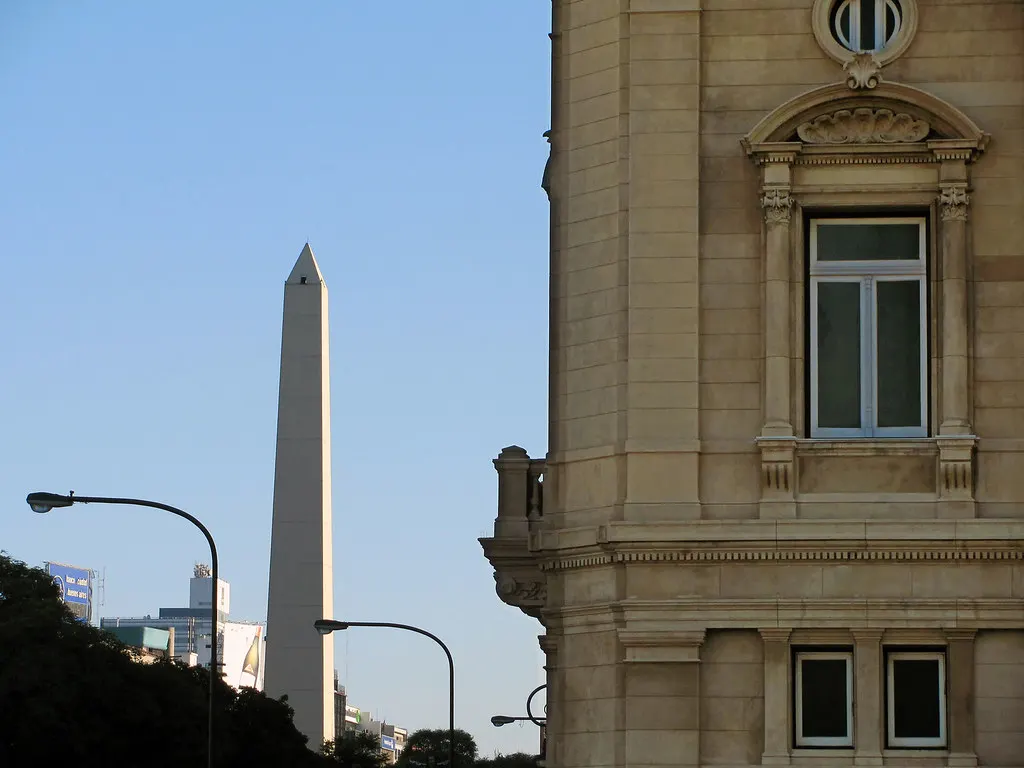 Buenos Aires
Buenos Aires
Argentina
Argentines eat more beef per person than almost any nation on Earth, dance a tango that started in the city's brothels and dockside bars in the 1880s, and built a capital so deliberately modeled on Paris that locals still call it "the Paris of South America."
See full guide →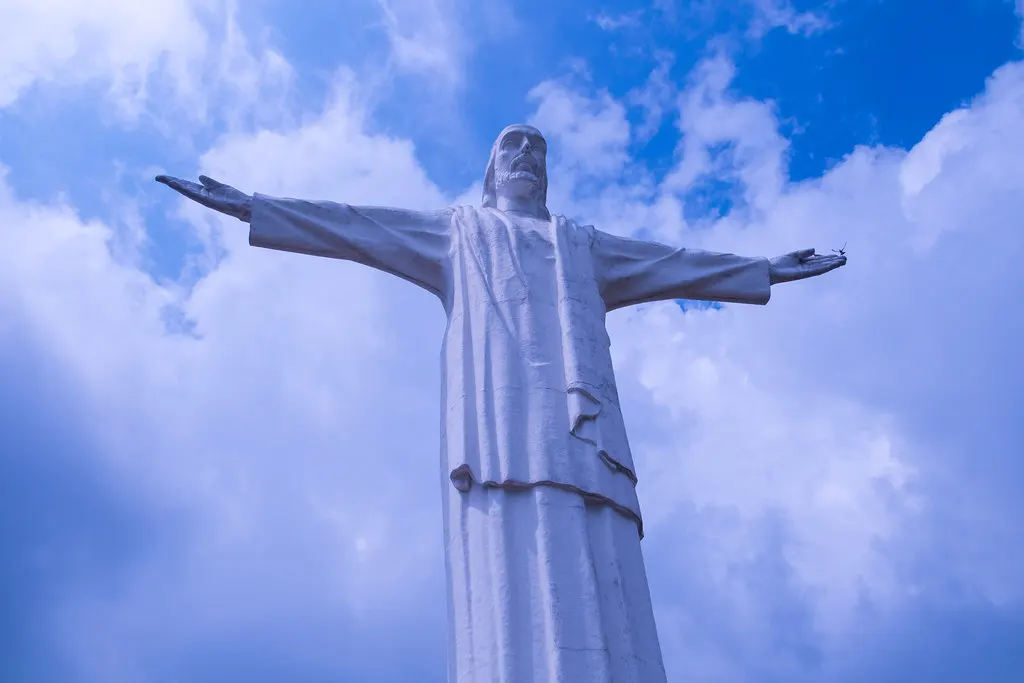 Cali
CaliCali
Colombia
Cali calls itself the salsa capital of the world, and it backs the claim with an annual world championship — locals learn to dance here before most kids elsewhere learn to ride a bike.
See full guide →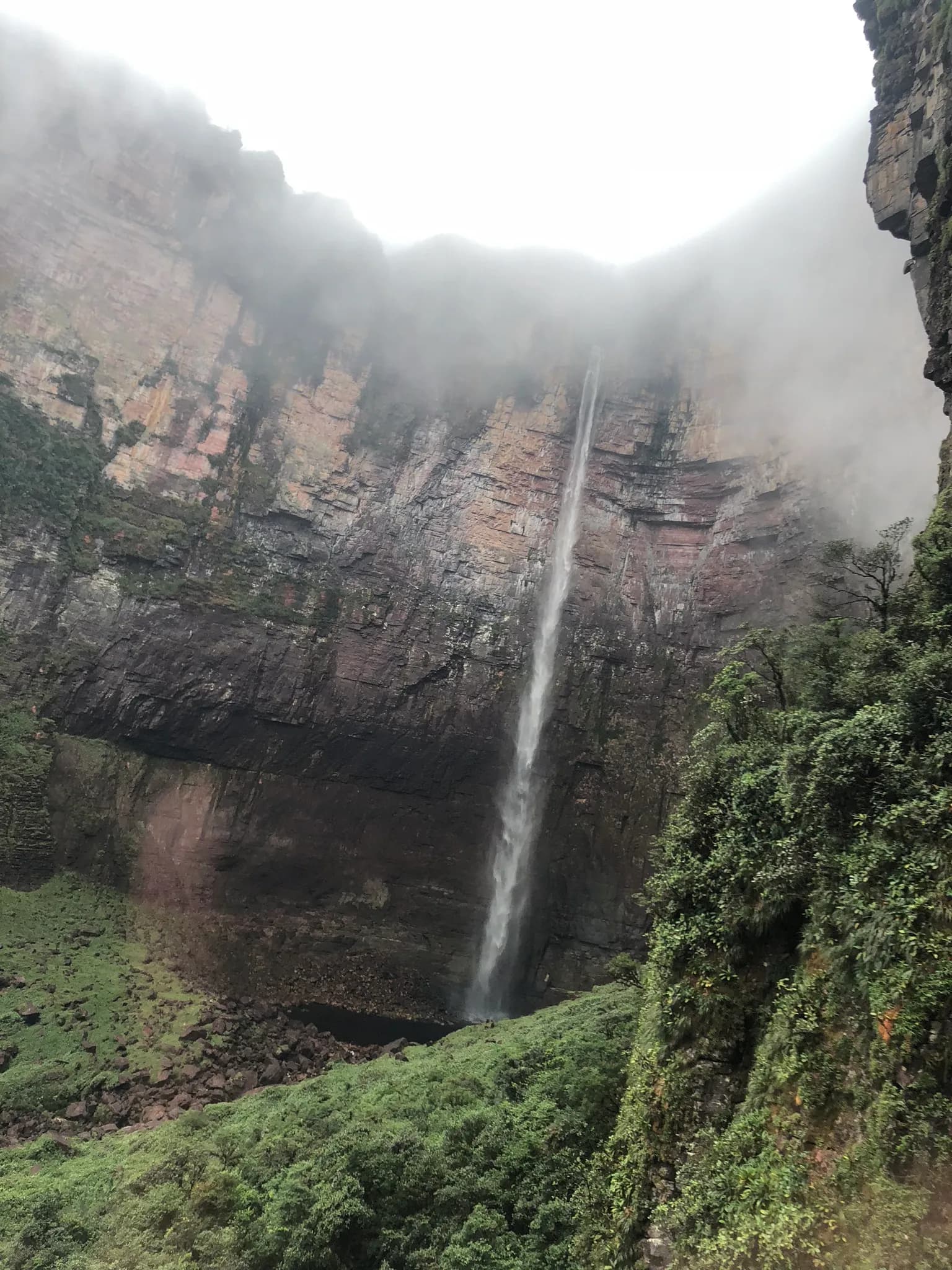 Canaima
Canaima
Venezuela
Angel Falls drops 979 meters in a single uninterrupted fall, the tallest waterfall on Earth, and the distance is so great that much of the water turns to mist and blows away on the wind before it ever reaches the pool below — named after an American aviator who spotted it from his plane in 1933 and later crash-landed near its base.
See full guide →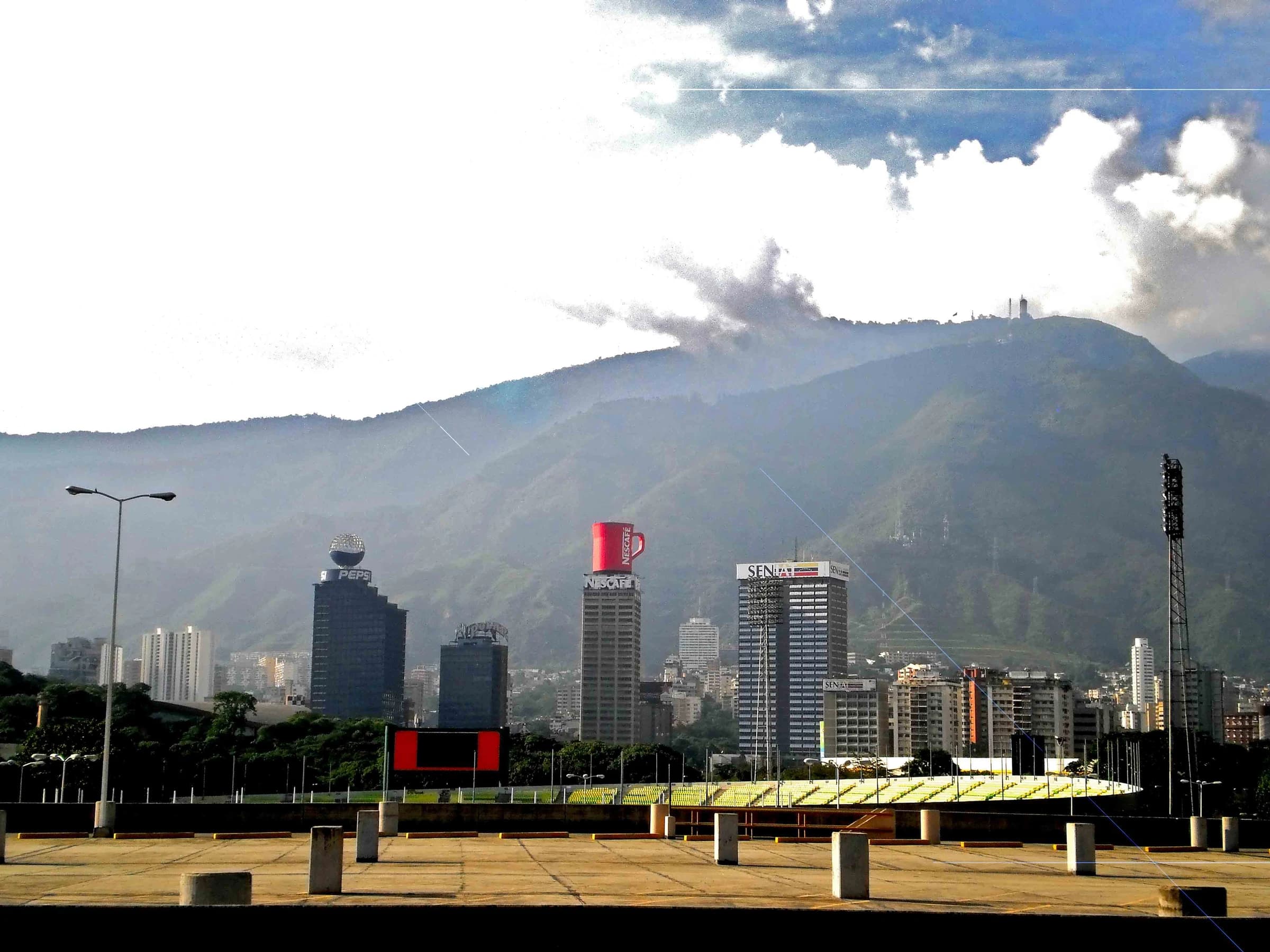 Caracas
Caracas
Venezuela
Caracas sits at roughly 900 meters in a narrow valley pinned between the Caribbean coast and the Ávila mountain, high enough that the city has never recorded a truly hot day despite lying just ten degrees north of the equator — locals call it the land of eternal spring.
See full guide →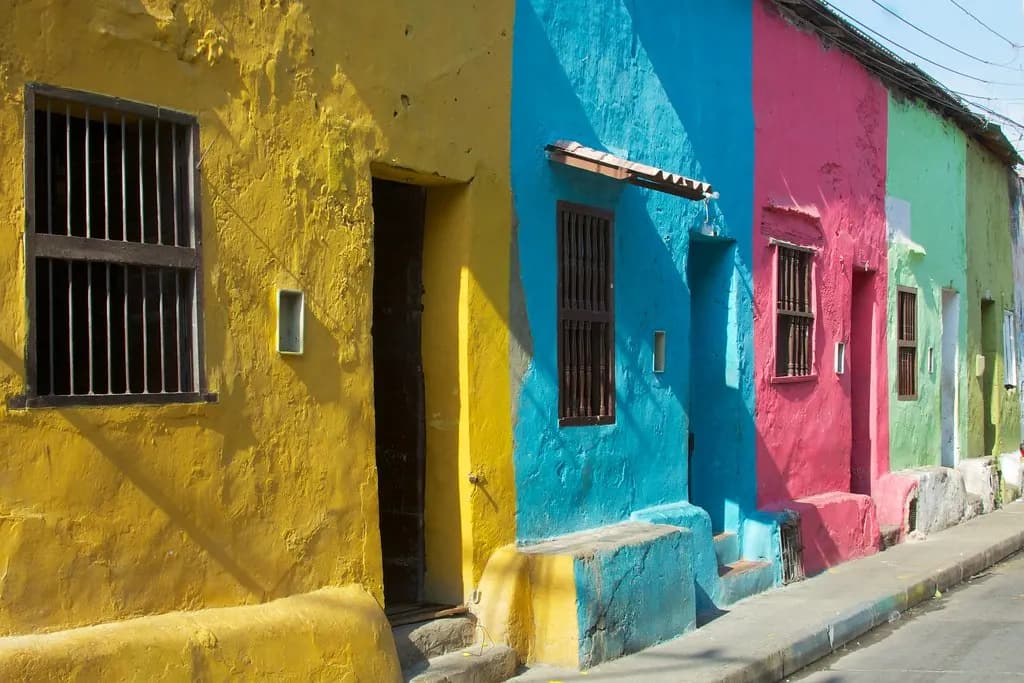 Cartagena
Cartagena
Colombia
Spain spent over 200 years building walls around Cartagena to keep pirates and English privateers out, including Francis Drake himself — the fortifications worked well enough that they're still almost entirely intact, wrapping a genuinely lived-in colonial city rather than a museum piece.
See full guide →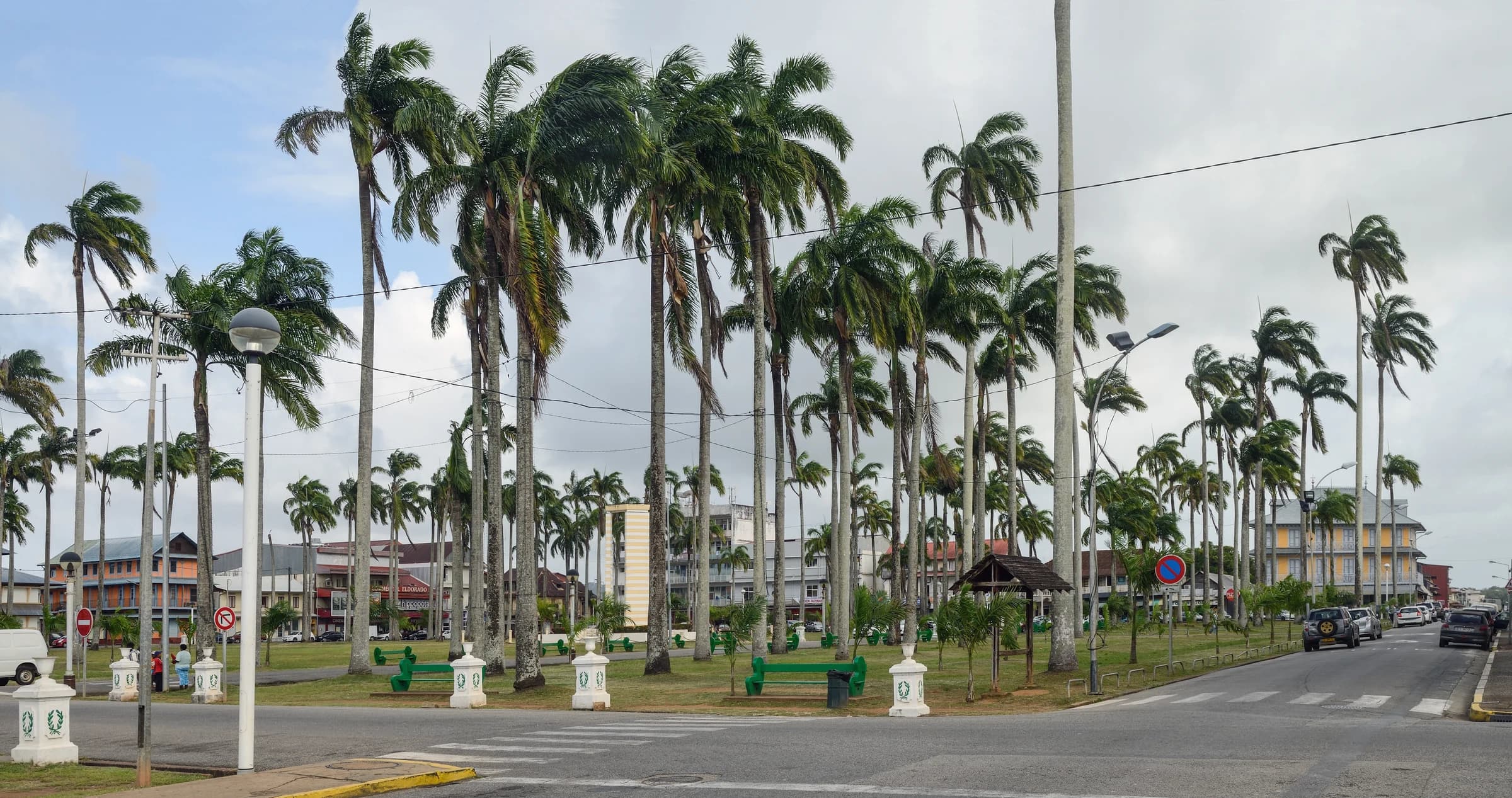 Cayenne
Cayenne
French Guiana
French Guiana isn't a country at all — it's a full region of France, using the euro and sending representatives to the French parliament, which makes Cayenne the only South American capital where you can pay in euros and never need a visa if you're an EU citizen.
See full guide →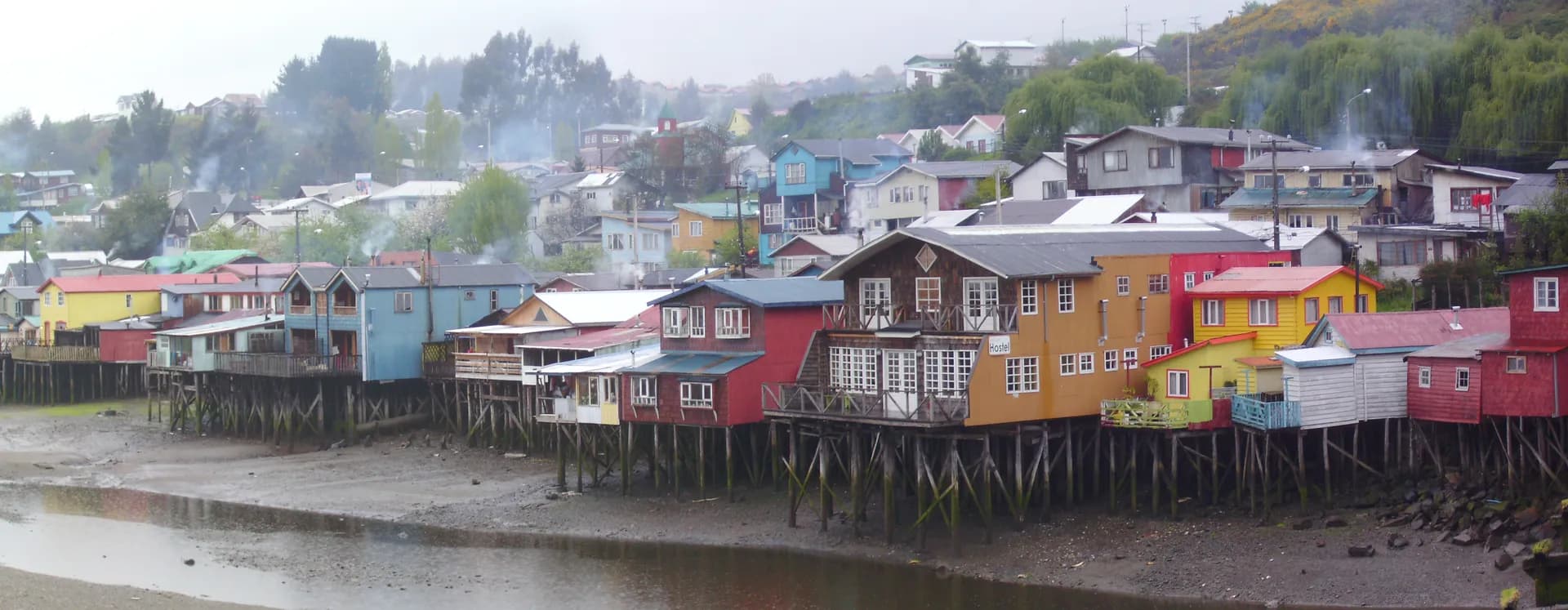 Chiloé
Chiloé
Chile
Chiloé's wooden churches were built entirely without a single nail, held together with wooden pegs and joinery techniques passed down through generations of local shipbuilders, and the island's isolation from mainland Chile ran deep enough that it developed its own distinct mythology, complete with shape-shifting sea creatures still spoken of as genuinely real by some older residents.
See full guide →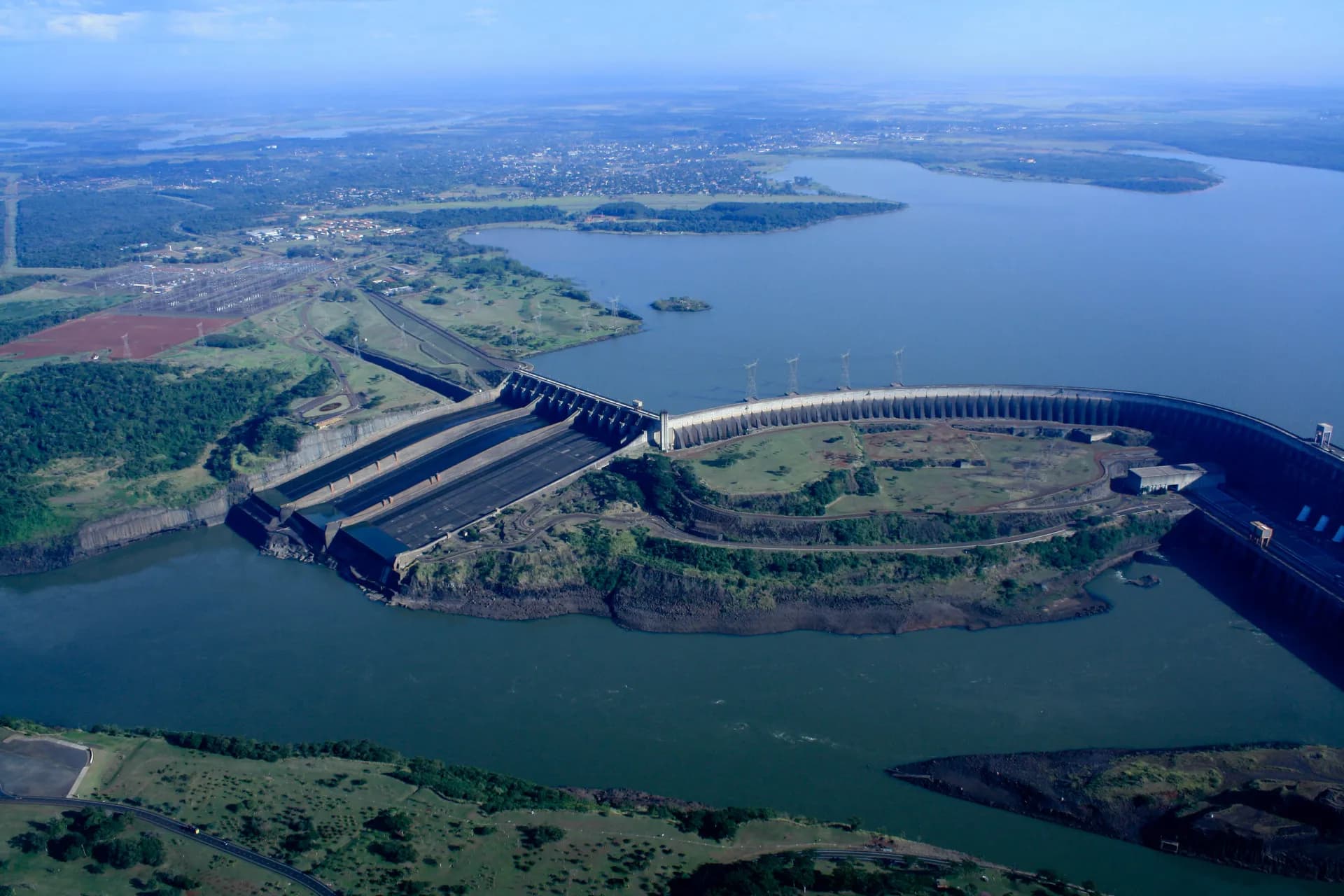 Ciudad del Este
Ciudad del Este
Paraguay
The Itaipu Dam just outside Ciudad del Este generates more electricity annually than any other dam on Earth, and it alone supplies roughly 90 percent of Paraguay's electricity, a small country running almost entirely off a single piece of infrastructure it shares with Brazil.
See full guide →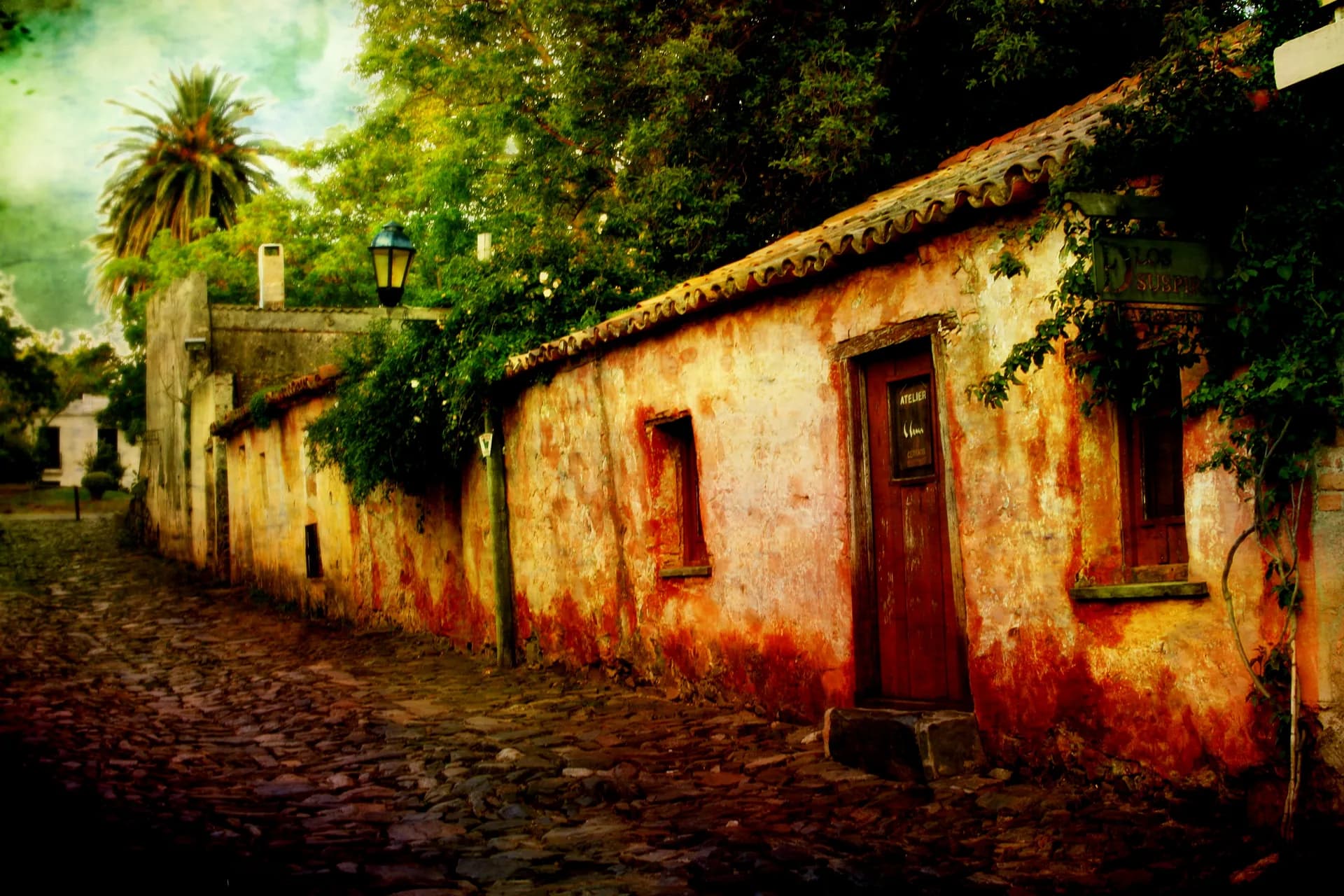 Colonia del Sacramento
Colonia del Sacramento
Uruguay
Portugal founded Colonia del Sacramento in 1680 directly across the Río de la Plata from Spanish Buenos Aires, deliberately provoking a border dispute that lasted nearly a century, and the town changed hands between the two empires so many times that its old quarter today mixes Portuguese and Spanish colonial architecture within the same few blocks.
See full guide →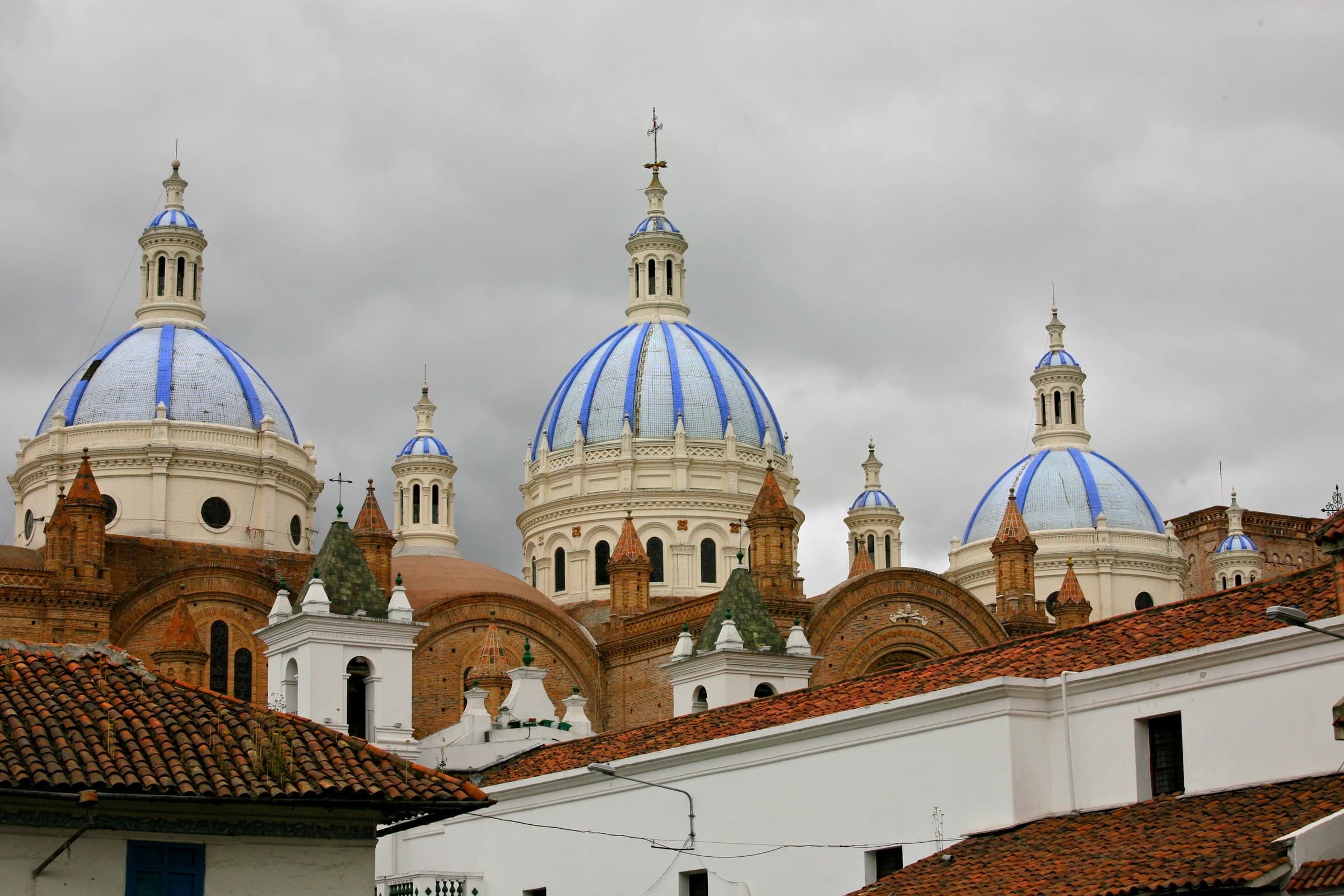 Cuenca
Cuenca
Ecuador
The Panama hat isn't from Panama at all — it's woven almost entirely in and around Cuenca, Ecuador, and got its misleading name because 19th and early 20th century exporters shipped the hats through the Panama Canal region, where travelers and eventually Theodore Roosevelt himself picked them up and made the name stick.
See full guide →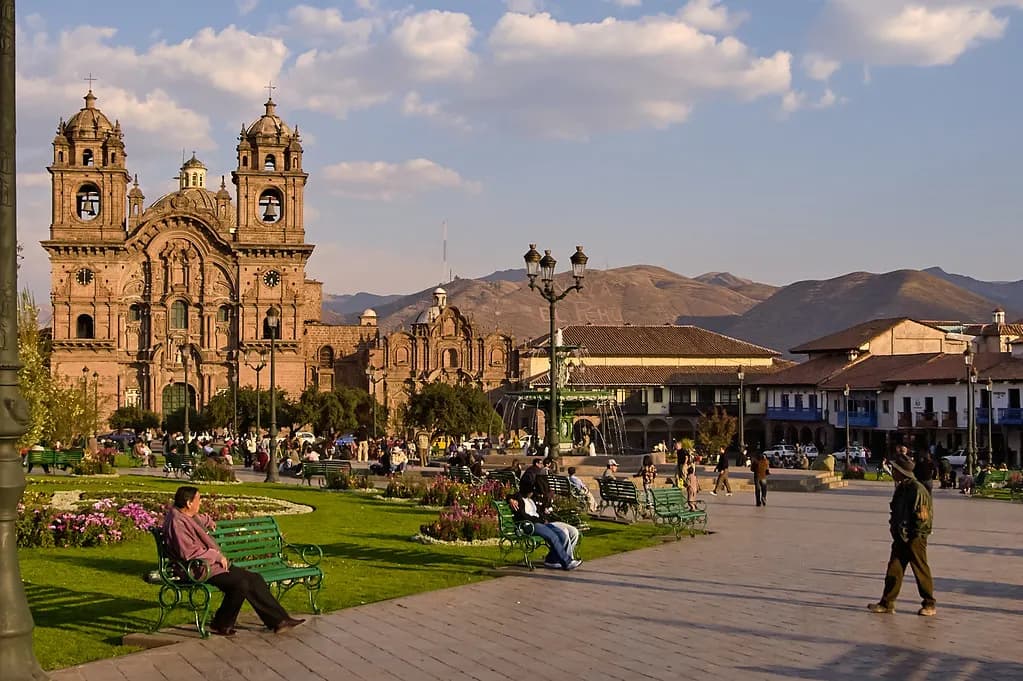 Cusco
CuscoCusco
Peru
The Inca built stone walls so precisely fitted that you still can't slide a knife blade between the blocks 500 years later — and Cusco was their capital, the literal center of an empire that stretched further than the Roman Empire at its peak.
See full guide →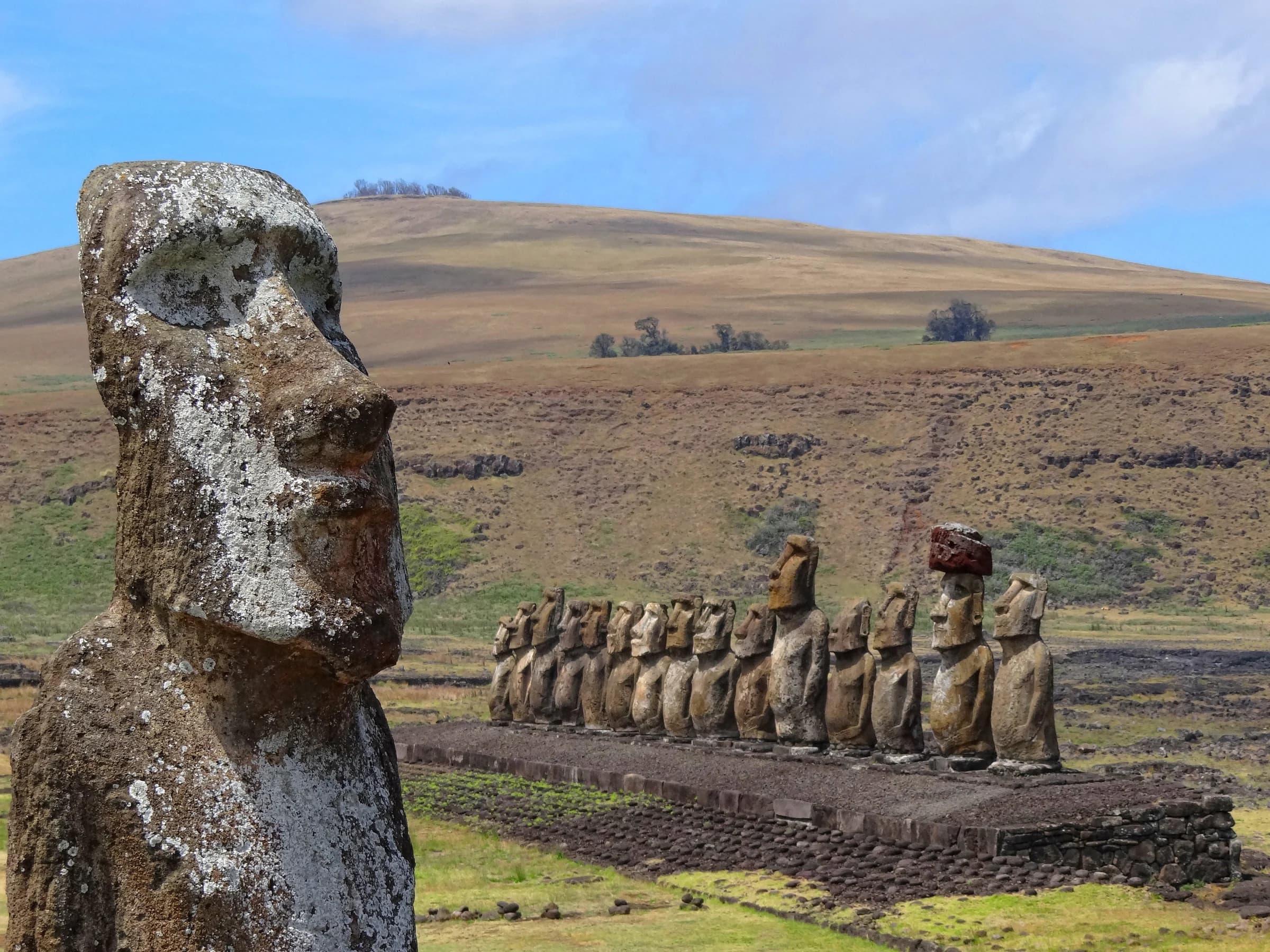 Easter Island
Easter Island
Chile
Easter Island sits roughly 3,500 kilometers from mainland Chile and over 2,000 kilometers from the nearest inhabited island, making it one of the most remote inhabited places on Earth — which makes it even more remarkable that its Rapa Nui ancestors carved and moved nearly 900 multi-ton moai statues across it centuries before any outside contact.
See full guide →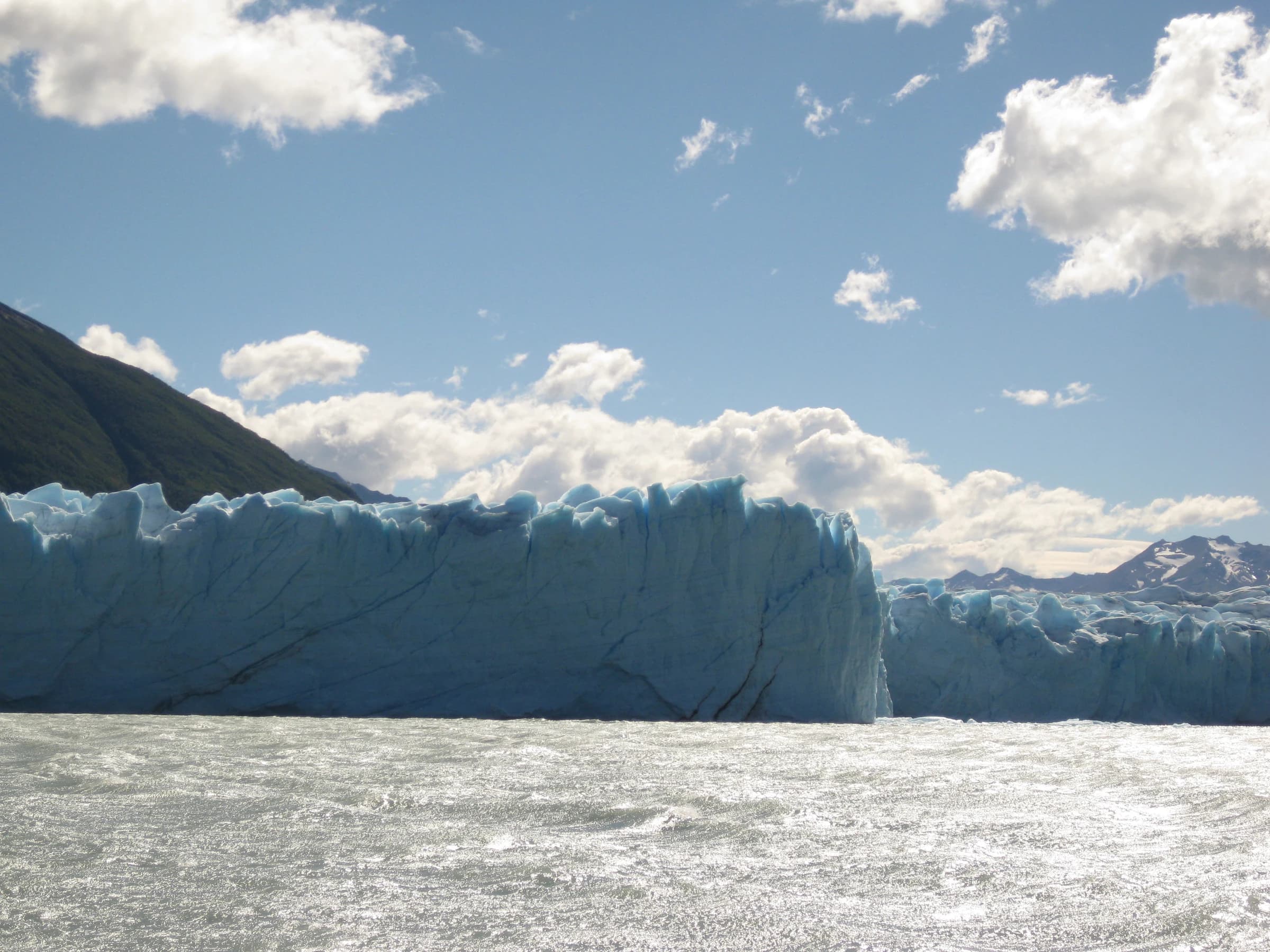 El Calafate
El Calafate
Argentina
The Perito Moreno Glacier is one of the very few glaciers on Earth that isn't retreating — it advances roughly two meters a day in places, and when massive chunks of ice calve off its 5-kilometer face into the lake below, the crack echoes across the water loud enough to hear from the viewing platforms hundreds of meters away.
See full guide →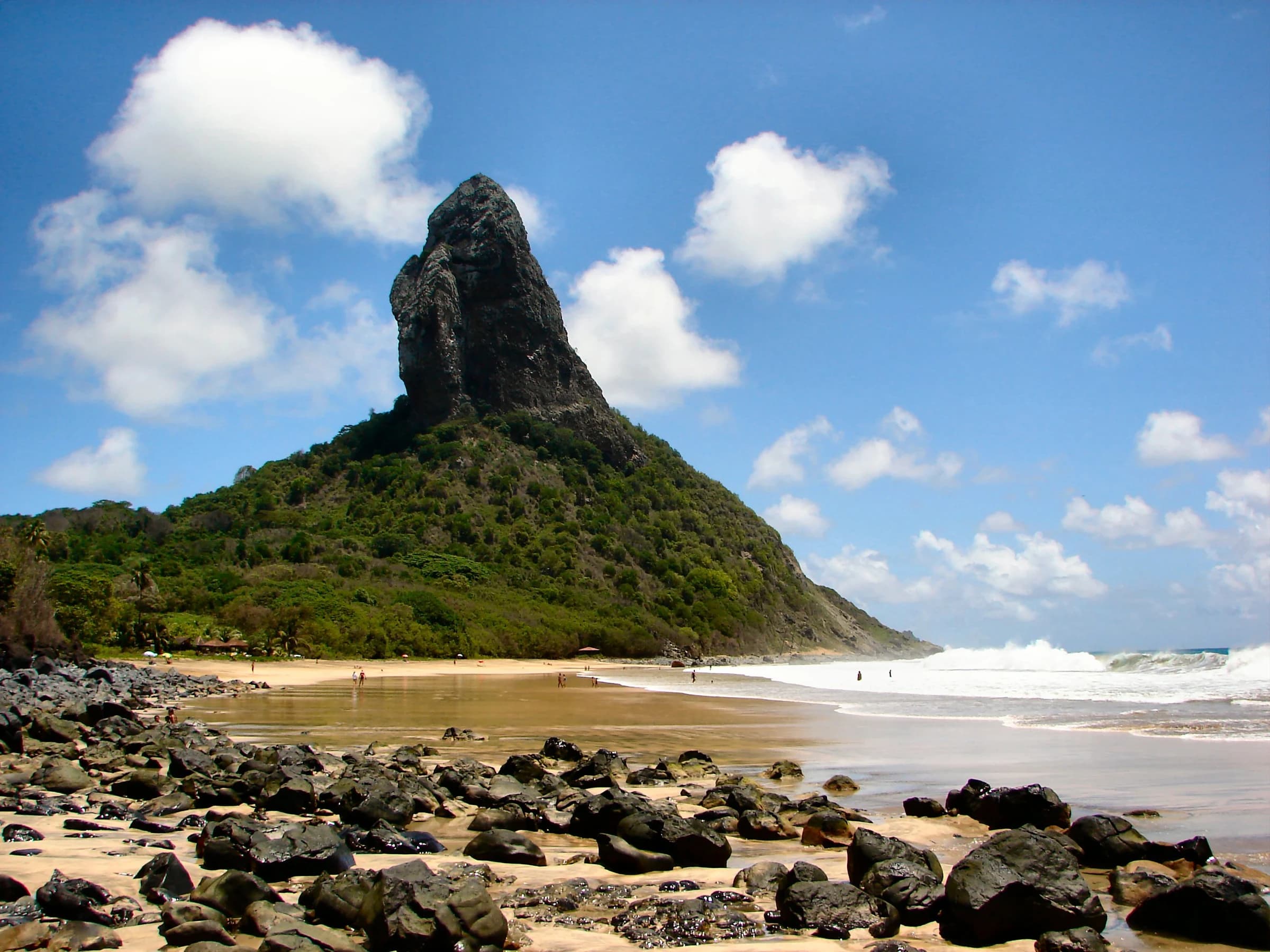 Fernando de Noronha
Fernando de Noronha
Brazil
Brazil charges every visitor to Fernando de Noronha a daily environmental tax that increases the longer you stay, a deliberate policy to limit tourist numbers on an archipelago whose Baía do Sancho has repeatedly been ranked the best beach in the world.
See full guide →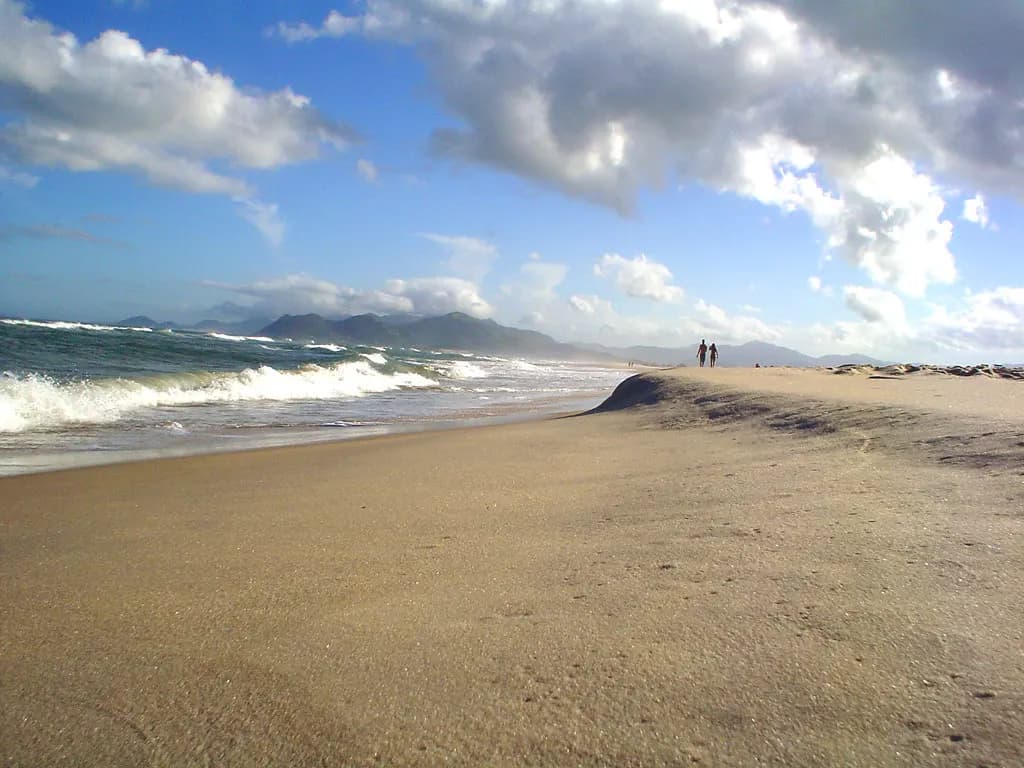 Florianópolis
Florianópolis
Brazil
This island city holds more than 40 beaches on a single stretch of Brazilian coastline, ranging from calm family bays to some of South America's most consistent surf breaks — locals just call it "Floripa" and treat the whole island like a long weekend that never quite ends.
See full guide →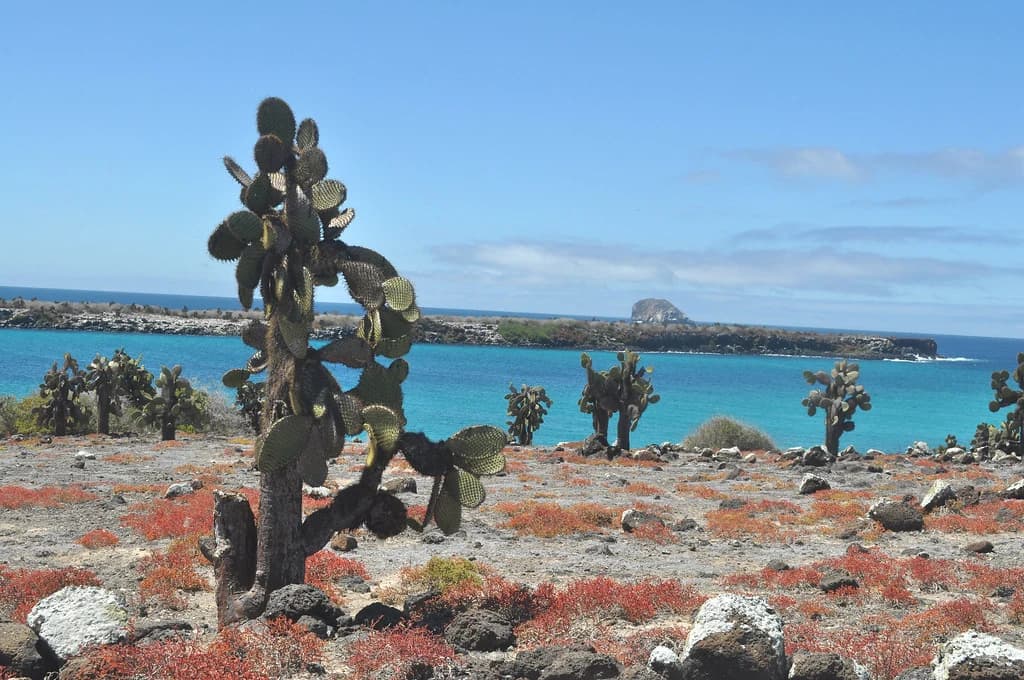 Galápagos Islands
Galápagos Islands
Ecuador
The giant tortoises that gave the Galápagos their name show almost no fear of humans, and neither do the marine iguanas, sea lions, or blue-footed boobies — a direct result of evolving for millions of years with no land predators, which is exactly the kind of undisturbed natural laboratory that let Charles Darwin piece together the theory of evolution in 1835.
See full guide →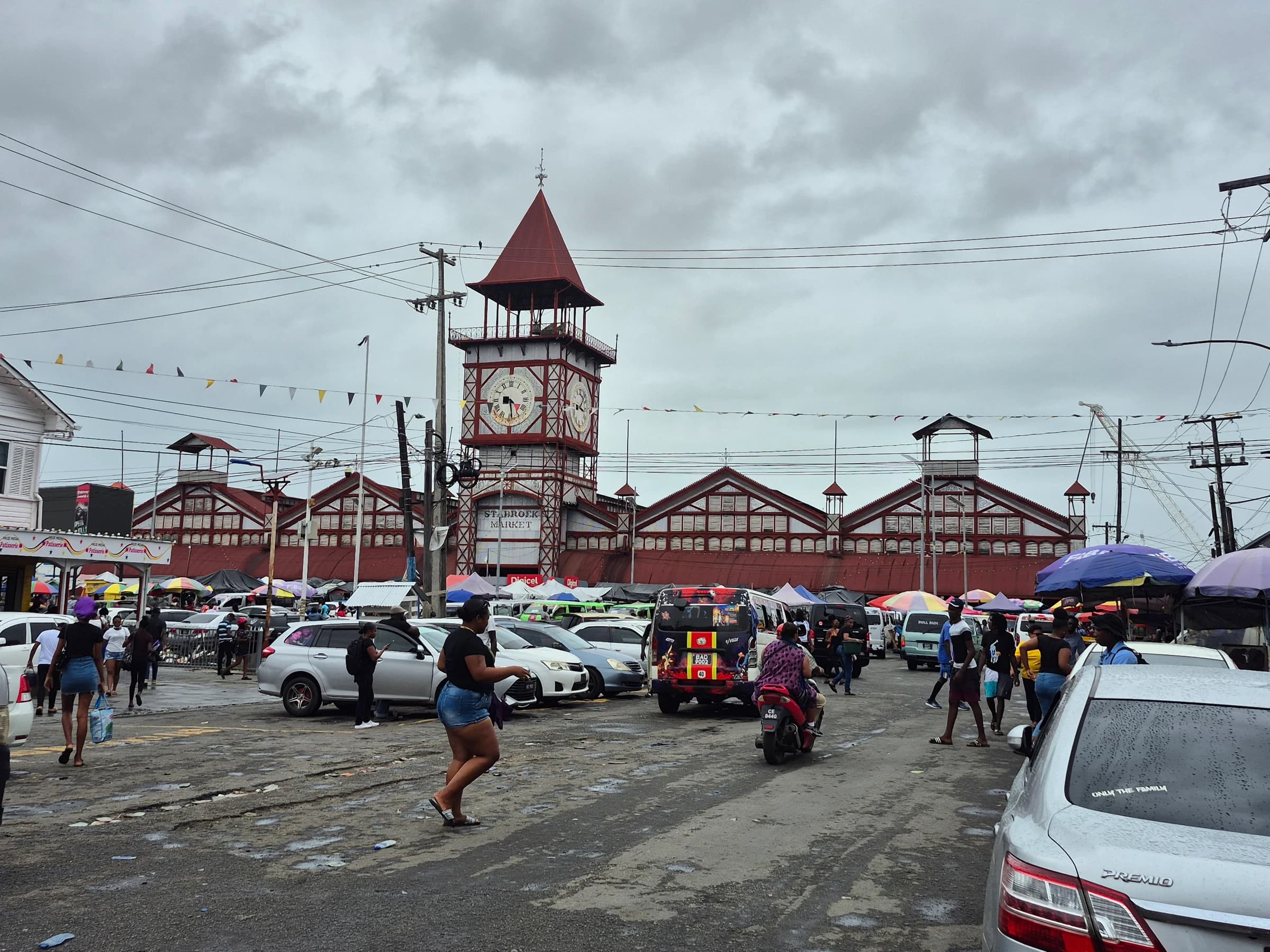 Georgetown
Georgetown
Guyana
Guyana is the only country in South America where English is the official language, a legacy of British rule that also left Georgetown with St. George's Cathedral, one of the tallest wooden buildings on Earth, built entirely without structural steel.
See full guide →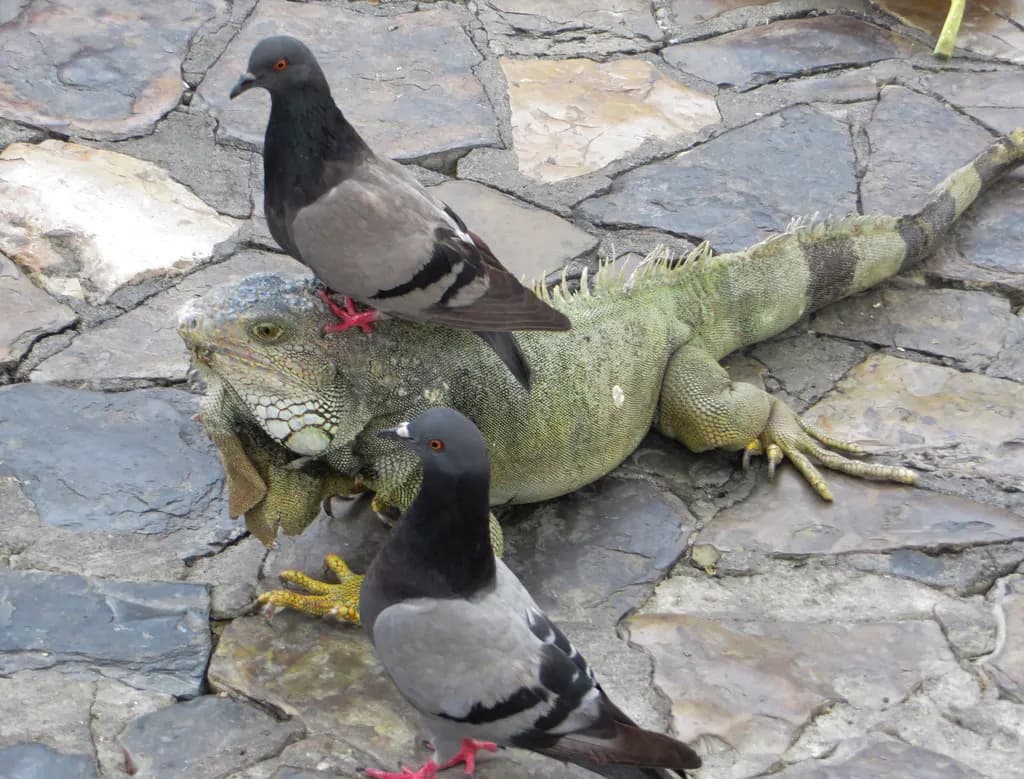 Guayaquil
Guayaquil
Ecuador
Guayaquil spent decades known mainly as Ecuador's rougher port city — then it rebuilt its entire riverfront into a two-and-a-half-kilometer public promenade and turned a formerly dangerous hillside slum into one of its most colorful, visited neighborhoods.
See full guide →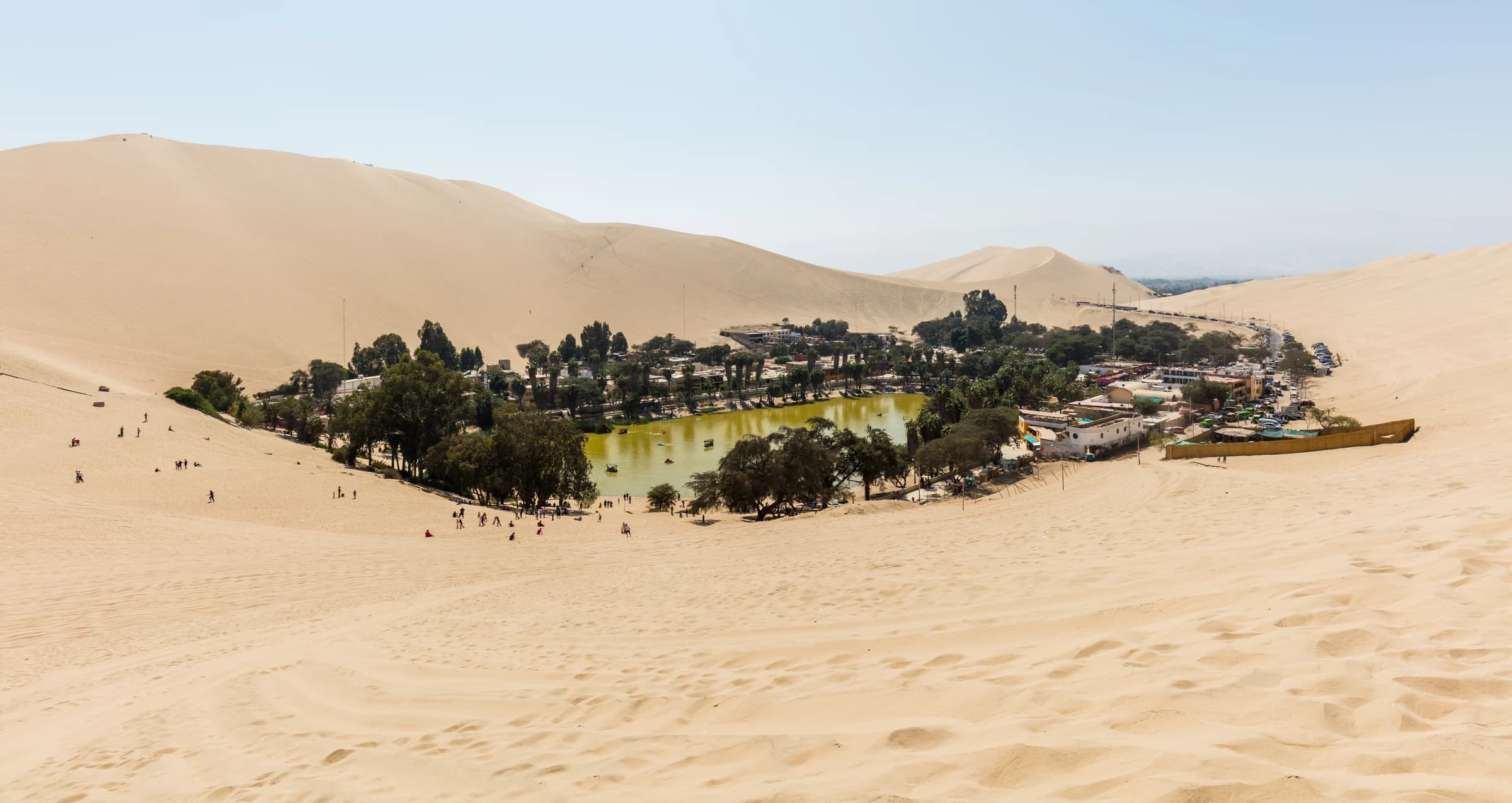 Huacachina
Huacachina
Peru
Huacachina is a genuine desert oasis built around a small natural lagoon, ringed by sand dunes over 100 meters tall, and the whole village is small enough that most of it can be walked in about ten minutes.
See full guide →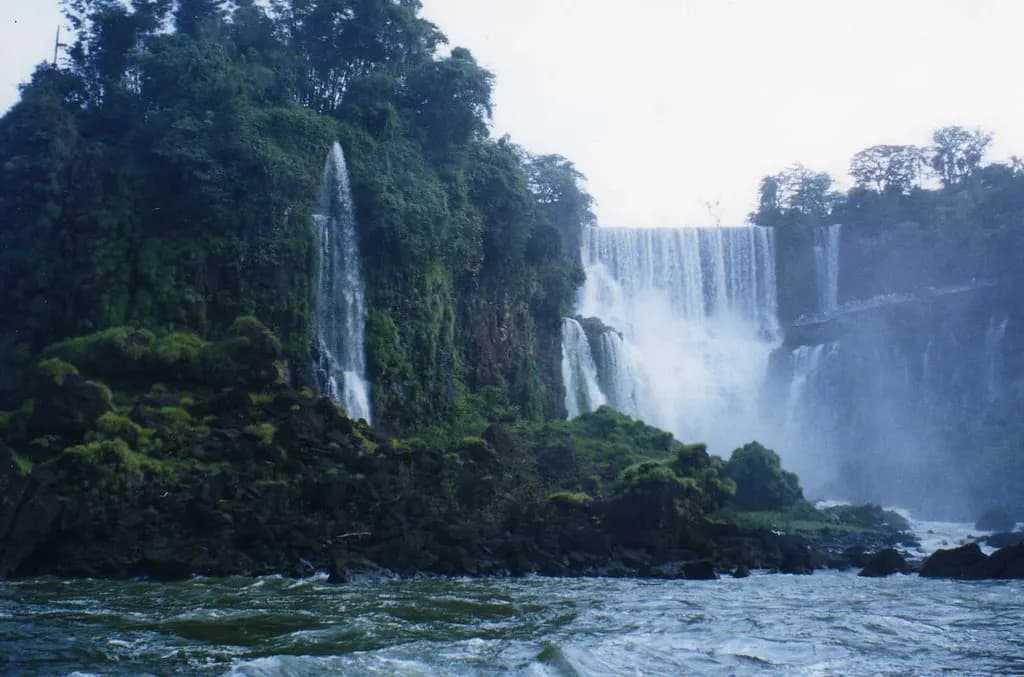 Iguazú Falls
Iguazú Falls
Argentina
Iguazú Falls is wider than Niagara and taller than Victoria Falls, and the comparison locals love to repeat is Eleanor Roosevelt's reported first reaction on seeing it: "Poor Niagara."
See full guide →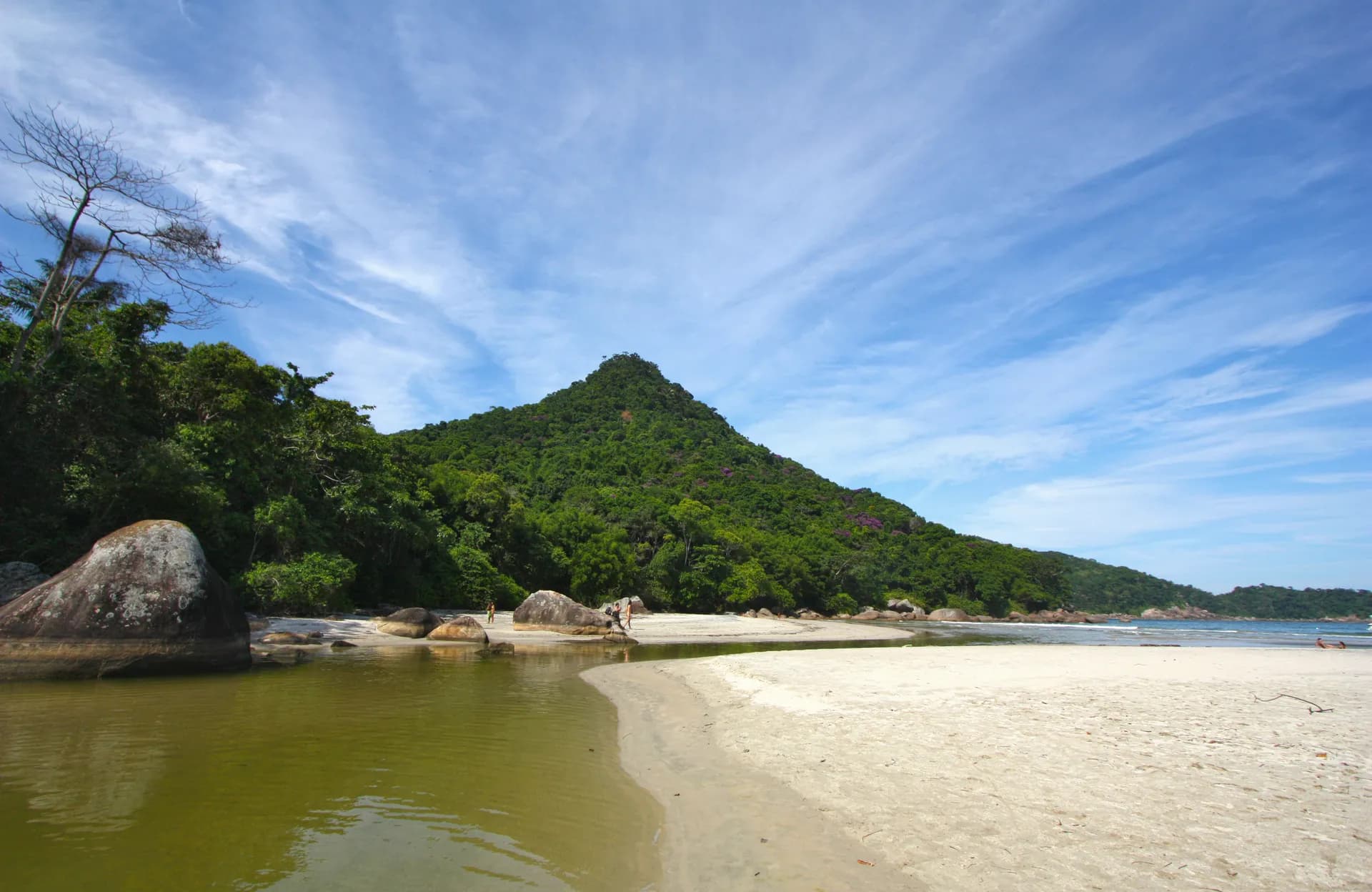 Ilha Grande
Ilha Grande
Brazil
Ilha Grande spent decades as the site of one of Brazil's most notorious maximum-security prisons, which kept development and even paved roads off the island entirely — the prison closed in 1994, and that same enforced isolation is now the reason the island's beaches rank among Brazil's most pristine.
See full guide →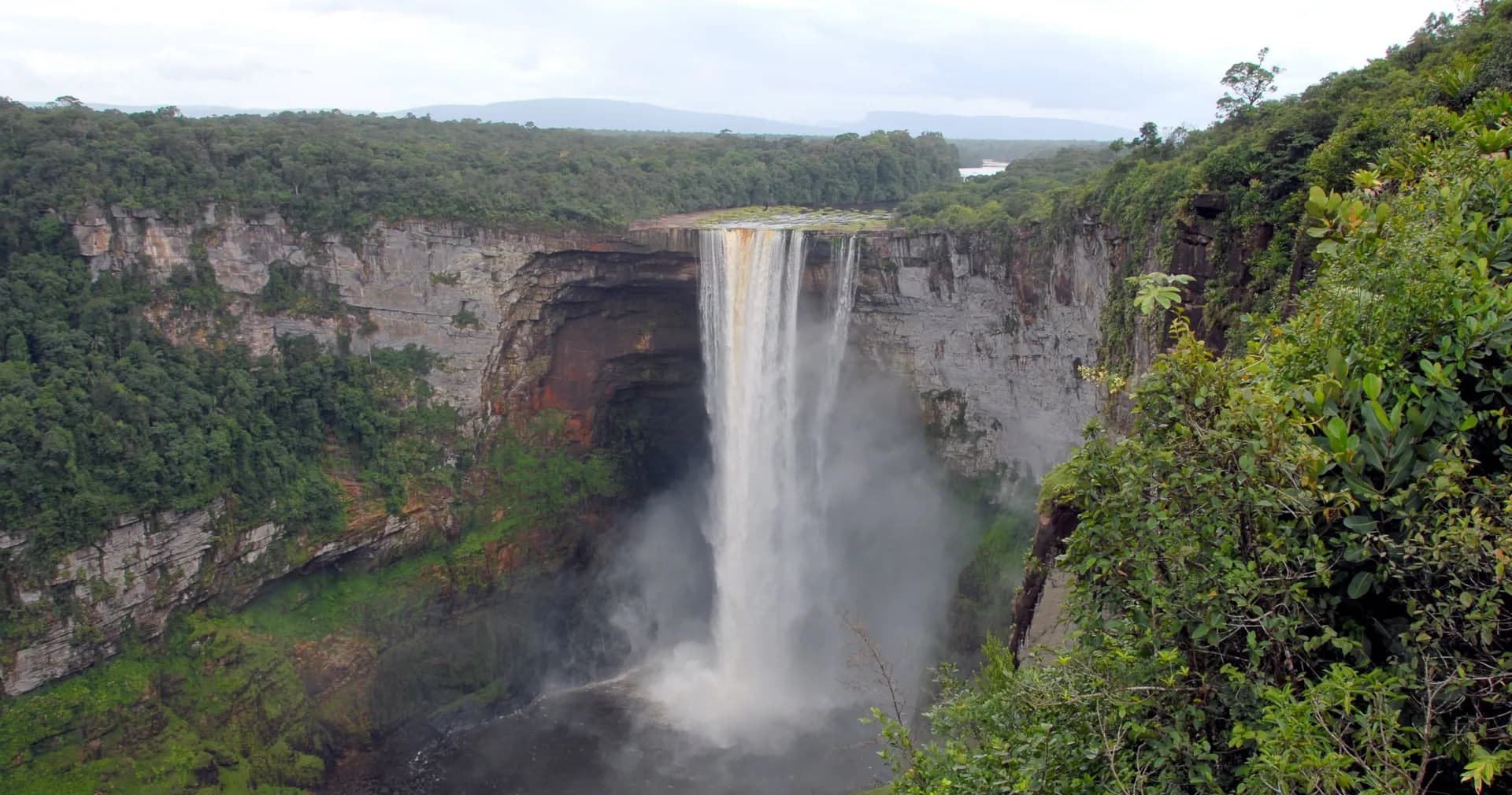 Kaieteur Falls
Kaieteur Falls
Guyana
Kaieteur Falls drops water in a single, uninterrupted plunge nearly five times the height of Niagara Falls, and by volume of water combined with that drop height, it's regularly cited as the world's largest single-drop waterfall — reachable only by small plane or a multi-day jungle trek.
See full guide →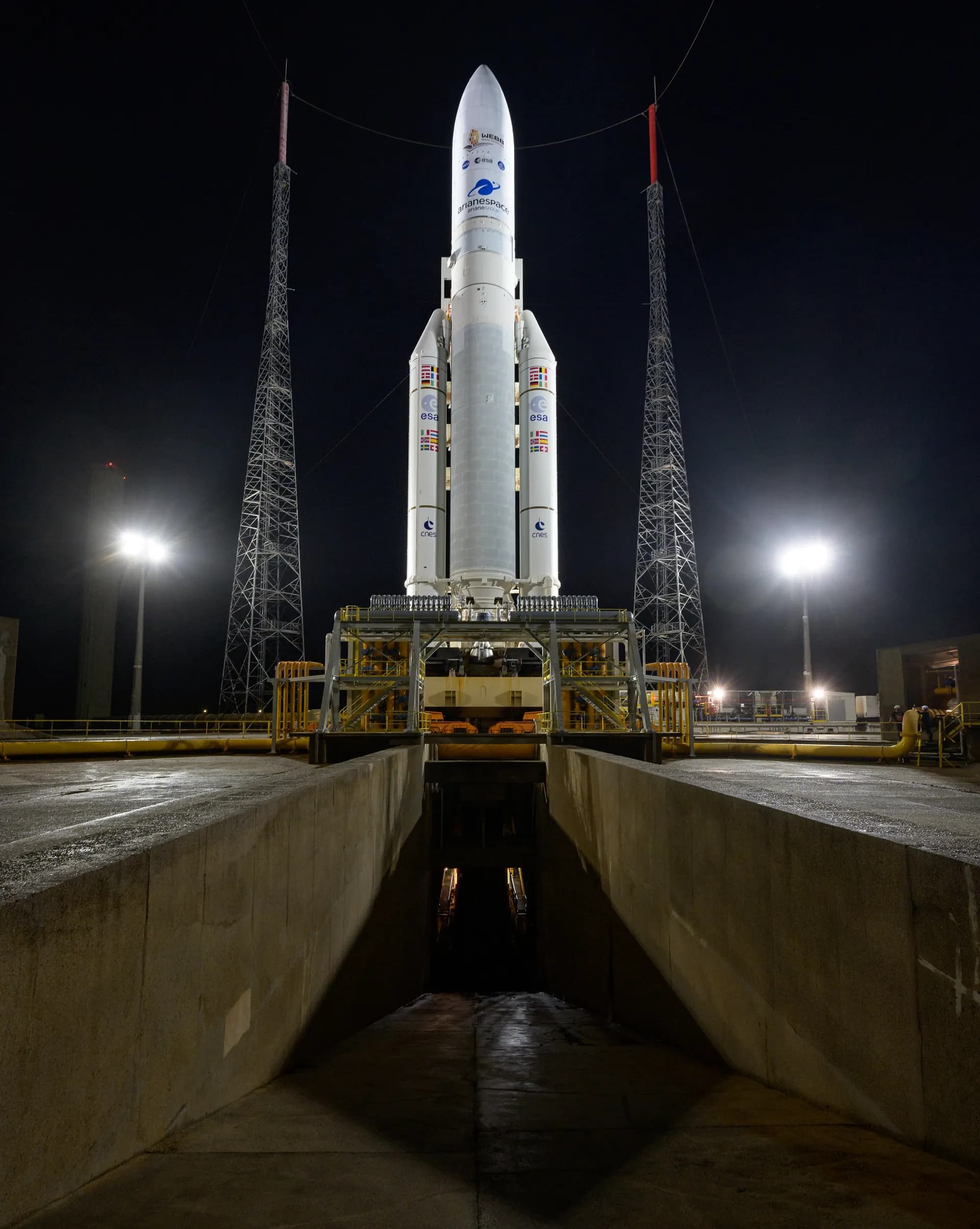 Kourou
Kourou
French Guiana
Europe launches its rockets from South America. The Guiana Space Centre at Kourou has served as the primary spaceport for the European Space Agency since 1968, chosen specifically for a location near the equator where Earth's rotation gives every rocket a genuine speed boost.
See full guide →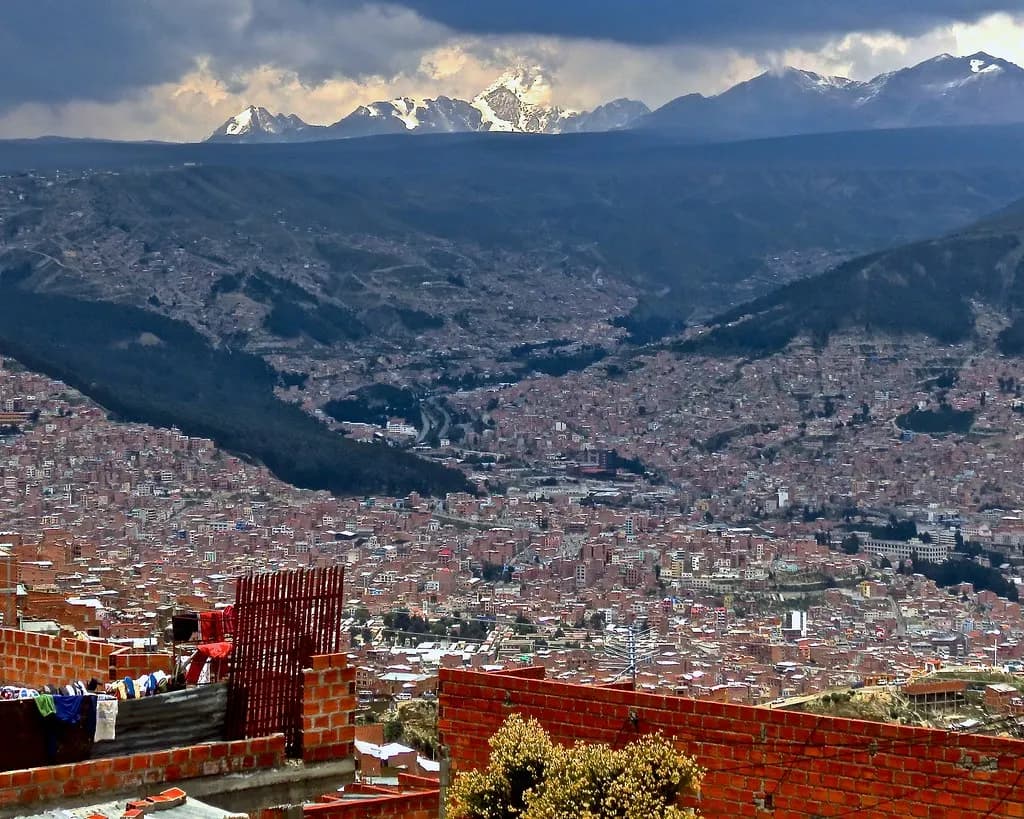 La Paz
La Paz
Bolivia
La Paz sits so high — over 3,600 meters at its lowest point — that the city built the largest urban cable car network on Earth just to move people up and down the canyon it's built into, since regular buses and roads couldn't handle the terrain.
See full guide →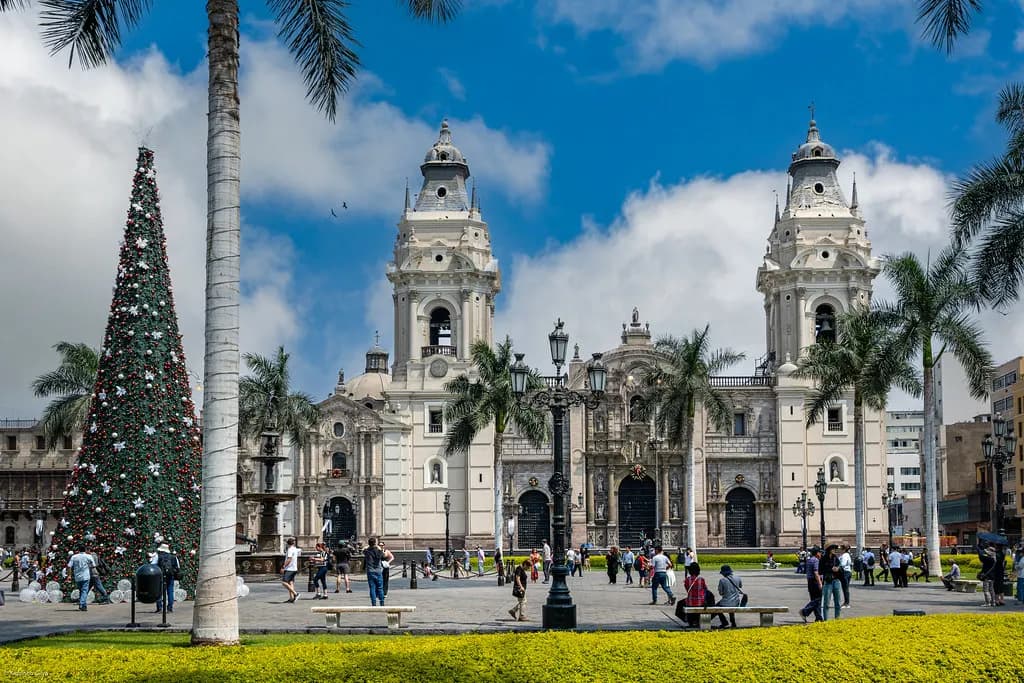 Lima
LimaLima
Peru
Lima has more restaurants on the World's 50 Best list than almost any other city on Earth, and the ceviche recipe locals insist is the only real one uses fish that never touches a stove — cooked entirely by citrus acid in a matter of minutes.
See full guide →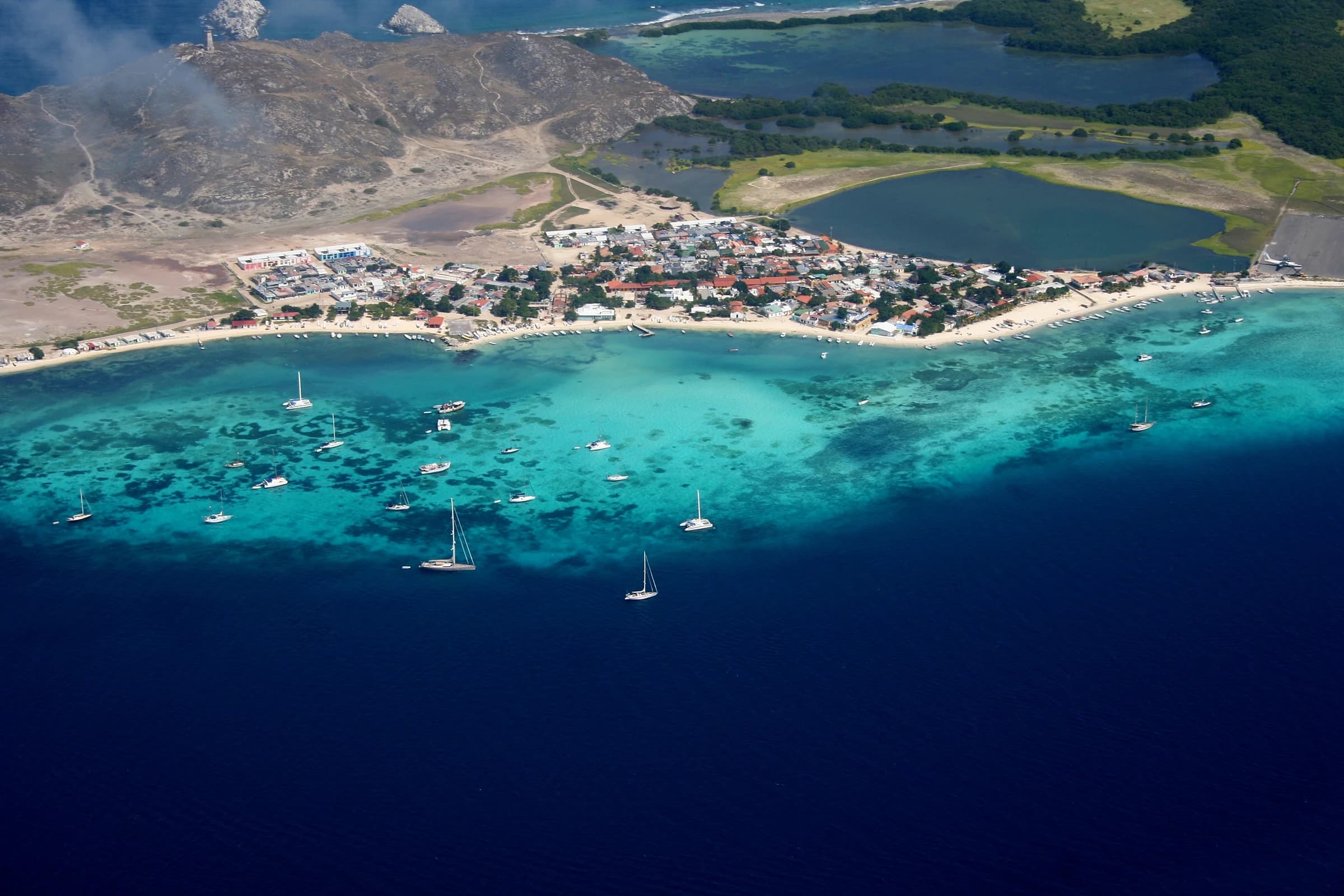 Los Roques
Los Roques
Venezuela
Los Roques has no roads connecting it to anywhere — the roughly 350 islands and cays of this archipelago sit far enough offshore that the only way in is a 45-minute flight from Caracas on a small plane, which has kept the water close to untouched.
See full guide →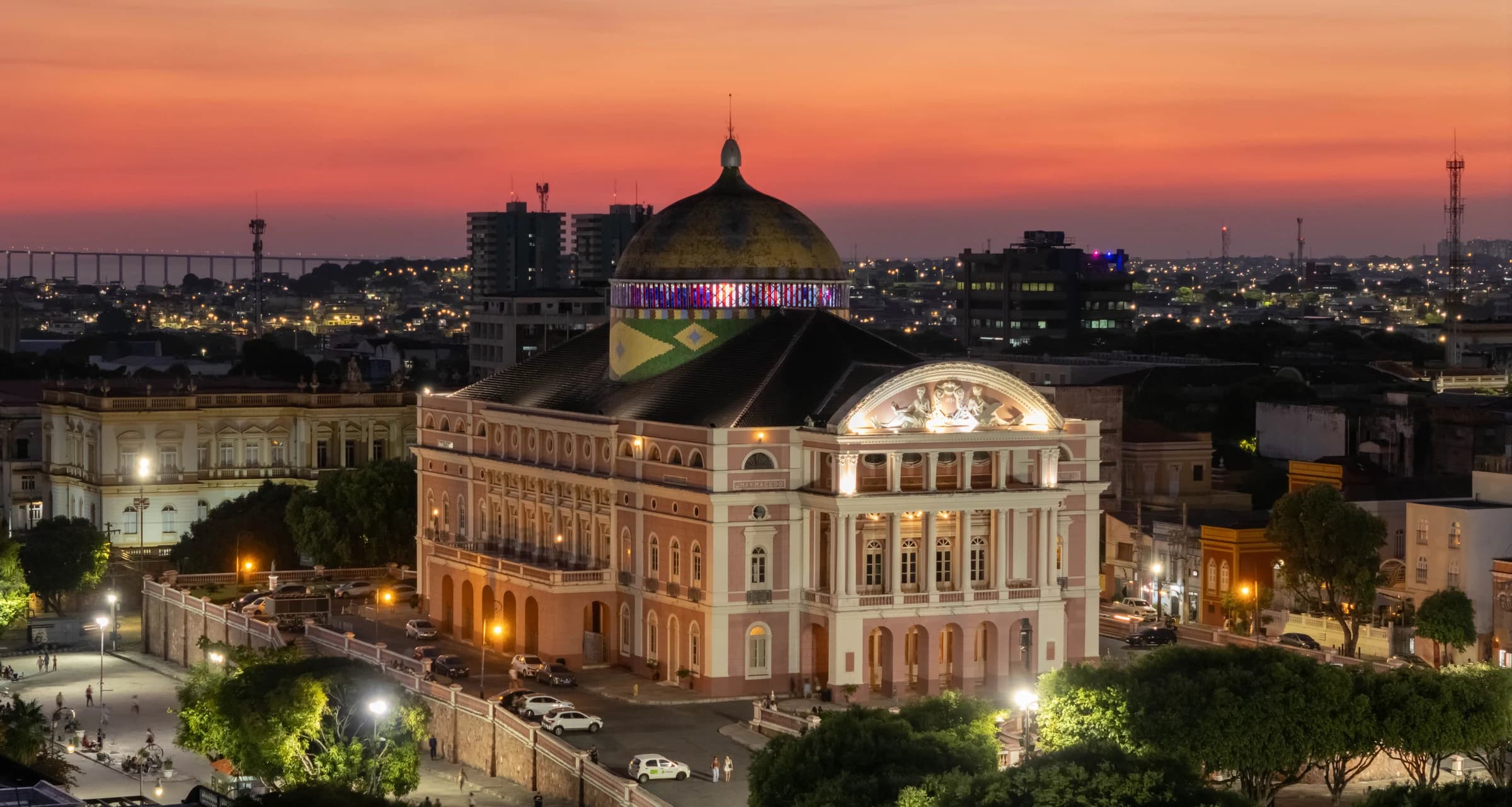 Manaus
Manaus
Brazil
Just outside Manaus, the dark, slow-moving Rio Negro and the pale, fast, sediment-heavy Rio Solimões run side by side for several kilometers without fully mixing — a real, visible boundary between two rivers with different temperature, speed, and density, and the exact spot where the Amazon River is technically born.
See full guide →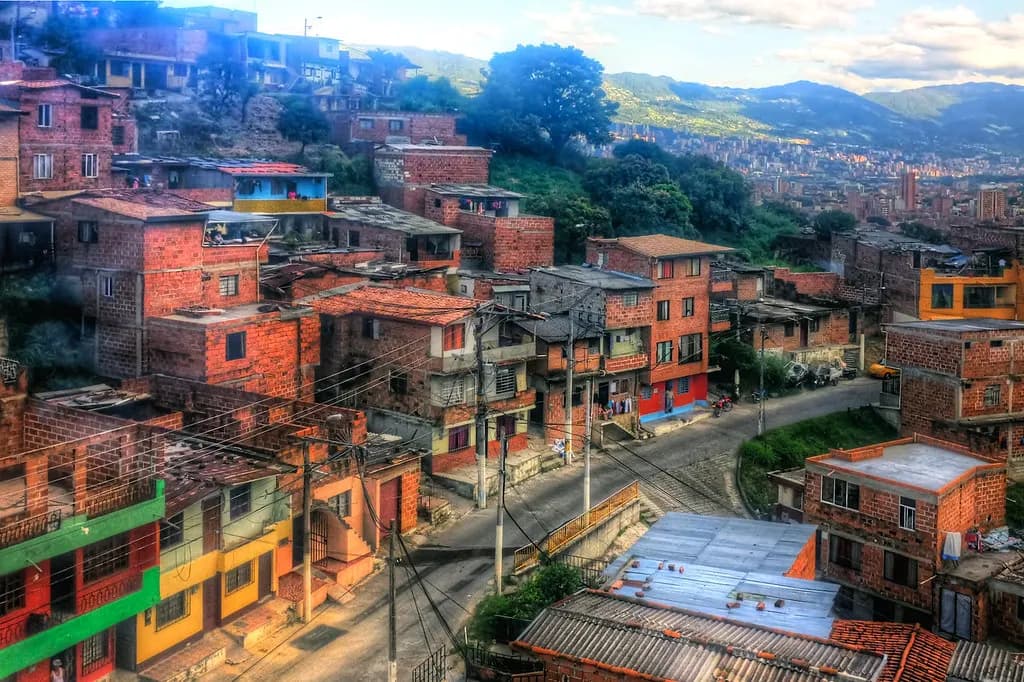 Medellín
Medellín
Colombia
Medellín was once ranked the most dangerous city on Earth in the early 1990s — now it runs a cable car system built specifically to connect its poorest hillside neighborhoods to the city center, a transportation-as-social-policy project so effective that urban planners now study it worldwide.
See full guide →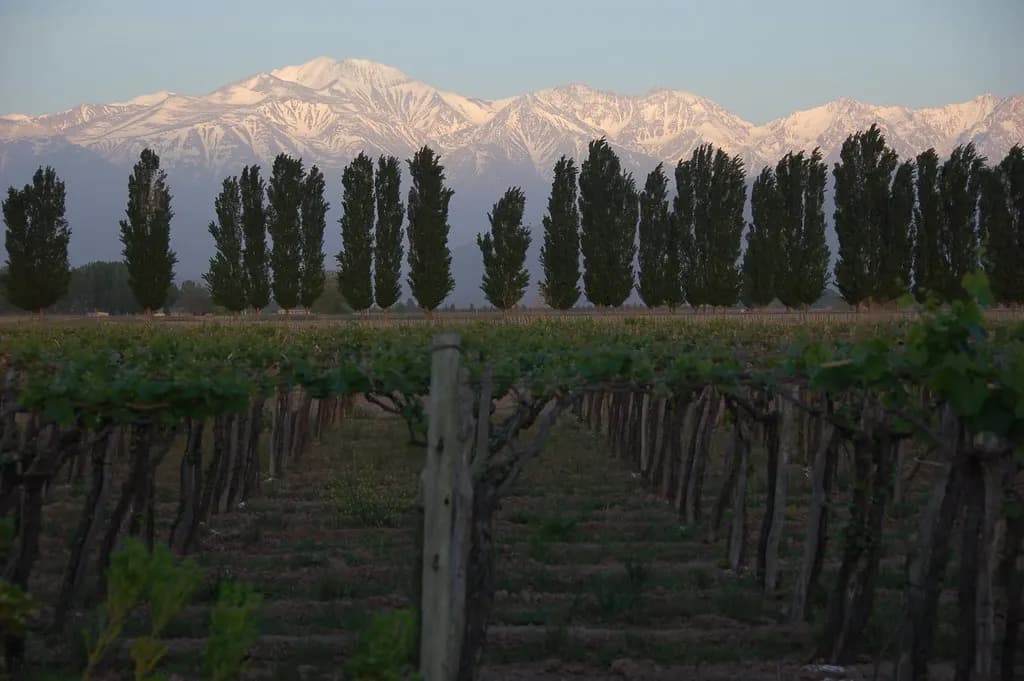 Mendoza
Mendoza
Argentina
Argentina's driest wine region produces some of its best wine — Mendoza sits in a literal desert, and every vineyard here survives on a 600-year-old irrigation system originally engineered by the indigenous Huarpe people, still carrying snowmelt down from the Andes today.
See full guide →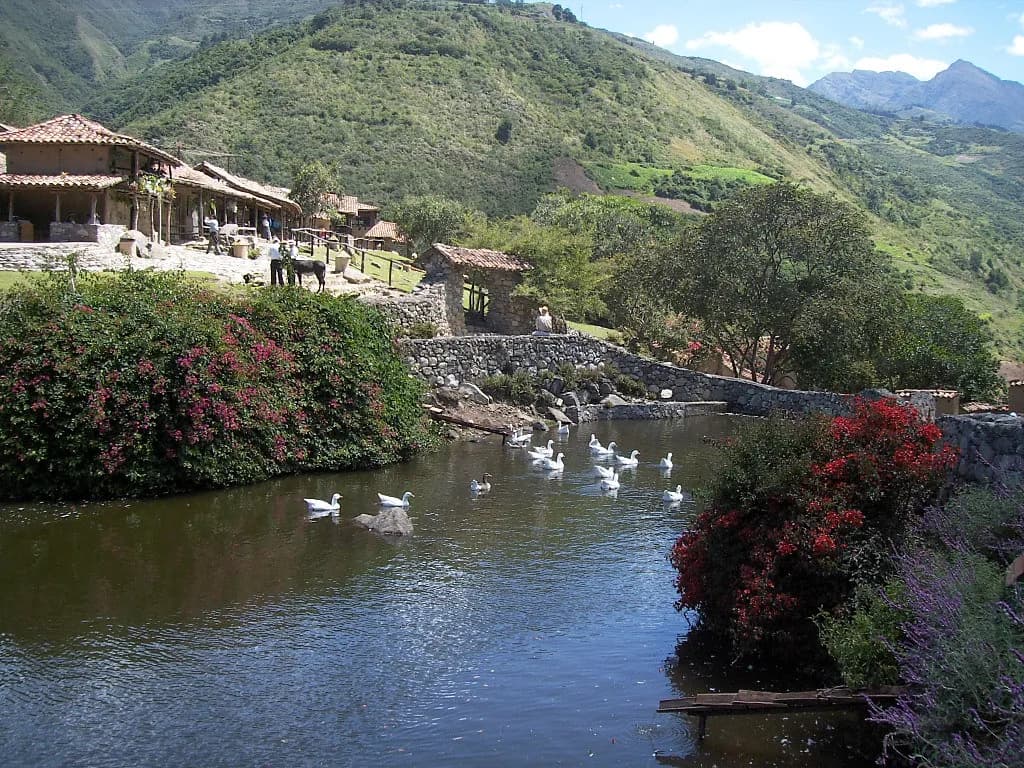 Mérida
Mérida
Venezuela
Mérida once ran the highest and longest cable car system in the world, climbing from the city center to over 4,700 meters near Venezuela's tallest peaks, and while the Teleférico has spent long stretches closed for renovation amid the country's broader economic difficulties, this university town in the Andes remains the country's clearest gateway to genuinely high-altitude mountain scenery.
See full guide →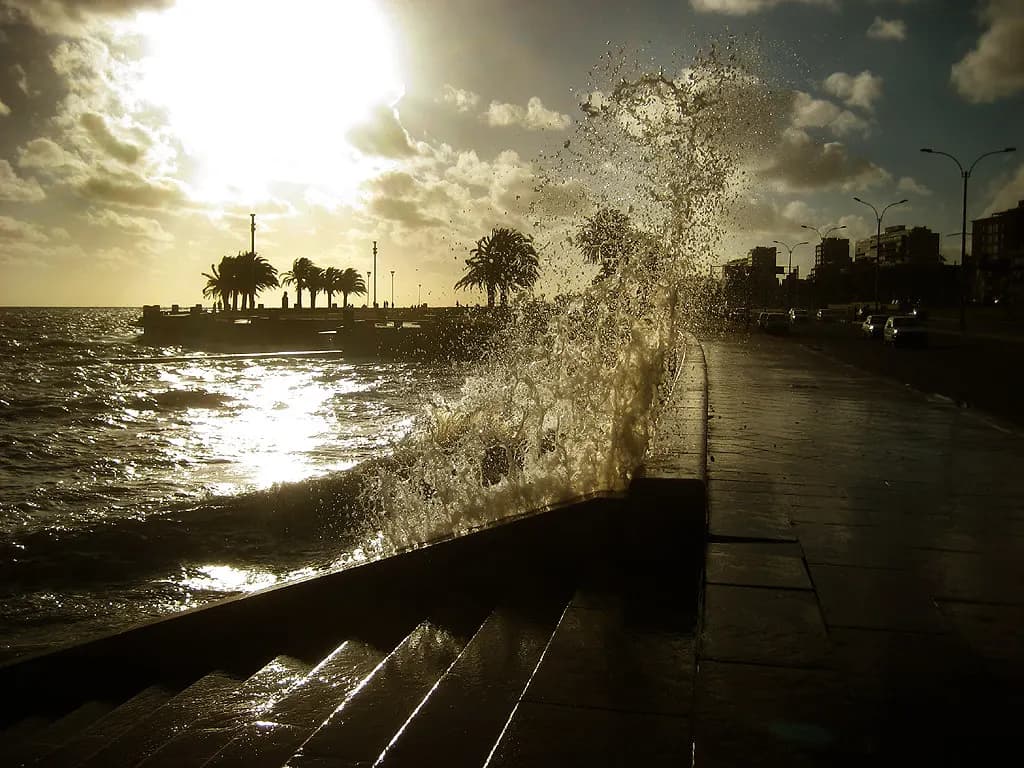 Montevideo
Montevideo
Uruguay
Uruguay legalized marijuana and same-sex marriage years before most of the world and has one of Latin America's highest standards of living — and its capital has a 22-kilometer waterfront promenade that's just... mostly empty, even in a city of 1.3 million people.
See full guide →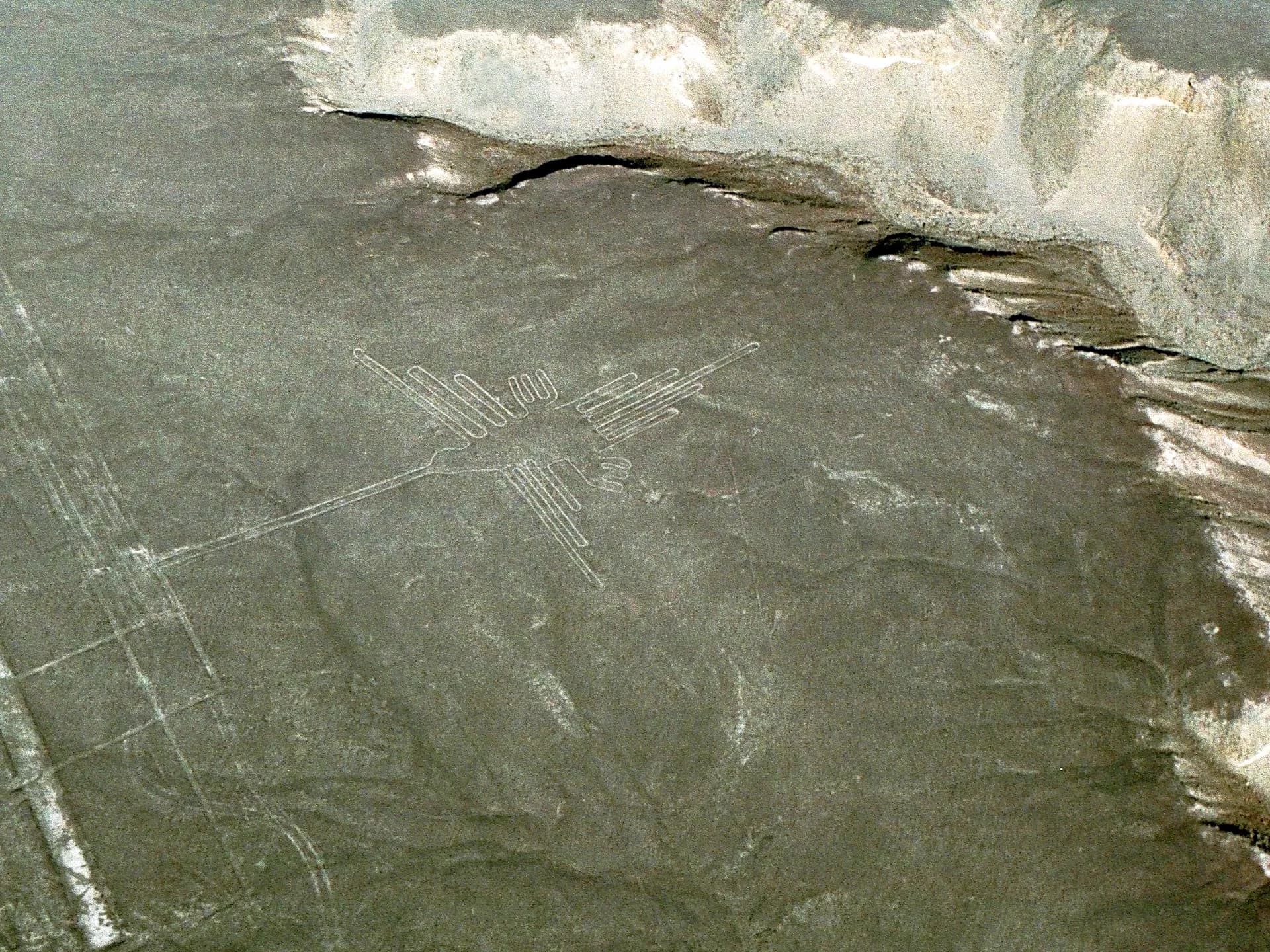 Nazca
NazcaNazca
Peru
The Nazca Lines, hundreds of massive geoglyphs etched into Peru's coastal desert between roughly 500 BCE and 500 CE, are so large that a hummingbird figure spans 93 meters and a spider stretches 47 — shapes only fully readable from the air, which means the culture that made them had no way to see their own finished work.
See full guide →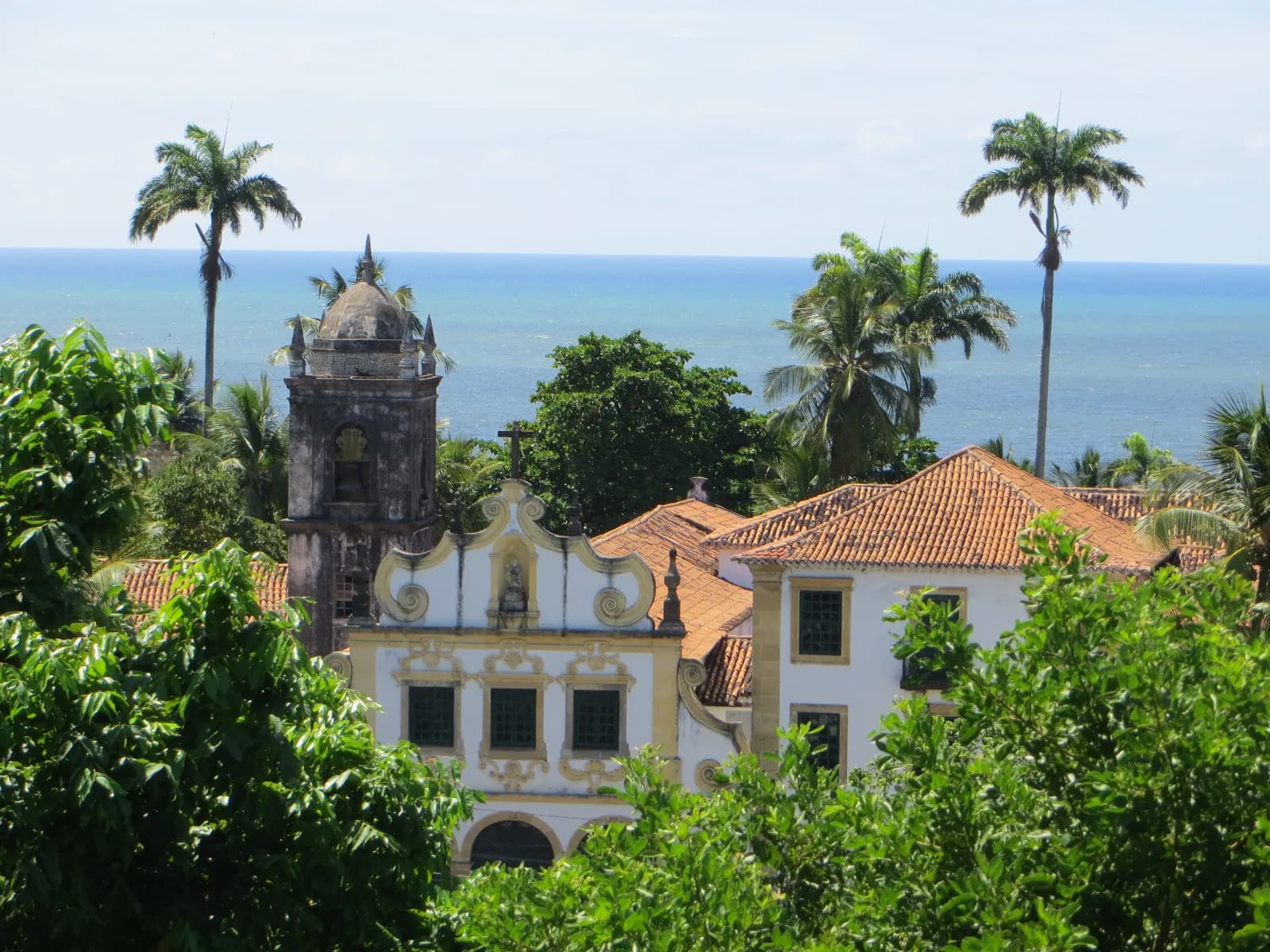 Olinda
Olinda
Brazil
Olinda's Carnival skips the sequined parade floats that define Rio's version entirely, running instead on giant papier-mâché puppets called bonecos gigantes paraded through the hillside town's cobblestone streets by anyone who wants to join in — a looser, more participatory celebration that many Brazilians consider genuinely closer to Carnival's original spirit.
See full guide →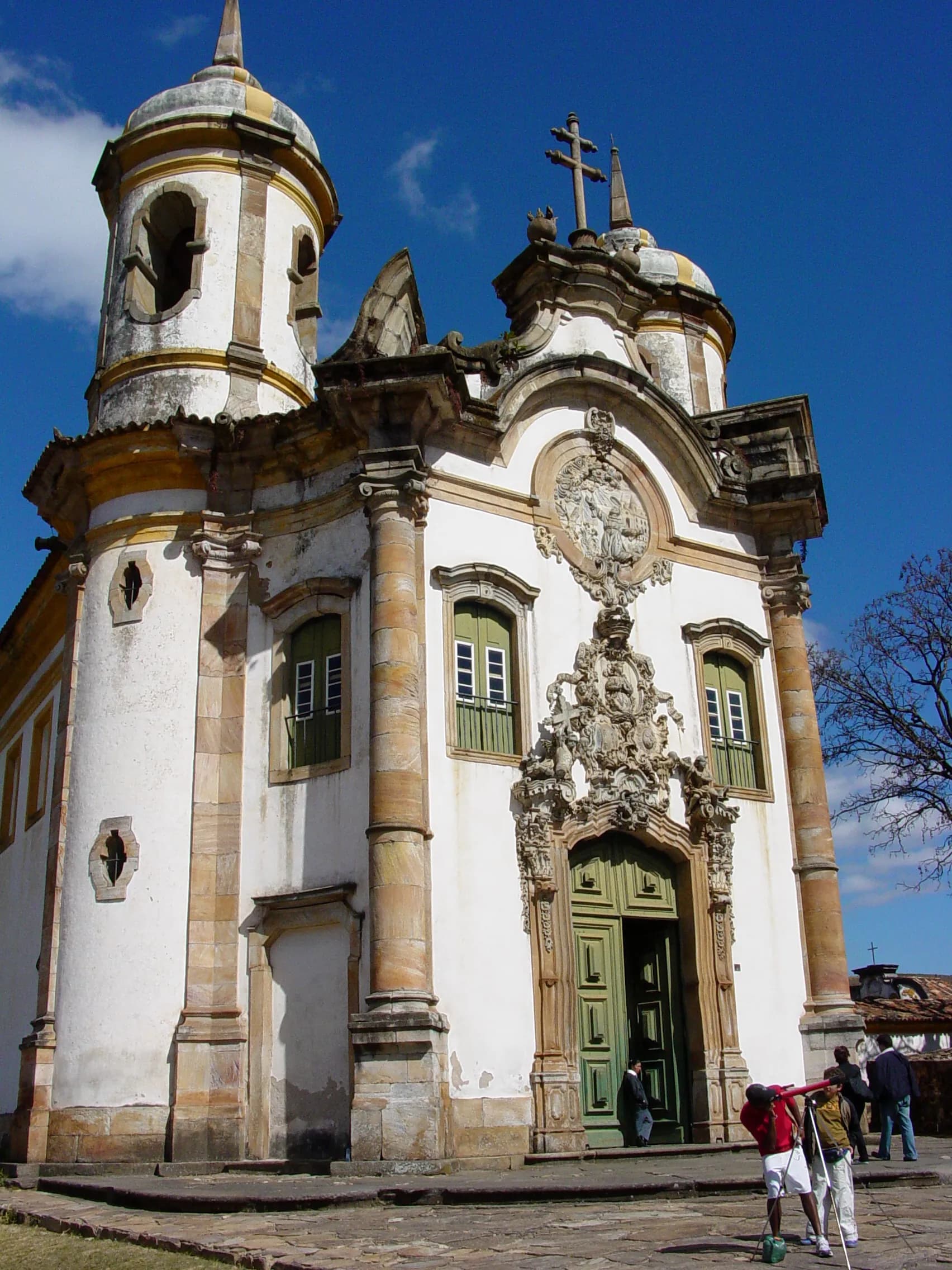 Ouro Preto
Ouro Preto
Brazil
Ouro Preto's finest Baroque churches were carved largely by a sculptor whose hands were so deformed by illness that he worked with tools strapped directly to his forearms, and the gold rush wealth that funded his masterpieces once made this hillside town so important it served as the capital of Brazil's richest state for over a century.
See full guide →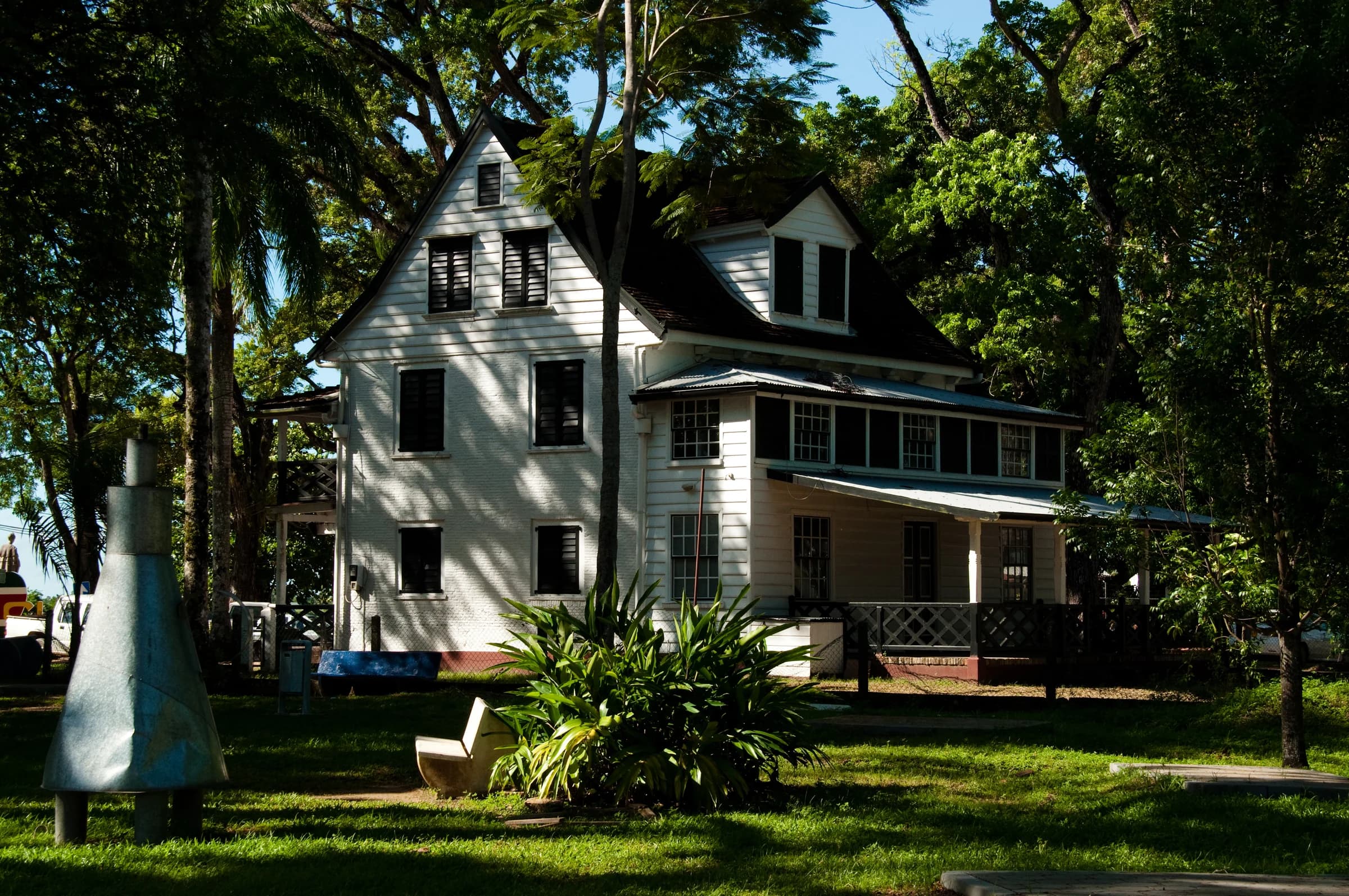 Paramaribo
Paramaribo
Suriname
Suriname is the only Dutch-speaking country in South America, and its capital's historic center is such a distinctive mix of Dutch colonial layout and wooden Caribbean-style building that UNESCO listed the entire inner city as a World Heritage Site.
See full guide →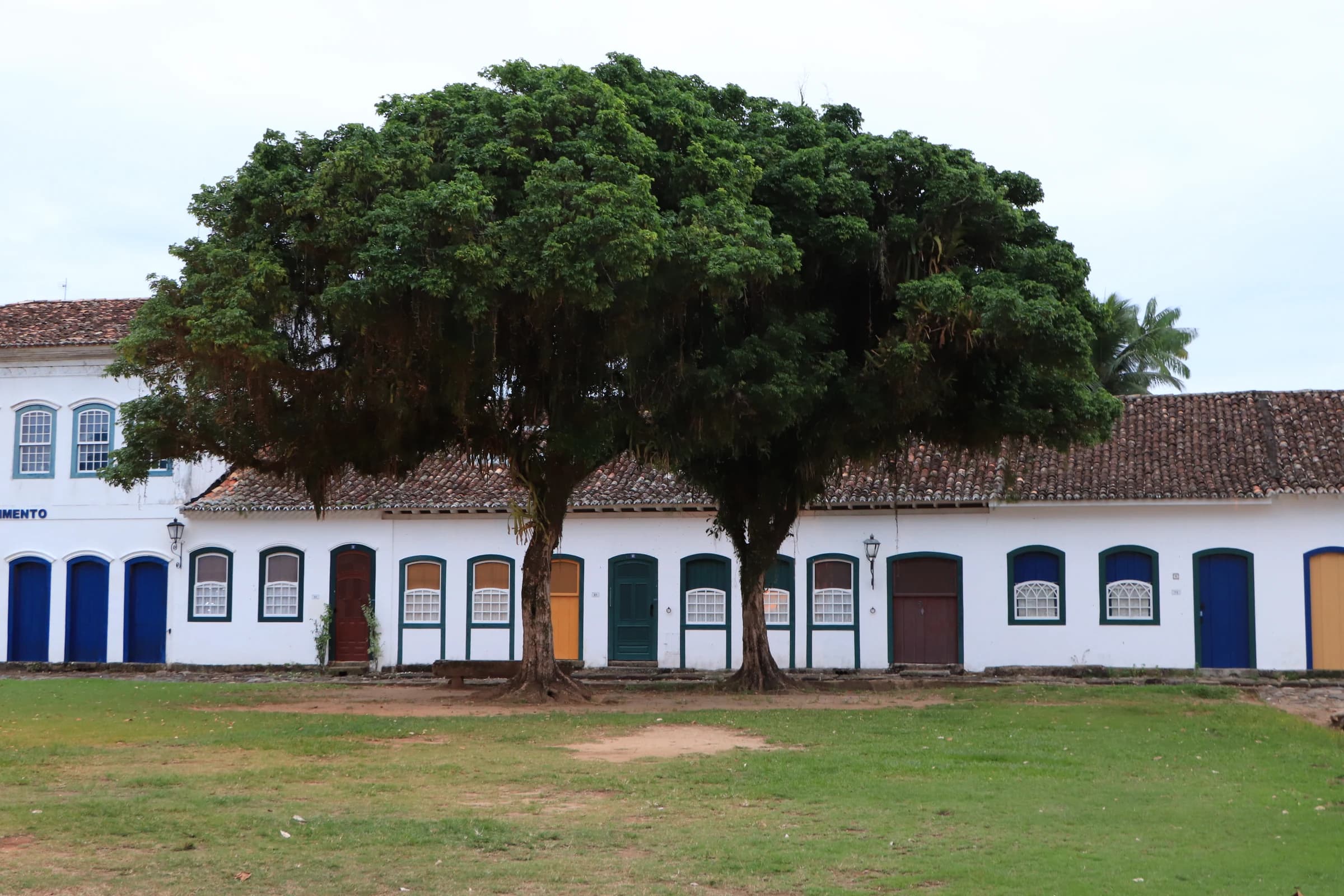 Paraty
Paraty
Brazil
Paraty's colonial builders sloped the town's cobblestone streets so that high tide floods them on purpose, a deliberate design meant to flush waste out to sea, and 300 years later the streets still flood right on schedule.
See full guide →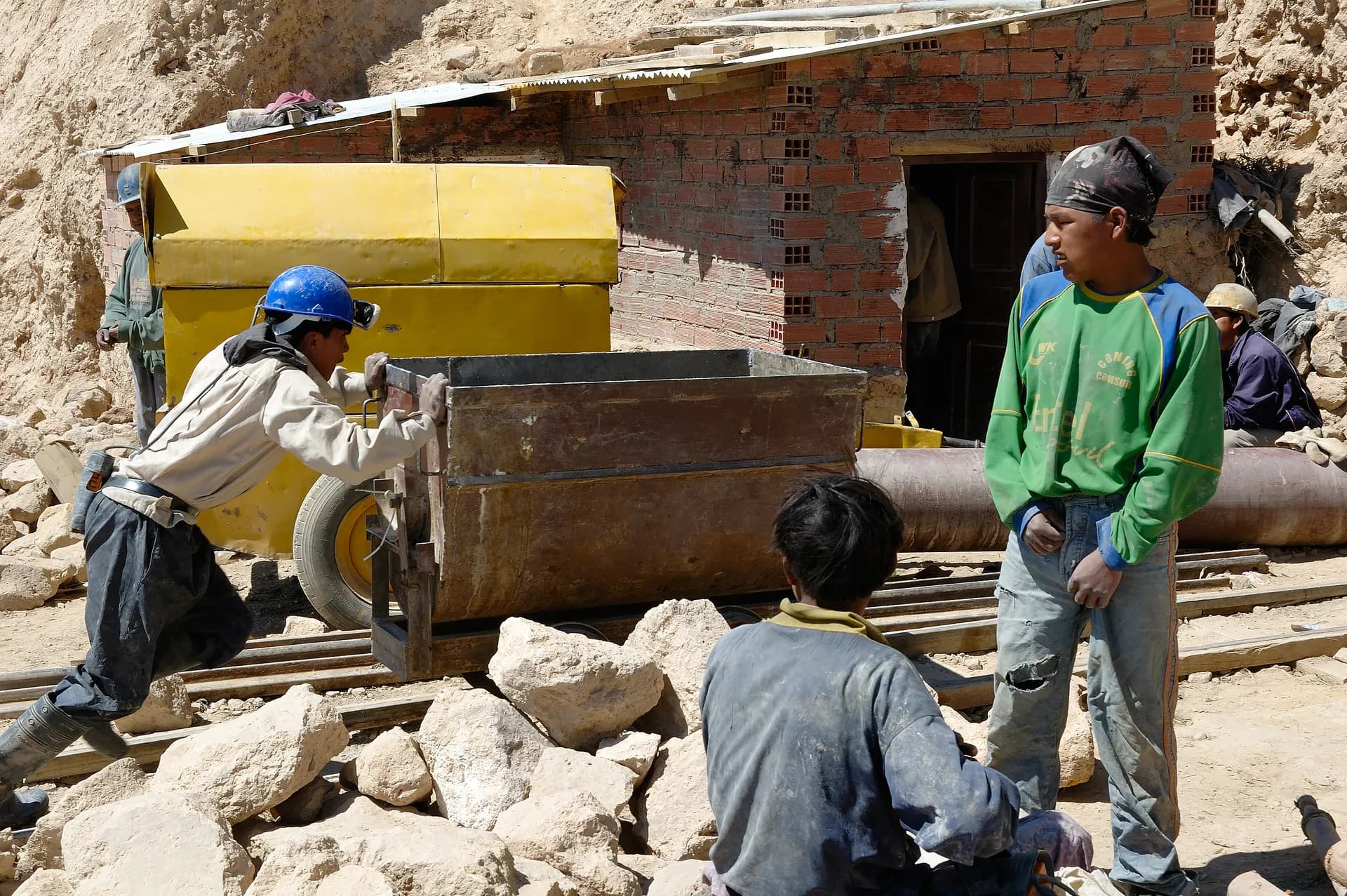 Potosí
Potosí
Bolivia
Cerro Rico, the mountain looming over Potosí, produced so much silver for the Spanish Empire starting in 1545 that the phrase 'vale un Potosí,' worth a Potosí, became Spanish idiom for immense wealth — and miners, working in conditions largely unchanged for centuries, still climb into it every day.
See full guide →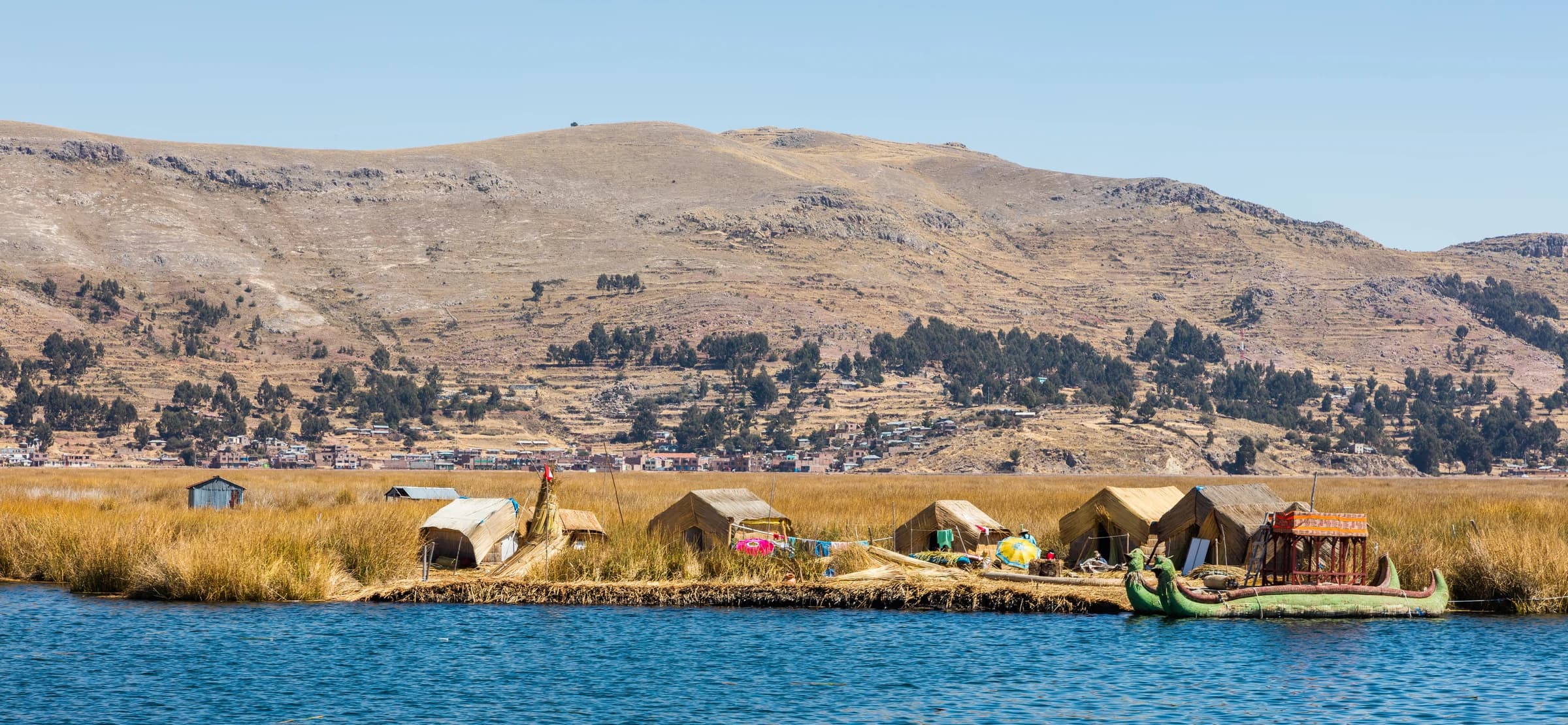 Puno
PunoPuno
Peru
The Uros people have lived on islands in Lake Titicaca that they build entirely from layered totora reeds, floating on water over 3,800 meters above sea level — a tradition that began, according to Uros oral history, as a way to physically move their homes out of reach whenever a more powerful neighboring group threatened them.
See full guide →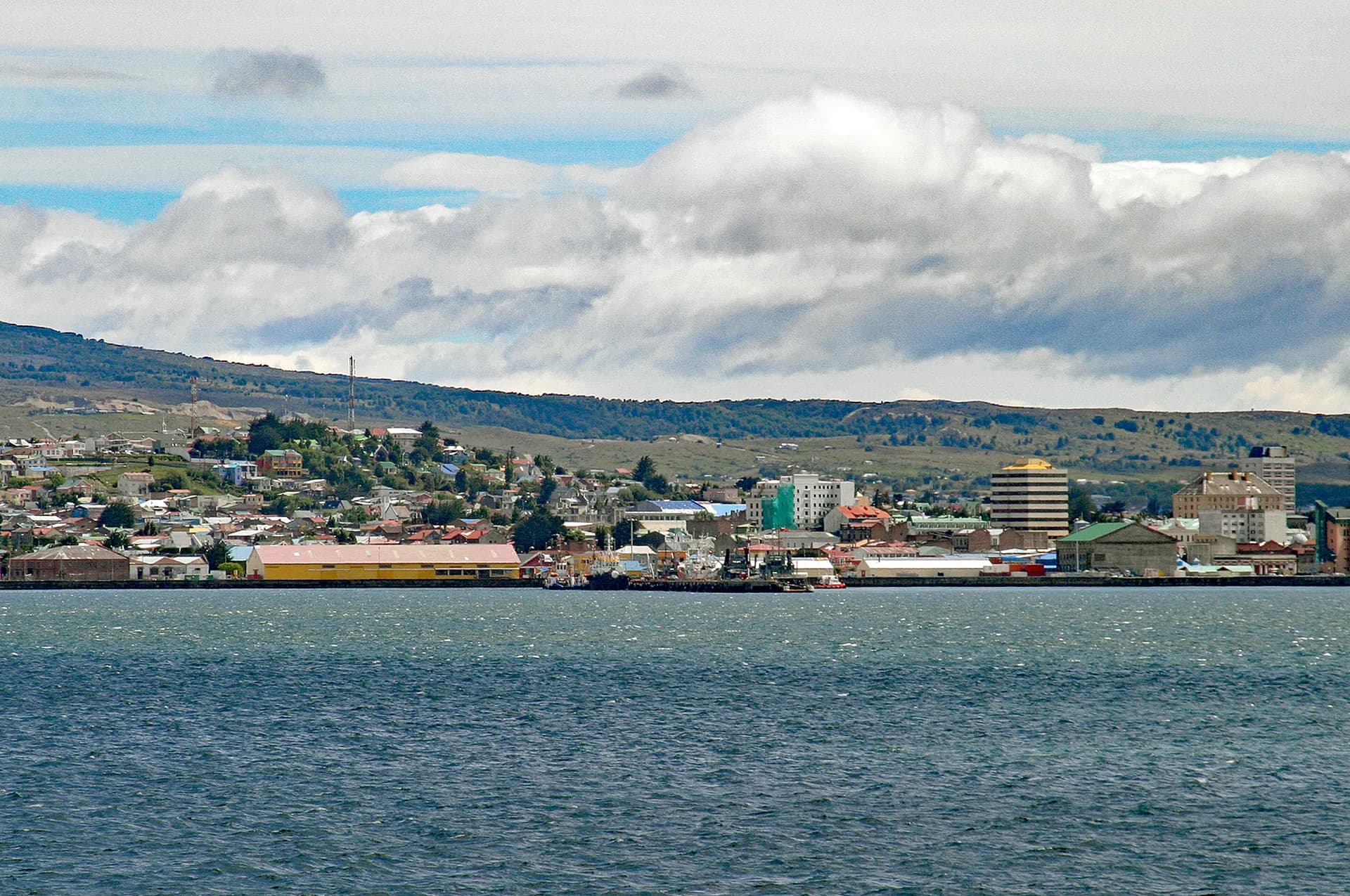 Punta Arenas
Punta Arenas
Chile
Punta Arenas grew genuinely wealthy from sheep wool in the late 19th century, wool barons building ornate European-style mansions on a stretch of coastline this far south that it sits on the Strait of Magellan itself, and the city's elaborate cypress-lined cemetery, built with that same wool fortune, is often cited as one of the most beautiful in South America.
See full guide →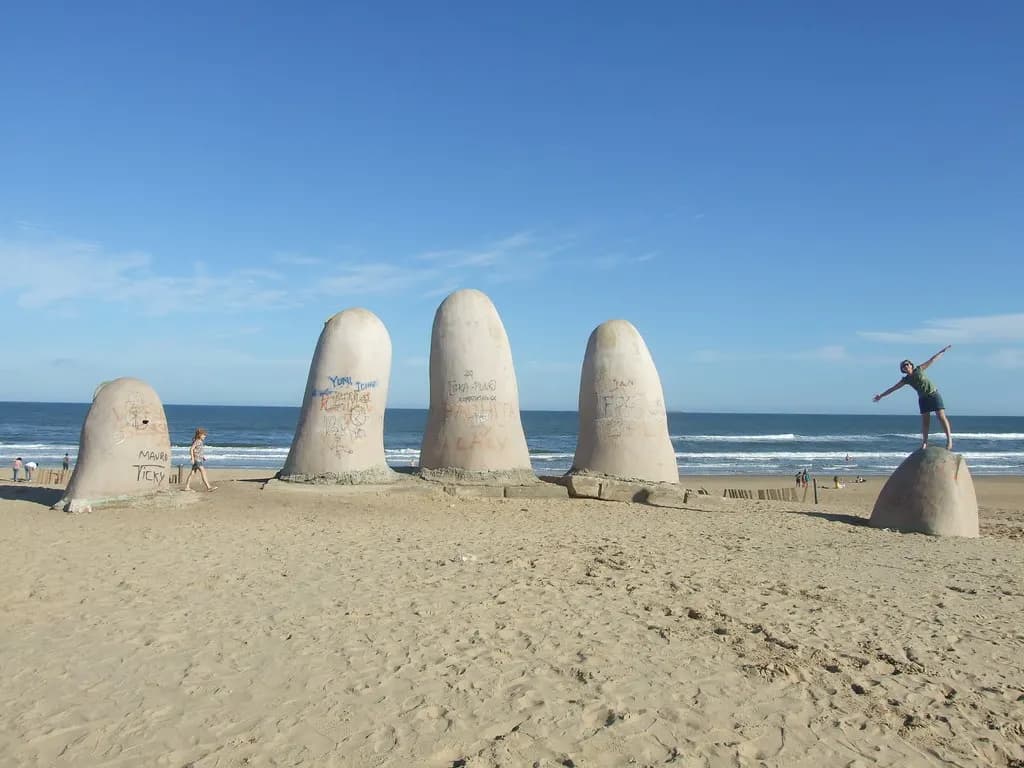 Punta del Este
Punta del Este
Uruguay
Uruguay's most famous beach resort has a sculpture of five giant fingers reaching up out of the sand, installed in 1982 as a warning about drowning — it's now one of the most photographed spots in the country for entirely different reasons.
See full guide →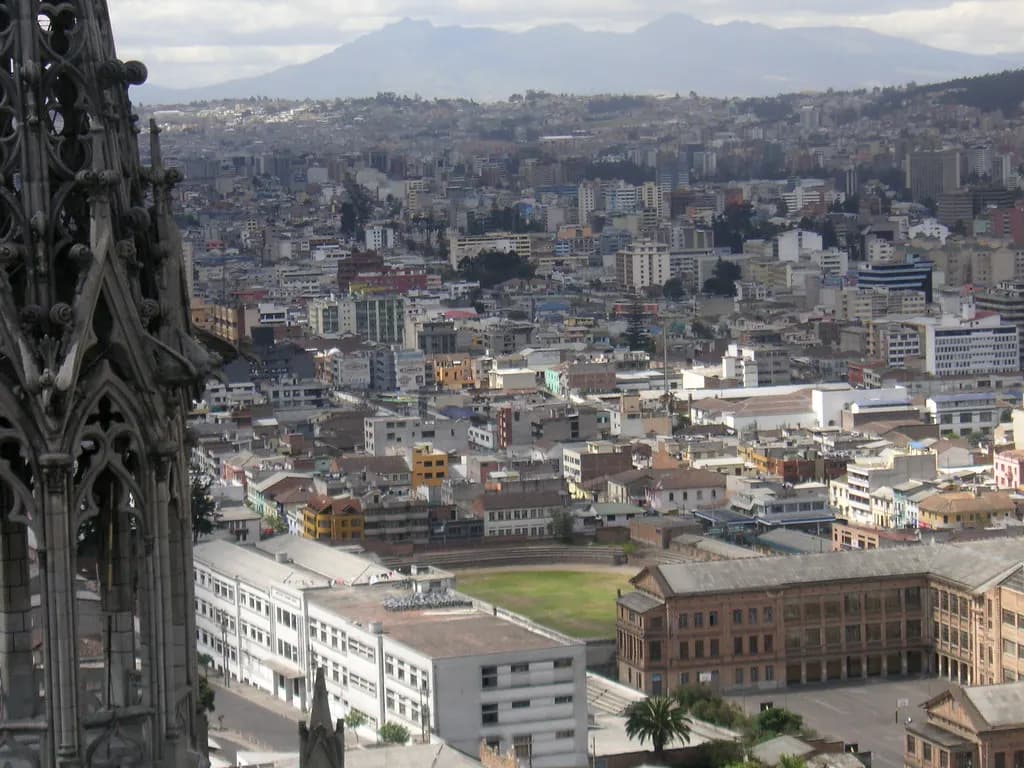 Quito
QuitoQuito
Ecuador
Quito's historic center was one of the first two sites UNESCO ever named to its World Heritage list in 1978, tied with Krakow — and the city sits close enough to the equator that you can stand with one foot in each hemisphere at a monument just outside town.
See full guide →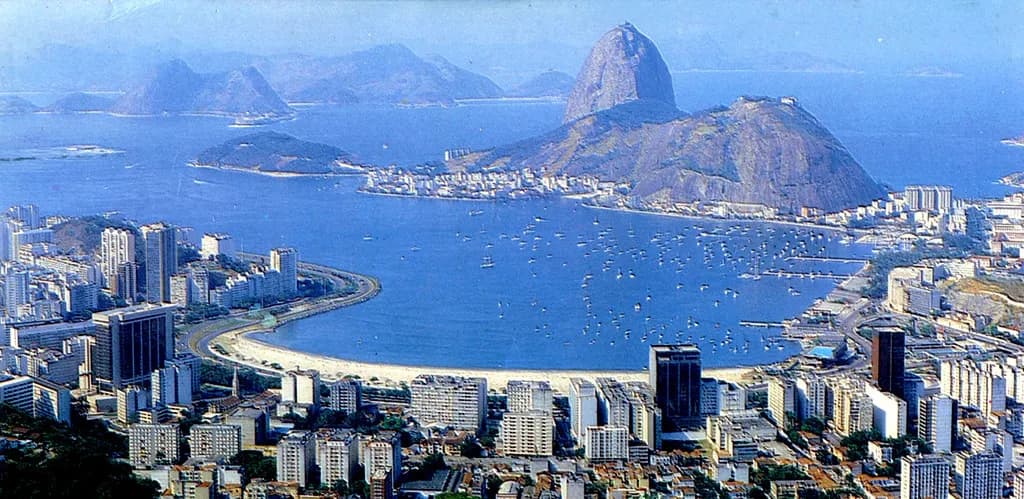 Rio de Janeiro
Rio de Janeiro
Brazil
Christ the Redeemer took nine years to build and stands on a mountain that's part of a national park inside city limits — Rio has more urban rainforest within its borders than almost any other major city on Earth.
See full guide →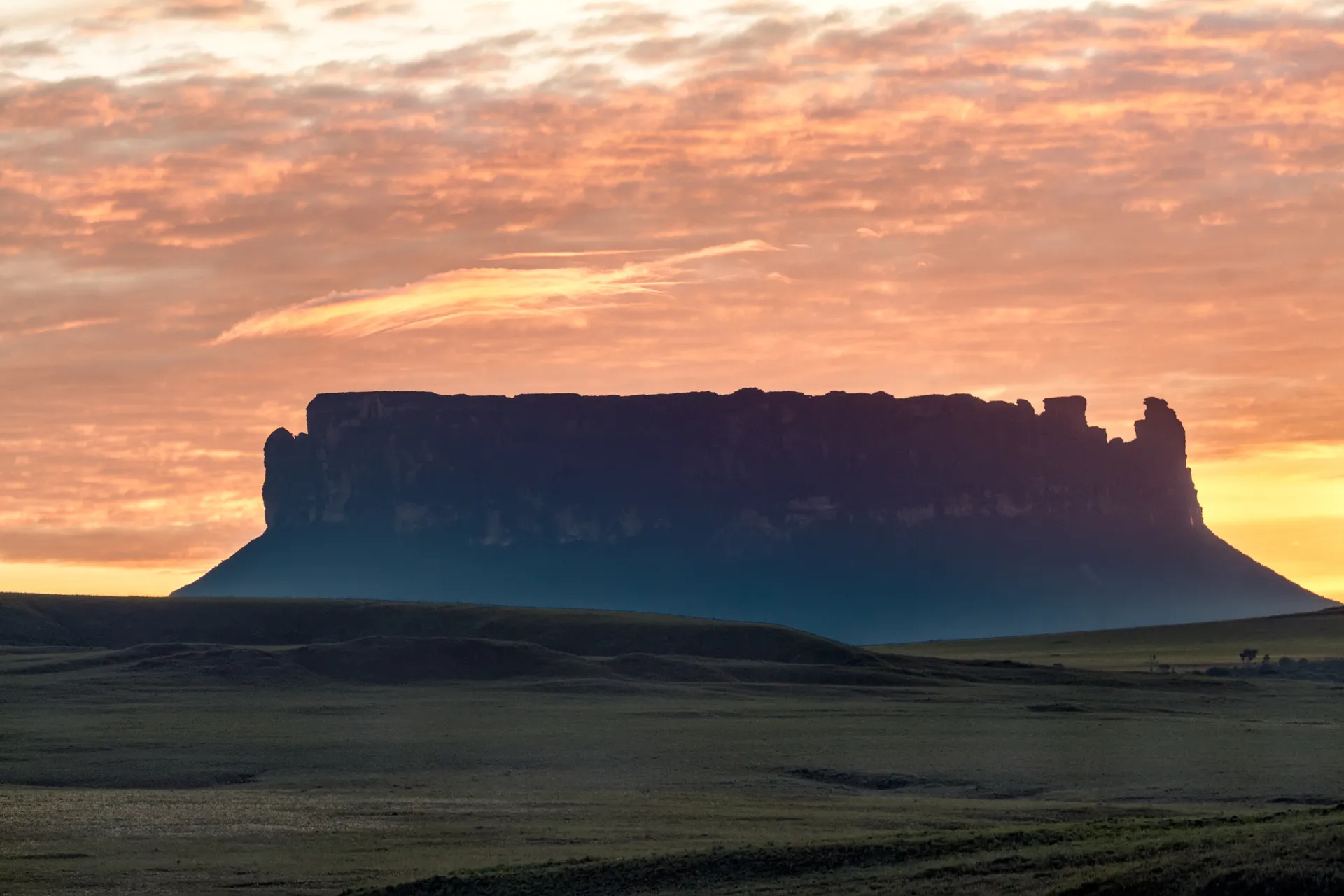 Mount Roraima
Mount Roraima
Venezuela
Mount Roraima's sheer, flat-topped summit rises so abruptly from the surrounding jungle, and stayed so geologically isolated for so long, that it's widely credited as the direct inspiration for Arthur Conan Doyle's 1912 novel The Lost World, and reaching the top still requires a genuine multi-day trek across three countries' shared border.
See full guide → Rurrenabaque
Rurrenabaque
Bolivia
Rurrenabaque sits at the exact point where the Andes drop into the Amazon basin, close enough that a single short flight from La Paz's high-altitude cold swaps travelers into humid lowland jungle within the hour, splitting most visits between genuine rainforest and the wildlife-dense Pampas wetlands nearby.
See full guide →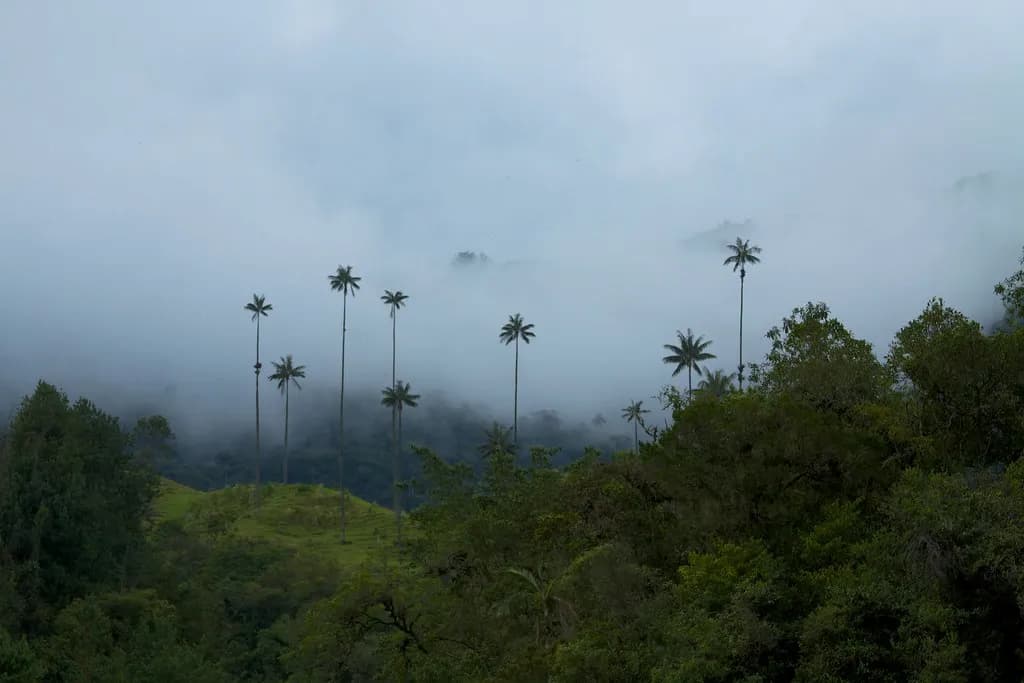 Salento
Salento
Colombia
The wax palms in Salento's Cocora Valley are the tallest palm trees on Earth, some recorded past 60 meters, tall enough that they were originally mistaken by early observers for a different plant entirely, growing in a cloud forest valley that's become the single most photographed landscape in Colombia's Coffee Triangle.
See full guide →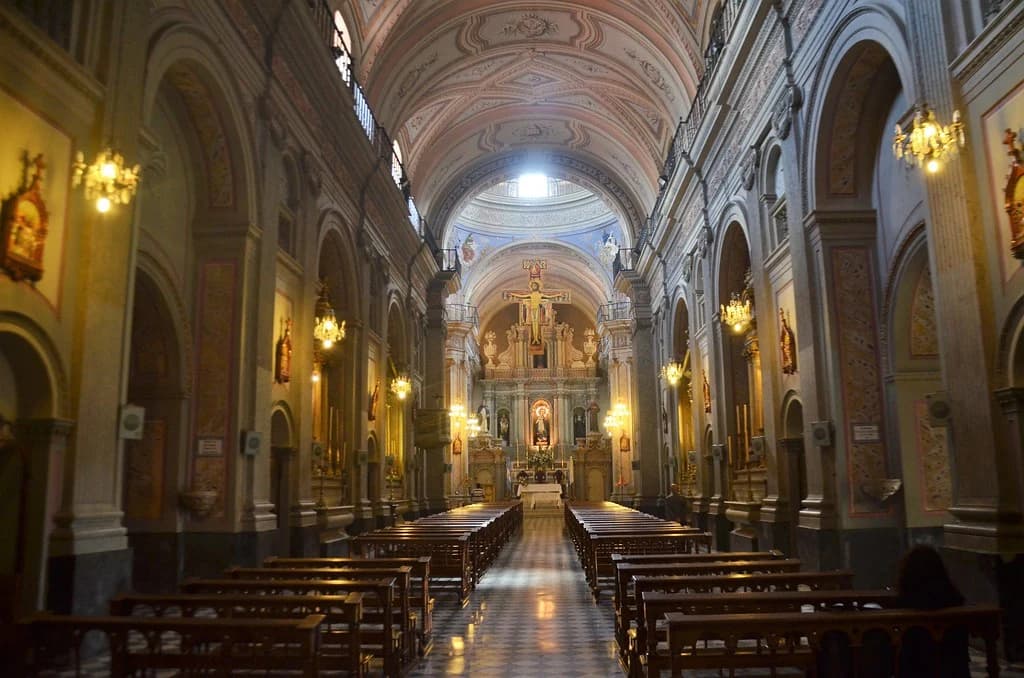 Salta
SaltaSalta
Argentina
A museum in Salta displays three Inca child mummies found frozen near the summit of a 6,700-meter volcano, preserved so completely by the extreme cold and dryness that researchers can study their organs, stomach contents, and even the textiles they were buried in — a genuinely rare, unsettling window into a 500-year-old sacrifice ritual.
See full guide →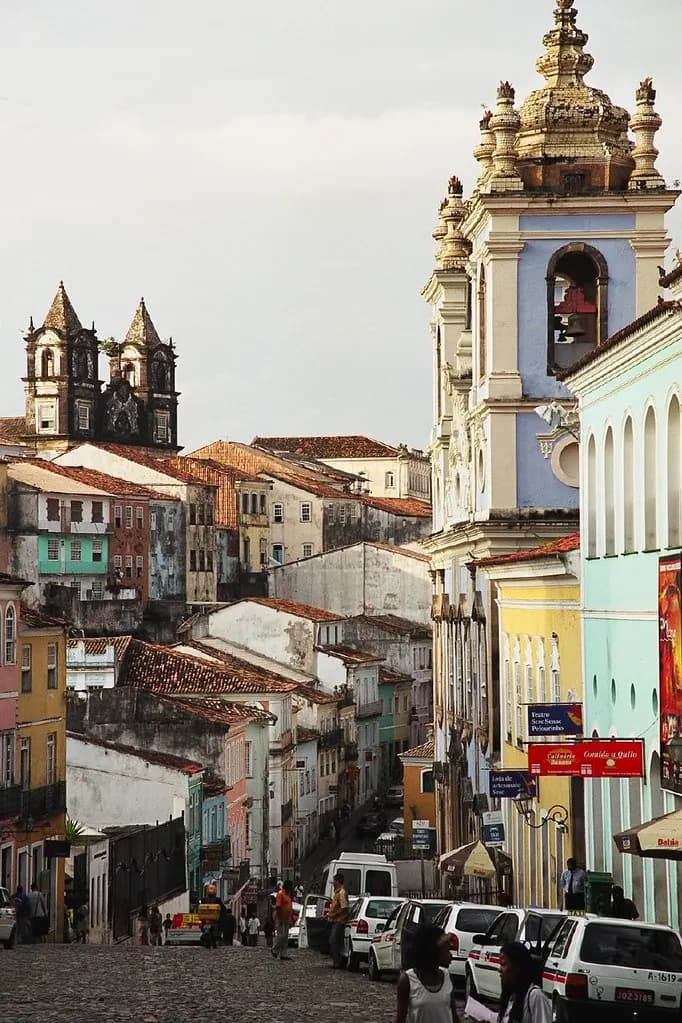 Salvador
Salvador
Brazil
Salvador was Brazil's first capital for over two centuries and the main port of the entire Atlantic slave trade into the Americas — today it has the largest Afro-Brazilian population and culture of any city in the country, most visible in the historic Pelourinho square where that painful history and its resulting culture collide most directly.
See full guide →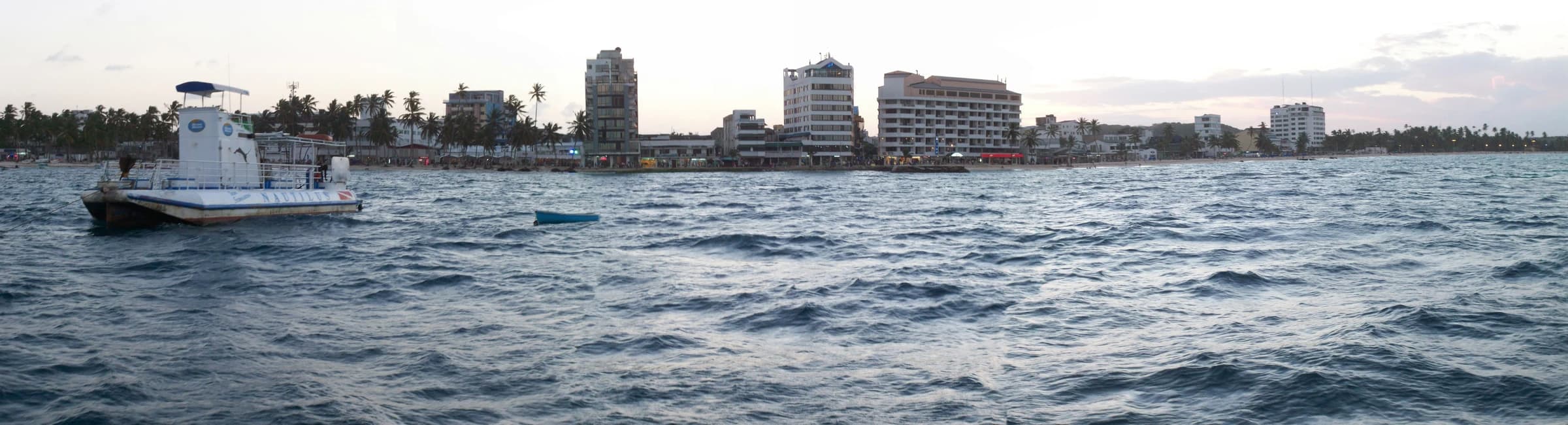 San Andrés
San Andrés
Colombia
San Andrés sits about 775 kilometers from mainland Colombia but only around 190 kilometers off the coast of Nicaragua, and the island's Raizal population speaks its own English-based Creole rather than Spanish, a legacy of British settlers who arrived generations before the island became Colombian.
See full guide →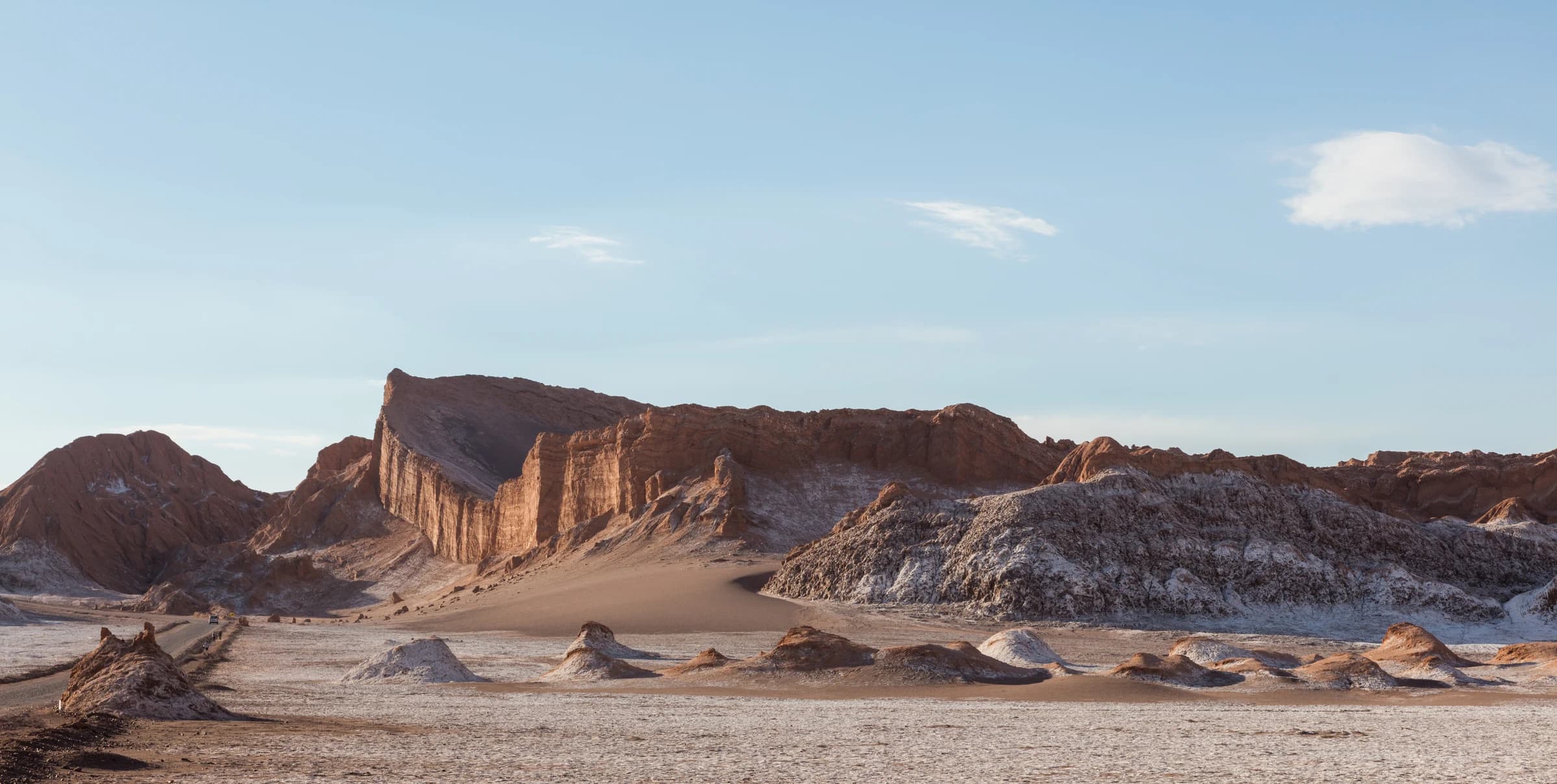 San Pedro de Atacama
San Pedro de Atacama
Chile
Some weather stations in the Atacama Desert around San Pedro have never recorded a single drop of rain since records began, making it the driest non-polar desert on Earth — and that same relentlessly clear, dry air is exactly why the world's most powerful array of radio telescopes was built on a plateau nearby.
See full guide →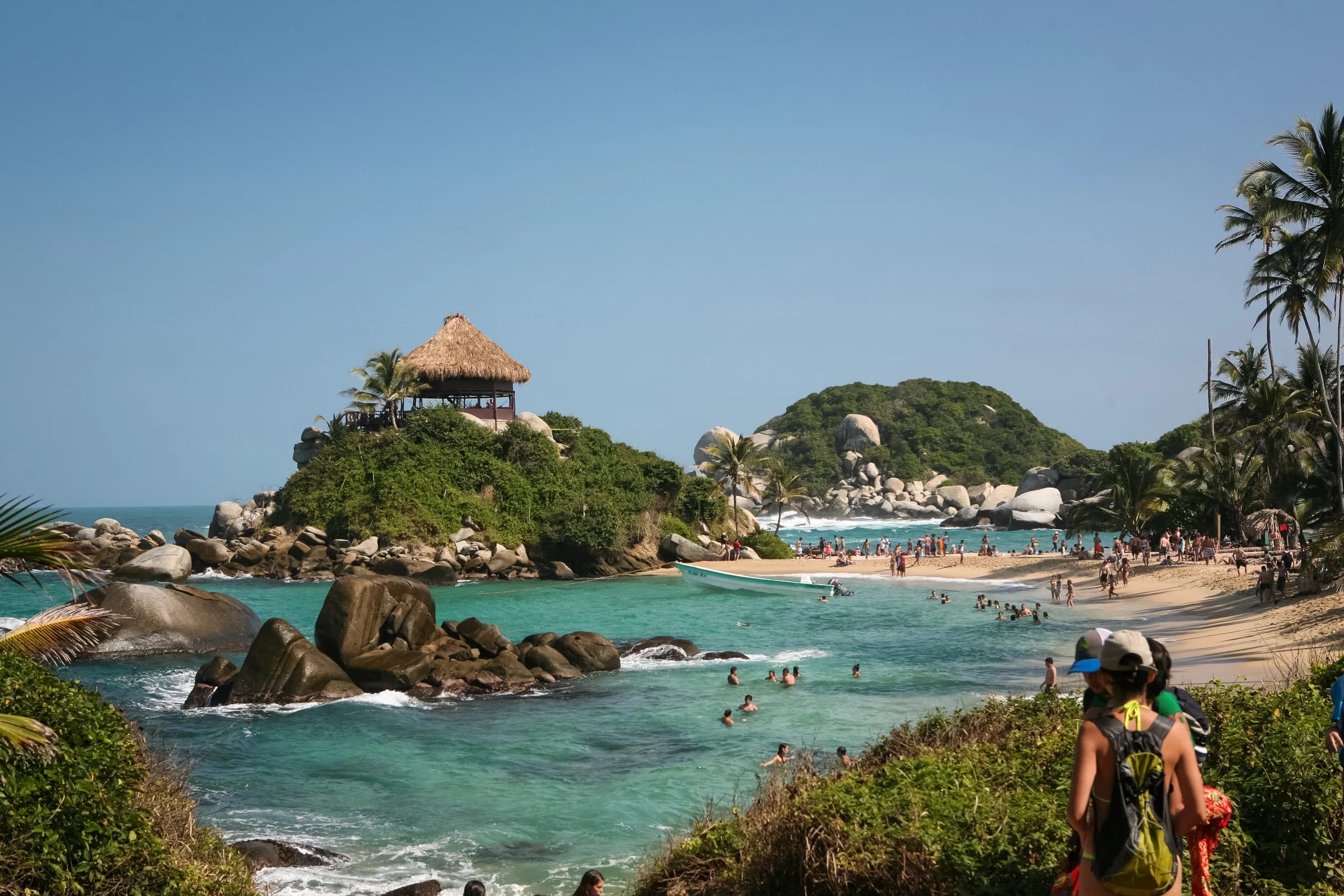 Santa Marta
Santa Marta
Colombia
Snow-capped peaks are visible from Santa Marta's Caribbean beaches on a clear day — the nearby Sierra Nevada de Santa Marta is the highest coastal mountain range on Earth, rising from sea level to over 5,700 meters in less distance than almost anywhere else on the planet.
See full guide →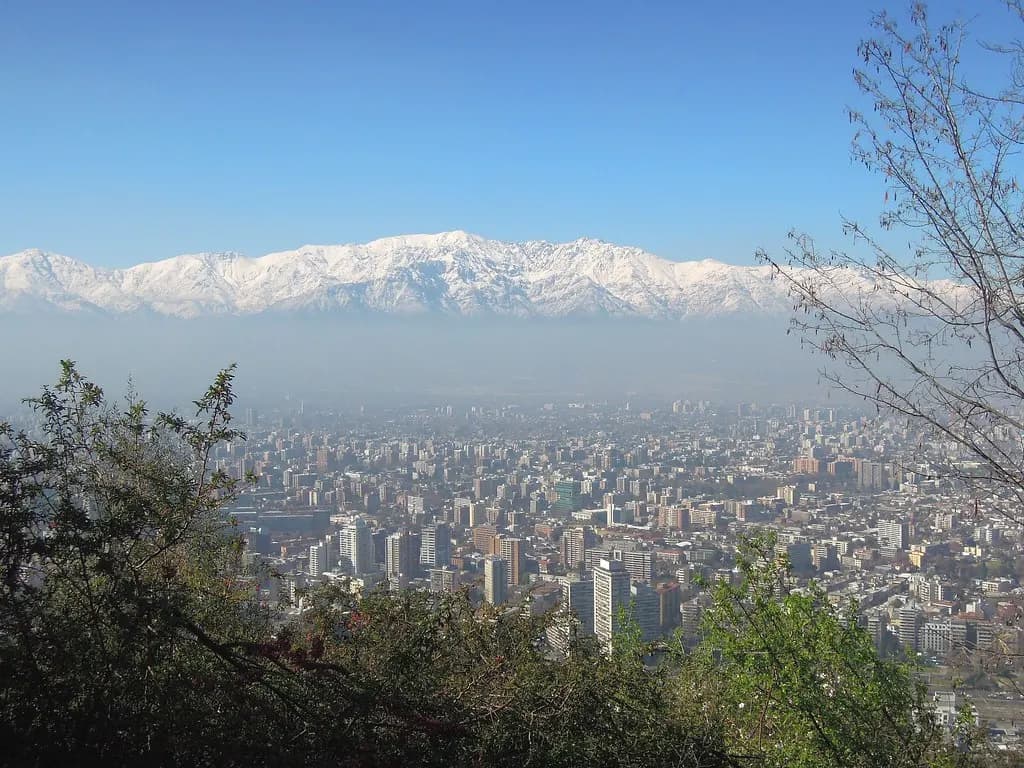 Santiago
Santiago
Chile
You can ski the Andes and be back in downtown Santiago for dinner the same day — a handful of major resorts sit less than two hours from a capital city of over 6 million people, a combination almost no other capital in the world can genuinely offer.
See full guide →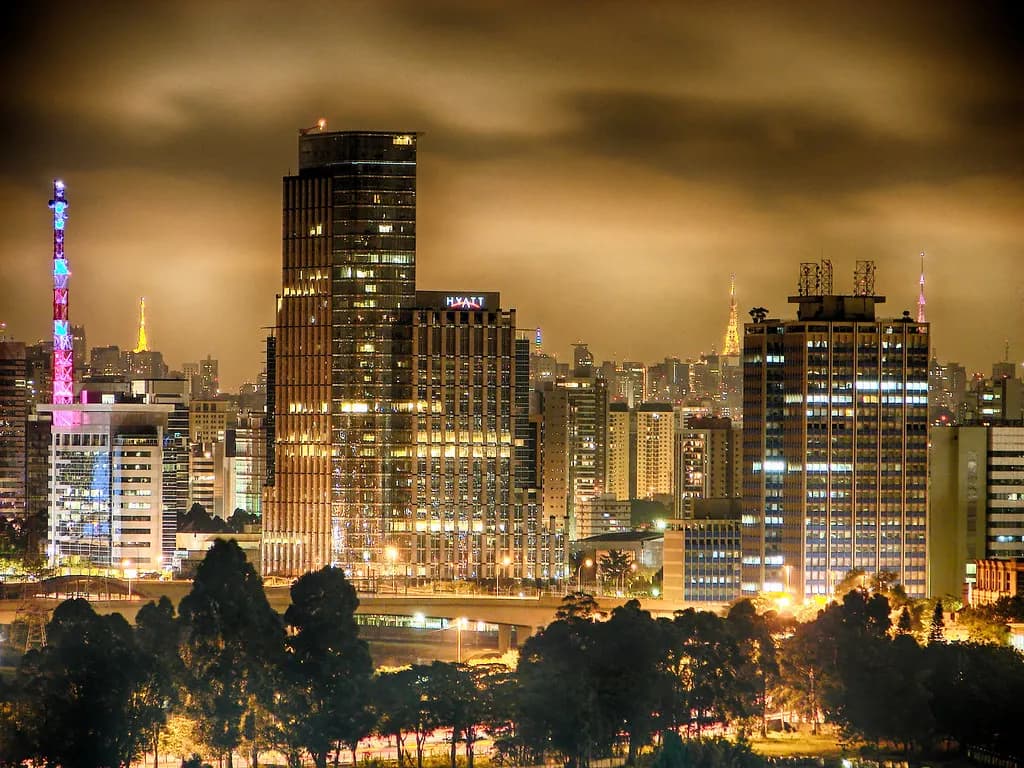 São Paulo
São Paulo
Brazil
São Paulo has more Michelin-starred restaurants and a bigger Japanese population than any city outside Japan itself — a metropolis of over 12 million people that barely registers on most first-time South America itineraries.
See full guide →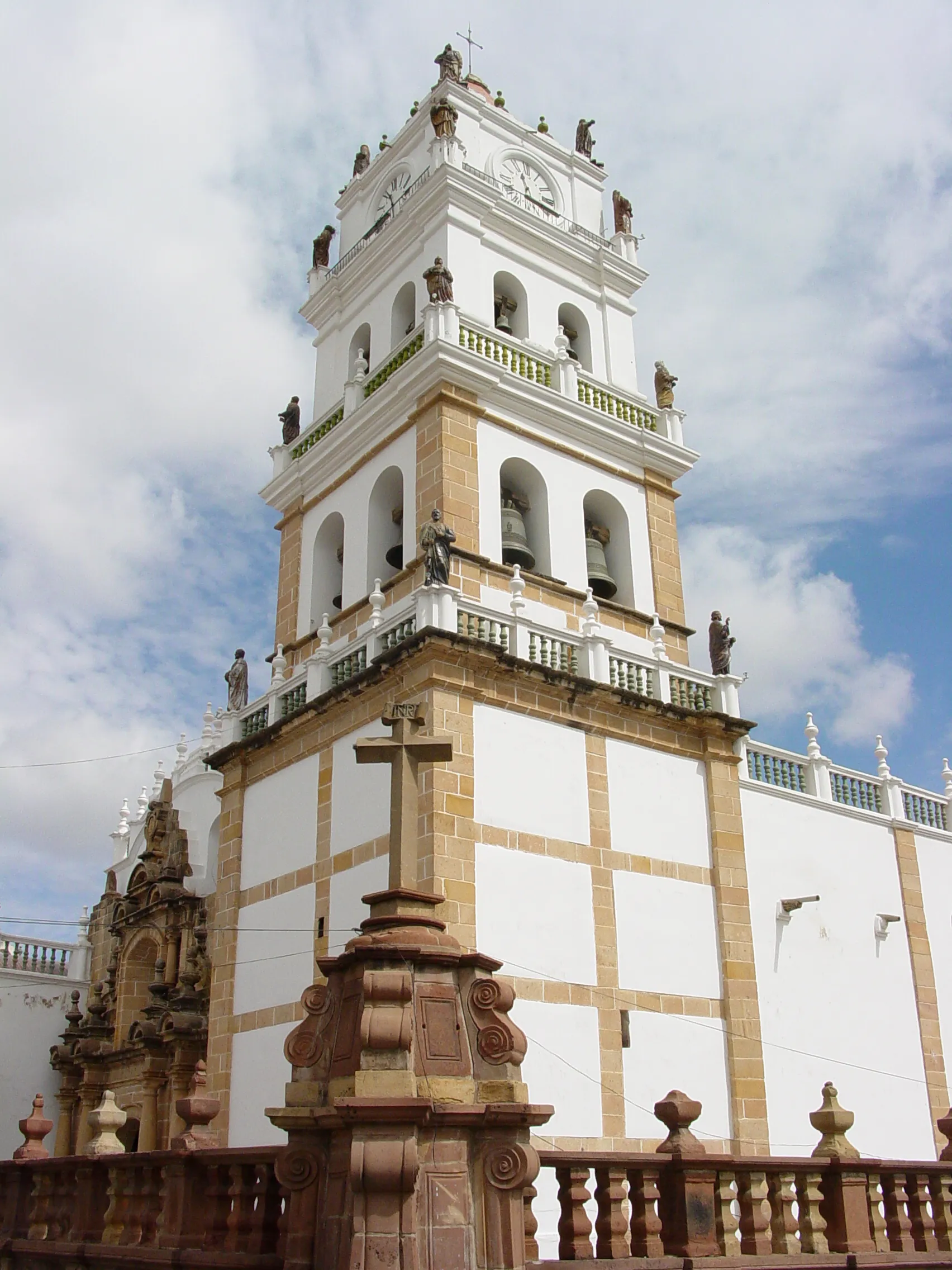 Sucre
SucreSucre
Bolivia
Bolivia technically has two capitals, and Sucre, the whitewashed constitutional capital where independence was formally declared in 1825, sits a short drive from a vertical limestone quarry wall holding over 5,000 dinosaur footprints, discovered entirely by accident when a cement company blasted away rock and exposed one of the largest dinosaur track sites on Earth.
See full guide →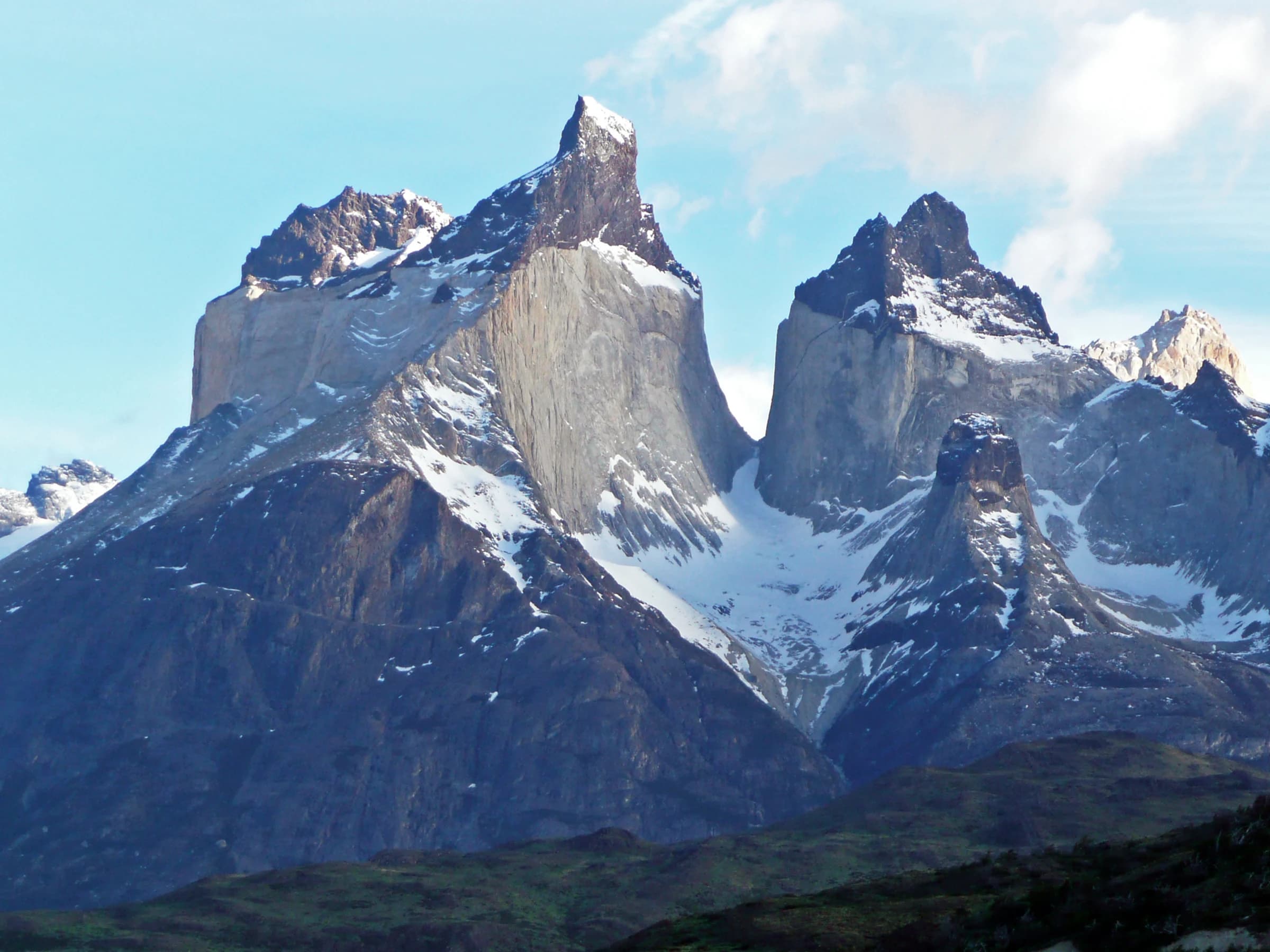 Torres del Paine
Torres del Paine
Chile
The three granite towers that give Torres del Paine its name took roughly 12 million years to form, pushed up from the Earth's crust and then carved into their current spires by glaciers — and the wind here is strong enough on a bad day to knock a hiker off their feet.
See full guide →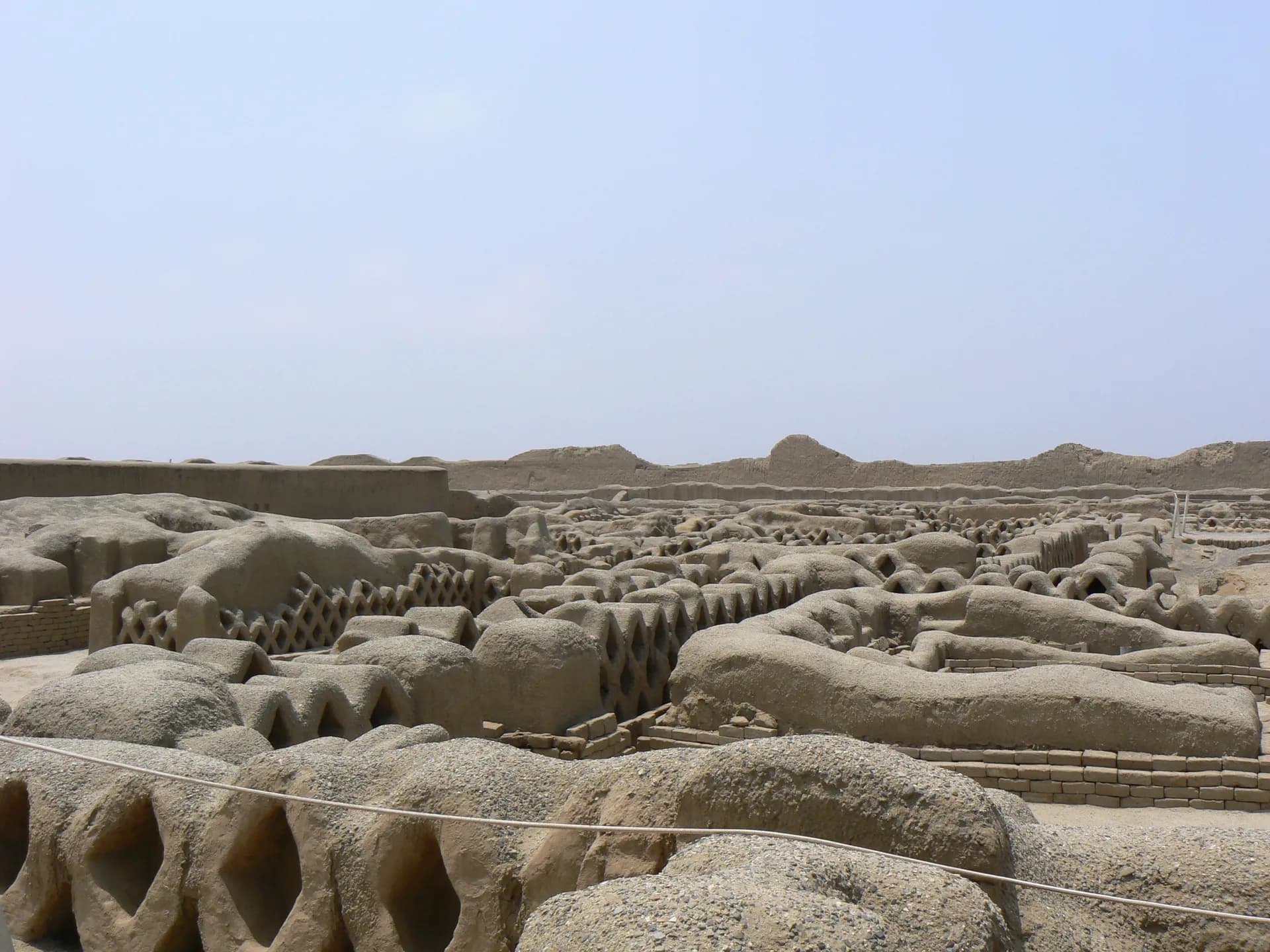 Trujillo
Trujillo
Peru
Chan Chan, the adobe capital of the pre-Inca Chimú civilization outside Trujillo, covers more ground than any other mud-brick city ever built in the Americas, a sprawling maze of walled citadels decorated with intricate geometric friezes that once housed an estimated 30,000 people before the Inca conquered it in the 15th century.
See full guide →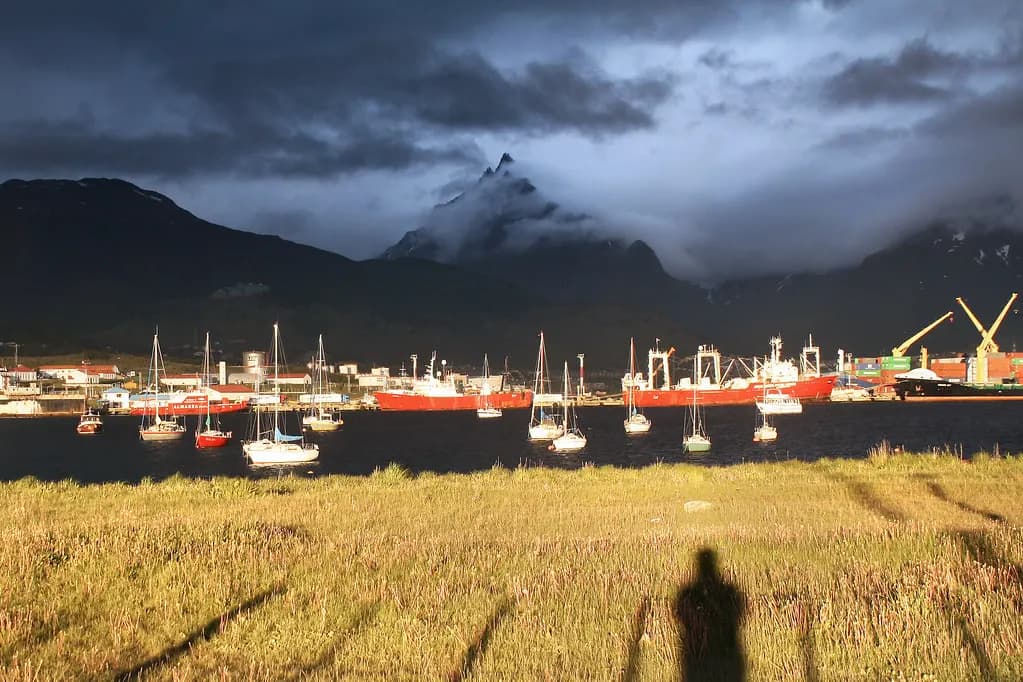 Ushuaia
Ushuaia
Argentina
Ushuaia calls itself "the end of the world," and the claim holds up better than most marketing slogans — it's the southernmost city on Earth with a real airport and hotels, closer to Antarctica than to most of the rest of Argentina.
See full guide →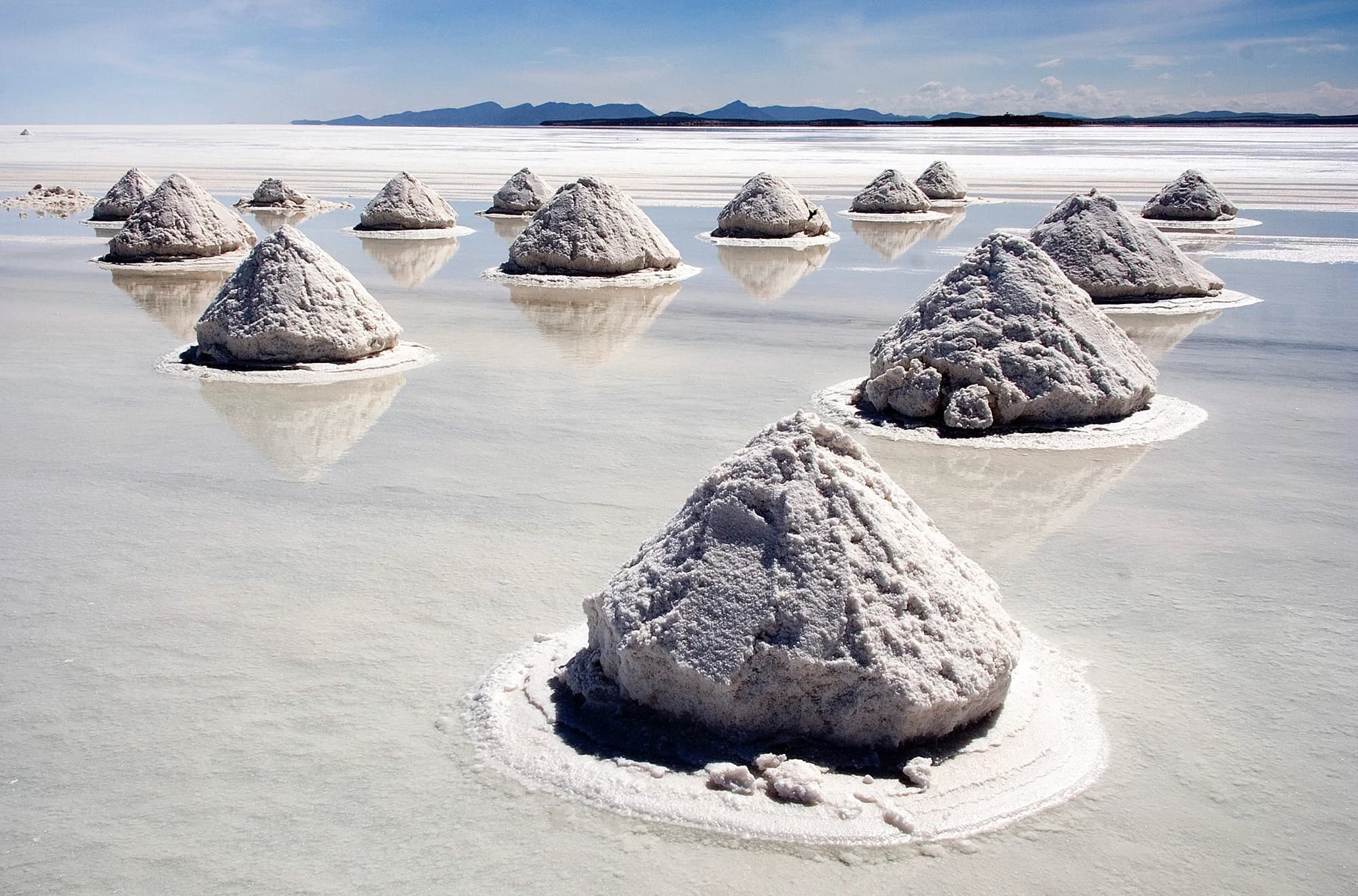 Salar de Uyuni
Salar de Uyuni
Bolivia
During the wet season, a thin sheet of water settles over the Salar de Uyuni's 10,000 square kilometers of salt crust and turns the entire flat into the world's largest natural mirror — a reflection so seamless that photos of visitors here regularly look like they're standing in mid-sky.
See full guide →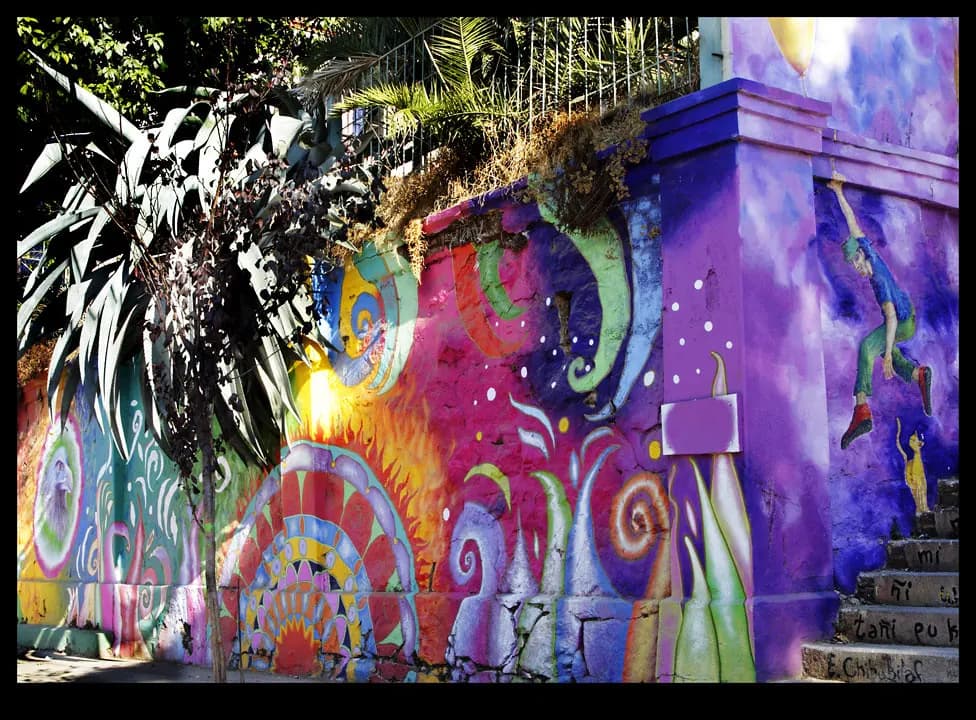 Valparaíso
Valparaíso
Chile
Valparaíso's steep hills got so impossible to climb on foot that the city built over a dozen antique funicular elevators starting in the 1880s — several are still running today, more than any other city in the world, hauling residents past walls covered in some of the best street art in South America.
See full guide →