Bolivia · South America
Potosí
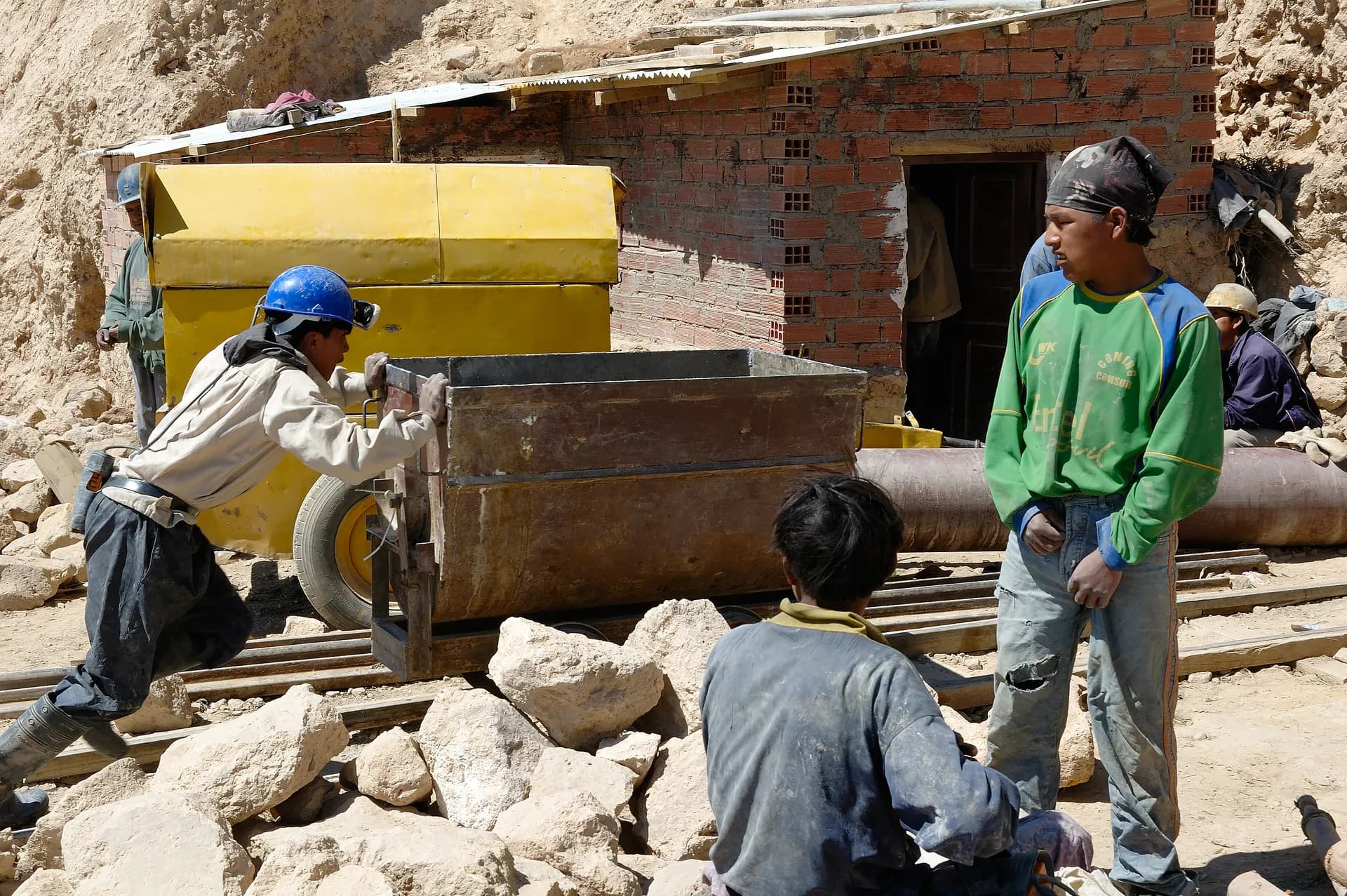
Cerro Rico, the mountain looming over Potosí, produced so much silver for the Spanish Empire starting in 1545 that the phrase 'vale un Potosí,' worth a Potosí, became Spanish idiom for immense wealth — and miners, working in conditions largely unchanged for centuries, still climb into it every day.
Cerro Rico, the mountain rising directly above Potosí, built and nearly bankrupted an empire. Spanish colonizers discovered its massive silver deposits in 1545, and for the following two centuries, the mountain supplied a substantial share of all silver circulating through the Spanish Empire, funding wars, palaces, and global trade thousands of kilometers away. The wealth it generated was so vast that "vale un Potosí," worth a Potosí, entered the Spanish language as an idiom for extraordinary riches, a phrase that's outlasted the empire it described.
That wealth built one of the largest cities on Earth at its 17th-century peak, larger by some estimates than London or Paris, its population drawn by the silver rush the way later gold and oil booms would draw people elsewhere. Potosí's colonial old town, a UNESCO World Heritage site, still holds the architectural record of that boom: ornate churches, the Casa de la Moneda, once the Spanish Empire's royal mint, where silver was struck into coins that funded Spain's global reach, and grand colonial buildings that feel oversized for a city Potosí's current, much smaller population.
The mines are still active, and that's the part of Potosí's story that's hardest to look away from once it's understood directly. Cooperative miners continue working inside Cerro Rico today, using techniques that have changed relatively little over centuries, extracting silver, zinc, and other minerals under conditions that remain genuinely difficult: cramped tunnels, minimal safety equipment, and a working life expectancy considerably shorter than average. Guided tours take visitors into active sections of the mine, walking alongside miners still at work, an experience that many find powerfully educational precisely because it doesn't soften or romanticize the reality, and one that others, understandably, find too physically and emotionally difficult to complete.
Potosí sits above 4,000 meters, among the highest cities in the world, and that altitude shapes daily life here as directly as the mining history does, thinner air, colder nights, and a need for genuine acclimatization before any physical activity, mine tours included.
Visiting Potosí honestly means holding two things at once: genuine appreciation for one of colonial history's most architecturally significant surviving cities, and a direct, unromanticized look at the human cost, then and now, of the wealth that built it. Few destinations anywhere connect those two threads as directly as Cerro Rico still does.
What a trip here actually costs
$40 / day avg.
- Budget guesthouse in Potosí's old town
- Local bus transport
- Local Bolivian meals
- Casa de la Moneda museum entry
What to do at this tier
- • Potosí's colonial old town walk, free
- • Casa de la Moneda (Royal Mint) museum
- • San Francisco Church and convent
$85 / day avg.
- Mid-range colonial-building hotel
- Private guide for the city
- Restaurant meals
- Guided Cerro Rico mine tour
What to do at this tier
- • Guided Cerro Rico mine tour
- • Miners' market visit, purchasing supplies to bring as gifts for miners
- • Tarapaya hot springs day trip
These are average estimates for planning purposes, not real-time prices — actual costs vary by season, availability, and how far ahead you book.
How to get there
Click anywhere on the world map — any airport works, not just our main hubs.
Click anywhere on the map above — any airport in the world works — to see estimated travel time and cost from there.
Times and prices are planning estimates, not live fares — always check a booking site before you commit. See the full Transport Comparison guide for the general tradeoffs of each mode.
Best time to visit
May-October is the dry season and generally more comfortable for exploring; Potosí sits at over 4,000 meters elevation, among the highest cities in the world, so altitude adjustment matters regardless of season.
Safety notes
The city itself is generally safe with standard precautions; mine tours involve genuine physical risk, cramped tunnels, dust, and heat, and should only be booked through established, reputable operators.
Visa & currency
Bolivian boliviano (BOB). Most nationalities receive visa-free entry or visa on arrival for short stays; confirm current requirements before booking.
Questions people ask before visiting
Is Potosí worth visiting?
For travelers interested in genuinely significant colonial and economic history, yes — Potosí was once among the largest, wealthiest cities on Earth, and its well-preserved colonial center, UNESCO-listed, sits directly beneath Cerro Rico, the mountain whose silver funded the Spanish Empire for centuries.
Can you tour the Cerro Rico silver mines?
Yes, guided mine tours are widely available and remain a popular, if genuinely intense, activity. Visitors enter active working mines alongside miners still extracting minerals under difficult, largely unmechanized conditions, an experience some find powerfully educational and others find too uncomfortable to continue partway through.
Why was Potosí so important historically?
Cerro Rico's silver deposits, discovered in 1545, became the primary source of silver for the entire Spanish Empire for over two centuries, funding much of Spain's global power. Potosí grew into one of the largest, wealthiest cities in the world at its peak, larger at one point than London or Paris.
Are the Cerro Rico mines still active today?
Yes, cooperative miners continue working inside Cerro Rico using techniques that have changed relatively little over centuries, extracting silver, zinc, and other minerals in conditions that remain genuinely difficult and hazardous, a reality that mine tours present directly rather than romanticizing.
Nearby destinations
 Sucre
SucreSucre
Bolivia
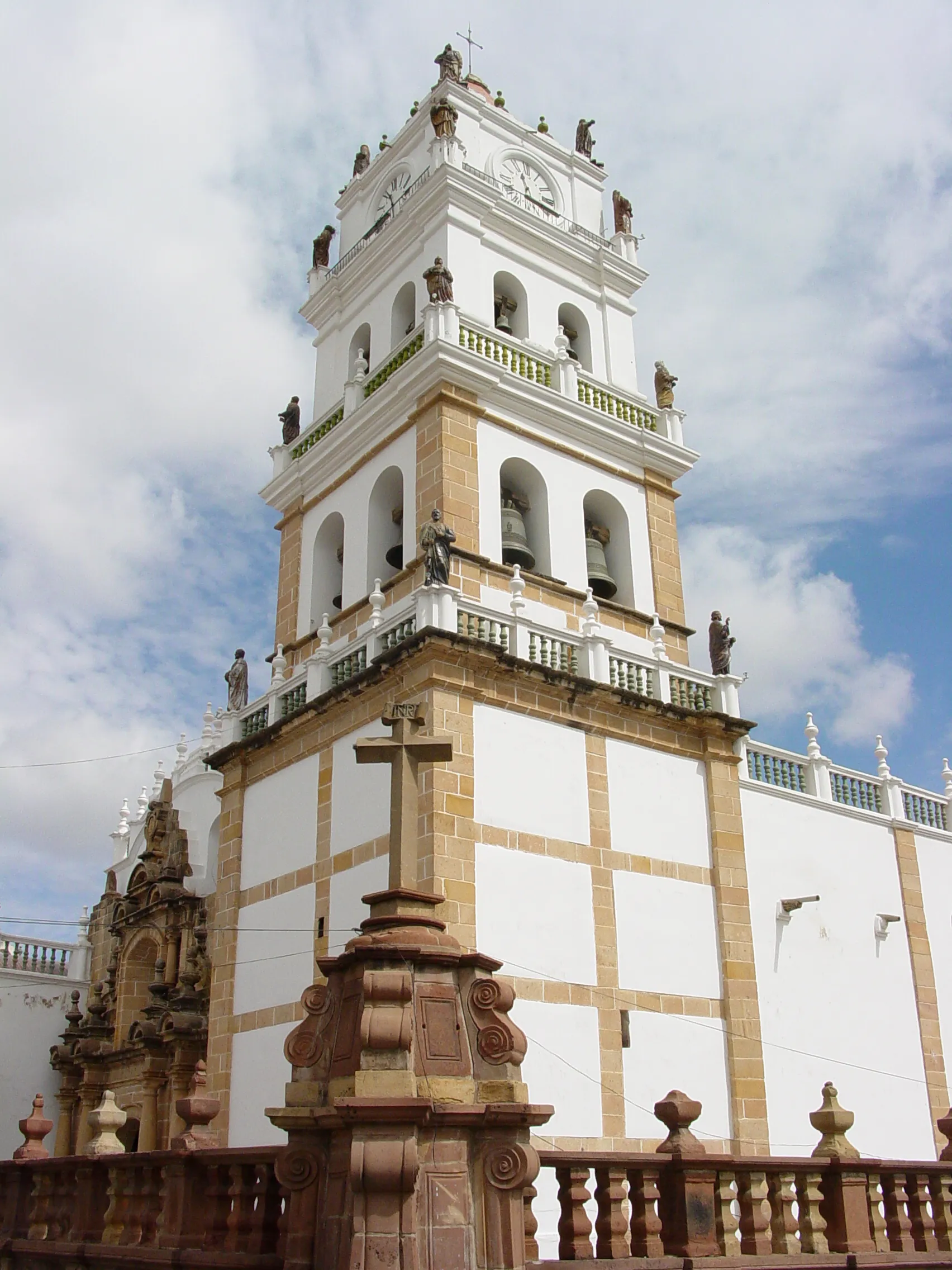
Bolivia technically has two capitals, and Sucre, the whitewashed constitutional capital where independence was formally declared in 1825, sits a short drive from a vertical limestone quarry wall holding over 5,000 dinosaur footprints, discovered entirely by accident when a cement company blasted away rock and exposed one of the largest dinosaur track sites on Earth.
See full guide →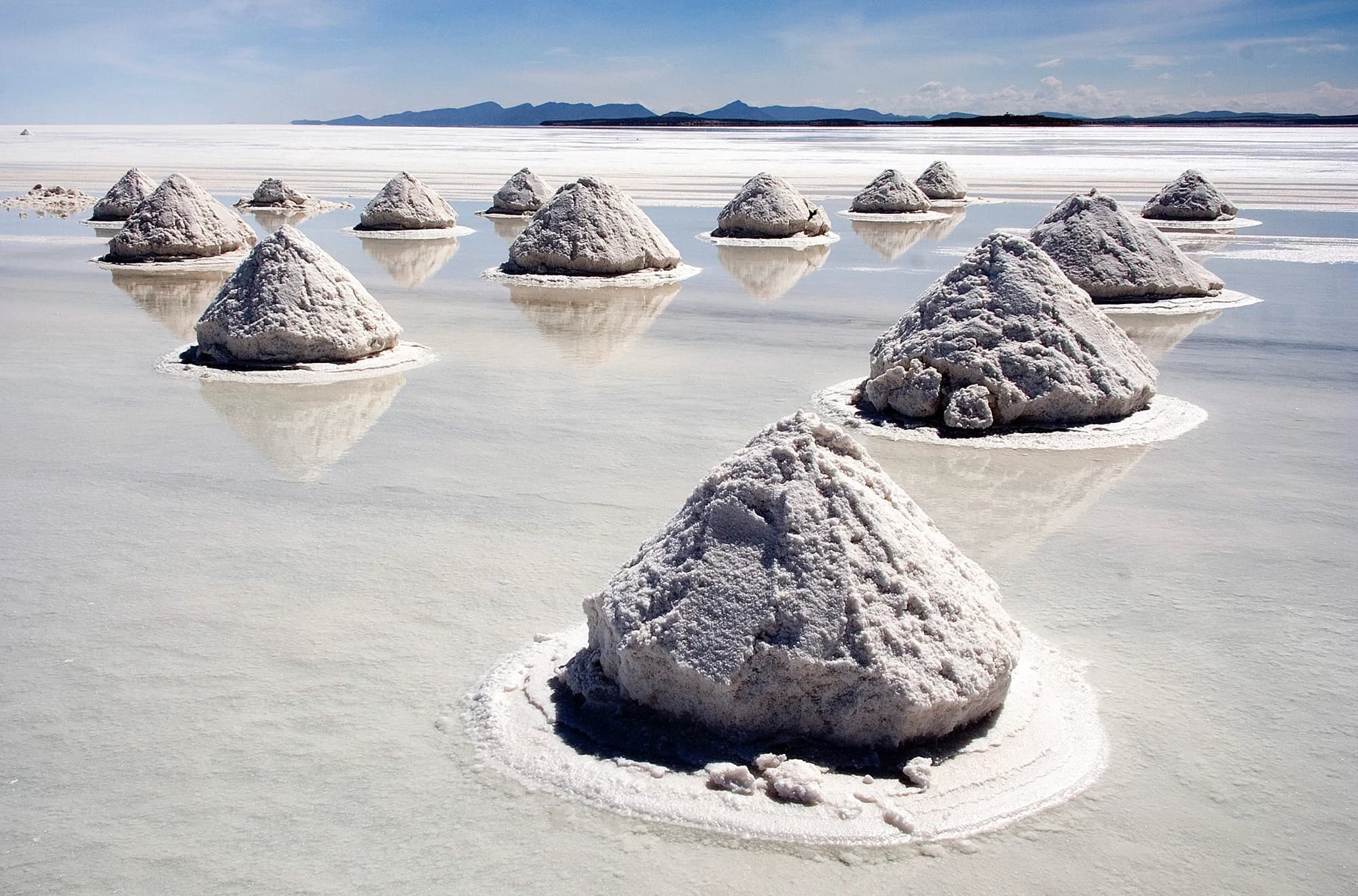 Salar de Uyuni
Salar de Uyuni
Bolivia
During the wet season, a thin sheet of water settles over the Salar de Uyuni's 10,000 square kilometers of salt crust and turns the entire flat into the world's largest natural mirror — a reflection so seamless that photos of visitors here regularly look like they're standing in mid-sky.
See full guide →Comparing more than one route? See the full transport comparison guide.