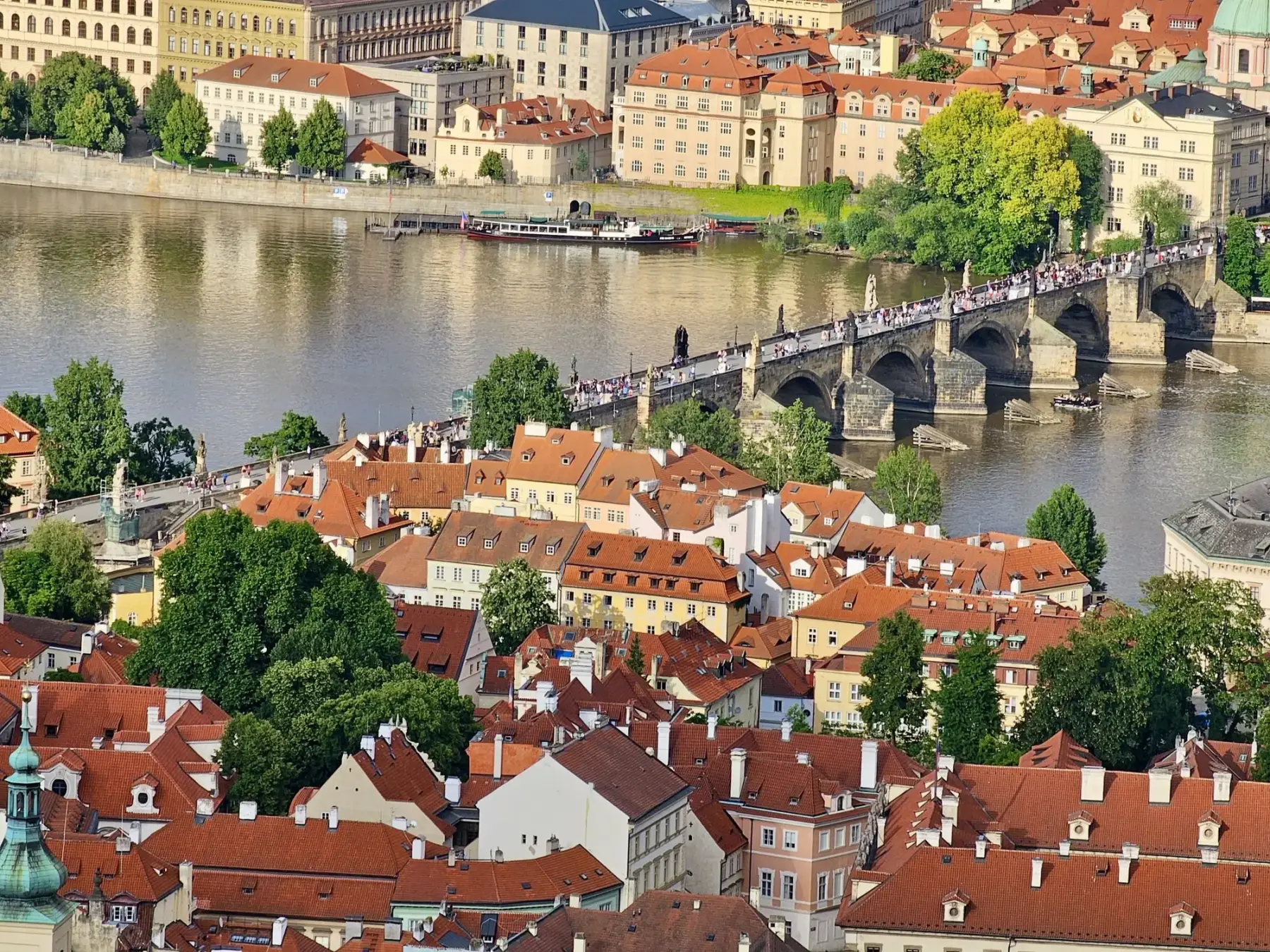
 Europe
Europe travel guide
Europe rewards travelers who mix transport modes instead of defaulting to flights for everything. A lot of the destinations below sit within a few hours of each other by train, which is why this is the continent Wayfarly launched with — it's the easiest place to test a route comparison that actually matters.
75 destinations, ready to compare
 Amsterdam
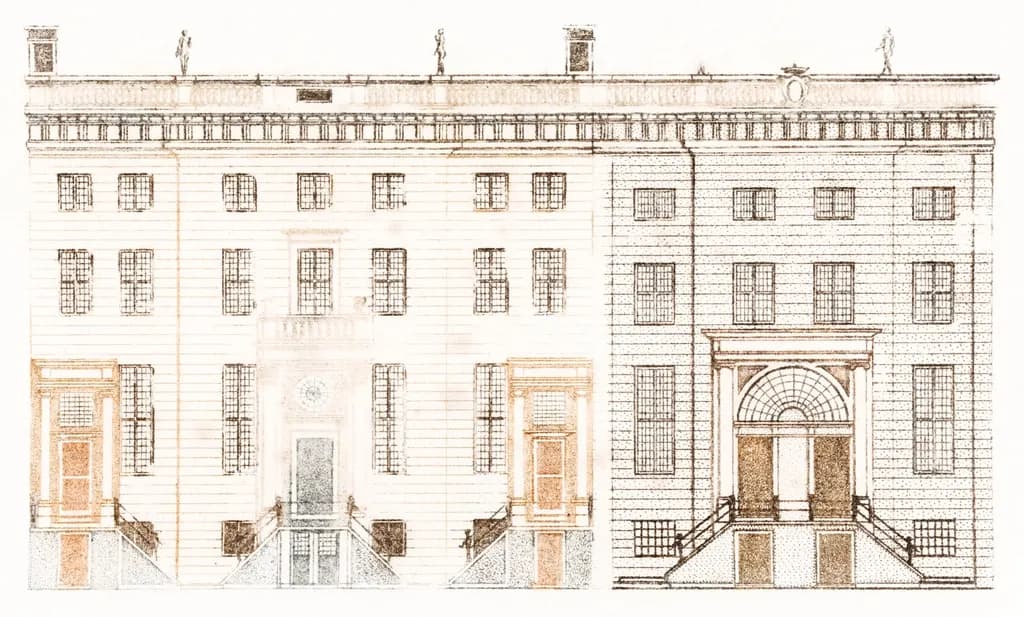
Amsterdam
Netherlands
There are more bikes than people registered in this city, and the bike lanes are enforced with more consequence than the actual roads — step into one without looking and you'll hear about it.
See full guide →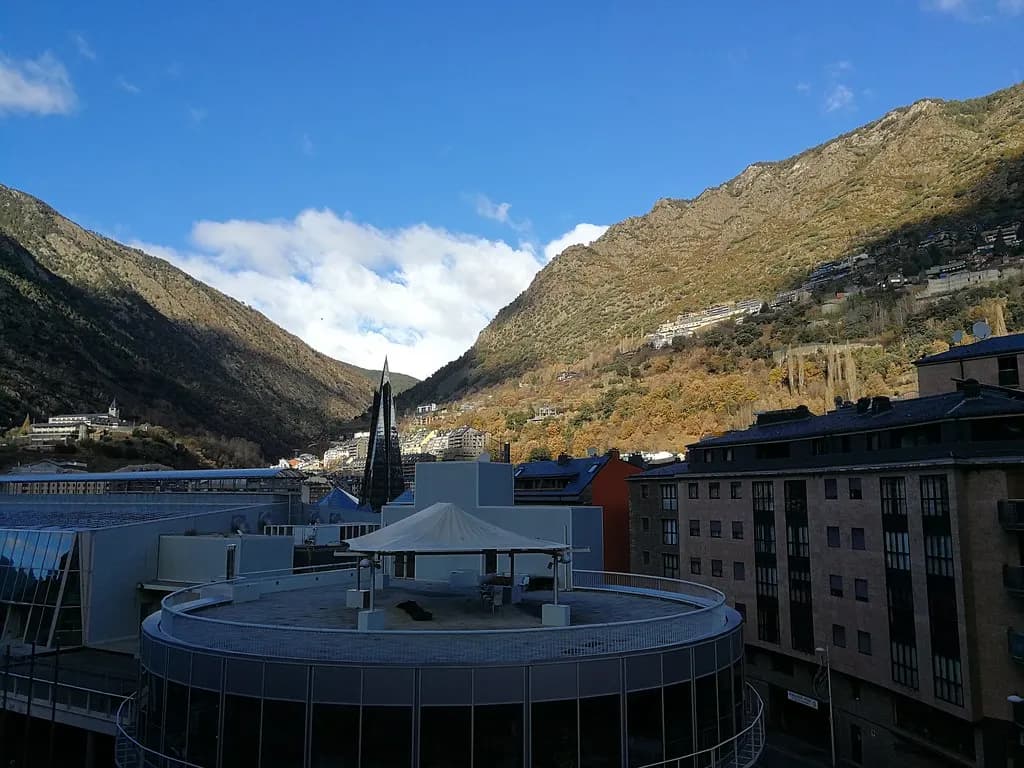 Andorra la Vella
Andorra la Vella
Andorra
Andorra has no standing army, existed for over 700 years as a co-principality ruled jointly by a French head of state and a Spanish bishop, and somehow packs some of the best value ski resorts and duty-free shopping in Europe into a country you could drive across in under an hour.
See full guide →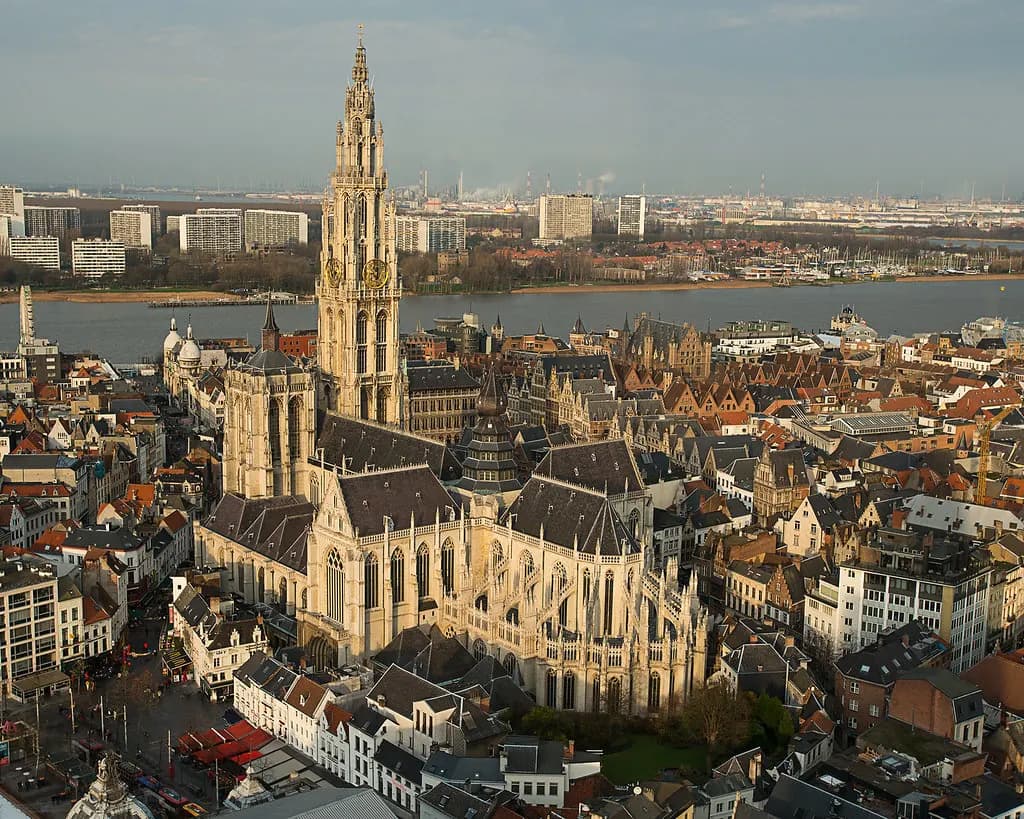 Antwerp
Antwerp
Belgium
About 84% of the world's rough diamonds pass through Antwerp's diamond district at some point — a four-block area that quietly moves more diamond value in a year than most countries' entire GDP.
See full guide →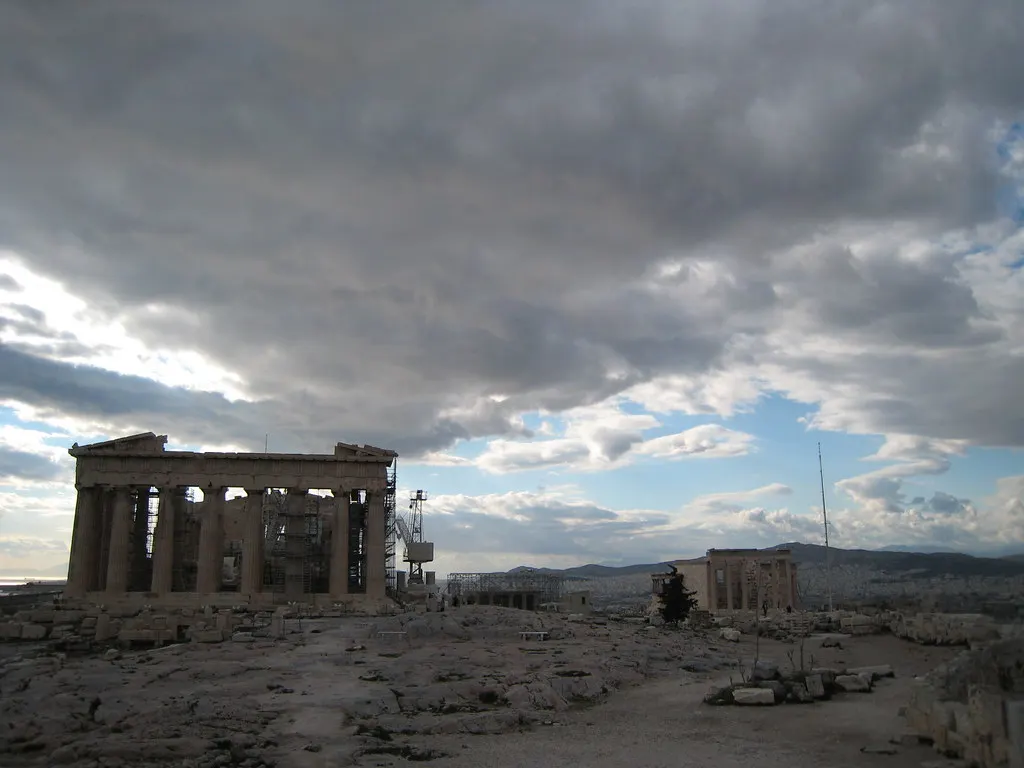 Athens
Athens
Greece
You can stand in the shadow of a 2,500-year-old temple, then walk two minutes and find some of the best street art in southern Europe covering the side of an apartment block — the ancient and the unfinished sit right next to each other here.
See full guide →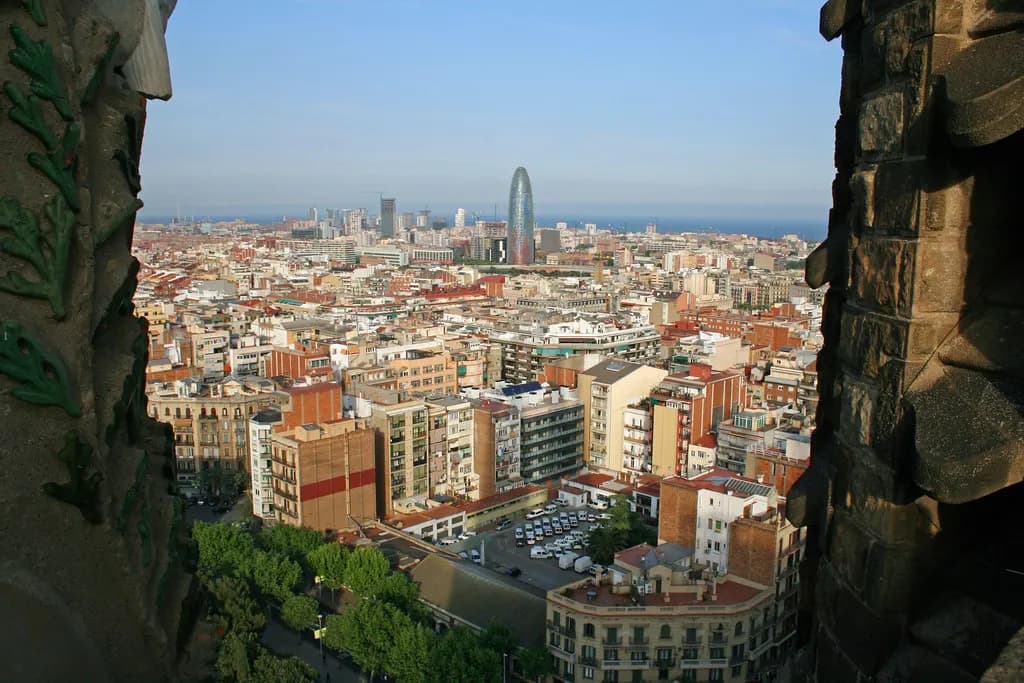 Barcelona
Barcelona
Spain
Gaudí spent over a decade on a church that's still not finished, and somehow that unfinished cathedral is now the thing everyone plans their trip around.
See full guide →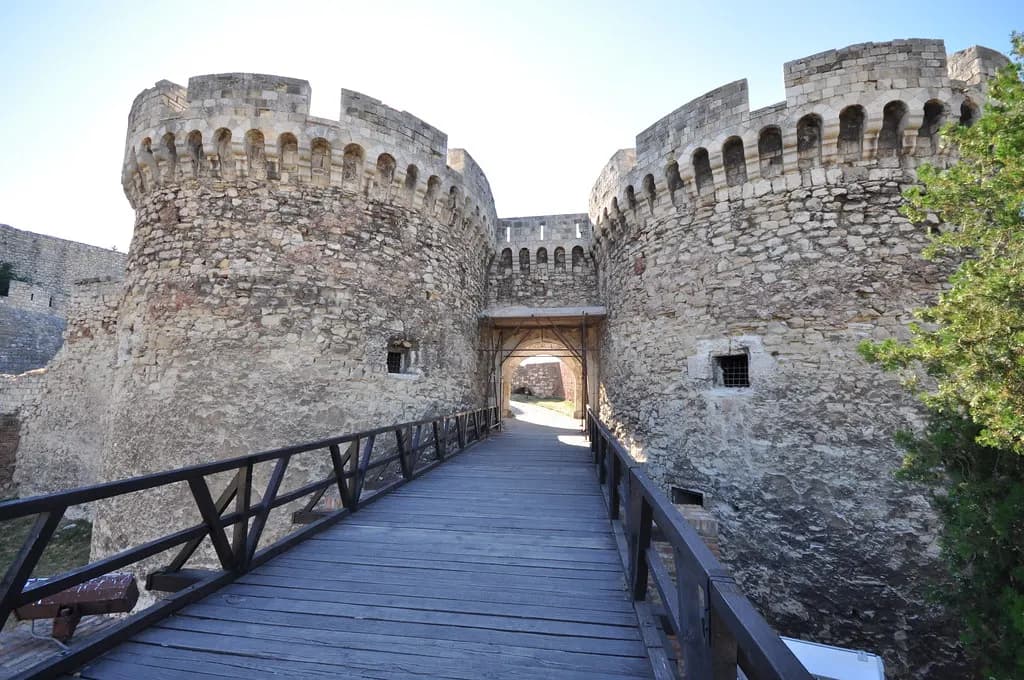 Belgrade
Belgrade
Serbia
Belgrade has been conquered, destroyed, and rebuilt more times than almost any other European capital — by some counts, close to 40 times — and the fortress at its center has outlived every empire that ever held it.
See full guide →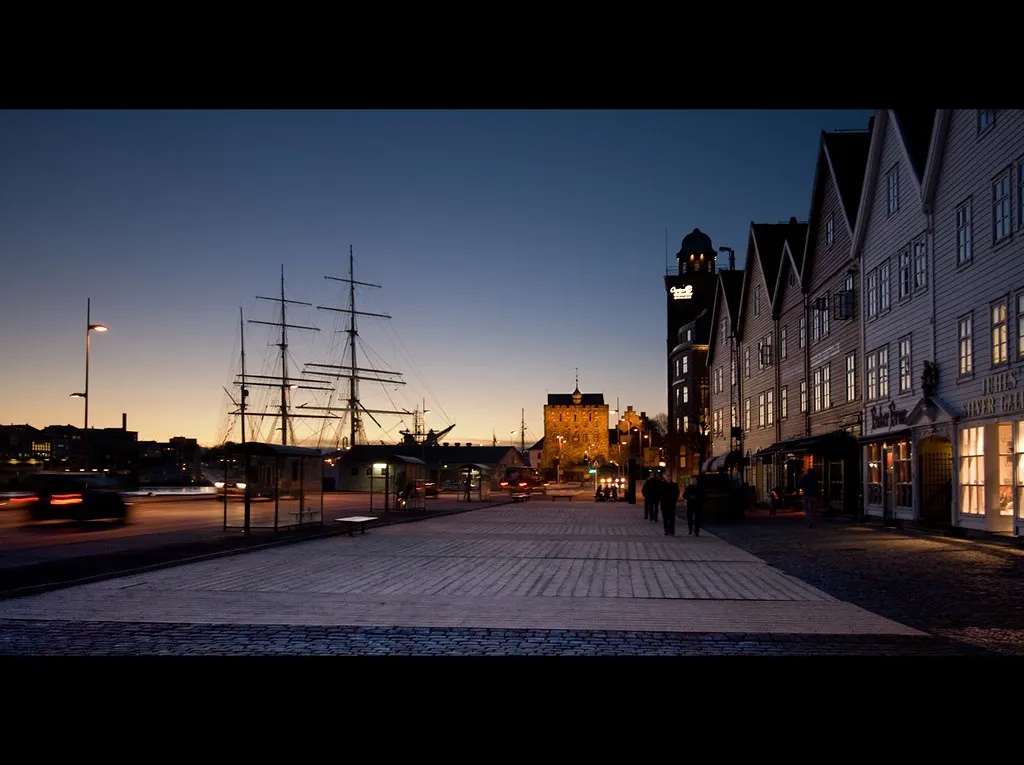 Bergen
Bergen
Norway
This city gets rain roughly 240 days a year, enough that locals have made peace with it as a defining trait rather than a complaint — bring a proper jacket and expect the weather to change plans regardless of season.
See full guide →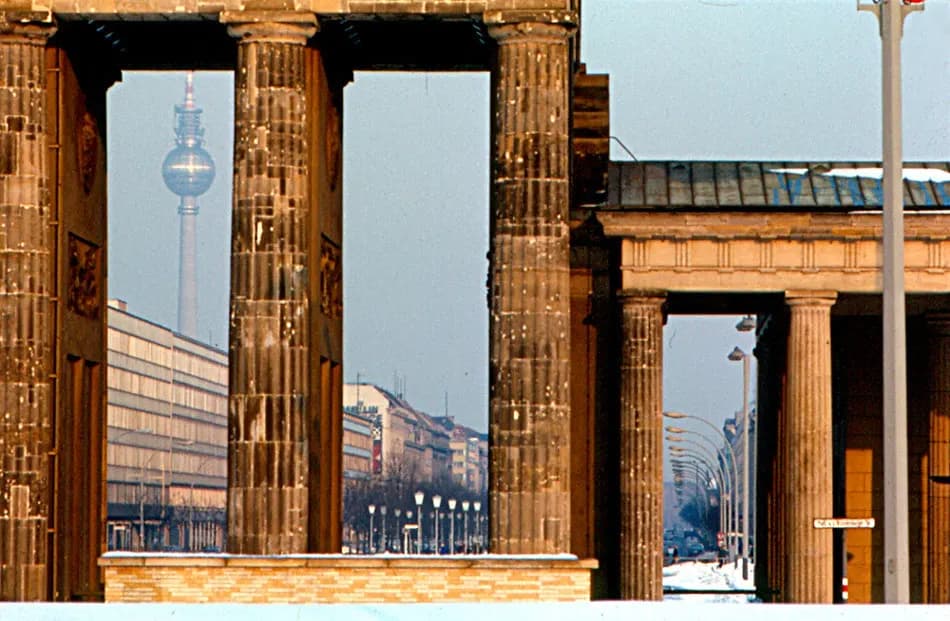 Berlin
Berlin
Germany
A city that was physically split in two for 28 years now has almost no visible seam — you can walk from what was the Soviet-controlled east into the former West Berlin without noticing, unless you know exactly where to look.
See full guide →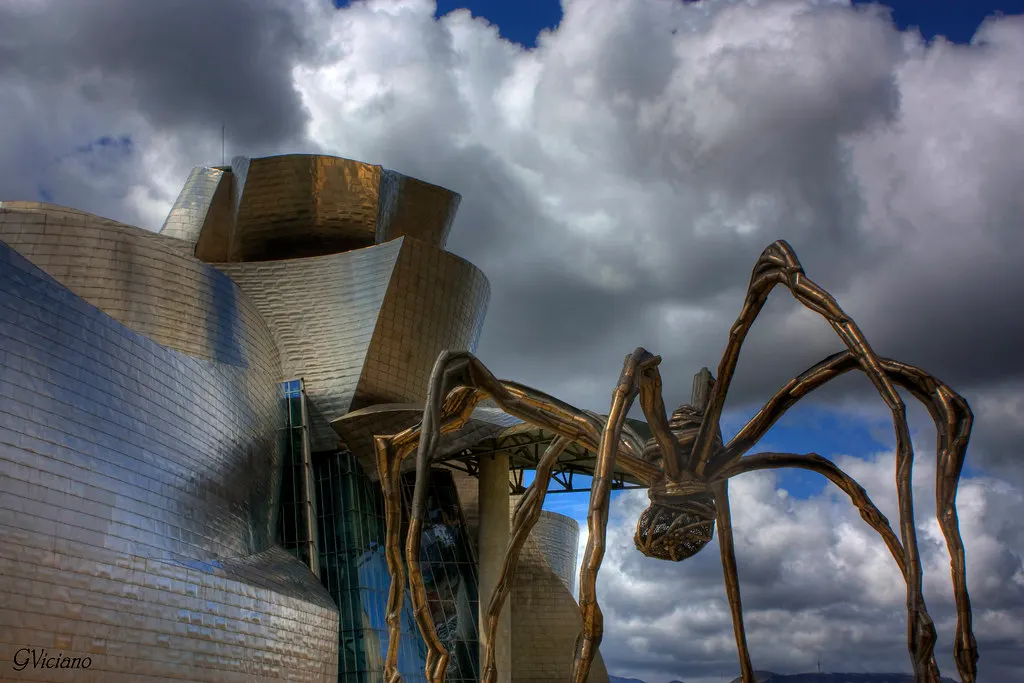 Bilbao
Bilbao
Spain
One museum single-handedly turned a declining industrial port city into one of Europe's most visited cultural destinations — the "Bilbao Effect" is now a genuine term urban planners use to describe what the Guggenheim did here in 1997.
See full guide →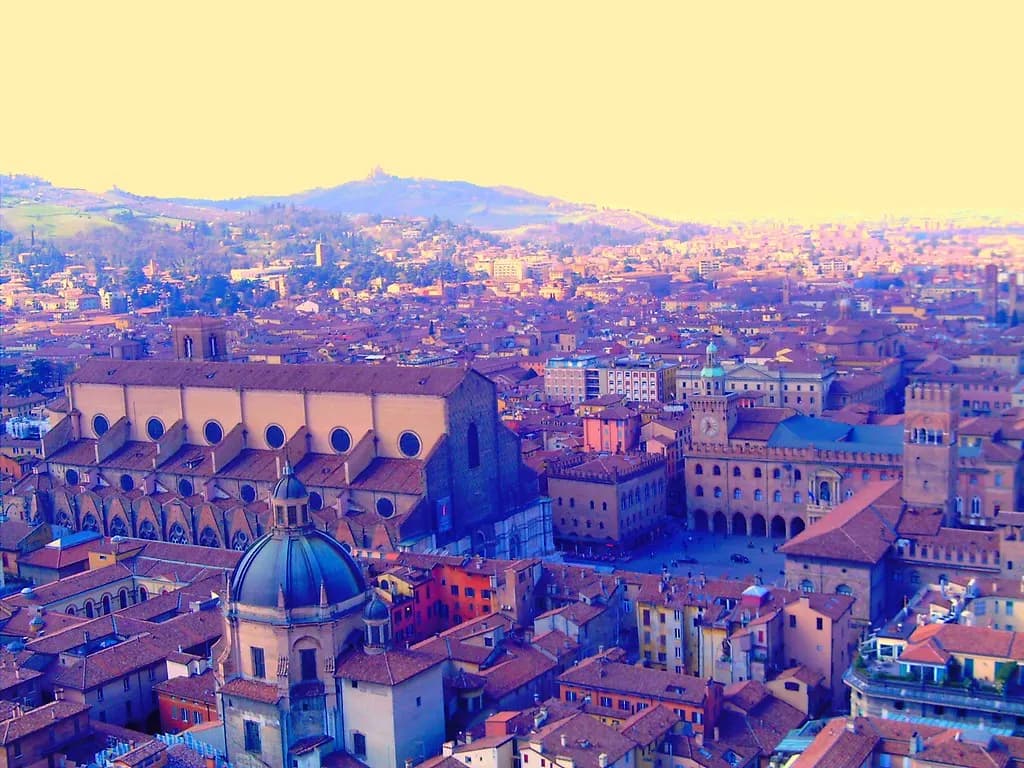 Bologna
Bologna
Italy
Bologna has been home to the oldest continuously operating university in the world since 1088 — older than Oxford, older than most of the cathedrals travelers cross Europe to see.
See full guide →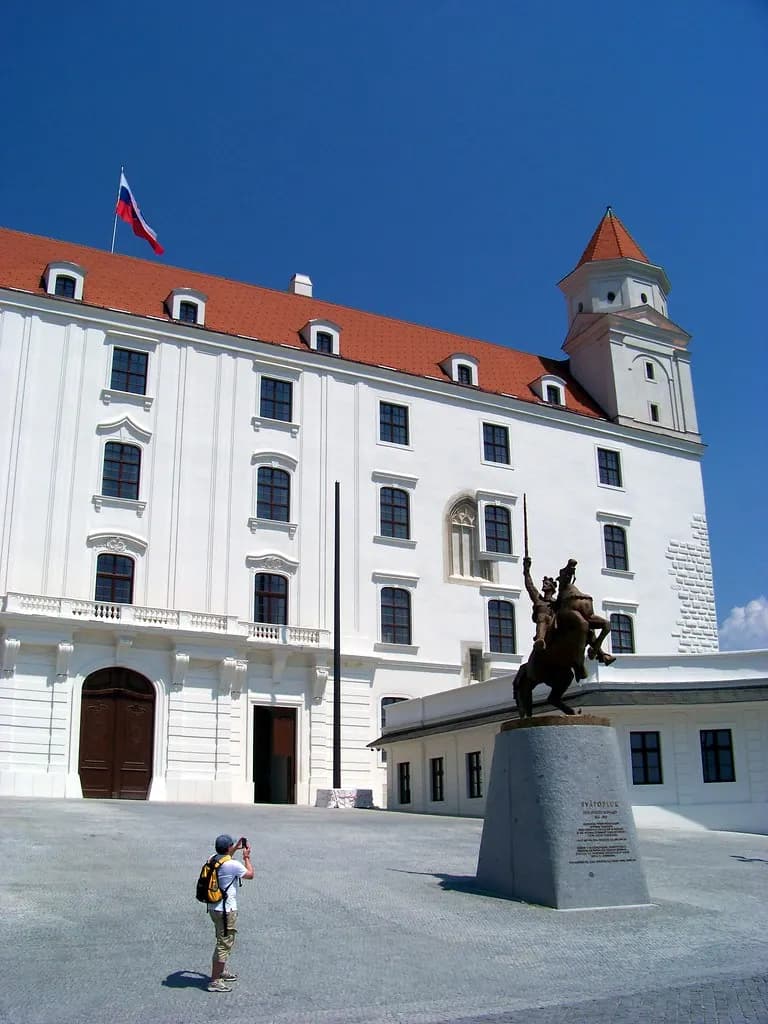 Bratislava
Bratislava
Slovakia
Vienna is close enough that some locals genuinely commute to Slovakia's capital for a cheaper apartment and ride a direct train to work in Austria every morning — one of the shortest international commutes between two national capitals anywhere in the world.
See full guide →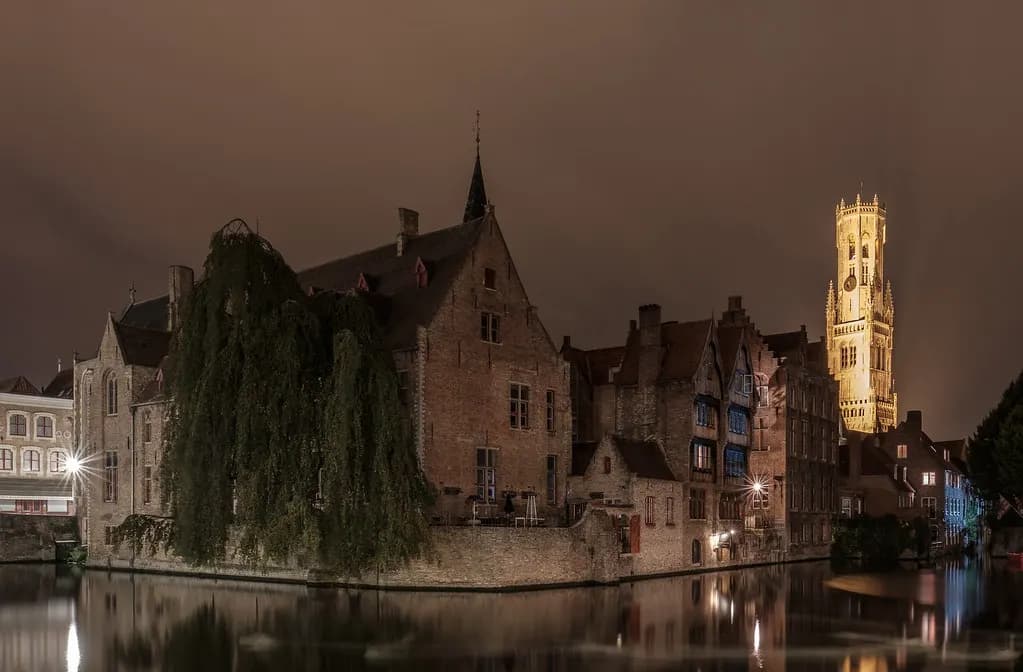 Bruges
Bruges
Belgium
The entire medieval center stopped growing centuries ago when the river connecting it to the sea silted up and the port died — which is exactly why it still looks the way it did in the 1400s instead of getting rebuilt over.
See full guide →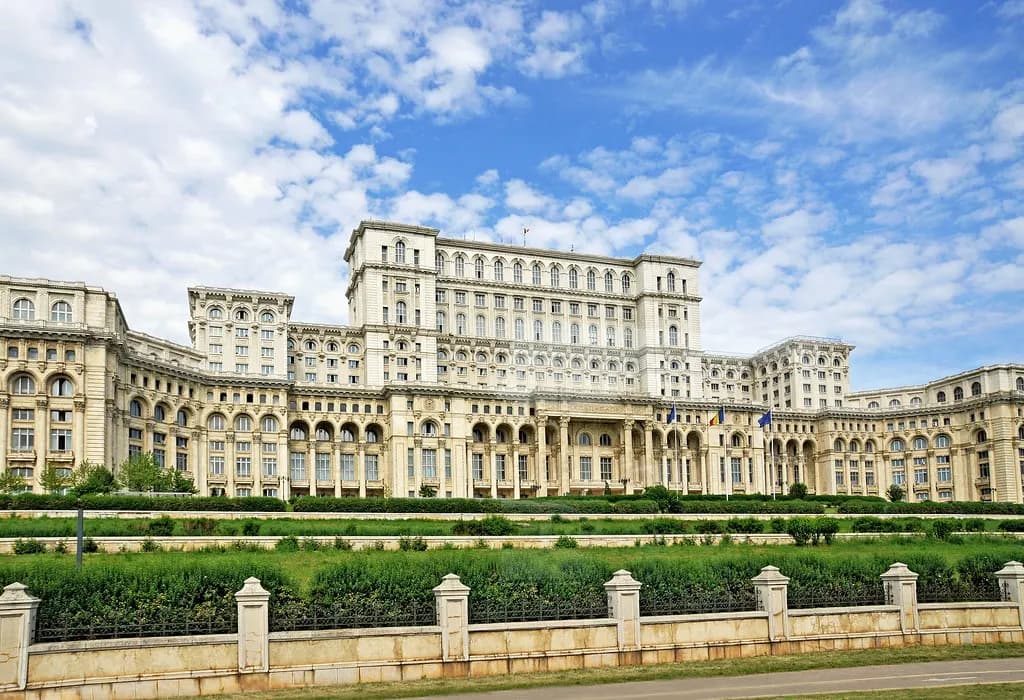 Bucharest
Bucharest
Romania
Ceaușescu's Palace of the Parliament is heavier than the Empire State Building and the Great Pyramid of Giza combined, built by a regime that flattened a fifth of historic Bucharest to make room for it.
See full guide → Budapest
Budapest
Hungary
Two cities merged into one in 1873 — Buda's hills on one bank, Pest's flat grid on the other — and you can still feel the seam every time you cross the Chain Bridge between them.
See full guide →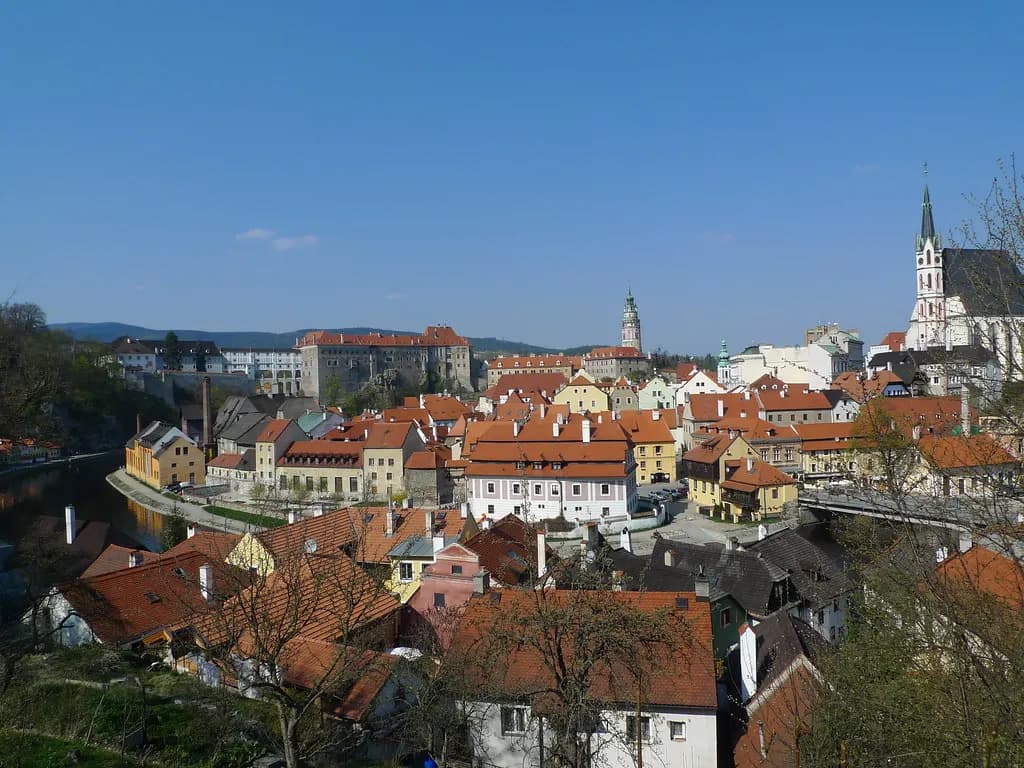 Český Krumlov
Český Krumlov
Czechia
This entire town curls around a single river bend so tightly that its medieval castle looks down on rooftops from almost every direction at once — a UNESCO site with around 13,000 residents that somehow avoided the wartime destruction that leveled most of Central Europe.
See full guide →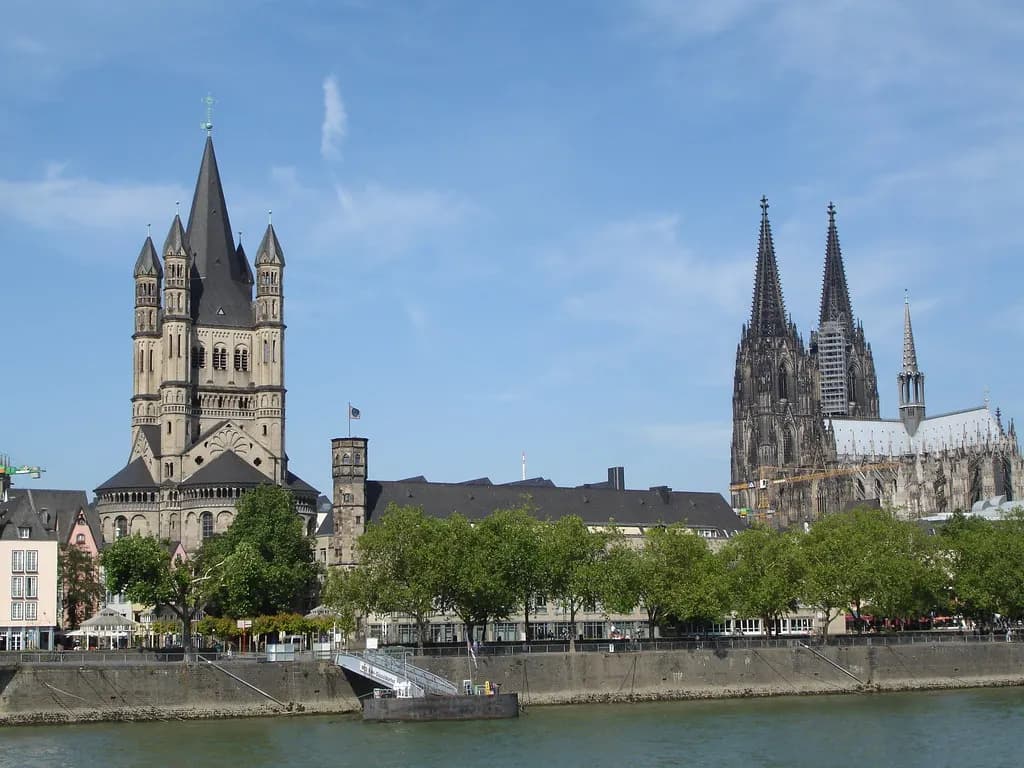 Cologne
Cologne
Germany
Cologne's cathedral took over 600 years to finish — construction stopped for four centuries and the original medieval crane sat unused on one of the half-built towers for so long it became a permanent city landmark in its own right before work ever resumed.
See full guide →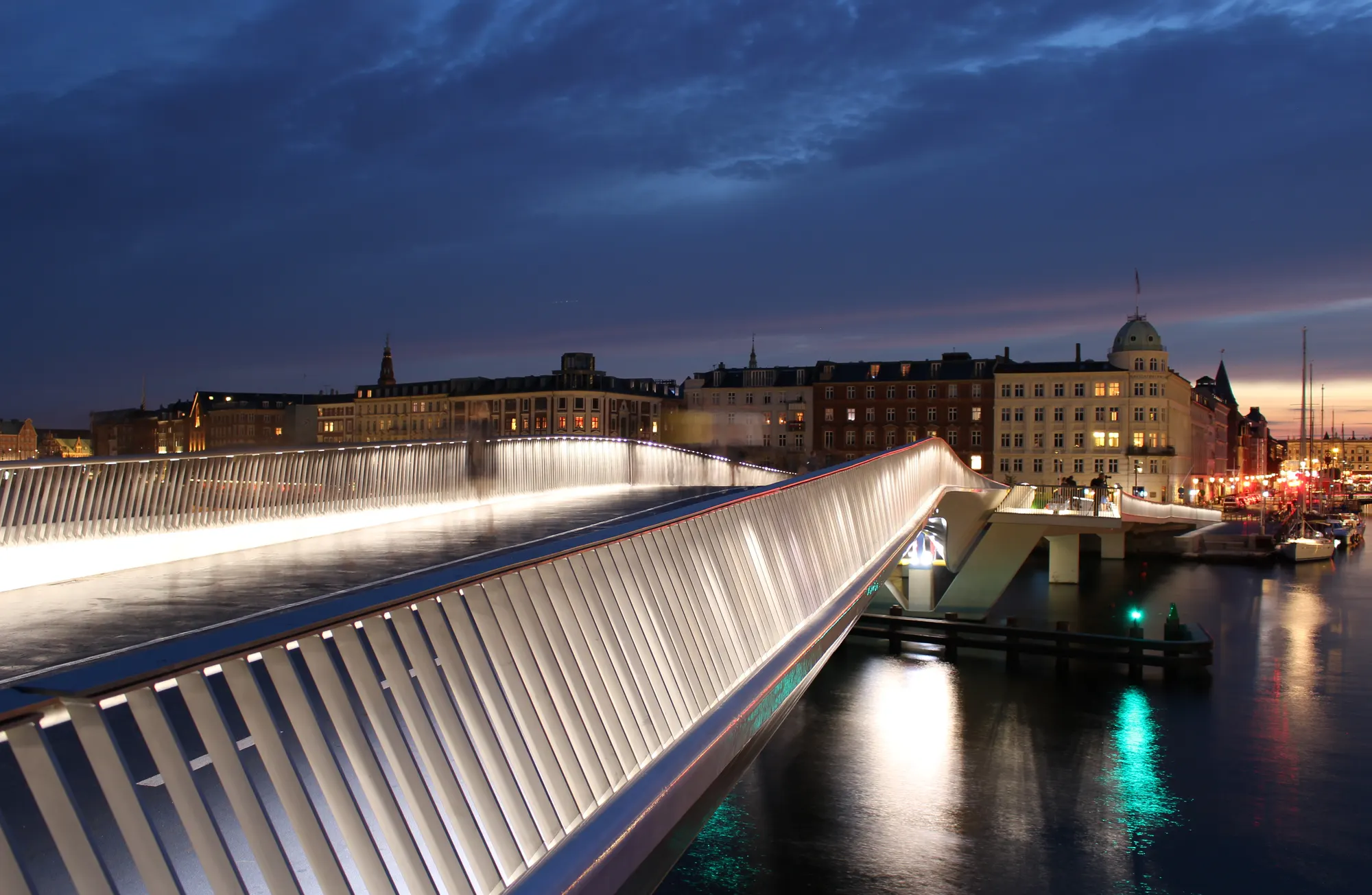 Copenhagen
Copenhagen
Denmark
An amusement park older than the Eiffel Tower still runs in the middle of downtown, right next to the restaurant that spent years being called the best in the world.
See full guide →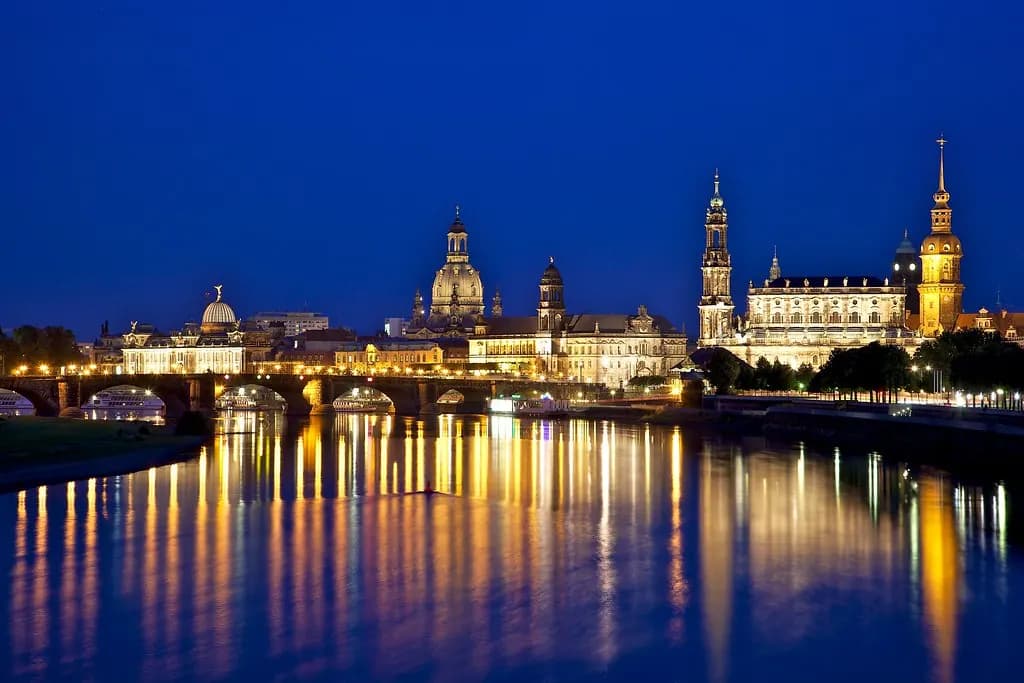 Dresden
Dresden
Germany
Allied bombing raids destroyed nearly all of Dresden's historic center in a single February night in 1945 — the Frauenkirche's dome collapsed and its ruins sat untouched as a war memorial for 45 years before reconstruction finally began, stone by original stone.
See full guide →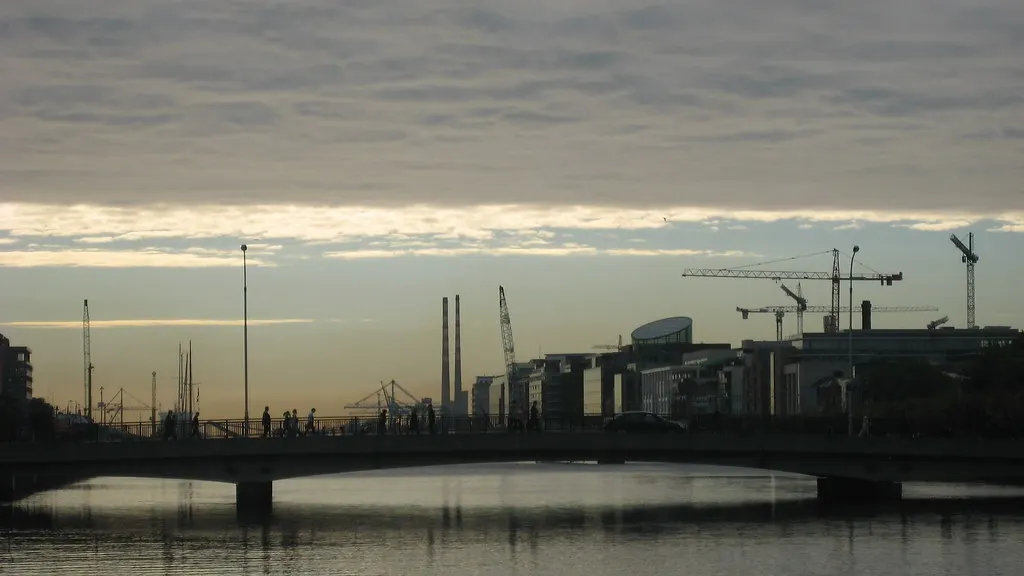 Dublin
Dublin
Ireland
Four Nobel laureates in literature came out of a city you can walk across in under 40 minutes — Yeats, Shaw, Beckett, and Heaney, with Joyce arguably more famous than all of them despite never winning one.
See full guide →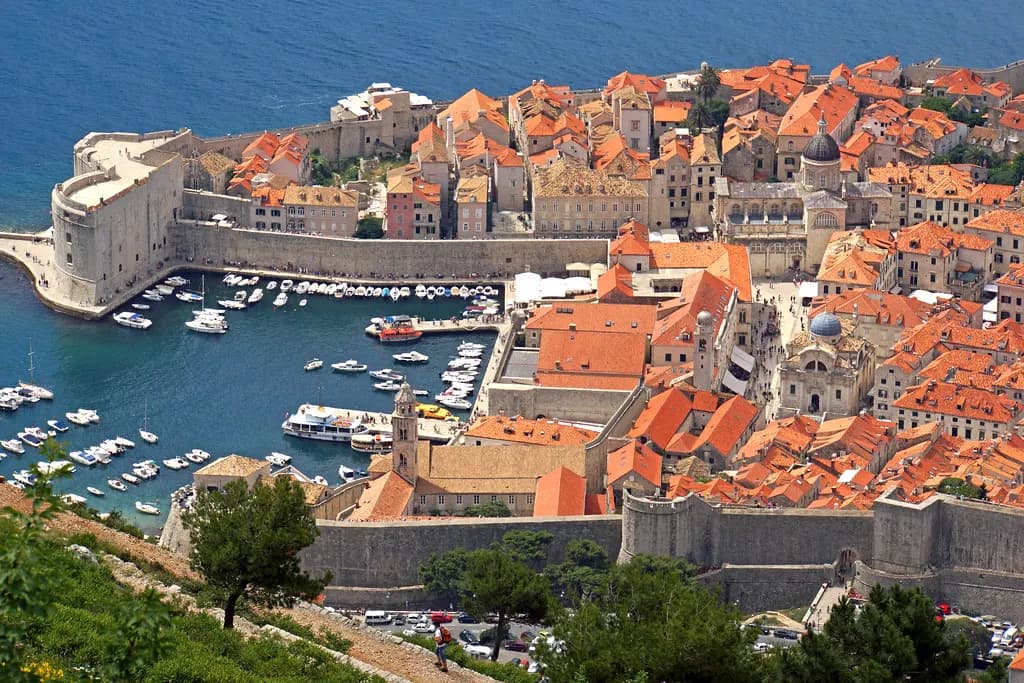 Dubrovnik
Dubrovnik
Croatia
This walled city was an independent maritime republic for over 400 years, wealthy enough to rival Venice, before Napoleon finally ended it in 1808 — the walls that made it defensible then are what make it a full-day walk today.
See full guide →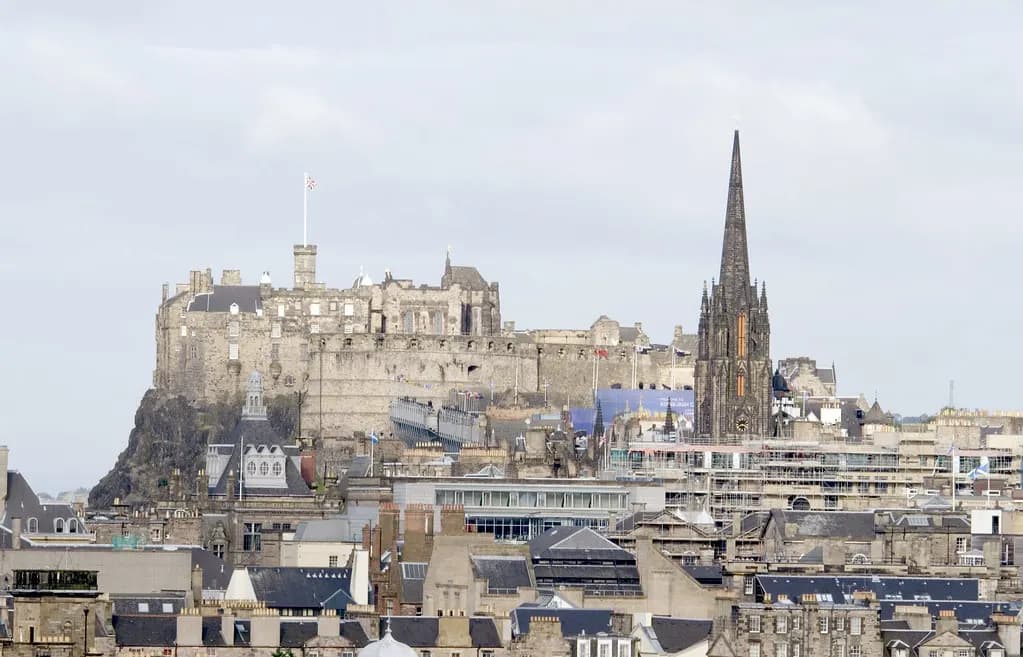 Edinburgh
Edinburgh
Scotland, United Kingdom
An extinct volcano sits inside the city limits, and you can hike to the top of it in under an hour, then be back at a pub on the Royal Mile before your legs stop complaining.
See full guide →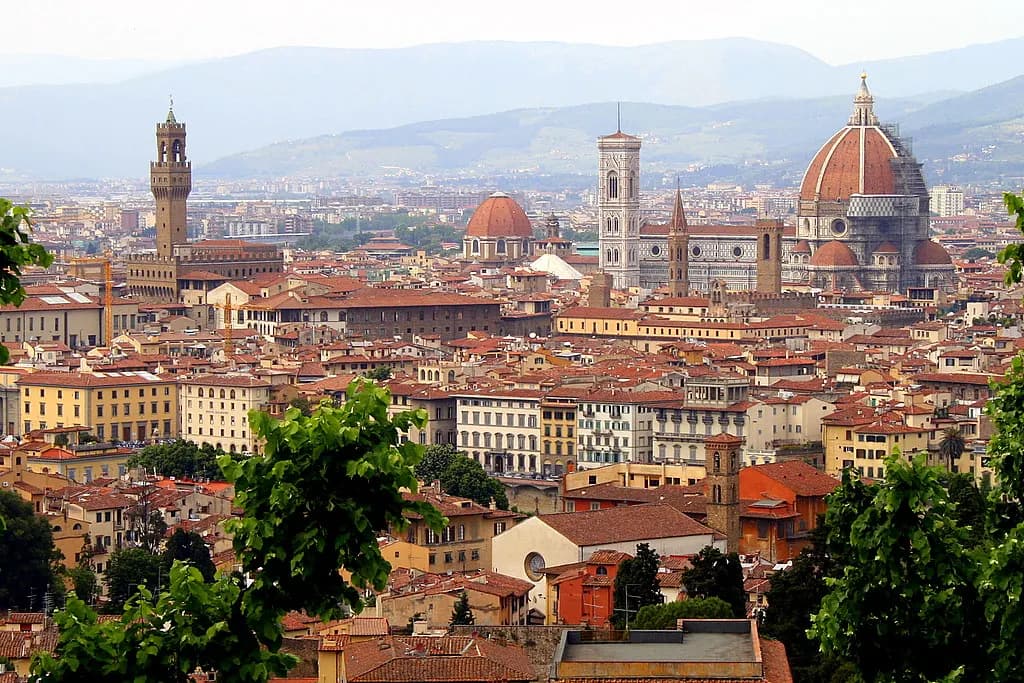 Florence
Florence
Italy
The entire historic center fits inside a walk you could do in under an hour, which is exactly why it gets so crowded — everyone's aiming for the same few blocks.
See full guide →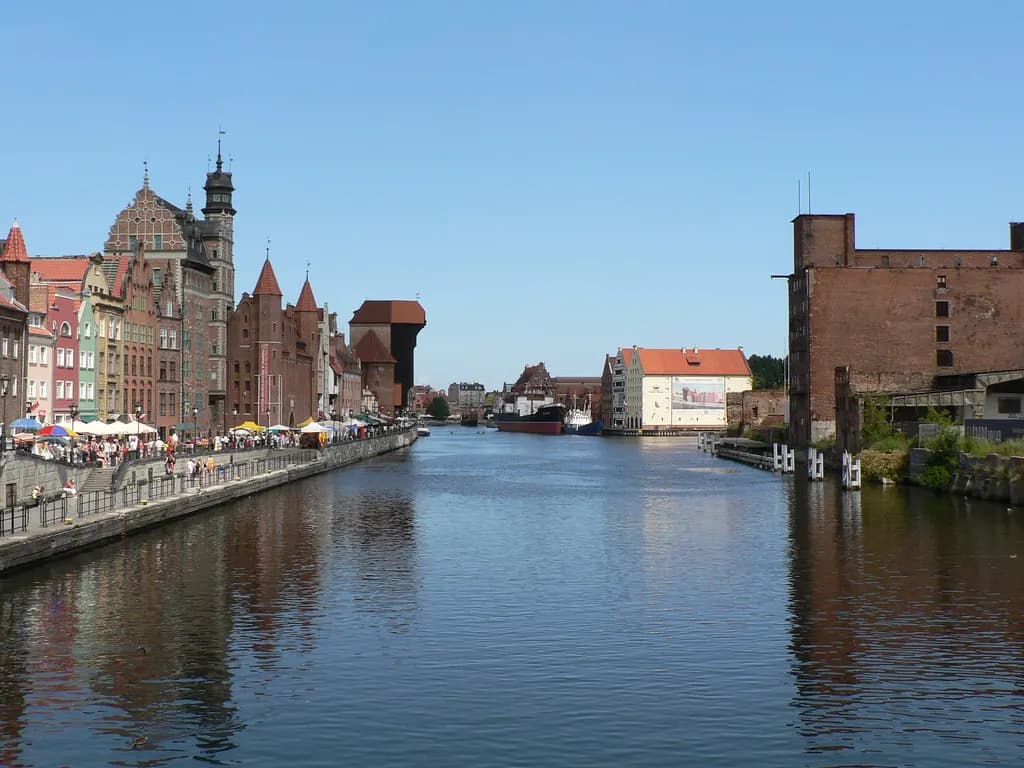 Gdansk
Gdansk
Poland
A shipyard strike here in 1980 grew into Solidarity, the first independent trade union in the Soviet bloc, and historians trace a direct line from it to the fall of Communism across Eastern Europe less than a decade later.
See full guide →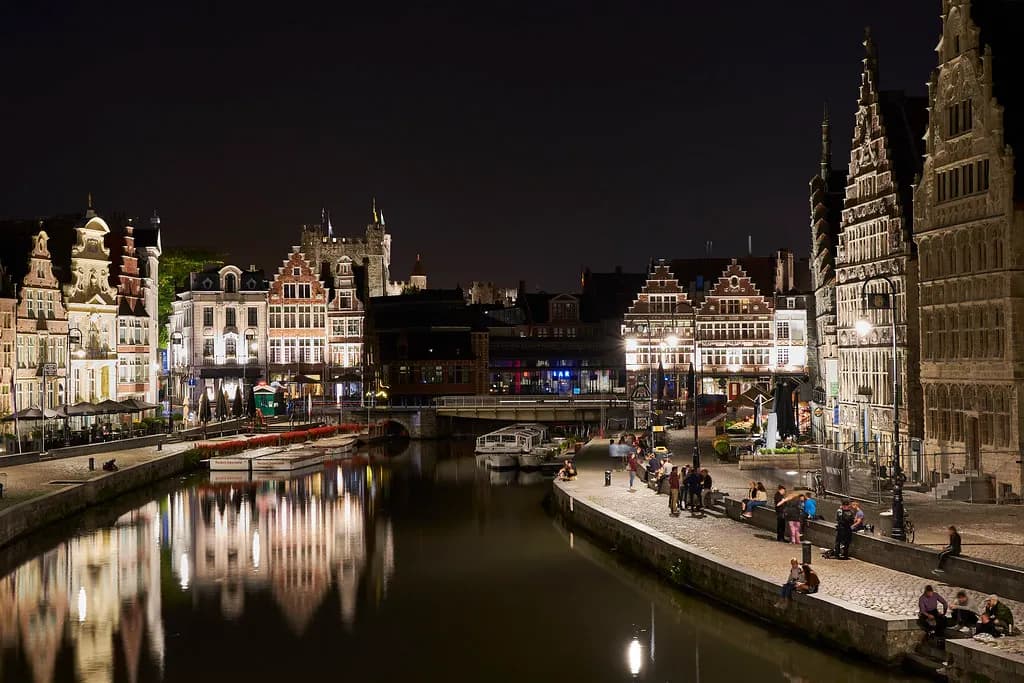 Ghent
GhentGhent
Belgium
Ghent has nearly the same medieval canal-and-guild-house scenery as Bruges, minus the crowds, because most travelers only ever hear about the smaller city twenty minutes down the road.
See full guide →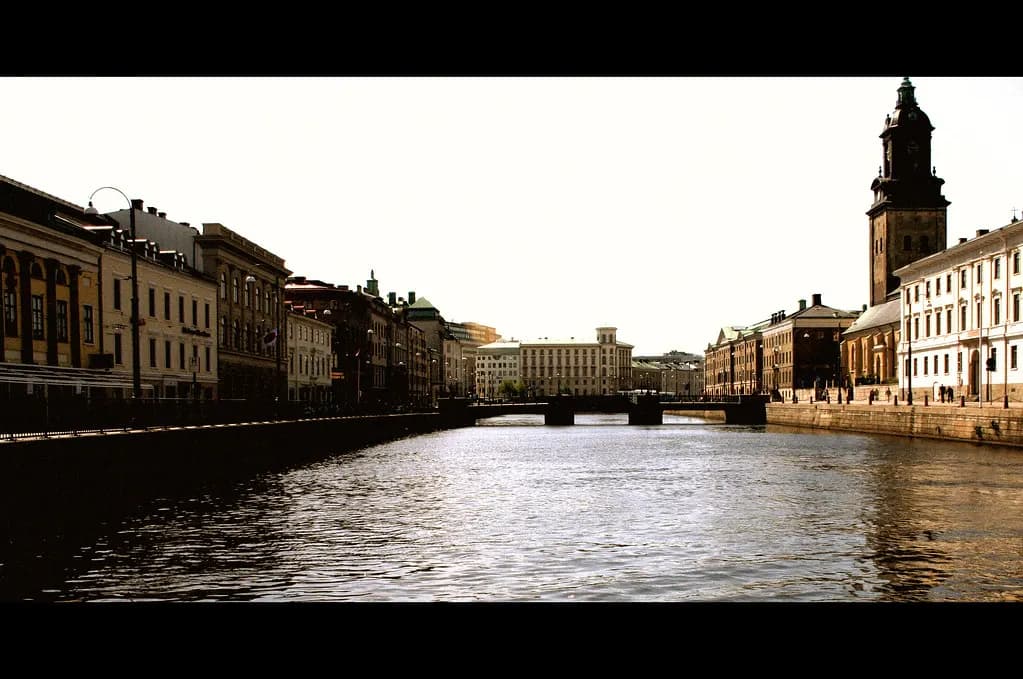 Gothenburg
Gothenburg
Sweden
Sweden's second city holds an actual archipelago of car-free islands reachable by public ferry on a standard transit ticket — a genuine Nordic island escape that most visitors never realize is a twenty-minute boat ride from the city center.
See full guide →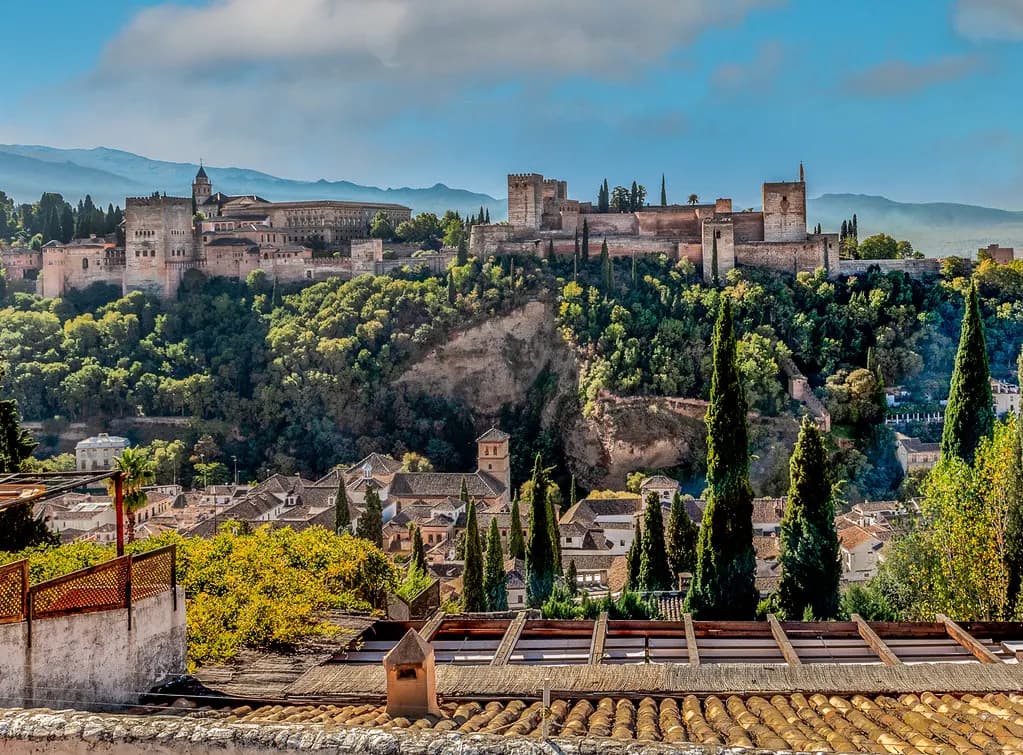 Granada
Granada
Spain
Order a drink almost anywhere in Granada and a small plate of food shows up free with it — a tapas custom that survives here largely because the rest of Spain gave it up decades ago.
See full guide →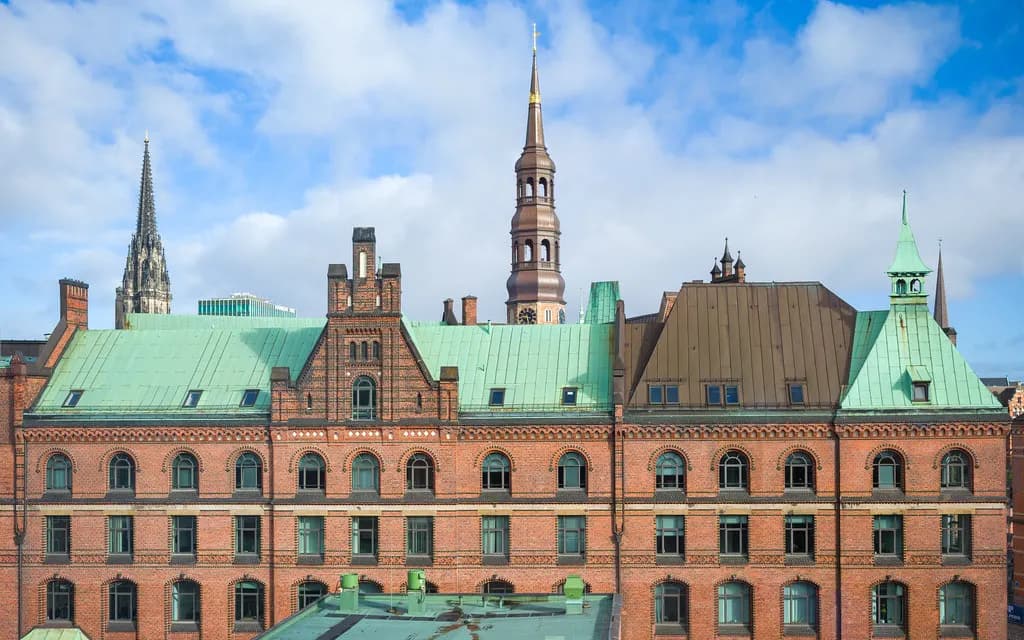 Hamburg
Hamburg
Germany
The Beatles didn't become the Beatles in Liverpool — they became a real band playing eight-hour nights in Hamburg's red-light district clubs years before anyone in Britain had heard of them.
See full guide →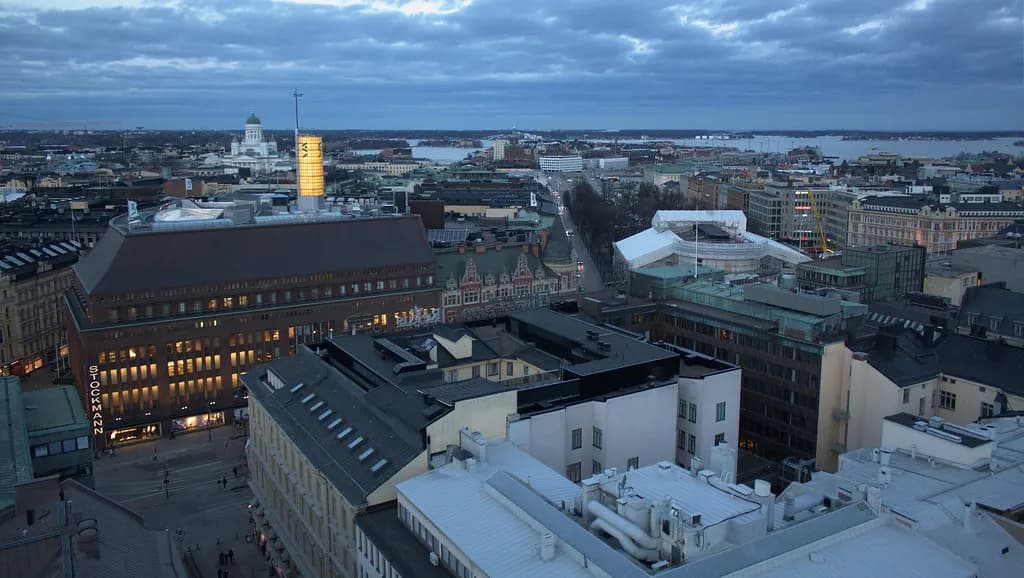 Helsinki
Helsinki
Finland
Finland has more saunas than cars — literally, over three million for a country of 5.5 million people — and Helsinki treats public sauna culture as a genuine civic institution, not a spa amenity.
See full guide →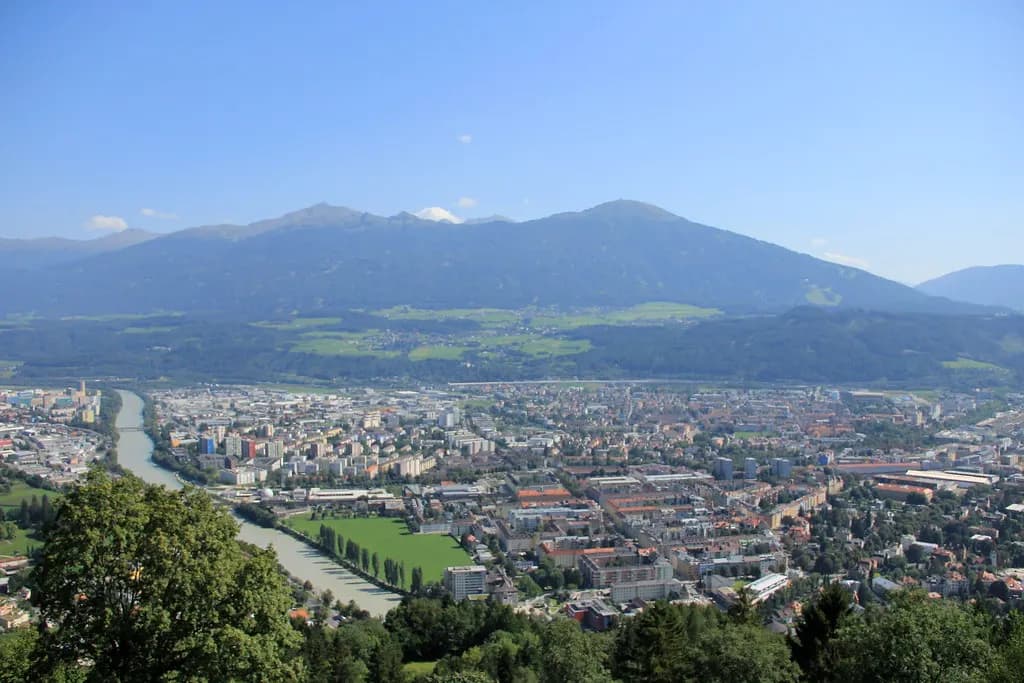 Innsbruck
Innsbruck
Austria
Innsbruck has hosted the Winter Olympics twice, in 1964 and 1976, and its ski jump and bobsled facilities are still fully operational today — genuinely rare for a city its size to have Olympic-grade winter sports infrastructure built directly into its skyline.
See full guide →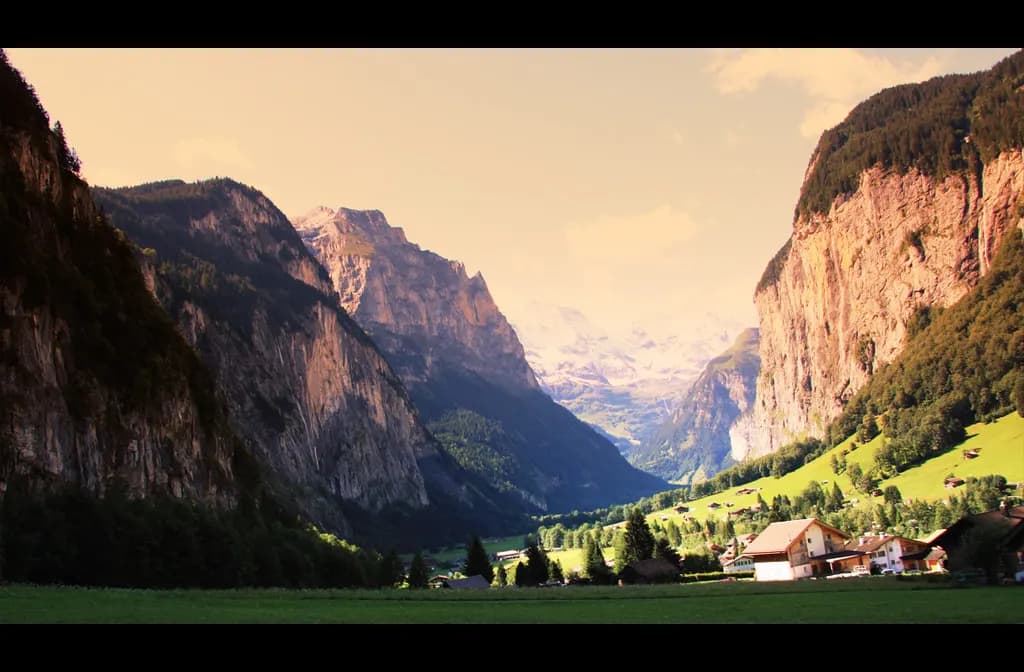 Interlaken
Interlaken
Switzerland
Interlaken isn't really a destination in itself — it's a small town wedged between two lakes that exists almost entirely to point people toward the mountains around it, and it does that job better than almost anywhere else in Europe.
See full guide →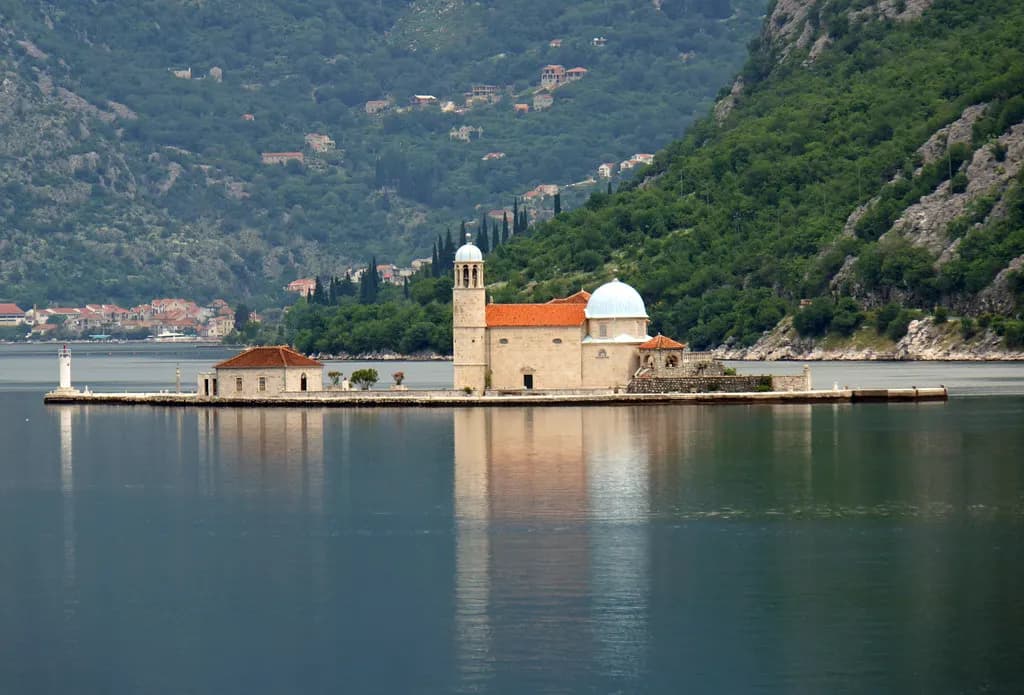 Kotor
KotorKotor
Montenegro
Kotor's bay looks so much like a fjord that guidebooks have called it 'the southernmost fjord in Europe' for decades — it isn't actually one geologically, but the mountains dropping straight into the water make the mistake an easy one to keep making.
See full guide →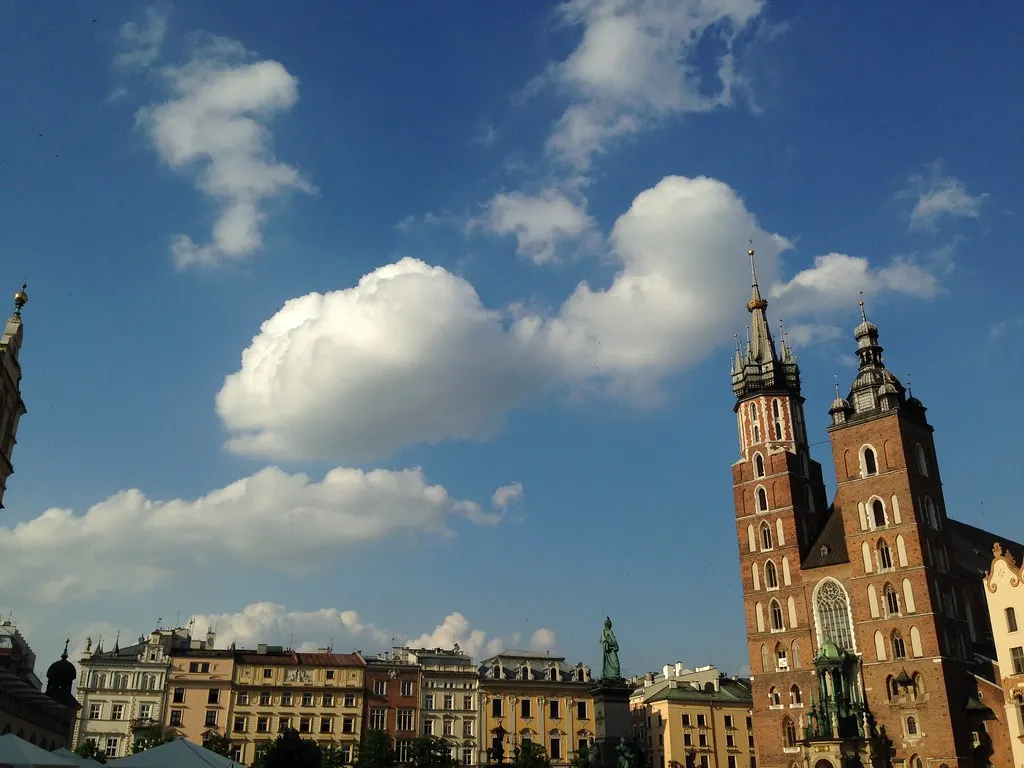 Krakow
Krakow
Poland
A trumpet call cuts off mid-note every hour from the tallest tower of St. Mary's Basilica, a tradition dating back to a watchman supposedly shot mid-warning during a 13th-century invasion.
See full guide →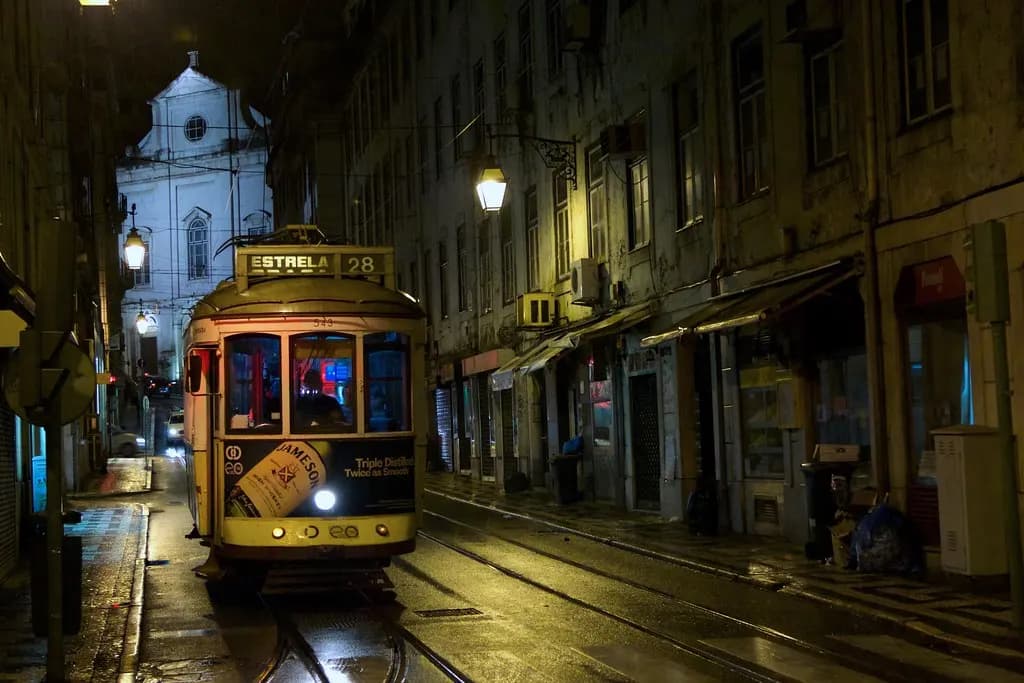 Lisbon
Lisbon
Portugal
A city built on seven hills, where a rattling yellow tram doubles as the cheapest sightseeing tour you'll find in Western Europe.
See full guide →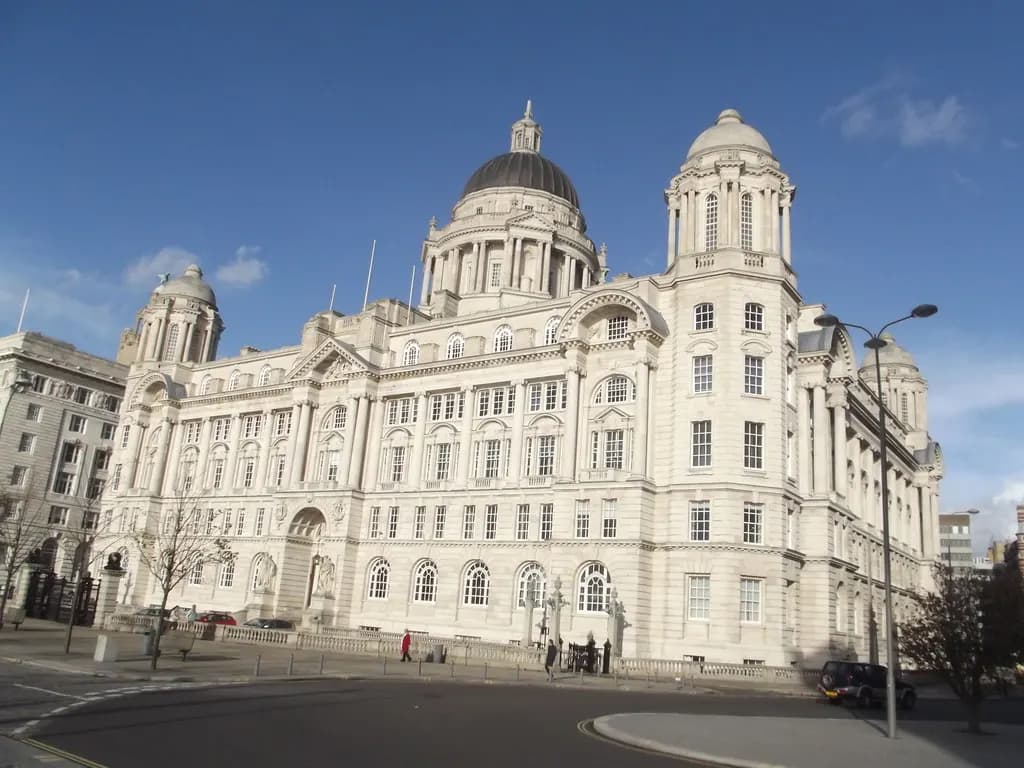 Liverpool
Liverpool
United Kingdom
Before Abbey Road, before Britain had even heard of them, the Beatles played nearly 300 shows at a small Liverpool club called the Cavern — the original was demolished in the 1970s, and the current one is a rebuild a few doors down using the original bricks.
See full guide →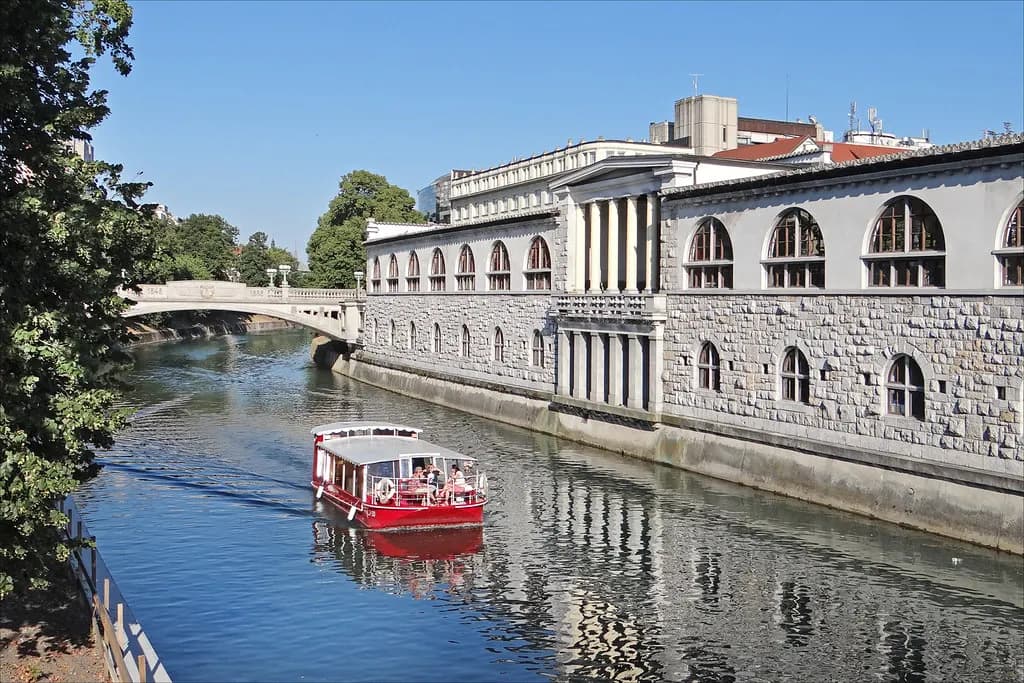 Ljubljana
Ljubljana
Slovenia
The entire city center has been closed to private cars since 2007, which turned what used to be a traffic-choked downtown into one of the more walkable, genuinely pleasant capital centers in Europe.
See full guide →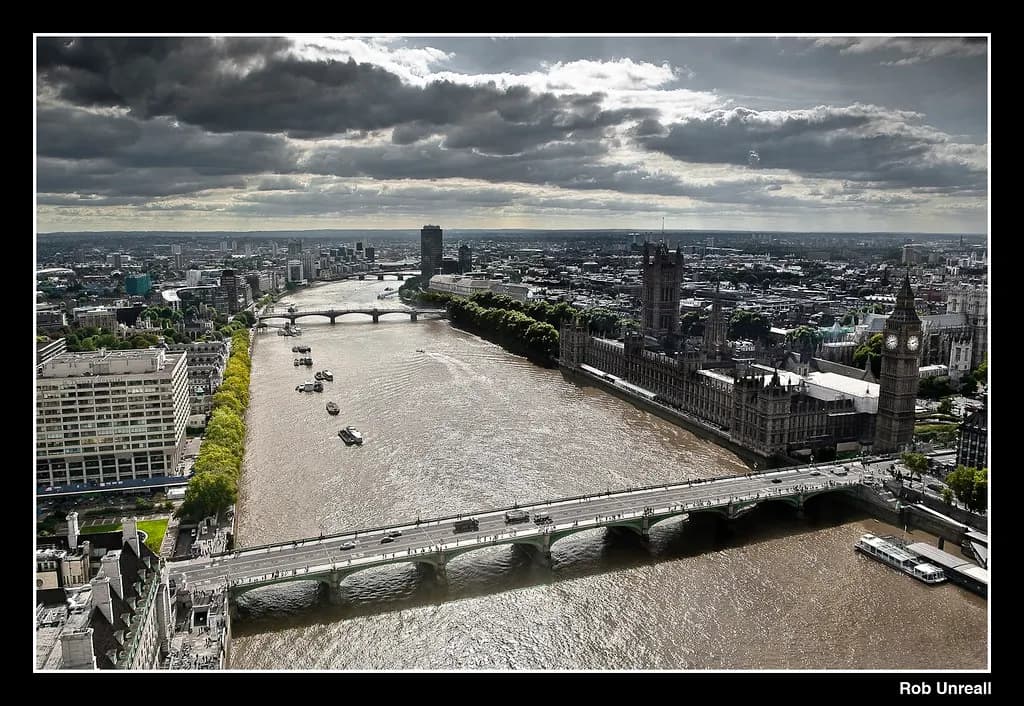 London
London
United Kingdom
The Underground opened in 1863, which makes it the oldest metro system in the world — parts of the tunnel network are old enough that some lines still can't fit modern-sized trains.
See full guide →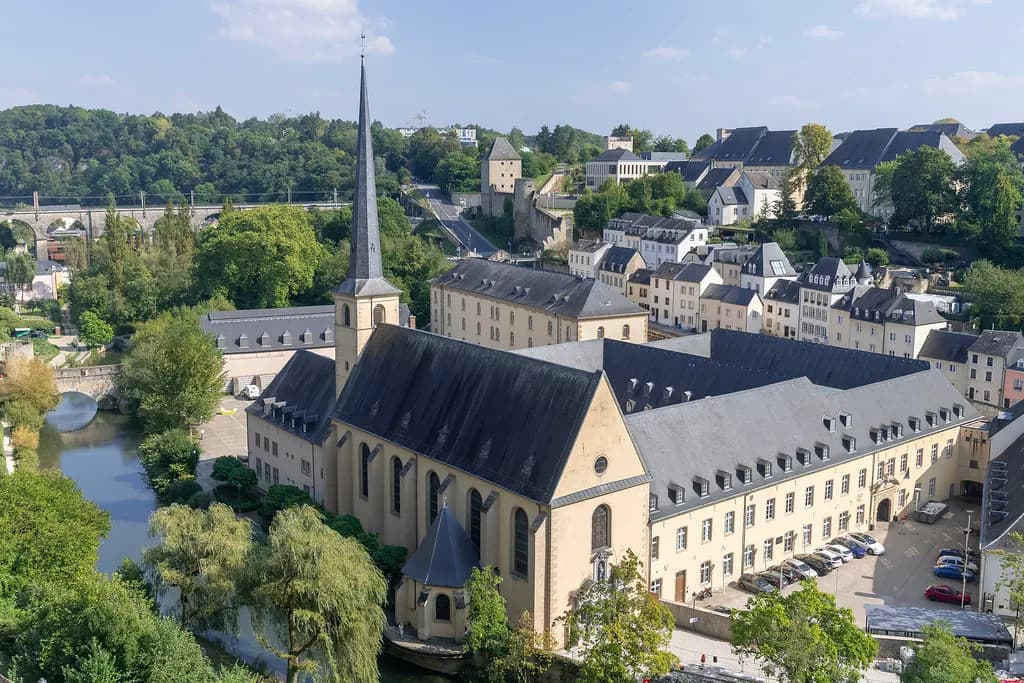 Luxembourg City
Luxembourg City
Luxembourg
Luxembourg's old town sits on top of a gorge so steep that the city built an entire second level of fortifications — tunnels carved directly into the rock — and you can walk through kilometers of them today.
See full guide →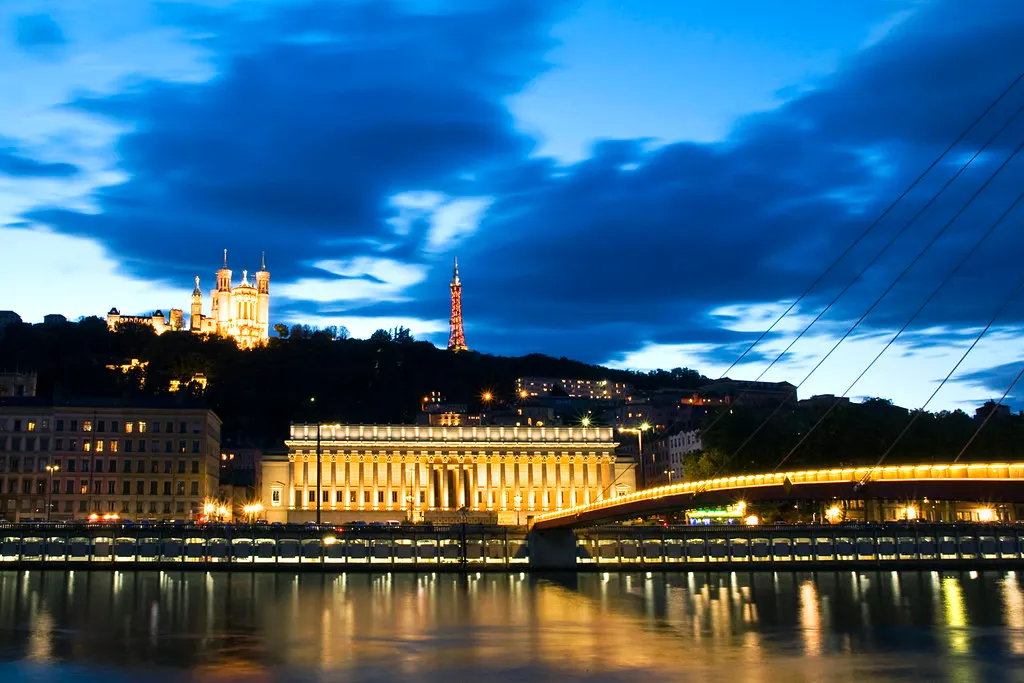 Lyon
LyonLyon
France
Silk workers built hidden passageways straight through Lyon's apartment buildings so bolts of fabric would never get rained on between workshop and warehouse — locals still use them as shortcuts today.
See full guide →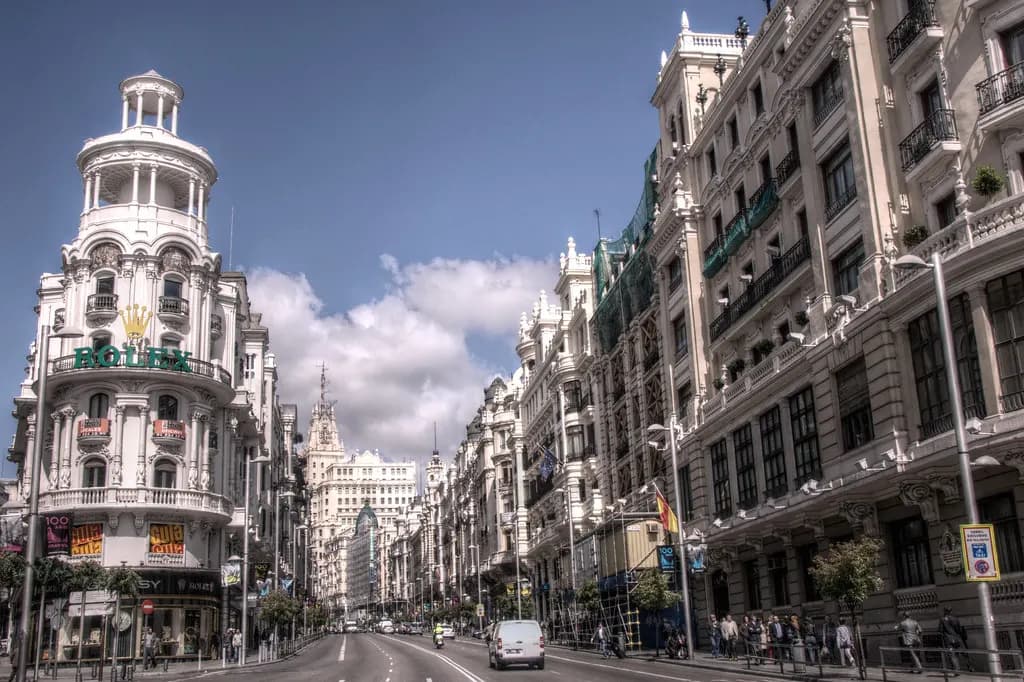 Madrid
Madrid
Spain
Dinner reservations before 9pm are considered early here — Madrid runs on a schedule shifted so late that the city's nightlife doesn't really start until other European capitals are already closing down.
See full guide →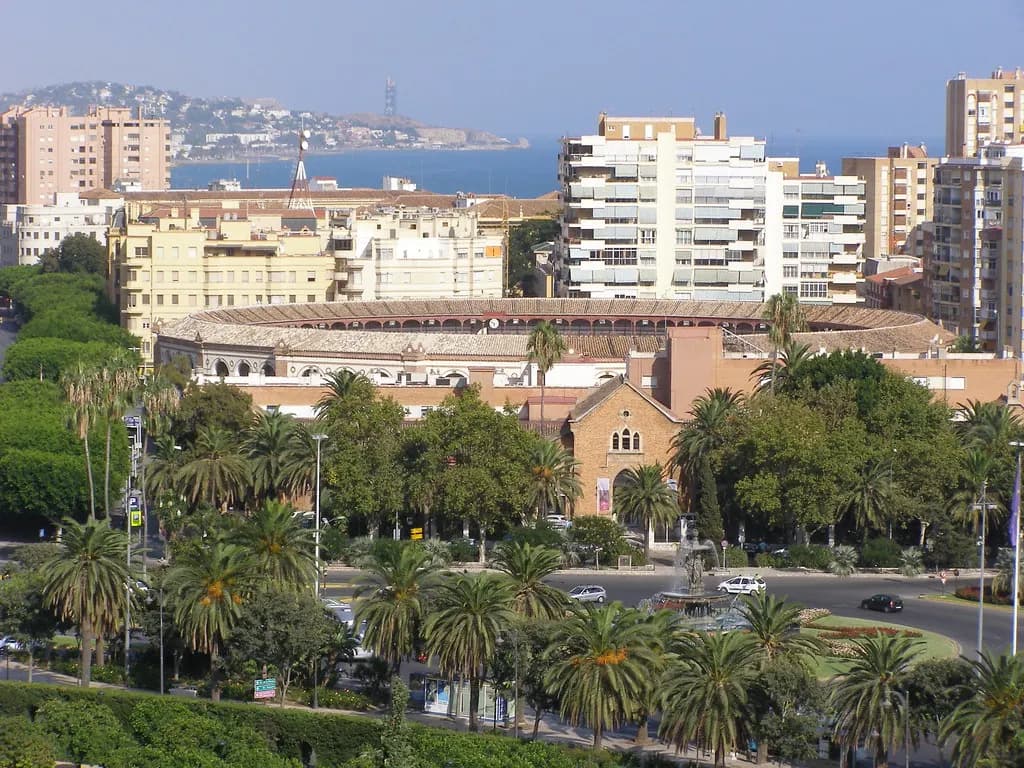 Málaga
Málaga
Spain
Pablo Picasso was born in Málaga and left at age 19, never to live there again — yet the city has built one of its most significant modern museums specifically around a childhood he spent barely two decades of his life in.
See full guide →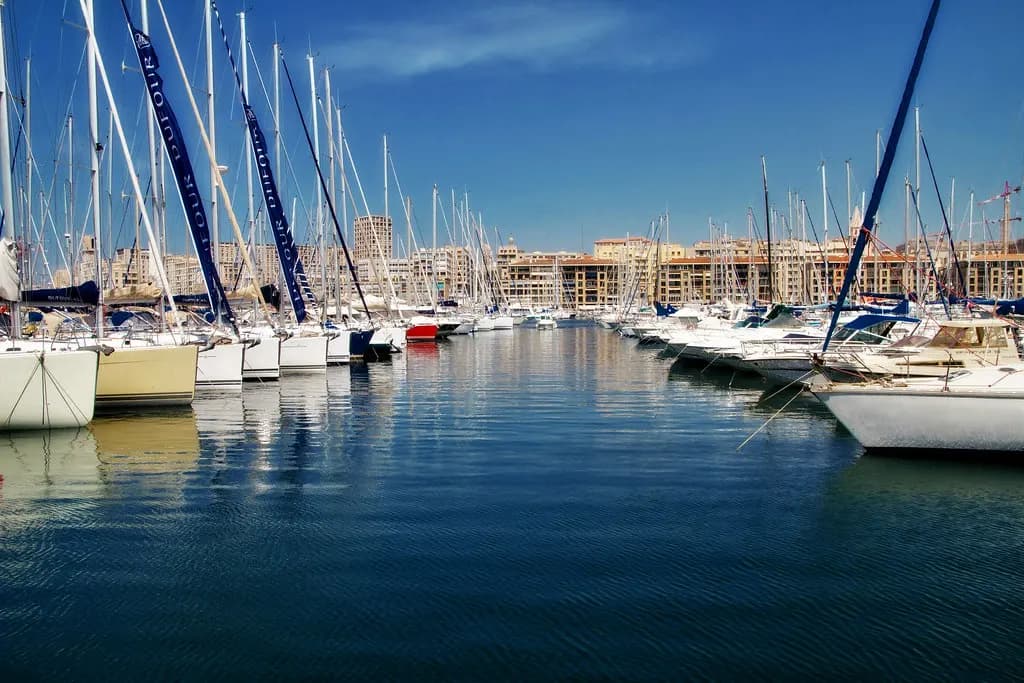 Marseille
Marseille
France
France's oldest city was founded by Greek sailors around 600 BC, more than a thousand years before Paris existed in any recognizable form — and it still runs on a rougher, more Mediterranean rhythm than the rest of the country.
See full guide →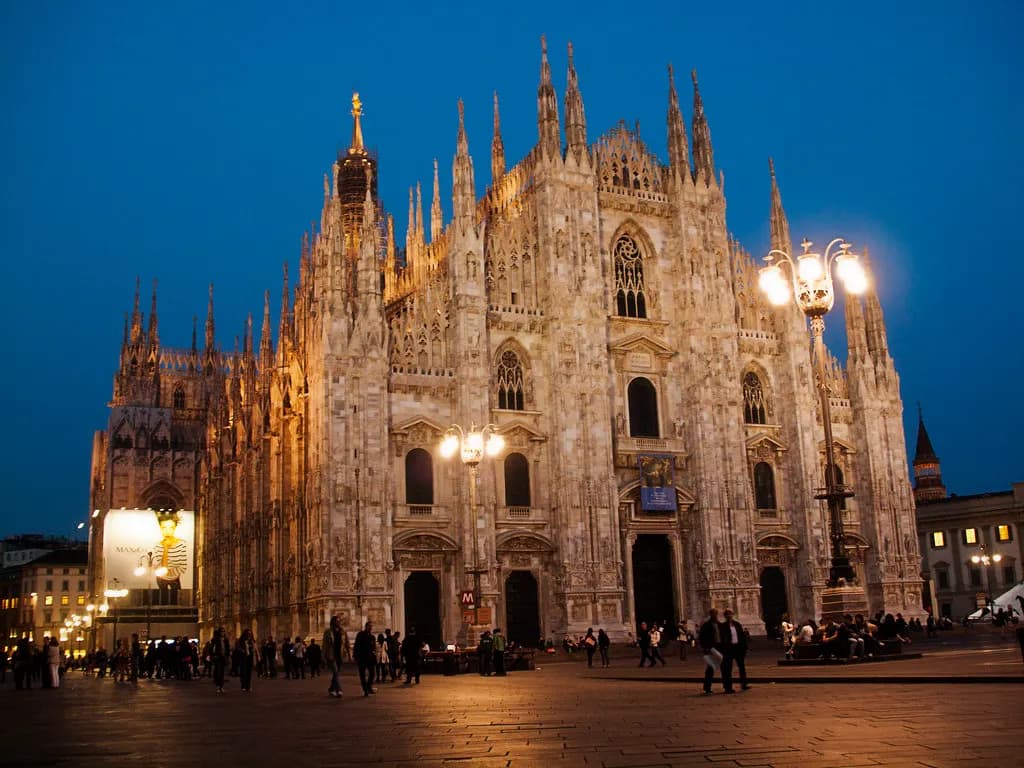 Milan
MilanMilan
Italy
Leonardo da Vinci's Last Supper is painted directly onto a monastery wall, not canvas, which means it can't be moved, can't be restored the normal way, and only lets in 30 visitors at a time for exactly 15 minutes each.
See full guide →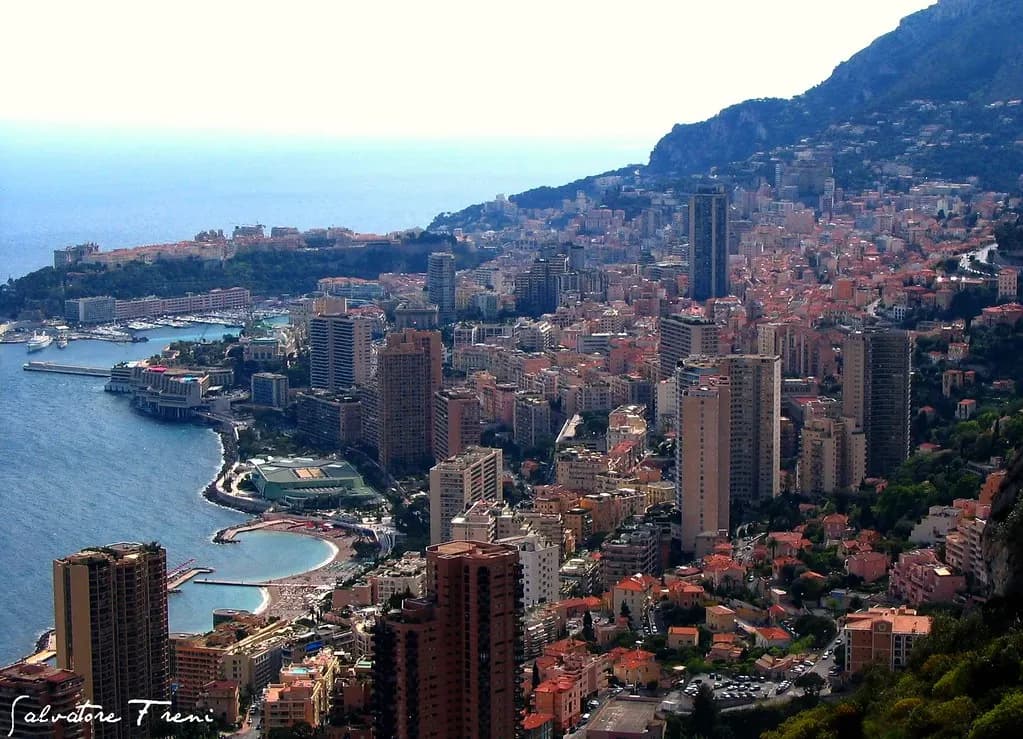 Monaco
Monaco
Monaco
Monaco is smaller than New York's Central Park, has no income tax, and once a year shuts down its own streets so Formula 1 cars can race past the same casino where James Bond gambled on screen.
See full guide →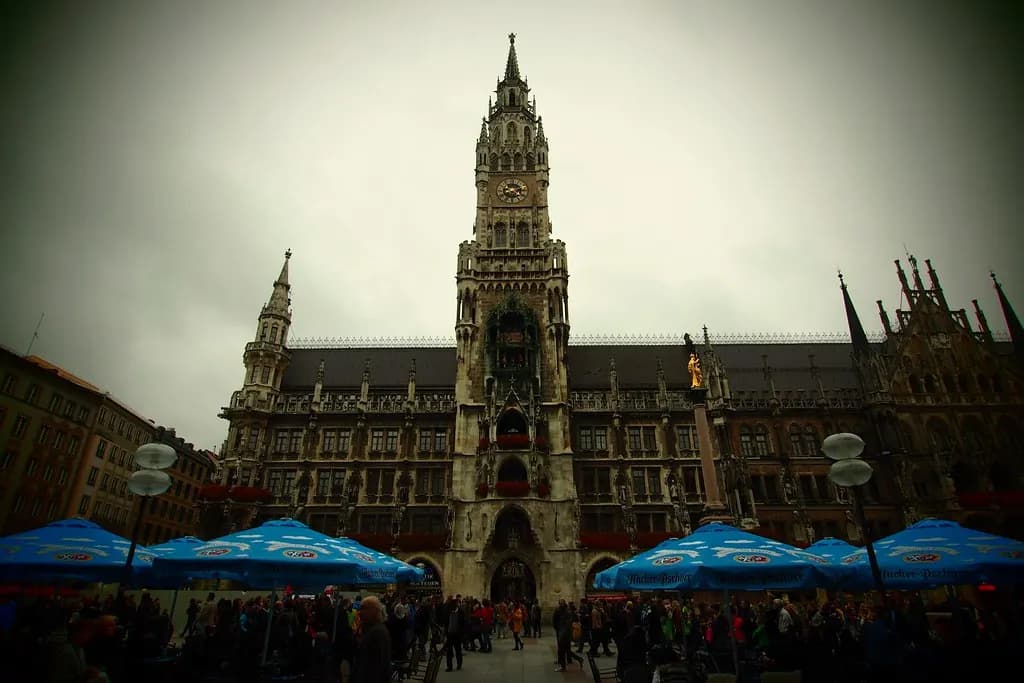 Munich
Munich
Germany
Surfers ride a permanent standing wave in the middle of a public park here, on a river, year-round, a few minutes' walk from the beer gardens — Munich doesn't quite fit the buttoned-up German stereotype it gets saddled with.
See full guide →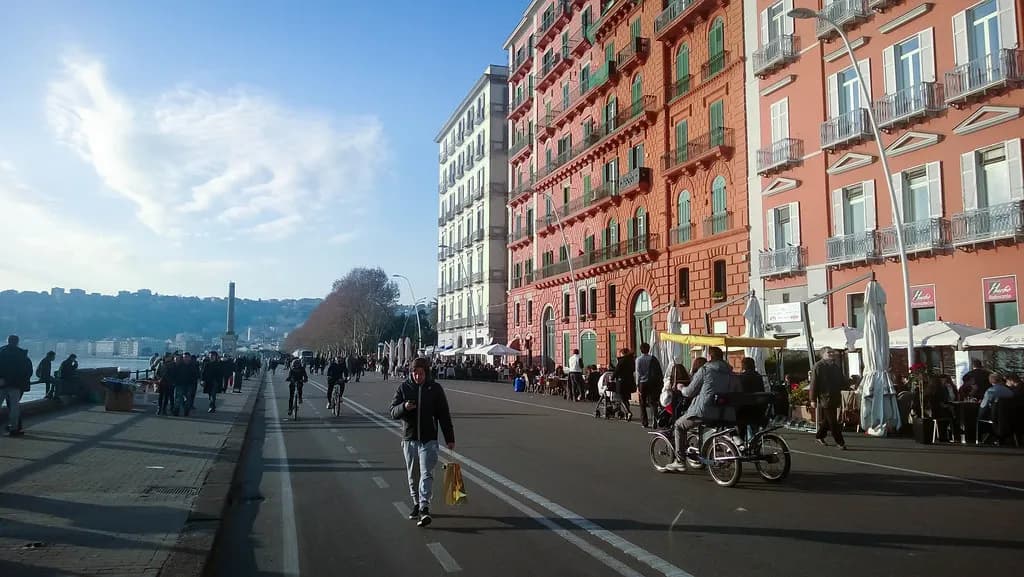 Naples
Naples
Italy
Margherita pizza was named after an actual queen who tried it here in 1889 — and the pizzeria that served her, Brandi, is still open a few streets from where the story happened.
See full guide →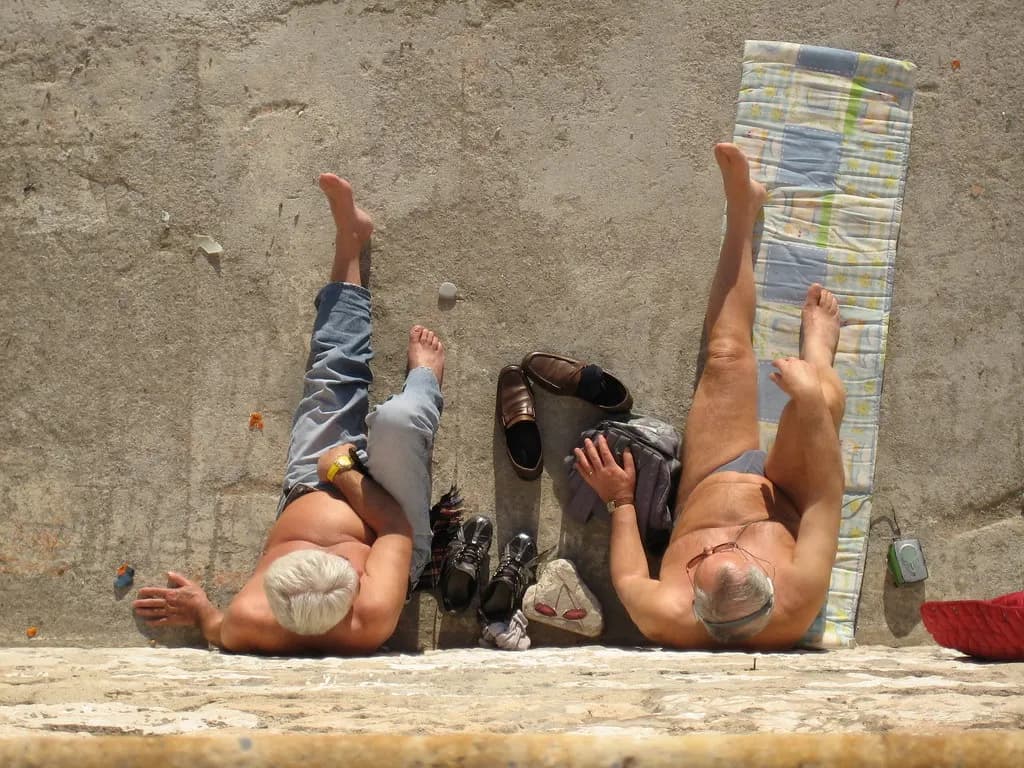 Nice
NiceNice
France
The city's most famous seafront promenade is named after the English aristocrats who funded it in the 1820s, not the French — Nice has been a foreign winter retreat for longer than it's been a French tourist destination.
See full guide →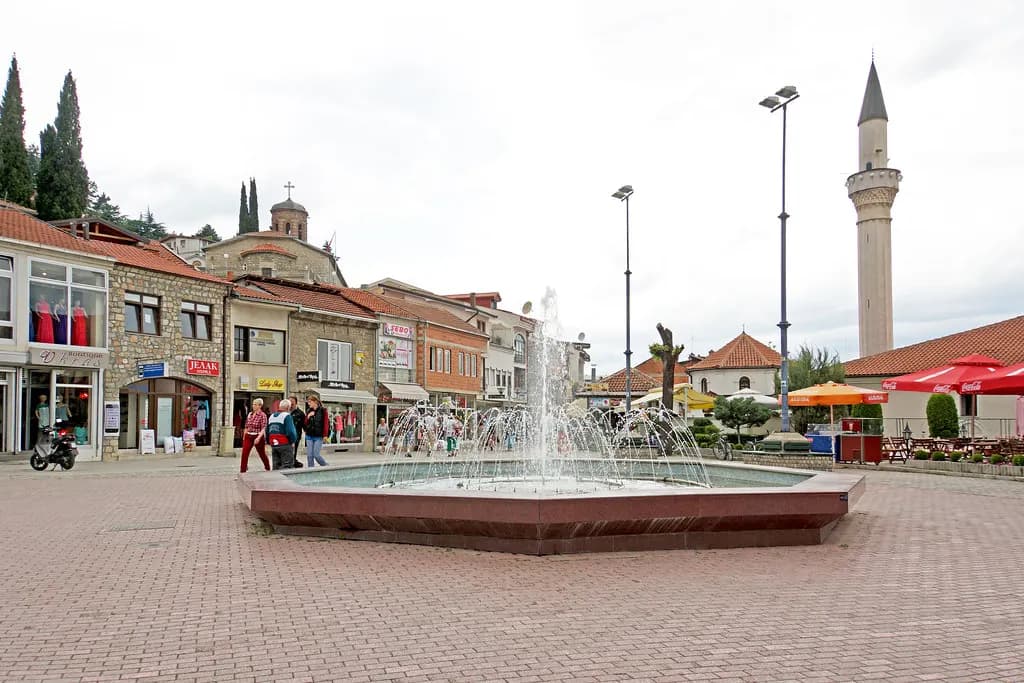 Ohrid
OhridOhrid
North Macedonia
Lake Ohrid is one of the oldest lakes on Earth, roughly 2 million years old and home to species found nowhere else — and the small town on its shore has more historic churches than almost anywhere its size, one of them built directly into a cliff above the water.
See full guide →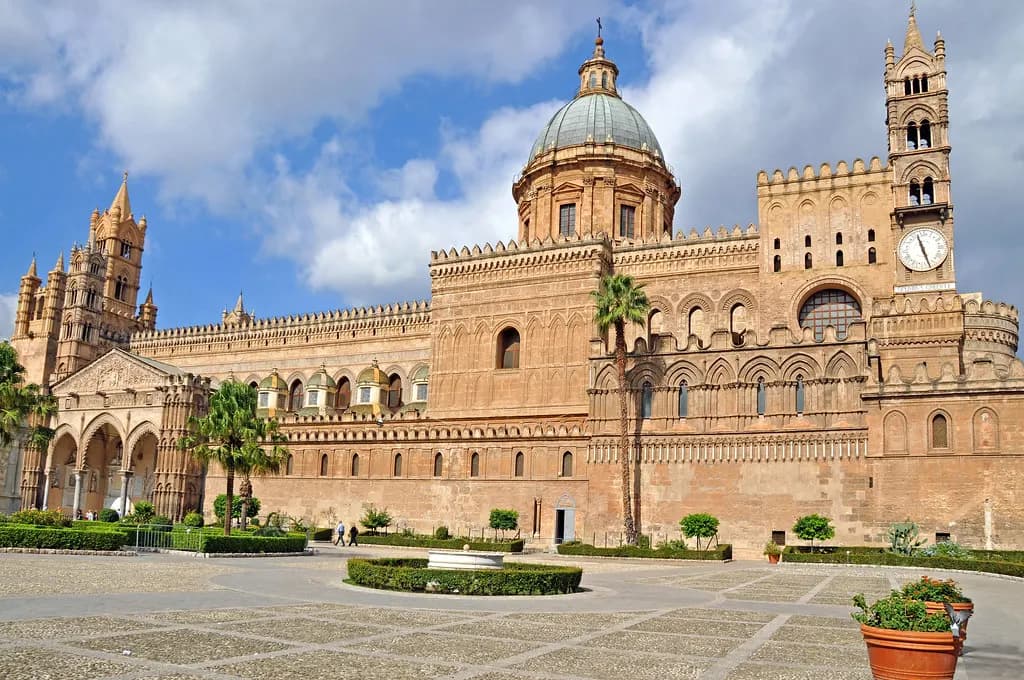 Palermo
Palermo
Italy
Palermo has been ruled by Phoenicians, Greeks, Romans, Arabs, Normans, and Spanish — and its cathedral alone shows evidence of nearly every one of them, a single building that keeps switching architectural styles depending on which century you're looking at.
See full guide →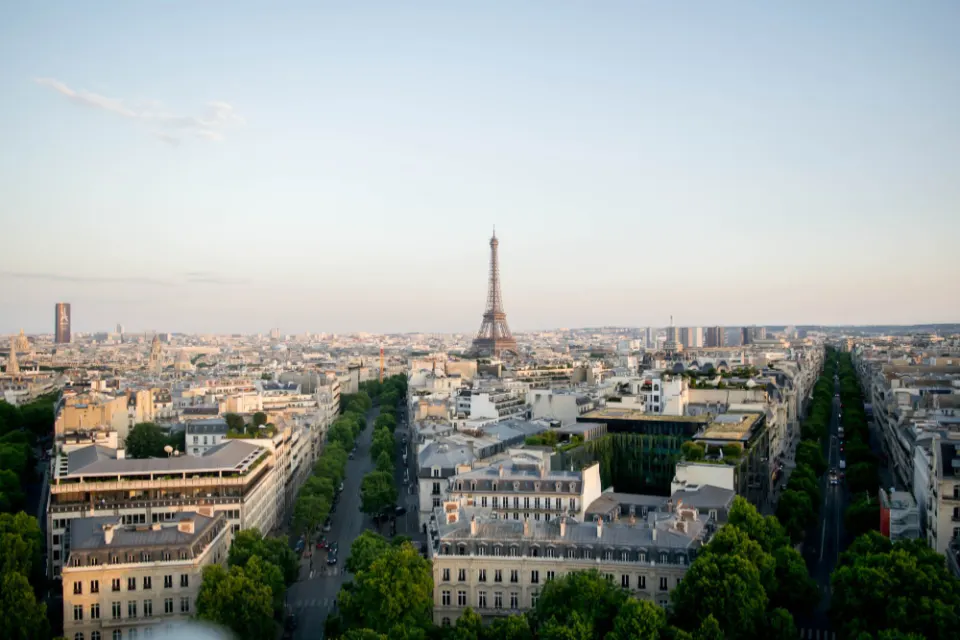 Paris
ParisParis
France
The city is laid out in twenty numbered arrondissements spiraling out from the center like a snail shell, and once that clicks, Paris stops feeling like a maze.
See full guide →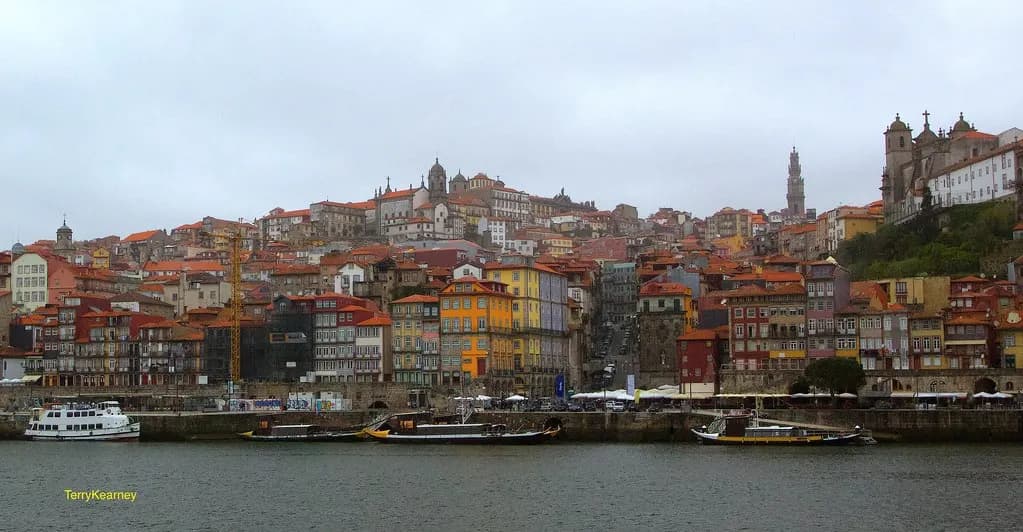 Porto
PortoPorto
Portugal
Port wine ages in cellars across the river while the old town stacks tiled houses straight down to the water like it ran out of flat ground centuries ago.
See full guide →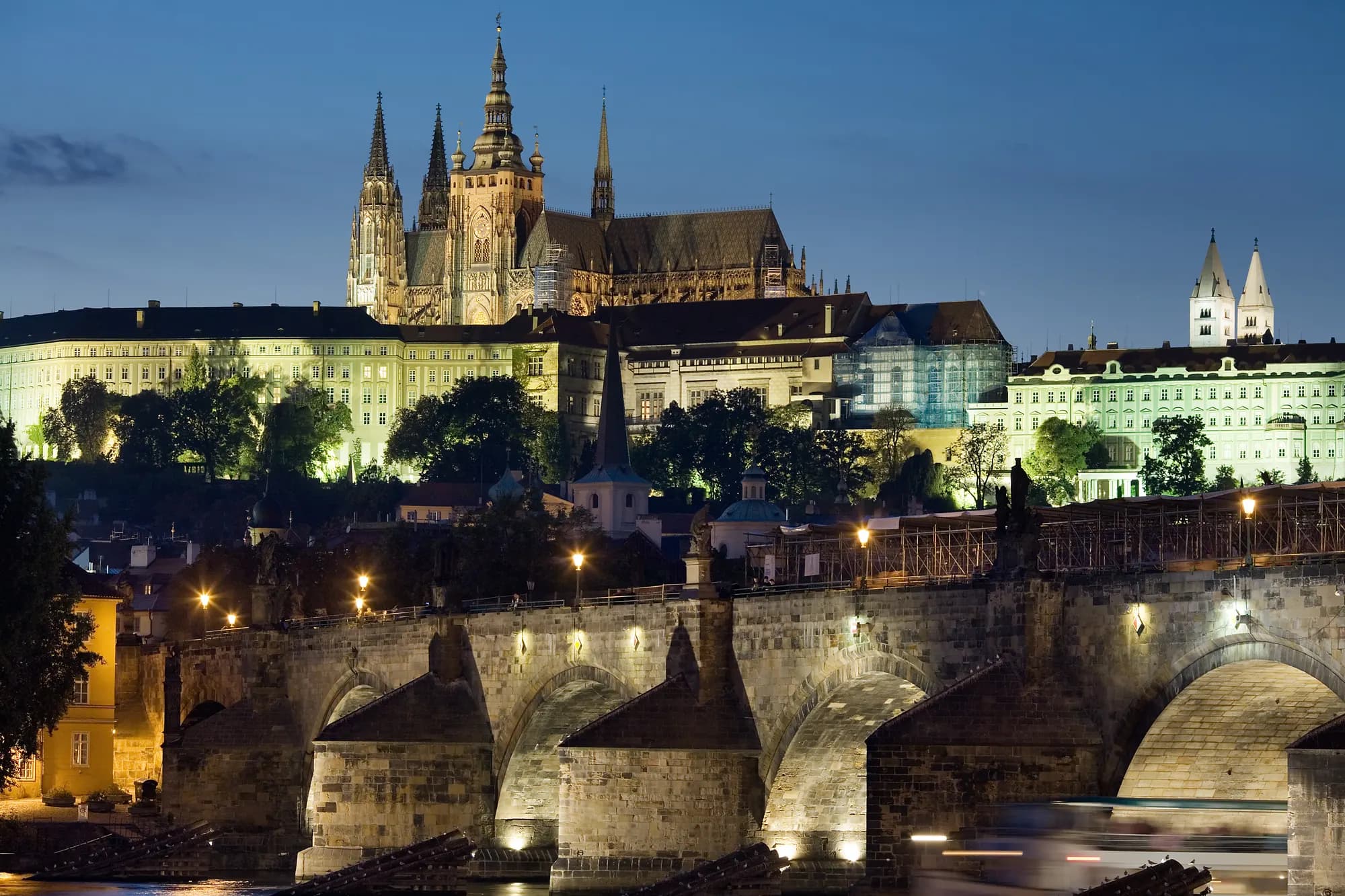 Prague
Prague
Czechia
The beer costs less than the bottled water in most restaurants, which tells you almost everything about the local priorities before you've even seen the castle.
See full guide →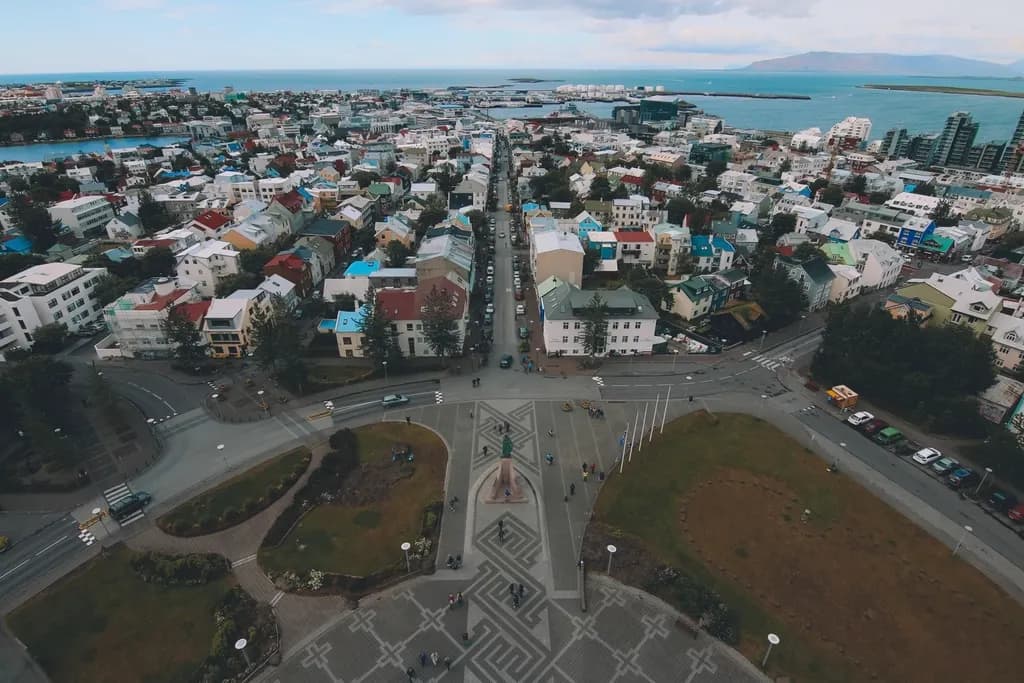 Reykjavik
Reykjavik
Iceland
The tap water comes straight from glacial springs and most homes are heated by the ground itself — geothermal energy covers virtually all of the city's heating, which is the quiet fact behind almost everything you'll notice here.
See full guide →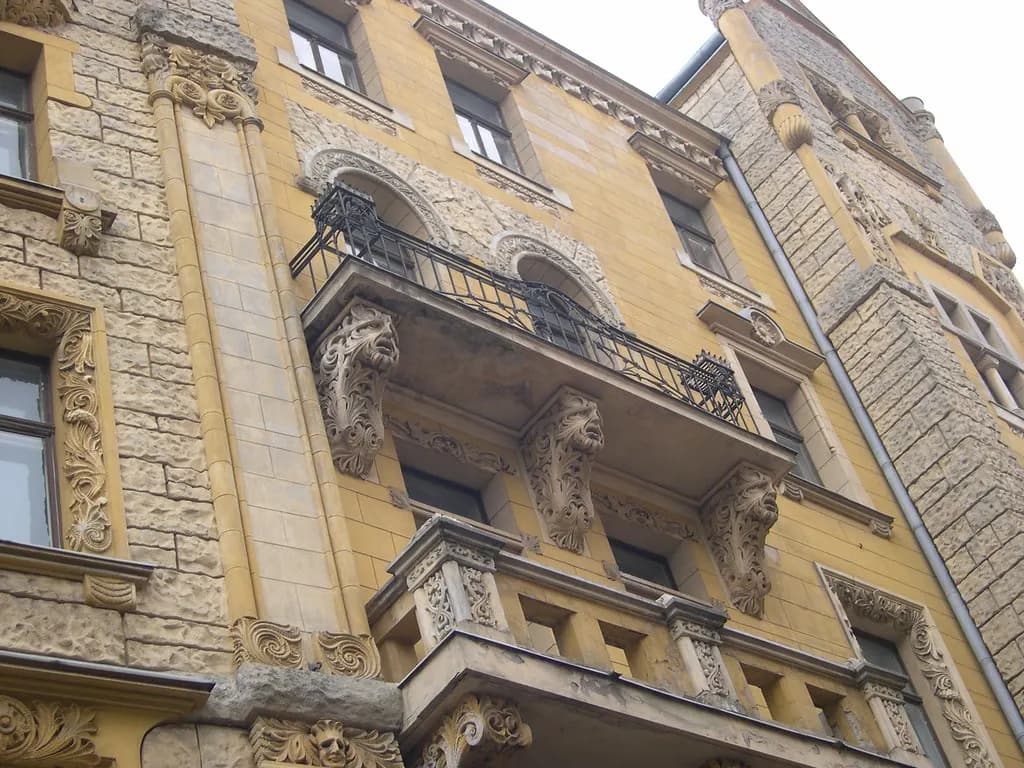 Riga
RigaRiga
Latvia
This city holds the largest collection of Art Nouveau buildings anywhere in Europe — entire streets of ornate, sculpture-covered facades that most visitors have never even heard Riga is known for.
See full guide →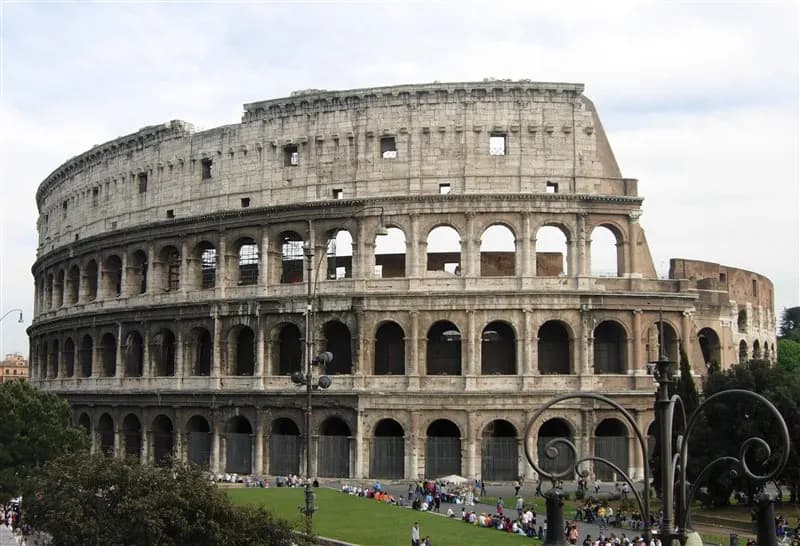 Rome
RomeRome
Italy
You can walk out of a 2,000-year-old amphitheater, cross one street, and order a coffee standing at a bar counter for a euro-fifty, no big deal to anyone but you.
See full guide →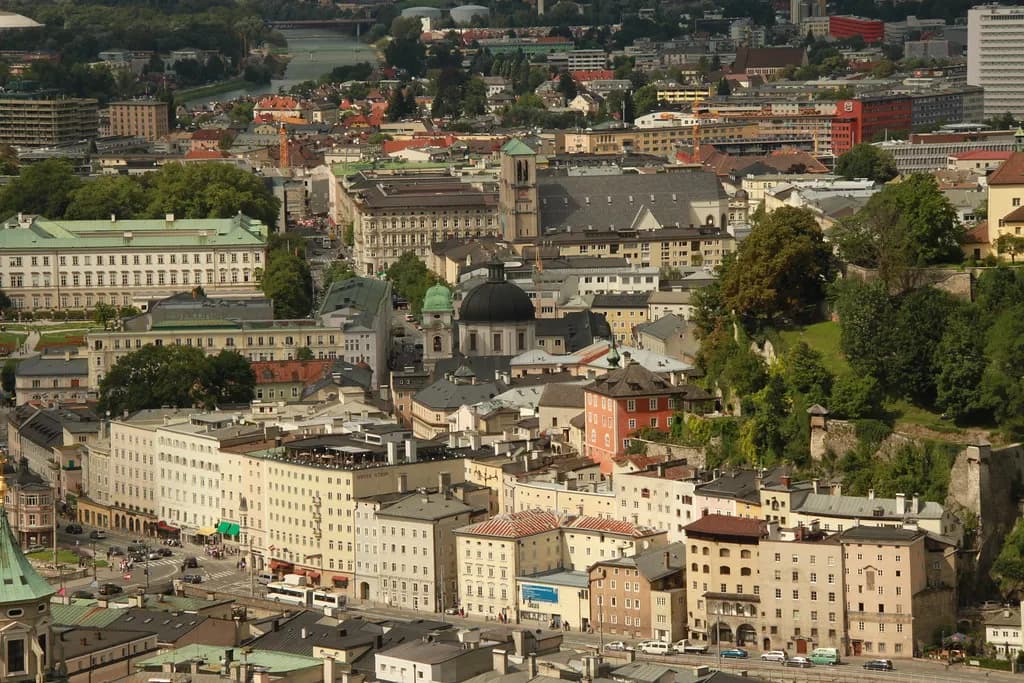 Salzburg
Salzburg
Austria
Mozart was born in an apartment above a grocery store here in 1756, and the city has spent the centuries since turning that fact into a genuinely well-run cultural industry rather than a kitschy afterthought.
See full guide →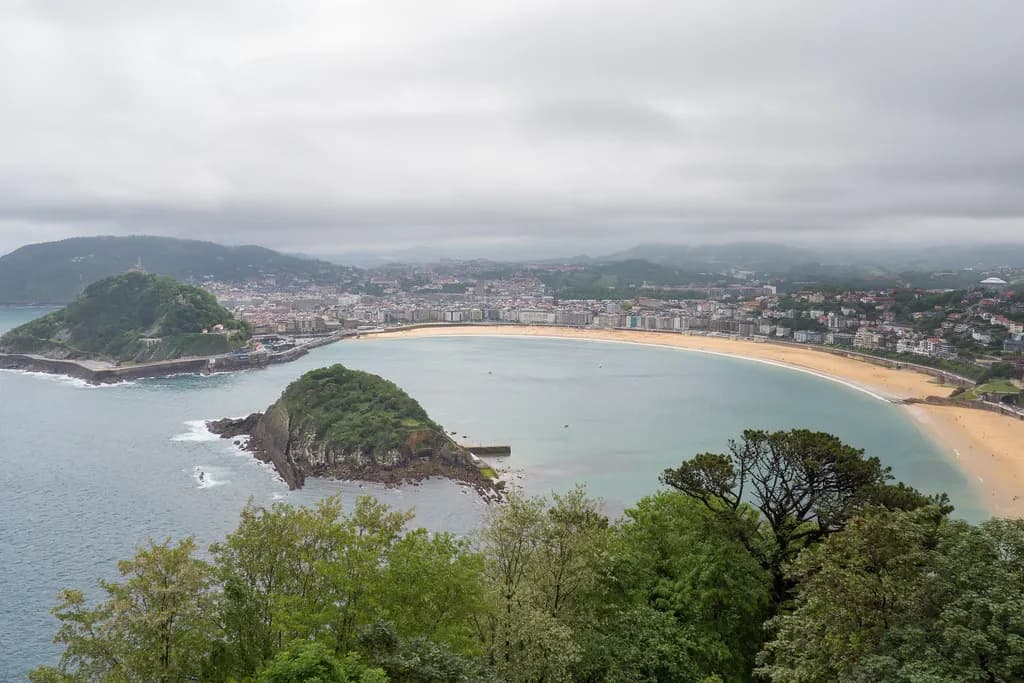 San Sebastián
San Sebastián
Spain
This city of under 200,000 people holds more Michelin stars per capita than almost anywhere on earth, and its everyday pintxos bars serve food that would be fine dining anywhere else.
See full guide →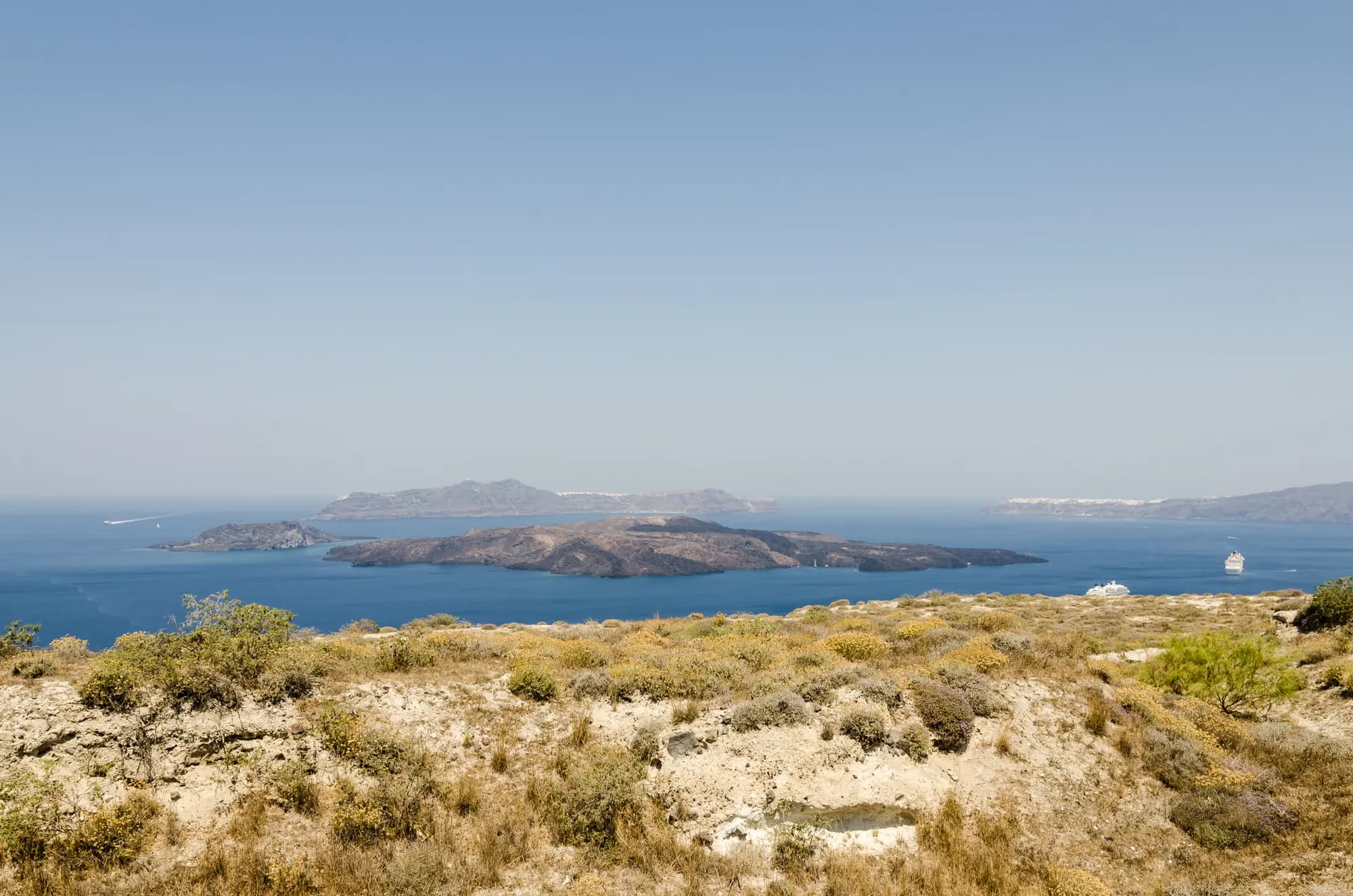 Santorini
Santorini
Greece
The island is actually the rim of a collapsed volcano that blew itself apart around 1600 BC, which is why every photo of Oia is really a photo of the edge of a crater.
See full guide →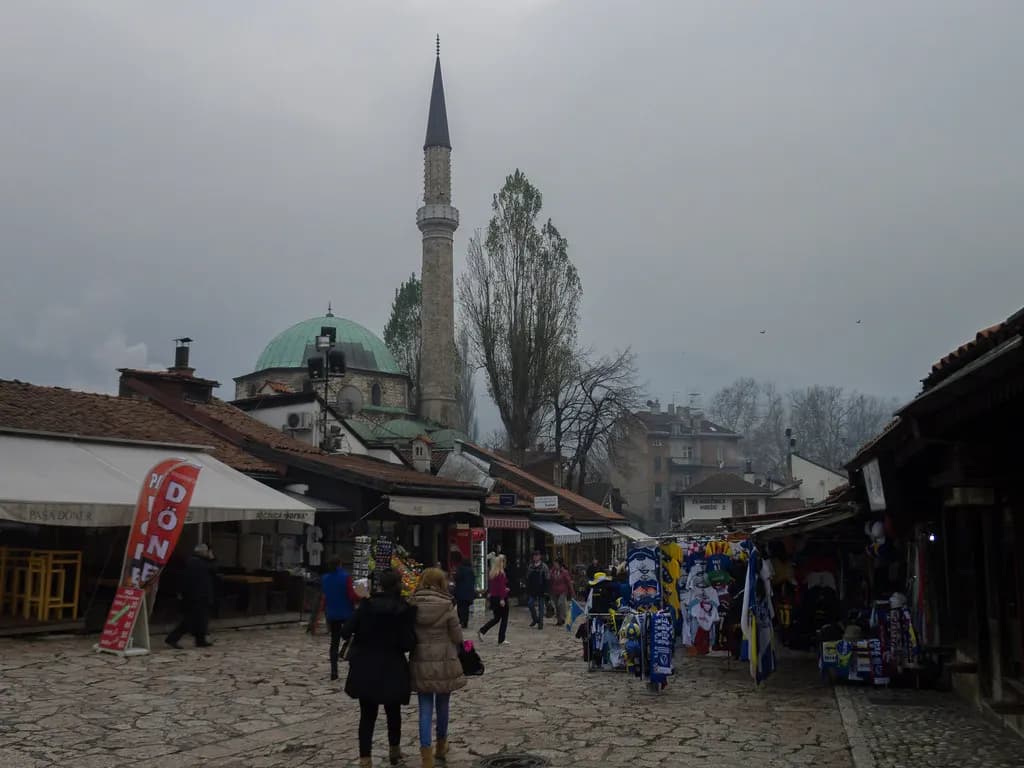 Sarajevo
Sarajevo
Bosnia and Herzegovina
A single bridge in Sarajevo is where a 19-year-old's gunshot in 1914 set off a chain of alliances that became World War I — the spot is marked, unremarkable, and easy to walk past without noticing.
See full guide →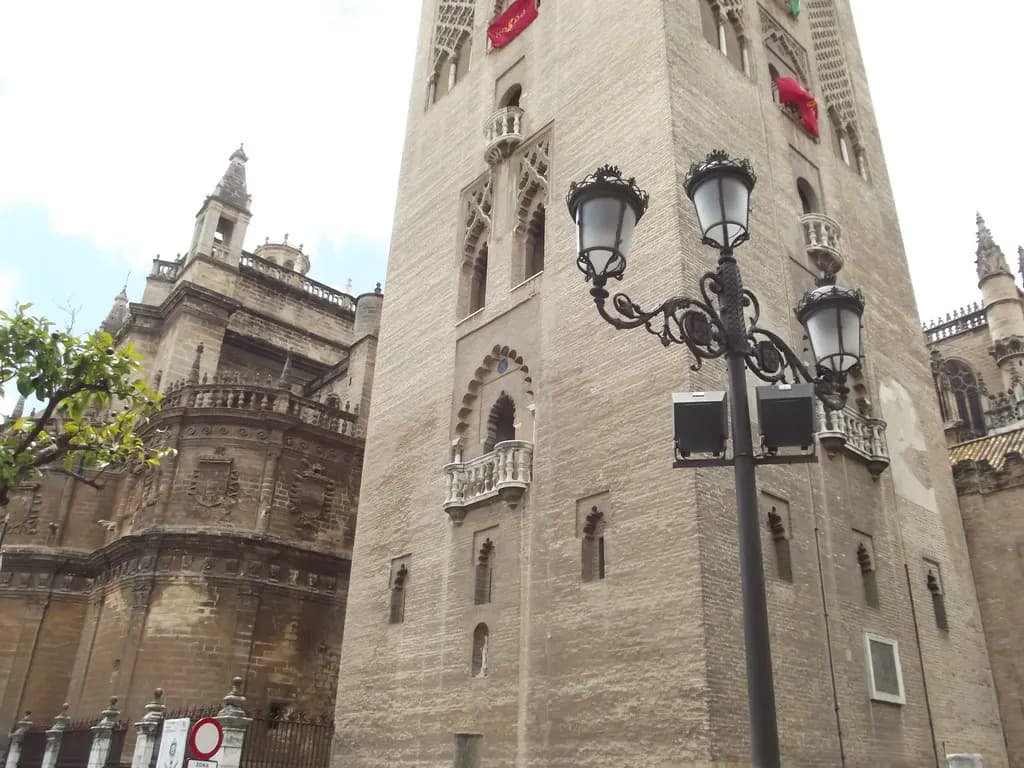 Seville
Seville
Spain
The cathedral here was built so big that its own founders reportedly said future generations would think they were mad — and it's still the largest Gothic cathedral on earth.
See full guide →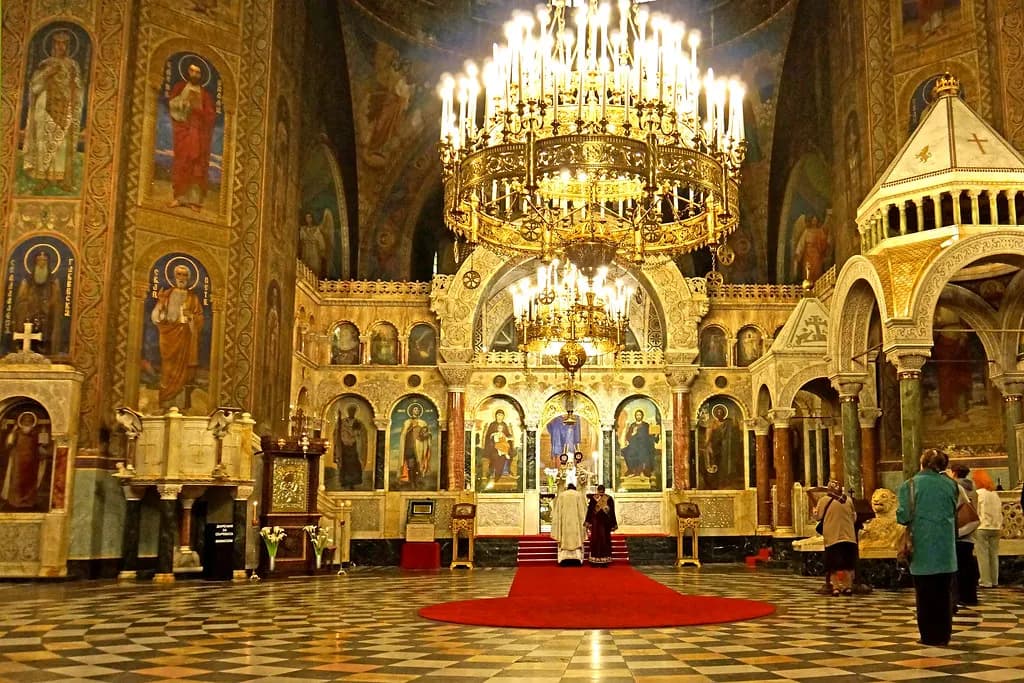 Sofia
SofiaSofia
Bulgaria
You can ski a real mountain and be back in the city center for dinner the same day — Vitosha, a 2,290-meter peak, rises directly at Sofia's edge, close enough that it's practically a neighborhood rather than a day trip.
See full guide →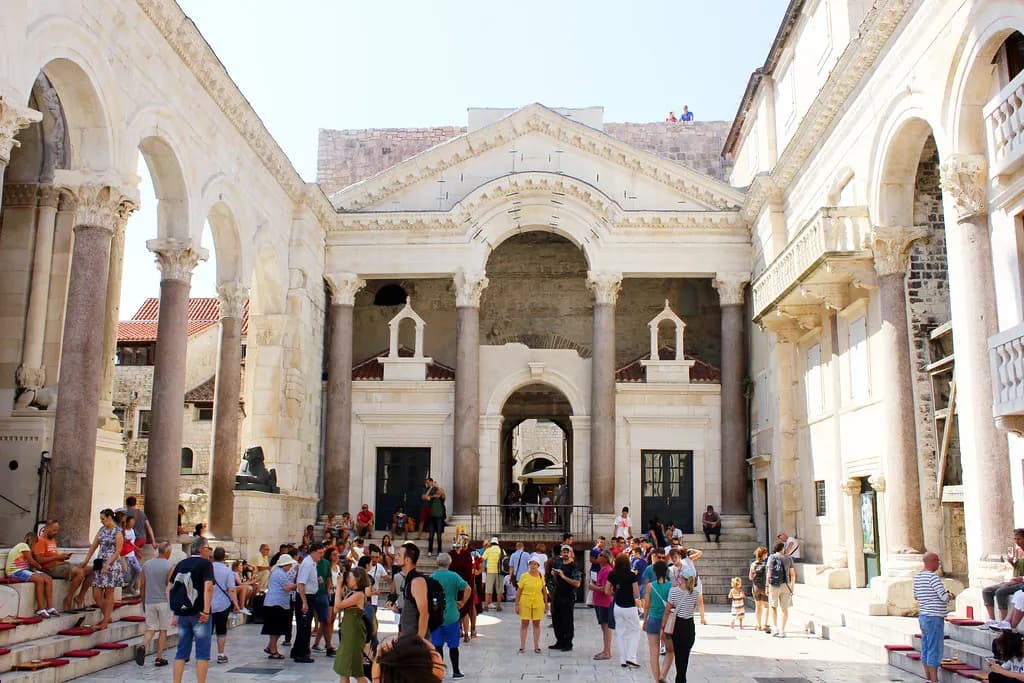 Split
SplitSplit
Croatia
A Roman emperor built himself a retirement palace here in the 4th century, and instead of turning into ruins, an entire city just moved in — Split's old town isn't built near Diocletian's Palace, it's built inside it.
See full guide →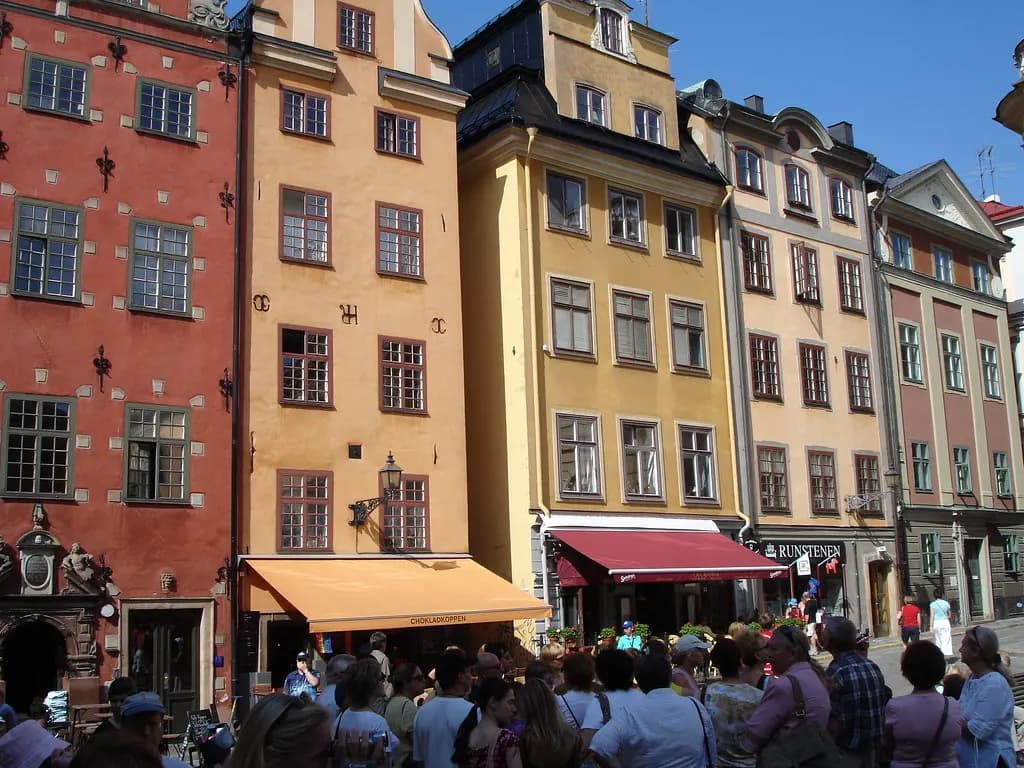 Stockholm
Stockholm
Sweden
A 17th-century warship sank about 1,300 meters into its maiden voyage, sat at the bottom of the harbor for over 300 years, and is now the single most-visited thing in the city — recovered almost perfectly intact.
See full guide →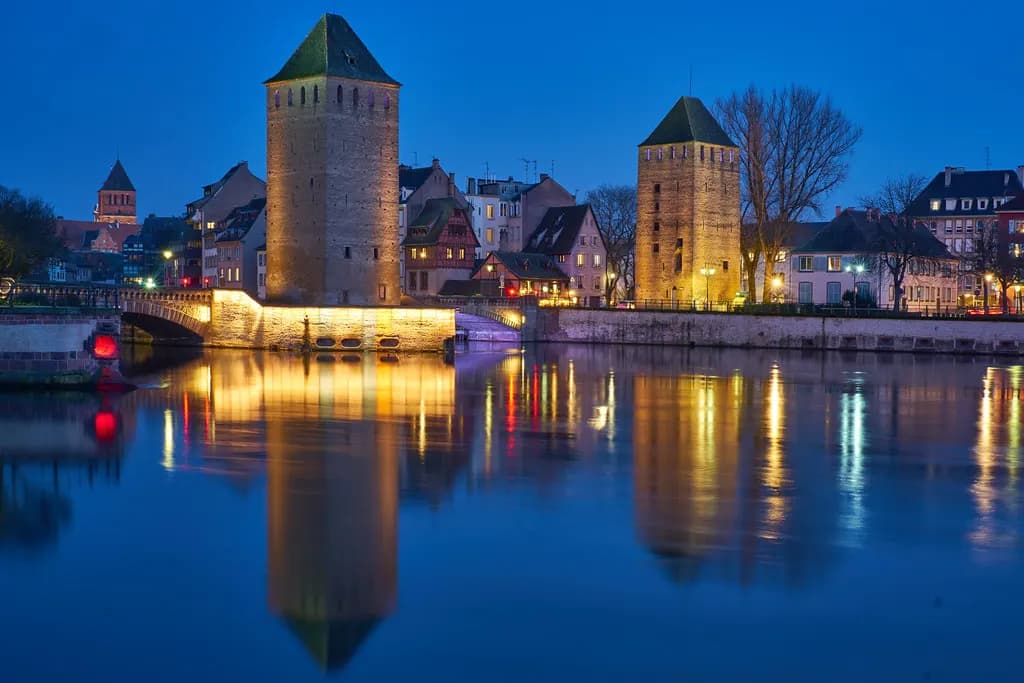 Strasbourg
Strasbourg
France
Strasbourg's cathedral was the tallest building in the world for over two centuries, and the city itself has switched between French and German control four separate times since 1871 — its half-timbered old town and its role as a seat of the European Parliament sit on top of that back-and-forth history.
See full guide →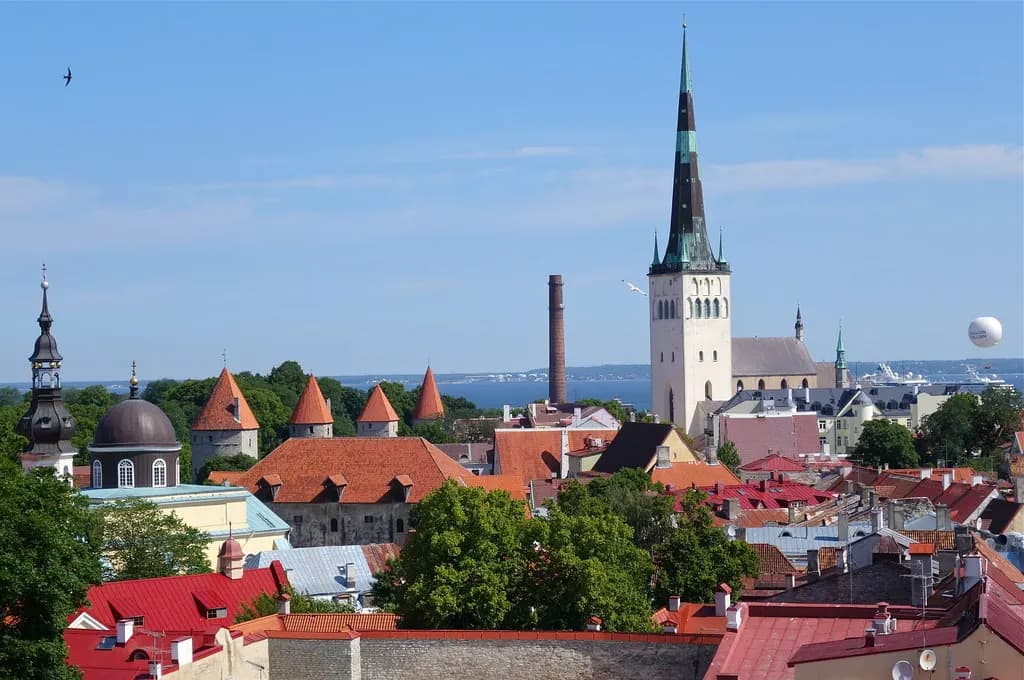 Tallinn
Tallinn
Estonia
Estonia runs more of its government online than almost any country on earth, yet its capital's walled medieval core looks close to untouched since the 1400s — the two facts sit right next to each other and neither cancels the other out.
See full guide →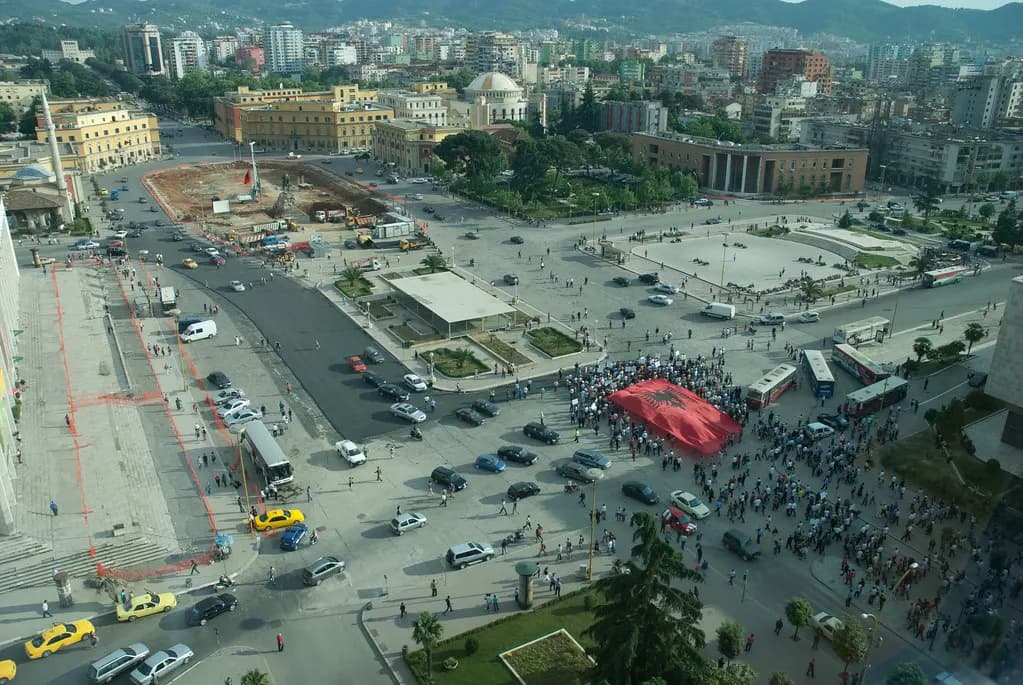 Tirana
Tirana
Albania
Albania spent nearly 50 years as one of the most isolated, paranoid dictatorships in Europe, building over 170,000 concrete bunkers for a foreign invasion that never came — and its capital has spent the last two decades literally painting over that history, one building at a time, in bright, deliberate color.
See full guide →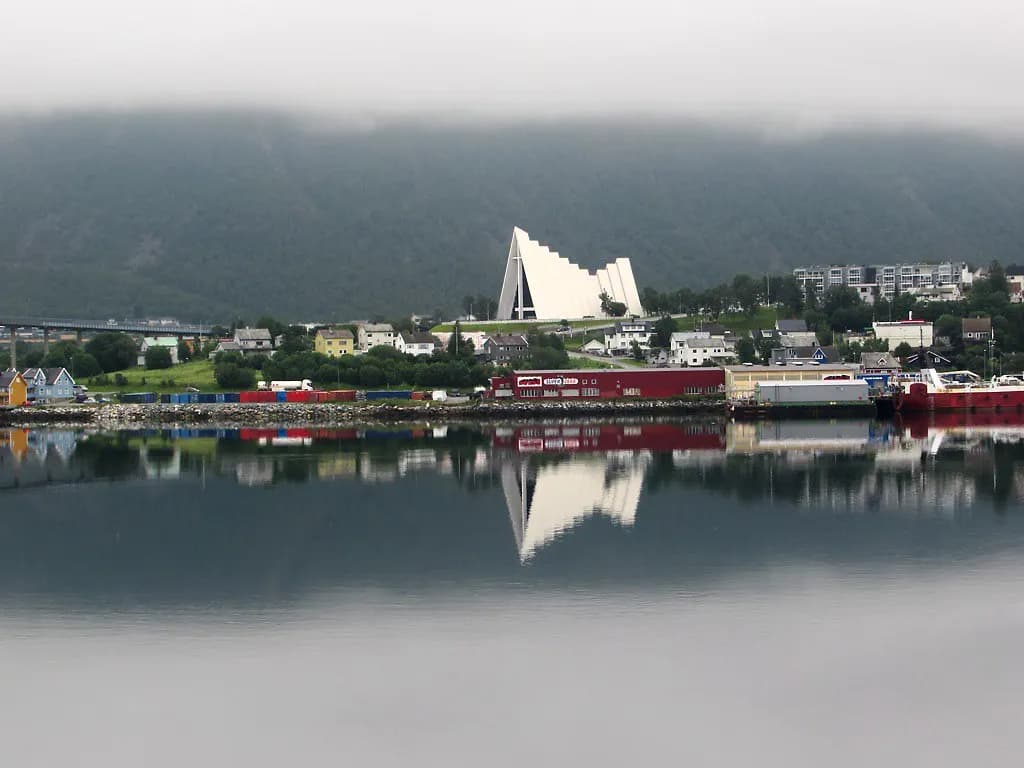 Tromsø
Tromsø
Norway
This city sits so far north that the sun never fully sets for about two months each summer, and never fully rises for about two months each winter — and it's still one of the most reliable places on Earth to see the Northern Lights from an actual city, not a remote wilderness camp.
See full guide →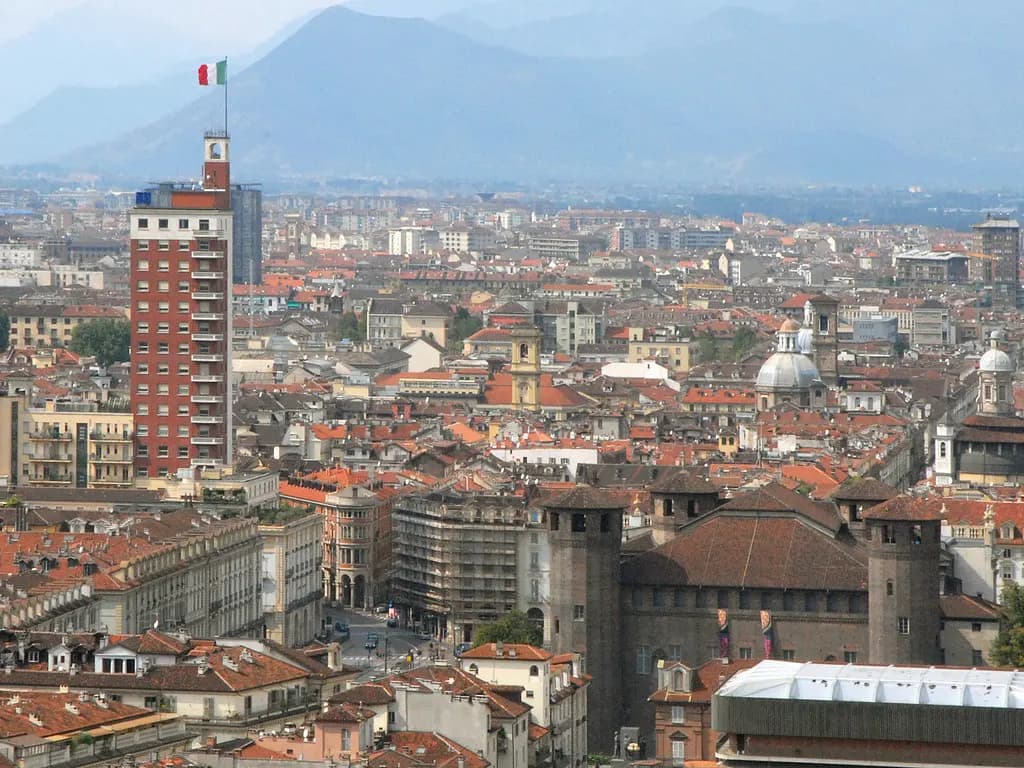 Turin
TurinTurin
Italy
Turin was Italy's first capital, its royal family's former seat, and the birthplace of Fiat and Juventus — and somehow it remains one of the most overlooked major cities in the country.
See full guide →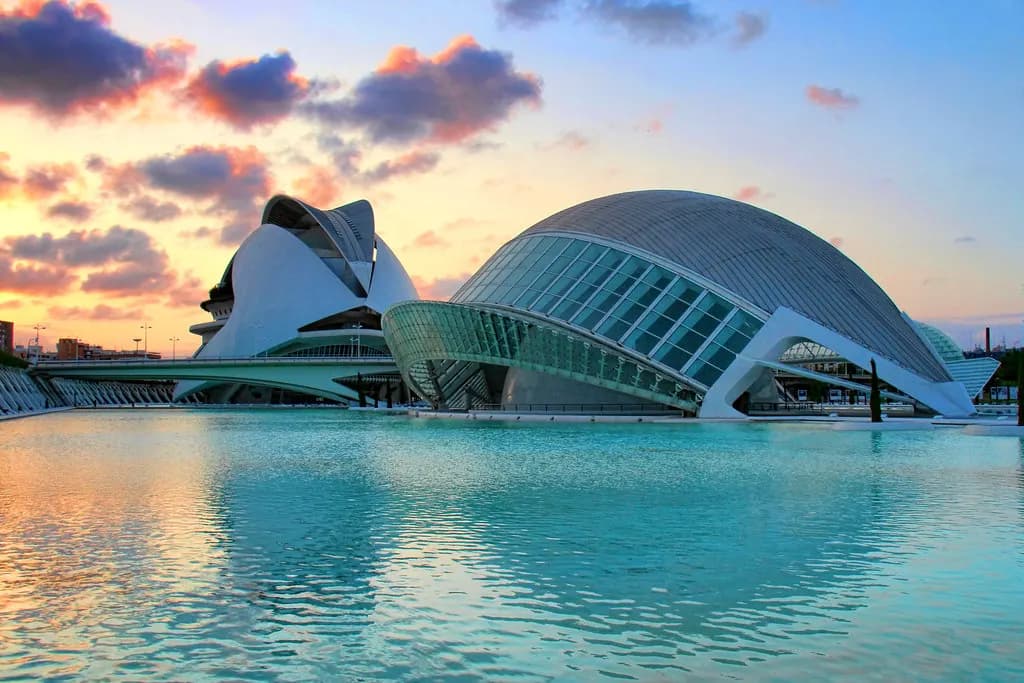 Valencia
Valencia
Spain
Paella was invented here, in the fields outside the city, not in Barcelona or anywhere else it's commonly associated with — and the version served in most of Spain barely resembles what locals actually consider real paella valenciana.
See full guide →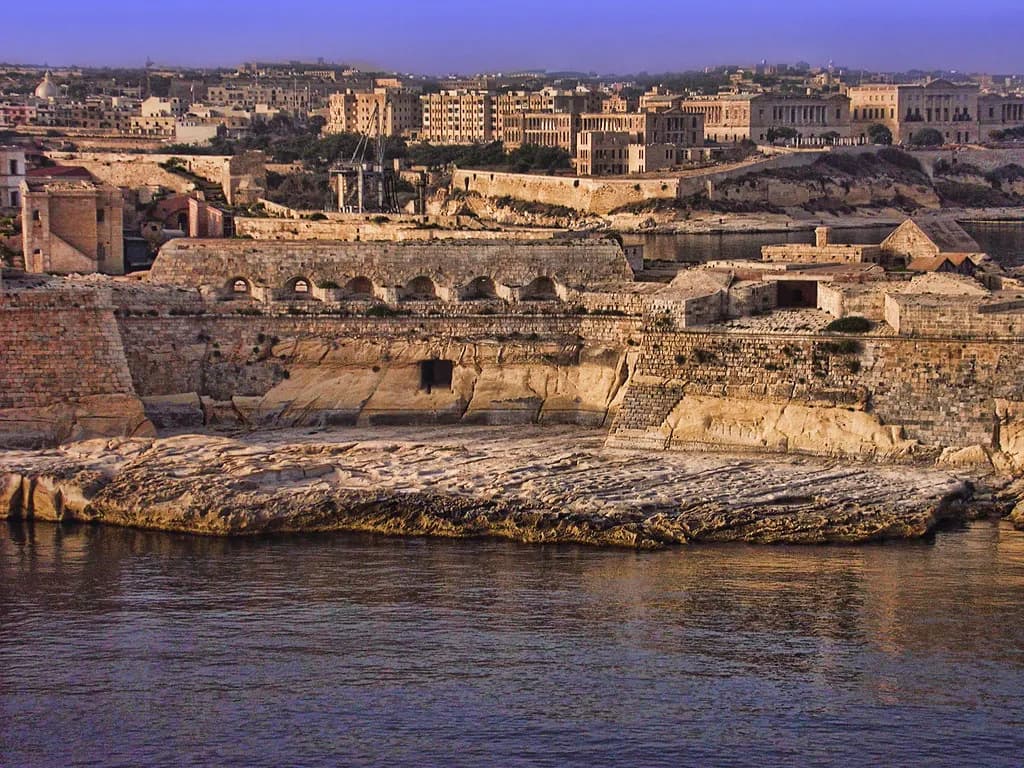 Valletta
Valletta
Malta
This entire capital was built in under 15 years by the Knights of St. John specifically to withstand another Ottoman siege after they survived one by a matter of weeks in 1565 — and it's still one of the most densely fortified city centers anywhere in Europe.
See full guide →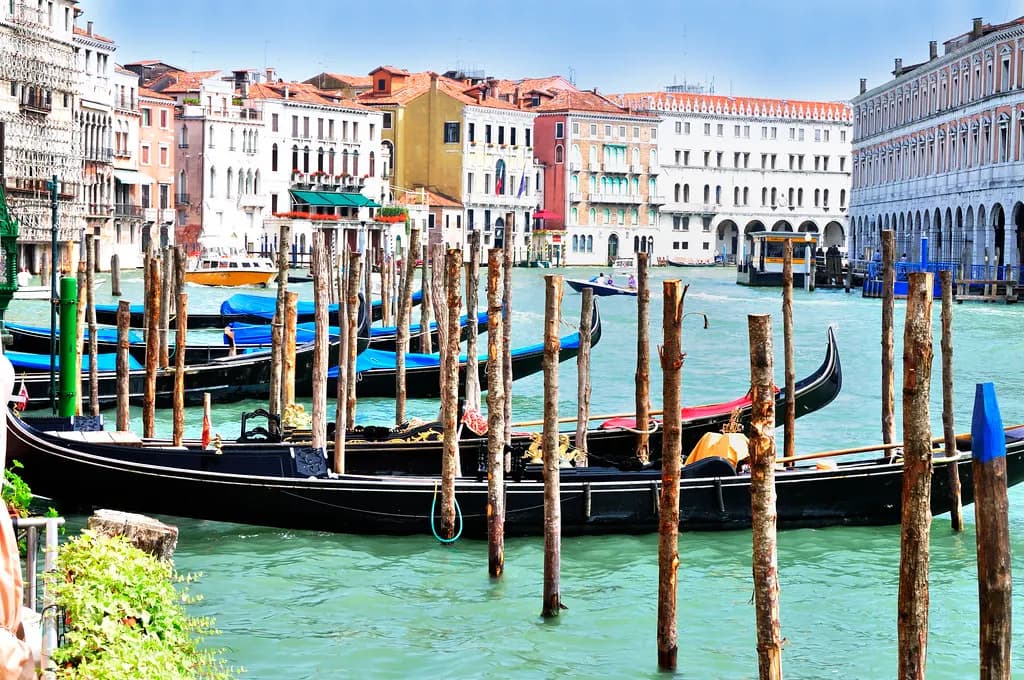 Venice
Venice
Italy
There are no cars here, not because of a pedestrian-zone policy but because the city is built across more than a hundred small islands — a boat is the only way to move anything heavier than a suitcase.
See full guide →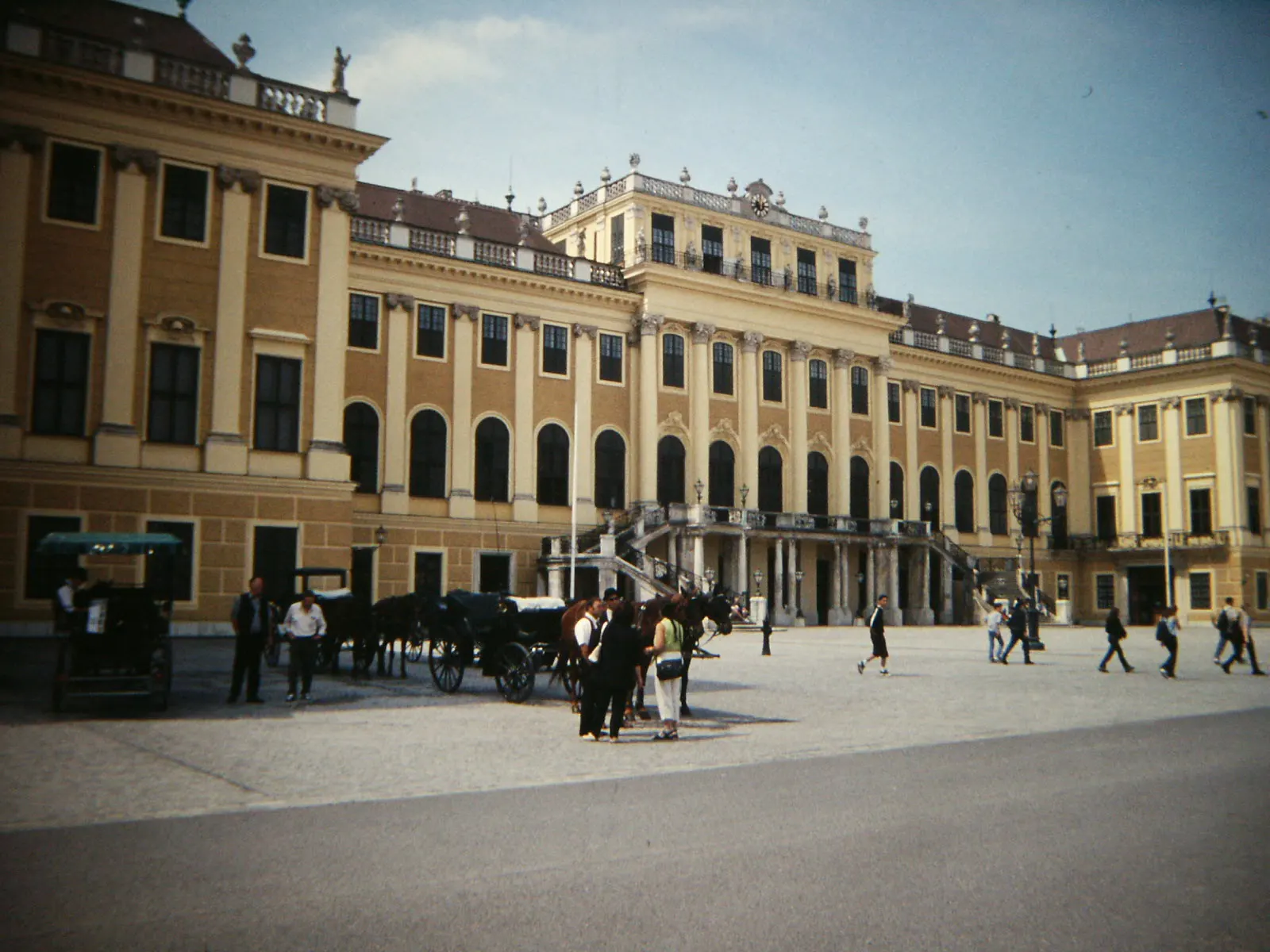 Vienna
Vienna
Austria
A single cup of coffee buys you a table for as long as you want it — the coffeehouse as a legal, UNESCO-recognized institution, not just a place to grab a drink and leave.
See full guide →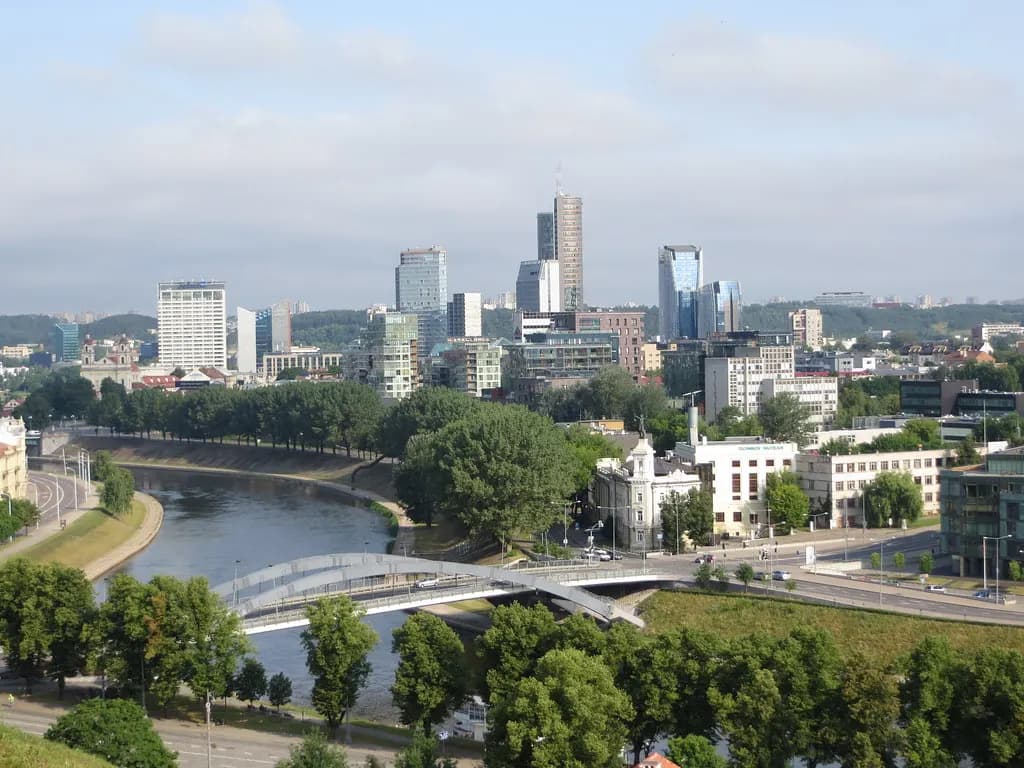 Vilnius
Vilnius
Lithuania
Vilnius has a neighborhood that declared itself an independent republic on April Fools' Day in 1997, complete with its own constitution nailed to a wall in dozens of languages — and the city has let the joke run for almost three decades.
See full guide →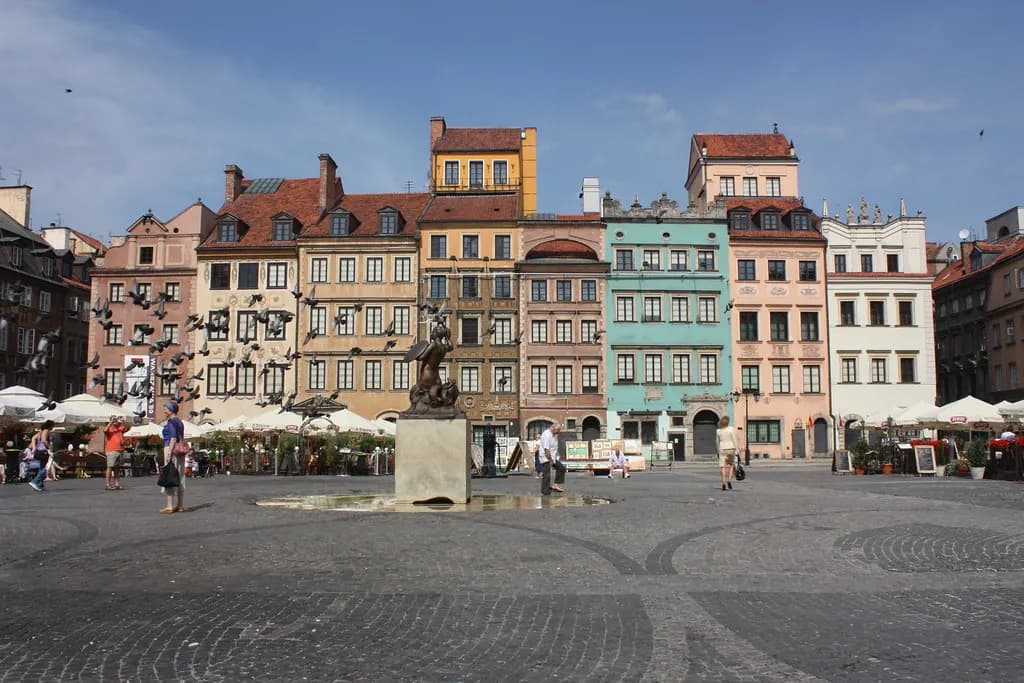 Warsaw
Warsaw
Poland
About 85% of the city was deliberately destroyed after the 1944 Warsaw Uprising, and the Old Town you see today is a meticulous postwar reconstruction, rebuilt from old paintings and photographs — the rebuild itself is what earned it UNESCO status, not original age.
See full guide →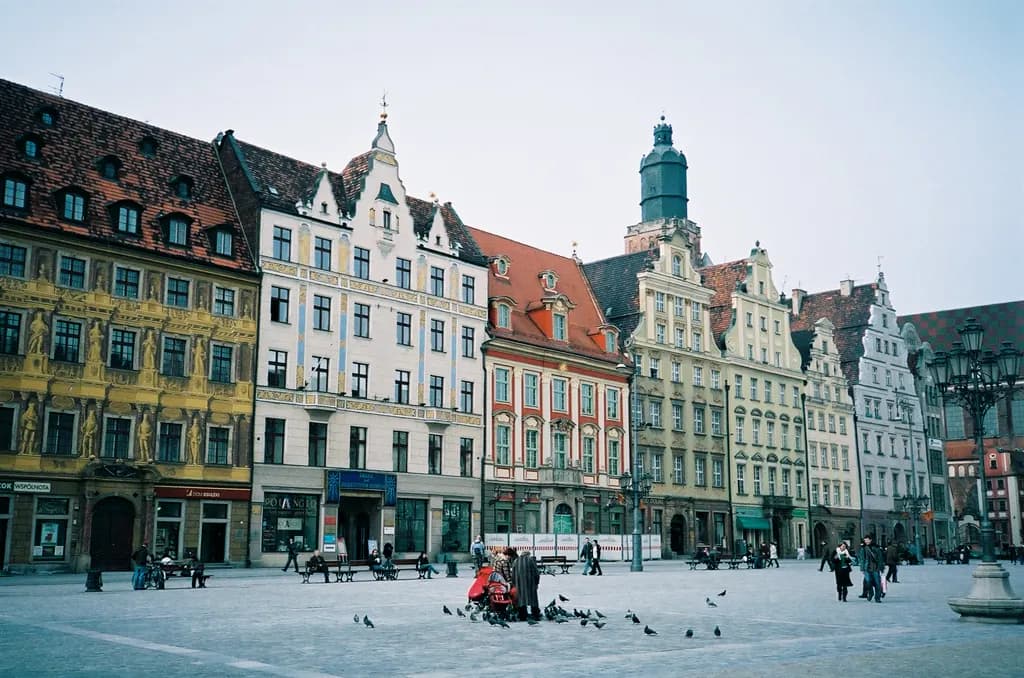 Wrocław
Wrocław
Poland
Someone hid over 400 tiny bronze dwarf statues around Wrocław's streets, and finding them has become such a genuine local pastime that the city now publishes an official map — what started as a single 2001 political protest statue quietly multiplied into a citywide scavenger hunt.
See full guide →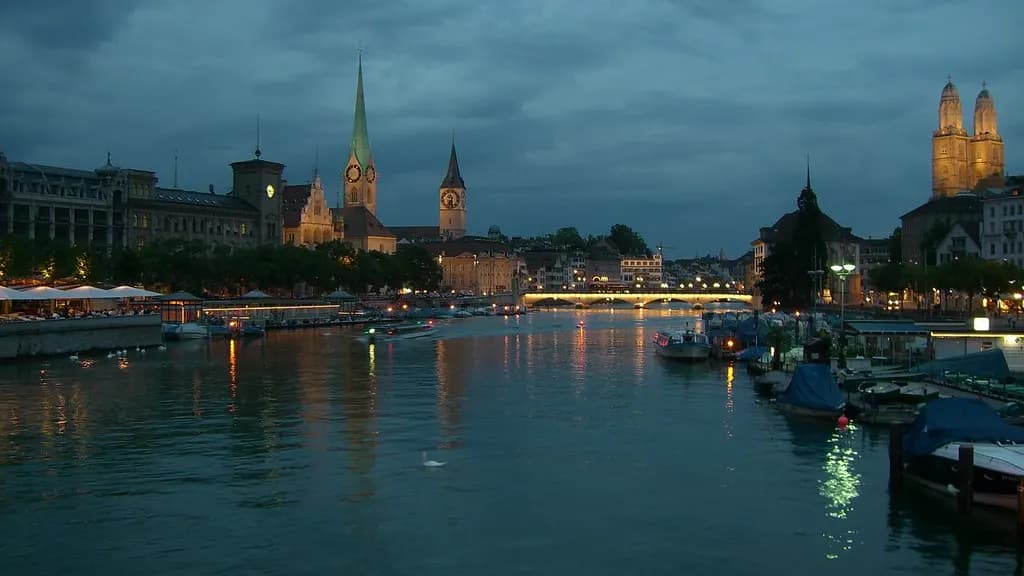 Zurich
Zurich
Switzerland
Over a thousand public drinking fountains run through this city, most fed by pristine lake and spring water, cold and genuinely safe to drink — which tells you a lot about how this place treats its infrastructure.
See full guide →