Portugal · Europe
Lisbon
A city built on seven hills, where a rattling yellow tram doubles as the cheapest sightseeing tour you'll find in Western Europe.
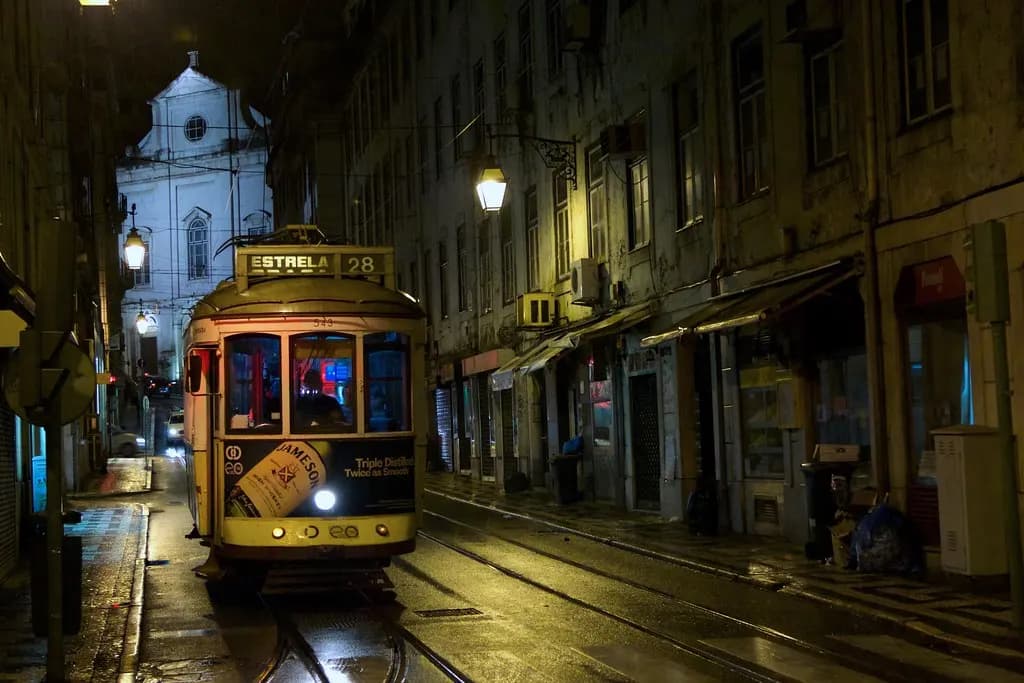
Lisbon doesn't flatten out for you the way Barcelona or Paris does. The city runs across seven hills next to the Tagus, and you feel every one of them walking between Alfama and Bairro Alto — which is exactly why the yellow trams exist, and why Tram 28 gets photographed more than most of the actual monuments it passes.
The center splits into a few distinct moods rather than one continuous old town. Alfama is the oldest slice: narrow, uneven, laundry strung between buildings, fado drifting out of small restaurants after dark. Baixa is the flat grid rebuilt after the 1755 earthquake, all wide squares and pedestrian streets, functional rather than pretty. Above it, Chiado and Bairro Alto mix bookshops and cafés by day with the city's densest concentration of bars once the sun goes down. Most first-time visitors base themselves in Baixa or Chiado for the simple reason that it's flat enough to actually walk between the other two.
Food is where Lisbon quietly outperforms its reputation. Grilled sardines are the cliché, but a better meal is often a simple bacalhau dish at a tasca with plastic chairs and no English menu — ask what's fresh and let the kitchen decide. Pastéis de nata are everywhere, but the ones from Manteigaria or the original Pastéis de Belém are worth the short detour over the versions sold near the main squares. Ginjinha, the sour cherry liqueur sold from hole-in-the-wall counters near Rossio, is a one-euro shot and a good way to end a night walking rather than start one.
Sintra deserves its own mention because most visitors underestimate how much of a full day it eats. The palaces are spread across a hillside, not clustered together, and the train from Rossio station only gets you to the town center — from there it's buses or a very long walk up. Go early or you'll spend more time in ticket lines than inside anything.
Portuguese is the local language, but English gets you through almost any tourist-facing interaction without friction. Locals appreciate a "bom dia" or "obrigado," even if the conversation immediately switches back to English after that.
What a trip here actually costs
$55 / day avg.
- Hostel dorm or budget guesthouse
- Metro day pass + occasional Tram 28 ride
- Street food and grilled sardines from a tasca
- One paid attraction every other day
What to do at this tier
- • Ride Tram 28 end to end instead of paying for a bus tour
- • Walk the Alfama alleys and catch a free viewpoint at Miradouro de Santa Luzia
- • Miradouro da Graça for sunset with a €2 beer from the kiosk
$130 / day avg.
- 3-star hotel in Chiado or Baixa
- Sit-down lunches, one proper dinner out
- Lisboa Card for museums and transport
- A half-day Sintra tour
What to do at this tier
- • Jerónimos Monastery and Belém Tower in one morning
- • Time Out Market for a mixed lunch from a dozen kitchens under one roof
- • Sunset cruise on the Tagus with wine included
$280 / day avg.
- Boutique hotel with a river view
- Tasting menu dinner in Príncipe Real
- Private driver for the Sintra-Cascais coast
- Fado dinner show in Alfama
What to do at this tier
- • Private half-day driver to Sintra's Pena Palace, timed to beat the tour buses
- • Fado dinner in a small Alfama house, not a tourist-menu venue
- • Cooking class focused on Portuguese seafood with a market visit first
These are average estimates for planning purposes, not real-time prices — actual costs vary by season, availability, and how far ahead you book.
How to get there
Click anywhere on the world map — any airport works, not just our main hubs.
London is one of our researched reference cities — every mode below is hand-checked, not a formula.
| Mode | Time | Approx. cost | Notes |
|---|---|---|---|
| Flight | 2h35 | $55-180 | Fastest option; book 6-8 weeks out for the lower end of the range. |
Times and prices are planning estimates, not live fares — always check a booking site before you commit. See the full Transport Comparison guide for the general tradeoffs of each mode.
Best time to visit
Late spring and early autumn give you warm days without the July-August crowds and heat, which get genuinely uncomfortable on the hills.
Safety notes
Very safe by European standards. Watch your pockets on Tram 28 specifically, and route around Martim Moniz late at night if you're walking alone.
Visa & currency
Euro. Schengen visa rules apply — most Western travelers get 90 days visa-free within a 180-day window.
Questions people ask before visiting
How many days do you need in Lisbon?
Three days covers the center comfortably — Alfama and the castle on day one, Belém on day two, and either a slower day in Príncipe Real and Chiado or a day trip to Sintra on day three. Add a fourth day if Sintra is non-negotiable, since rushing it defeats the point.
Is Lisbon expensive to visit?
Not by Western European standards. A coffee and a pastel de nata still runs under €3 in most neighborhoods, and a full grilled fish dinner with wine can come in under €20. Accommodation and organized tours are where costs climb closest to Barcelona or Rome prices.
What is the best area to stay in Lisbon?
Chiado and Baixa put you within walking distance of almost everything and are well-lit at night. Alfama is more atmospheric but means climbing hills constantly. Príncipe Real is quieter and leans local if you want distance from the tourist core.
Is Lisbon safe at night?
Violent crime is rare and the center feels comfortable after dark. Pickpocketing clusters around Tram 28 and a few nightlife streets in Bairro Alto, and Martim Moniz gets a fair number of reports of catcalling at night — routing around it isn't hard.
How do I get from Lisbon airport to the city center?
The metro red line runs from the airport into downtown in about 25 minutes for a couple of euros, which beats a taxi on both price and reliability during rush hour.
Nearby destinations
 Porto
PortoPorto
Portugal
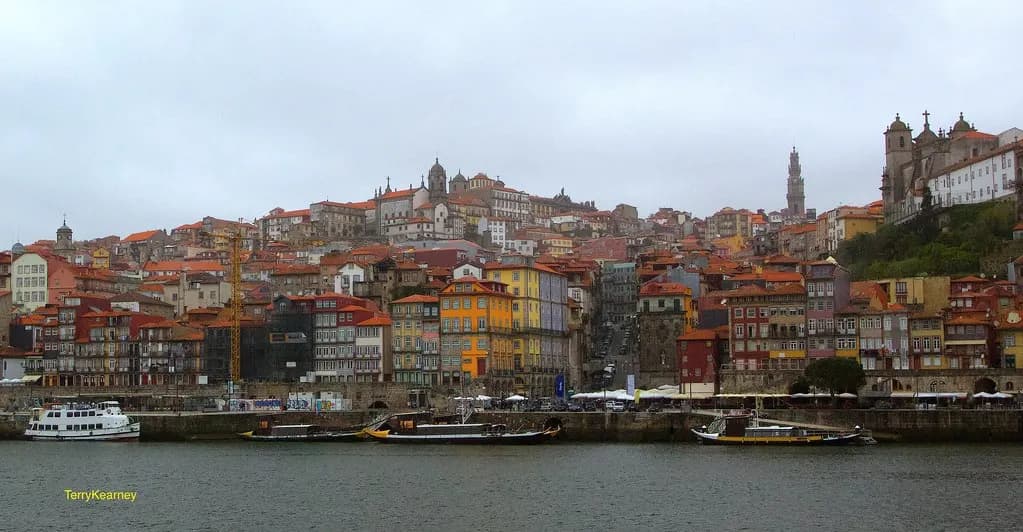
Port wine ages in cellars across the river while the old town stacks tiled houses straight down to the water like it ran out of flat ground centuries ago.
See full guide →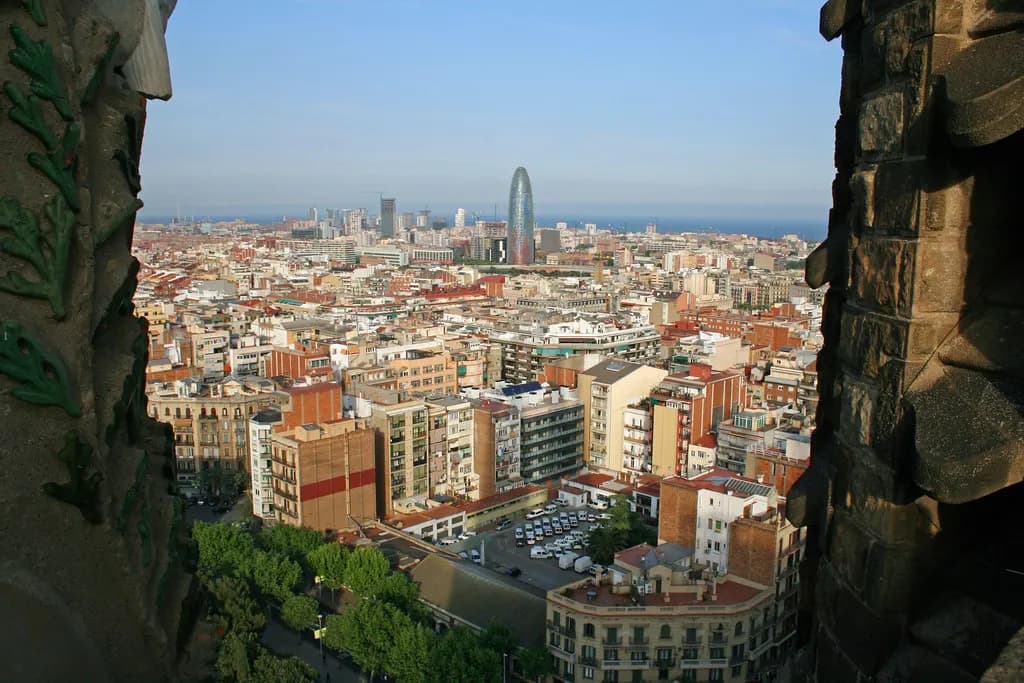 Barcelona
Barcelona
Spain
Gaudí spent over a decade on a church that's still not finished, and somehow that unfinished cathedral is now the thing everyone plans their trip around.
See full guide →Comparing more than one route? See the full transport comparison guide.