Portugal · Europe
Porto
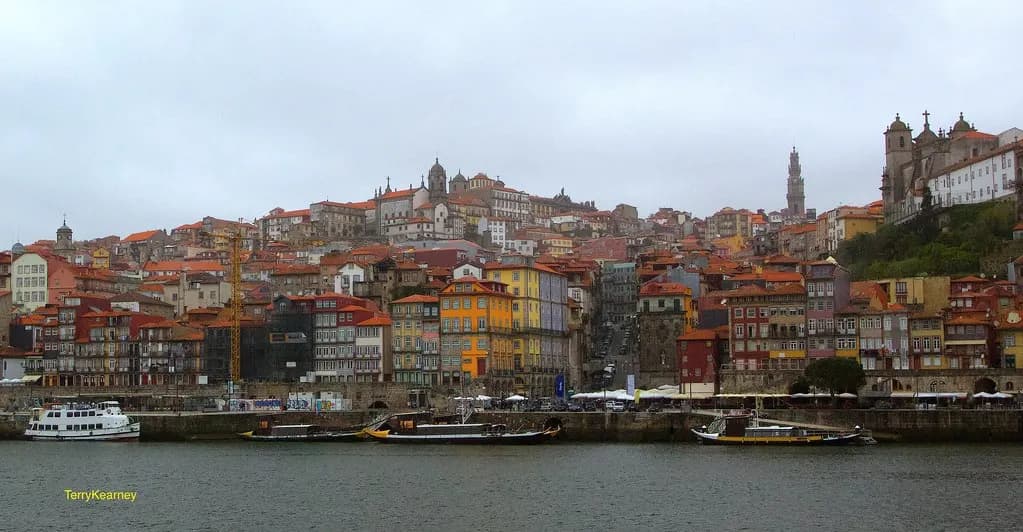
Port wine ages in cellars across the river while the old town stacks tiled houses straight down to the water like it ran out of flat ground centuries ago.
The river is the organizing fact of Porto. Everything worth doing sits on one side of the Douro or the other, and the two halves don't do the same job. The city proper climbs up from Ribeira in tiers of tiled houses, laundry lines, and church facades, while Vila Nova de Gaia across the water is where the port wine houses actually keep their barrels — Graham's, Taylor's, Ferreira, all stacked into the hillside in warehouses you can tour for the price of a tasting flight.
Ribeira itself is the postcard: a curved row of narrow, colorful buildings right at the waterline, with the two-tier Dom Luís I bridge arcing overhead. Walk the upper deck rather than the lower one — it's higher, it's free, and it gives you the whole riverfront in one shot instead of a street-level slice of it. The bridge was designed by a student of Gustave Eiffel, which the city will mention to you more than once.
Porto's food leans heavier than Lisbon's. The francesinha is the obvious example — a sandwich buried under ham, sausage, steak, melted cheese, and a tomato-beer sauce, usually with an egg on top and fries alongside. One is plenty for most people in a sitting. For something lighter, tripas à moda do Porto shows up on menus constantly, a nod to the city's old nickname "tripeiros," and it's worth trying even if the description doesn't sell it.
Livraria Lello, the ornate bookshop near the university, has become disproportionately famous for a supposed connection to Harry Potter that J.K. Rowling has never confirmed and the shop itself downplays. It's a genuinely striking wooden staircase, but the paid-entry line can run past 45 minutes in peak season for a visit that takes fifteen. If the queue is long when you pass, it's not the only reason to be in that part of the city.
The Douro Valley, an hour or so inland, is where the grapes for all that port actually grow — terraced vineyards stacked into hillsides along the river. It's a long day trip from Porto but a legitimately different landscape from the city, and worth it if your schedule has room for a fourth day.
What a trip here actually costs
$50 / day avg.
- Hostel or guesthouse in Ribeira or Bolhão
- Walking the city instead of paying for funiculars
- Lunch at a tasca, francesinha split between two
- One free cellar tour with tasting included
What to do at this tier
- • Cross the Dom Luís I bridge on foot on the upper deck for the view, free
- • Wander Ribeira's waterfront and the steep streets above it
- • Free tasting at a smaller port cellar in Vila Nova de Gaia
$115 / day avg.
- 3-star hotel with river views
- Paid cellar tour with a proper tasting flight
- Dinner in Ribeira by the water
- Half-day Douro Valley tour
What to do at this tier
- • Guided cellar tour and tasting at Graham's or Taylor's
- • São Bento station to see the azulejo tile murals, five minutes, free
- • Half-day trip into the Douro Valley for the terraced vineyards
$250 / day avg.
- Boutique hotel in a converted historic building
- Private Douro Valley wine tour with lunch
- Tasting menu at a riverside restaurant
- Sunset cruise on the Douro
What to do at this tier
- • Private Douro Valley day trip with a boat leg and a vineyard lunch
- • Multi-course tasting menu with wine pairings in Foz do Douro
- • Private guide through Ribeira's history away from the main tourist routes
These are average estimates for planning purposes, not real-time prices — actual costs vary by season, availability, and how far ahead you book.
How to get there
Click anywhere on the world map — any airport works, not just our main hubs.
London is one of our researched reference cities — every mode below is hand-checked, not a formula.
| Mode | Time | Approx. cost | Notes |
|---|---|---|---|
| Flight | 2h35 | $50-170 | Fastest option; book 6-8 weeks out for the lower end of the range. |
Times and prices are planning estimates, not live fares — always check a booking site before you commit. See the full Transport Comparison guide for the general tradeoffs of each mode.
Best time to visit
Late spring through early summer keeps temperatures comfortable for the hills; September works too and trades a bit of heat for slightly thinner crowds.
Safety notes
Among the safer major cities in Europe. Standard caution around the São Bento station area at night and on busy tram routes is enough.
Visa & currency
Euro. Same Schengen 90-day visa-free rule as the rest of Portugal applies.
Questions people ask before visiting
Is Porto worth visiting if I've already done Lisbon?
Yes — it's a different city, not a smaller version of Lisbon. Porto is denser, more vertical, and built around the river and the wine trade in a way that shapes almost everything you'll do there.
How many days do you need in Porto?
Two full days covers the Ribeira district, a cellar tour across the river in Vila Nova de Gaia, and the main sights. Three days lets you add a day trip to the Douro Valley, which is genuinely worth the extra time if you have it.
Is the Livraria Lello bookshop worth the ticket and the line?
It's a beautiful staircase and a very crowded fifteen minutes. Go right at opening or skip it — the surrounding streets and several other bookshops in the city are more enjoyable without the wait.
What's a francesinha and should I try one?
A sandwich stacked with several meats, covered in melted cheese and a beer-tomato sauce, usually served with fries on the side. It's heavy and specific to Porto — worth one meal, not necessarily every day.
Do I need to book port wine cellar tours in advance?
For the bigger names like Graham's or Taylor's, booking a day or two ahead avoids showing up to a sold-out slot, especially on weekends. Smaller cellars are usually more flexible.
Nearby destinations
 Lisbon
Lisbon
Portugal
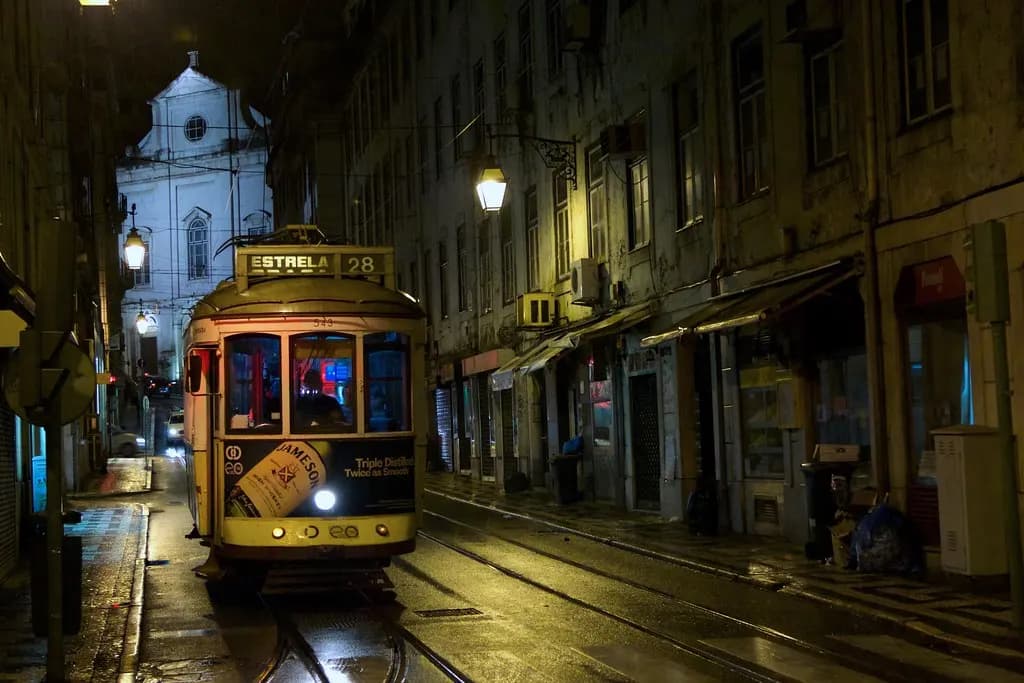
A city built on seven hills, where a rattling yellow tram doubles as the cheapest sightseeing tour you'll find in Western Europe.
See full guide →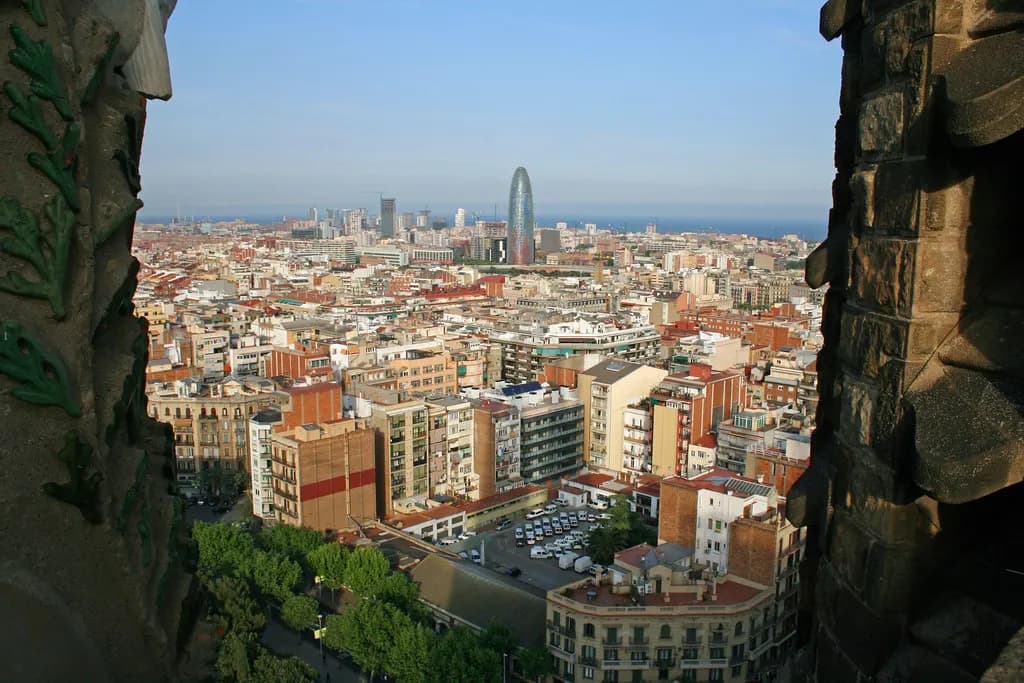 Barcelona
Barcelona
Spain
Gaudí spent over a decade on a church that's still not finished, and somehow that unfinished cathedral is now the thing everyone plans their trip around.
See full guide →Comparing more than one route? See the full transport comparison guide.