 North America
North America travel guide
Wayfarly's third continent covers the full range of North American travel — Caribbean and Central American beach towns running on all-inclusive resort economies, alongside major US and Canadian cities and national parks with their own transit systems, road trips, and flight networks. The transport comparisons adjust accordingly: realistic flight and airport-transfer logistics for the islands, and a genuine mix of transit, rental car, and flight comparisons for the bigger cities and parks.
71 destinations, ready to compare
 Antigua Guatemala
Antigua Guatemala
Guatemala
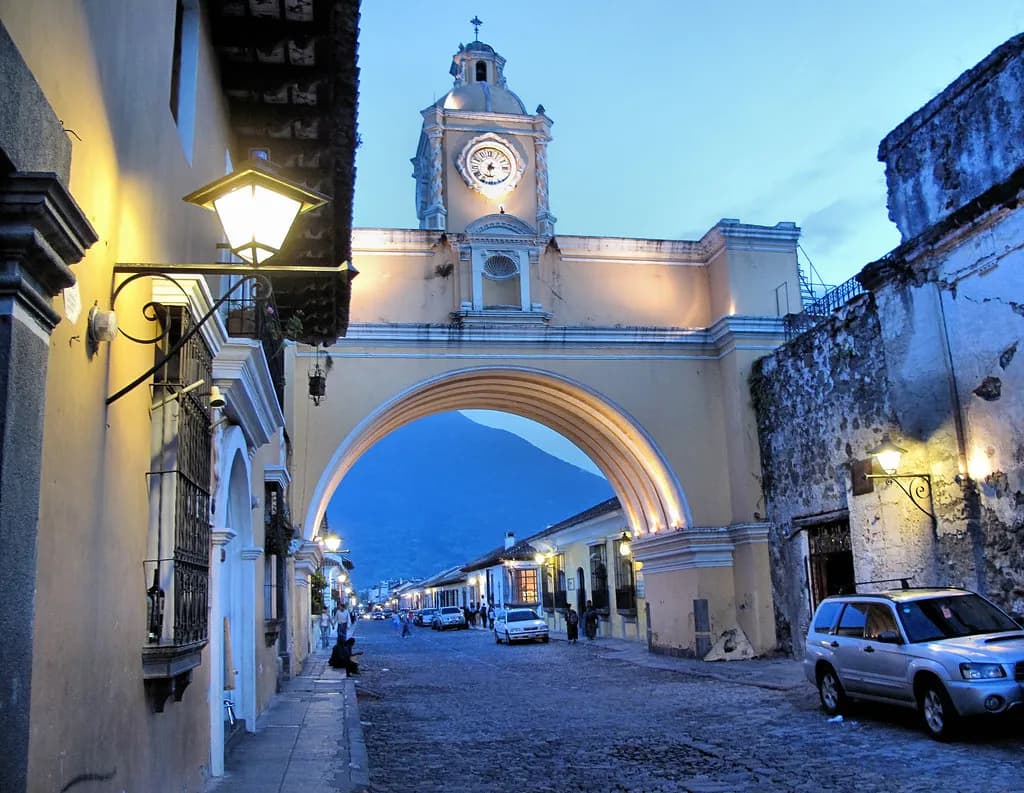
A 1773 earthquake devastated Antigua so thoroughly that Spanish colonial authorities abandoned it entirely and moved the capital of Central America to present-day Guatemala City, and rather than fully rebuild, the city left many of its grandest ruined churches standing in collapse, a deliberate choice that's preserved one of the best examples of Spanish Baroque colonial architecture anywhere in the Americas.
See full guide →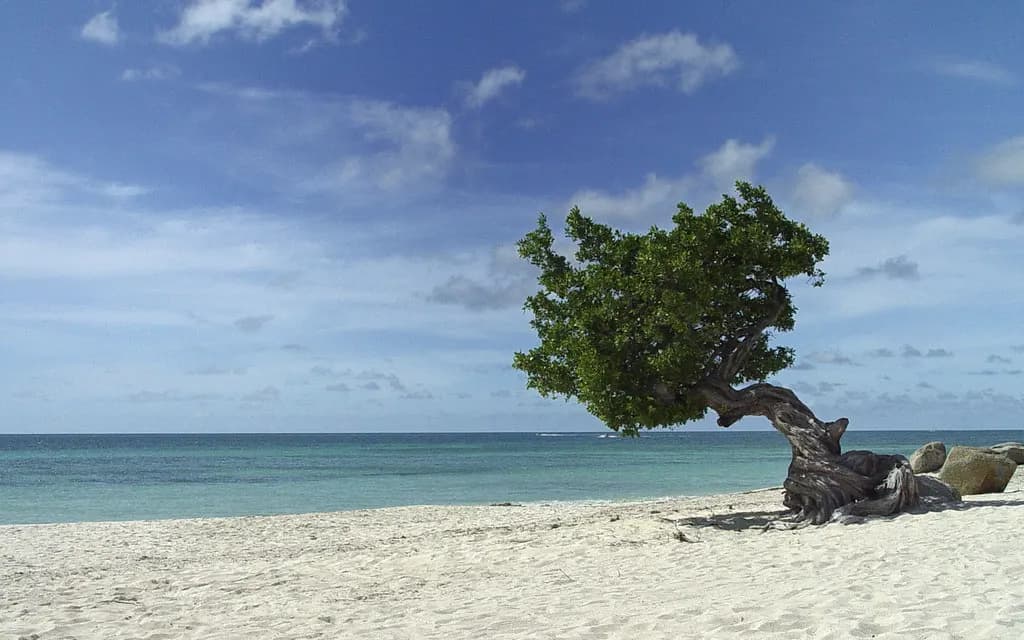 Aruba
ArubaAruba
Aruba
Aruba sits just outside the Caribbean hurricane belt and gets some of the lowest rainfall of any Caribbean island — locals call it "One Happy Island," and the arid, cactus-dotted landscape looks more like a desert than the lush jungle most people picture when they think Caribbean.
See full guide →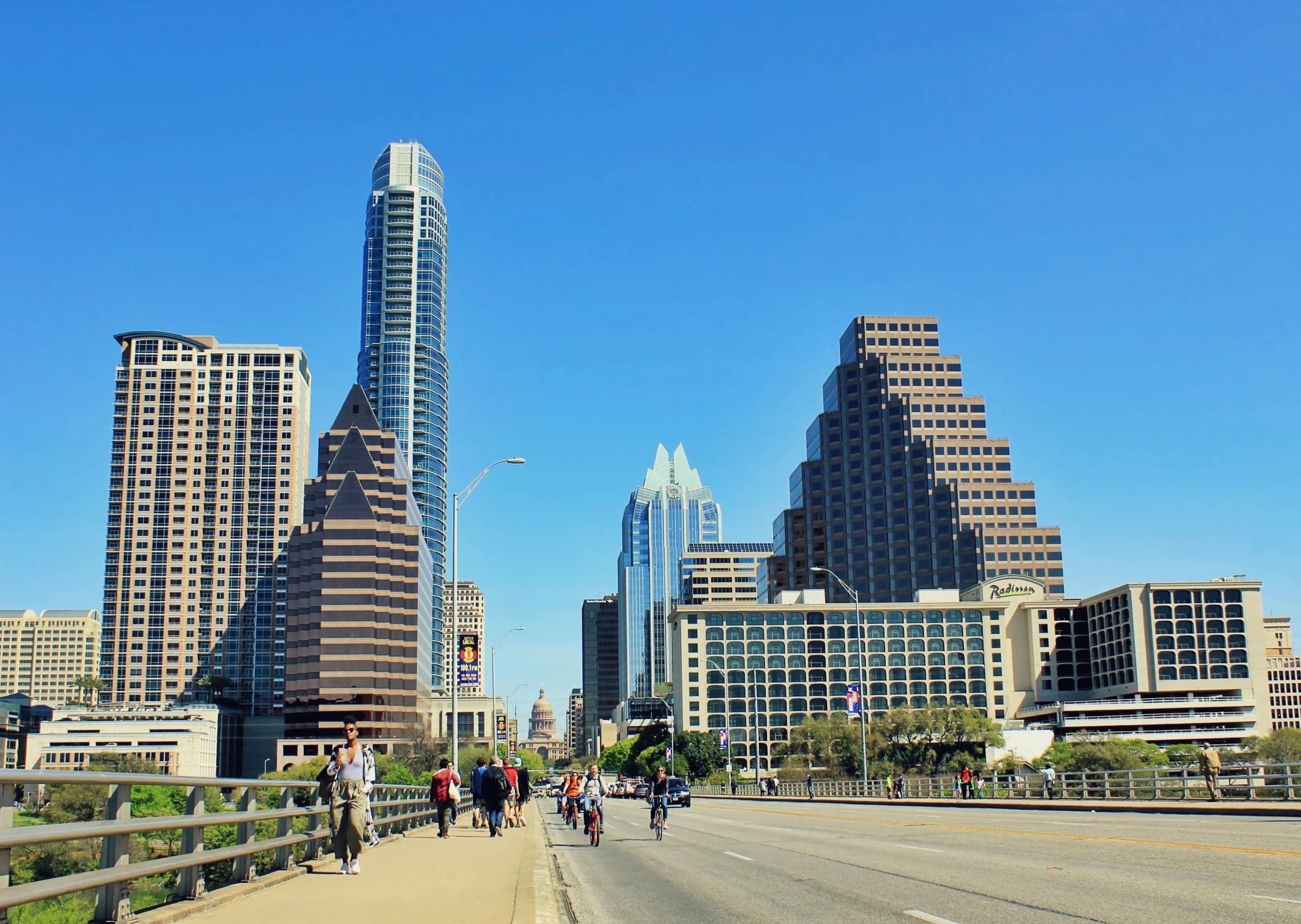 Austin
Austin
United States
About 1.5 million Mexican free-tailed bats live under the Congress Avenue Bridge in downtown Austin, the largest urban bat colony in North America, and their nightly emergence at dusk each summer has become one of the city's most reliable free spectacles — thousands of people gather on the bridge and along the riverbank just to watch them leave.
See full guide →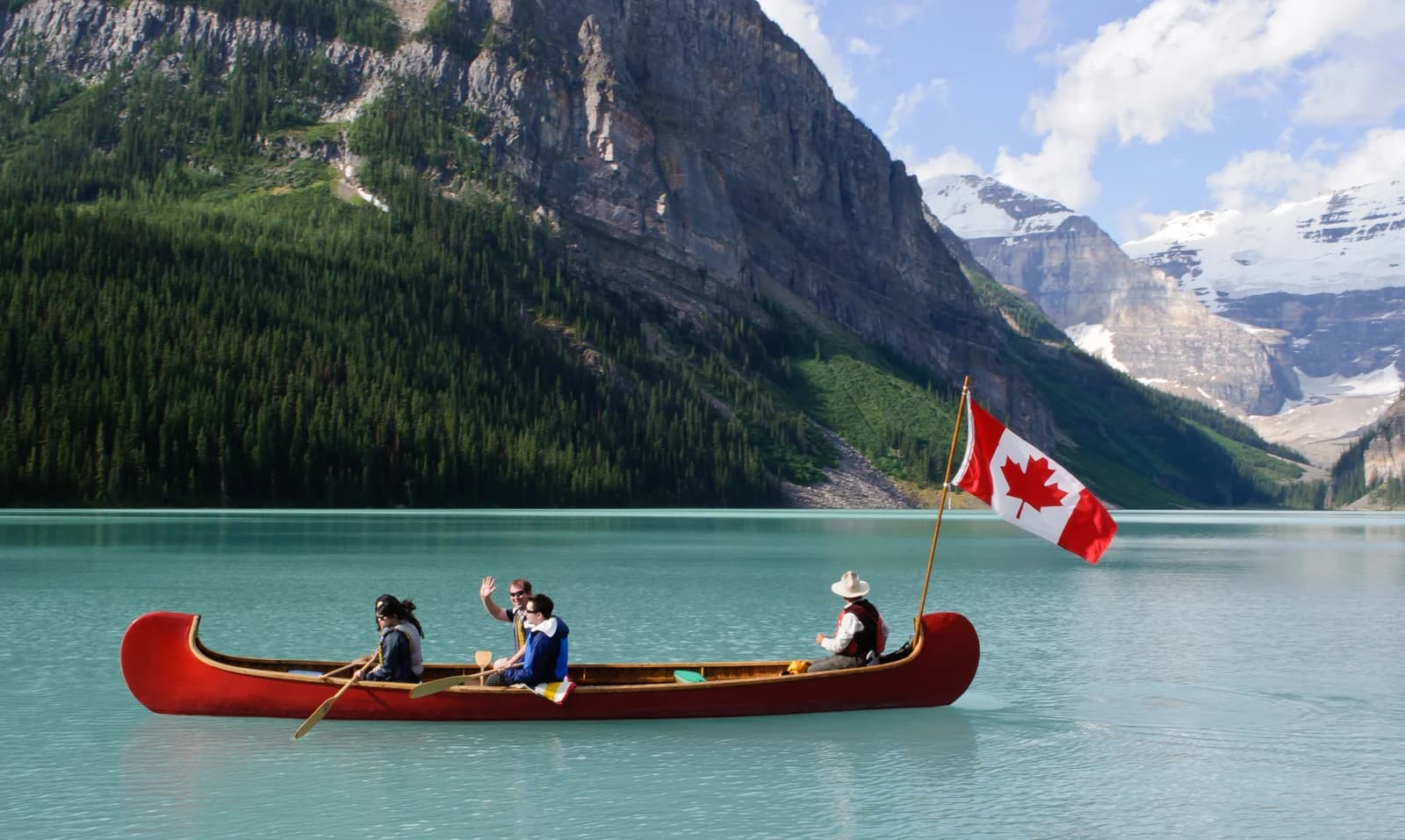 Banff
BanffBanff
Canada
Banff National Park became Canada's first national park in 1885, created almost by accident after railway workers building the transcontinental line stumbled on natural hot springs — the glacial turquoise of Lake Louise a short drive away comes from rock flour, fine sediment ground by glaciers that stays suspended in the water and scatters light into that exact color.
See full guide →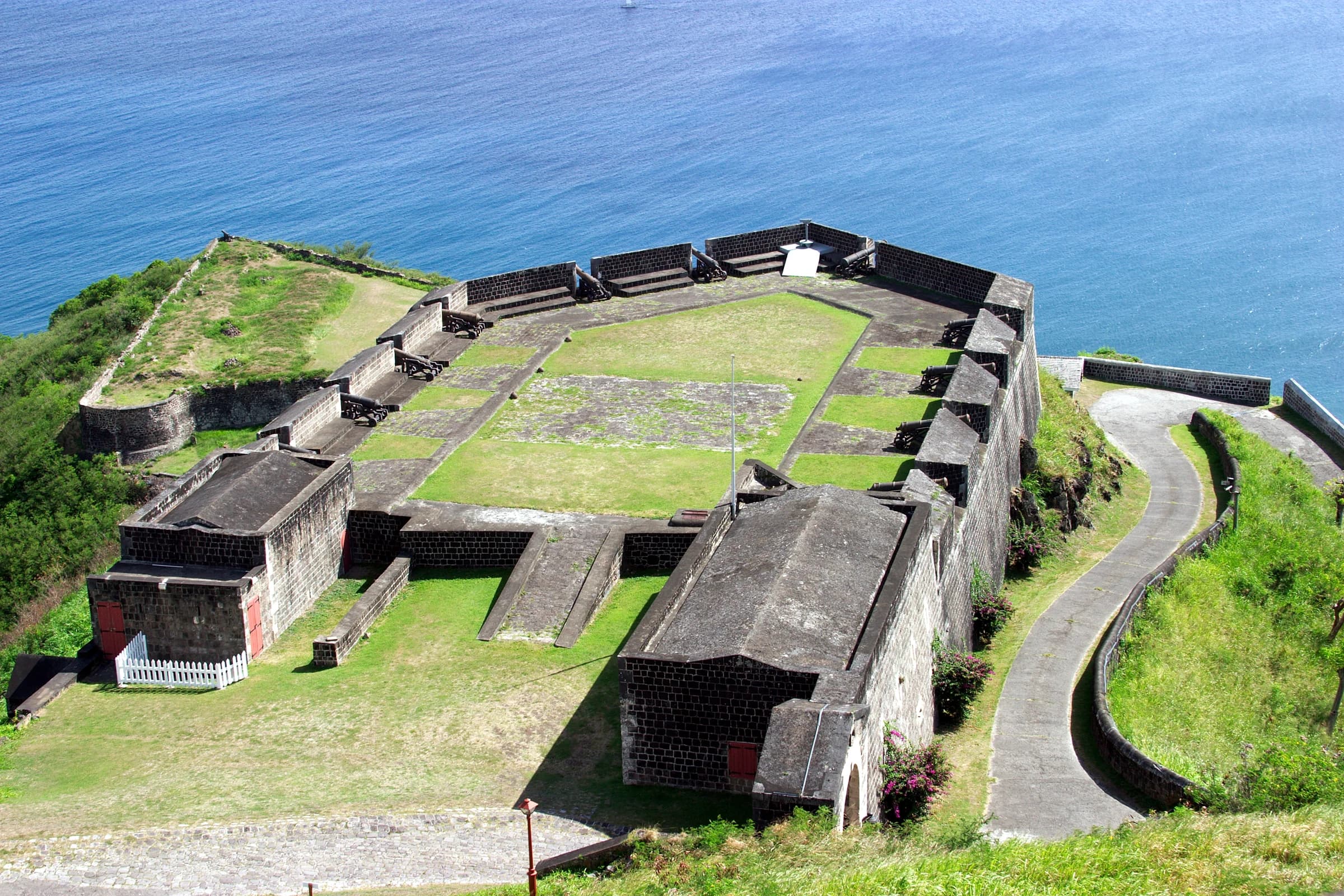 Basseterre
Basseterre
St. Kitts and Nevis
St. Kitts and Nevis is the smallest sovereign nation in the Americas, by both area and population, yet its old sugar-cane railway still circles most of the main island — passengers now ride double-decker cars for the scenery instead of hauling cane to the mill.
See full guide →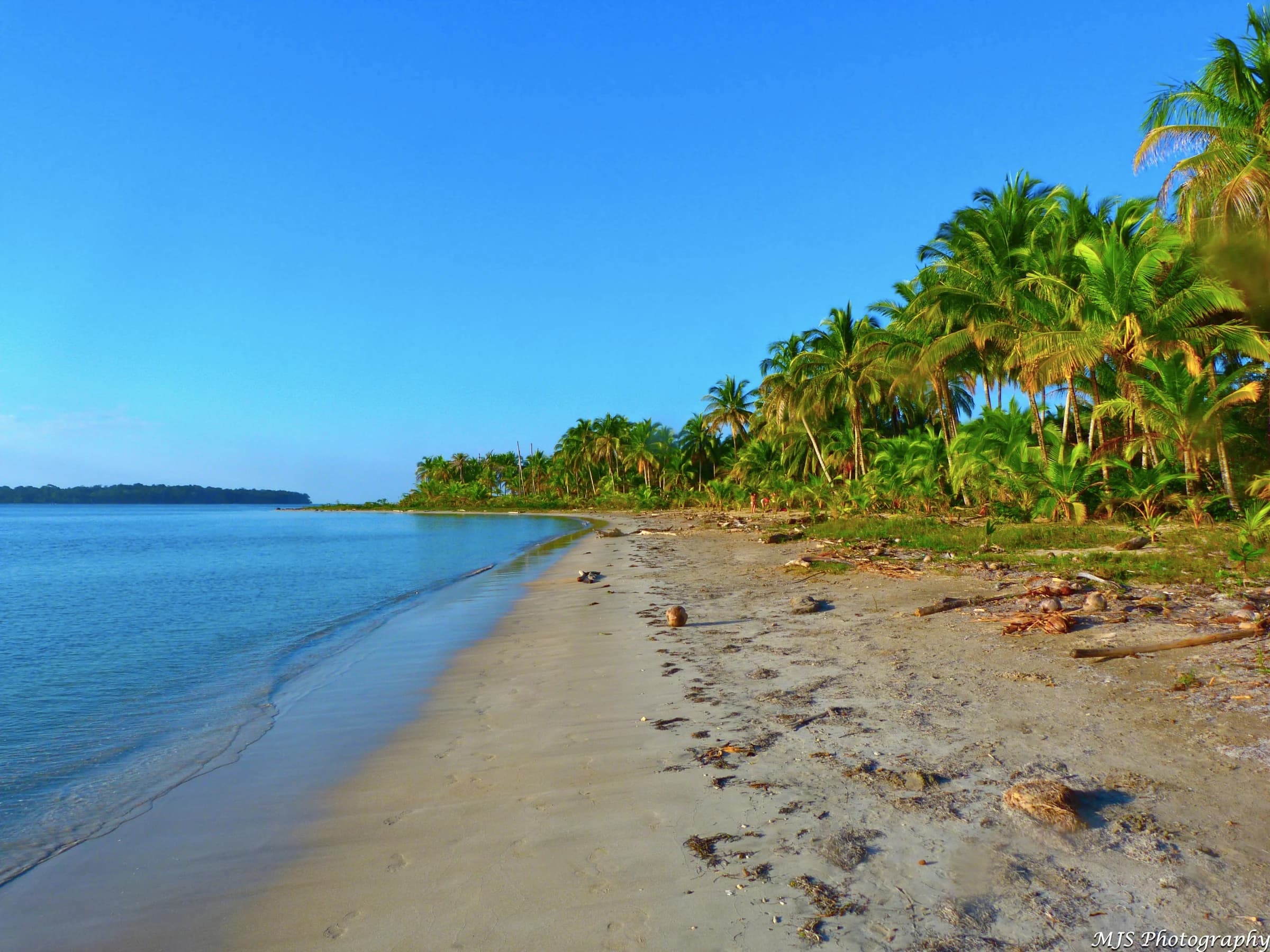 Bocas del Toro
Bocas del Toro
Panama
Red Frog Beach on Bastimentos Island is named for a strawberry poison dart frog barely the size of a thumbnail — bright red, genuinely toxic to predators, and one of the more improbable mascots for what's otherwise a laid-back surf-and-sailboat archipelago on Panama's Caribbean side.
See full guide →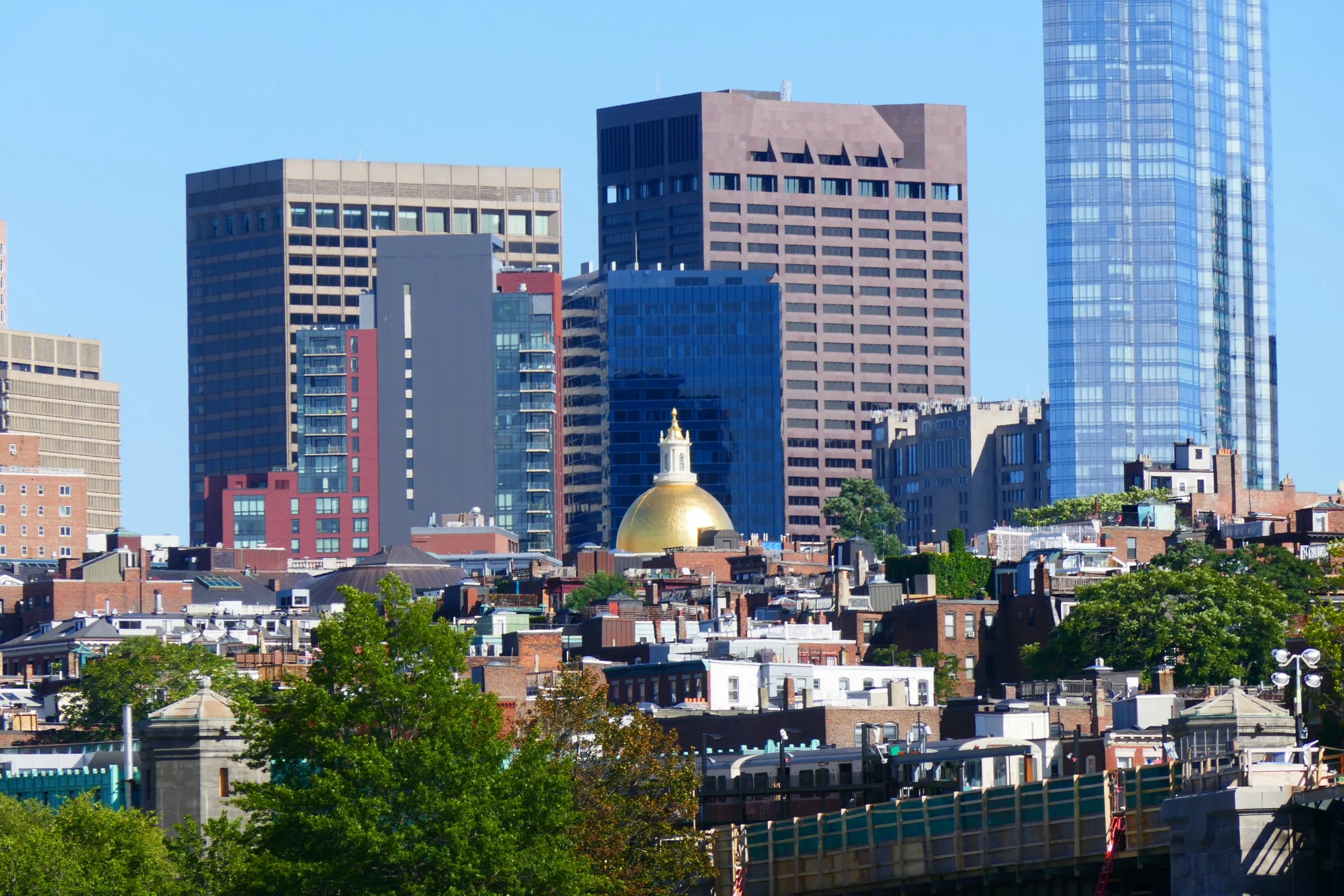 Boston
Boston
United States
The Freedom Trail is marked by a literal painted red line running 2.5 miles through downtown Boston, connecting 16 historic sites from the Revolutionary War era — following a colored line through a city to see its history is such an effective idea that other cities have since copied the format entirely.
See full guide →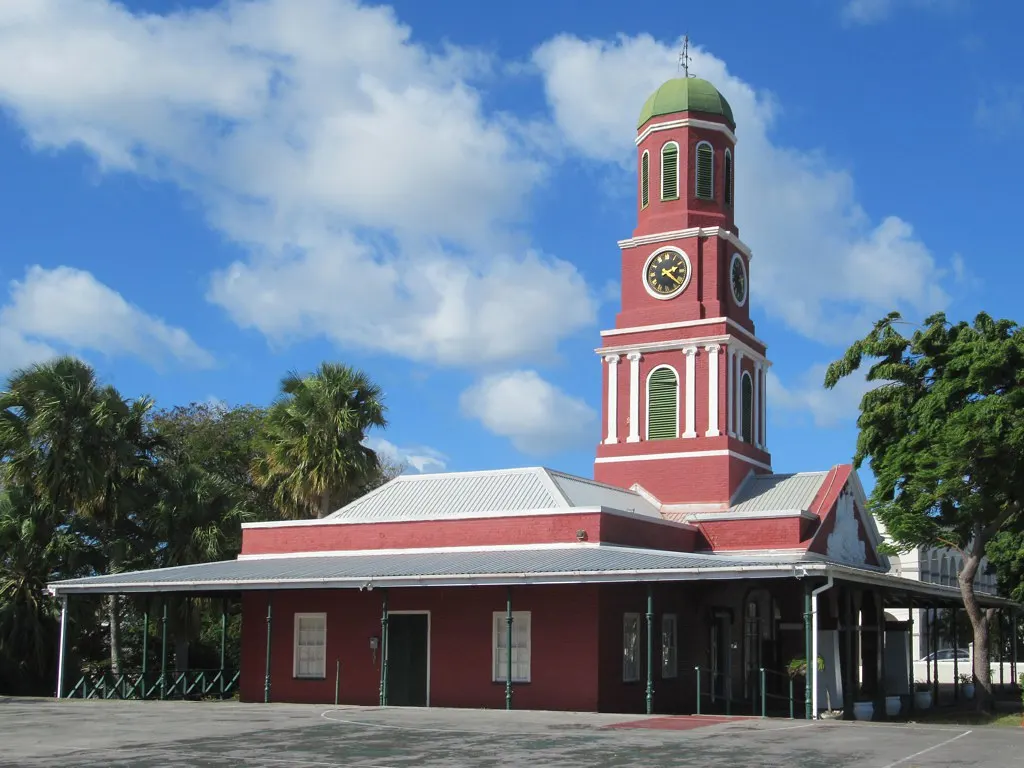 Bridgetown
Bridgetown
Barbados
Barbados is the birthplace of rum — Mount Gay, founded in 1703 on the island and still producing today, holds the Guinness World Record as the oldest rum brand still in existence, and Bridgetown's historic garrison is now a UNESCO World Heritage Site built partly on that trade.
See full guide →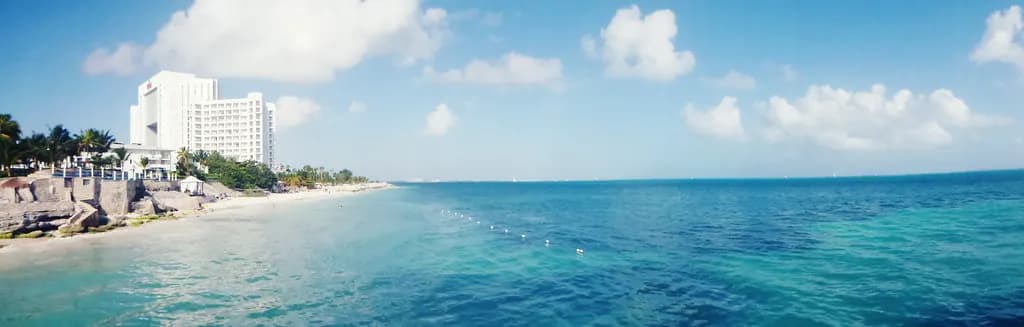 Cancún
Cancún
Mexico
Cancún didn't exist as a city until 1970 — Mexico's government picked the spot using a computer analysis of wind patterns, water color, and hurricane risk, then built an entire resort city from scratch on what had been an uninhabited sandbar.
See full guide →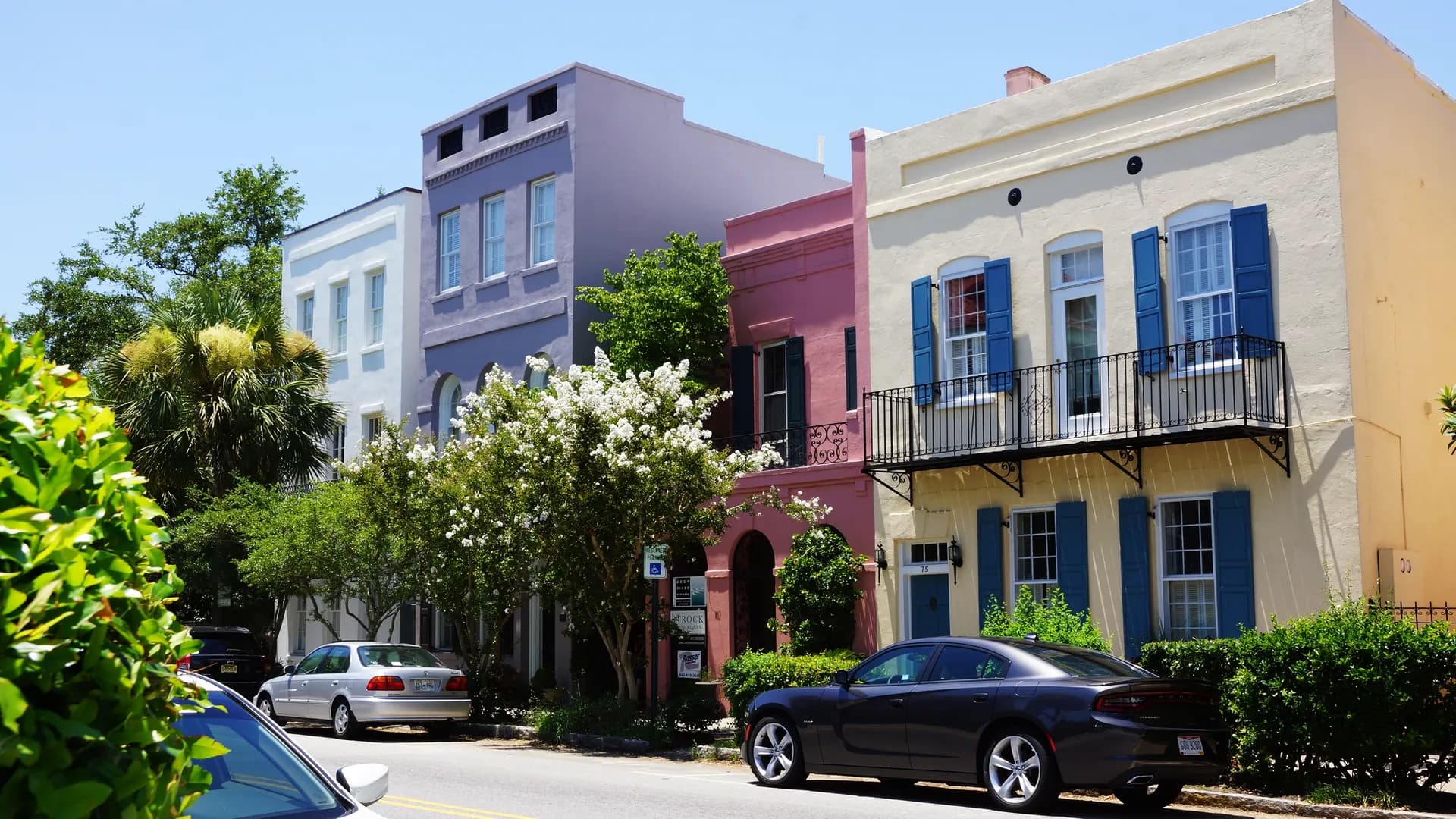 Charleston
Charleston
United States
Charleston's pastel Rainbow Row houses and cobblestone streets make it one of the best-preserved historic cities in America, and that same preservation extends to a harder history the city doesn't hide: nearly half of all enslaved Africans brought to what's now the United States passed through this port, a fact the International African American Museum, opened in 2023, confronts directly rather than around.
See full guide →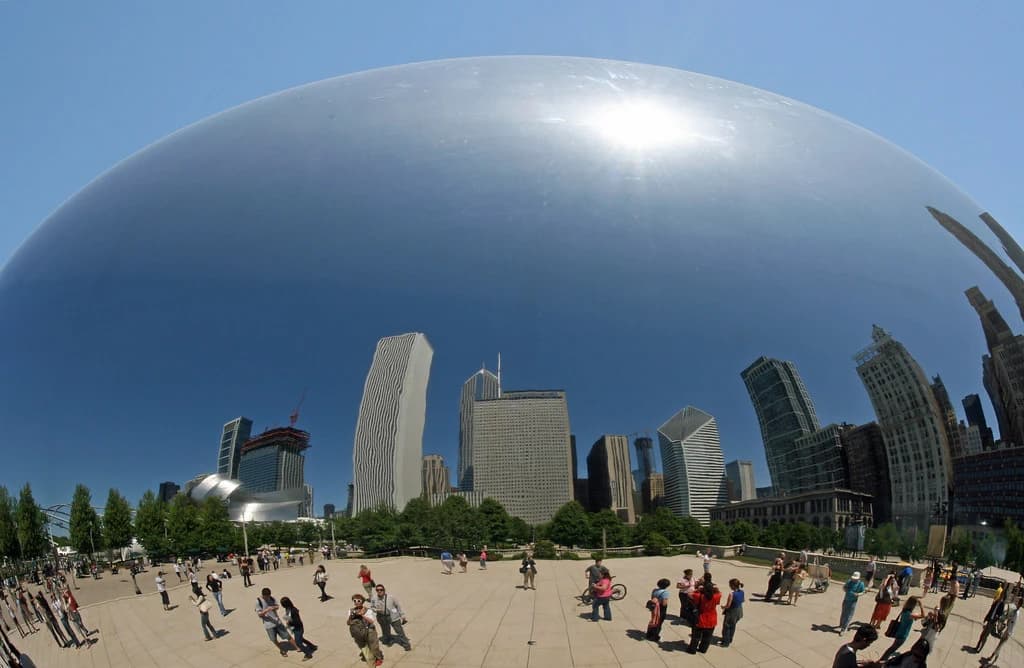 Chicago
Chicago
United States
Chicago engineers reversed the flow of the entire Chicago River in 1900, sending its water toward the Mississippi instead of Lake Michigan — a genuinely audacious civil engineering project undertaken specifically to stop the city's sewage from contaminating its own drinking water supply.
See full guide →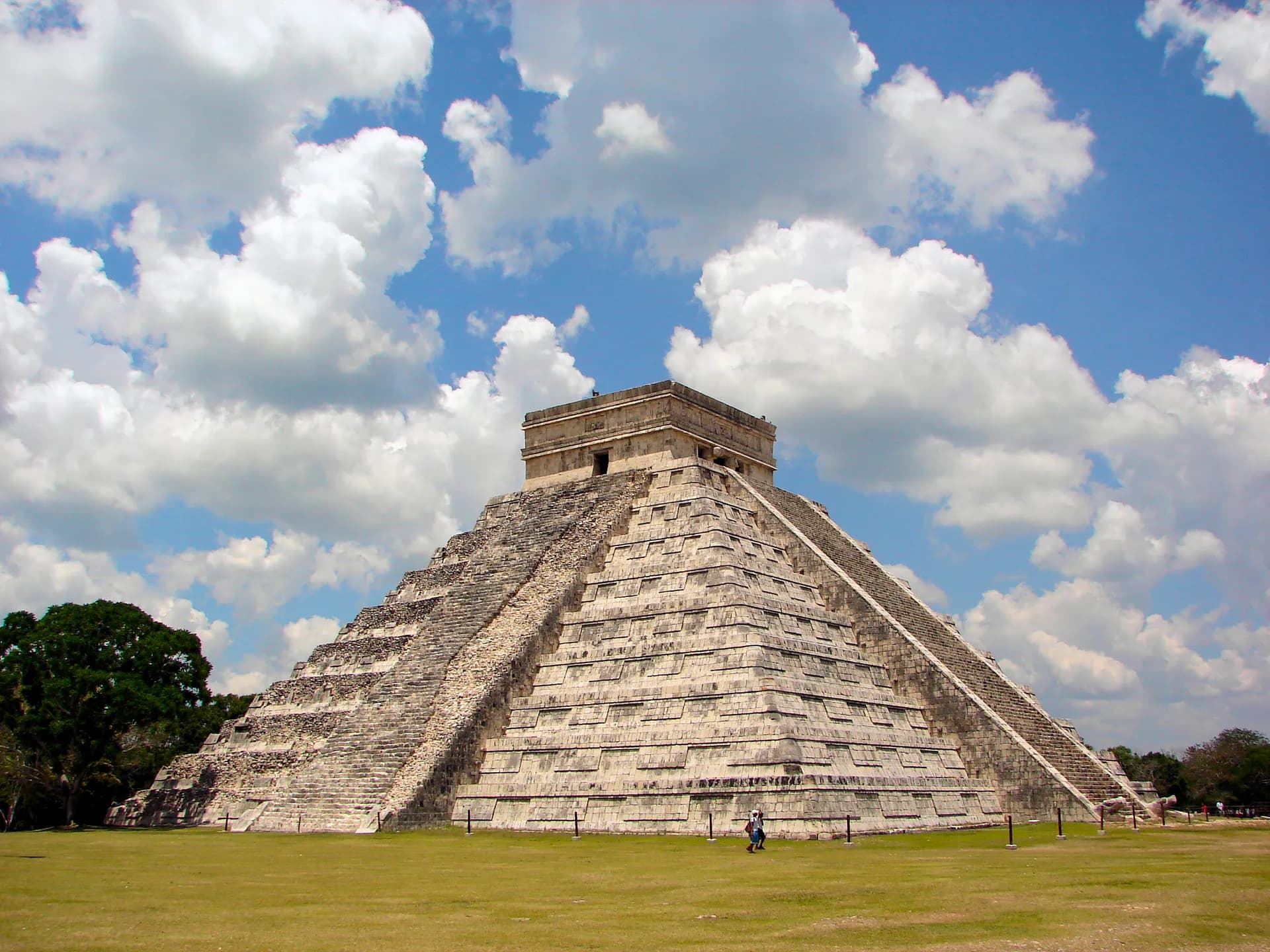 Chichén Itzá
Chichén Itzá
Mexico
Twice a year, at the spring and autumn equinox, sunlight and shadow fall across El Castillo's staircase at Chichén Itzá to create the illusion of a giant serpent slithering down the pyramid, a deliberate piece of Maya architectural and astronomical engineering precise enough to still work exactly as designed roughly a thousand years later.
See full guide →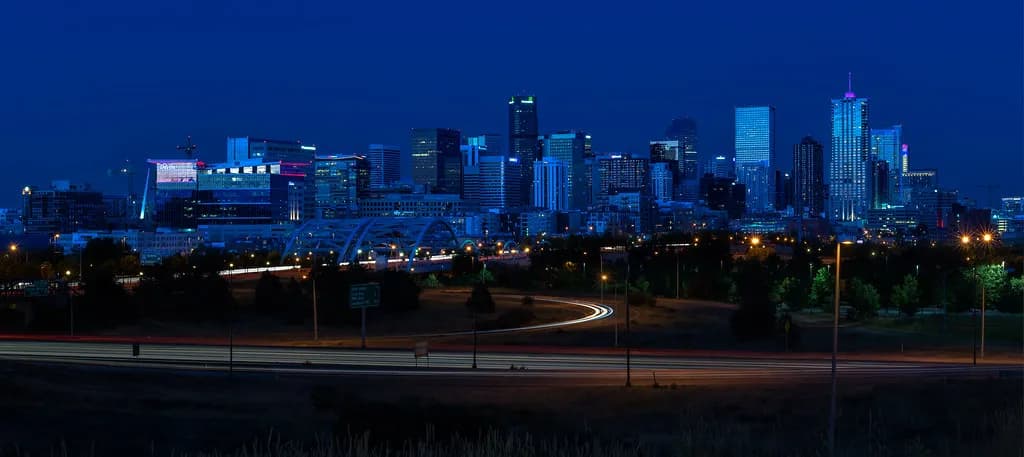 Denver
Denver
United States
Denver's nickname, the Mile High City, isn't just a marketing phrase — the 13th step of the Colorado State Capitol building sits at exactly 5,280 feet above sea level, marked with an engraving, and the elevation genuinely shapes daily life here, from how quickly a beer hits you to why the city has become one of the most brewery-dense places in the country.
See full guide →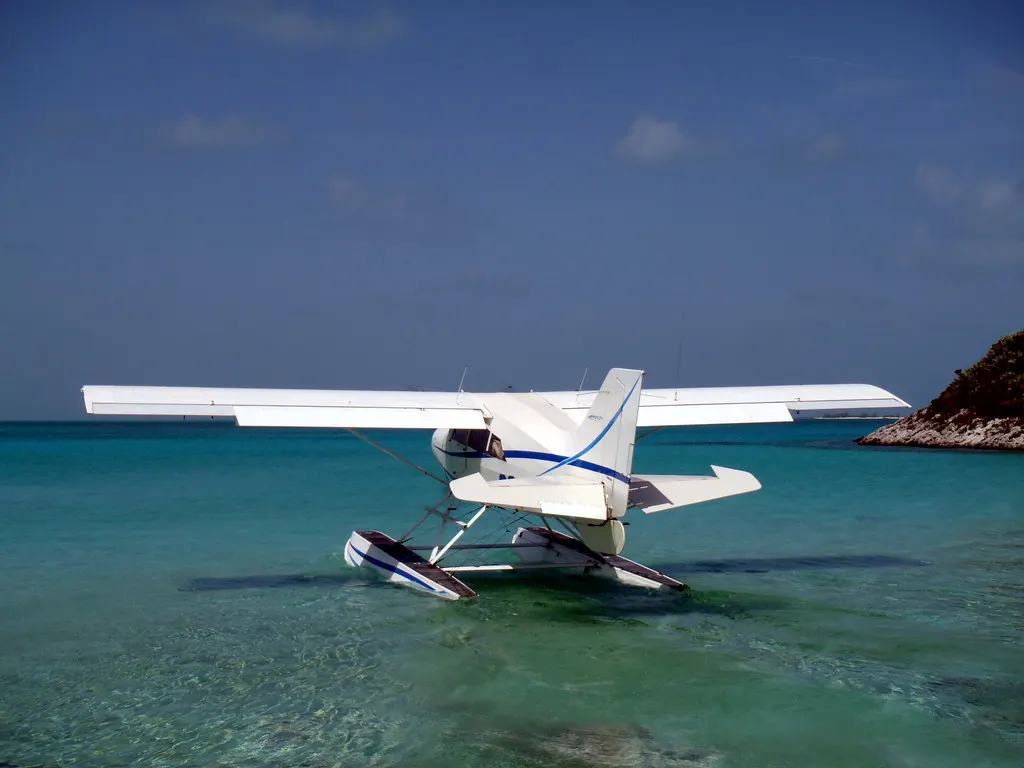 Exuma
ExumaExuma
Bahamas
Nobody fully agrees on how a colony of feral pigs ended up living on an uninhabited Exuma cay, but they swim out to greet arriving boats now, and Big Major Cay has been known simply as Pig Beach since long before it became one of the most photographed sandbars in the Caribbean.
See full guide →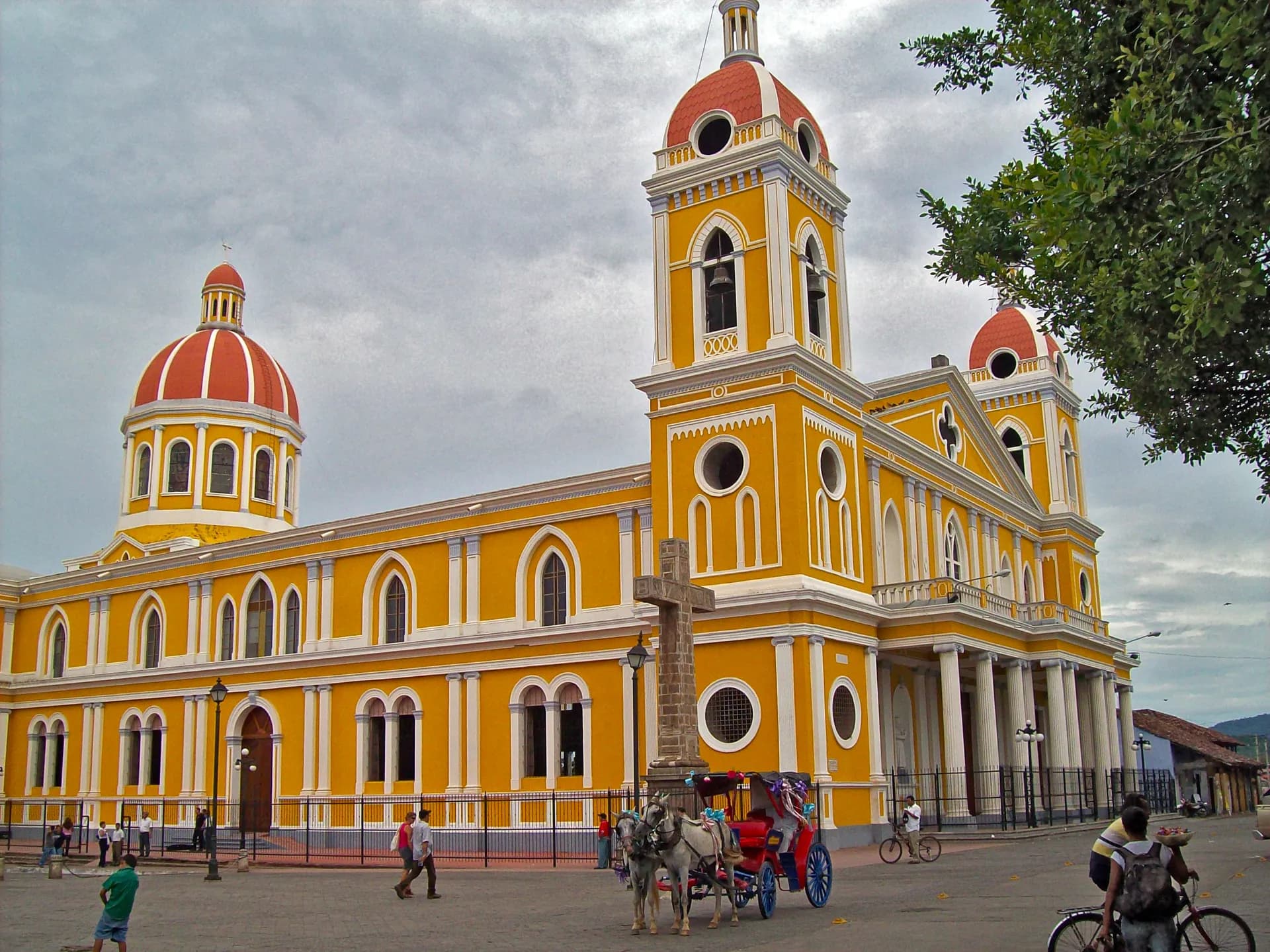 Granada
Granada
Nicaragua
Founded in 1524 on the shore of Lake Nicaragua, Granada holds a genuine claim to being the oldest European-founded city on the American mainland still standing largely on its original site, and the lake it sits beside once held a freshwater population of bull sharks, one of the only places on Earth where sharks were documented living permanently in fresh water.
See full guide →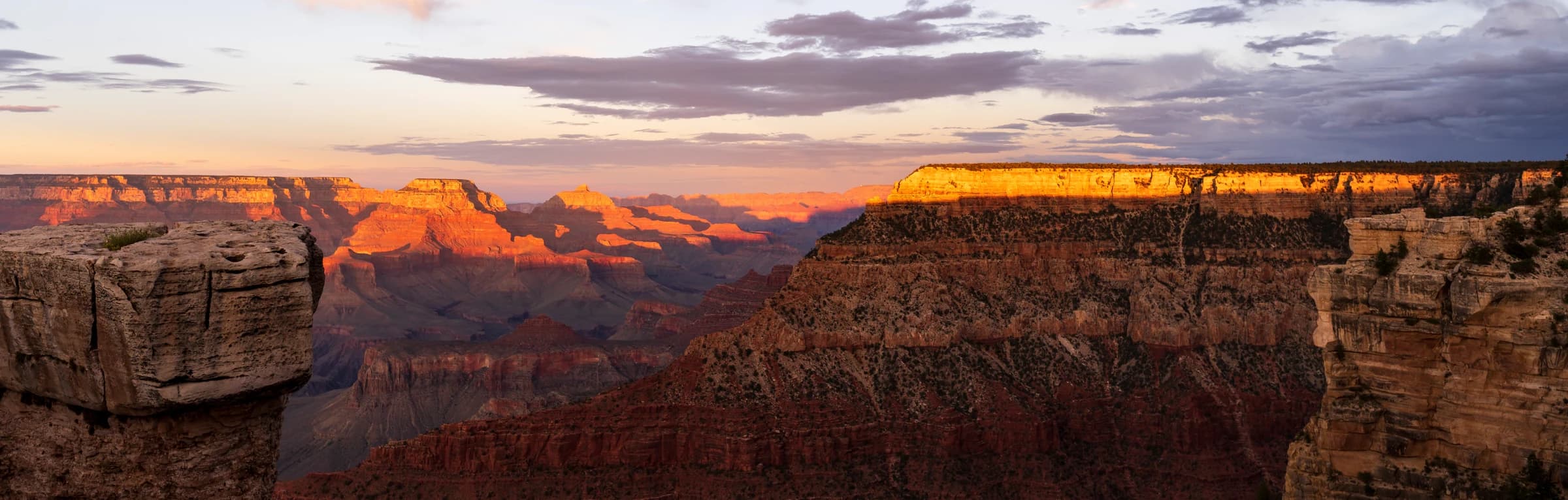 Grand Canyon
Grand Canyon
United States
The Grand Canyon's exposed rock layers span nearly two billion years of Earth's history, close to half the planet's entire age, carved by the Colorado River over roughly five to six million years — a stretch of time so vast that the canyon's oldest rock at the bottom formed before complex life existed anywhere on Earth.
See full guide →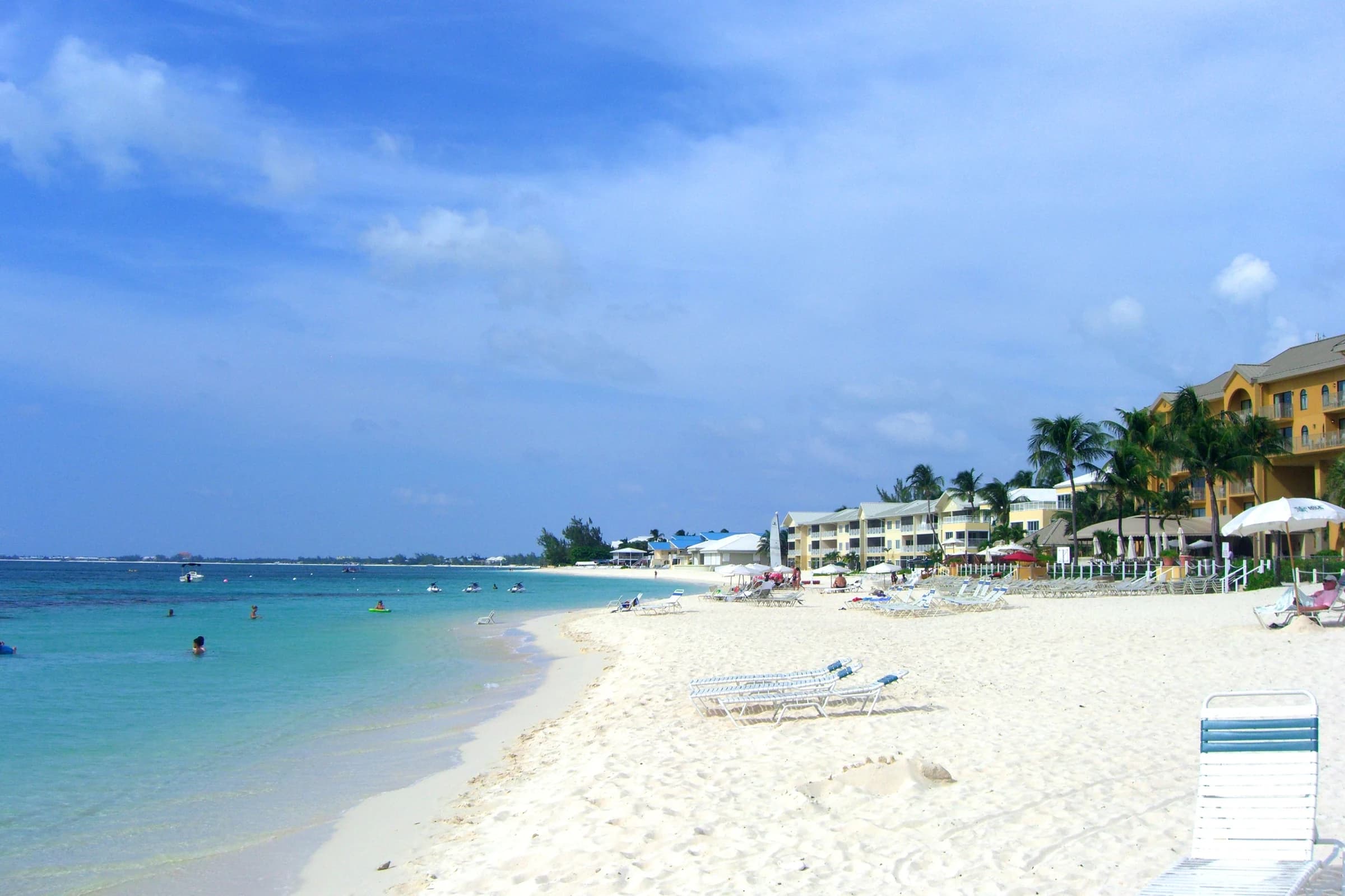 Grand Cayman
Grand Cayman
Cayman Islands
Stingray City is a sandbar in open water where dozens of wild southern stingrays gather to be hand-fed by visitors standing waist-deep — a behavior that started with fishermen cleaning their catch decades ago and turned into one of the Caribbean's most distinctive wildlife encounters.
See full guide →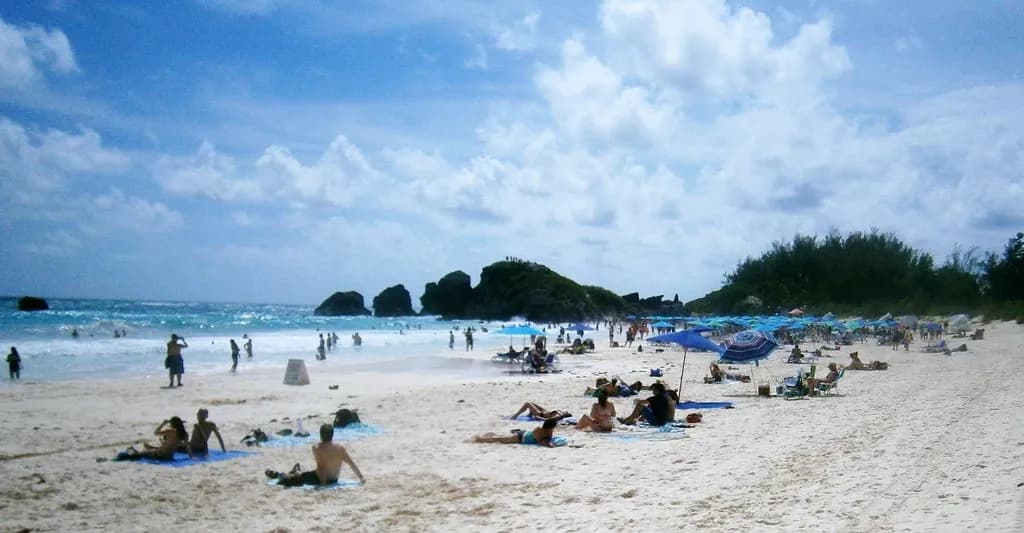 Hamilton
Hamilton
Bermuda
Bermuda sits roughly 1,050 kilometers from the nearest point of mainland North America, closer to New York than most people assume yet genuinely isolated in the open Atlantic, kept safe from the worst hurricane damage by a coral reef system so extensive it's wrecked hundreds of ships over five centuries.
See full guide →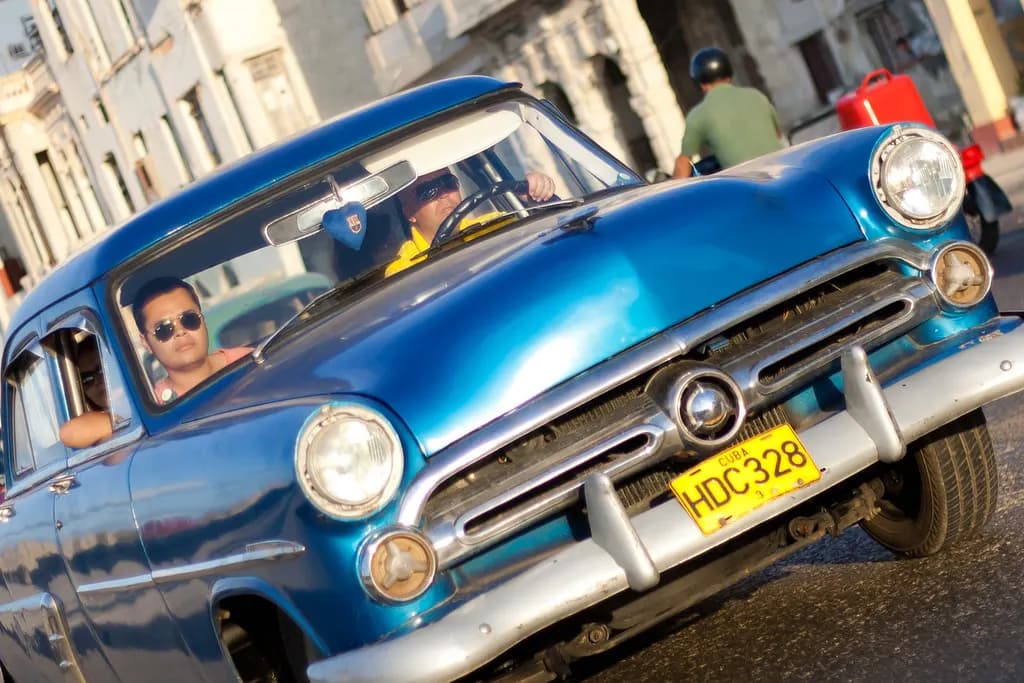 Havana
Havana
Cuba
Havana has more 1950s American cars still running as daily transportation than almost anywhere else on Earth — not for nostalgia, but because a decades-long US trade embargo made importing new vehicles nearly impossible, so Cubans kept the same cars alive with improvised parts for over 70 years.
See full guide →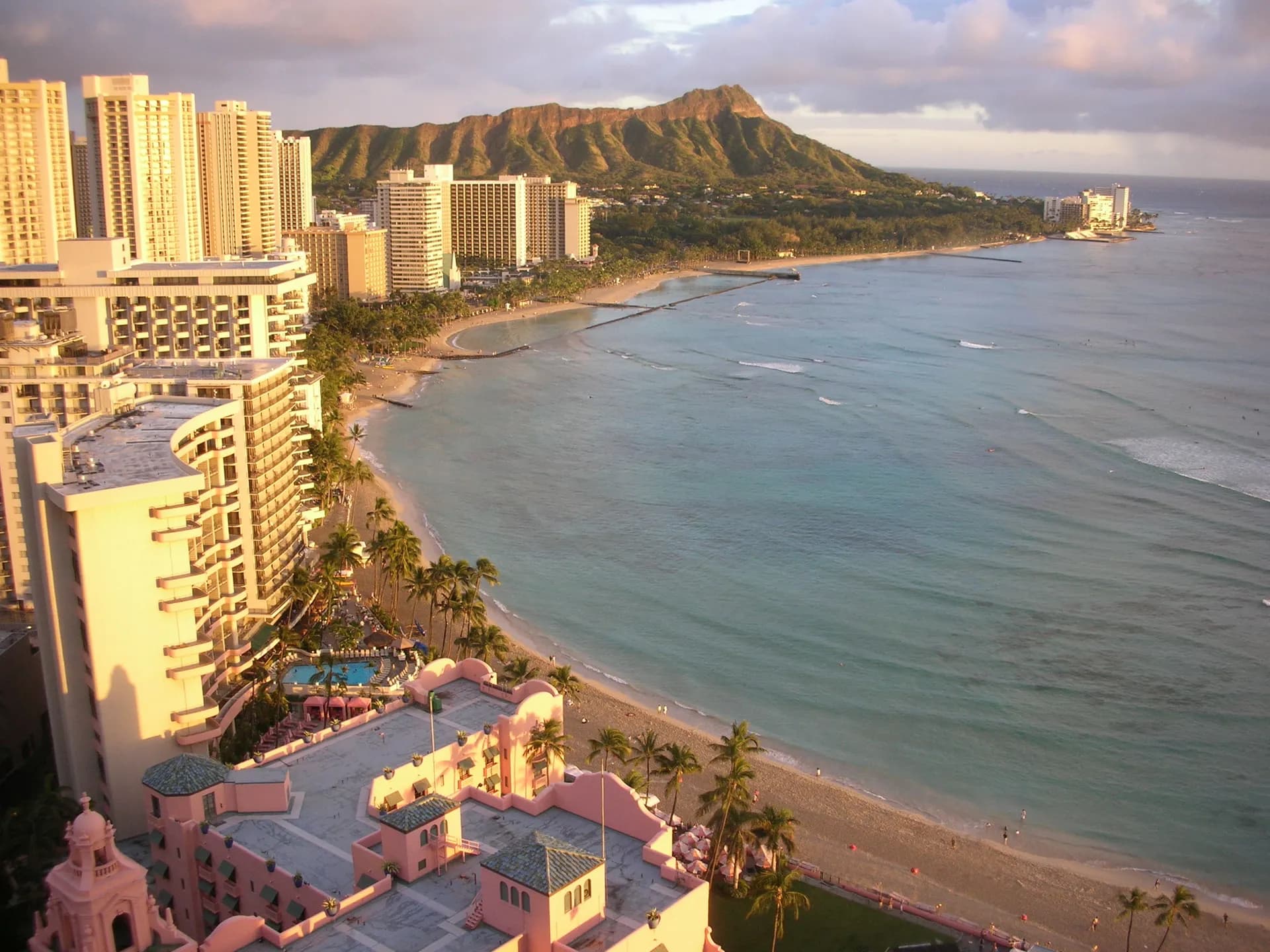 Honolulu
Honolulu
United States
Hawaii was an independent, internationally recognized kingdom until 1893, when a group of American and European businessmen backed by US Marines overthrew Queen Liliʻuokalani, and the islands weren't annexed as US territory until 1898 — a history still genuinely present in Honolulu today, from ʻIolani Palace's throne room to a Native Hawaiian cultural identity that predates statehood by well over a century.
See full guide →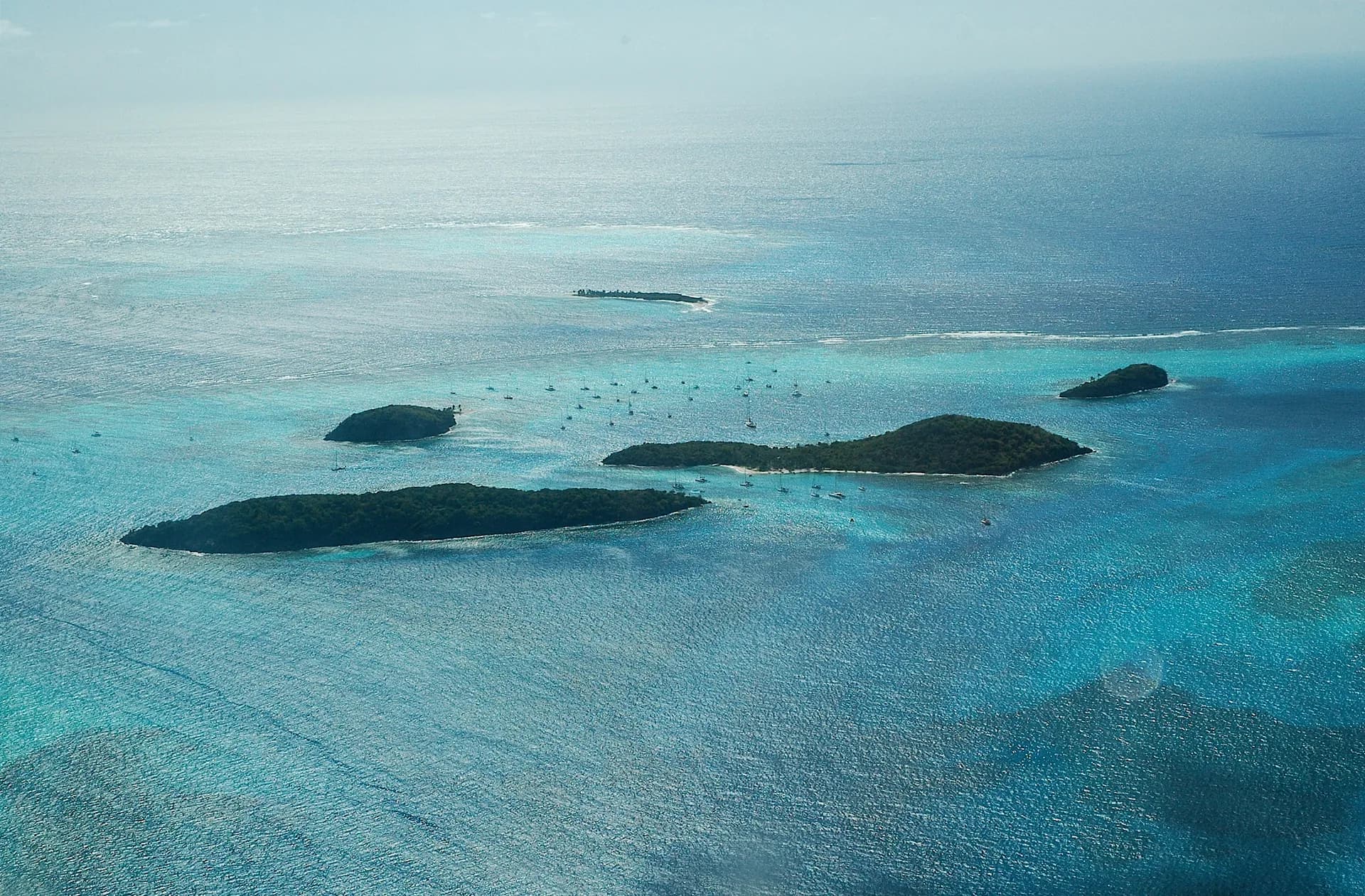 Kingstown
Kingstown
Saint Vincent and the Grenadines
The Grenadines' Tobago Cays, a cluster of uninhabited islets ringed by a protected reef, doubled as the fictional Naboo and other alien locations in several Pirates of the Caribbean films, and they remain reachable only by boat, with no airport, hotel, or permanent settlement on the cays themselves.
See full guide →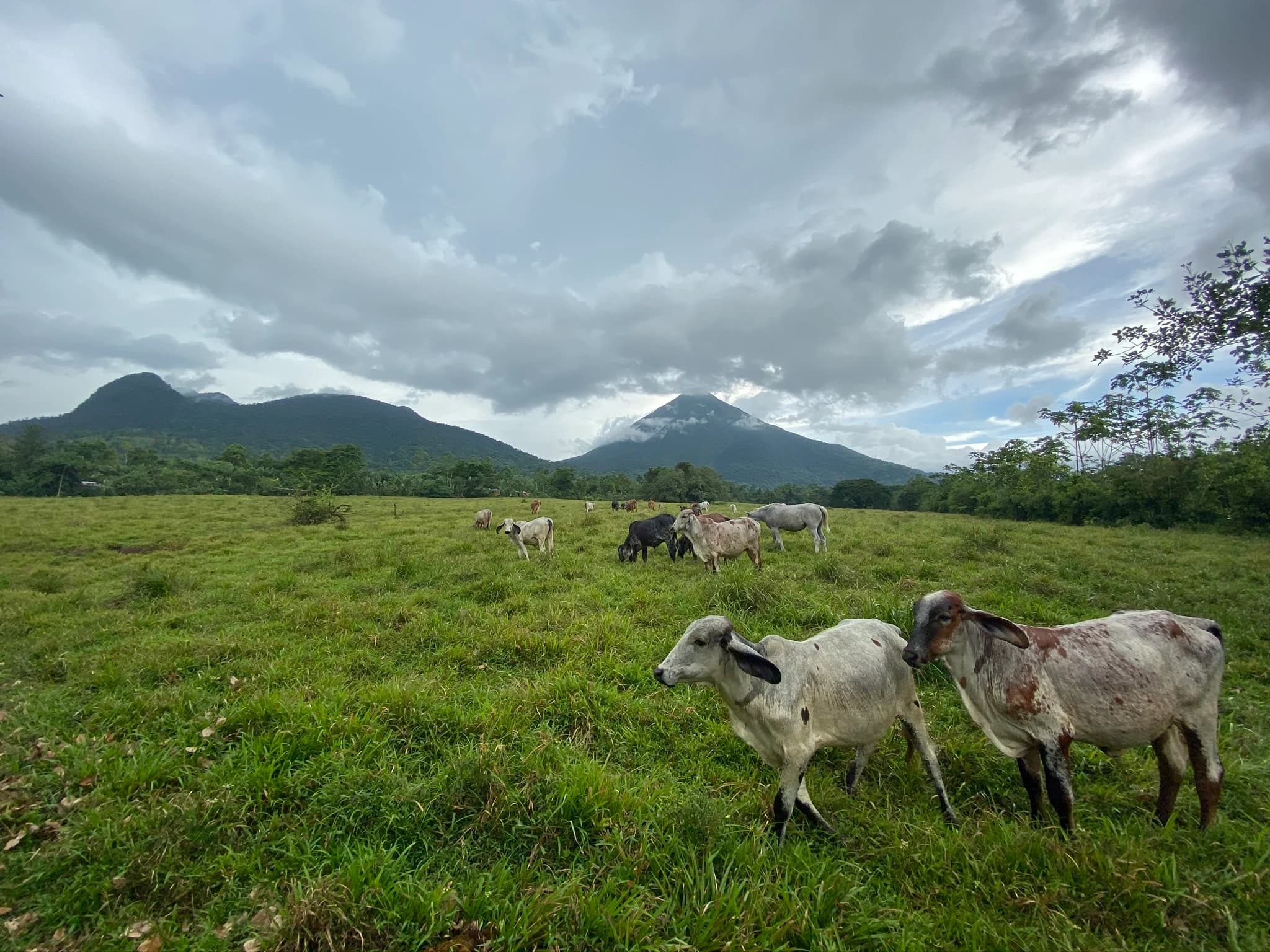 La Fortuna
La Fortuna
Costa Rica
Arenal Volcano erupted almost continuously for over 40 years after a sudden 1968 explosion caught the town by surprise, and only went dormant in 2010 — the hot springs that made La Fortuna famous are a direct, still-flowing result of that decades-long activity underground.
See full guide → Las Vegas
Las Vegas
United States
The Las Vegas Strip, the stretch of casino resorts everyone pictures when they think of the city, technically isn't inside Las Vegas city limits at all — it sits in unincorporated Clark County, a legal quirk that traces back to the city itself once trying to impose stricter gambling regulations the casino owners wanted to avoid.
See full guide →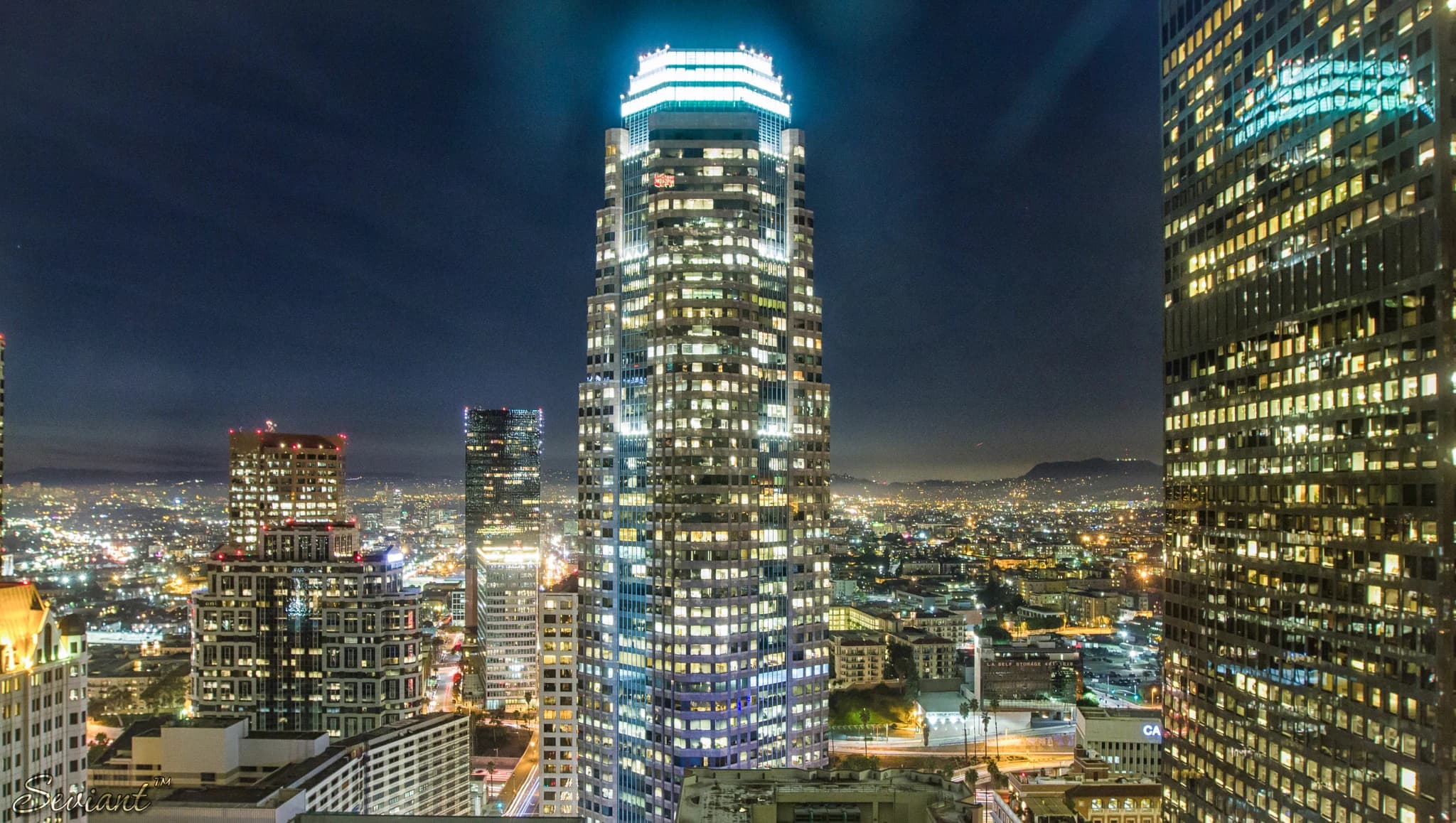 Los Angeles
Los Angeles
United States
The Hollywood sign originally read HOLLYWOODLAND and was built in 1923 purely as a temporary real estate advertisement for a housing development in the hills — it was only meant to stand for about a year and a half, and the LAND was removed for good in 1949.
See full guide →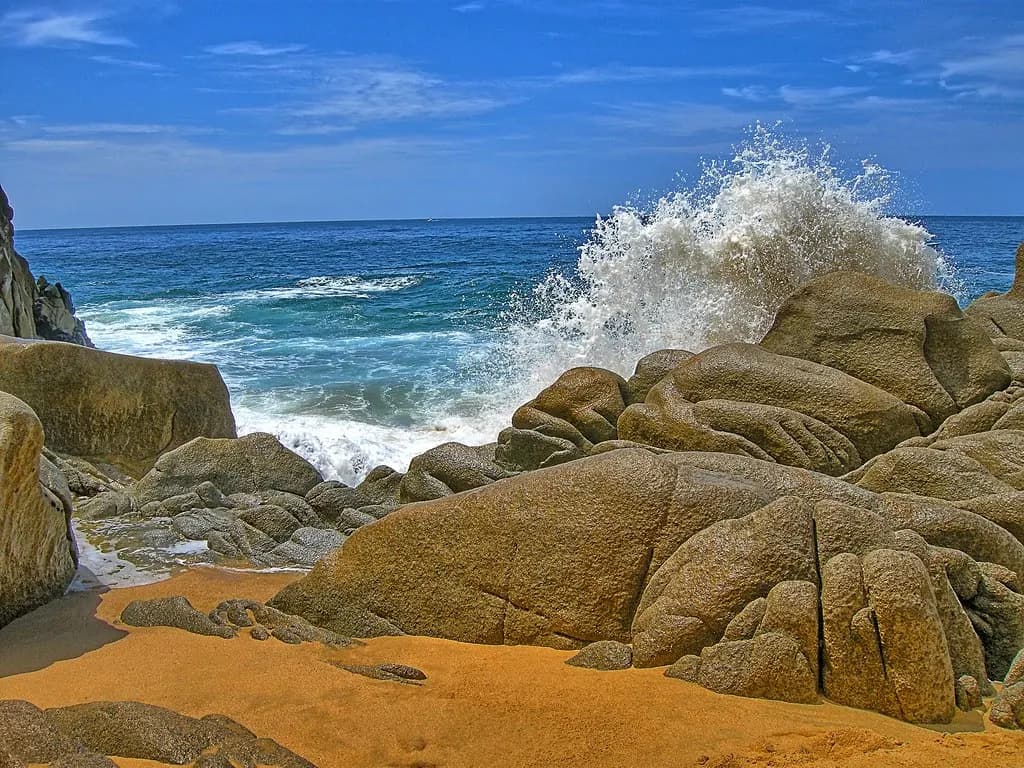 Los Cabos
Los Cabos
Mexico
Jacques Cousteau called the Sea of Cortez the world's aquarium after his expeditions here in the 1940s, and Los Cabos sits at the exact point where that sea meets the open Pacific at El Arco, a rock arch you can only see fully by boat.
See full guide →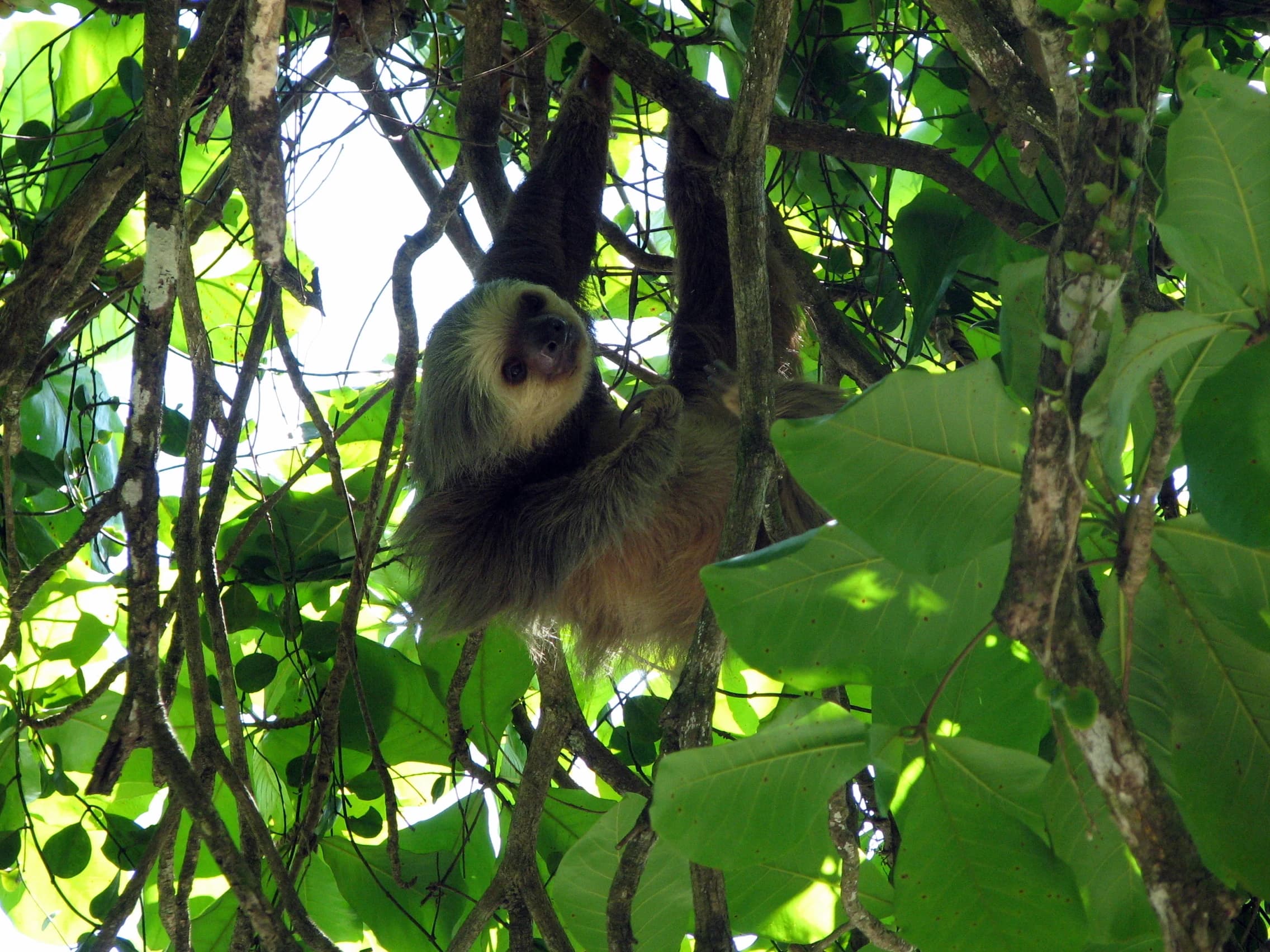 Manuel Antonio
Manuel Antonio
Costa Rica
Manuel Antonio National Park caps its daily visitors at a fixed number to protect the wildlife inside it, and yet this is one of the smallest national parks on Earth — barely 16 square kilometers holding rainforest, coral reef, and beach in the same short walk.
See full guide →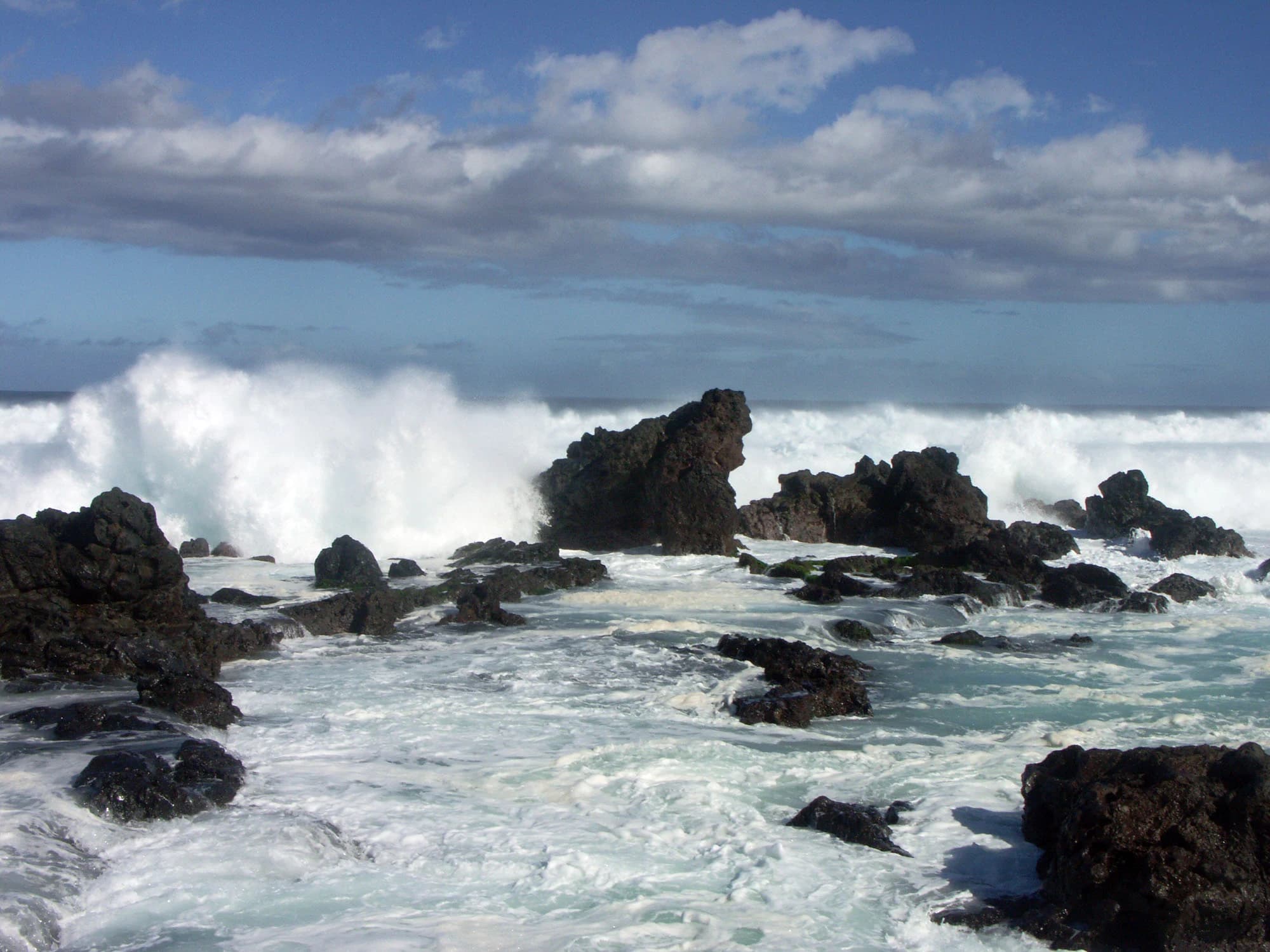 Maui
MauiMaui
United States
The Road to Hana packs more than 600 curves and 59 one-lane bridges into about 100 kilometers of coastal highway — a drive slow enough that most people take a full day to cover a distance that would take under two hours on a normal road, and that's entirely the point.
See full guide →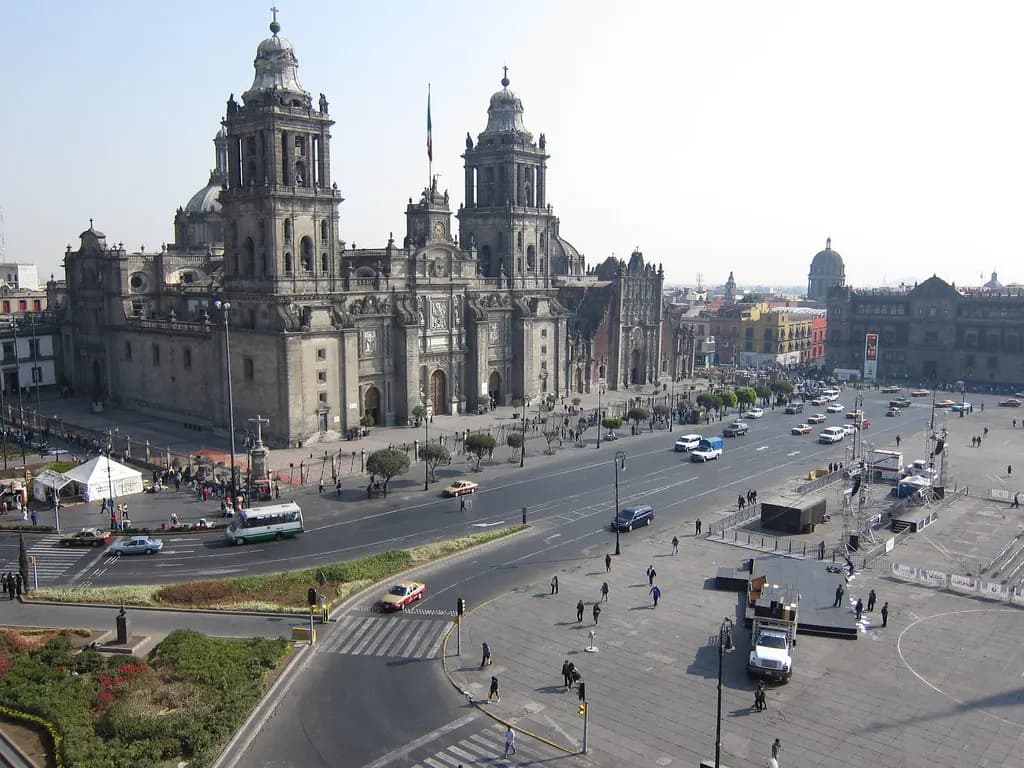 Mexico City
Mexico City
Mexico
Mexico City sits on top of Tenochtitlan, the Aztec capital the Spanish demolished in 1521 — the ruins of its main temple, Templo Mayor, were only rediscovered in 1978 when electrical workers hit a carved stone disc a few blocks from the modern cathedral.
See full guide →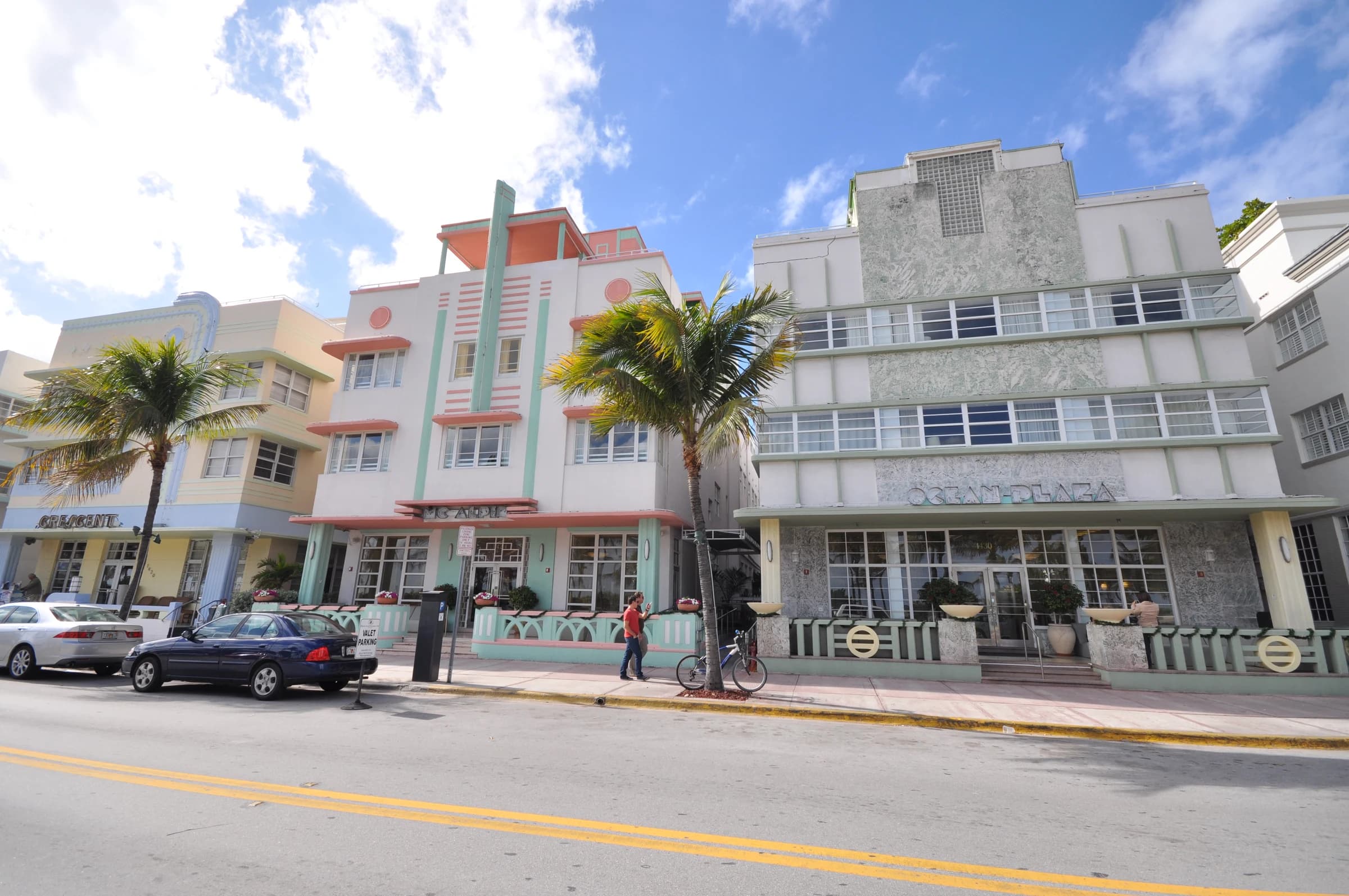 Miami
MiamiMiami
United States
South Beach holds the largest concentration of Art Deco architecture anywhere in the world, roughly 800 pastel-colored buildings from the 1920s-40s that were nearly demolished for parking lots in the 1970s before a local preservation campaign saved the entire district.
See full guide →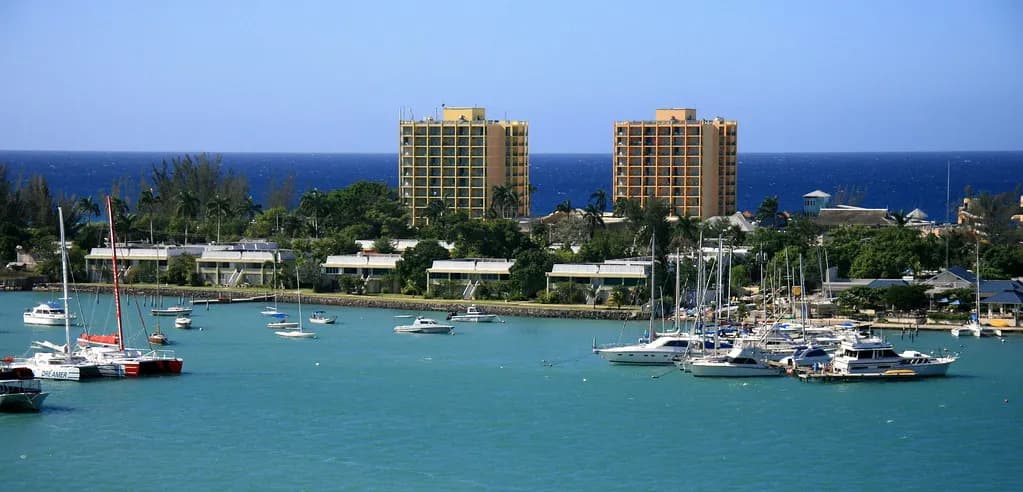 Montego Bay
Montego Bay
Jamaica
Jamaica produces some of the most influential music genres of the 20th century — reggae, ska, and dancehall all trace directly back to this island — and Montego Bay's studios and live venues still shape sounds that show up in pop charts worldwide decades later.
See full guide →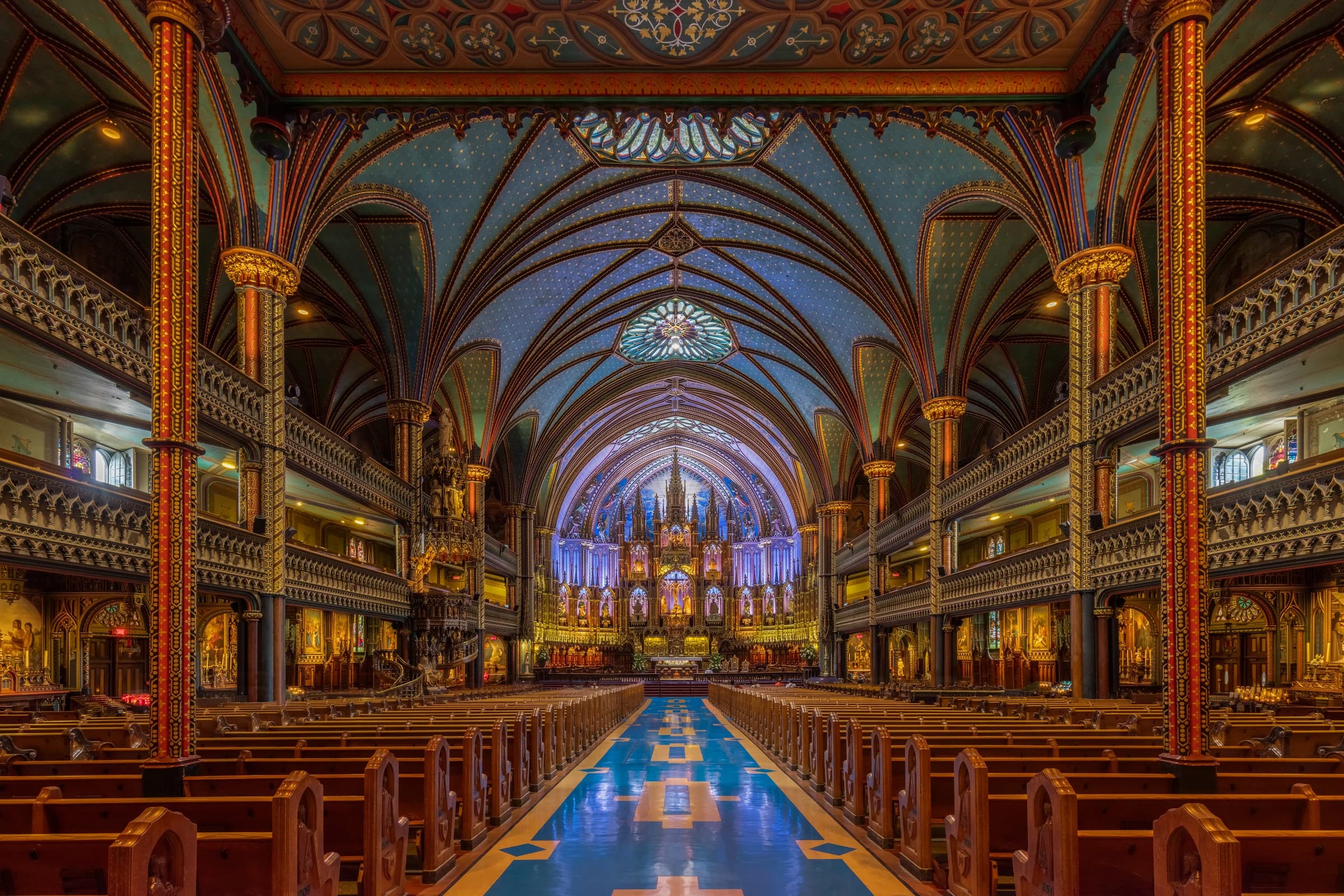 Montreal
Montreal
Canada
Montreal is the largest French-speaking city in the Americas and second-largest in the world after Paris, and its 32-kilometer underground city — a genuine response to brutal winters — connects metro stations, shopping, and offices without anyone needing to step outside for months at a time.
See full guide →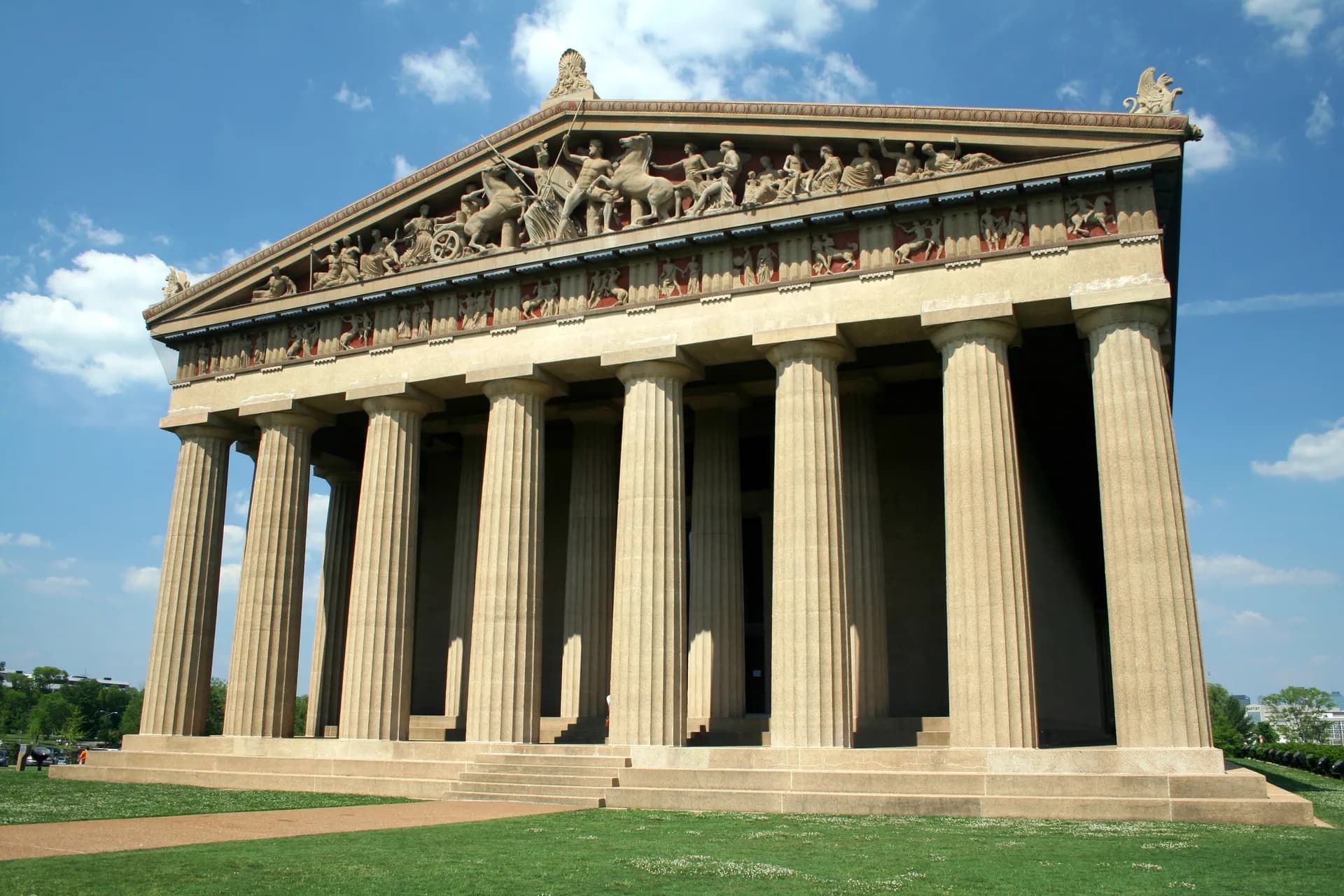 Nashville
Nashville
United States
Nashville built a full-scale replica of the Parthenon in 1897 for a world's fair, complete with a 12-meter gilded statue of Athena inside, an odd architectural flex for a city that earned the nickname 'Athens of the South' for its universities decades before it became known for country music at all.
See full guide →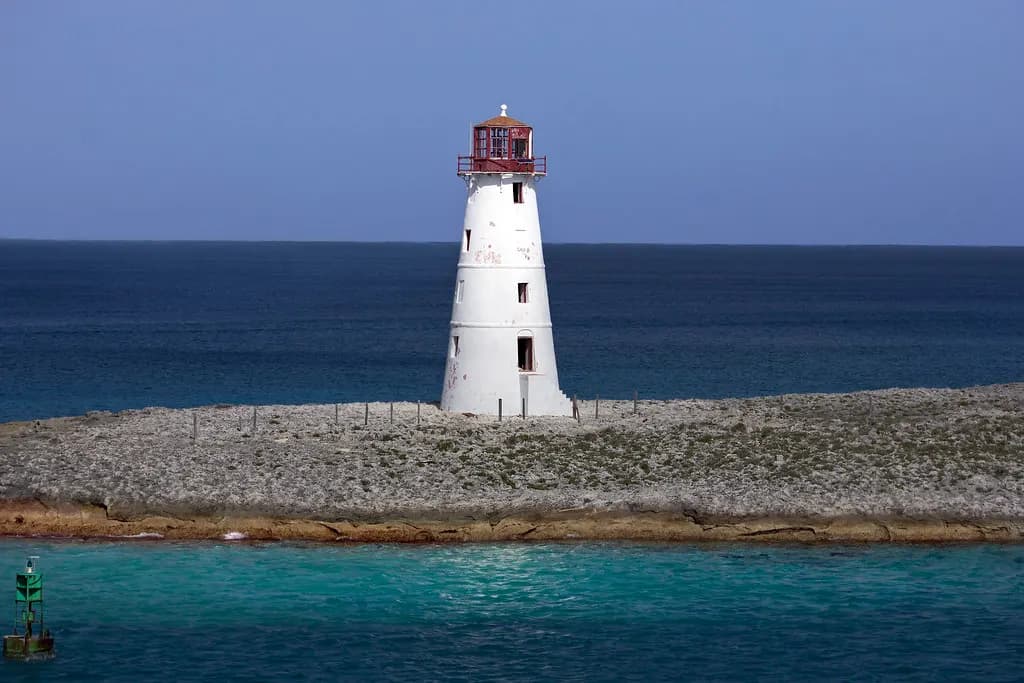 Nassau
Nassau
Bahamas
The Bahamas has a beach where wild pigs swim out to greet arriving boats — Exuma's swimming pigs are a short flight from Nassau, and nobody fully agrees on how they got there, though the leading theory is far less romantic than the tourist photos suggest.
See full guide →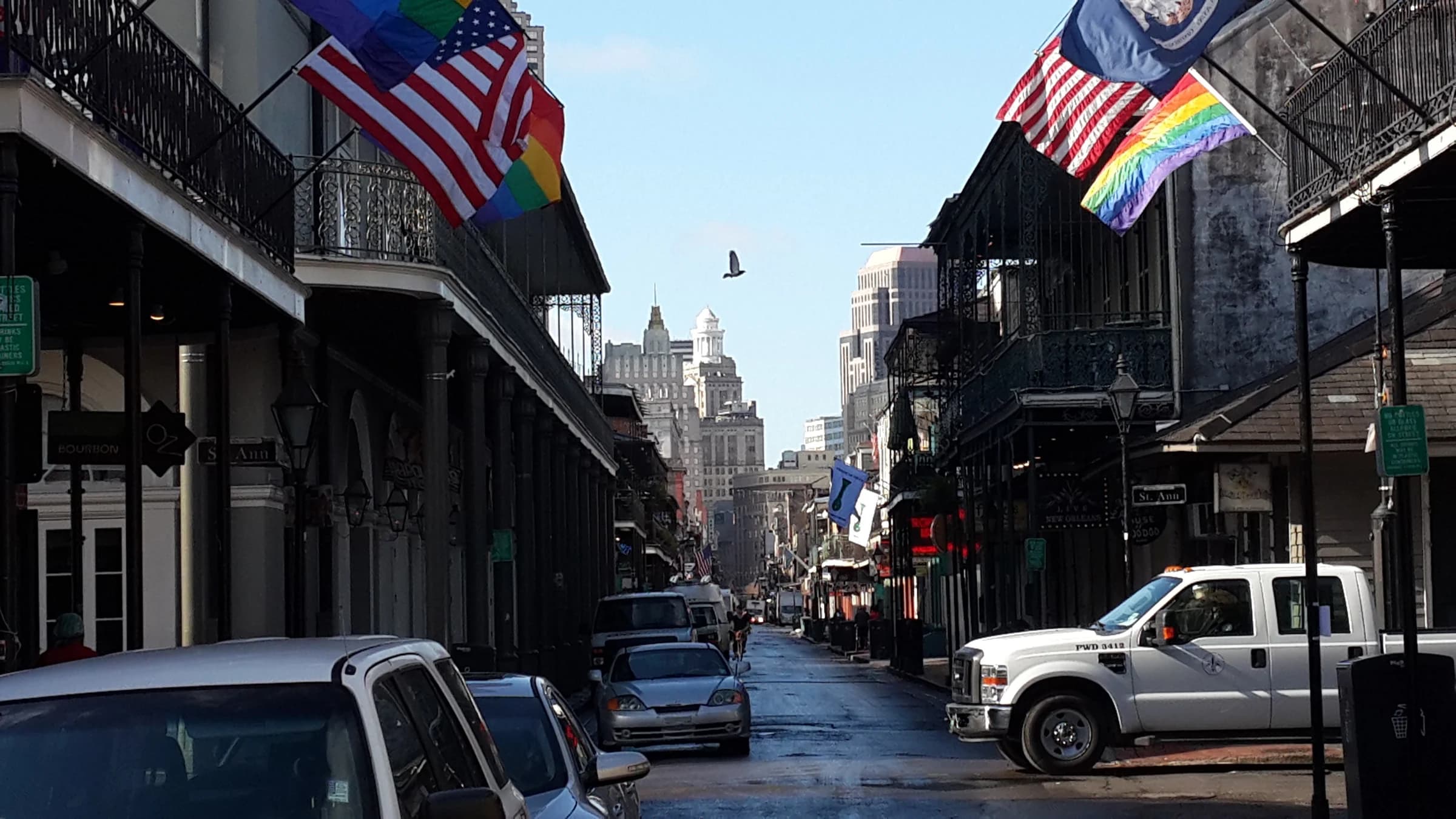 New Orleans
New Orleans
United States
Much of New Orleans actually sits below sea level, held dry by a system of levees and pumps rather than natural elevation — a bowl-shaped geography that made the city's 2005 flooding after Hurricane Katrina a matter of engineering failure as much as storm severity, and one the city has spent two decades rebuilding around.
See full guide →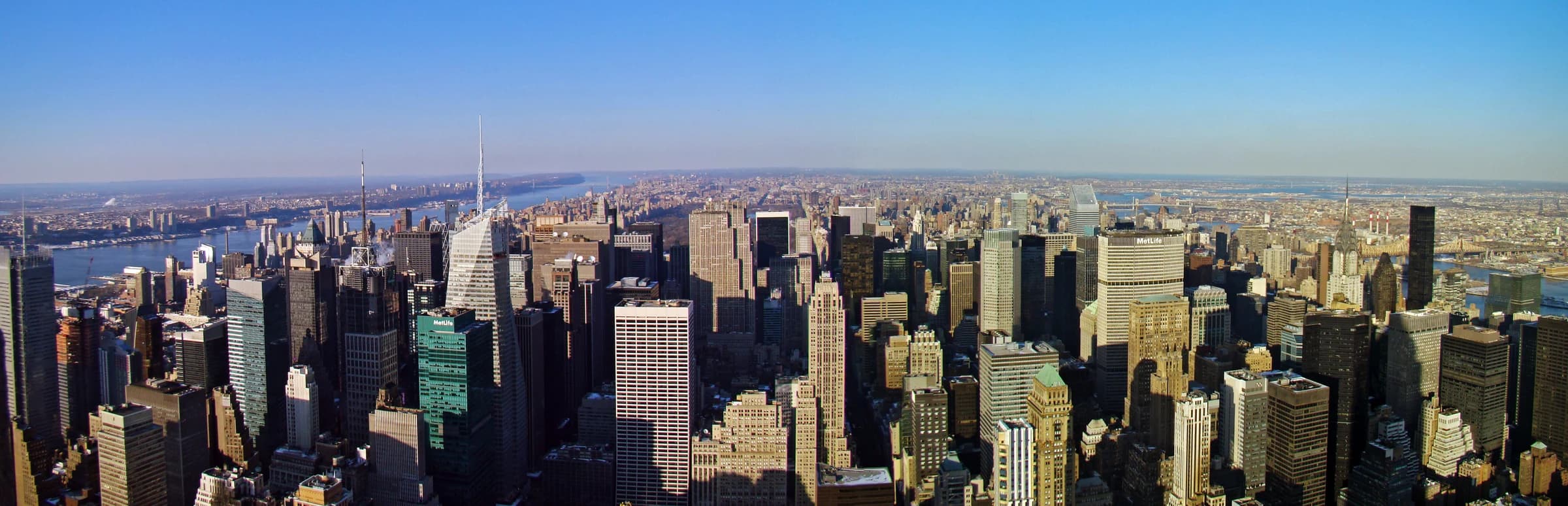 New York City
New York City
United States
New York's subway is one of the few in the world that runs 24 hours a day, every day, a direct consequence of a century-old decision to build it with almost no redundant track for taking lines offline overnight — the whole system was designed to never fully stop.
See full guide →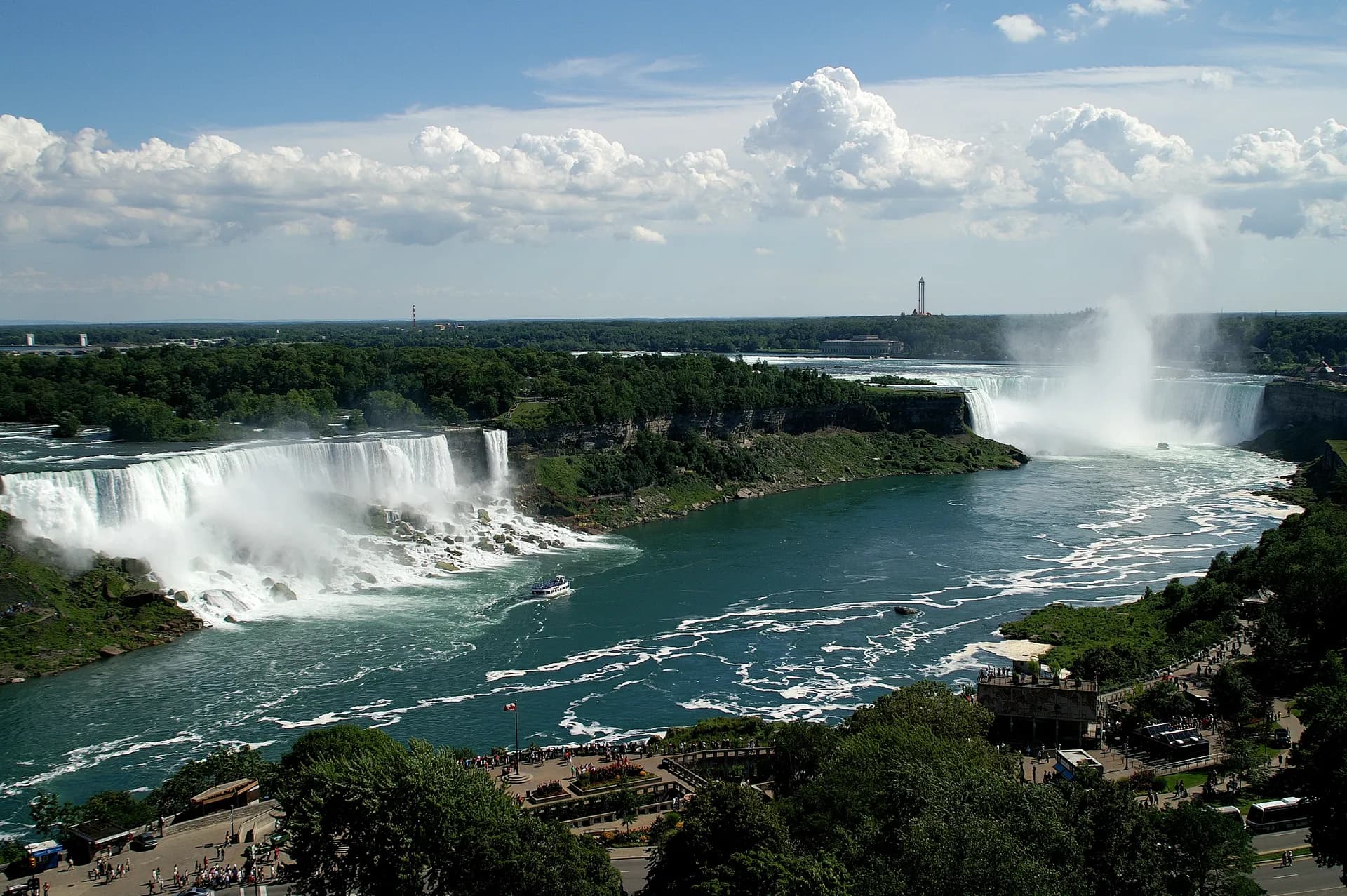 Niagara Falls
Niagara Falls
Canada
Niagara Falls became a honeymoon destination almost by accident in 1804, when Napoleon Bonaparte's younger brother Jerome brought his American bride here after their wedding, and the tradition stuck hard enough that by the 20th century the falls had become one of the most reliable honeymoon clichés in North America.
See full guide →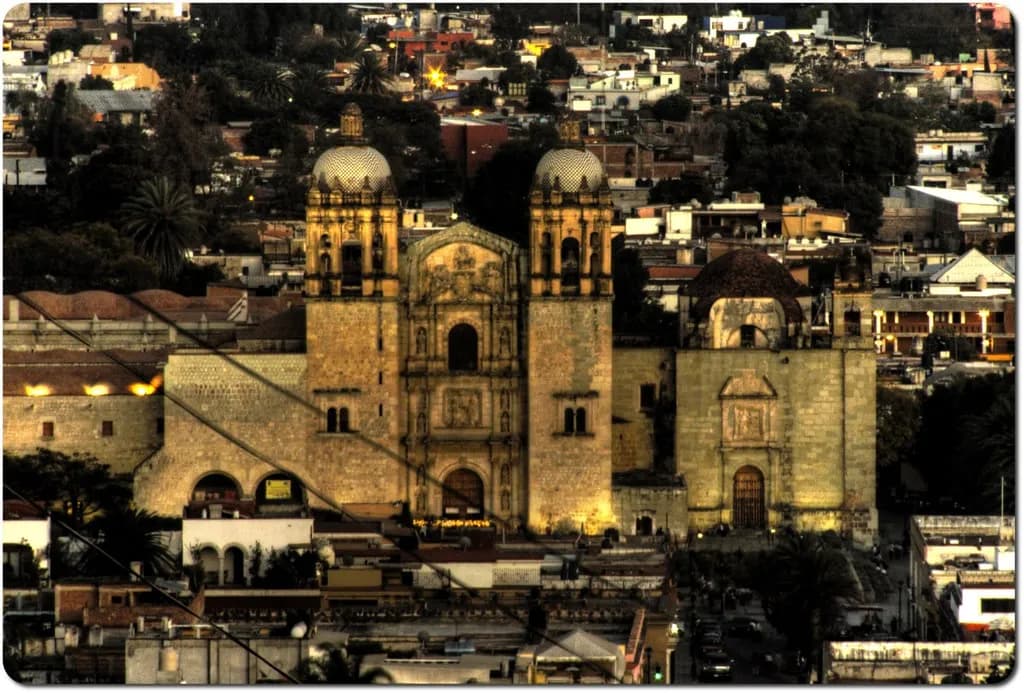 Oaxaca
Oaxaca
Mexico
Nearly all of Mexico's mezcal comes from Oaxaca, produced across hundreds of small family-run palenques where agave is still roasted underground and crushed by hand or by a stone wheel pulled by a donkey, a slower, more artisanal process than tequila's industrial-scale production just a few states away.
See full guide →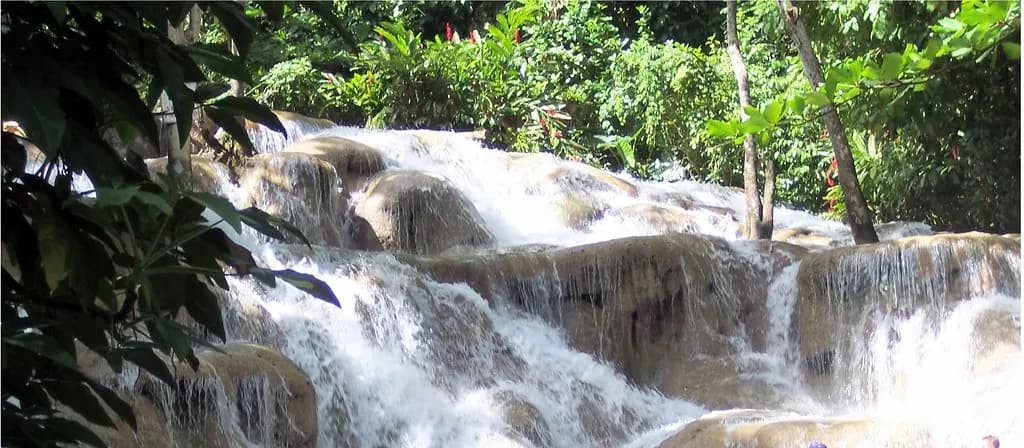 Ocho Rios
Ocho Rios
Jamaica
Dunn's River Falls climbs 180 feet straight up from the beach in Ocho Rios, and the standard way to see it isn't from a viewing platform — guides link tourists hand-in-hand into a human chain and lead them up the wet limestone terraces themselves.
See full guide →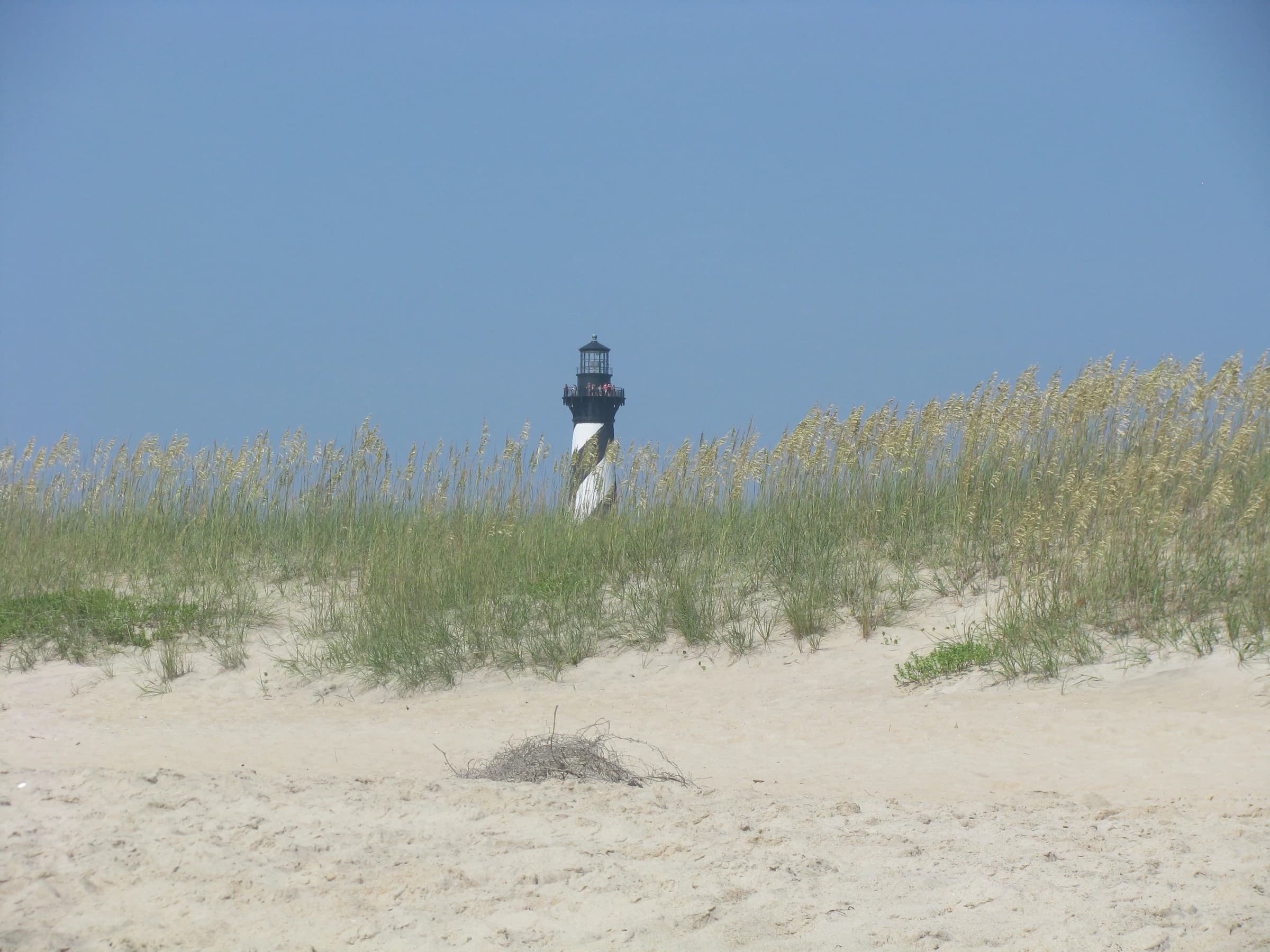 Outer Banks
Outer Banks
United States
The Wright Brothers chose the Outer Banks for the world's first powered flight in 1903 specifically for its strong, steady winds and soft sand to land on — and those same wide, windswept beaches are what Netflix later borrowed the name of for its teen-drama series, even though the show is actually filmed almost entirely in Charleston, South Carolina.
See full guide →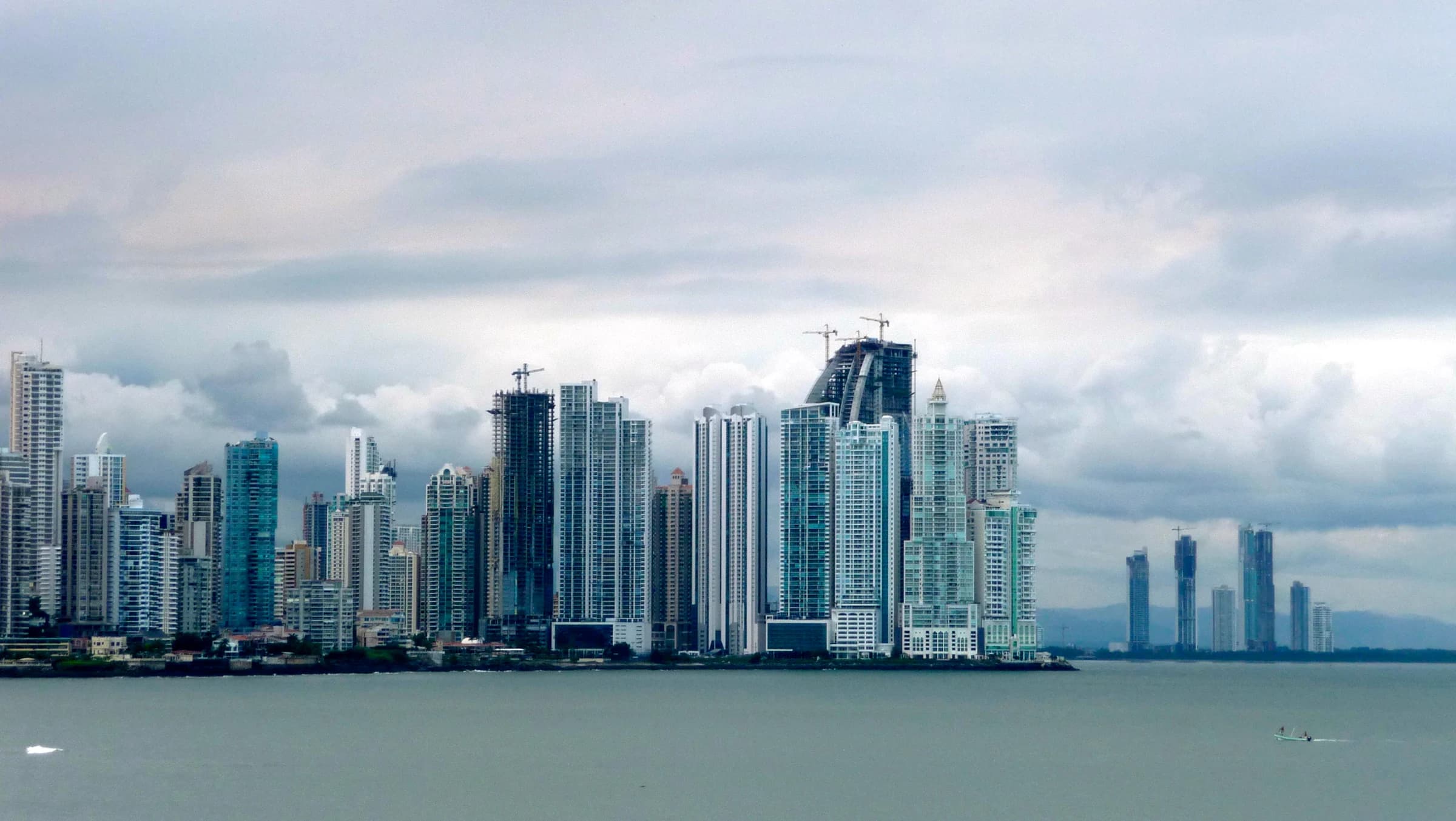 Panama City
Panama City
Panama
Panama City is the only capital in the world with a rainforest inside its city limits large enough to hold jaguars and sloths, and its skyline of glass towers rises directly across the bay from Casco Viejo, a colonial old town rebuilt after pirates burned the original city to the ground in 1671.
See full guide →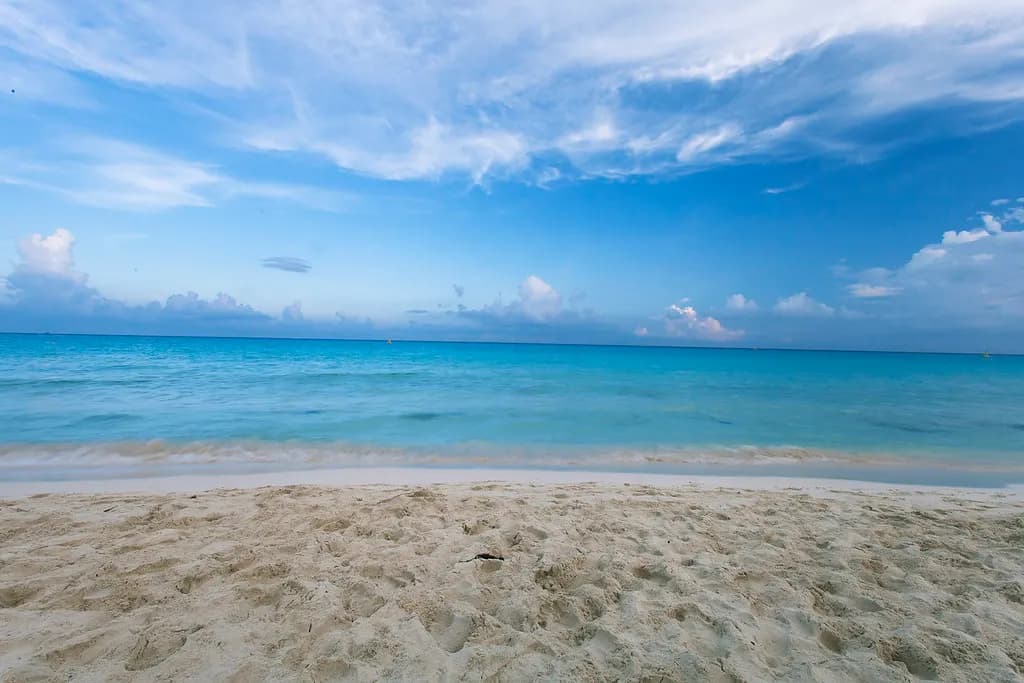 Playa del Carmen
Playa del Carmen
Mexico
Fifth Avenue, Playa del Carmen's main pedestrian strip, was a sandy footpath used mostly by fishermen until the 1990s — now it runs for roughly two miles, packed with shops and restaurants, and locals still just call it La Quinta.
See full guide →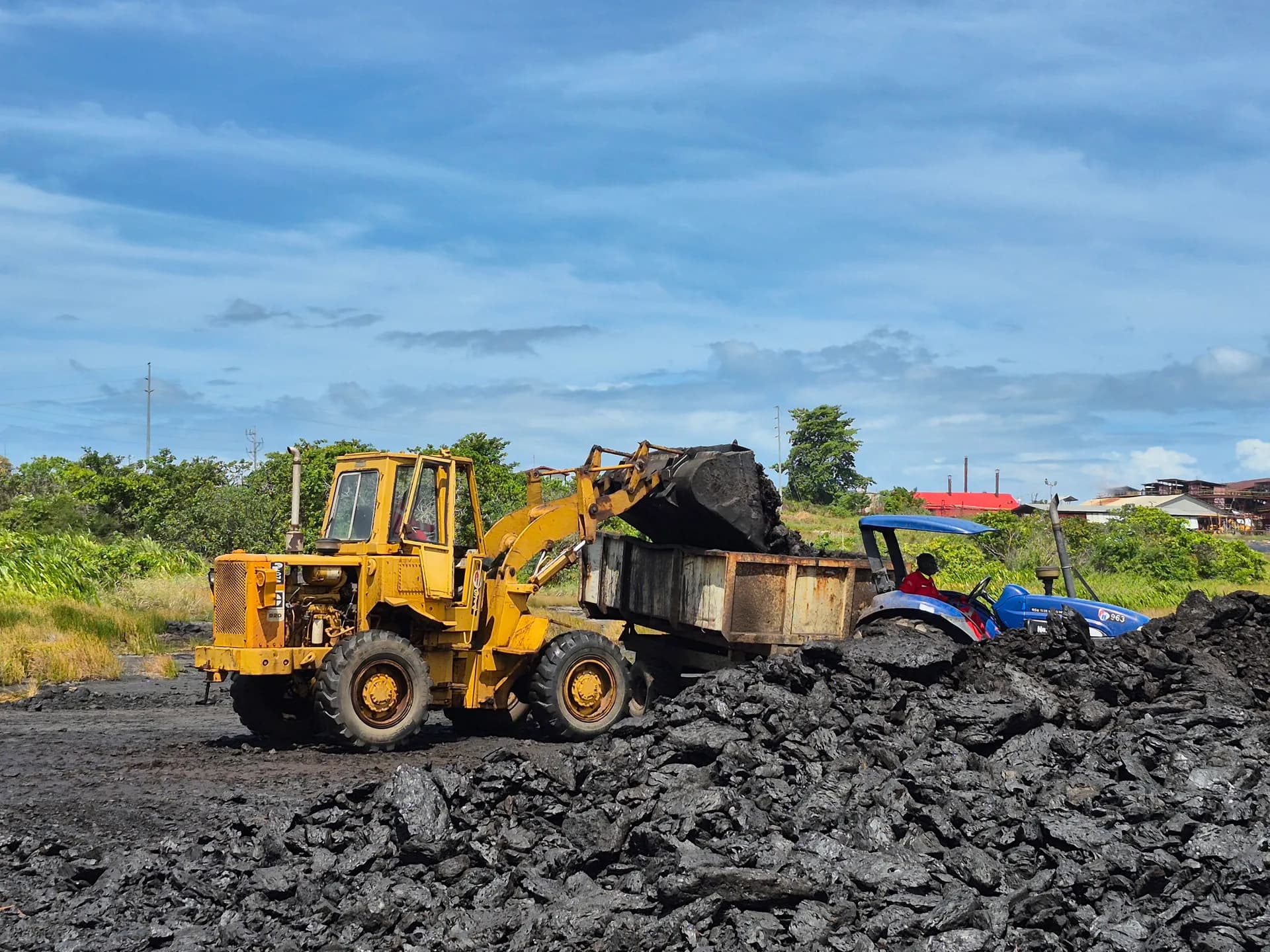 Port of Spain
Port of Spain
Trinidad and Tobago
Trinidad's Pitch Lake is the largest natural asphalt deposit on Earth, a 40-hectare lake of solid-looking tar that's actually slowly bubbling and shifting, and it's supplied road-paving asphalt to cities worldwide for over a century, including, according to local lore, some of London's own streets.
See full guide →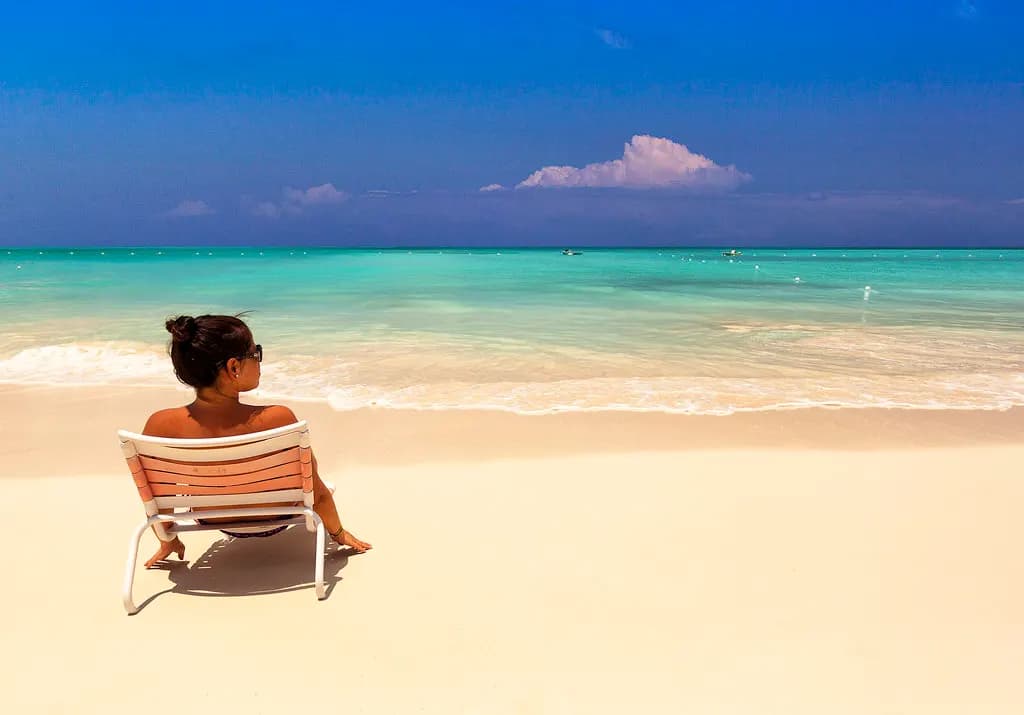 Providenciales
Providenciales
Turks and Caicos
Grace Bay Beach has topped TripAdvisor's Travelers' Choice ranking of the world's best beach more times than any other stretch of sand, and it sits on Providenciales, an island most people outside the diving world still can't place on a map.
See full guide →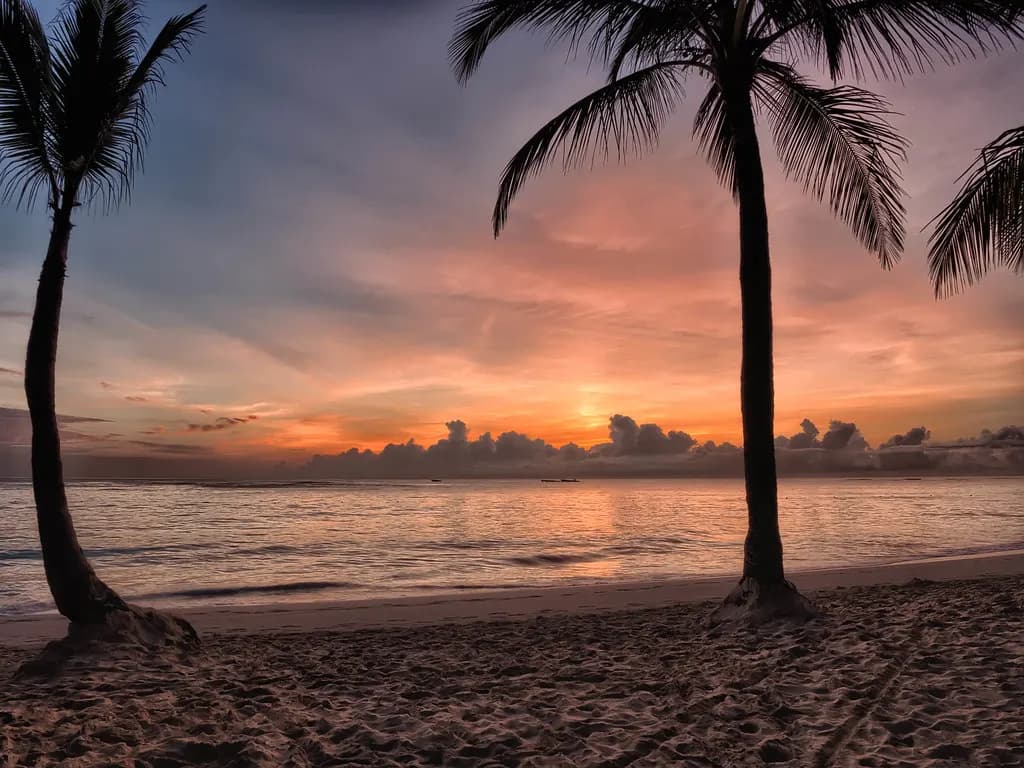 Punta Cana
Punta Cana
Dominican Republic
Punta Cana didn't have a single hotel until the 1970s — today it holds one of the largest concentrations of all-inclusive resorts on Earth, strung along roughly 30 uninterrupted miles of white sand that most visitors never leave for the entire trip.
See full guide →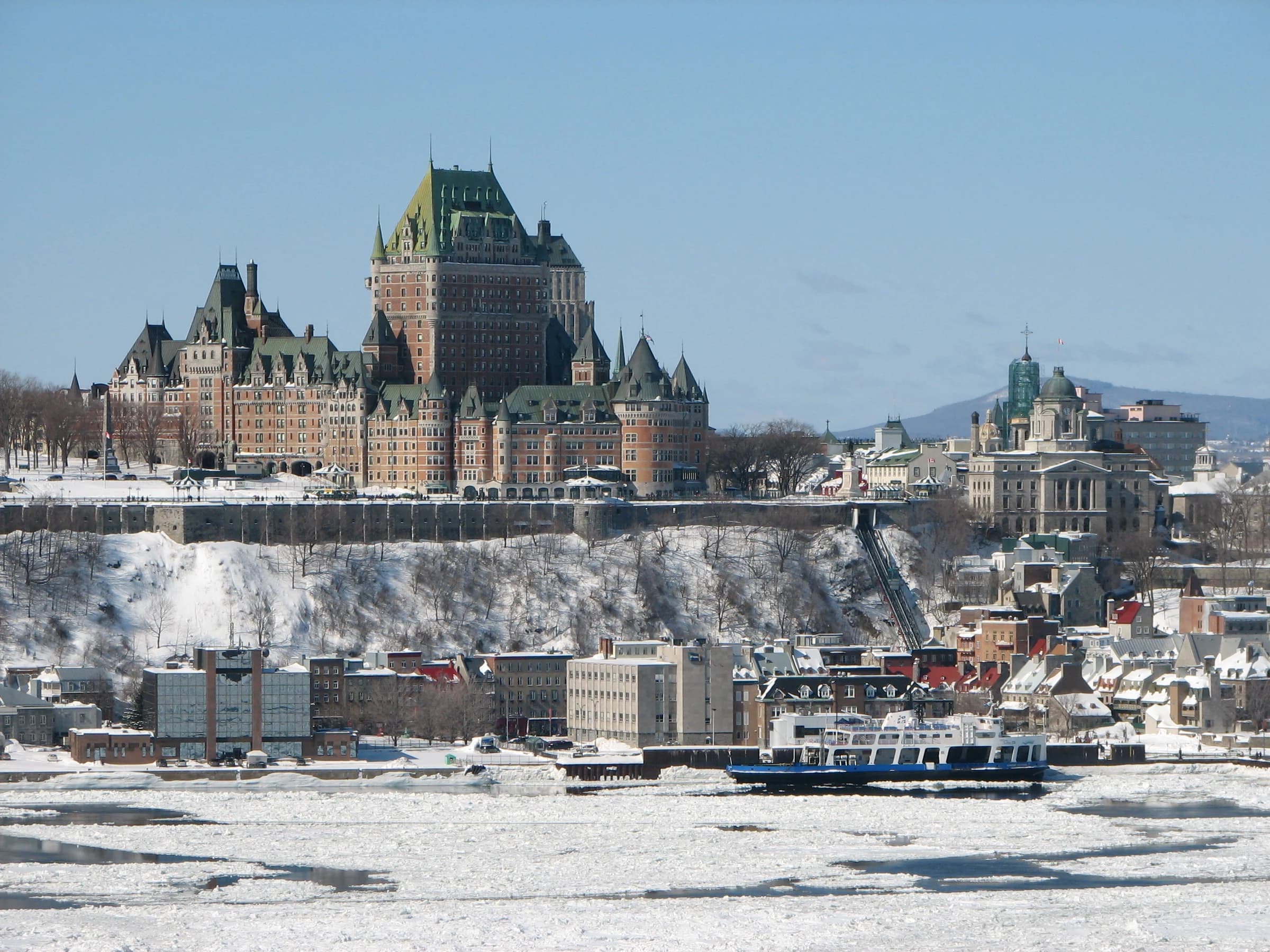 Quebec City
Quebec City
Canada
Quebec City is the only walled city north of Mexico left in North America, its ramparts still fully intact around a UNESCO-listed old town founded by Samuel de Champlain in 1608 — and the Château Frontenac hotel looming over it is, by some counts, the most photographed hotel on Earth.
See full guide →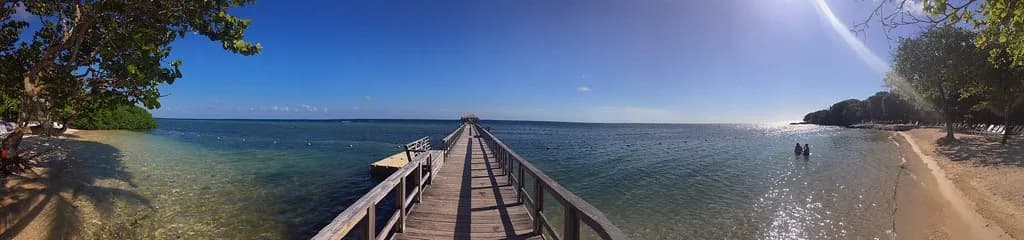 Roatán
Roatán
Honduras
Roatán sits along the Mesoamerican Barrier Reef, the second largest barrier reef system on Earth after Australia's, and the island's English-speaking Afro-Caribbean and Cayman-descended communities give it a culture genuinely distinct from mainland Honduras, a legacy of British colonial control and pirate history that never fully faded after Spain's claim to the islands went largely unenforced.
See full guide →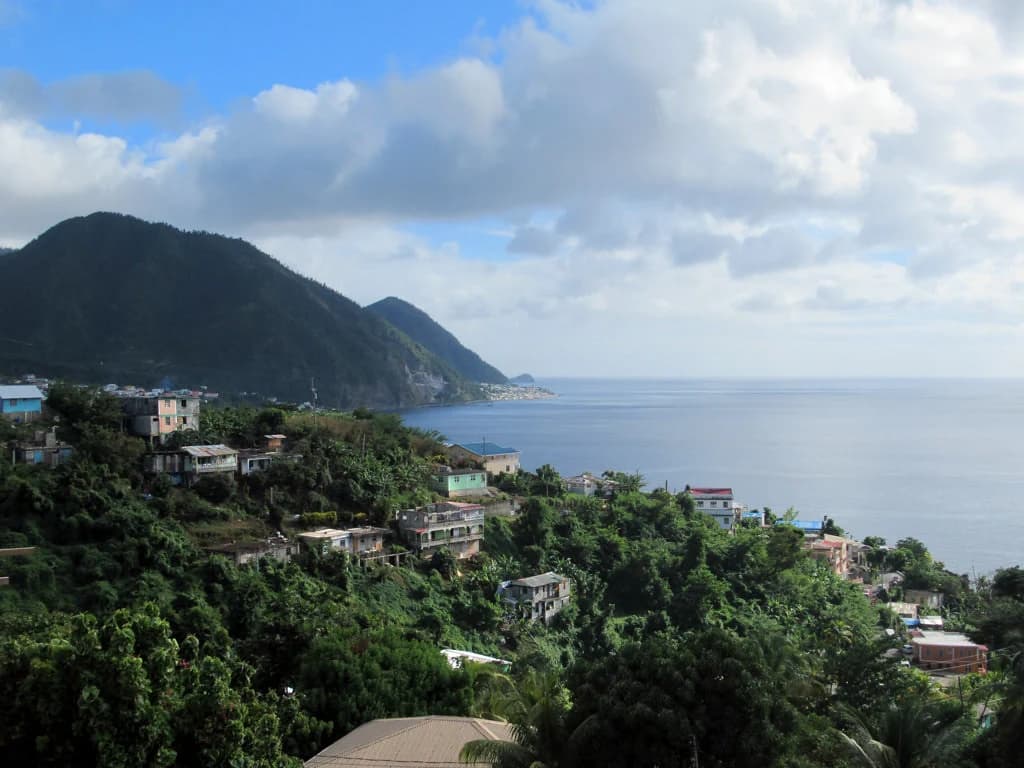 Roseau
Roseau
Dominica
Dominica markets itself as the Nature Island, and the name is a real distinction, not marketing filler — Boiling Lake, a flooded fumarole so hot it's the second-largest of its kind in the world, sits at the end of a genuinely demanding hike through some of the least developed rainforest left in the Caribbean.
See full guide →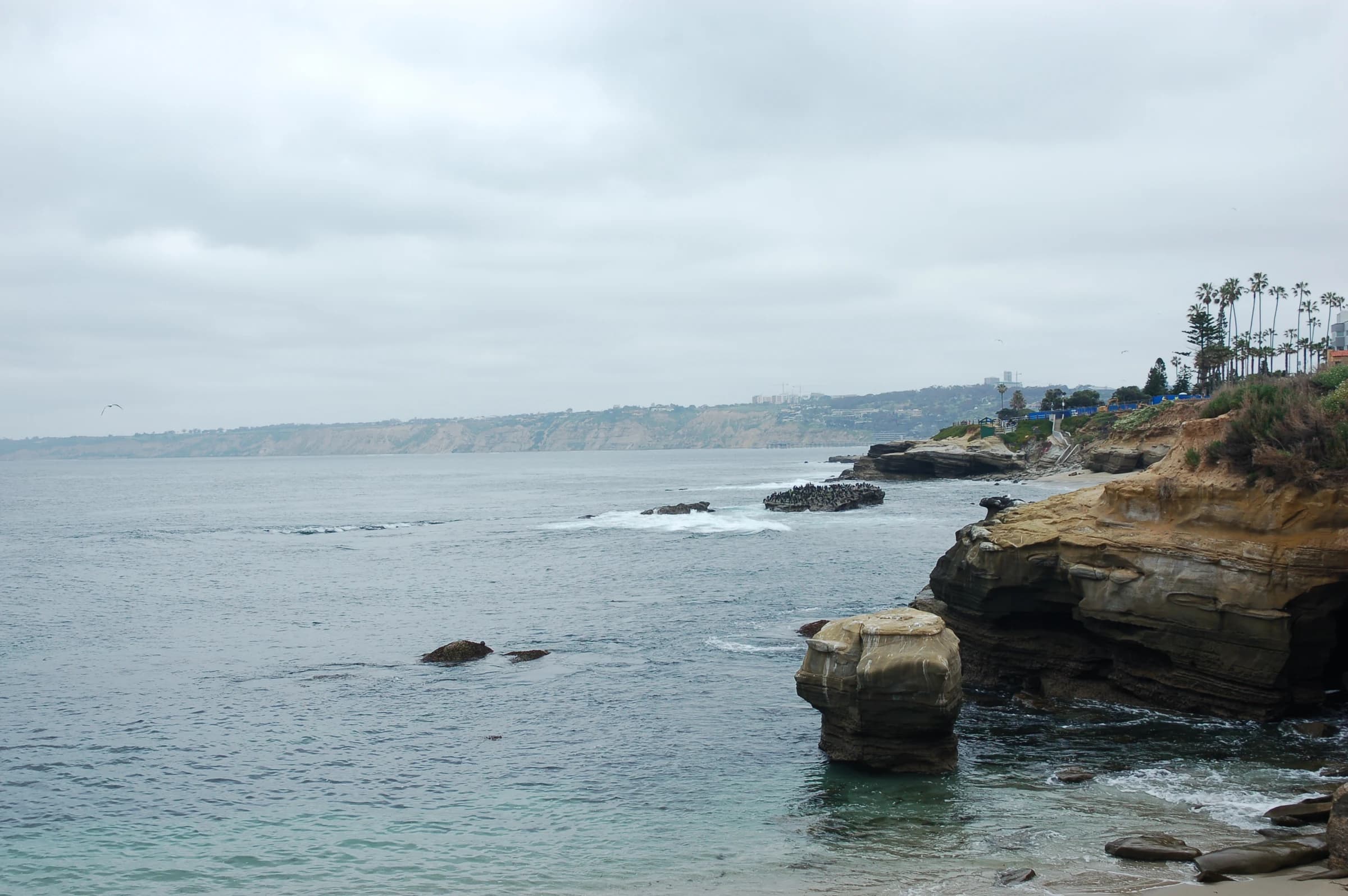 San Diego
San Diego
United States
San Diego was the site of the first European settlement on what's now the US West Coast, a Spanish mission founded in 1769 — and the San Diego Zoo, opened over a century later, pioneered the now-standard idea of open, naturalistic enclosures instead of the barred cages every major zoo used before it.
See full guide →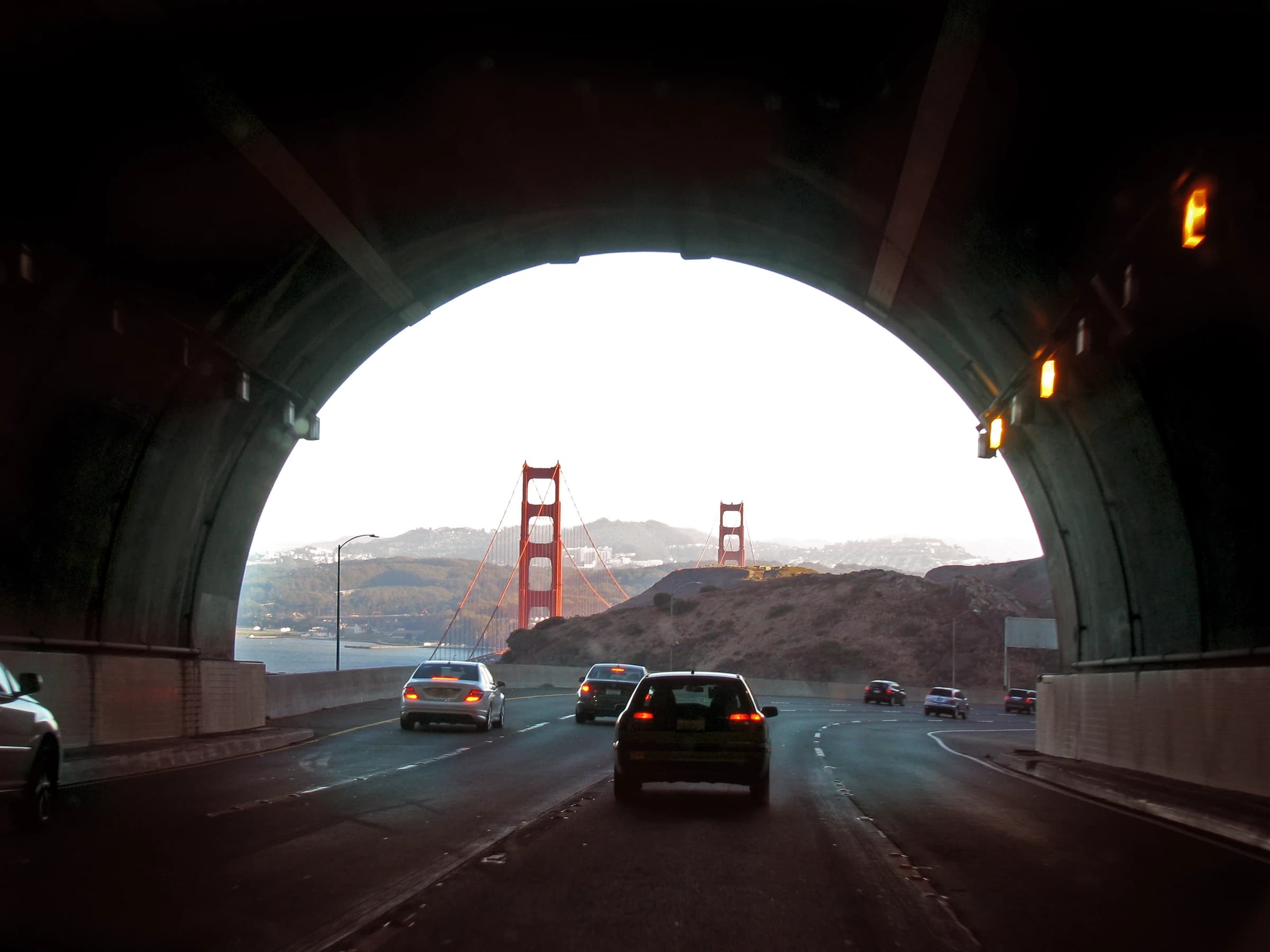 San Francisco
San Francisco
United States
The Golden Gate Bridge isn't painted safety orange for visibility reasons alone — the color, officially called International Orange, was chosen by the consulting architect specifically because it complements the bridge's natural surroundings and stands out against both the blue-grey bay water and San Francisco's famous fog.
See full guide →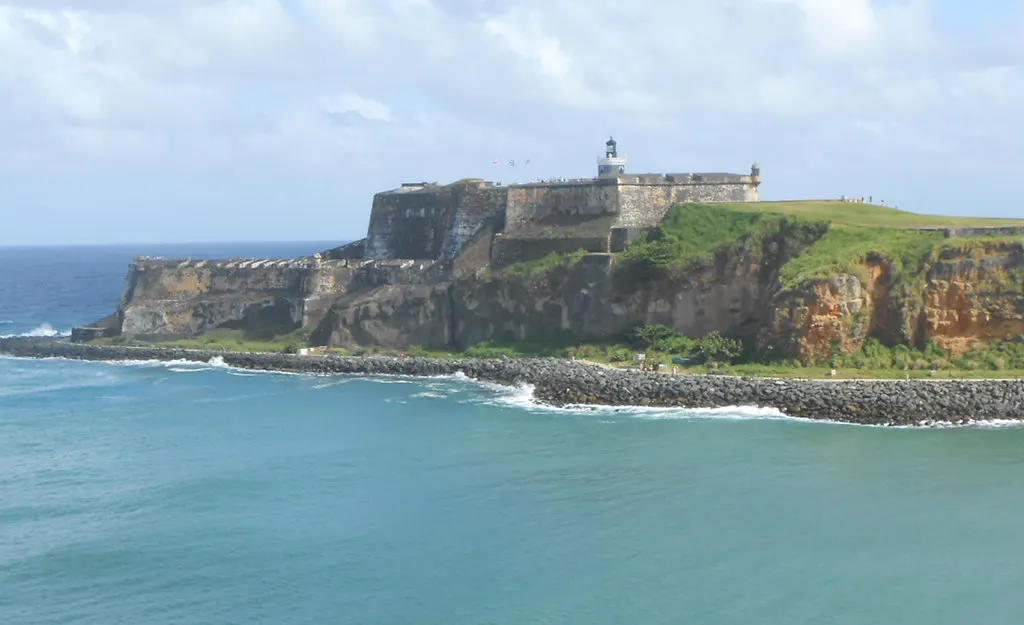 San Juan
San Juan
Puerto Rico
Old San Juan's fortress walls have defended the same seven blocks for over 400 years without ever being taken by force in a direct siege — not by Francis Drake in 1595, not by the Dutch in 1625, not by the British in 1797 — making it one of the most successfully defended cities in the Americas.
See full guide →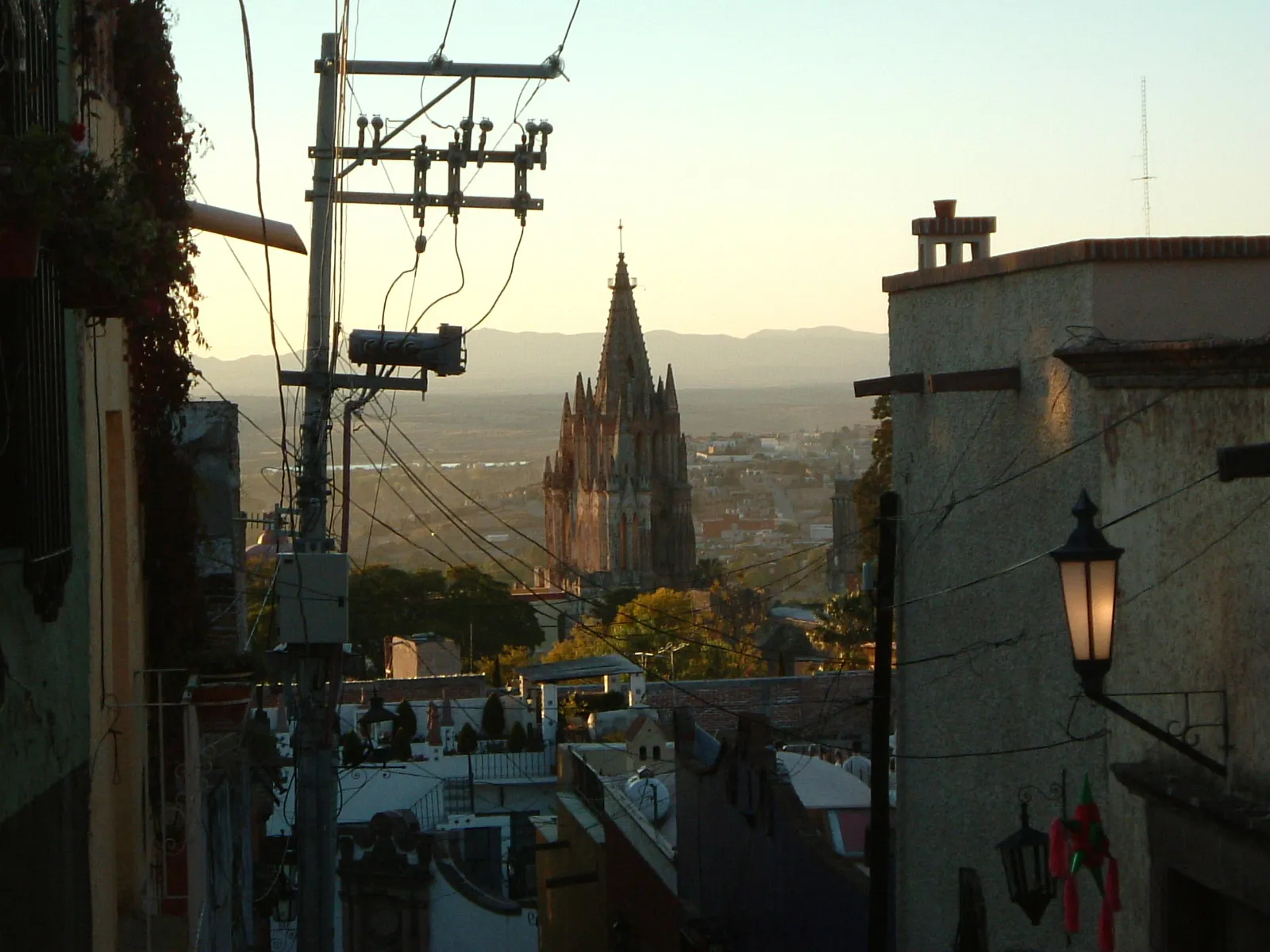 San Miguel de Allende
San Miguel de Allende
Mexico
San Miguel de Allende's pink-spired parish church, La Parroquia, looks like it belongs in Europe partly because its self-taught 19th-century builder, a local bricklayer, designed it working mainly from postcards of Gothic cathedrals he'd never actually seen in person, improvising the engineering as he went.
See full guide →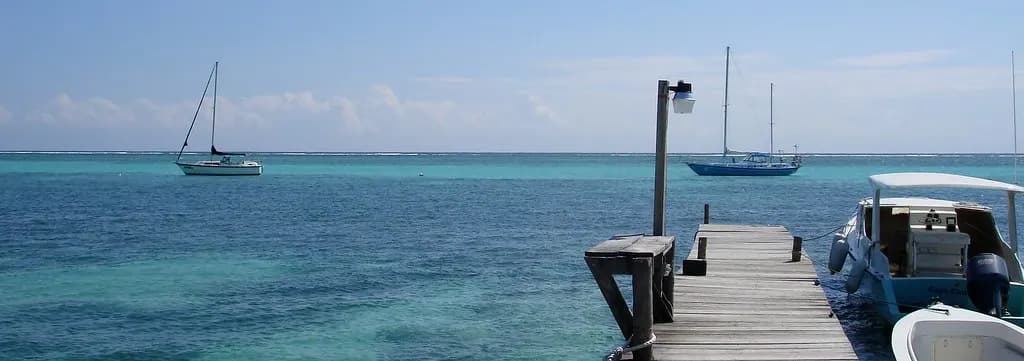 San Pedro
San Pedro
Belize
San Pedro, the only town on Ambergris Caye, still gets around mainly by golf cart — the island never built out a real road network for cars, and it sits directly against the Belize Barrier Reef, the second-largest barrier reef system on Earth after Australia's Great Barrier Reef.
See full guide →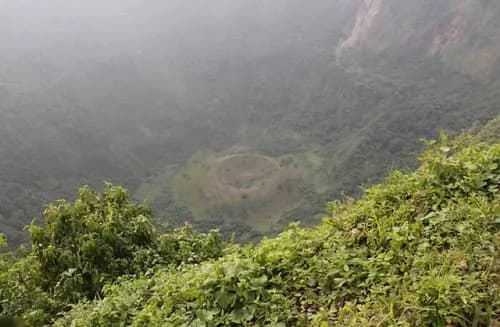 San Salvador
San Salvador
El Salvador
El Salvador went from having the world's highest murder rate in 2015 to one of the lowest in the Americas within a decade, a security crackdown controversial for its methods but undeniable in its tourism effect, and San Salvador now anchors a surf coast and volcano route that was effectively off-limits to casual travelers a generation ago.
See full guide →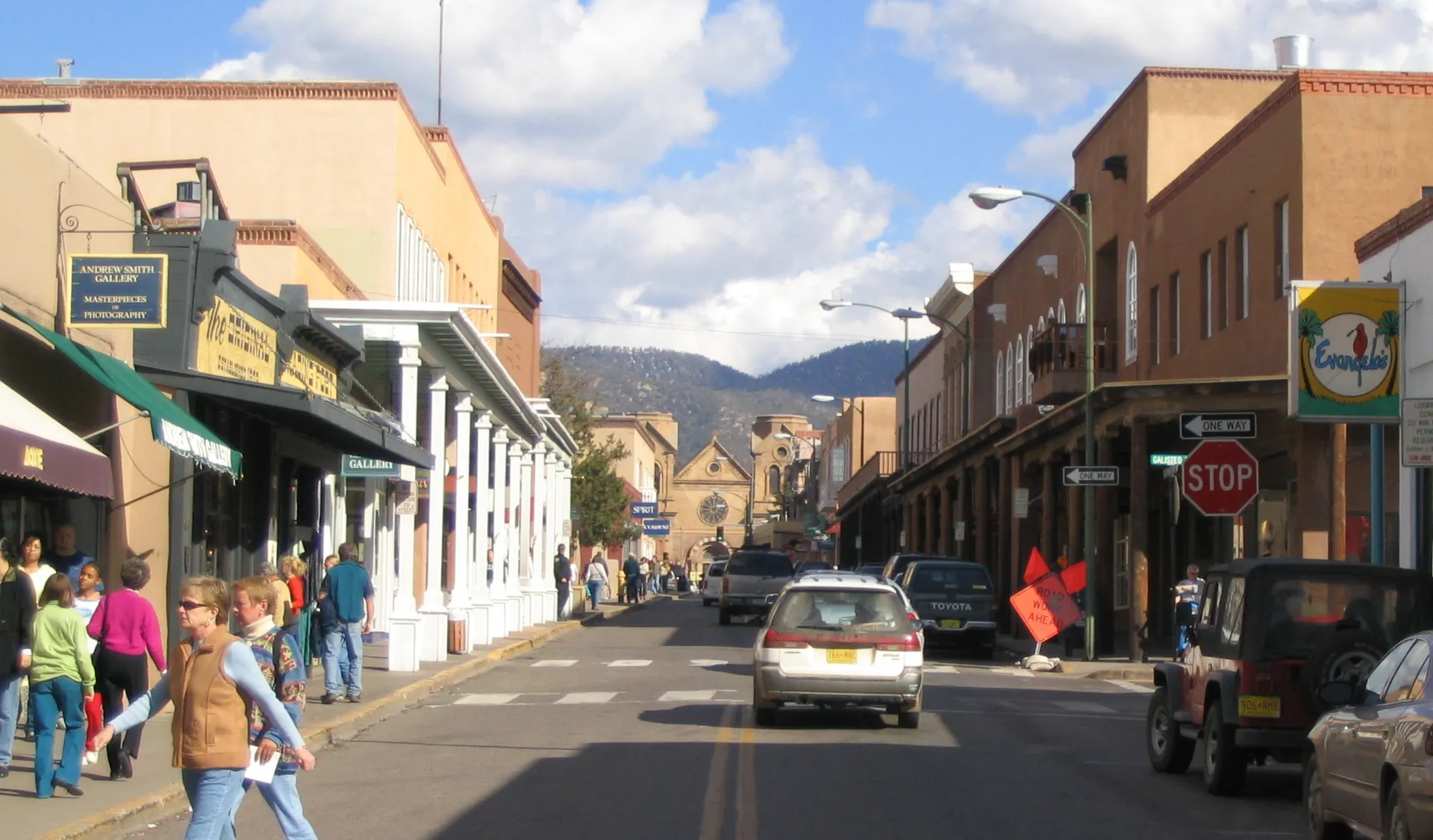 Santa Fe
Santa Fe
United States
Santa Fe has enforced a single architectural style, adobe-style Pueblo Revival, by city ordinance since the 1950s, making it one of the only American cities where a new bank building and a 400-year-old mission church are required to look, at least superficially, like they belong to the same era.
See full guide →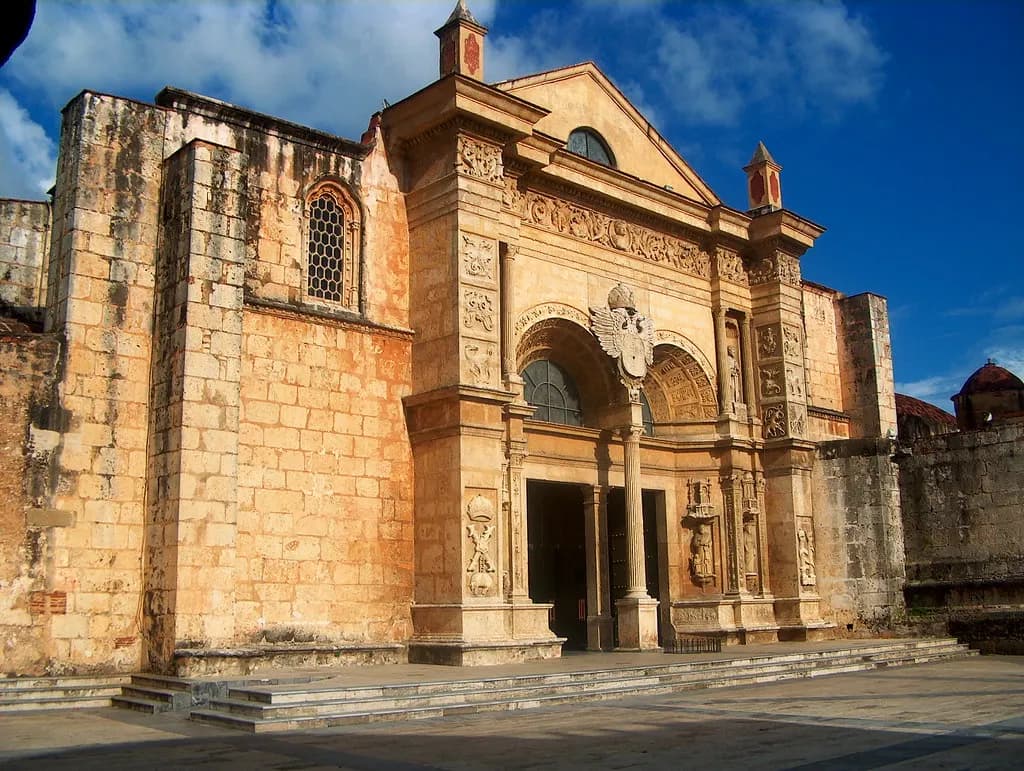 Santo Domingo
Santo Domingo
Dominican Republic
Santo Domingo's Zona Colonial holds the oldest cathedral, the oldest paved street, and the oldest fortress built by Europeans anywhere in the Americas — Columbus's own son governed the city from here while Europeans back home still had no real idea how big the continent they'd just found actually was.
See full guide →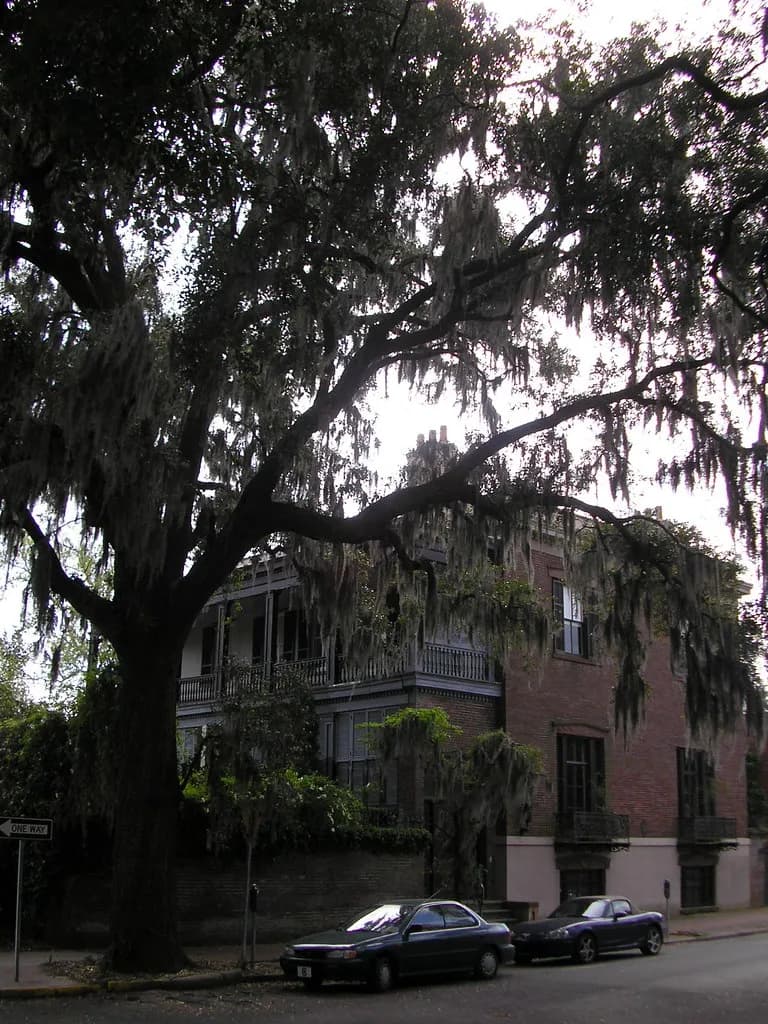 Savannah
Savannah
United States
Savannah was laid out in 1733 around a strict grid of 24 public squares, a design so deliberate that Union General William Tecumseh Sherman reportedly spared the city from destruction during his March to the Sea specifically to preserve it, leaving intact one of the best-maintained 18th-century urban plans anywhere in the United States.
See full guide →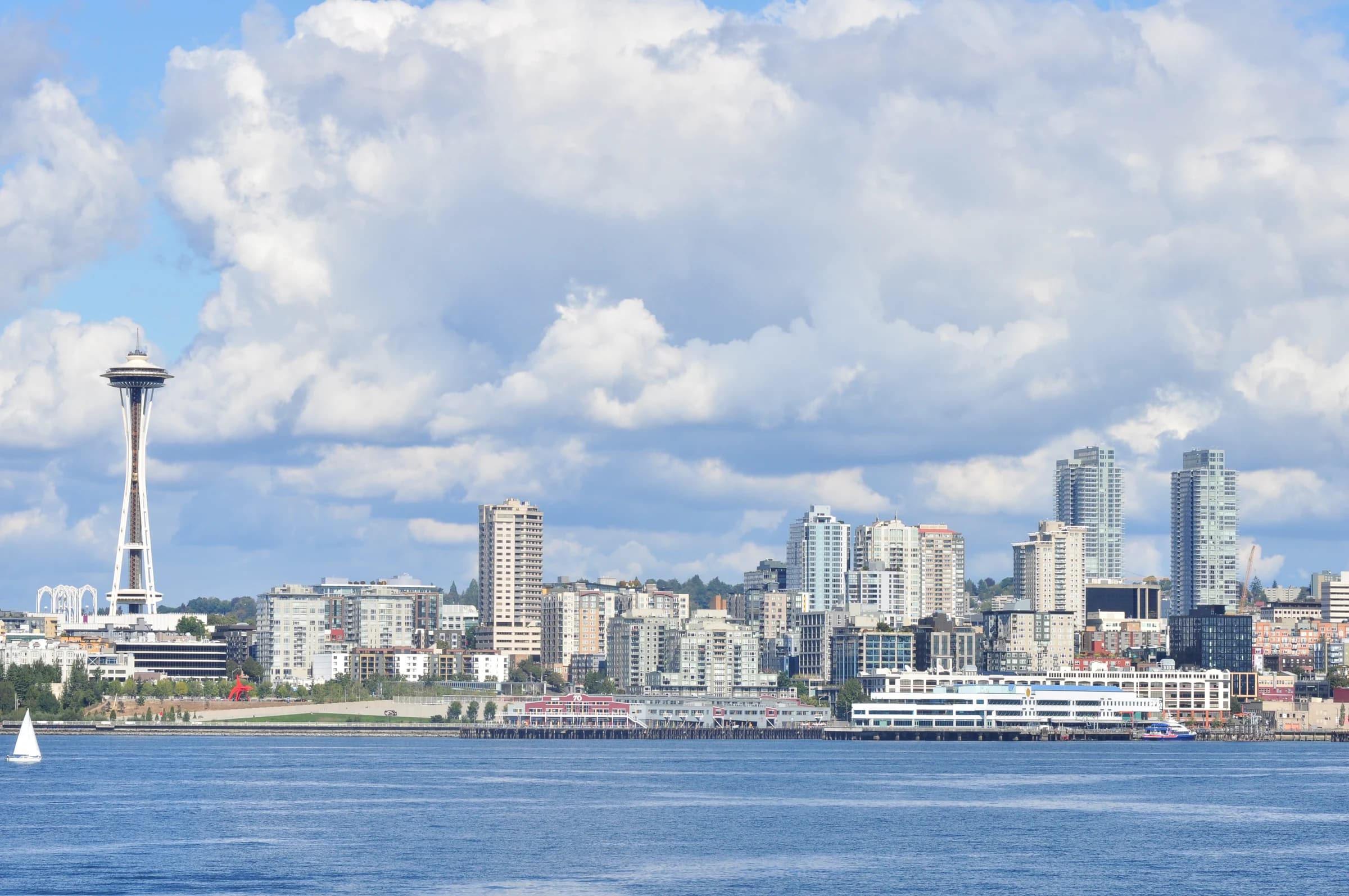 Seattle
Seattle
United States
Seattle's rainy reputation is genuinely misleading — the city actually gets fewer annual inches of rainfall than New York, Miami, or Houston, but it rains on far more days of the year, a steady drizzle instead of heavy downpours, which is exactly the kind of weather that built the city's coffee culture in the first place.
See full guide →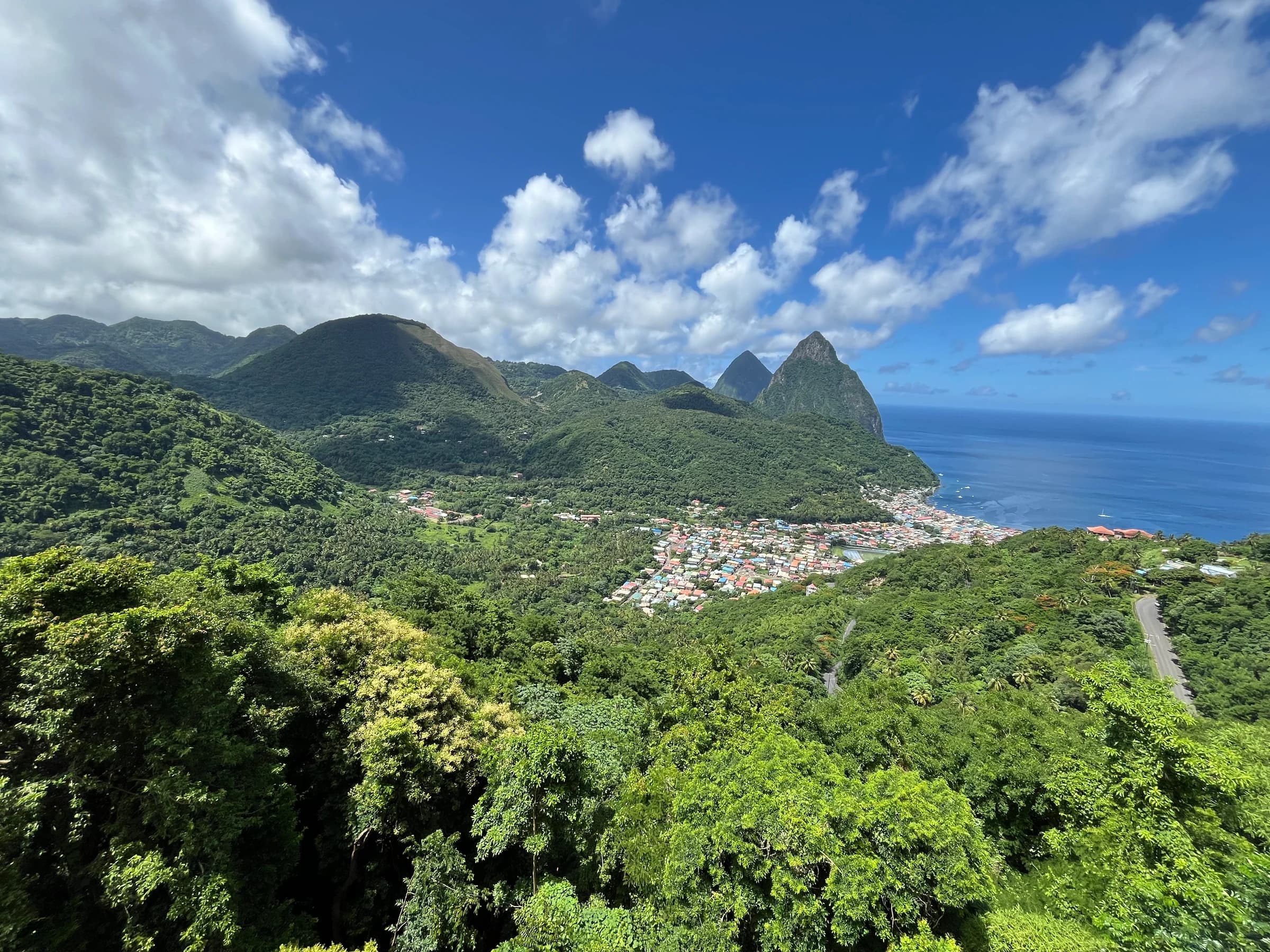 Soufrière
Soufrière
Saint Lucia
The Pitons, two volcanic spires rising straight out of the Caribbean Sea beside Soufrière, are the eroded plugs of long-extinct volcanoes — twin peaks so distinctive they appear on Saint Lucia's national flag, and so close together that boats sail directly through the bay between them.
See full guide →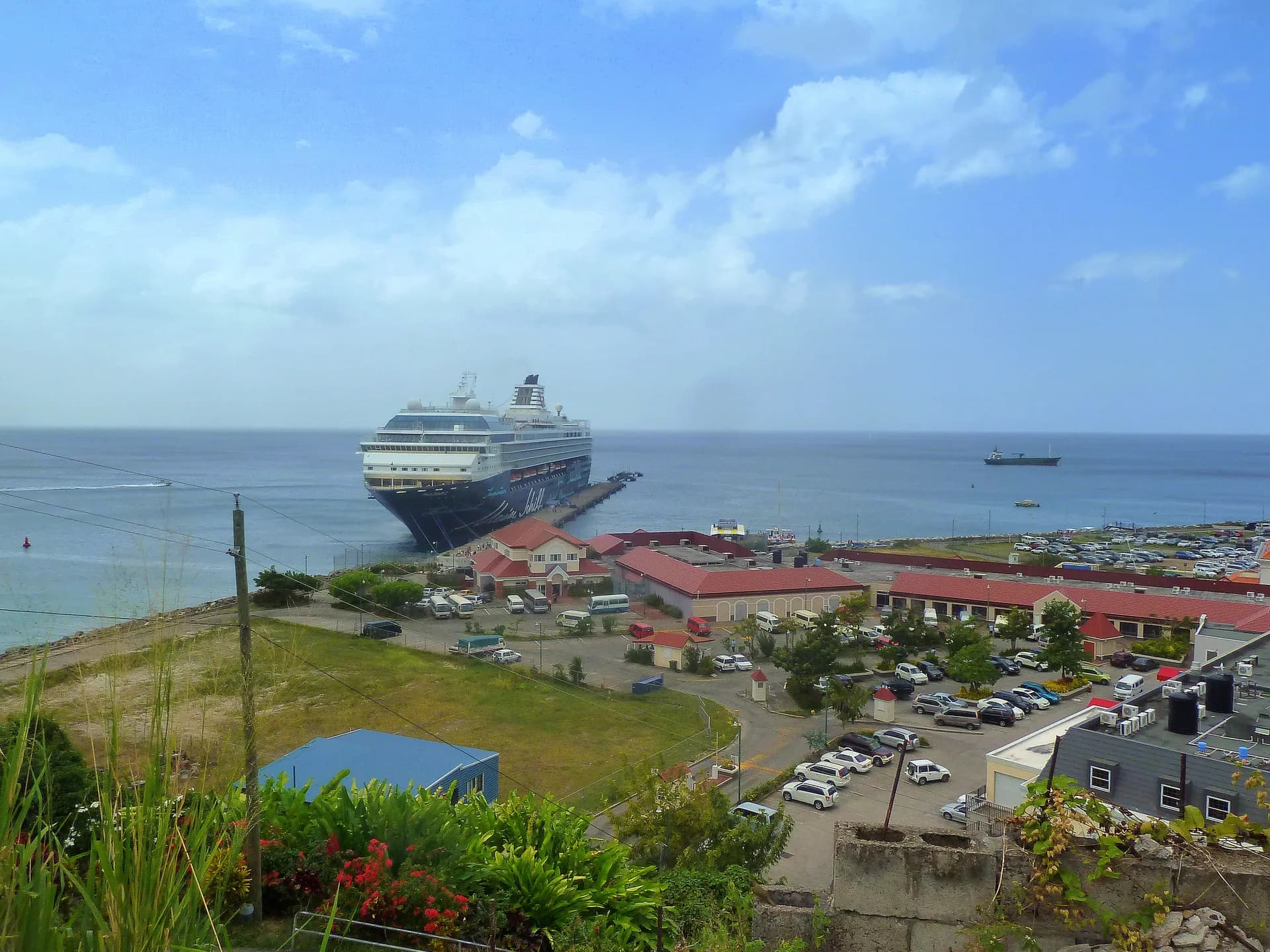 St. George's
St. George's
Grenada
Grenada produces roughly a fifth of the world's nutmeg, enough that the spice appears on the national flag itself, and the island's forested interior still bears visible scars from Hurricane Ivan in 2004, which destroyed an estimated 90 percent of its nutmeg trees in a single storm.
See full guide →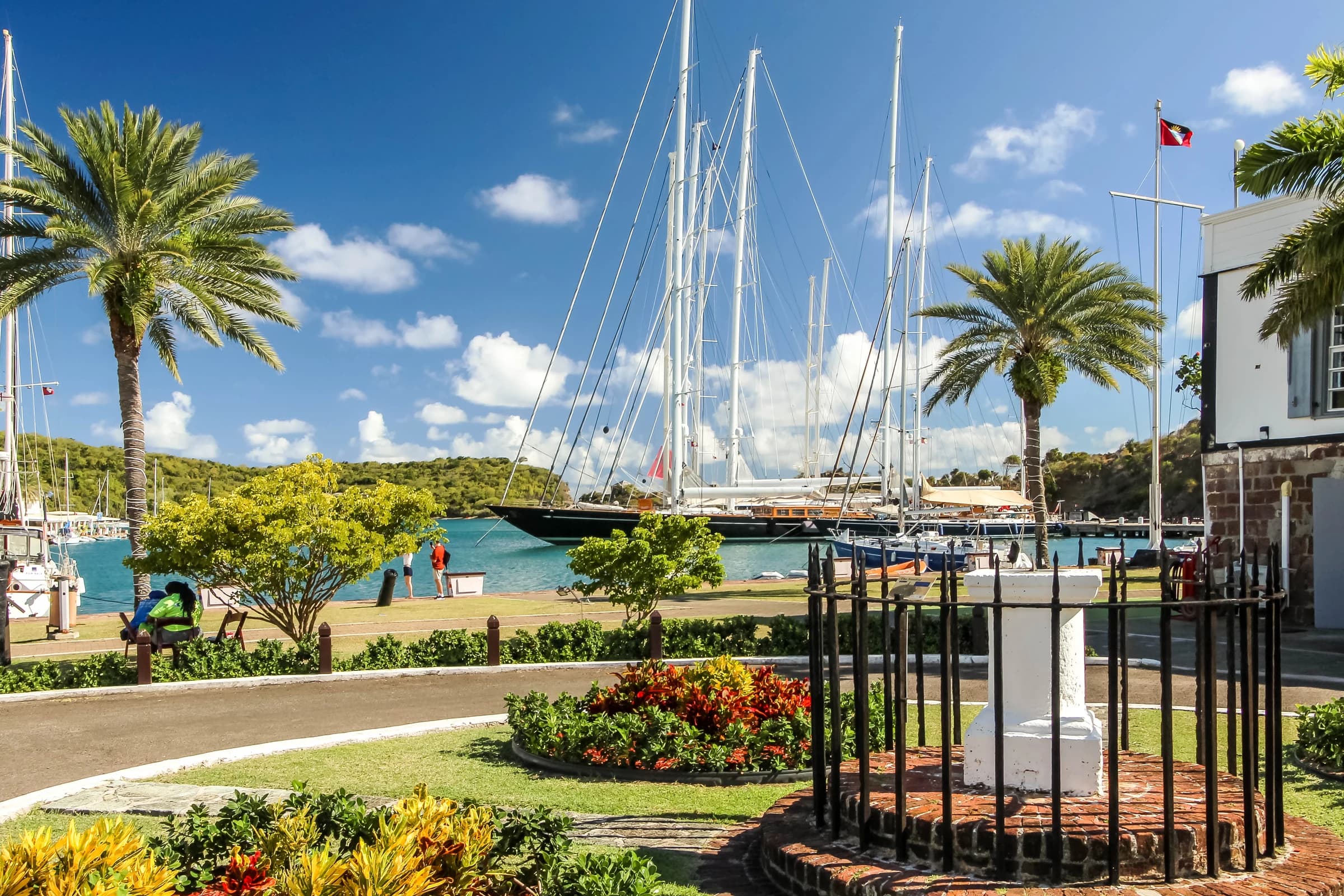 St. John's
St. John's
Antigua and Barbuda
Antigua markets itself around a single, oddly specific claim — 365 beaches, one for every day of the year — and while nobody has ever produced an official count to verify it, the island genuinely is ringed by an unusual number of distinct coves for its size.
See full guide →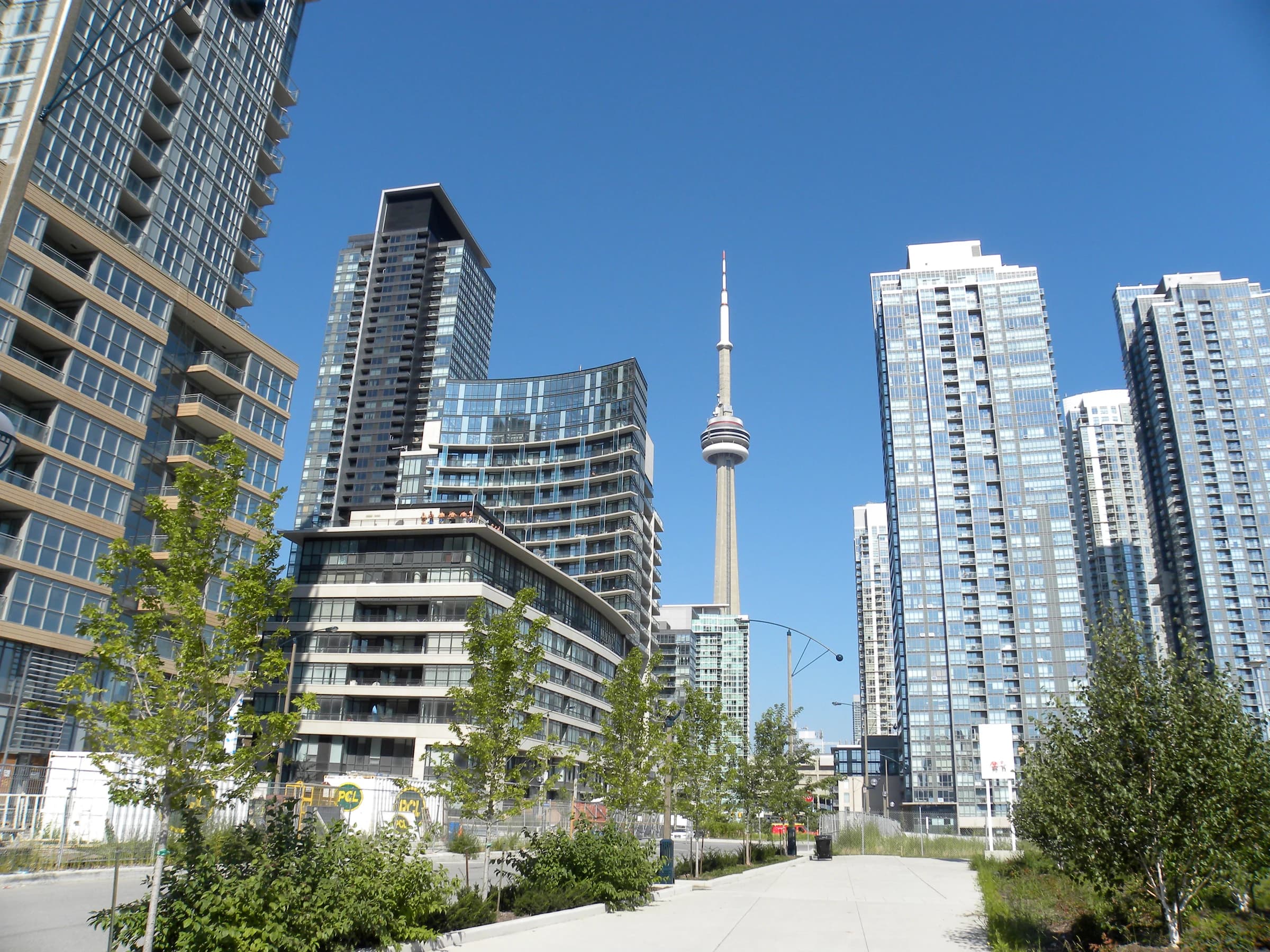 Toronto
Toronto
Canada
More than half of Toronto's residents were born outside Canada, a proportion higher than almost any other major city on Earth — and the CN Tower, once the world's tallest freestanding structure, still lets visitors walk a hands-free loop around its outer edge 356 meters up.
See full guide →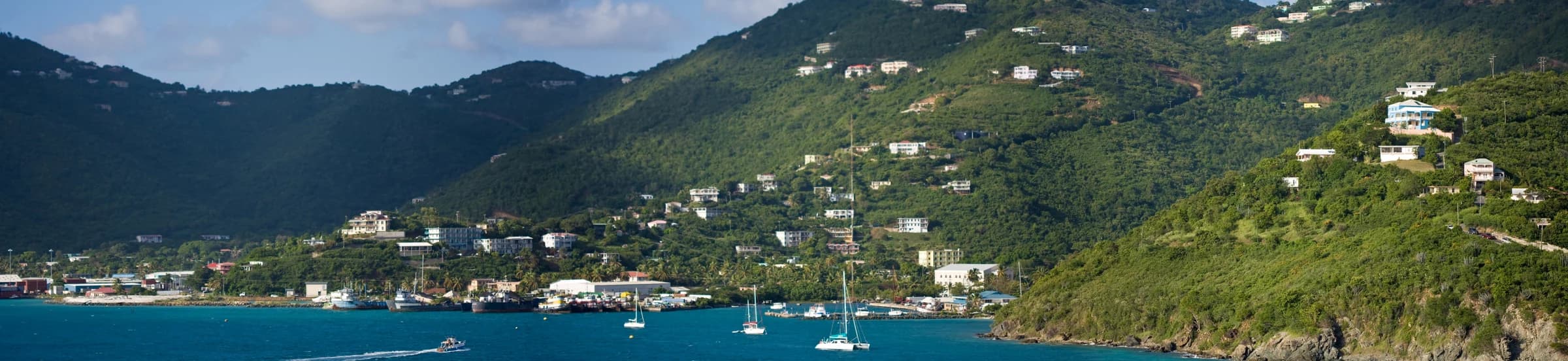 Tortola
Tortola
British Virgin Islands
The British Virgin Islands are widely credited as the birthplace of bareboat chartering — renting a sailboat without a hired crew and sailing it yourself — a business model pioneered here in the 1960s that turned Tortola's Road Town into what's still often called the sailing capital of the world.
See full guide →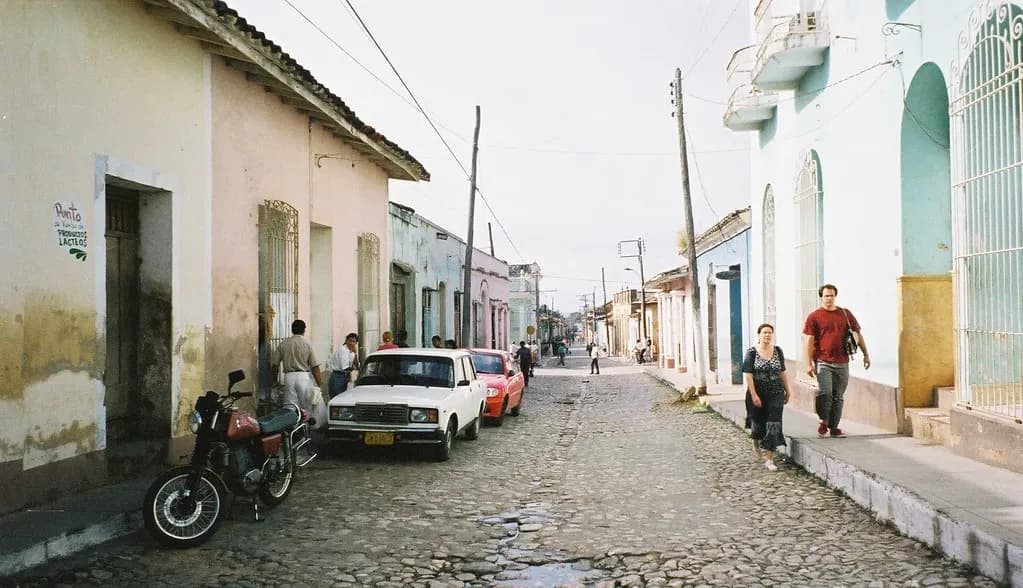 Trinidad
Trinidad
Cuba
Trinidad's sugar barons built such extravagant mansions in the early 1800s that when the industry collapsed later that century, the town was too poor to tear anything down and rebuild — which is exactly why its cobblestone streets and pastel colonial facades survive almost untouched today.
See full guide →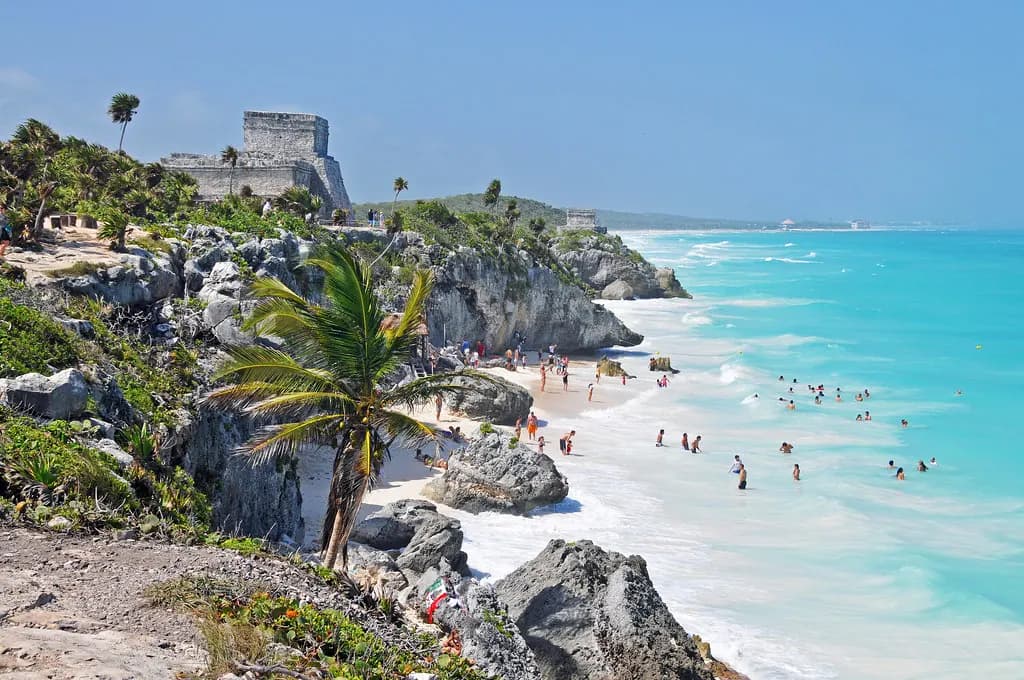 Tulum
TulumTulum
Mexico
Tulum is the only major Mayan ruin site built directly on a Caribbean cliff overlooking the sea — everywhere else the Maya built inland, but here you can stand in a 13th-century watchtower and look straight down at turquoise water and a beach most resorts would kill for.
See full guide →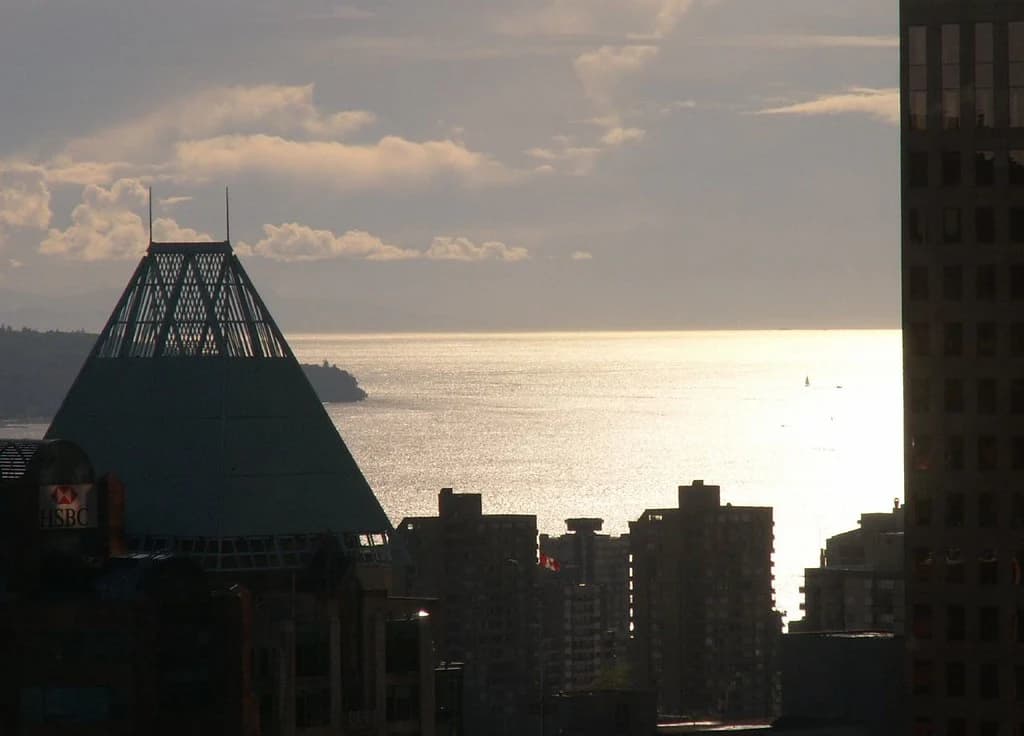 Vancouver
Vancouver
Canada
Vancouver is one of the only cities in the world where you can genuinely ski in the morning and walk a temperate rainforest beach in the afternoon — downtown sits wedged between the Pacific Ocean and the Coast Mountains, with Stanley Park's old-growth forest covering more ground than New York's Central Park.
See full guide →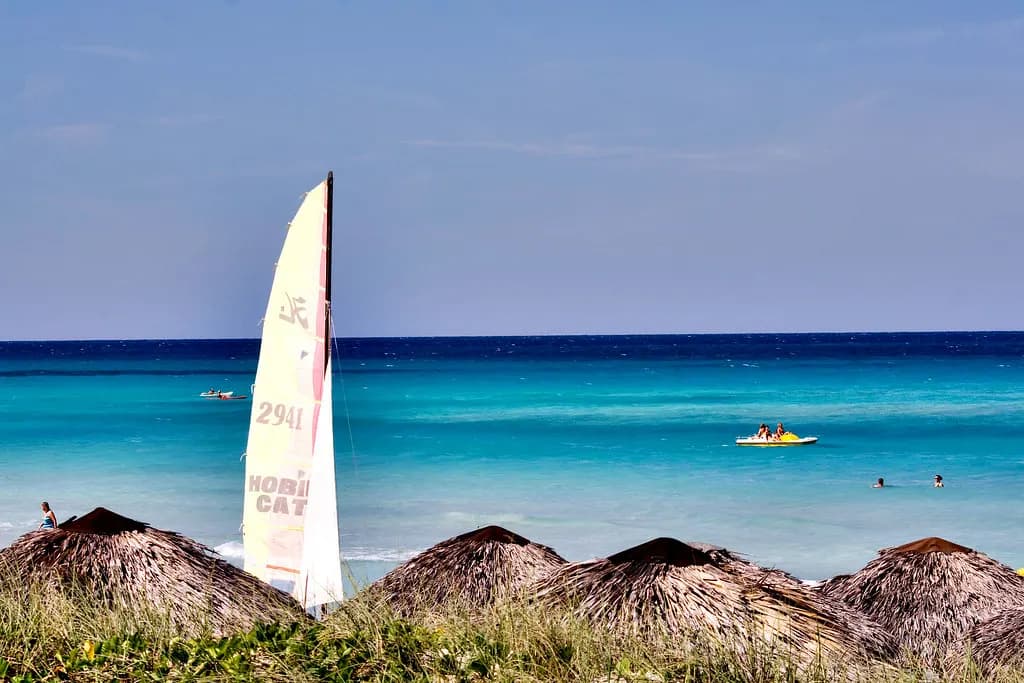 Varadero
Varadero
Cuba
Varadero sits on a narrow peninsula so consistently lined with white sand and turquoise water that Cuba built its entire international beach-tourism industry around this one 20-kilometer strip, largely separate from the rest of the country's economy.
See full guide →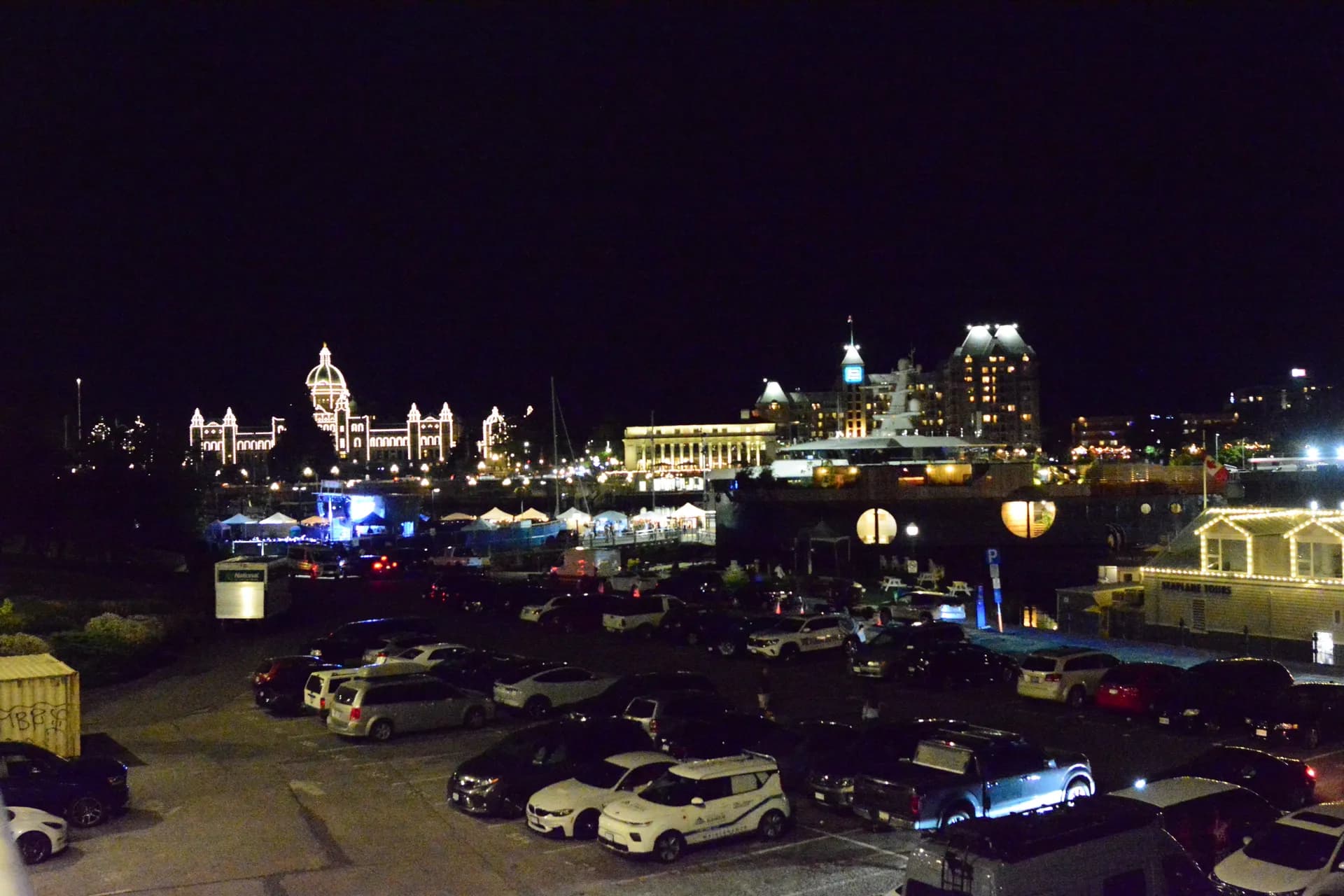 Victoria
Victoria
Canada
Victoria still runs on a genuinely English-inflected identity, afternoon tea served as a real tradition rather than a novelty, ornate Parliament Buildings lit up along the Inner Harbour at night, and it holds the mildest climate anywhere in Canada, a city on Vancouver Island that rarely sees snow even as the rest of the country locks into winter.
See full guide →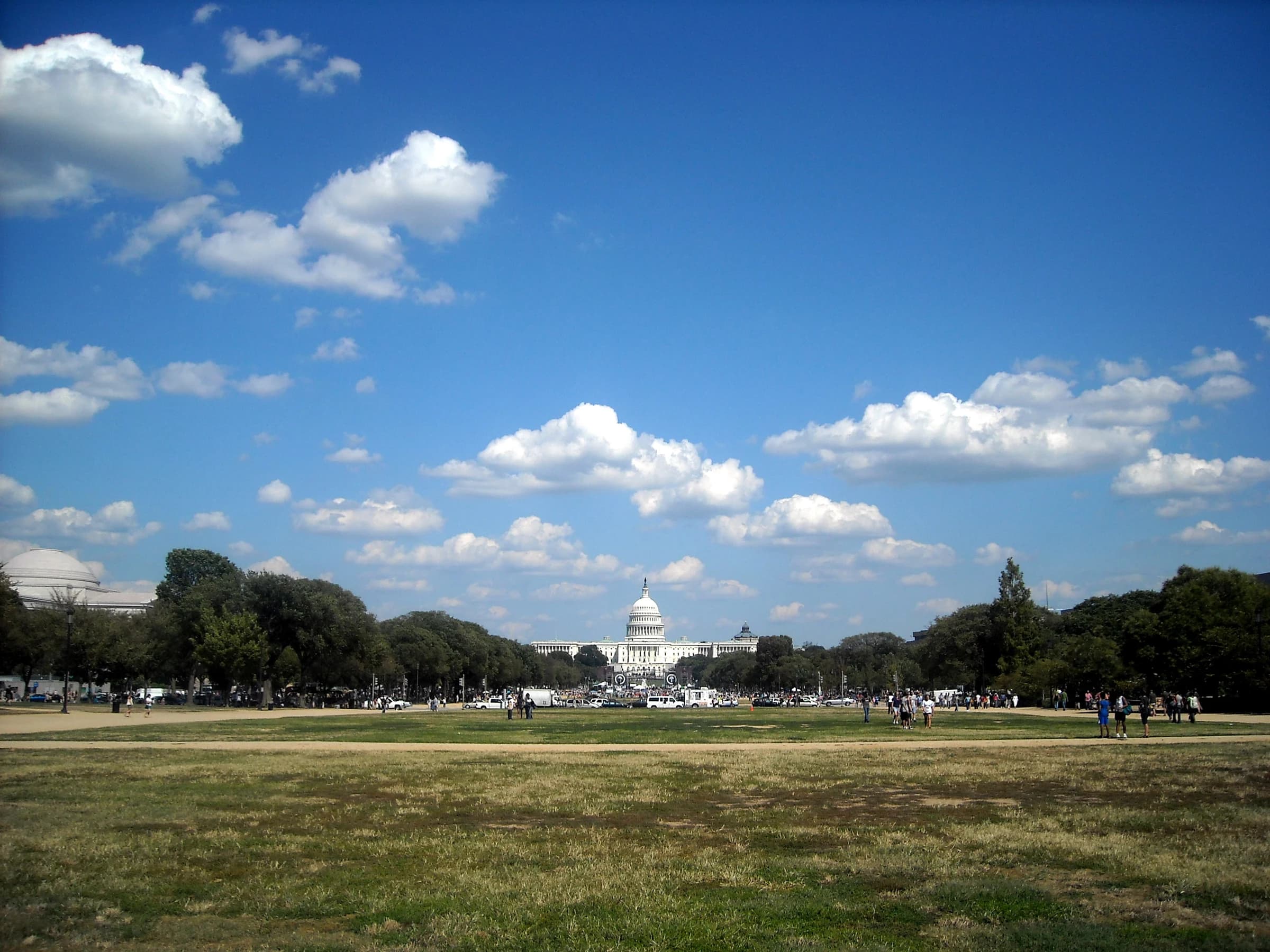 Washington DC
Washington DC
United States
Nearly all of the Smithsonian's 19 museums along the National Mall are completely free to enter, a policy dating back to the institution's founding on the belief that access to knowledge shouldn't depend on ability to pay — genuinely rare among world-class museum collections of this size.
See full guide →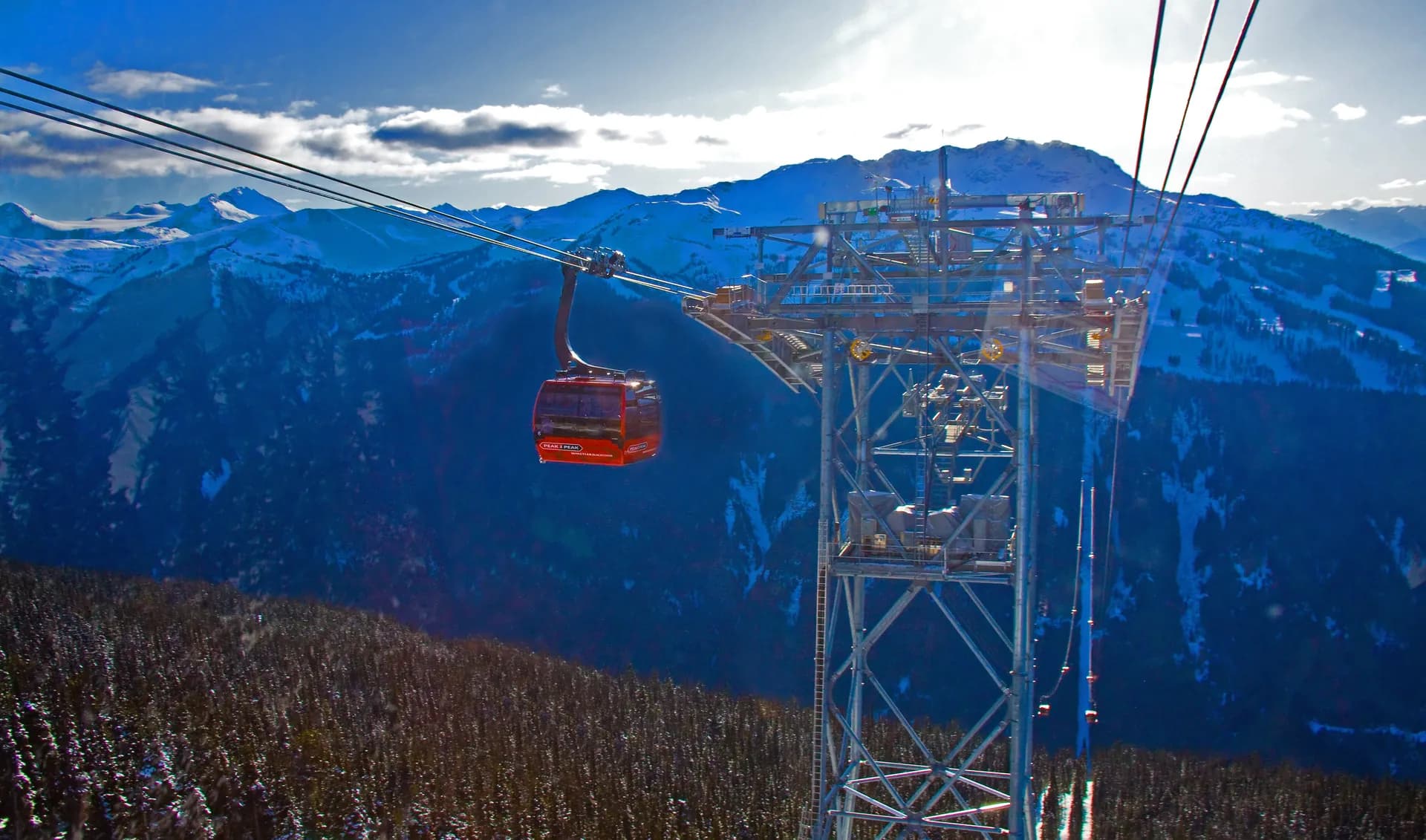 Whistler
Whistler
Canada
Whistler Blackcomb's combined 8,171 acres of skiable terrain make it the largest ski resort in North America by that measure, built across two adjoining mountains connected by the Peak 2 Peak Gondola, whose 3.03-kilometer unsupported span between towers still holds a world record for the longest of its kind.
See full guide →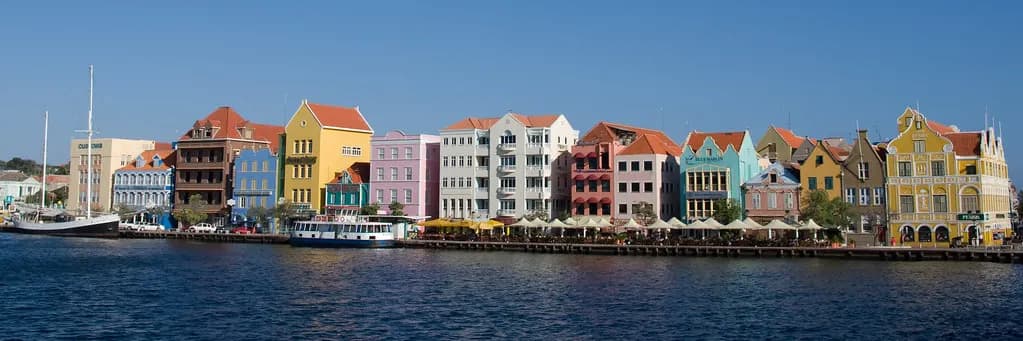 Willemstad
Willemstad
Curaçao
The candy-colored Dutch buildings lining Willemstad's Handelskade waterfront weren't always so bright — legend holds a 19th-century governor blamed white facades for his migraines and ordered the entire harbor front repainted, and it's stayed colorful ever since.
See full guide →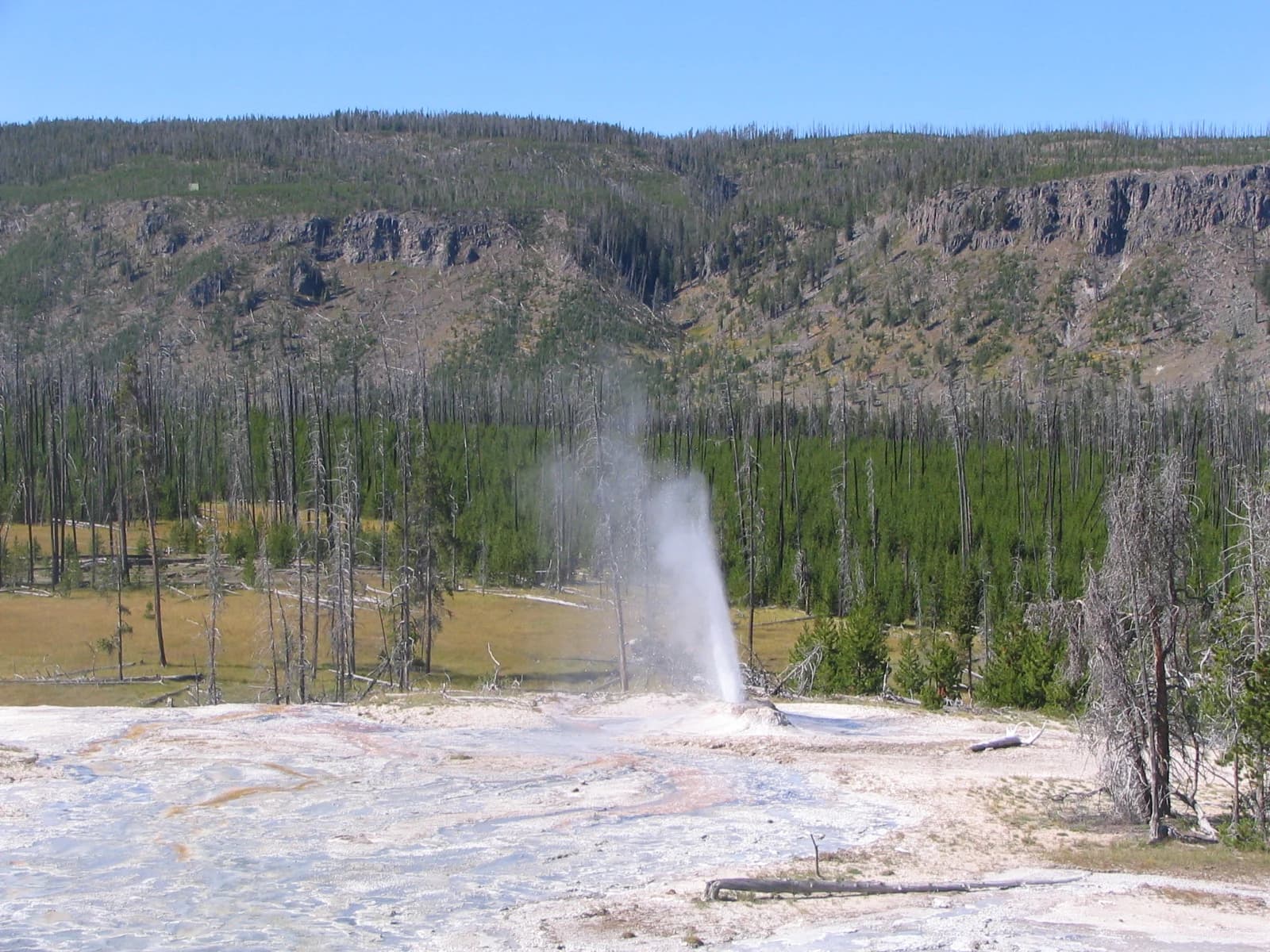 Yellowstone
Yellowstone
United States
Yellowstone became the world's first national park in 1872, but the more startling fact is what it actually sits on top of — a supervolcano whose last three eruptions were each thousands of times larger than Mount St. Helens, and whose ongoing geothermal activity powers roughly half of all the geysers on Earth in one park.
See full guide →