Mexico · North America
Chichén Itzá
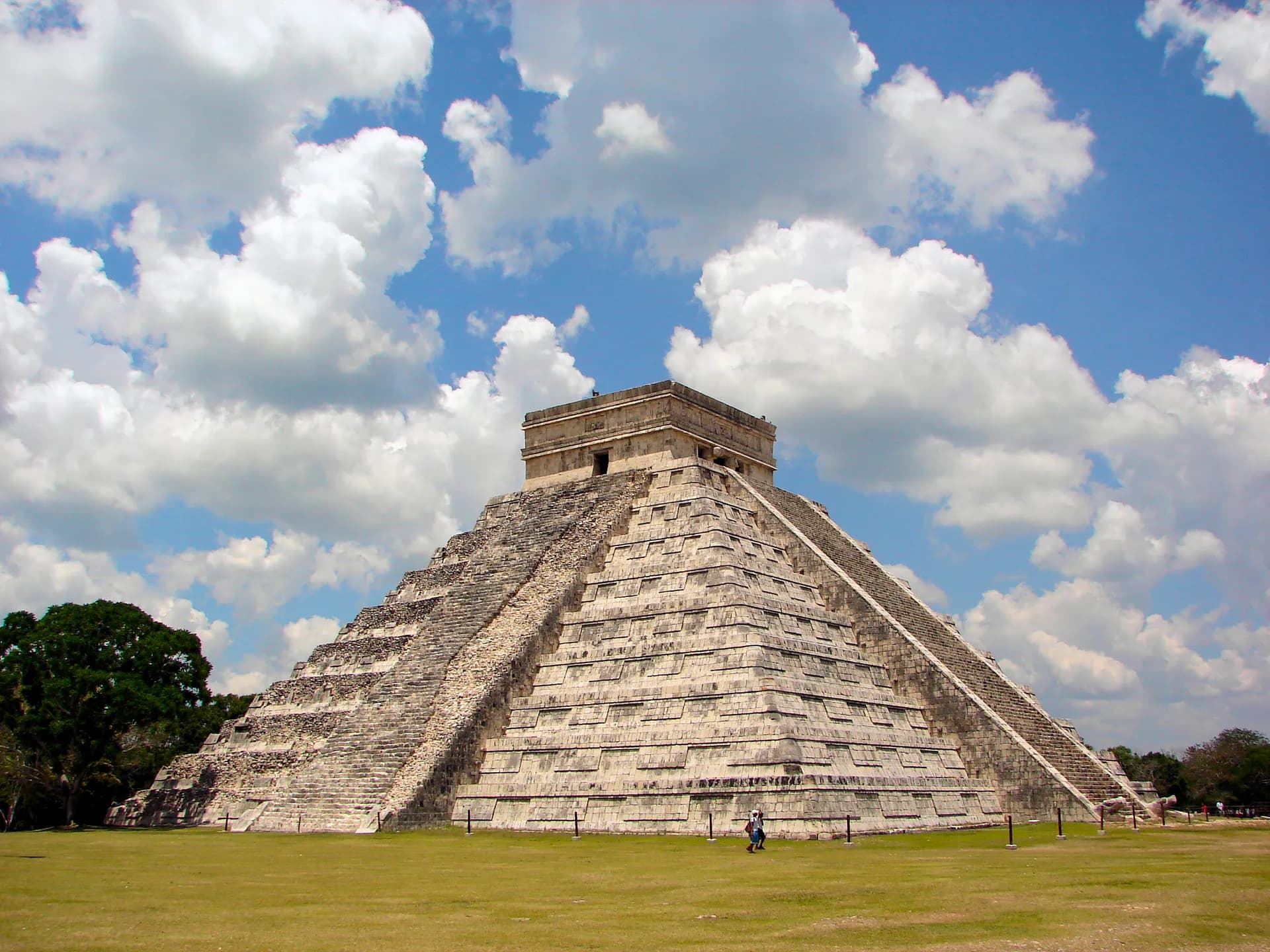
Twice a year, at the spring and autumn equinox, sunlight and shadow fall across El Castillo's staircase at Chichén Itzá to create the illusion of a giant serpent slithering down the pyramid, a deliberate piece of Maya architectural and astronomical engineering precise enough to still work exactly as designed roughly a thousand years later.
Twice a year, at the spring and autumn equinox, sunlight striking El Castillo's stepped staircase at Chichén Itzá creates a shadow pattern that appears to slither down the pyramid, connecting with a carved stone serpent head positioned at the base of the steps to form the illusion of a massive snake descending toward the ground. The effect, precise enough to still function exactly as intended roughly a thousand years after the pyramid's construction, stands as one of the clearest pieces of evidence for the sophistication of Maya astronomical and architectural knowledge.
El Castillo itself, also known as the Temple of Kukulcán, was built with deliberate mathematical precision, its 91 steps on each of four sides totaling 364, plus the top platform, matching the 365 days of the solar year, a calendar encoded directly into the structure's physical design rather than recorded separately.
The Great Ball Court at Chichén Itzá is the largest such court known anywhere in Mesoamerica, used for the ritual ballgame played across many Mesoamerican cultures, a game combining sport and religious significance whose exact rules remain only partially understood, though its outcome is widely believed to have sometimes carried genuinely mortal stakes for the losing team.
The Sacred Cenote, a massive natural sinkhole connected to the site by a raised causeway, served as a site of ritual offering for the ancient Maya, and underwater archaeological excavations have recovered jewelry, pottery, and skeletal remains confirming its use for both material offerings and human sacrifice, making it one of the most significant single sources of physical evidence for understanding Maya religious practice.
Mérida, the Yucatan's colonial capital and a city consistently ranked among the safest in Mexico, sits roughly 90 minutes from Chichén Itzá and functions as the most common base for visiting the ruins, its own well-preserved historic center and distinct Yucatecan food culture, dishes like cochinita pibil, giving visitors a reason to extend their stay well beyond a single day trip to the pyramids.
What a trip here actually costs
$35 / day avg.
- Guesthouse in Mérida or Valladolid
- Bus transport to Chichén Itzá
- Local Yucatecan restaurant meals
- Chichén Itzá entry, moderate fee
What to do at this tier
- • Chichén Itzá self-guided visit, entry fee
- • Mérida's historic center walking tour, free
- • Local cenote swimming, low entry fee
$90 / day avg.
- 3-star hotel in Mérida
- Guided Chichén Itzá tour with a private driver
- Cenote swimming excursion
- Sit-down restaurant dinners
What to do at this tier
- • Guided Chichén Itzá tour with a private driver
- • Combined cenote and ruins day trip
- • Mérida colonial architecture and food tour
These are average estimates for planning purposes, not real-time prices — actual costs vary by season, availability, and how far ahead you book.
How to get there
Click anywhere on the world map — any airport works, not just our main hubs.
Click anywhere on the map above — any airport in the world works — to see estimated travel time and cost from there.
Times and prices are planning estimates, not live fares — always check a booking site before you commit. See the full Transport Comparison guide for the general tradeoffs of each mode.
Best time to visit
November-April brings the driest, most comfortable temperatures; arriving early in the morning helps beat both the heat and the largest tour bus crowds.
Safety notes
Very safe, and Mérida is consistently ranked among the safest cities in Mexico; standard sun protection matters given the site's limited shade.
Visa & currency
Mexican peso (MXN). Many nationalities can enter visa-free for tourism, worth confirming based on passport before booking.
Questions people ask before visiting
Is Chichén Itzá worth visiting?
Yes — Chichén Itzá, one of the New7Wonders of the World and a UNESCO World Heritage Site, holds El Castillo, the pyramid famous for its equinox serpent shadow illusion, the largest ball court in Mesoamerica, and the Sacred Cenote, a massive natural sinkhole tied to ancient Maya ritual.
What happens at Chichén Itzá during the equinox?
During the spring and autumn equinoxes, sunlight striking El Castillo's stepped staircase creates a shadow pattern resembling a serpent descending the pyramid, connecting visually with a carved serpent head at the base. It's considered strong evidence of the Maya's sophisticated astronomical knowledge built directly into their architecture.
What is the Sacred Cenote?
A large natural sinkhole at Chichén Itzá used by the ancient Maya for ritual offerings, including jewelry, pottery, and evidence of human sacrifice, discovered through underwater archaeological excavation. It remains one of the most significant sources of information about Maya ritual practice.
How do you combine Chichén Itzá with Mérida?
Mérida, the Yucatan's colonial capital known as the White City for its historic buildings, sits roughly 90 minutes from Chichén Itzá by car or bus, making it a common base for visiting the ruins as a day trip while also exploring the wider Yucatan region's colonial architecture and other Maya sites.
Nearby destinations
 Cancún
Cancún
Mexico
Cancún didn't exist as a city until 1970 — Mexico's government picked the spot using a computer analysis of wind patterns, water color, and hurricane risk, then built an entire resort city from scratch on what had been an uninhabited sandbar.
See full guide →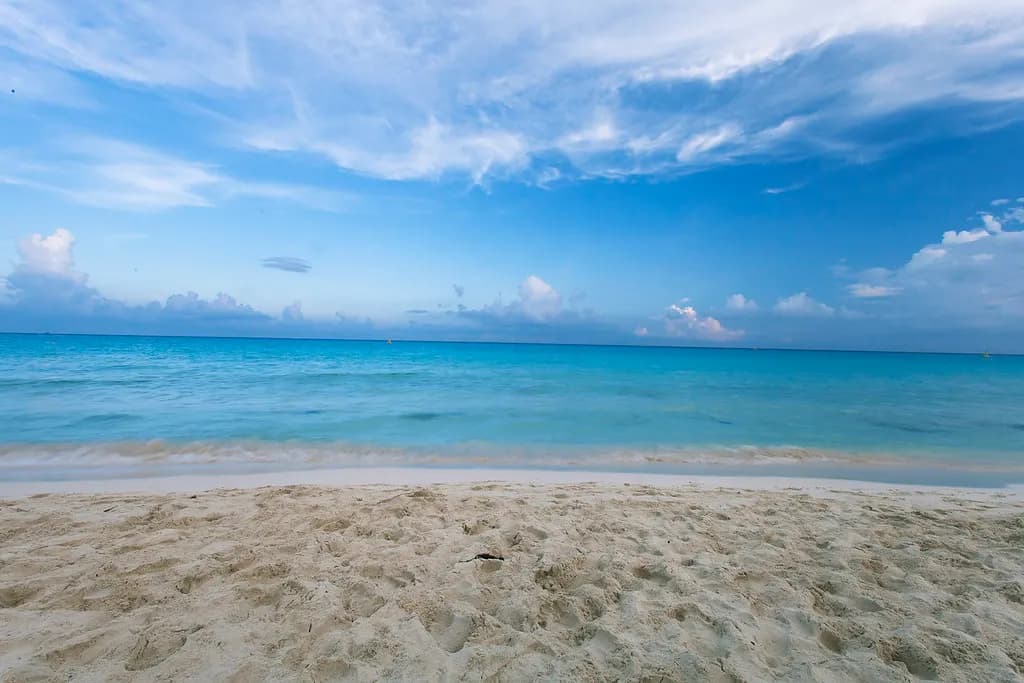 Playa del Carmen
Playa del Carmen
Mexico
Fifth Avenue, Playa del Carmen's main pedestrian strip, was a sandy footpath used mostly by fishermen until the 1990s — now it runs for roughly two miles, packed with shops and restaurants, and locals still just call it La Quinta.
See full guide →Comparing more than one route? See the full transport comparison guide.