United States · North America
Washington DC
Nearly all of the Smithsonian's 19 museums along the National Mall are completely free to enter, a policy dating back to the institution's founding on the belief that access to knowledge shouldn't depend on ability to pay — genuinely rare among world-class museum collections of this size.
Washington DC holds a genuinely unusual position among world capitals when it comes to museum access — nearly all 19 Smithsonian museums lining the National Mall, including the National Air and Space Museum and the National Museum of Natural History, are completely free to enter, a policy dating back to the institution's founding in 1846 on the principle that access to knowledge shouldn't depend on ability to pay.
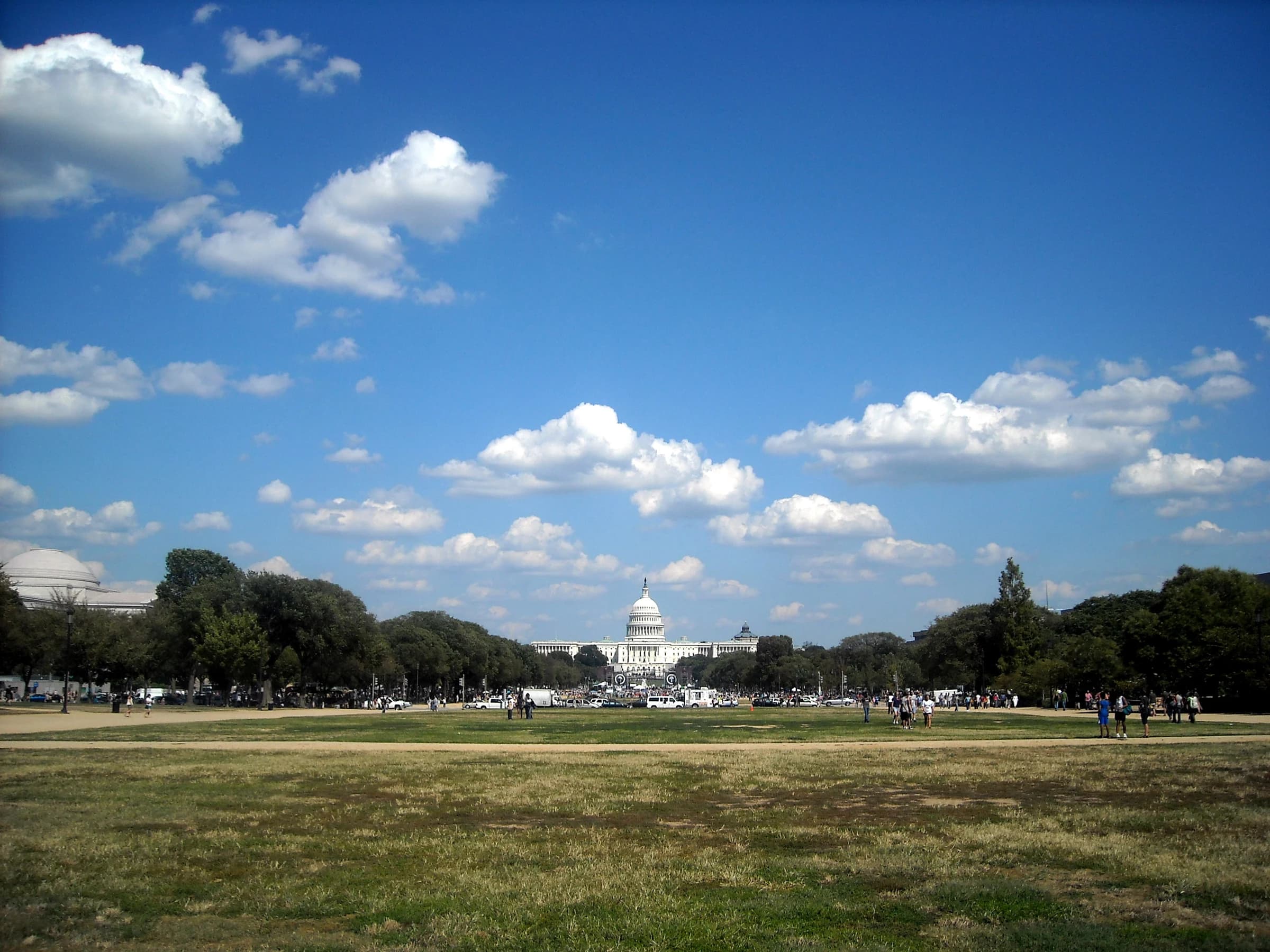
The National Mall itself, the roughly two-mile stretch connecting the Capitol to the Lincoln Memorial, functions as both a functioning park and the country's most symbolically loaded public space, host to everything from casual picnics to some of the largest political demonstrations in US history.
Each spring, the Tidal Basin's cherry blossom trees draw crowds specifically for their brief bloom window, typically in late March or early April. The trees themselves were a 1912 gift from the city of Tokyo, a diplomatic gesture that has held up remarkably well given the turbulent history between the two countries in the decades that followed.
Washington DC occupies a genuinely unusual legal and political status that shapes daily life for its roughly 700,000 residents — as a federal district rather than a state, it has no voting representation in Congress despite its residents paying full federal taxes, a tension visible on local license plates that read Taxation Without Representation.
The city's height restrictions, often assumed to specifically protect views of the Capitol dome, are actually governed by a law tying maximum building height to the width of the street it faces, dating to 1910 concerns about fire safety and urban density rather than a symbolic rule about the Capitol specifically — the practical effect, though, is a skyline that stays notably low and uniform compared to most major American cities.
What a trip here actually costs
$60 / day avg.
- Hostel dorm near downtown
- Casual food from food halls or delis
- Metro public transit day pass
- Smithsonian museums and National Mall monuments, all free
What to do at this tier
- • Smithsonian museums along the National Mall, all free
- • Lincoln Memorial, Washington Monument, and the wider Mall, free to walk
- • Cherry blossoms around the Tidal Basin in bloom season, free
$150 / day avg.
- 3-star hotel downtown
- Sit-down dinners across different neighborhoods
- Newseum-style paid exhibit or a Capitol tour
- Bike rental along the Mall
What to do at this tier
- • US Capitol guided tour, free with advance reservation but worth planning as a structured activity
- • Bike rental along the Mall and the Potomac riverfront
- • Georgetown's historic streets and waterfront
$380 / day avg.
- 4-star hotel near the Mall
- Private historical and political history tour
- Fine dining reservations
- Behind-the-scenes Capitol or White House-area tour where available
What to do at this tier
- • Private historical and political history walking tour
- • Fine dining reservation in Georgetown or Penn Quarter
- • Behind-the-scenes tour of a government building, where public access is available
These are average estimates for planning purposes, not real-time prices — actual costs vary by season, availability, and how far ahead you book.
How to get there
Click anywhere on the world map — any airport works, not just our main hubs.
Click anywhere on the map above — any airport in the world works — to see estimated travel time and cost from there.
Times and prices are planning estimates, not live fares — always check a booking site before you commit. See the full Transport Comparison guide for the general tradeoffs of each mode.
Best time to visit
March-May and September-November bring comfortable weather, with cherry blossom season in late March-early April drawing the year's biggest crowds. Summers are hot and humid; winters bring occasional snow.
Safety notes
Generally safe in the National Mall, downtown, and Georgetown areas with standard city precautions; like any major city, awareness varies by specific neighborhood outside the core tourist route.
Visa & currency
US dollar (USD). Most Western European, UK, Australian, and several other passport holders can enter visa-free for short tourist stays under the Visa Waiver Program with an approved ESTA — worth confirming current requirements before booking.
Questions people ask before visiting
Are all the Smithsonian museums really free?
Yes, essentially all of them, including the National Air and Space Museum, National Museum of Natural History, and National Museum of African American History and Culture. It's a deliberate policy tracing back to the institution's founding, funded through a combination of federal appropriations and its own endowment rather than admission fees.
When do the cherry blossoms bloom in DC?
Typically late March to early April, though the exact peak bloom window shifts year to year based on weather and is officially forecast closer to the date. The trees themselves were a 1912 gift from the city of Tokyo, a gesture of friendship between the US and Japan.
Is Washington DC a state?
No — it's a federal district, not a state, which means its residents have no voting representation in Congress despite paying federal taxes, a genuine point of ongoing political debate locally, often referenced on DC license plates reading Taxation Without Representation.
How many days do you need in Washington DC?
Three to four days covers the National Mall's major monuments and a couple of Smithsonian museums without feeling rushed. Given how much is free, it's also a genuinely budget-friendly city to extend a stay in without costs climbing much beyond accommodation.
Nearby destinations
 New York City
New York City
United States
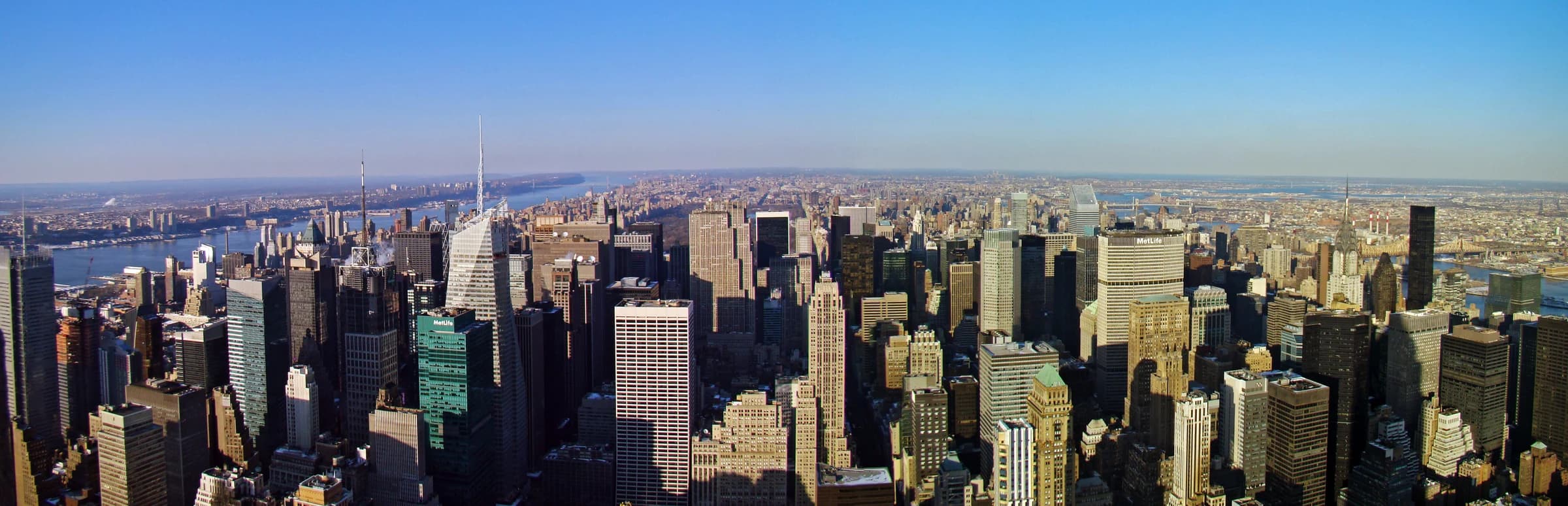
New York's subway is one of the few in the world that runs 24 hours a day, every day, a direct consequence of a century-old decision to build it with almost no redundant track for taking lines offline overnight — the whole system was designed to never fully stop.
See full guide →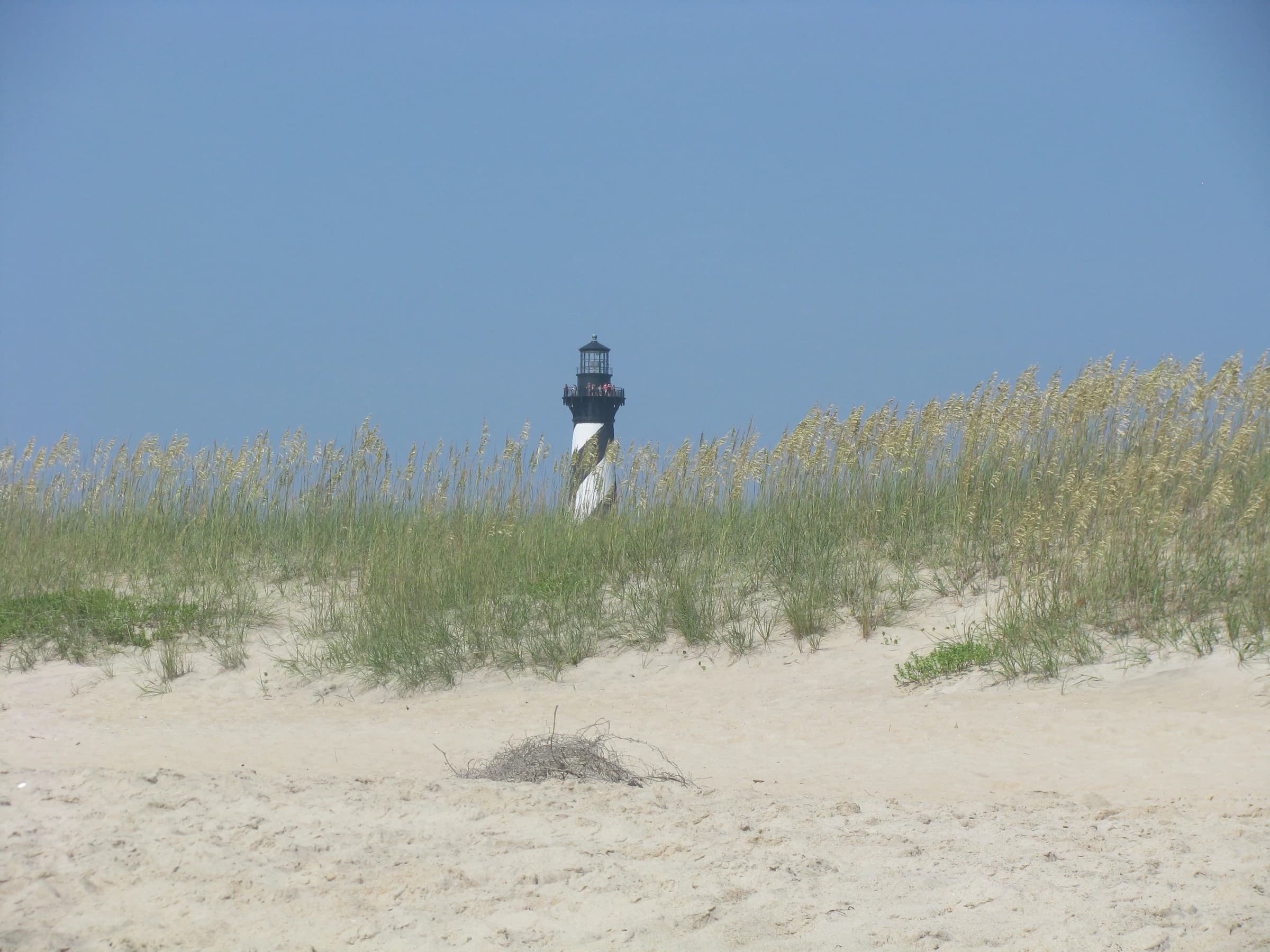 Outer Banks
Outer Banks
United States
The Wright Brothers chose the Outer Banks for the world's first powered flight in 1903 specifically for its strong, steady winds and soft sand to land on — and those same wide, windswept beaches are what Netflix later borrowed the name of for its teen-drama series, even though the show is actually filmed almost entirely in Charleston, South Carolina.
See full guide →Comparing more than one route? See the full transport comparison guide.