United States · North America
New York City
New York's subway is one of the few in the world that runs 24 hours a day, every day, a direct consequence of a century-old decision to build it with almost no redundant track for taking lines offline overnight — the whole system was designed to never fully stop.
New York's subway is one of a small handful in the world that runs genuinely 24 hours a day, every day of the year, a design decision baked in from the system's early 20th-century construction — with almost no redundant parallel track to shift trains onto, taking a line fully offline overnight was never built into the plan, so the whole network simply keeps running instead.
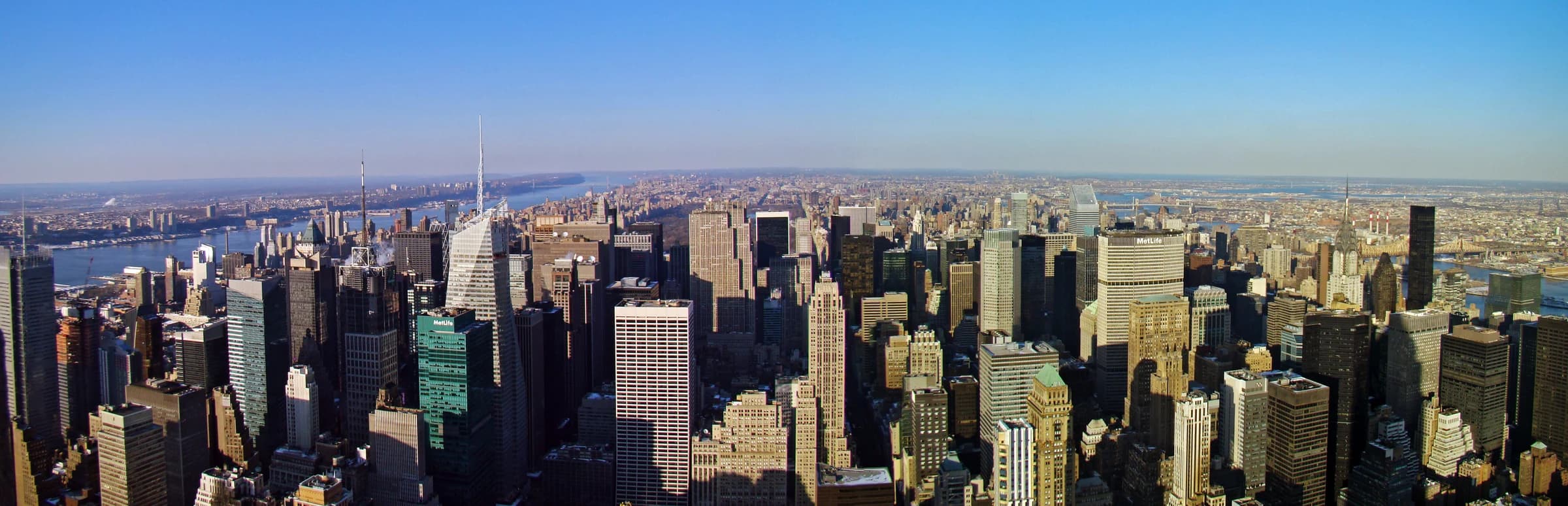
That constant motion matches the city's broader reputation, though New York's actual character shifts dramatically block by block in a way the skyline photos don't capture. Manhattan alone splits into dozens of genuinely distinct neighborhoods, from the tight tenement-era streets of the Lower East Side to the wide, museum-lined blocks along Fifth Avenue's Upper East Side, often within a ten-minute walk of each other.
Central Park, carved out of Manhattan's bedrock in the 19th century by the same landscape architect, Frederick Law Olmsted, whose work also shaped Montreal's Mount Royal park, remains the city's largest and most reliable piece of free, genuinely restorative public space, even as real estate around its edges has become some of the most valuable in the world.
Broadway theater district's roughly 40 official venues stage everything from decades-running musicals to new productions each season, and while premium tickets run genuinely expensive, same-day rush and lottery ticket systems make even top shows accessible at a fraction of the standard price for visitors willing to plan around the uncertainty.
Beyond Manhattan, boroughs like Brooklyn and Queens have absorbed much of the city's more recent creative and culinary energy — Williamsburg's waterfront and Long Island City's skyline views across the East River both draw visitors specifically looking for a different pace and perspective than the more famous Manhattan sights offer.
What a trip here actually costs
$90 / day avg.
- Hostel dorm in Manhattan or Brooklyn
- Street food and casual pizza-by-the-slice meals
- Unlimited MetroCard for subway and bus
- Free entry to major parks and the Staten Island Ferry
What to do at this tier
- • Walking the High Line and Brooklyn Bridge, both free
- • Staten Island Ferry, a free round-trip view of the Statue of Liberty
- • Central Park, largely free to explore on foot or by rented bike
$220 / day avg.
- 3-star hotel in Manhattan or nearby Brooklyn
- Broadway show ticket
- Sit-down dinners across different neighborhoods
- Museum entry, such as the Met or MoMA
What to do at this tier
- • Broadway show, from a standard-priced seat
- • The Met or MoMA, two of the city's major art museums
- • Top of the Rock or Empire State Building observation deck
$550 / day avg.
- 4-star hotel with skyline views
- Premium Broadway seats for a top show
- Tasting menu at a top-rated restaurant
- Private guided neighborhood or food tour
What to do at this tier
- • Premium Broadway seats for a top-rated current show
- • Tasting menu at a top-rated New York restaurant
- • Private guided food or architecture tour of a specific neighborhood
These are average estimates for planning purposes, not real-time prices — actual costs vary by season, availability, and how far ahead you book.
How to get there
Click anywhere on the world map — any airport works, not just our main hubs.
Click anywhere on the map above — any airport in the world works — to see estimated travel time and cost from there.
Times and prices are planning estimates, not live fares — always check a booking site before you commit. See the full Transport Comparison guide for the general tradeoffs of each mode.
Best time to visit
April-June and September-November bring the most comfortable walking weather. Summer is hot and humid; winter brings genuine cold snaps, though the city remains fully functional and popular around the December holiday season specifically.
Safety notes
Generally safe in the main tourist areas of Manhattan and Brooklyn with standard big-city precautions; the subway is safe for most riders most of the time, though normal awareness after dark and in quieter stations applies.
Visa & currency
US dollar (USD). Most Western European, UK, Australian, and several other passport holders can enter visa-free for short tourist stays under the Visa Waiver Program with an approved ESTA — worth confirming current requirements before booking.
Questions people ask before visiting
How many days do you need in New York City?
Four to five days covers a genuine mix of Manhattan's major sights, a Broadway show, and time in at least one or two other boroughs. New York rewards longer stays more than most cities, given how much genuinely different territory exists between neighborhoods a short subway ride apart.
Is New York City expensive?
Yes, consistently among the most expensive cities in the US for accommodation specifically. Food and activities span a genuinely wide range though — excellent, cheap food is easy to find citywide, and many of the best-known sights, like walking the High Line or Brooklyn Bridge, cost nothing.
What is the best time to visit New York City?
April through June and September through November bring the most comfortable weather for walking the city. Summer gets genuinely hot and humid, and winter cold snaps are common, though the city stays fully functional and arguably at its most atmospheric around the December holidays.
Which New York City neighborhoods are worth visiting beyond Manhattan?
Williamsburg and DUMBO in Brooklyn for waterfront views and a younger food and nightlife scene, and Long Island City in Queens for skyline views across the East River, are among the most commonly recommended stops outside Manhattan for first-time visitors with extra time.
Nearby destinations
 Miami
MiamiMiami
United States
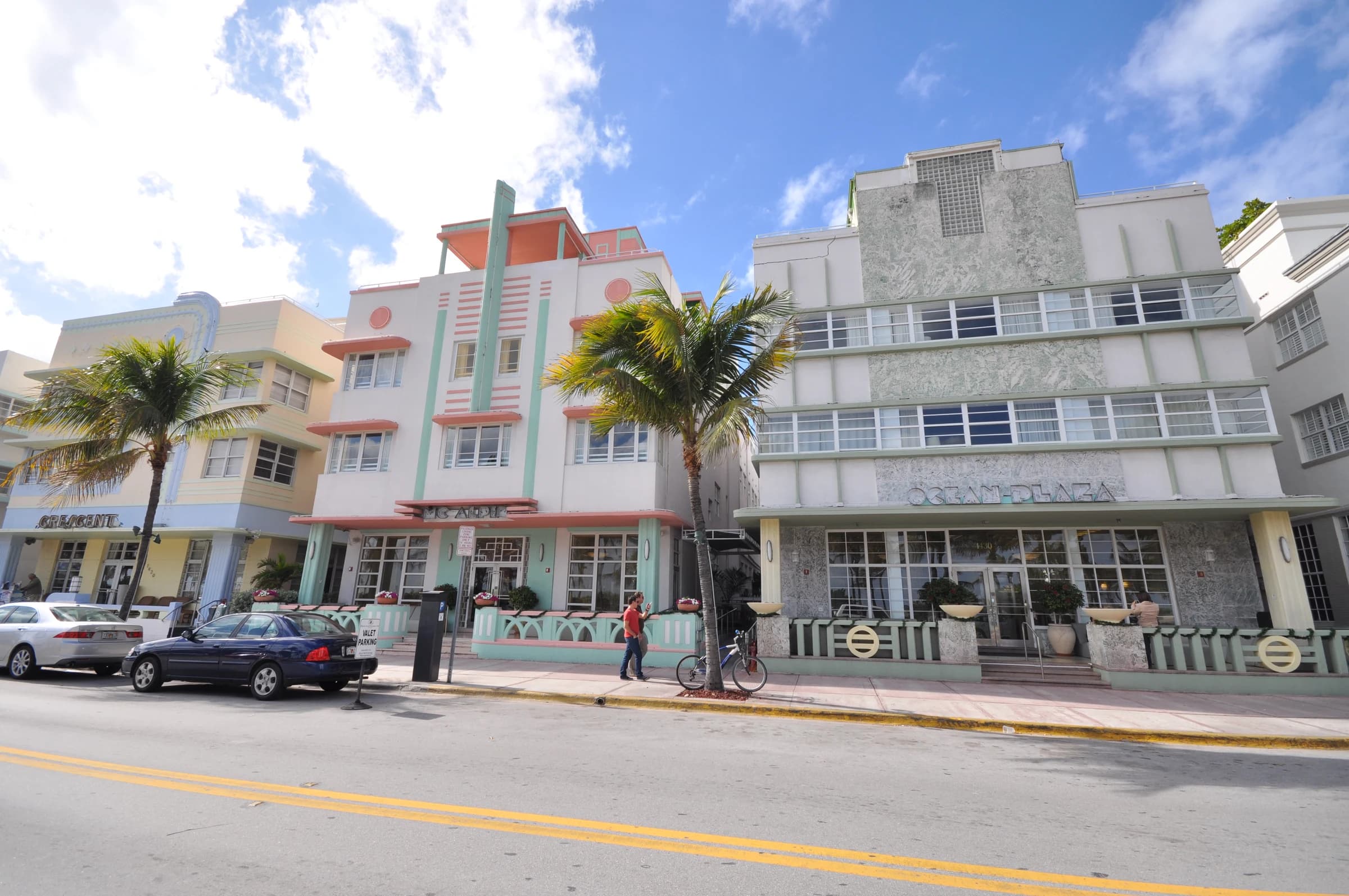
South Beach holds the largest concentration of Art Deco architecture anywhere in the world, roughly 800 pastel-colored buildings from the 1920s-40s that were nearly demolished for parking lots in the 1970s before a local preservation campaign saved the entire district.
See full guide →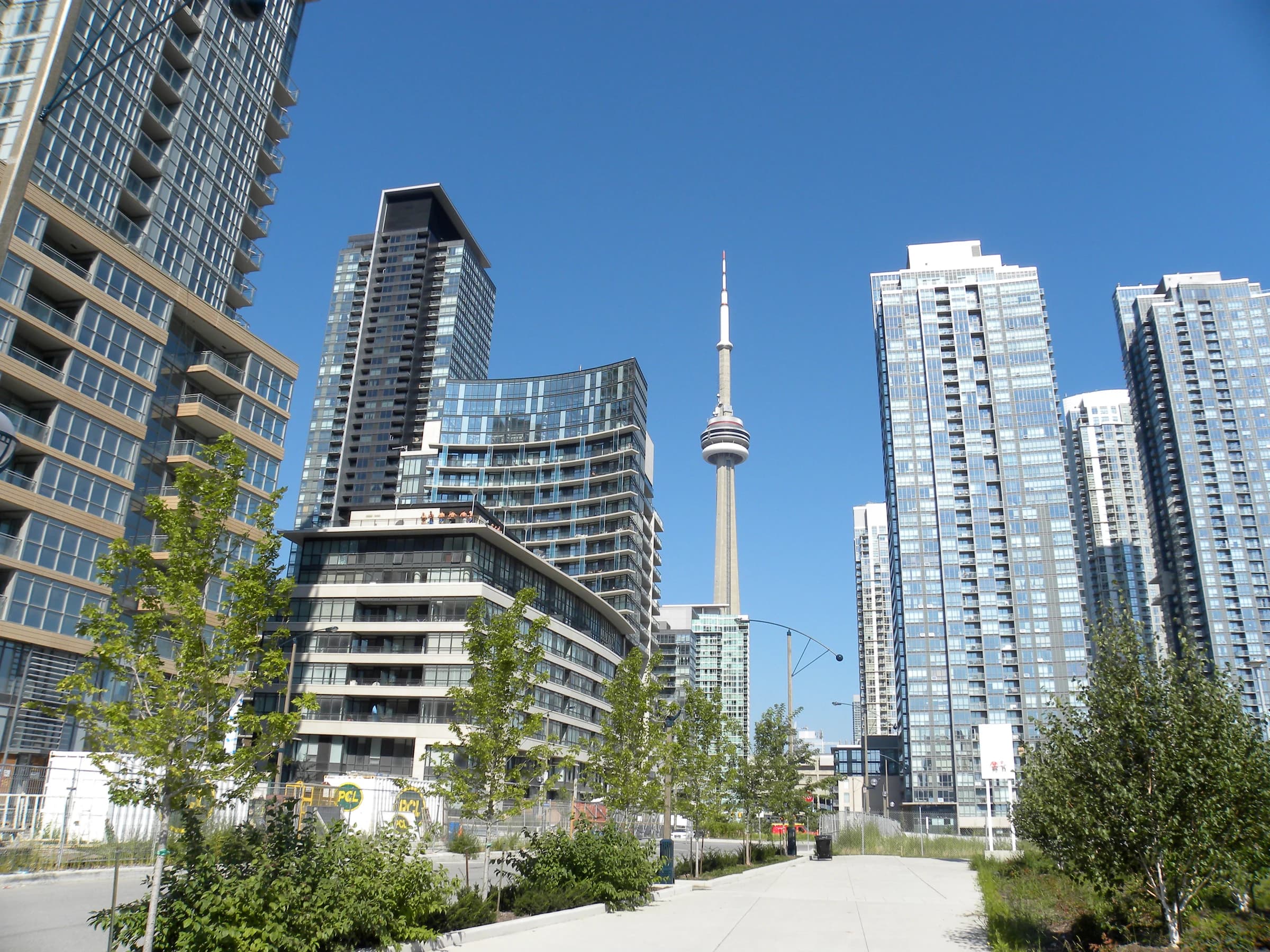 Toronto
Toronto
Canada
More than half of Toronto's residents were born outside Canada, a proportion higher than almost any other major city on Earth — and the CN Tower, once the world's tallest freestanding structure, still lets visitors walk a hands-free loop around its outer edge 356 meters up.
See full guide →Comparing more than one route? See the full transport comparison guide.