Canada · North America
Toronto
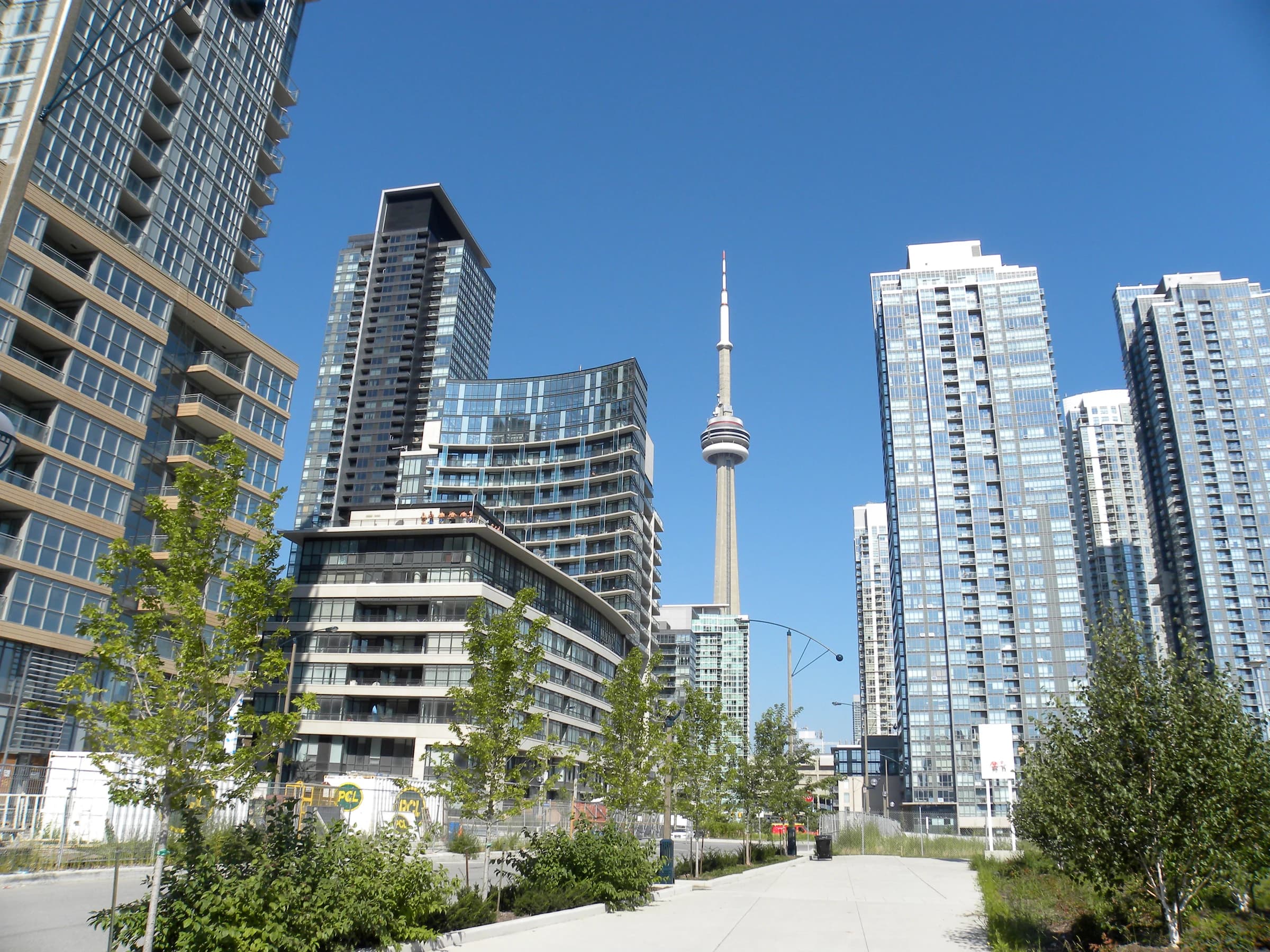
More than half of Toronto's residents were born outside Canada, a proportion higher than almost any other major city on Earth — and the CN Tower, once the world's tallest freestanding structure, still lets visitors walk a hands-free loop around its outer edge 356 meters up.
Toronto's population statistics genuinely stand out even among famously diverse global cities — more than half of its residents were born outside Canada, and the city routinely tops international rankings for ethnic and linguistic diversity. That diversity shows up directly in the food and neighborhood scene, where a single subway ride can move from Chinatown to Little Italy to Greektown without ever leaving the downtown core.
The CN Tower has anchored the skyline since 1976, when it opened as the world's tallest freestanding structure, a title it held for over three decades. Beyond the standard observation deck and its unnerving glass floor panel, the tower offers the EdgeWalk, a hands-free walk around a narrow ledge circling the outside of the structure 356 meters up, participants clipped to an overhead rail rather than holding anything themselves.
Toronto's brutally cold winters shaped one of its more distinctive pieces of infrastructure: the PATH, an underground pedestrian network stretching roughly 30 kilometers beneath downtown, connecting office towers, shopping, and subway stations without anyone needing to step outside — reportedly the largest underground shopping complex in the world by retail space.
Kensington Market, a dense grid of narrow streets just west of Chinatown, has resisted the more polished redevelopment seen elsewhere downtown, staying a genuinely lived-in mix of vintage clothing shops, global food stalls, and independent businesses that draws both longtime residents and visitors looking for something less curated.
The Distillery District, a cluster of restored Victorian-era industrial buildings that once housed one of the British Empire's largest distilleries, has been fully pedestrianized and repurposed into galleries, restaurants, and shops — cobblestone streets and brick warehouse architecture that stand out from the glass towers surrounding the rest of downtown.
What a trip here actually costs
$70 / day avg.
- Hostel dorm downtown
- Meals from Kensington Market or Chinatown food stalls
- TTC public transit day pass
- Free waterfront and park access
What to do at this tier
- • Kensington Market's food stalls and vintage shops, free to wander
- • Toronto Islands, reached by a short ferry, with free beaches and skyline views
- • High Park, the city's largest green space
$160 / day avg.
- 3-star hotel downtown
- CN Tower observation deck entry
- Sit-down dinners across different neighborhood cuisines
- Toronto Islands ferry trip
What to do at this tier
- • CN Tower observation deck, including the glass floor
- • Distillery District's restored Victorian industrial architecture and galleries
- • St. Lawrence Market, a major food hall for local specialties
$400 / day avg.
- 4-star hotel with skyline views
- CN Tower EdgeWalk experience
- Tasting menu at a top-rated restaurant
- Private neighborhood food tour
What to do at this tier
- • CN Tower EdgeWalk, a hands-free walk around the tower's outer ledge
- • Tasting menu at one of the city's internationally recognized restaurants
- • Private guided food tour across several immigrant-community neighborhoods
These are average estimates for planning purposes, not real-time prices — actual costs vary by season, availability, and how far ahead you book.
How to get there
Click anywhere on the world map — any airport works, not just our main hubs.
Click anywhere on the map above — any airport in the world works — to see estimated travel time and cost from there.
Times and prices are planning estimates, not live fares — always check a booking site before you commit. See the full Transport Comparison guide for the general tradeoffs of each mode.
Best time to visit
May through September brings warm, comfortable weather for walking the city. Winters are genuinely cold, often well below freezing, which shapes a lot of the city's underground PATH network of pedestrian tunnels.
Safety notes
Very safe by major-city standards with low violent crime; standard urban precautions apply, particularly around Yonge-Dundas Square and nightlife areas late at night.
Visa & currency
Canadian dollar (CAD). US and most Western European passport holders can typically enter visa-free for tourist stays, though an Electronic Travel Authorization (eTA) is required for visa-exempt air travelers — worth confirming current requirements before booking.
Questions people ask before visiting
What is the CN Tower EdgeWalk?
A hands-free walk around a narrow ledge encircling the CN Tower's outer rim, 356 meters above the ground, with participants clipped to an overhead safety rail. It's a separate, additional experience from the standard observation deck visit, and not for anyone with a serious fear of heights.
Toronto or Montreal — which should I visit?
Toronto is Canada's largest city and financial center, with a genuinely international, multicultural food and neighborhood scene. Montreal leans into its French-Canadian identity, older European-feeling architecture, and a more European pace of life. Many visitors combine both on a longer Canadian trip rather than choosing one over the other.
Is Toronto expensive?
Yes, among the more expensive Canadian and North American cities, particularly for accommodation — though genuinely affordable eating is easy to find across its many immigrant-community neighborhoods, from Chinatown to Little Italy to Kensington Market.
What neighborhoods should I visit in Toronto?
Kensington Market for a dense, walkable mix of vintage shops and global food stalls, the Distillery District for restored Victorian-era industrial architecture now full of galleries and restaurants, and Queen Street West for shopping and nightlife are the most commonly recommended starting points.
Nearby destinations
 Montreal
Montreal
Canada
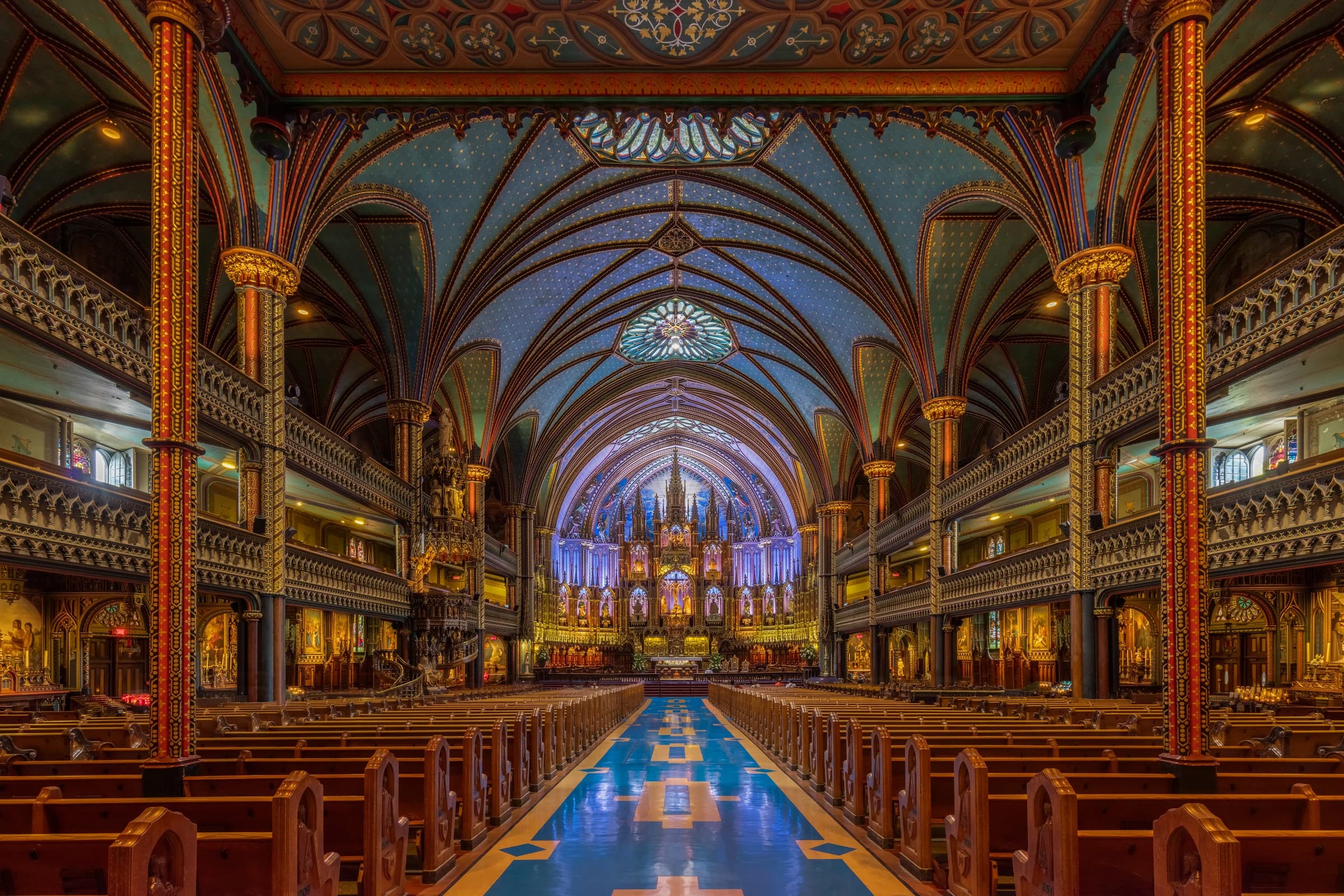
Montreal is the largest French-speaking city in the Americas and second-largest in the world after Paris, and its 32-kilometer underground city — a genuine response to brutal winters — connects metro stations, shopping, and offices without anyone needing to step outside for months at a time.
See full guide →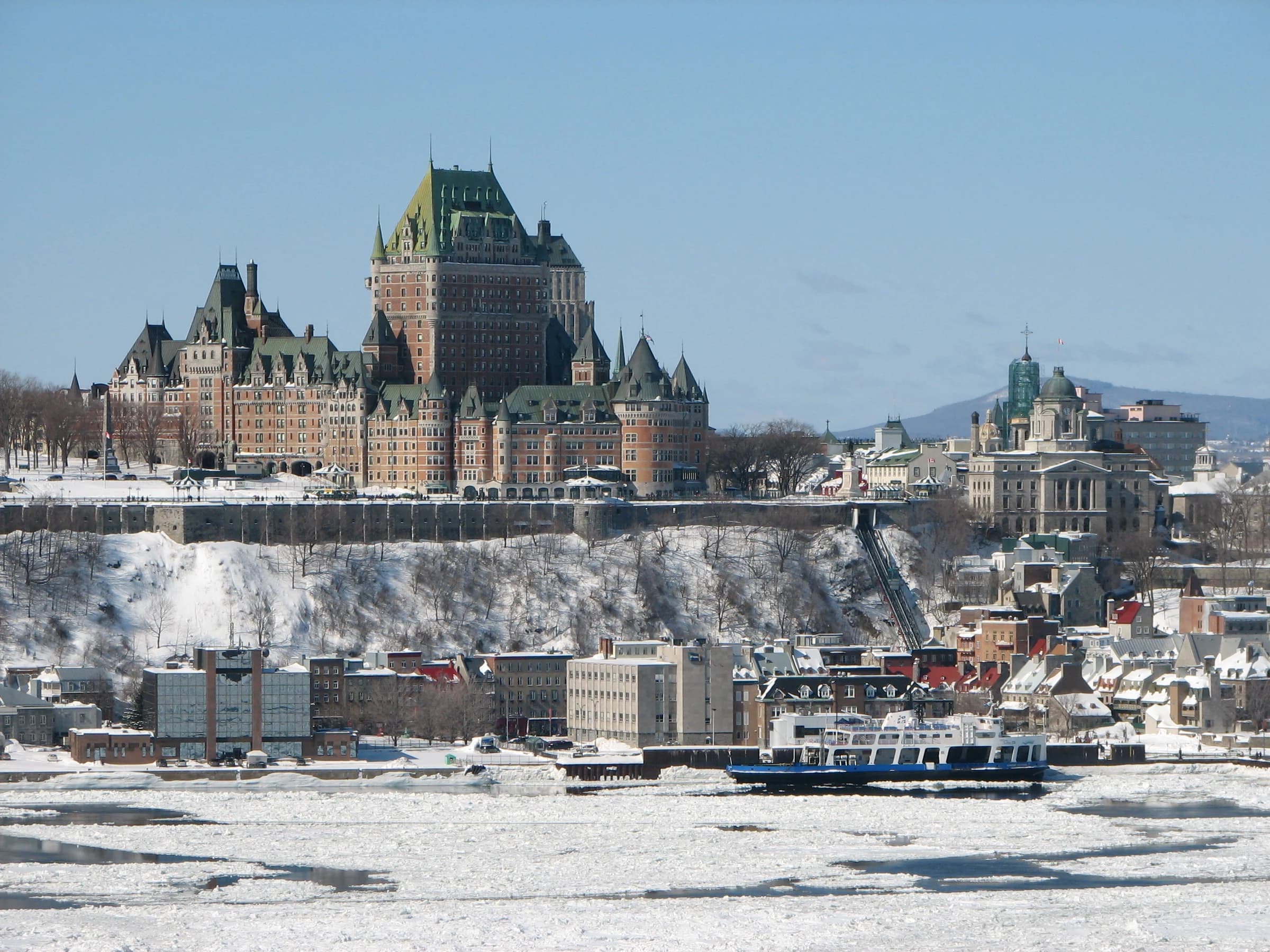 Quebec City
Quebec City
Canada
Quebec City is the only walled city north of Mexico left in North America, its ramparts still fully intact around a UNESCO-listed old town founded by Samuel de Champlain in 1608 — and the Château Frontenac hotel looming over it is, by some counts, the most photographed hotel on Earth.
See full guide →Comparing more than one route? See the full transport comparison guide.