Canada · North America
Montreal
Montreal is the largest French-speaking city in the Americas and second-largest in the world after Paris, and its 32-kilometer underground city — a genuine response to brutal winters — connects metro stations, shopping, and offices without anyone needing to step outside for months at a time.
Montreal holds a genuine linguistic distinction: it's the largest French-speaking city anywhere in the Americas, and the second-largest in the world after Paris itself. That French-Canadian identity shapes the city well beyond language — street signs, café culture, and a distinct culinary tradition all set it apart from the rest of English-speaking Canada.
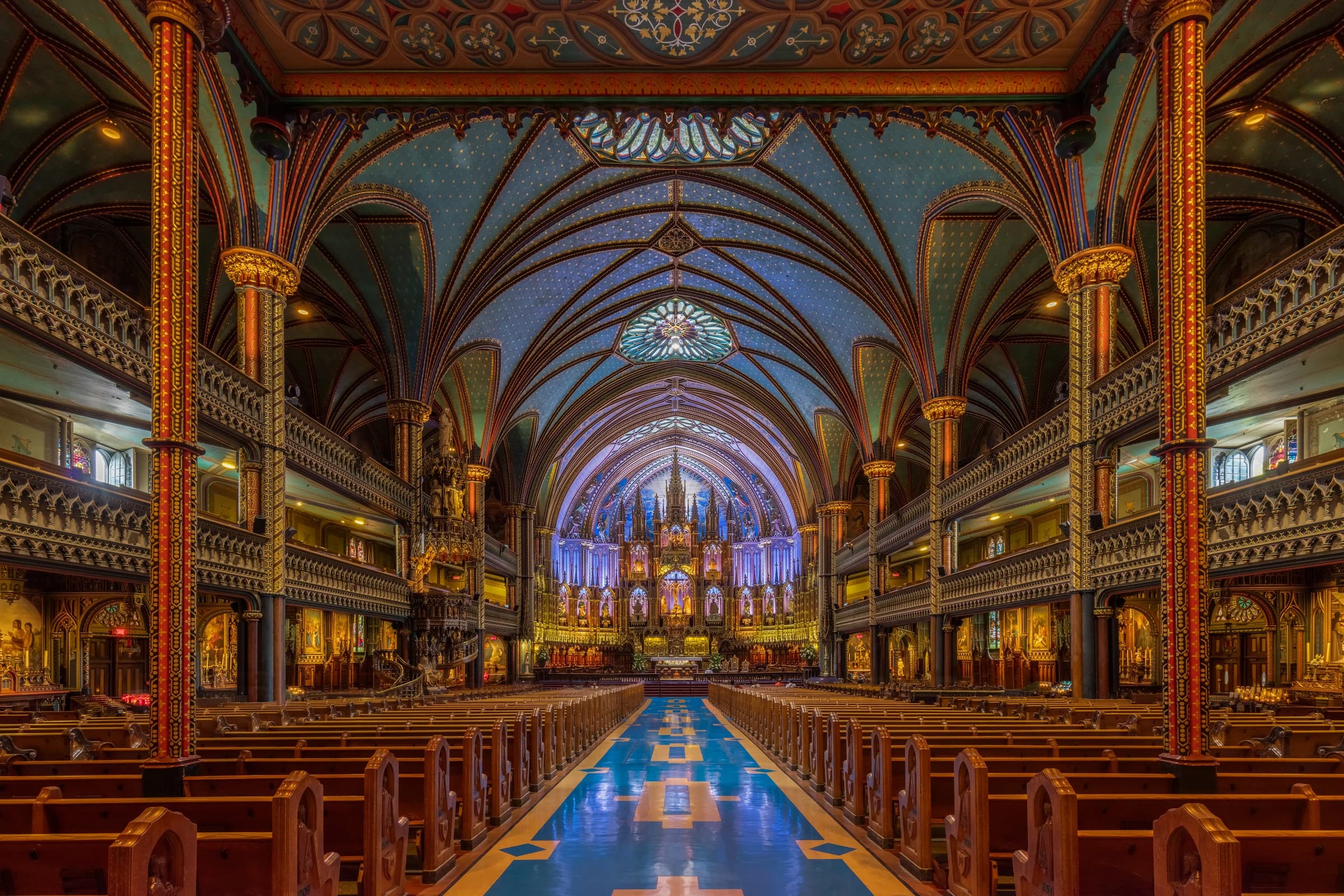
Old Montreal, the city's original 17th- and 18th-century core along the St. Lawrence River, preserves cobblestone streets and stone architecture dense enough to give it a genuinely European feel, anchored by the Notre-Dame Basilica's dramatically ornate interior, one of the most visited religious sites in Canada.
Montreal's brutal winters produced one of its more distinctive pieces of infrastructure: a roughly 32-kilometer underground city connecting metro stations, shopping centers, and office towers, letting residents move across large parts of downtown without stepping outside during the coldest months — a scale of underground pedestrian network matched by few other cities in the world.
The city's bagel tradition runs on a genuine, decades-long rivalry between two bakeries, both open since the early 1900s, each boiling their dough in honey-sweetened water before baking it in a wood-fired oven — a process that produces a smaller, denser, sweeter result than the steam-baked New York bagel, and a distinction Montrealers take seriously.
Mount Royal, the hill the city takes its name from, rises directly behind downtown and holds a large park designed by Frederick Law Olmsted, the same landscape architect behind New York's Central Park — its lookout point remains one of the most reliable free views over the entire city and the St. Lawrence River beyond it.
What a trip here actually costs
$60 / day avg.
- Hostel dorm in the Plateau or Old Montreal
- Bagels and casual poutine meals
- STM public transit day pass
- Mount Royal park access, free
What to do at this tier
- • Old Montreal's cobblestone streets and waterfront, free to walk
- • Mount Royal park, including the lookout over downtown
- • Jean-Talon Market for local produce and casual food
$140 / day avg.
- 3-star hotel in Old Montreal or downtown
- Notre-Dame Basilica light show entry
- Sit-down dinners at Plateau bistros
- Bike rental along the riverside path
What to do at this tier
- • Notre-Dame Basilica, including its evening light and sound show
- • Bike ride along the Lachine Canal riverside path
- • Bagel bakery visit at one of the two historic competing shops
$350 / day avg.
- Boutique hotel in a restored Old Montreal building
- Private guided food tour across several neighborhoods
- Tasting menu at a top-rated French-Canadian restaurant
- Horse-drawn carriage tour of Old Montreal
What to do at this tier
- • Private guided food tour spanning the Plateau, Mile End, and Old Montreal
- • Tasting menu at a top-rated French-Canadian restaurant
- • Horse-drawn carriage tour through Old Montreal's historic streets
These are average estimates for planning purposes, not real-time prices — actual costs vary by season, availability, and how far ahead you book.
How to get there
Click anywhere on the world map — any airport works, not just our main hubs.
Click anywhere on the map above — any airport in the world works — to see estimated travel time and cost from there.
Times and prices are planning estimates, not live fares — always check a booking site before you commit. See the full Transport Comparison guide for the general tradeoffs of each mode.
Best time to visit
June through September brings warm, comfortable weather and most of the city's festival season. Winters are genuinely harsh, often well below freezing for extended stretches, which shaped the underground city in the first place.
Safety notes
Very safe by major-city standards with low violent crime; standard urban precautions apply, particularly in nightlife districts late at night.
Visa & currency
Canadian dollar (CAD). French is the predominant language, though English is widely understood in tourist areas. US and most Western European passport holders can typically enter visa-free for tourist stays, though an Electronic Travel Authorization (eTA) is required for visa-exempt air travelers — worth confirming current requirements before booking.
Questions people ask before visiting
What makes Montreal bagels different from New York bagels?
Montreal bagels are boiled in honey-sweetened water and baked in a wood-fired oven, producing a smaller, denser, sweeter bagel with a more pronounced char than the steam-baked New York version. Two competing bakeries, both open since the early 20th century, are still the standard local reference points.
Is Montreal safe?
Yes, generally very safe with low violent crime by major-city standards; standard urban precautions apply, particularly late at night in nightlife-heavy areas like the Quartier des Spectacles.
What is Old Montreal known for?
The city's original 17th- and 18th-century core, with cobblestone streets, the Notre-Dame Basilica's dramatic interior, and stone architecture that gives it a genuinely European feel distinct from most North American downtowns. It's now the main hub for restaurants, boutique hotels, and horse-drawn carriage tours.
How many days do you need in Montreal?
Three to four days covers Old Montreal, Mount Royal, and the food scene across a couple of neighborhoods. It pairs naturally with Quebec City as part of a longer trip through French Canada.
Nearby destinations
 Quebec City
Quebec City
Canada
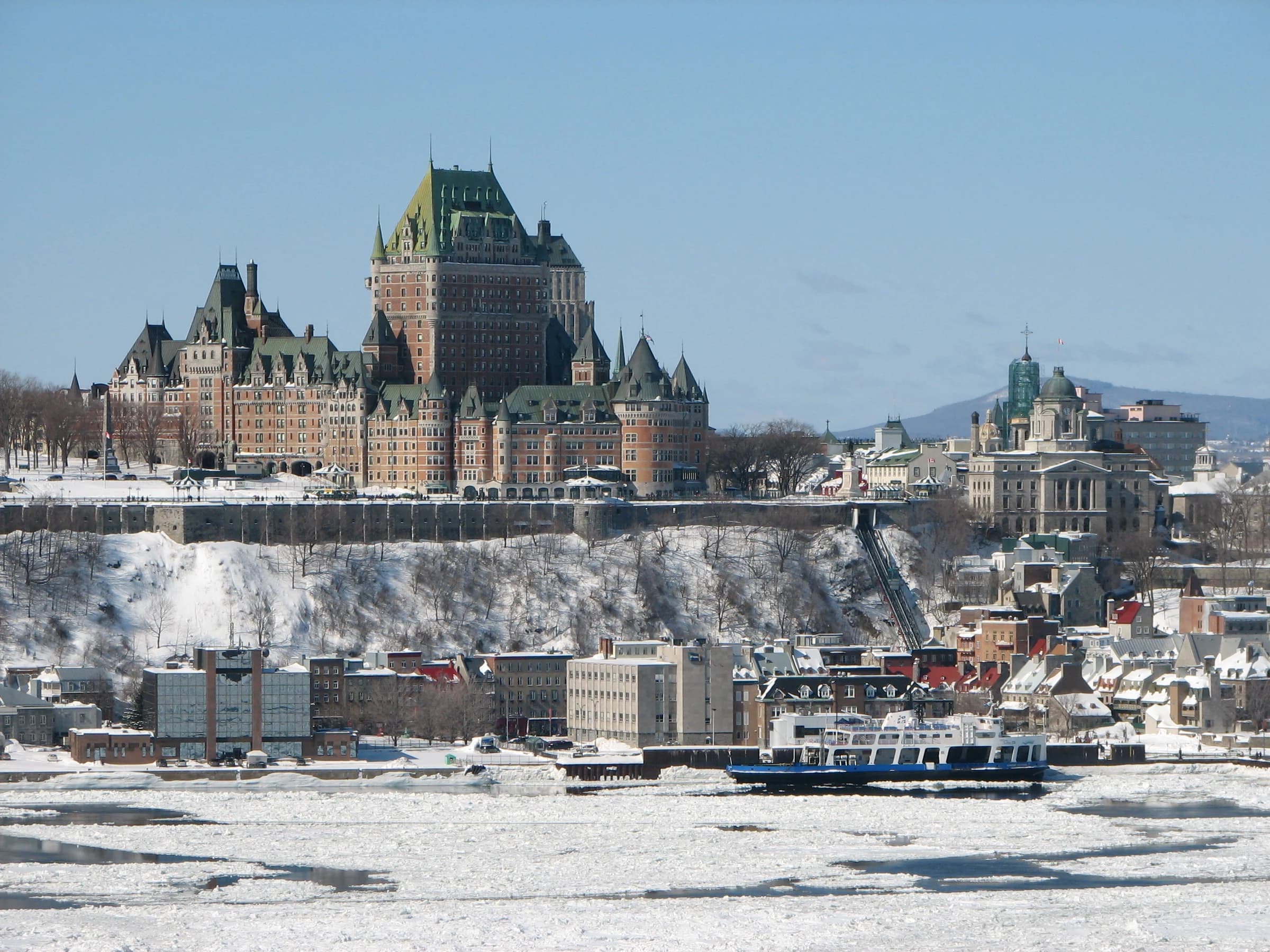
Quebec City is the only walled city north of Mexico left in North America, its ramparts still fully intact around a UNESCO-listed old town founded by Samuel de Champlain in 1608 — and the Château Frontenac hotel looming over it is, by some counts, the most photographed hotel on Earth.
See full guide →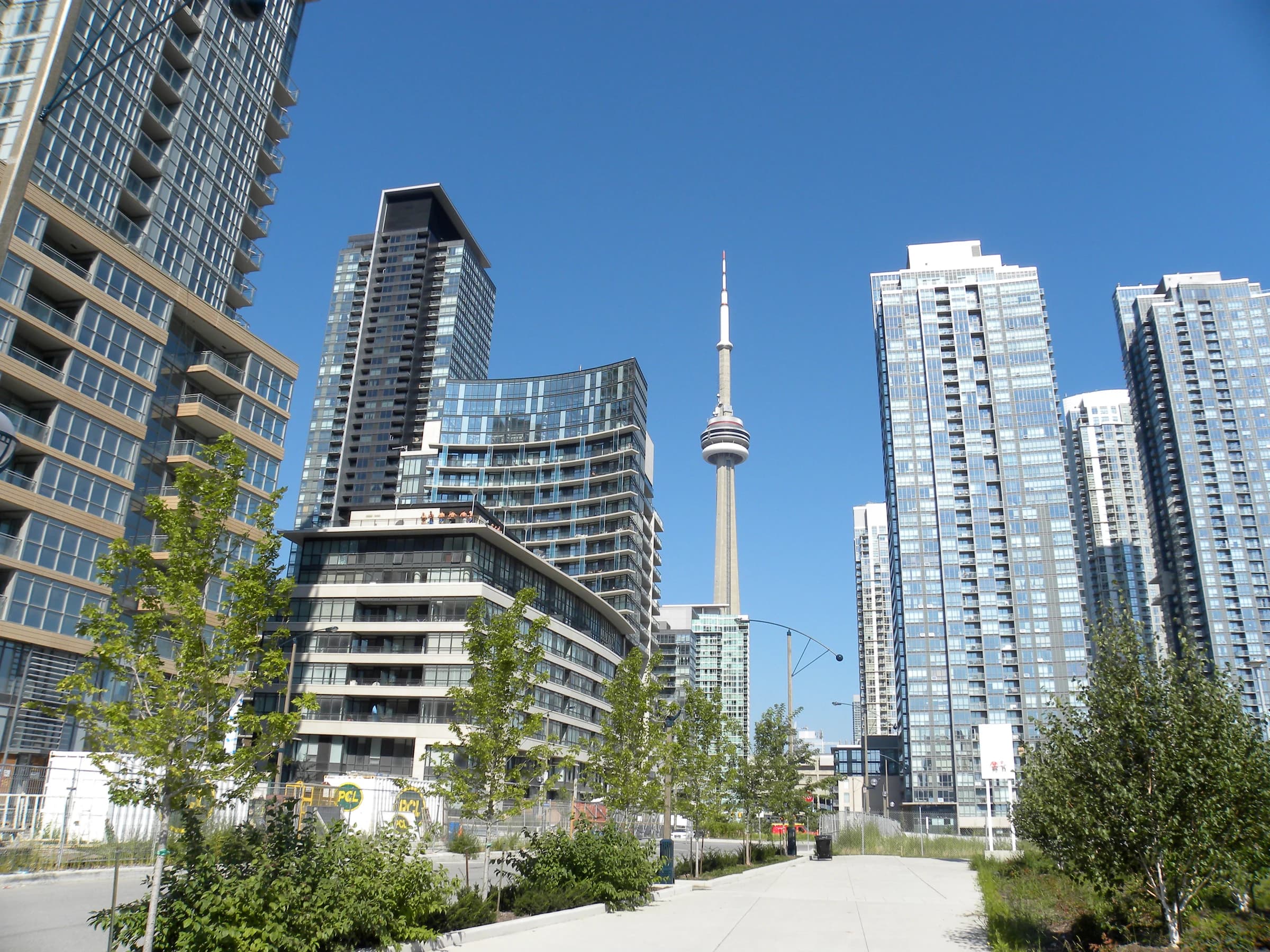 Toronto
Toronto
Canada
More than half of Toronto's residents were born outside Canada, a proportion higher than almost any other major city on Earth — and the CN Tower, once the world's tallest freestanding structure, still lets visitors walk a hands-free loop around its outer edge 356 meters up.
See full guide →Comparing more than one route? See the full transport comparison guide.