Canada · North America
Quebec City
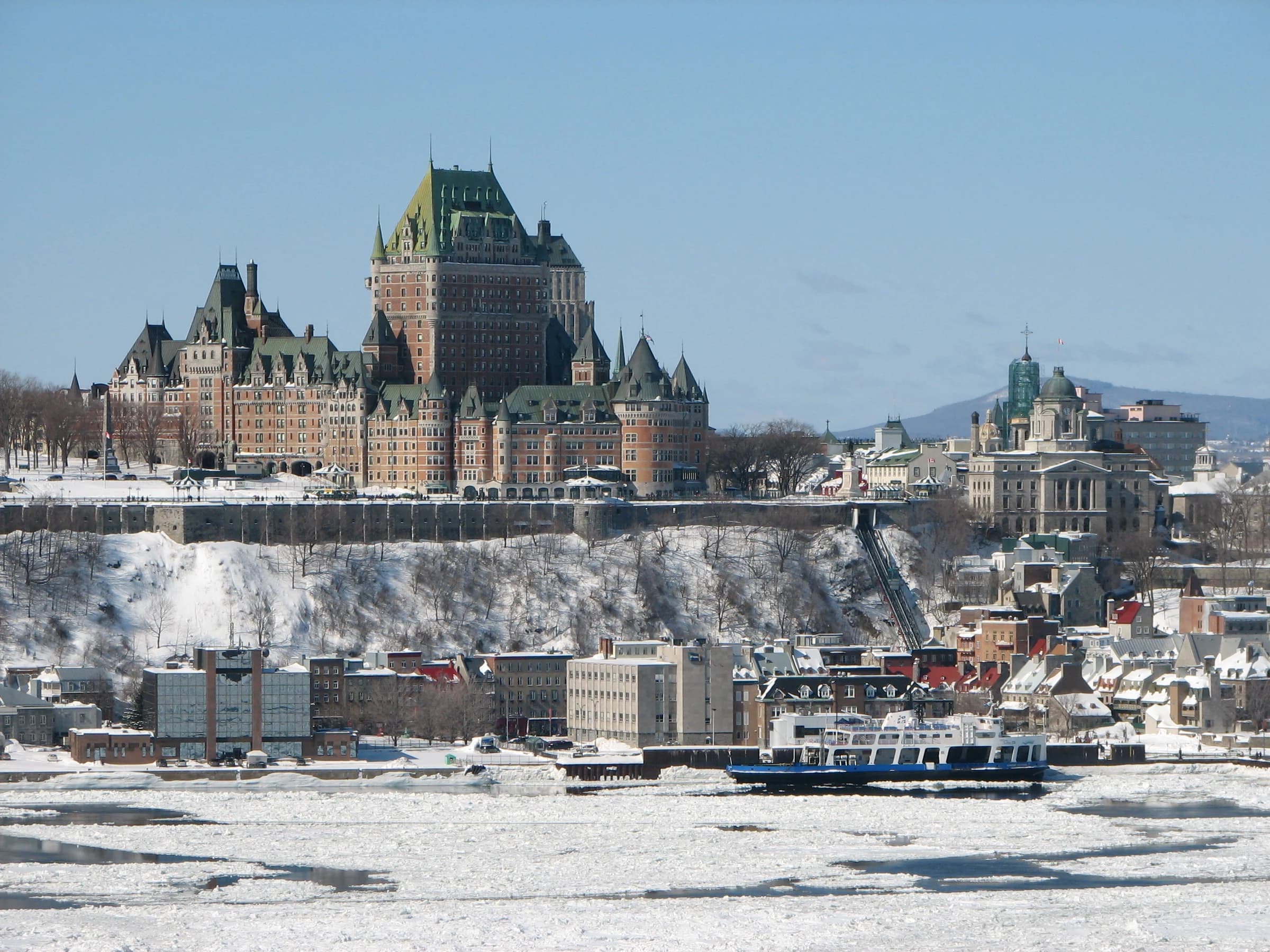
Quebec City is the only walled city north of Mexico left in North America, its ramparts still fully intact around a UNESCO-listed old town founded by Samuel de Champlain in 1608 — and the Château Frontenac hotel looming over it is, by some counts, the most photographed hotel on Earth.
Quebec City holds a distinction no other city in North America can claim: it's the only walled city north of Mexico with its fortifications still fully intact, ramparts that have circled the old town since French colonial engineers built them centuries ago. Samuel de Champlain founded the settlement in 1608, and UNESCO recognized the historic district as a World Heritage Site among the first such designations anywhere in North America.
The Château Frontenac dominates that skyline from its position on the cliff above the St. Lawrence River, a grand railway-era hotel completed in 1893 in a châteauesque style of steep copper roofs and turrets. It remains a fully functioning hotel today, and by some counts is the most photographed hotel anywhere in the world.
The old town splits into Upper Town, where the Château Frontenac and most fortifications sit, and Lower Town, the original riverside settlement, connected by a funicular that saves visitors the steep climb between the two. Petit-Champlain, a narrow commercial street in Lower Town, is often cited as one of the oldest shopping streets in North America.
Unlike much of Canada, Quebec City leans into its winters rather than simply enduring them. The Quebec Winter Carnival, held annually since 1955, has grown into one of the largest winter festivals in the world, built around ice sculptures, a giant snow slide through the old town, night parades, and Bonhomme, the carnival's snowman mascot, who has become a genuine local icon in his own right.
The city's French-Canadian identity runs even deeper here than in Montreal — French is more consistently the everyday language of daily life, and the old town's stone architecture, narrow streets, and fortified walls give it an atmosphere that visitors frequently describe as feeling more European than North American.
What a trip here actually costs
$140 / day avg.
- 3-star hotel within or near the old town walls
- Guided walking tour of the fortifications
- Sit-down dinners featuring Quebecois cuisine
- Funicular ride between Upper and Lower Town
What to do at this tier
- • Old town walls and fortifications, walkable largely for free
- • Petit-Champlain, one of the oldest commercial streets in North America
- • Funicular ride connecting Upper Town and Lower Town
$350 / day avg.
- Room at the Château Frontenac or a comparable historic hotel
- Private guided history tour of the old town and fortifications
- Tasting menu at a top-rated Quebecois restaurant
- Day trip to Montmorency Falls
What to do at this tier
- • Private guided history tour covering the fortifications and old town
- • Day trip to Montmorency Falls, taller than Niagara Falls
- • Tasting menu at a top-rated Quebecois restaurant inside the old town
These are average estimates for planning purposes, not real-time prices — actual costs vary by season, availability, and how far ahead you book.
How to get there
Click anywhere on the world map — any airport works, not just our main hubs.
Click anywhere on the map above — any airport in the world works — to see estimated travel time and cost from there.
Times and prices are planning estimates, not live fares — always check a booking site before you commit. See the full Transport Comparison guide for the general tradeoffs of each mode.
Best time to visit
June through September brings warm, comfortable weather for walking the old town. Winters are genuinely cold but embraced rather than avoided locally, centered around the Quebec Winter Carnival each February.
Safety notes
Very safe with low crime; the compact, walkable old town makes it one of the easier North American cities to navigate confidently at any hour.
Visa & currency
Canadian dollar (CAD). French is the predominant and often primary language, more so than in Montreal, so a few basic French phrases go further here. US and most Western European passport holders can typically enter visa-free for tourist stays, though an Electronic Travel Authorization (eTA) is required for visa-exempt air travelers — worth confirming current requirements before booking.
Questions people ask before visiting
Why is Quebec City's old town a UNESCO site?
It's recognized as the best-preserved example of a fortified colonial city in North America, with its ramparts still fully intact, a status few other cities on the continent share after 400 years of development. The historic district was among the first sites in North America added to the UNESCO World Heritage list.
What is the Château Frontenac?
A grand railway-era hotel completed in 1893, built in a châteauesque style with steep copper roofs and turrets that dominate the old town's skyline from its position on the cliff above the St. Lawrence River. It's still a functioning hotel today, and by some counts the most photographed hotel in the world.
Quebec City or Montreal — which should I visit?
Quebec City is smaller, more purely historic, and feels more distinctly European within its walled old town. Montreal is larger, more cosmopolitan, and has a stronger food and nightlife scene. Many visitors combine both, given they're roughly a three-hour drive or train ride apart.
What is Quebec Winter Carnival?
One of the world's largest winter festivals, held annually since 1955, featuring ice sculptures, a giant snow slide, night parades, and Bonhomme, the carnival's snowman mascot. It draws visitors specifically for the cold months when much of the city embraces rather than hides from the winter.
Nearby destinations
 Montreal
Montreal
Canada
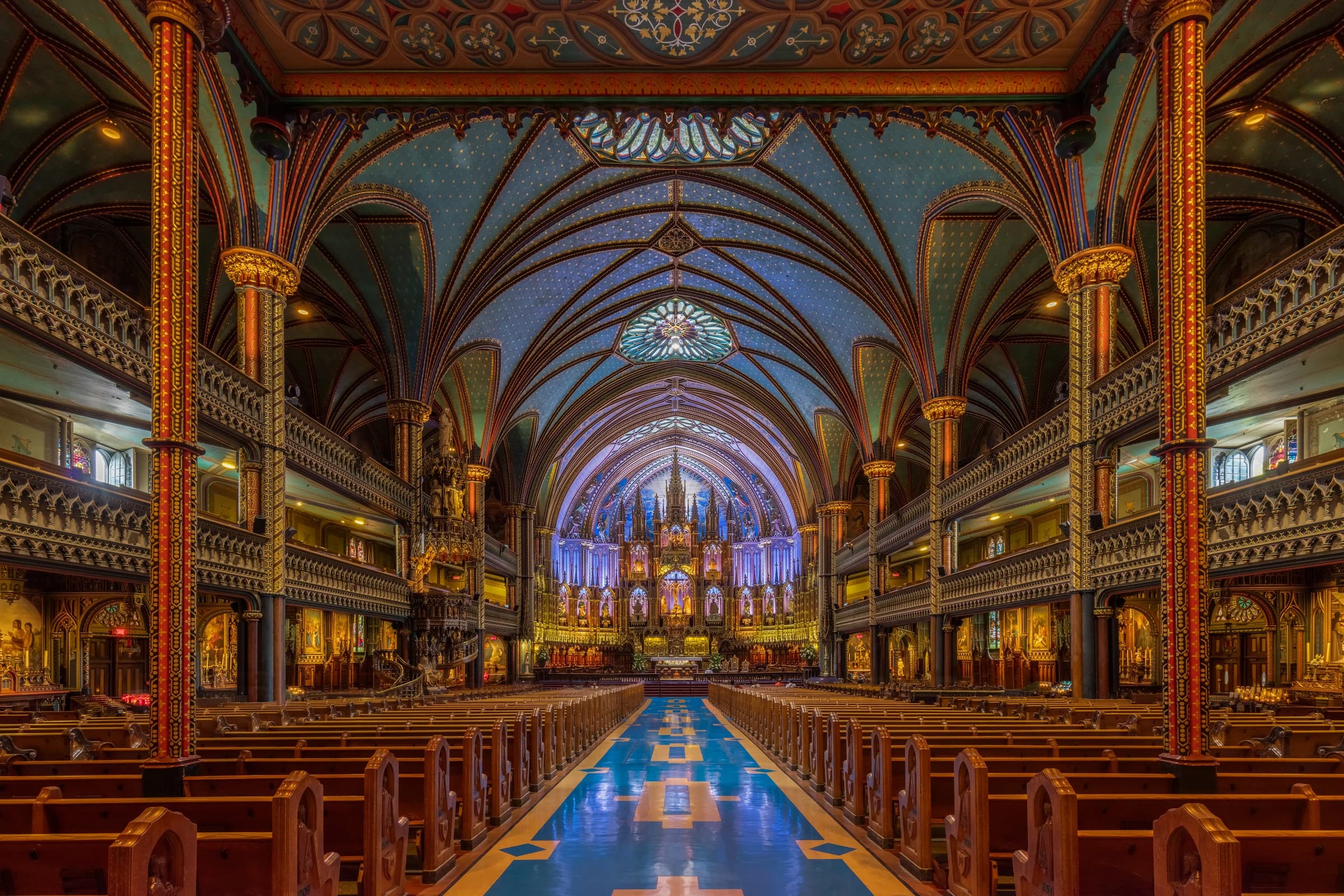
Montreal is the largest French-speaking city in the Americas and second-largest in the world after Paris, and its 32-kilometer underground city — a genuine response to brutal winters — connects metro stations, shopping, and offices without anyone needing to step outside for months at a time.
See full guide →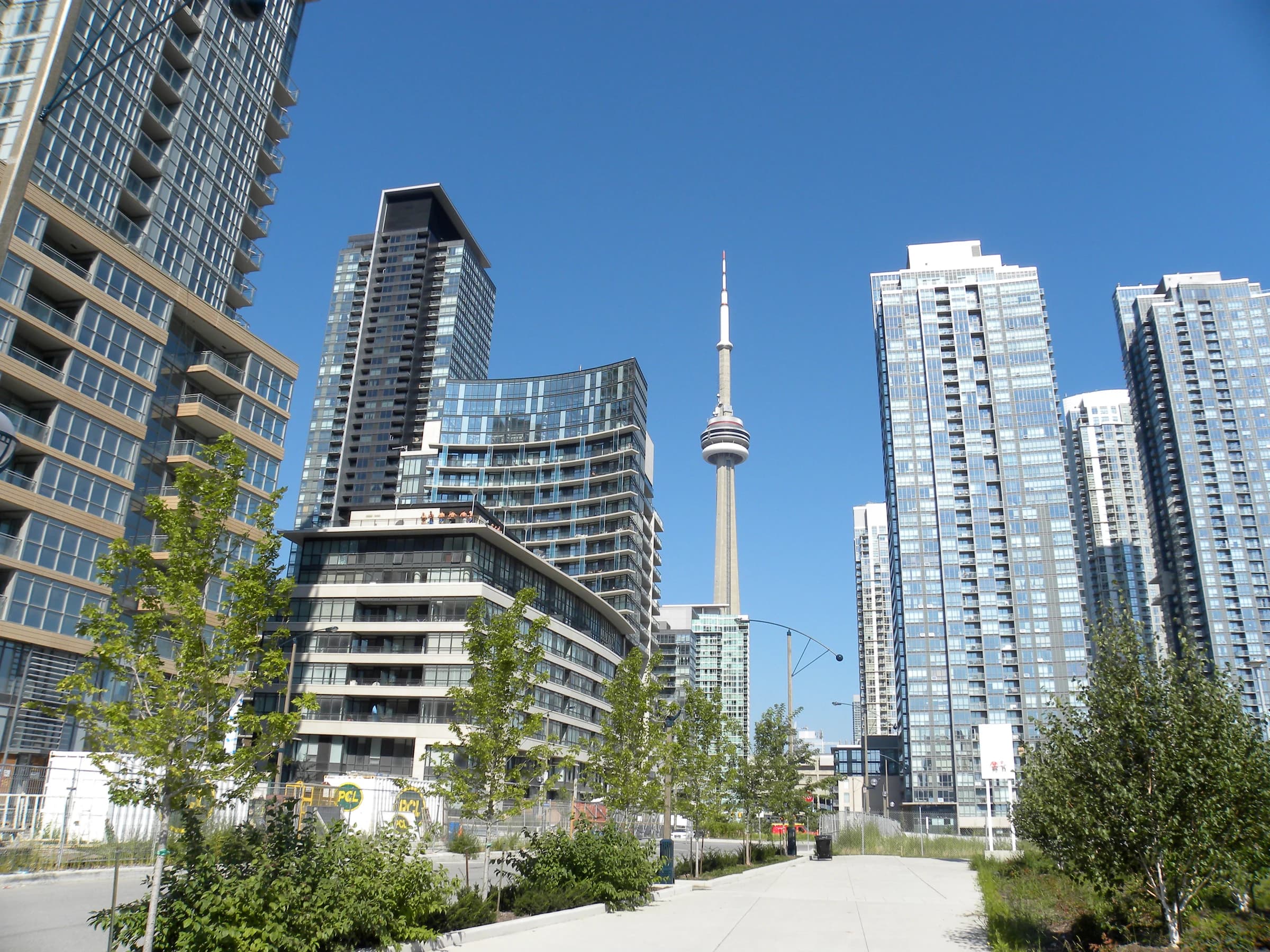 Toronto
Toronto
Canada
More than half of Toronto's residents were born outside Canada, a proportion higher than almost any other major city on Earth — and the CN Tower, once the world's tallest freestanding structure, still lets visitors walk a hands-free loop around its outer edge 356 meters up.
See full guide →Comparing more than one route? See the full transport comparison guide.