United States · North America
Outer Banks
The Wright Brothers chose the Outer Banks for the world's first powered flight in 1903 specifically for its strong, steady winds and soft sand to land on — and those same wide, windswept beaches are what Netflix later borrowed the name of for its teen-drama series, even though the show is actually filmed almost entirely in Charleston, South Carolina.
The Outer Banks is a roughly 200-mile chain of narrow barrier islands off North Carolina's coast, separated from the mainland by wide sounds and connected to each other by a mix of bridges and, in places, nothing but a ferry ride. That isolation is part of the appeal — even the most developed parts of the islands stay narrow enough that the ocean and the sound are often both visible from the same road.
The islands hold a genuinely significant piece of aviation history. Orville and Wilbur Wright chose Kitty Hawk and the nearby dune at Kill Devil Hills for their flight experiments specifically because of the area's strong, steady, predictable winds and soft sand for landing, and on December 17, 1903, they completed the first sustained, controlled flights of a powered aircraft there. The Wright Brothers National Memorial now marks the exact spot, with granite markers showing how far each of that day's four flights traveled.
Netflix borrowed the Outer Banks name and general coastal, small-town setting for its teen-drama series, but the show is actually filmed almost entirely around Charleston, South Carolina, standing in for the fictional island of Kildare — a detail that surprises a lot of visitors who arrive expecting to recognize specific filming locations from the show.
Further north, a protected herd of wild Spanish mustangs roams the beaches around Corolla, descendants of horses brought by Spanish colonists centuries ago that have run wild on these islands ever since. The area they inhabit has no paved roads, reachable only by four-wheel-drive vehicle, which has helped keep the herd's habitat largely undeveloped.
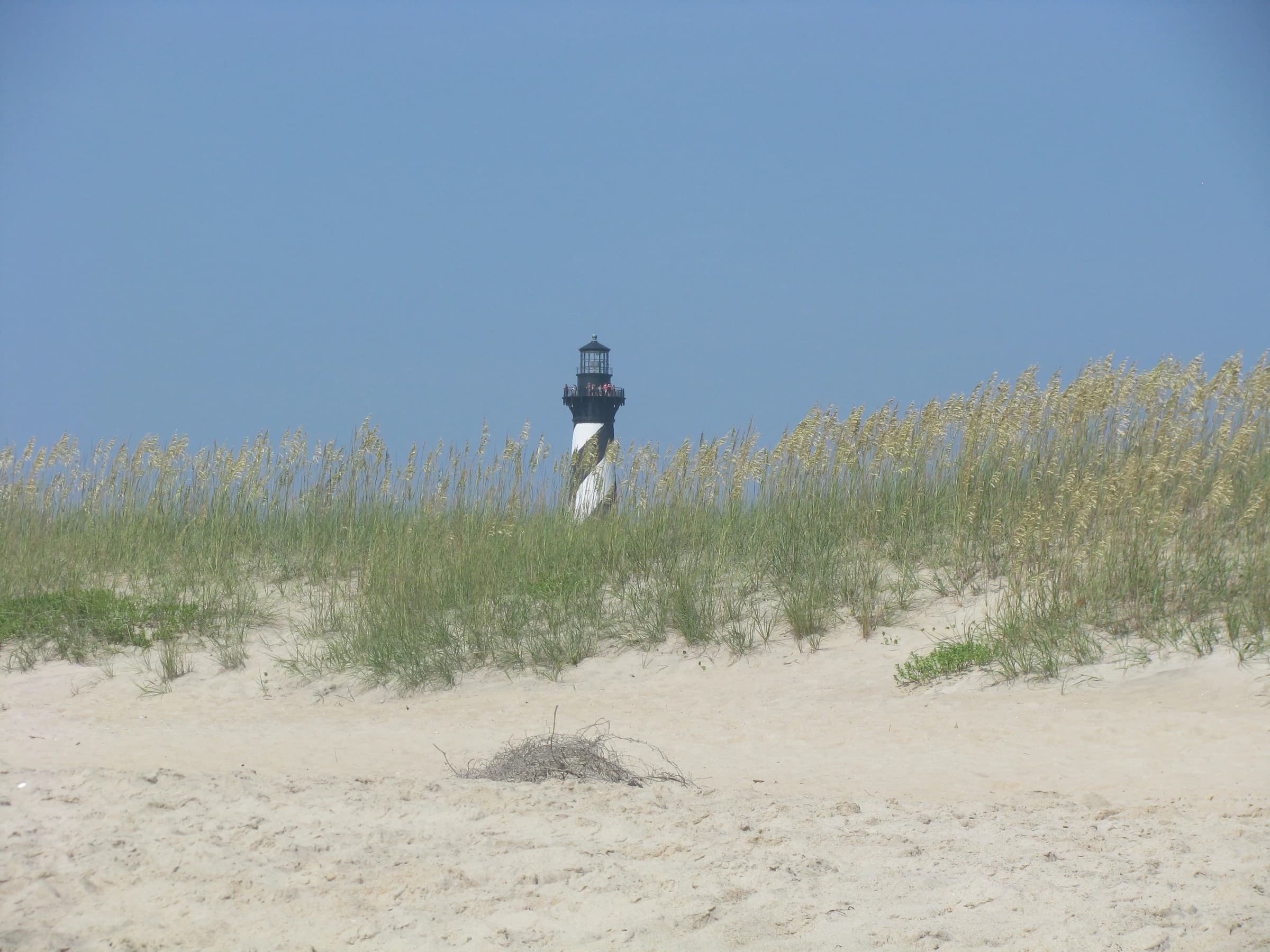
The waters offshore have earned the islands a grimmer nickname: the Graveyard of the Atlantic, a reference to the shifting sandbars and unpredictable currents, where the Gulf Stream's warm water meets colder coastal currents, that have wrecked an estimated 5,000 or more ships over the centuries. The Cape Hatteras Lighthouse, the tallest brick lighthouse in the United States, was built in 1870 partly to warn ships away from this exact danger, and was itself relocated nearly 3,000 feet inland in 1999 to escape the same coastal erosion that has claimed so many vessels.
What a trip here actually costs
$60 / day avg.
- Budget motel or shared beach house room
- Casual seafood shacks and sandwich spots
- Free public beach access
- Wright Brothers National Memorial entry
What to do at this tier
- • Wright Brothers National Memorial in Kill Devil Hills
- • Public beach access points, free along most of the islands
- • Jockey's Ridge State Park, the tallest natural sand dune system on the East Coast
$140 / day avg.
- 3-star oceanfront hotel or vacation rental
- Corolla wild horse tour
- Sit-down seafood dinners
- Cape Hatteras Lighthouse climb
What to do at this tier
- • Corolla wild horse tour by four-wheel-drive vehicle
- • Cape Hatteras Lighthouse climb, the tallest brick lighthouse in the United States
- • Fishing charter out of one of the islands' harbors
$350 / day avg.
- Beachfront vacation home rental
- Private wild horse and history tour
- Fresh-catch dinners at higher-end restaurants
- Ferry day trip to Ocracoke Island
What to do at this tier
- • Private guided wild horse and historical sites tour
- • Ferry day trip to Ocracoke Island, reachable only by boat or small plane
- • Beachfront vacation home with private ocean access
These are average estimates for planning purposes, not real-time prices — actual costs vary by season, availability, and how far ahead you book.
How to get there
Click anywhere on the world map — any airport works, not just our main hubs.
Click anywhere on the map above — any airport in the world works — to see estimated travel time and cost from there.
Times and prices are planning estimates, not live fares — always check a booking site before you commit. See the full Transport Comparison guide for the general tradeoffs of each mode.
Best time to visit
April through October brings warm weather and full access to the islands' beaches and attractions. Hurricane season overlaps with summer and fall, so checking forecasts before an August-October trip specifically is worth it.
Safety notes
Generally safe with standard beach precautions; rip currents are a genuine, well-documented risk along this stretch of Atlantic coast, so heeding posted beach flags matters more here than at many calmer beach destinations.
Visa & currency
US dollar (USD). Most Western European, UK, Australian, and several other passport holders can enter visa-free for short tourist stays under the Visa Waiver Program with an approved ESTA — worth confirming current requirements before booking.
Questions people ask before visiting
Is Netflix's Outer Banks show actually filmed in the real Outer Banks?
No — despite being set in and named after the real North Carolina barrier islands, the show is filmed almost entirely around Charleston, South Carolina, standing in for the fictional island of Kildare. The real Outer Banks does share the show's coastal, small-town beach aesthetic, but none of the actual filming happens there.
Where exactly did the Wright Brothers' first flight happen?
At Kill Devil Hills, near Kitty Hawk, on December 17, 1903. The site is preserved as the Wright Brothers National Memorial, with a granite monument on the hill they used for glider tests and markers showing the exact distances of that day's four powered flights, the longest covering 852 feet.
Where can you see the wild horses on the Outer Banks?
A protected herd of wild Spanish mustangs, descended from colonial-era Spanish horses, roams the beaches around Corolla on the northern Outer Banks, in an area only reachable by four-wheel-drive vehicle. Guided tours are the most reliable way to see them, since the herd isn't confined to any single fenced area.
Why is the Outer Banks called the Graveyard of the Atlantic?
Shifting sandbars, strong currents where the Gulf Stream meets colder coastal water, and the islands' exposed position have wrecked an estimated 5,000-plus ships off this stretch of coast over the centuries, from colonial-era vessels to World War II merchant ships torpedoed within sight of the beaches.
Nearby destinations
 New York City
New York City
United States
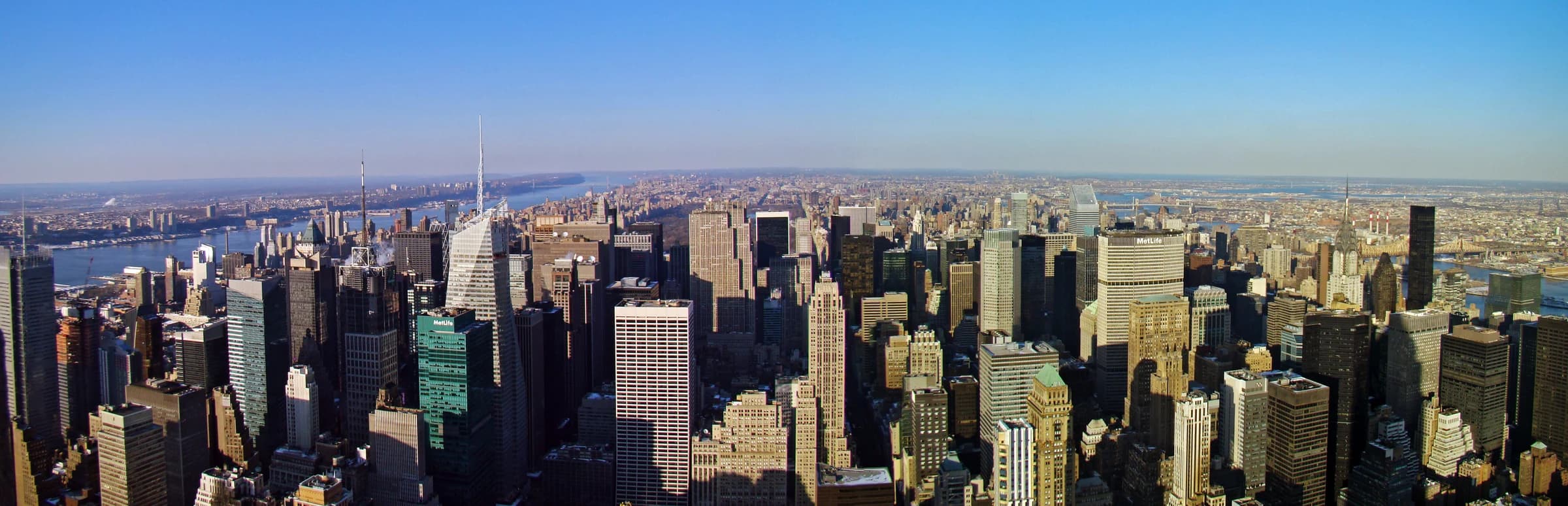
New York's subway is one of the few in the world that runs 24 hours a day, every day, a direct consequence of a century-old decision to build it with almost no redundant track for taking lines offline overnight — the whole system was designed to never fully stop.
See full guide →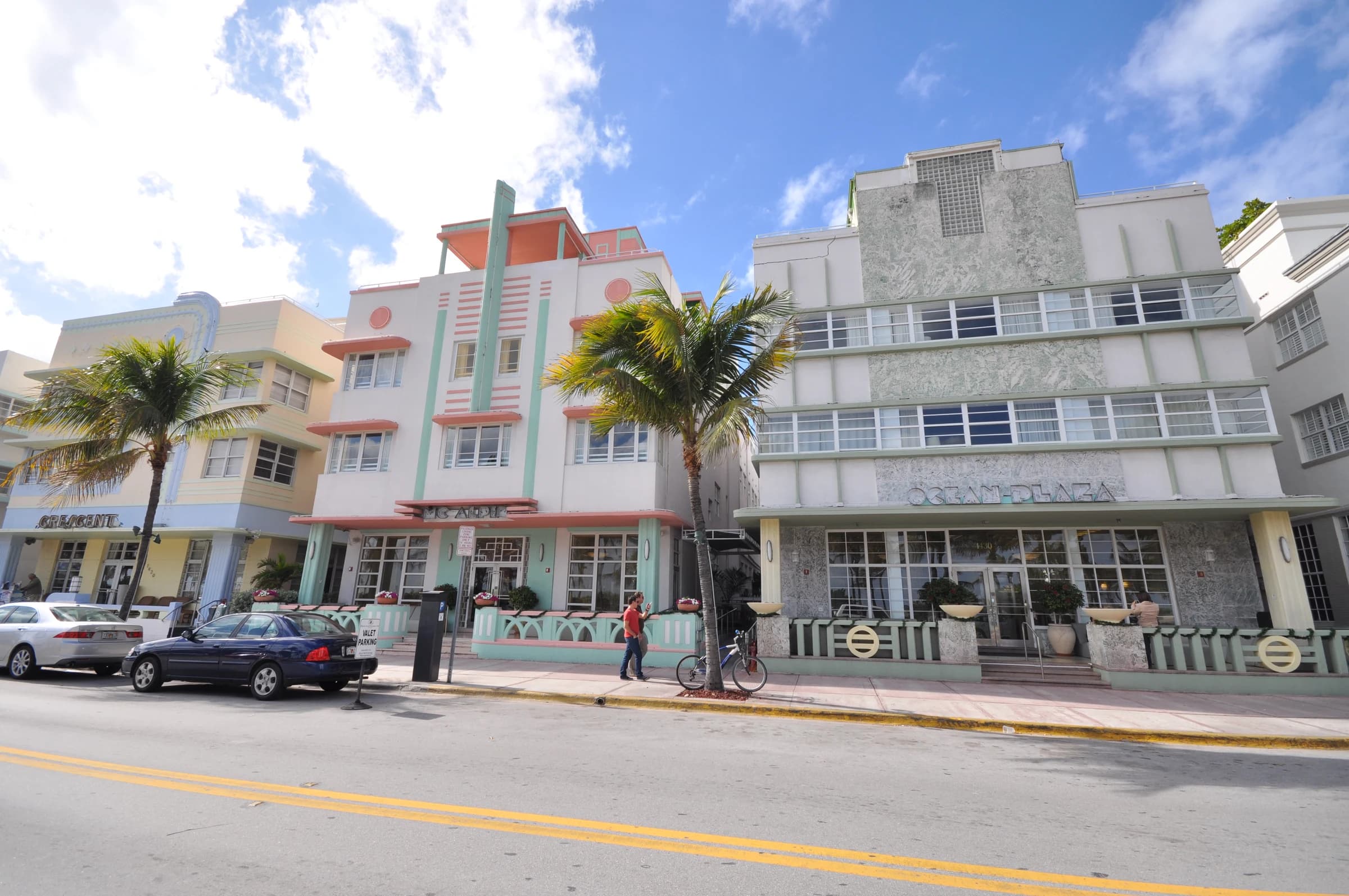 Miami
MiamiMiami
United States
South Beach holds the largest concentration of Art Deco architecture anywhere in the world, roughly 800 pastel-colored buildings from the 1920s-40s that were nearly demolished for parking lots in the 1970s before a local preservation campaign saved the entire district.
See full guide →Comparing more than one route? See the full transport comparison guide.