Panama · North America
Panama City
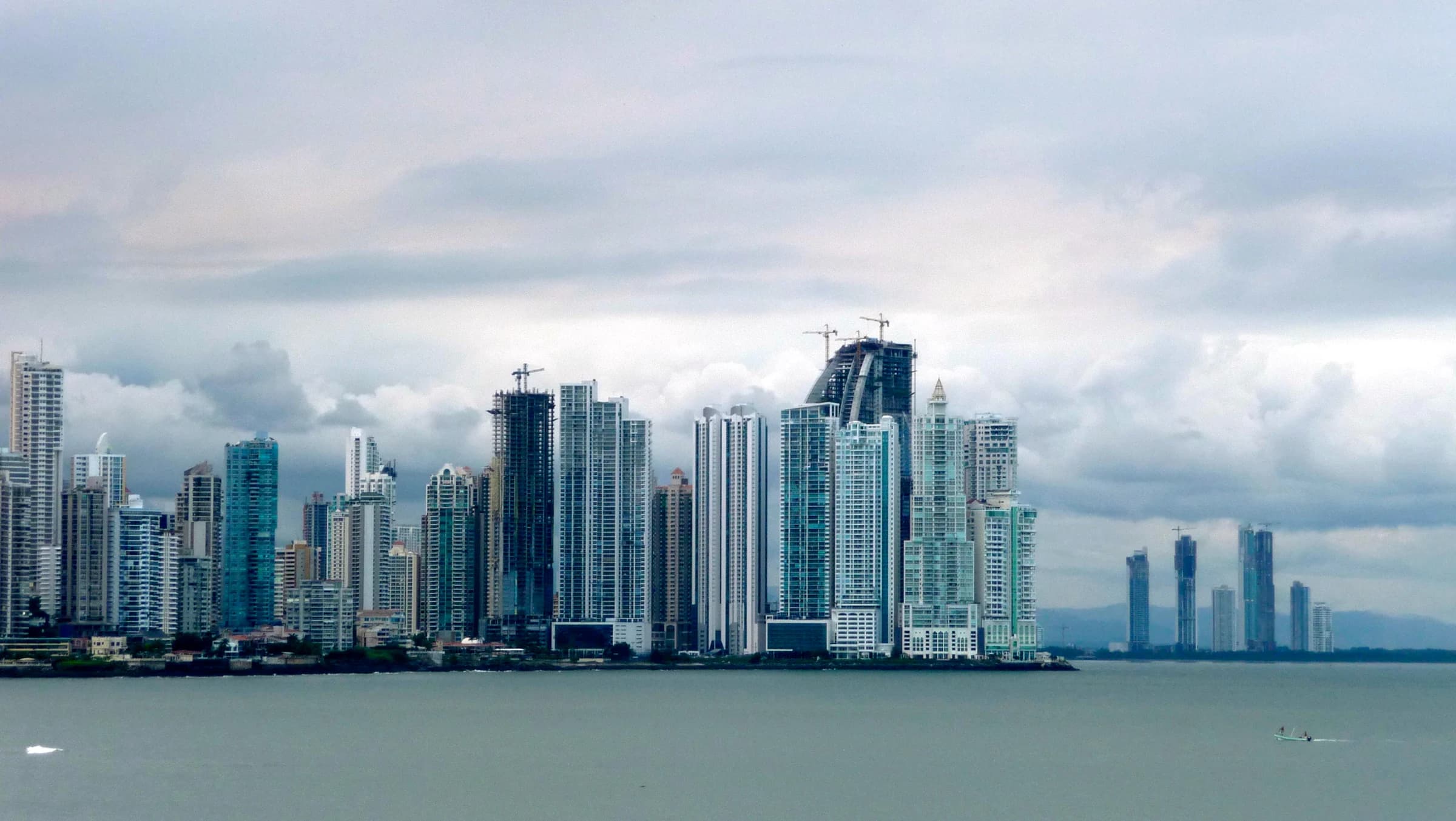
Panama City is the only capital in the world with a rainforest inside its city limits large enough to hold jaguars and sloths, and its skyline of glass towers rises directly across the bay from Casco Viejo, a colonial old town rebuilt after pirates burned the original city to the ground in 1671.
Panama City's skyline is genuinely startling for a Central American capital — a dense cluster of glass high-rises along the bay that visitors more often compare to Miami or parts of the Gulf than to its regional neighbors. That density traces largely to Panama's role as a global banking and shipping hub, built around the canal that gives the country its outsized economic weight.
Directly across the water sits Casco Viejo, the colonial old town built after the pirate Henry Morgan destroyed the original settlement, Panamá Viejo, in 1671. Restored over recent decades from a genuinely rundown state, Casco Viejo's plazas, churches, and wrought-iron balconies earned UNESCO recognition and now anchor the city's restaurant and nightlife scene.
The Panama Canal itself remains the city's defining landmark, and the Miraflores Locks visitor center makes it a genuinely watchable one — viewing platforms overlook the lock chambers as ships, from massive container carriers to small private yachts, rise and fall through the system, timed around a published transit schedule.
Panama City also holds a claim few capitals can make: a real tract of rainforest, Ancón Hill and the wider Metropolitan Natural Park, sits inside the city limits, dense enough to support sloths, toucans, and occasional sightings of larger wildlife within a short walk of downtown high-rises.
The US dollar's role as legal tender, a legacy of Panama's early 20th-century relationship with the United States during the canal's construction and later handover, makes budgeting here simpler for American visitors specifically than almost anywhere else in Latin America.
What a trip here actually costs
$40 / day avg.
- Hostel or budget guesthouse in Casco Viejo
- Set lunch menus (menú del día)
- Public buses and the Metro
- Panamá Viejo ruins entry
What to do at this tier
- • Casco Viejo's plazas and restored colonial architecture, free to walk
- • Panamá Viejo ruins, the original city destroyed in 1671
- • Cinta Costera waterfront promenade along the bay
$95 / day avg.
- 3-star hotel in Casco Viejo or the financial district
- Miraflores Locks tour with ship transit timing
- Sit-down dinners featuring ceviche and seafood
- Ancón Hill hike with rainforest and skyline views
What to do at this tier
- • Miraflores Locks visitor center, timed around a scheduled ship transit
- • Ancón Hill hike, a rainforest-covered peak inside the city with skyline views
- • Boat tour partway through the Panama Canal
$250 / day avg.
- High-rise hotel with bay or skyline views
- Private Panama Canal partial-transit boat tour
- Fine dining reservations in Casco Viejo
- Private guided tour combining the canal and colonial old town
What to do at this tier
- • Private full or partial Panama Canal transit by boat
- • Fine dining in a restored Casco Viejo mansion
- • Private guided day combining the canal, rainforest, and old town
These are average estimates for planning purposes, not real-time prices — actual costs vary by season, availability, and how far ahead you book.
How to get there
Click anywhere on the world map — any airport works, not just our main hubs.
Click anywhere on the map above — any airport in the world works — to see estimated travel time and cost from there.
Times and prices are planning estimates, not live fares — always check a booking site before you commit. See the full Transport Comparison guide for the general tradeoffs of each mode.
Best time to visit
December through April is the dry season with the least rain. The wet season runs May-November, typically short intense afternoon downpours rather than all-day rain.
Safety notes
Generally safe in Casco Viejo, the financial district, and canal-area tourist sites with normal city precautions; use registered taxis or ride-hailing apps rather than hailing cars on the street.
Visa & currency
The US dollar is legal tender alongside the Panamanian balboa, which is pegged 1:1 and rarely seen in circulation as coins mix with US currency. Many nationalities can enter visa-free for tourist stays — worth confirming current requirements before booking.
Questions people ask before visiting
Can you actually watch ships pass through the Panama Canal?
Yes — the Miraflores Locks visitor center, a short drive from downtown, has viewing platforms timed around scheduled ship transits, plus a museum explaining how the lock system works. Ships from container carriers to small yachts pass through daily.
What is Casco Viejo?
The historic colonial district, rebuilt after pirate Henry Morgan destroyed the original Panama City (Panamá Viejo) in 1671. Its restored plazas, churches, and balconied buildings earned it UNESCO World Heritage status, and it's now the city's main hub for restaurants, rooftop bars, and nightlife.
Is Panama City safe?
The main tourist areas — Casco Viejo, the financial district, and the canal sites — are generally safe with standard city precautions. As in any large Latin American capital, it's worth avoiding poorly lit areas at night and using registered taxis or ride-hailing apps.
How many days do you need in Panama City?
Two to three days covers the Panama Canal, Casco Viejo, and the modern skyline along the bay. It also works as a stopover before heading to Bocas del Toro or another part of the country, given Panama's role as a regional flight hub.
Nearby destinations
 Bocas del Toro
Bocas del Toro
Panama
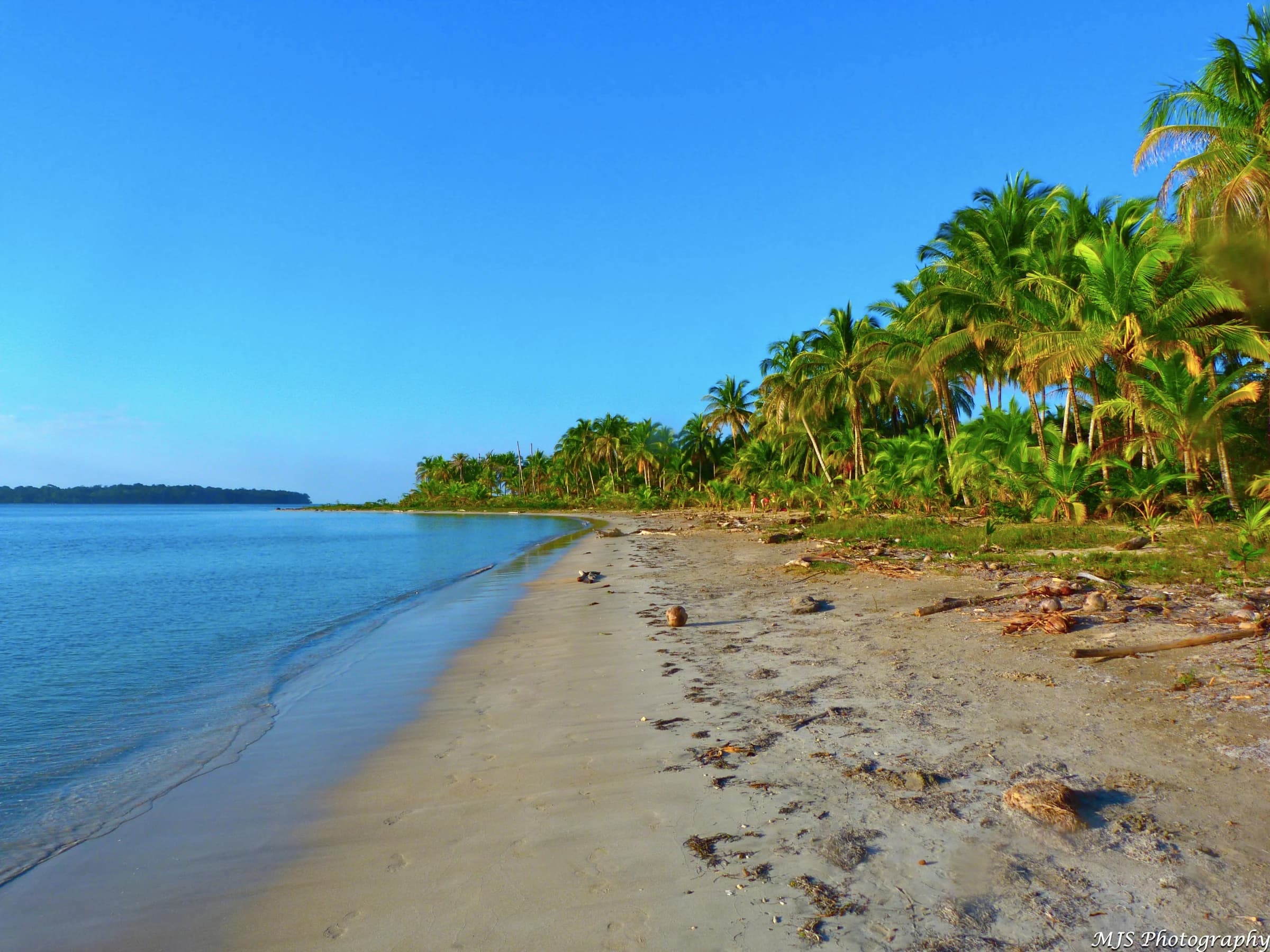
Red Frog Beach on Bastimentos Island is named for a strawberry poison dart frog barely the size of a thumbnail — bright red, genuinely toxic to predators, and one of the more improbable mascots for what's otherwise a laid-back surf-and-sailboat archipelago on Panama's Caribbean side.
See full guide →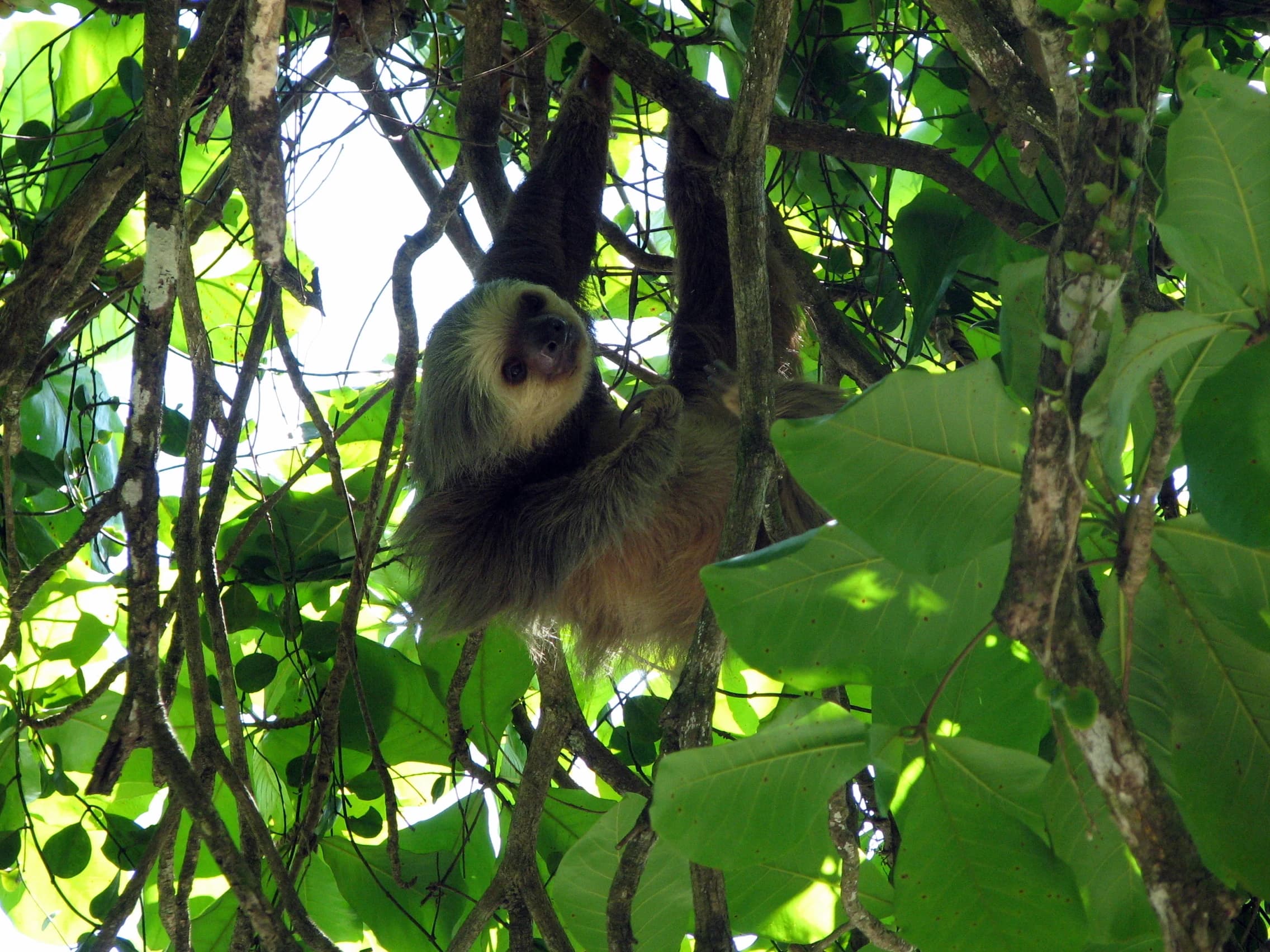 Manuel Antonio
Manuel Antonio
Costa Rica
Manuel Antonio National Park caps its daily visitors at a fixed number to protect the wildlife inside it, and yet this is one of the smallest national parks on Earth — barely 16 square kilometers holding rainforest, coral reef, and beach in the same short walk.
See full guide →Comparing more than one route? See the full transport comparison guide.