Costa Rica · North America
Manuel Antonio
Manuel Antonio National Park caps its daily visitors at a fixed number to protect the wildlife inside it, and yet this is one of the smallest national parks on Earth — barely 16 square kilometers holding rainforest, coral reef, and beach in the same short walk.
Manuel Antonio National Park is tiny by national park standards, covering barely 16 square kilometers, yet it draws more annual visitors per square kilometer than almost any protected area in Central America. Costa Rica manages that pressure by capping daily entries and splitting the day into two ticketed sessions, a system that keeps trails from feeling overrun even during peak season.
What makes the park unusual is the range packed into such a small space — rainforest trail, a fringing coral reef, and a genuinely excellent swimming beach all sit within the same short walk, so a morning wildlife hike can end with an afternoon in the water without changing location.
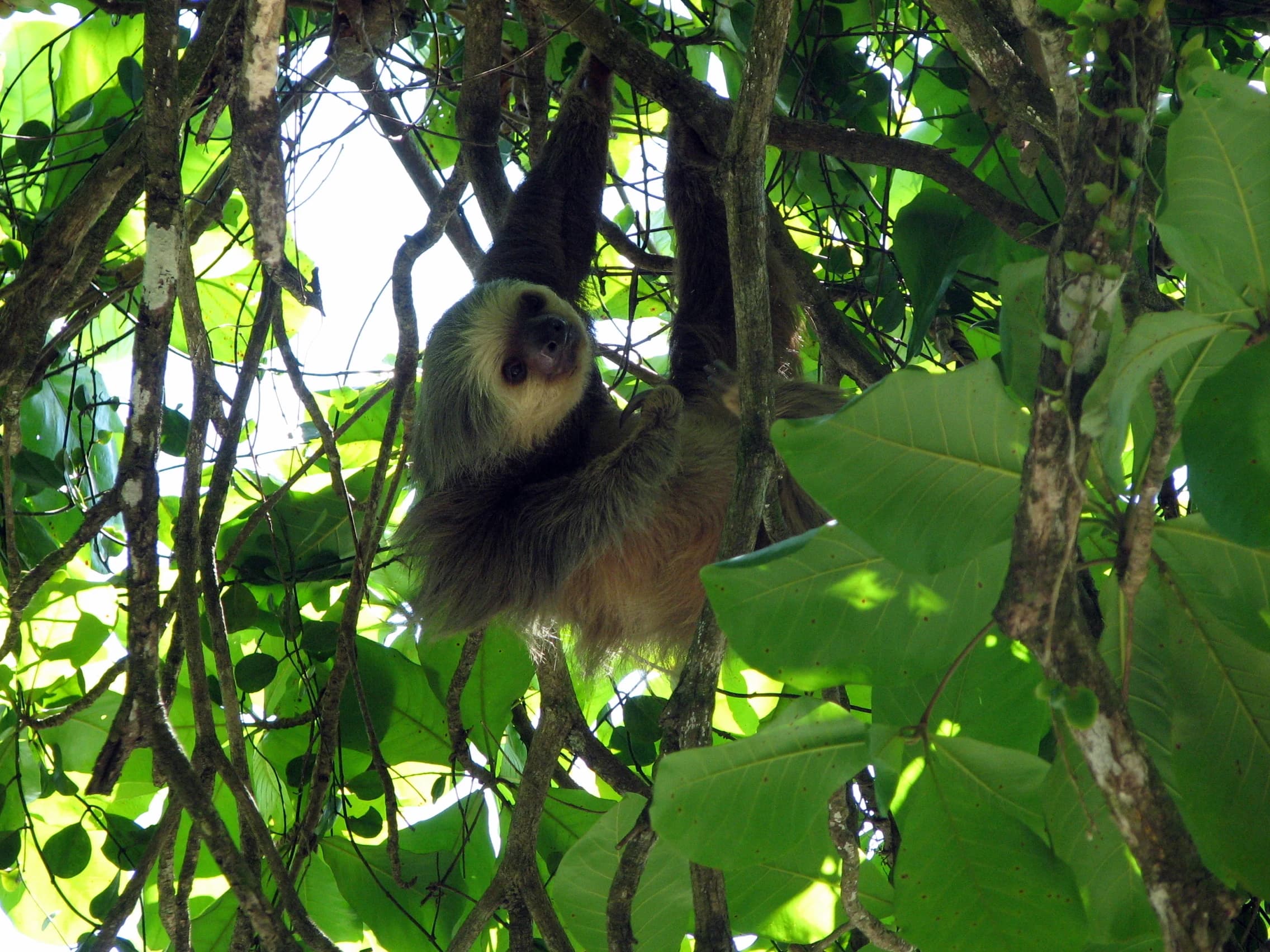
The wildlife sightings here are reliable in a way that surprises first-time visitors to the tropics, where animals are often more heard than seen. White-faced capuchin monkeys and both two- and three-toed sloths turn up on most visits, and the park protects one of the last strongholds of the endangered Central American squirrel monkey, a species that has lost most of its Pacific coast habitat to development elsewhere in the country.
The town of Manuel Antonio itself sits along a single road climbing from the beach up into the hills, lined with hotels ranging from simple cabinas to hillside resorts with ocean views — the elevation change means even modest places often get a real view of the coastline.
Playa Espadilla, the public beach just outside the park entrance, gives visitors a free alternative to the ticketed beach inside the park itself, and its surf breaks draw a modest local surfing scene distinct from the more wildlife-focused park experience next door.
What a trip here actually costs
$50 / day avg.
- Hostel or budget cabina near the park entrance
- Casado (set lunch) at local sodas
- Public beach access at Playa Espadilla
- Shared shuttle transport
What to do at this tier
- • Playa Espadilla, a free public beach right outside the park entrance
- • Self-guided walk on the park's main trail (entry fee still applies)
- • Sunset viewpoint at Playa Biesanz, a short walk from town
$120 / day avg.
- 3-star hotel with rainforest or ocean view
- Guided national park tour with a spotting scope
- Sit-down seafood dinners
- Zip-line canopy tour
What to do at this tier
- • Guided Manuel Antonio National Park tour with a naturalist spotting scope
- • Zip-line canopy tour through the surrounding rainforest
- • Snorkeling or kayaking trip along the coastline
$320 / day avg.
- Boutique hotel or eco-resort on the hillside
- Private wildlife-focused guide for the national park
- Multi-course dinners with ocean views
- Catamaran sunset tour with snorkeling
What to do at this tier
- • Private wildlife photography guide inside the national park
- • Catamaran sunset cruise with snorkeling and drinks included
- • Hillside eco-resort stay with private rainforest-view terrace
These are average estimates for planning purposes, not real-time prices — actual costs vary by season, availability, and how far ahead you book.
How to get there
Click anywhere on the world map — any airport works, not just our main hubs.
Click anywhere on the map above — any airport in the world works — to see estimated travel time and cost from there.
Times and prices are planning estimates, not live fares — always check a booking site before you commit. See the full Transport Comparison guide for the general tradeoffs of each mode.
Best time to visit
December through April is the dry season and the most reliable for clear trails and beach days. The green season (May-November) brings afternoon rain but fewer crowds and lush scenery.
Safety notes
Generally safe with standard precautions; the more relevant safety note is wildlife etiquette — never feed monkeys or other animals, which has become a real problem with habituated troops raiding food from visitors.
Visa & currency
Costa Rican colón (CRC), though US dollars are widely accepted for tourist spending. Many Western passport holders can enter visa-free for tourist stays — worth confirming current requirements before booking.
Questions people ask before visiting
Do you need a reservation for Manuel Antonio National Park?
Yes — the park caps daily visitors and tickets should be booked online in advance, especially in high season (December-April) when they can sell out. Entry is split into morning and afternoon sessions, and the park is closed on Mondays.
What wildlife can you actually see in Manuel Antonio?
Sightings are genuinely reliable here compared to most rainforest parks — white-faced capuchin monkeys, two- and three-toed sloths, and if you're lucky, the endangered Central American squirrel monkey, found in only a few remaining pockets of Pacific coast forest. A local guide with a spotting scope significantly increases what you'll actually see.
Is Manuel Antonio worth visiting over other Costa Rica beach towns?
Yes, particularly because it's the only place in the country where a national park's rainforest trail leads directly onto a genuinely excellent swimming beach, rather than having to choose between wildlife viewing and beach time on separate days.
How many days do you need in Manuel Antonio?
Two to three days covers the national park and a beach day. It also works well as the beach-and-wildlife stop on a longer Costa Rica loop that includes a volcano region like La Fortuna.
Nearby destinations
 La Fortuna
La Fortuna
Costa Rica
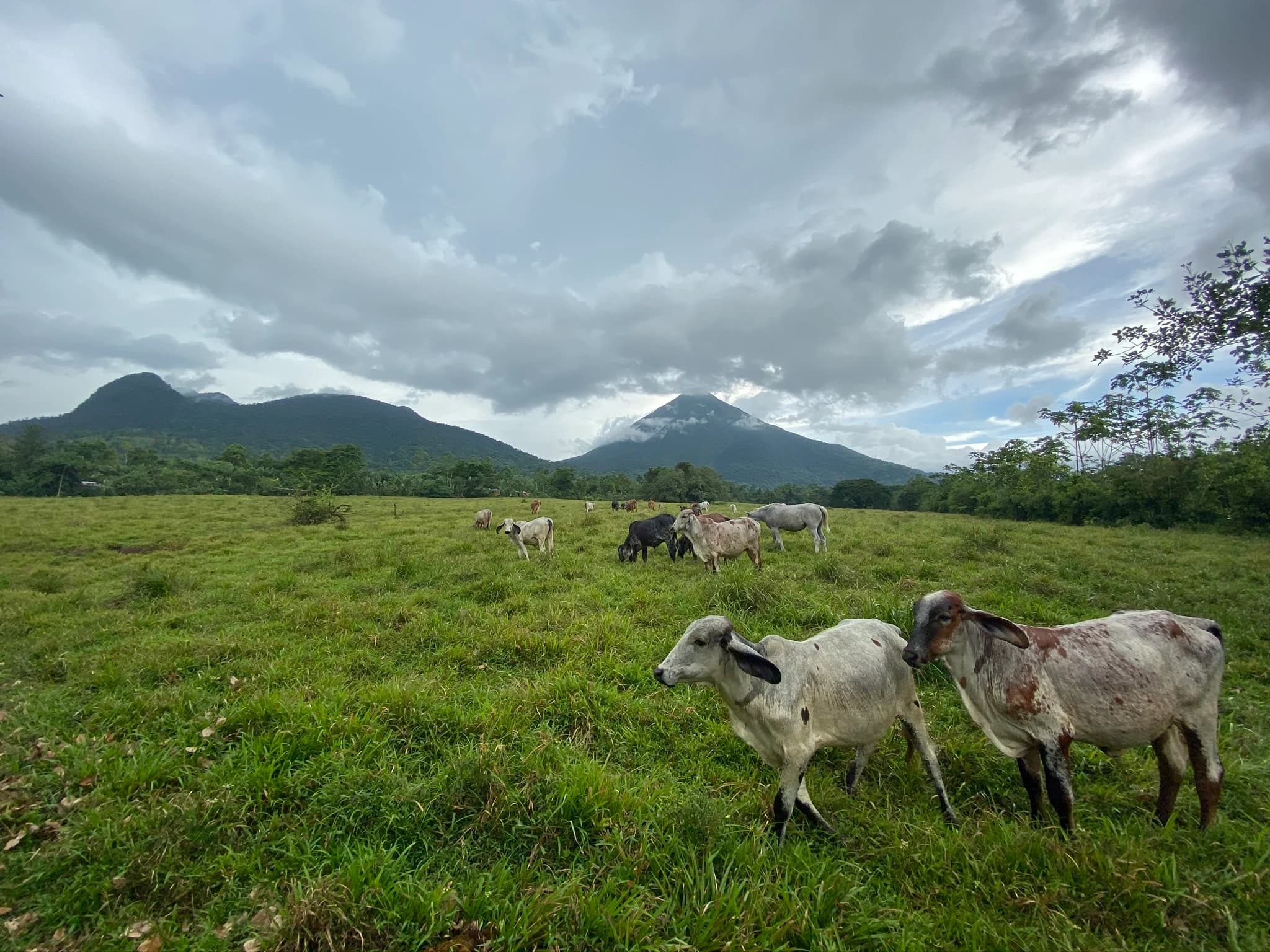
Arenal Volcano erupted almost continuously for over 40 years after a sudden 1968 explosion caught the town by surprise, and only went dormant in 2010 — the hot springs that made La Fortuna famous are a direct, still-flowing result of that decades-long activity underground.
See full guide →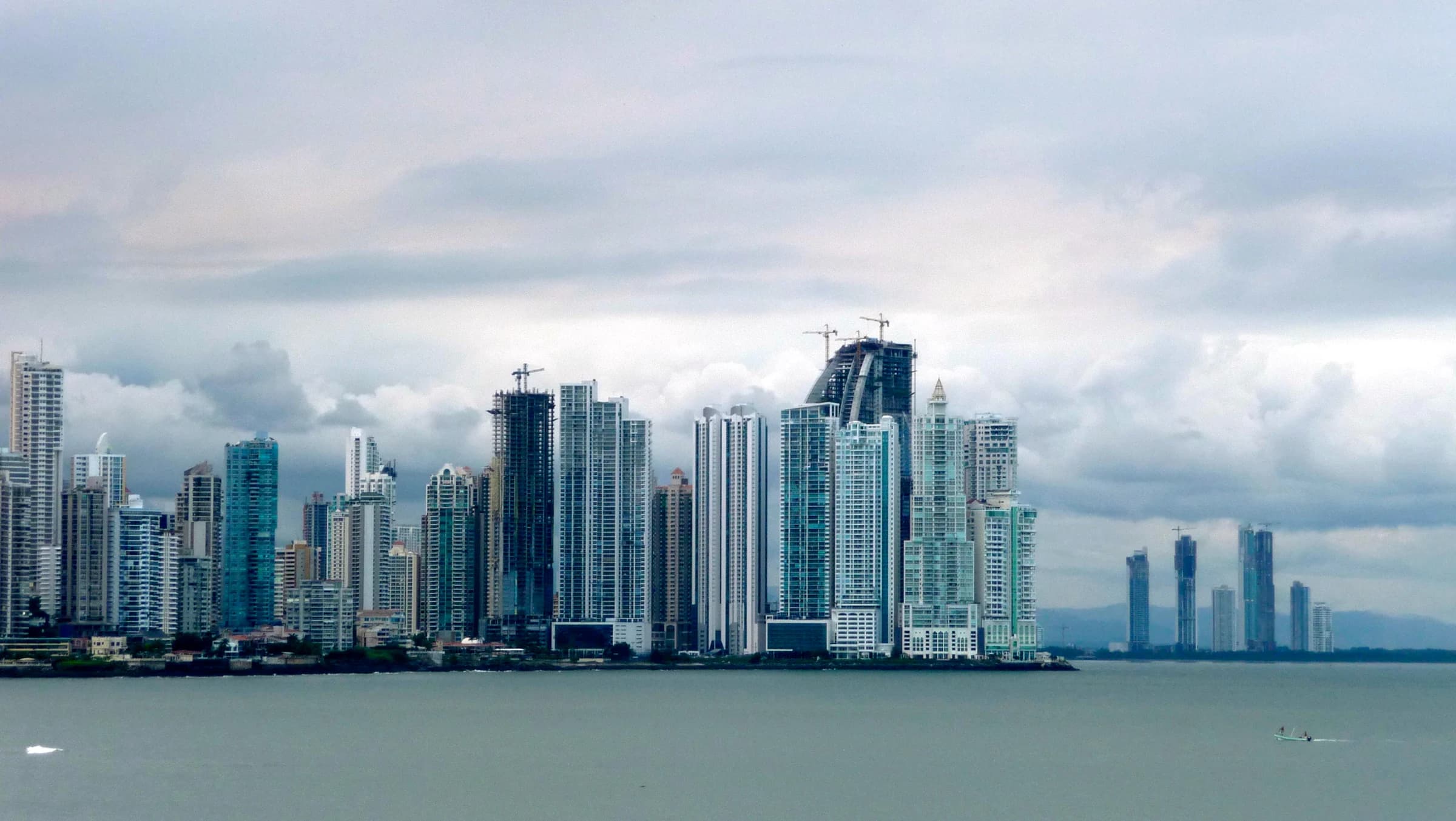 Panama City
Panama City
Panama
Panama City is the only capital in the world with a rainforest inside its city limits large enough to hold jaguars and sloths, and its skyline of glass towers rises directly across the bay from Casco Viejo, a colonial old town rebuilt after pirates burned the original city to the ground in 1671.
See full guide →Comparing more than one route? See the full transport comparison guide.