Costa Rica · North America
La Fortuna
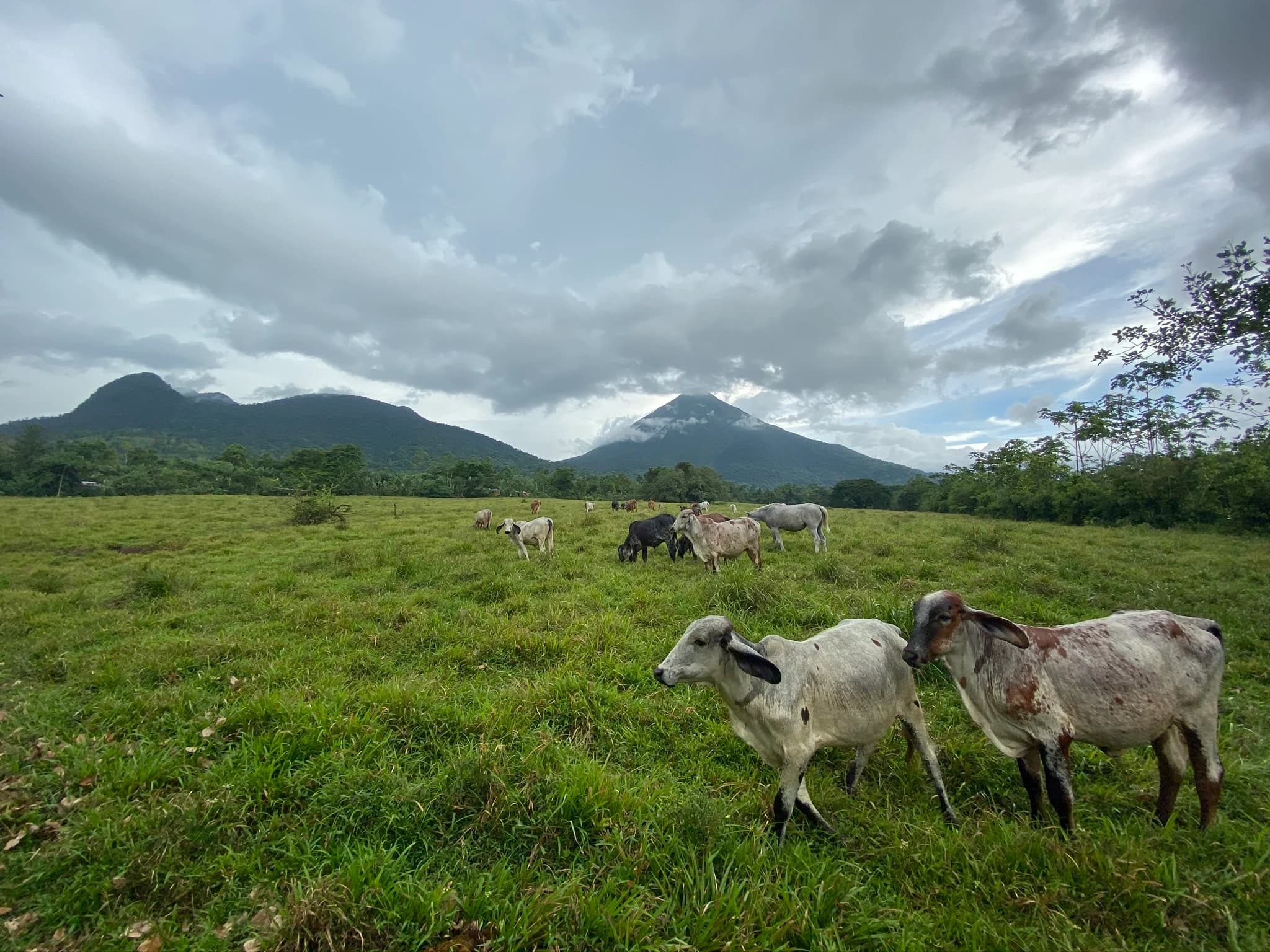
Arenal Volcano erupted almost continuously for over 40 years after a sudden 1968 explosion caught the town by surprise, and only went dormant in 2010 — the hot springs that made La Fortuna famous are a direct, still-flowing result of that decades-long activity underground.
Arenal Volcano's near-perfect cone shape dominates La Fortuna's skyline, a landmark whose modern fame traces to a single sudden explosion in 1968 that caught the surrounding area completely by surprise after centuries of dormancy. What followed was over four decades of near-continuous activity — lava flows, ash, and glowing rock visible at night — that made Arenal one of the most consistently active volcanoes in the world until it unexpectedly went quiet again in 2010.
The hot springs that built the town's tourism economy are a direct product of that volcanic activity, not a separate attraction. Geothermally heated water still flows from underground, ranging from simple free access points along the road to elaborate multi-pool resort complexes built specifically around the springs.
La Fortuna Waterfall, a short drive from town, drops into a swimmable pool at the bottom of a steep canyon reached by several hundred stairs — a genuinely demanding climb back up in the heat, but one of the more reliably scenic swimming spots in the region.
The area's rainforest canopy has also become a hub for adventure tourism distinct from the volcano itself — hanging bridge walks let visitors move through the forest canopy at treetop level without climbing, while zip-line courses and canyoning tours down waterfall faces draw a more adrenaline-focused crowd.
La Fortuna sits at the edge of Lake Arenal as well, Costa Rica's largest artificial lake, created by a hydroelectric dam project in the 1970s that also reshaped the volcano's immediate surroundings — windsurfing and fishing on the lake give visitors a quieter alternative to the town's adventure-sport reputation.
What a trip here actually costs
$45 / day avg.
- Hostel or budget cabina in town
- Casado (set lunch) at local sodas
- Free river-fed hot springs access
- La Fortuna Waterfall entry
What to do at this tier
- • Free river-fed hot springs along the road toward the volcano
- • La Fortuna Waterfall hike and swim
- • Town center walk to the Catholic church viewpoint of the volcano
$110 / day avg.
- 3-star hotel with volcano views
- Guided hike on Arenal's lower trails
- Hot springs resort day pass
- Hanging bridges canopy walk
What to do at this tier
- • Guided hike on Arenal Volcano's lower, safely accessible trails
- • Hot springs resort day pass with multiple pools
- • Hanging bridges canopy walk through the rainforest
$280 / day avg.
- Resort with private volcano-view hot spring pools
- Private naturalist-guided volcano and wildlife tour
- Multi-course dinners included
- Zip-line and canyoning combo tour
What to do at this tier
- • Resort stay with private hot spring pools facing the volcano
- • Private naturalist-guided wildlife and volcano tour
- • Combined zip-line and canyoning waterfall rappelling tour
These are average estimates for planning purposes, not real-time prices — actual costs vary by season, availability, and how far ahead you book.
How to get there
Click anywhere on the world map — any airport works, not just our main hubs.
Click anywhere on the map above — any airport in the world works — to see estimated travel time and cost from there.
Times and prices are planning estimates, not live fares — always check a booking site before you commit. See the full Transport Comparison guide for the general tradeoffs of each mode.
Best time to visit
December through April is the driest season with the clearest volcano views. Cloud cover is common year-round given the area's rainforest climate, so a clear volcano sighting is never guaranteed regardless of season.
Safety notes
Generally safe; stick to marked trails and licensed tour operators around the volcano, since the dormant status doesn't mean zero risk close to the crater itself.
Visa & currency
Costa Rican colón (CRC), though US dollars are widely accepted for tourist spending. Many Western passport holders can enter visa-free for tourist stays — worth confirming current requirements before booking.
Questions people ask before visiting
Is Arenal Volcano still active?
It's classified as dormant rather than extinct — the near-continuous eruptive activity that defined it from 1968 stopped in 2010, but the volcano is still monitored and could reactivate. Guided hikes on its lower slopes are considered safe under current conditions.
What are the best hot springs in La Fortuna?
Options range from free river-fed hot springs alongside the road to elaborate resort complexes with multiple pools at different temperatures, swim-up bars, and spa treatments. The water is genuinely geothermal, heated by the same volcanic activity that shaped the area, not artificially heated.
How do you get to La Fortuna Waterfall?
A short drive from town leads to a parking area, followed by a steep staircase of several hundred steps down into the canyon. The waterfall drops into a swimmable pool at the bottom, though the return climb is a genuine workout in the heat and humidity.
How many days do you need in La Fortuna?
Two to three days covers a volcano-area hike, the waterfall, and a hot springs evening. It pairs naturally with a beach stop like Manuel Antonio as part of a longer Costa Rica itinerary.
Nearby destinations
 Manuel Antonio
Manuel Antonio
Costa Rica
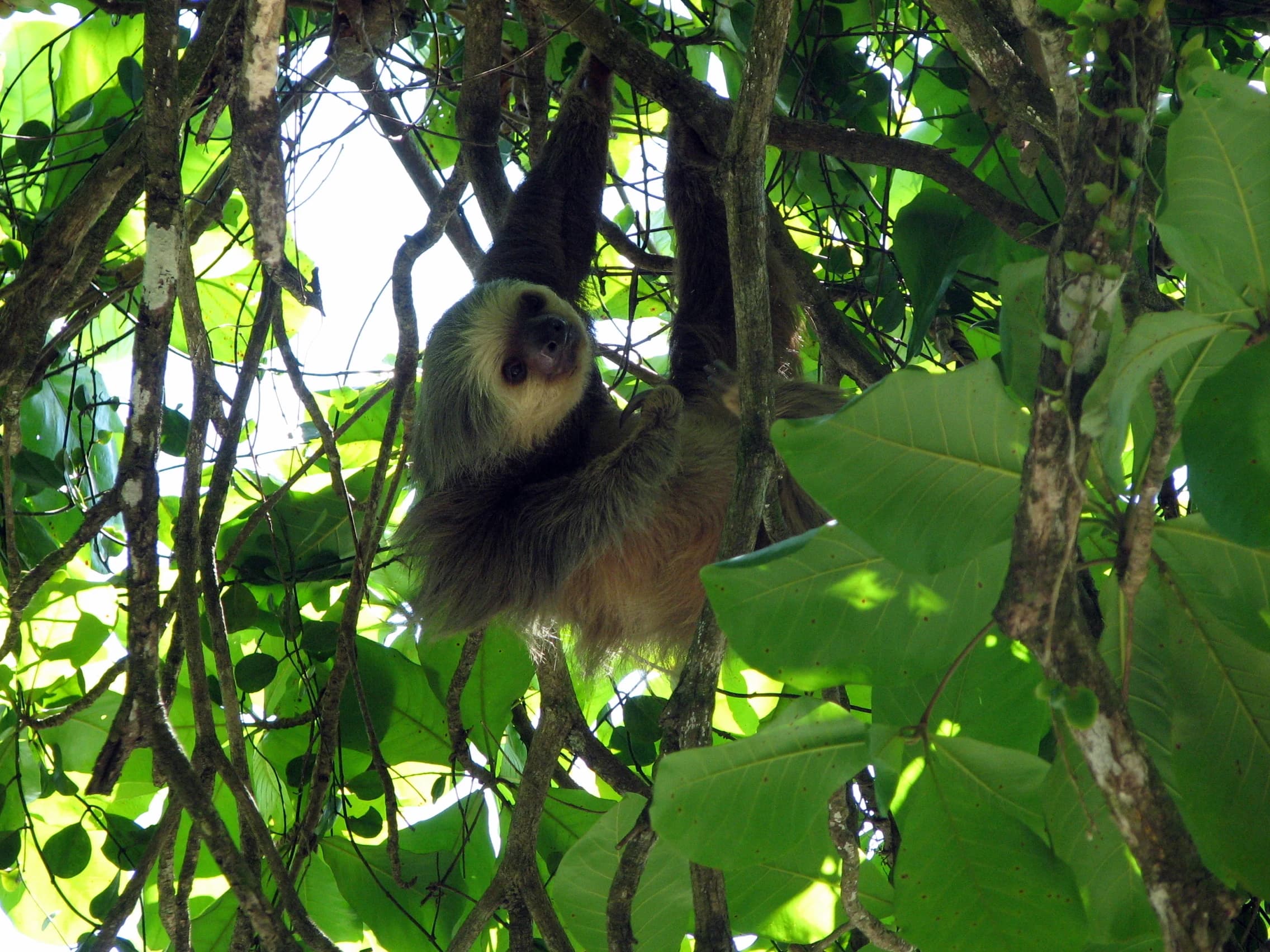
Manuel Antonio National Park caps its daily visitors at a fixed number to protect the wildlife inside it, and yet this is one of the smallest national parks on Earth — barely 16 square kilometers holding rainforest, coral reef, and beach in the same short walk.
See full guide →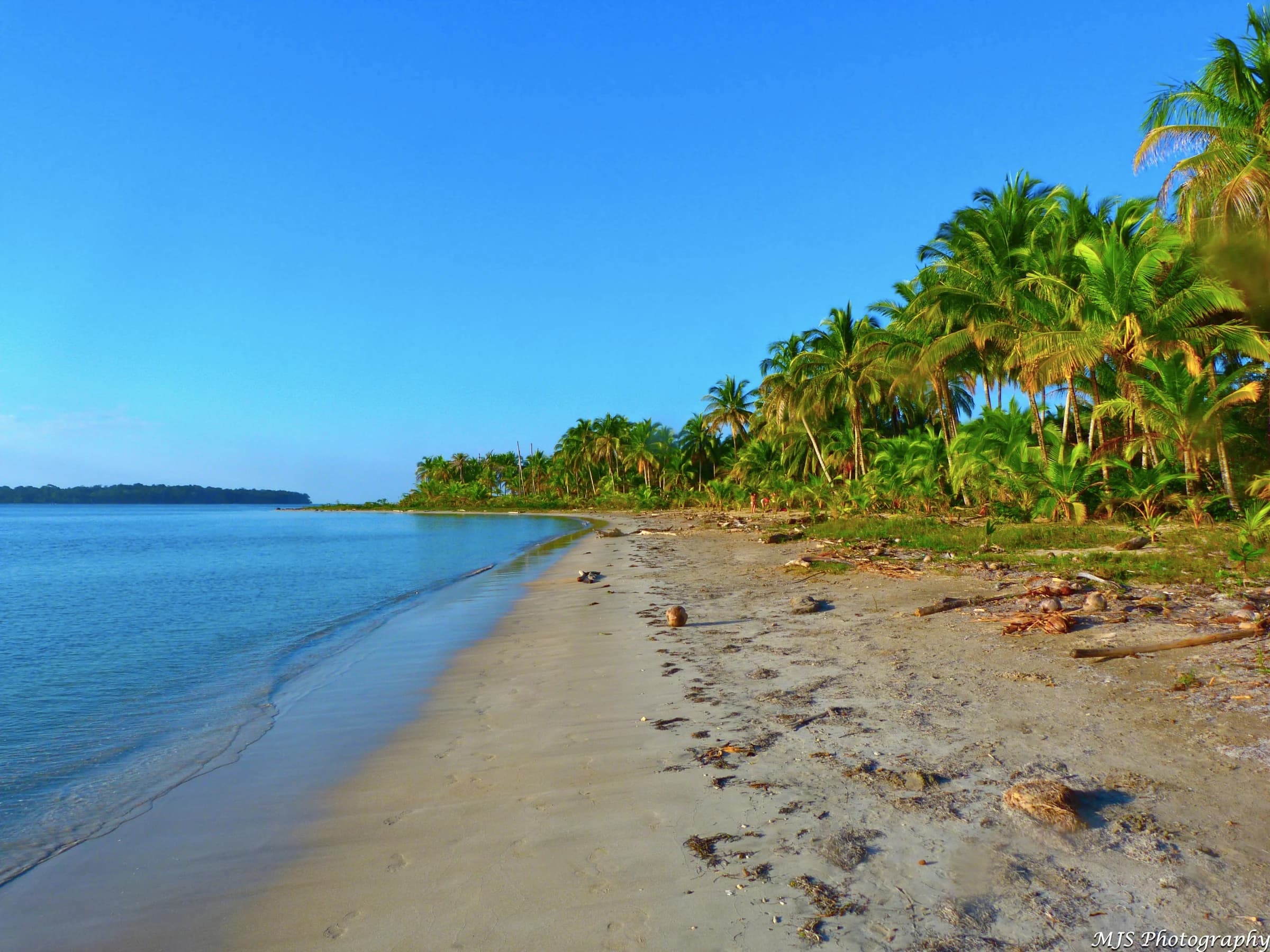 Bocas del Toro
Bocas del Toro
Panama
Red Frog Beach on Bastimentos Island is named for a strawberry poison dart frog barely the size of a thumbnail — bright red, genuinely toxic to predators, and one of the more improbable mascots for what's otherwise a laid-back surf-and-sailboat archipelago on Panama's Caribbean side.
See full guide →Comparing more than one route? See the full transport comparison guide.