Grenada · North America
St. George's
Grenada produces roughly a fifth of the world's nutmeg, enough that the spice appears on the national flag itself, and the island's forested interior still bears visible scars from Hurricane Ivan in 2004, which destroyed an estimated 90 percent of its nutmeg trees in a single storm.
Grenada's connection to nutmeg runs deep enough that the spice appears directly on the national flag, a rare distinction for any country's agricultural export. The island became a major global nutmeg producer starting in the 18th century, and at its peak supplied roughly a fifth of the world's total nutmeg, earning it the enduring nickname "the Spice Isle" alongside significant production of mace, cinnamon, and cloves.
That industry took a near-catastrophic hit in 2004, when Hurricane Ivan made a direct strike on an island that sits, unusually, near the southern edge of the main Caribbean hurricane belt and typically avoids the worst of the region's storm track. The hurricane destroyed an estimated 90 percent of Grenada's nutmeg trees, a loss the industry is technically still recovering from decades later, since nutmeg trees take roughly seven years to begin bearing fruit and considerably longer to reach full production.
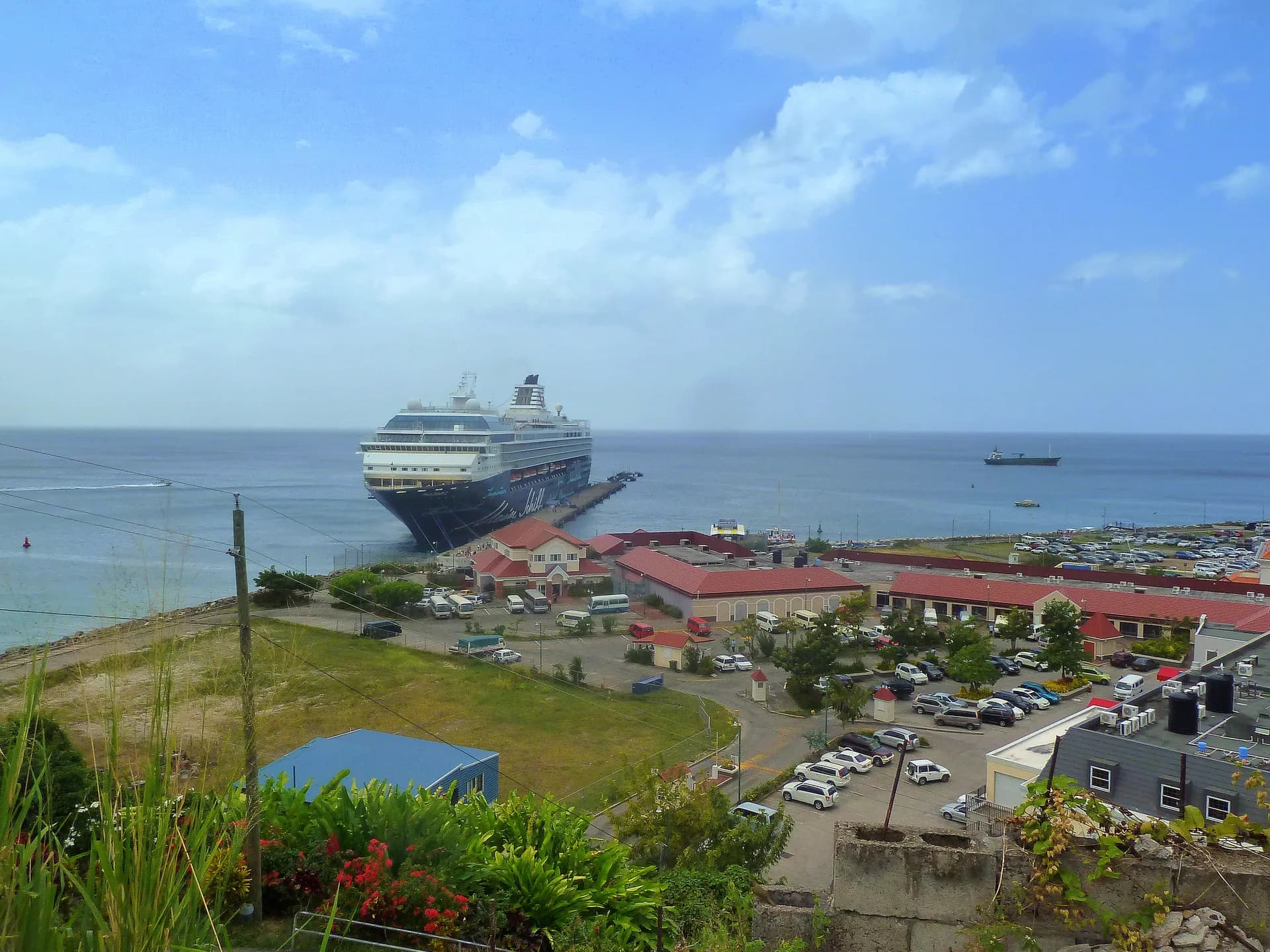
St. George's, the capital, wraps around a horseshoe-shaped natural harbor overlooked by Fort George, a preserved 18th-century fortification with panoramic views across the colorful, hillside-stacked town below. The harbor itself, often photographed from the fort, ranks among the more picturesque capital-city waterfronts in the Caribbean, pastel buildings climbing steep terrain around the water.
Grand Anse, a roughly 3-kilometer stretch of white sand just south of the capital, consistently earns a spot among the Caribbean's best beaches, calm and clear enough for swimming across most of its length, with a manageable density of hotels and restaurants rather than the wall-to-wall resort development found on some more heavily marketed islands.
Inland, the Gouyave Nutmeg Processing Station offers a direct, unpolished look at the industry that shaped the island's economy and identity, workers sorting and drying nutmeg using methods that have changed relatively little over generations, while waterfalls at Annandale and Concord give visitors an easy rainforest counterpoint to the coastal itinerary most Grenada trips otherwise follow. Between the beach, the spice history, and the interior's slow recovery from Ivan, Grenada offers a genuinely layered version of Caribbean travel beyond its compact size.
What a trip here actually costs
$150 / day avg.
- Beachfront hotel near Grand Anse
- Rental car or private driver
- Restaurant meals
- Nutmeg processing station tour
What to do at this tier
- • Grand Anse beach, free
- • Gouyave Nutmeg Processing Station tour
- • Annandale or Concord waterfalls
- • St. George's harbor and Fort George walk
These are average estimates for planning purposes, not real-time prices — actual costs vary by season, availability, and how far ahead you book.
How to get there
Click anywhere on the world map — any airport works, not just our main hubs.
Click anywhere on the map above — any airport in the world works — to see estimated travel time and cost from there.
Times and prices are planning estimates, not live fares — always check a booking site before you commit. See the full Transport Comparison guide for the general tradeoffs of each mode.
Best time to visit
January-May is the dry season and generally the most reliable window; the wet and hurricane season runs roughly June-November.
Safety notes
Generally very safe and well-established for tourism; standard precautions apply as with any Caribbean destination.
Visa & currency
Eastern Caribbean dollar (XCD). Many nationalities receive visa-free entry for short stays; confirm current requirements before booking.
Questions people ask before visiting
Is Grenada worth visiting?
Yes, particularly for travelers wanting Caribbean beach time combined with genuine agricultural and natural landscape depth — Grenada's Grand Anse beach ranks among the region's best, and the interior's nutmeg plantations and rainforest waterfalls add substance beyond a standard resort stay.
Why is Grenada called the 'Spice Isle'?
Grenada has been a major global producer of nutmeg, mace, cinnamon, and cloves since the 18th century, and at its peak supplied a substantial share of the world's nutmeg specifically, enough that a nutmeg is depicted directly on the national flag. Hurricane Ivan devastated the industry in 2004, destroying an estimated 90 percent of nutmeg trees, and production is still rebuilding decades later.
What is Grand Anse beach?
A roughly 3-kilometer stretch of white sand near St. George's, consistently ranked among the best beaches in the Caribbean, with calm, clear water and a range of beachfront hotels and restaurants along its length.
Is Grenada part of the hurricane belt?
Yes, though it sits at the southern edge of the main Caribbean hurricane track, generally seeing less frequent direct hits than islands further north, a pattern that made Hurricane Ivan's direct strike in 2004 particularly unusual and devastating given how rarely major storms had previously hit the island.
Nearby destinations
 Bridgetown
Bridgetown
Barbados
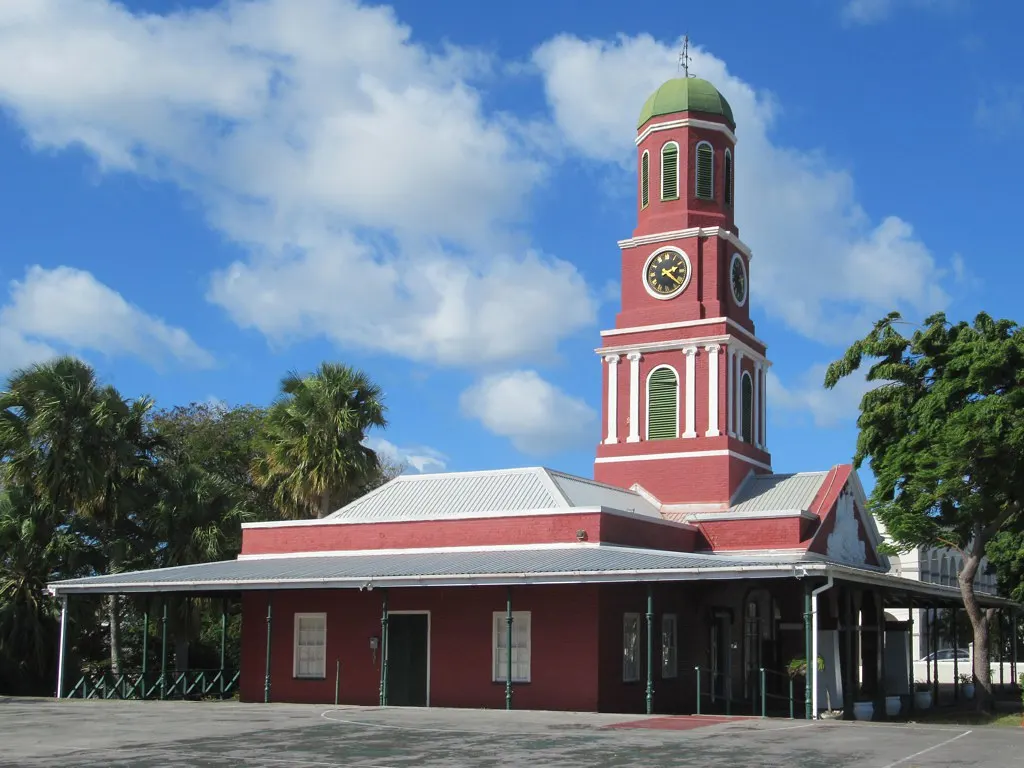
Barbados is the birthplace of rum — Mount Gay, founded in 1703 on the island and still producing today, holds the Guinness World Record as the oldest rum brand still in existence, and Bridgetown's historic garrison is now a UNESCO World Heritage Site built partly on that trade.
See full guide →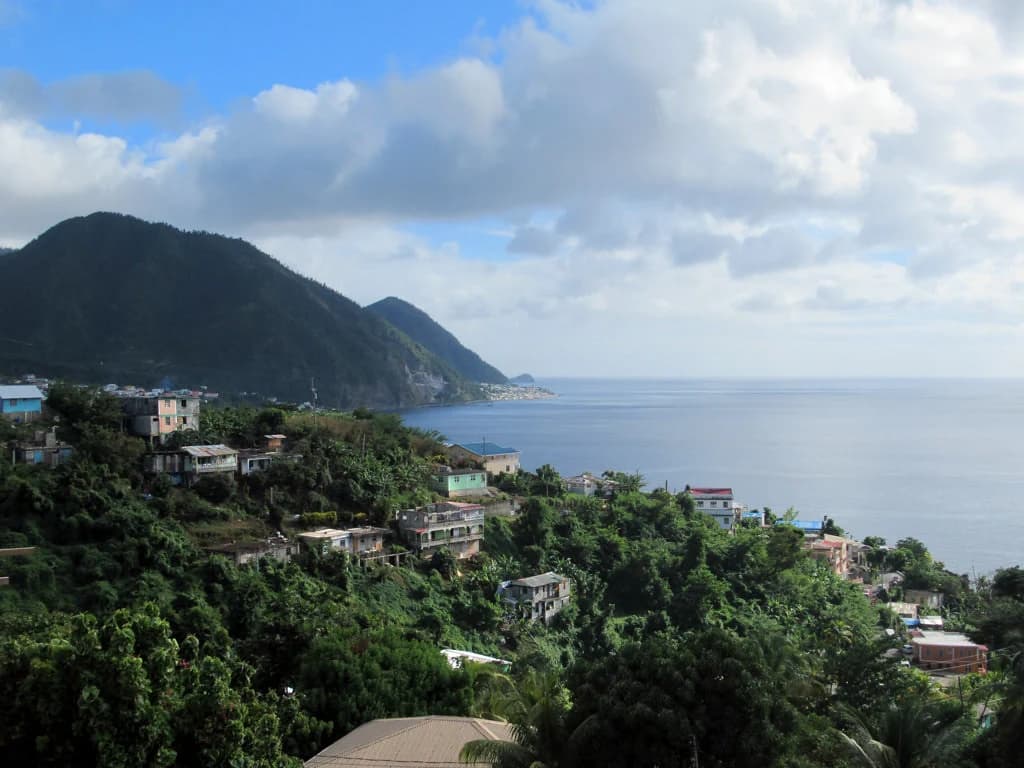 Roseau
Roseau
Dominica
Dominica markets itself as the Nature Island, and the name is a real distinction, not marketing filler — Boiling Lake, a flooded fumarole so hot it's the second-largest of its kind in the world, sits at the end of a genuinely demanding hike through some of the least developed rainforest left in the Caribbean.
See full guide →Comparing more than one route? See the full transport comparison guide.