United States · North America
New Orleans
Much of New Orleans actually sits below sea level, held dry by a system of levees and pumps rather than natural elevation — a bowl-shaped geography that made the city's 2005 flooding after Hurricane Katrina a matter of engineering failure as much as storm severity, and one the city has spent two decades rebuilding around.
New Orleans sits in a genuinely precarious geographic position — much of the city occupies a natural bowl below sea level, kept dry only by an extensive system of levees, floodwalls, and pumps rather than any natural elevation advantage. That vulnerability became catastrophically clear in 2005, when levee failures during Hurricane Katrina flooded roughly 80 percent of the city, one of the deadliest and most consequential disasters in modern US history. Two decades of rebuilding have substantially strengthened the flood protection system, and the event remains a defining, openly discussed part of how the city understands itself today.
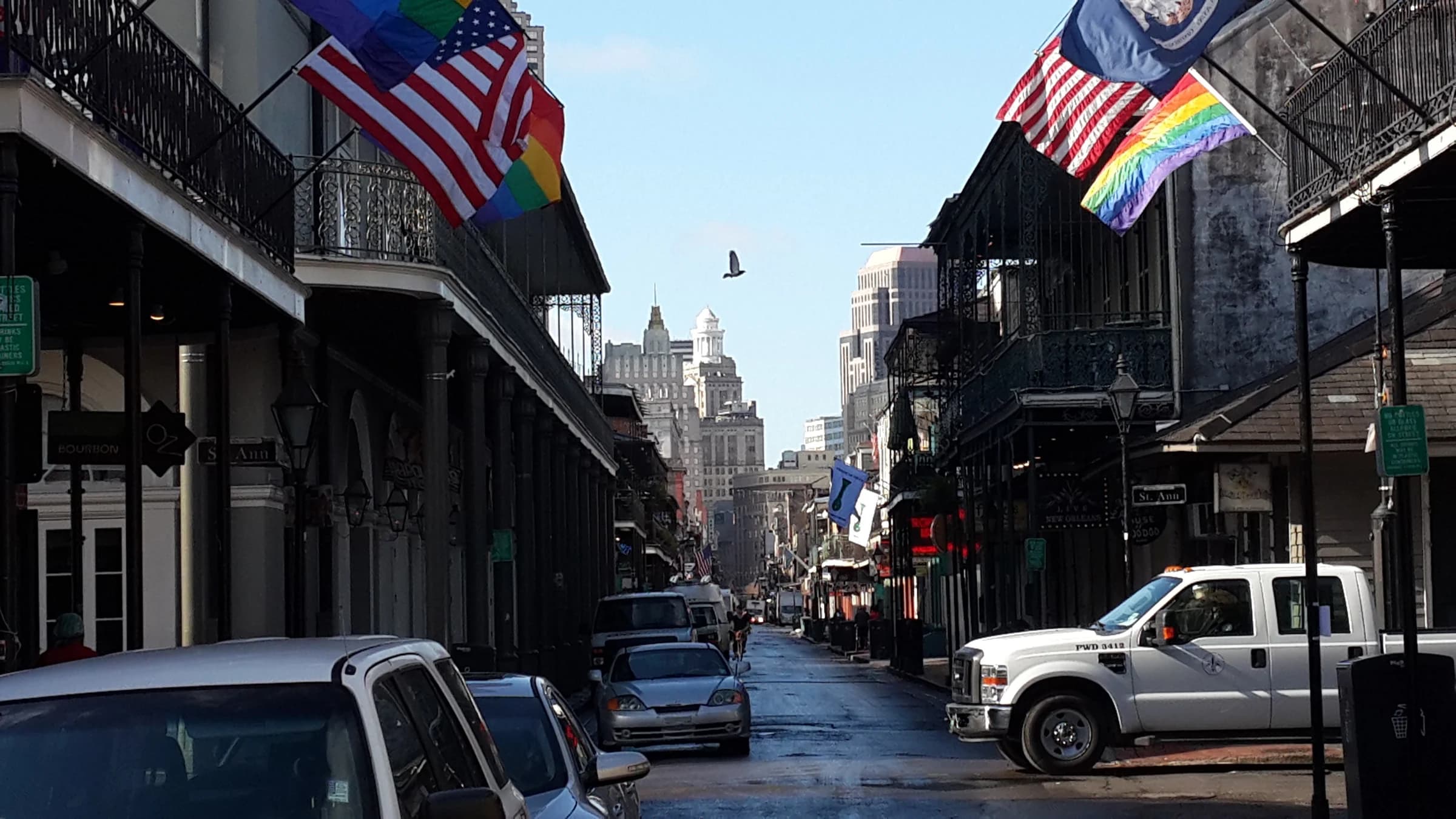
The French Quarter, the city's oldest neighborhood, preserves a genuinely distinct architectural character shaped as much by Spanish colonial rule as French — much of what visitors picture as classic New Orleans architecture, with its ironwork balconies and courtyards, actually dates to Spanish rebuilding after fires in the late 1700s, despite the neighborhood's French name.
New Orleans holds a real, well-documented claim as the birthplace of jazz, a genre that emerged in the early 20th century from the city's unusually dense mixing of African, Caribbean, and European musical traditions, particularly in neighborhoods like Tremé. Louis Armstrong, born and raised here, carried that sound to the rest of the world and remains the genre's most recognized early ambassador.
Mardi Gras, the culmination of weeks of Carnival season celebrations, draws visitors specifically for its elaborate parade floats, marching krewes, and the tradition of throwing beads and trinkets to crowds — a celebration with roots stretching back to French colonial rule in the early 1700s, making it one of the oldest continuously held traditions of its kind in North America.
The city's food culture runs on a genuine distinction between Creole and Cajun cooking that visitors often blur together — Creole cuisine developed in the city itself, blending French, Spanish, African, and Caribbean influences with access to tomatoes and cream, while Cajun cooking came from rural Acadian communities further into Louisiana, generally rustic, tomato-free, and built around what was locally available.
What a trip here actually costs
$70 / day avg.
- Hostel dorm near the French Quarter
- Po'boys and casual Creole food
- Free live music at neighborhood bars
- Walking the French Quarter and Garden District
What to do at this tier
- • French Quarter and Garden District, both free to walk
- • Free or low-cost live music at neighborhood bars, especially on Frenchmen Street
- • Jackson Square and the riverfront, free
$160 / day avg.
- 3-star hotel in or near the French Quarter
- Jazz club entry and a Mississippi River cruise
- Sit-down Creole and Cajun dinners
- Swamp or plantation day tour
What to do at this tier
- • Jazz club entry on Frenchmen Street or in the French Quarter
- • Mississippi River steamboat cruise
- • Swamp or plantation day tour outside the city
$400 / day avg.
- Boutique hotel in a restored French Quarter building
- Private jazz history and neighborhood tour
- Multi-course Creole tasting menu
- Private swamp airboat tour
What to do at this tier
- • Private jazz history tour with a local musician guide
- • Multi-course Creole tasting menu at a top-rated restaurant
- • Private airboat tour through the surrounding swamps
These are average estimates for planning purposes, not real-time prices — actual costs vary by season, availability, and how far ahead you book.
How to get there
Click anywhere on the world map — any airport works, not just our main hubs.
Click anywhere on the map above — any airport in the world works — to see estimated travel time and cost from there.
Times and prices are planning estimates, not live fares — always check a booking site before you commit. See the full Transport Comparison guide for the general tradeoffs of each mode.
Best time to visit
February through May brings comfortable temperatures and includes Mardi Gras season. Summer is genuinely hot and humid, and hurricane season runs June through November, worth checking forecasts around during that window.
Safety notes
Generally safe in the French Quarter, Garden District, and other main tourist areas with standard city precautions; avoid unfamiliar side streets late at night, particularly outside the well-trafficked core.
Visa & currency
US dollar (USD). Most Western European, UK, Australian, and several other passport holders can enter visa-free for short tourist stays under the Visa Waiver Program with an approved ESTA — worth confirming current requirements before booking.
Questions people ask before visiting
Is New Orleans safe?
The French Quarter, Garden District, and other main tourist areas are generally safe with standard city precautions, particularly around Bourbon Street's nightlife crowds. As in any major US city, it's worth avoiding poorly lit or unfamiliar side streets late at night and using registered transportation.
What makes New Orleans the birthplace of jazz?
In the early 20th century, the city's mix of African, Caribbean, and European musical traditions, especially in neighborhoods like Tremé, converged into a genuinely new musical form built around improvisation. Louis Armstrong, born and raised in New Orleans, became the genre's most influential early ambassador to the wider world.
How was New Orleans affected by Hurricane Katrina?
The 2005 storm caused catastrophic flooding when federally built levees failed, submerging roughly 80 percent of the city and displacing hundreds of thousands of residents in one of the deadliest disasters in modern US history. Recovery has spanned two decades, and the city's flood protection system has been substantially rebuilt since, though the event remains a defining part of local memory and identity.
What is Mardi Gras, and when does it happen?
The final day of Carnival season before the Christian season of Lent, marked by parades, elaborate floats, and beads thrown to crowds, though the celebrations in New Orleans span weeks leading up to it. The exact date shifts each year based on the Christian calendar, typically falling in February or early March.
Nearby destinations
 Miami
MiamiMiami
United States
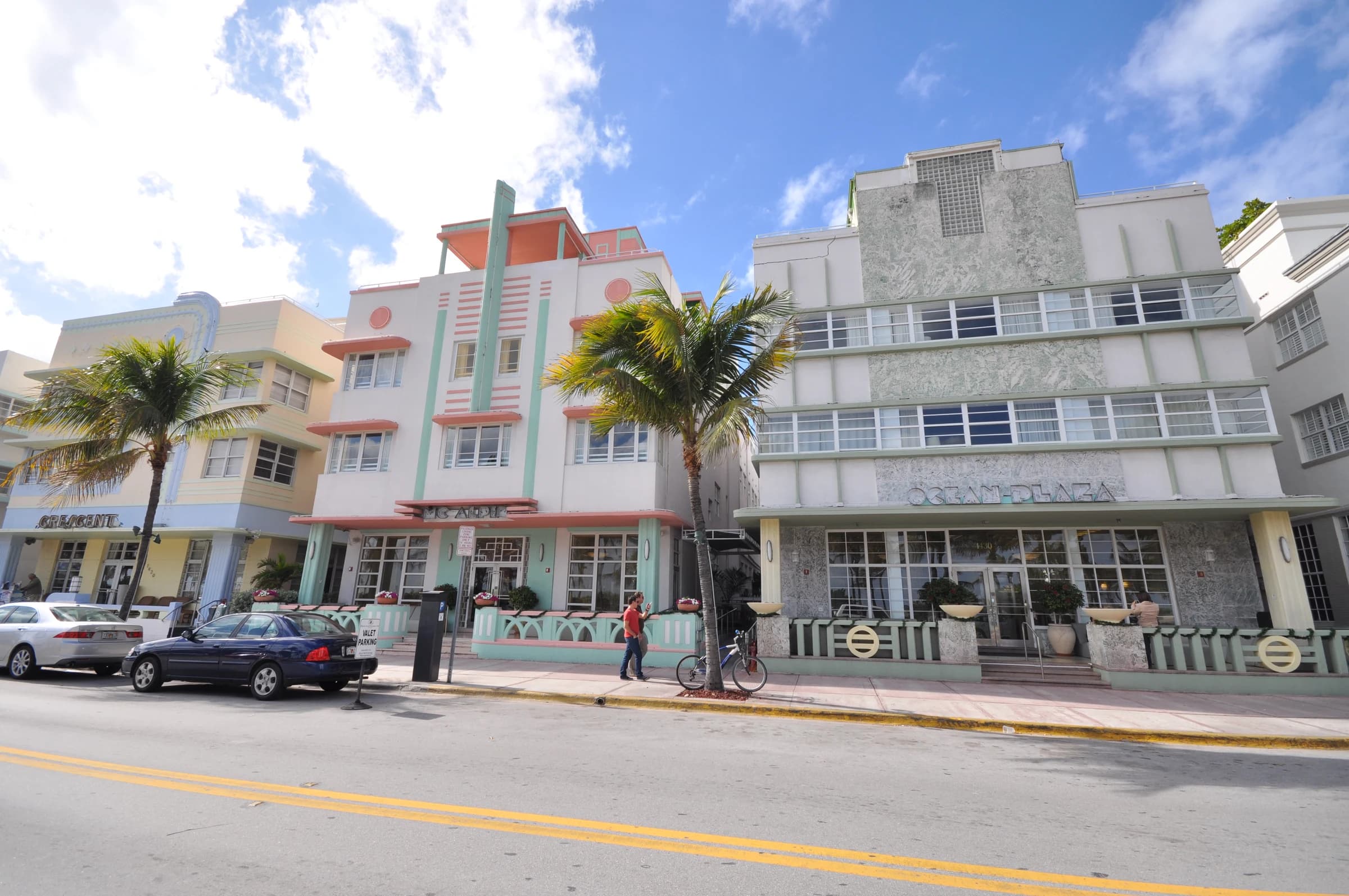
South Beach holds the largest concentration of Art Deco architecture anywhere in the world, roughly 800 pastel-colored buildings from the 1920s-40s that were nearly demolished for parking lots in the 1970s before a local preservation campaign saved the entire district.
See full guide →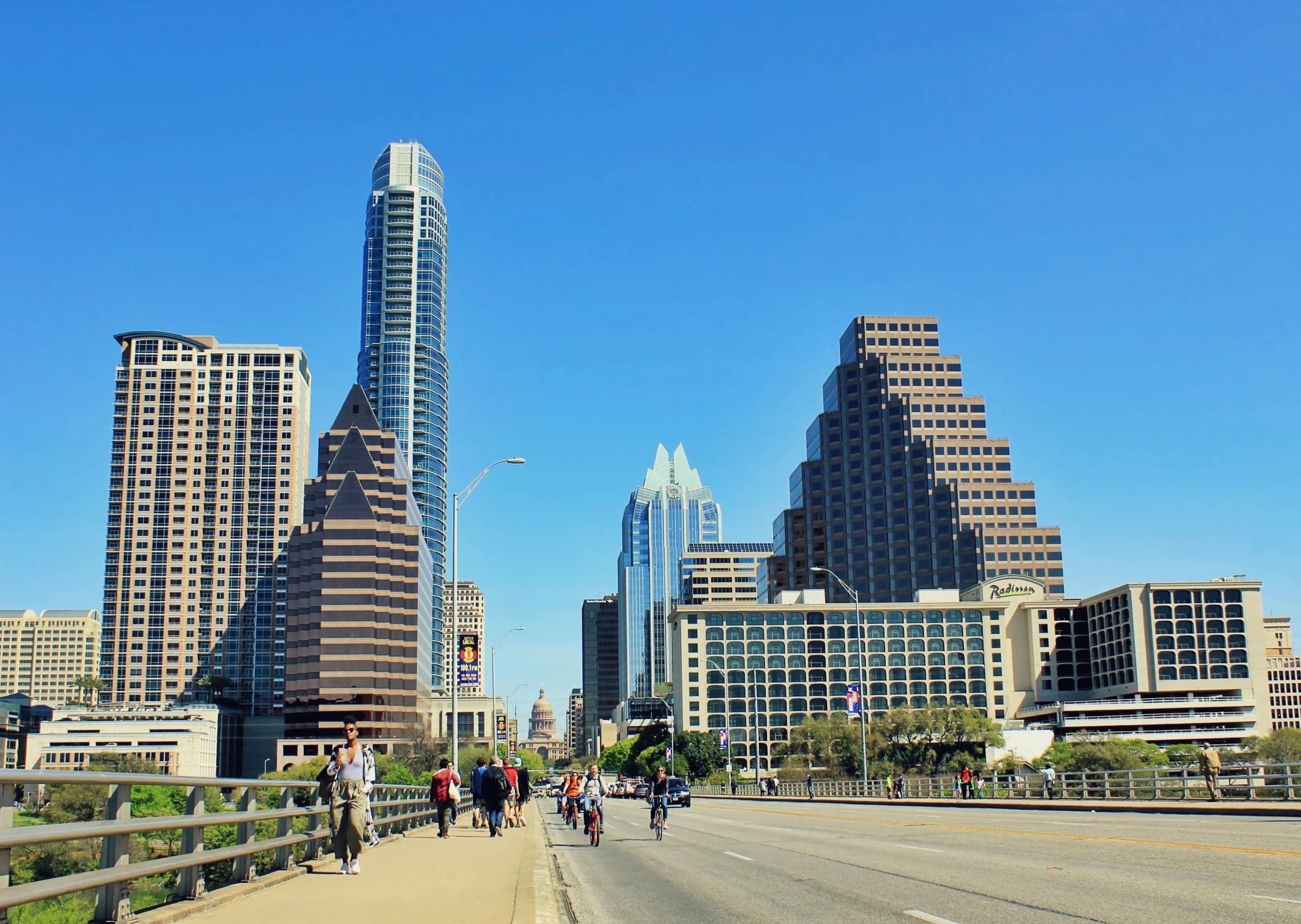 Austin
Austin
United States
About 1.5 million Mexican free-tailed bats live under the Congress Avenue Bridge in downtown Austin, the largest urban bat colony in North America, and their nightly emergence at dusk each summer has become one of the city's most reliable free spectacles — thousands of people gather on the bridge and along the riverbank just to watch them leave.
See full guide →Comparing more than one route? See the full transport comparison guide.