Cuba · North America
Trinidad
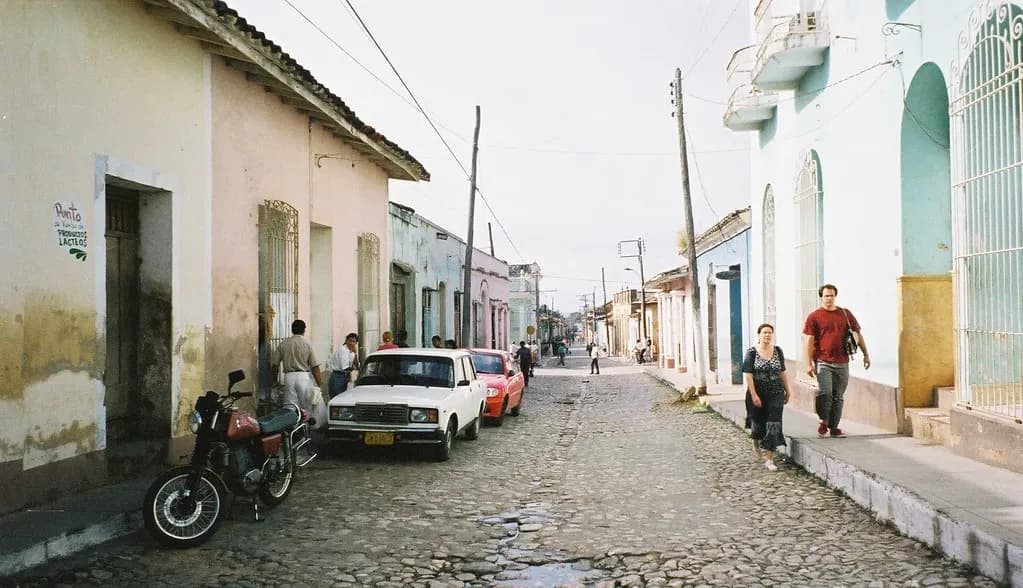
Trinidad's sugar barons built such extravagant mansions in the early 1800s that when the industry collapsed later that century, the town was too poor to tear anything down and rebuild — which is exactly why its cobblestone streets and pastel colonial facades survive almost untouched today.
Trinidad made its fortune on sugar in the late 1700s and early 1800s, and the wealth shows in the mansions its plantation owners built around Plaza Mayor — ornate iron grillwork, imported tile, and bell towers built simply to be seen from a distance. When the sugar industry collapsed later in the 19th century, largely due to soil exhaustion and shifting trade patterns, the town lost the money to keep rebuilding.
That stall in development turned out to be the reason Trinidad looks the way it does now. Without the funds to modernize, the cobblestone streets and pastel colonial facades that would have been paved over or replaced elsewhere simply stayed as they were, and UNESCO recognized the historic center as a World Heritage Site in 1988.
The wealth that built Trinidad came from the Valle de los Ingenios, a fertile valley just outside town where dozens of sugar mills once operated using enslaved labor. The Manaca Iznaga tower, built to keep watch over workers in the cane fields, still stands as the valley's most visible landmark and is now included on most tours out of town.
Music is genuinely woven into daily life here rather than staged for visitors — Casa de la Música's outdoor stone steps fill most evenings with live son and salsa, and it's as much a local gathering spot as a tourist draw.
Trinidad also gives easier access to a real Caribbean beach than Havana does: Playa Ancón, about 12 kilometers south, has calm, clear water typical of Cuba's southern coast, without the crowds or infrastructure of Varadero.
What a trip here actually costs
$35 / day avg.
- Room in a casa particular (private homestay)
- Home-cooked meals from your host
- Walking the historic center, free
- Shared taxi to Playa Ancón
What to do at this tier
- • Walk the cobblestone streets around Plaza Mayor, free
- • Casa de la Música's outdoor steps for live son and salsa most evenings
- • Museo Romántico, a former sugar-baron mansion turned museum
$75 / day avg.
- Well-reviewed casa particular with private bathroom
- Valle de los Ingenios half-day tour
- Dinner at a paladar (private restaurant)
- Playa Ancón day trip with lunch
What to do at this tier
- • Valle de los Ingenios half-day tour, including the Manaca Iznaga tower
- • Playa Ancón beach day with lunch at a beachfront paladar
- • Horseback ride into the surrounding countryside
These are average estimates for planning purposes, not real-time prices — actual costs vary by season, availability, and how far ahead you book.
How to get there
Click anywhere on the world map — any airport works, not just our main hubs.
Click anywhere on the map above — any airport in the world works — to see estimated travel time and cost from there.
Times and prices are planning estimates, not live fares — always check a booking site before you commit. See the full Transport Comparison guide for the general tradeoffs of each mode.
Best time to visit
December through April is driest and least humid. Hurricane season runs June through November, with the highest risk in the late summer and fall.
Safety notes
Generally safe with low violent crime; the more common issues are overcharging or informal guides steering visitors toward specific restaurants for a commission, so it's worth agreeing on prices upfront.
Visa & currency
Cuban peso (CUP), though many tourist transactions run in cash US dollars or euros. US-issued credit and debit cards generally do not work in Cuba due to the US embargo, so visitors need to bring sufficient cash. US passport holders face specific legal travel-category requirements for visiting Cuba that don't apply to most other nationalities — worth checking current rules well before booking.
Questions people ask before visiting
Is Trinidad Cuba worth visiting?
Yes — it's one of the best-preserved Spanish colonial towns in the Americas, largely because the decline of the local sugar industry in the late 1800s left it without the money to modernize. The cobblestone streets, pastel facades, and sugar-baron mansions are essentially intact, and it pairs a beach at Playa Ancón with genuine colonial history in one compact town.
How do you get to Trinidad from Havana?
Trinidad sits roughly 5-6 hours from Havana by road. Options include the Víazul tourist bus, a shared taxi (colectivo), or a private hired car; there's no passenger rail service on this route. Most visitors treat it as a multi-day stop rather than a day trip given the distance.
What is the Valle de los Ingenios?
The Valley of the Sugar Mills, a UNESCO-listed valley just outside Trinidad dotted with the ruins of former sugar plantations, including the Manaca Iznaga tower once used to watch over enslaved workers in the cane fields. It's usually visited as a half-day trip from town, sometimes by the old steam train when it's running.
Does Trinidad Cuba have a beach?
Yes, Playa Ancón, about 12 kilometers south of town, has white sand and calm, clear water typical of Cuba's southern coast. It's a reasonable add-on to a town-focused trip rather than the main draw on its own.
Nearby destinations
 Havana
Havana
Cuba
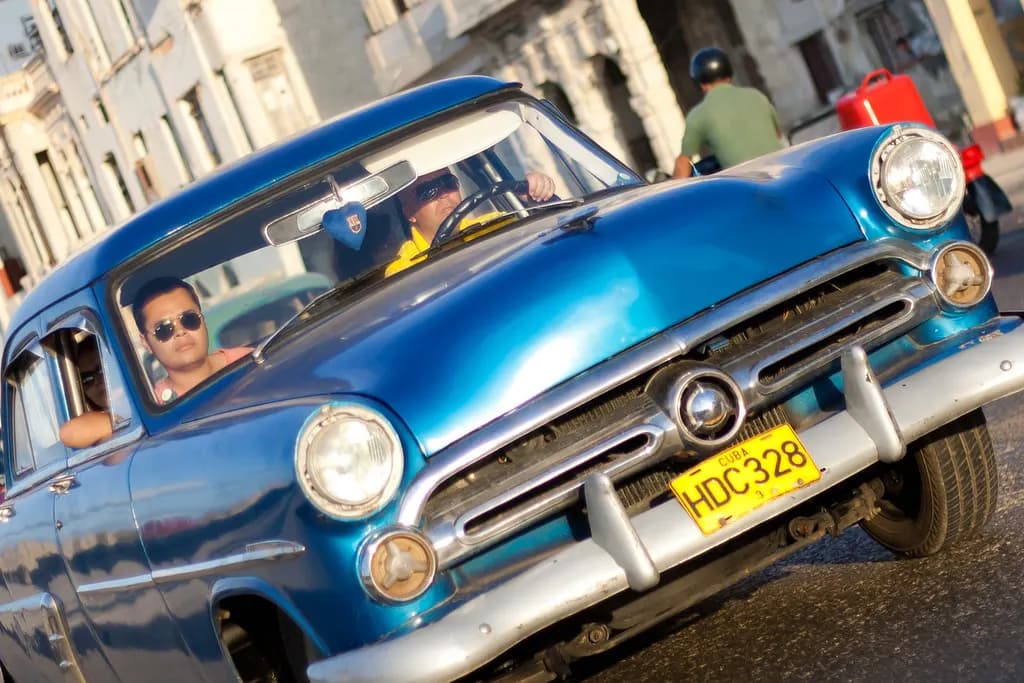
Havana has more 1950s American cars still running as daily transportation than almost anywhere else on Earth — not for nostalgia, but because a decades-long US trade embargo made importing new vehicles nearly impossible, so Cubans kept the same cars alive with improvised parts for over 70 years.
See full guide →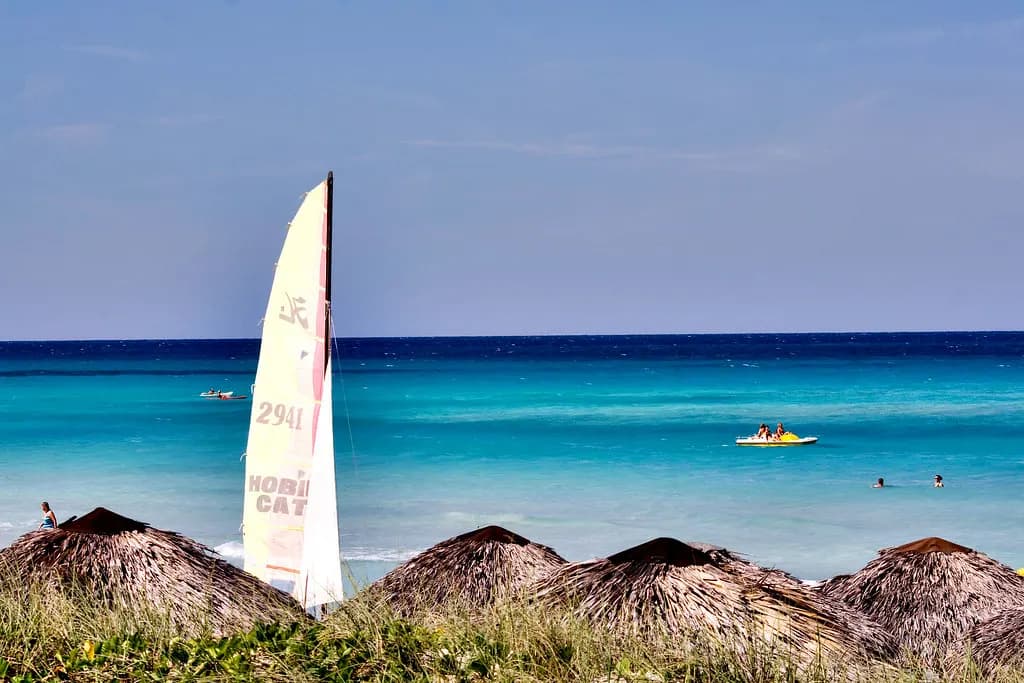 Varadero
Varadero
Cuba
Varadero sits on a narrow peninsula so consistently lined with white sand and turquoise water that Cuba built its entire international beach-tourism industry around this one 20-kilometer strip, largely separate from the rest of the country's economy.
See full guide →Comparing more than one route? See the full transport comparison guide.