Cuba · North America
Havana
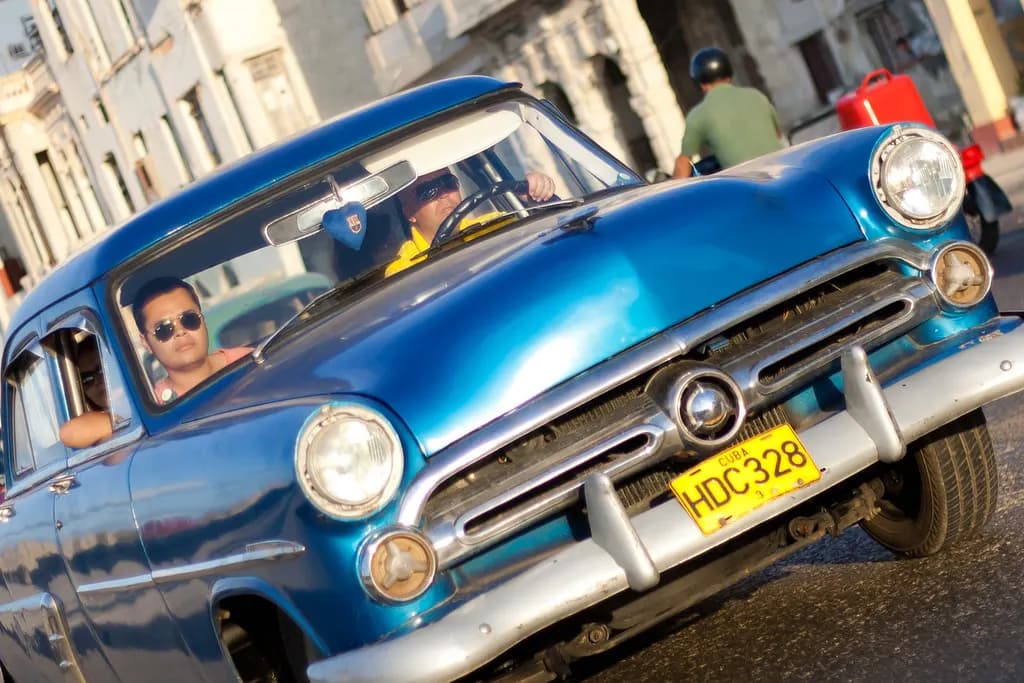
Havana has more 1950s American cars still running as daily transportation than almost anywhere else on Earth — not for nostalgia, but because a decades-long US trade embargo made importing new vehicles nearly impossible, so Cubans kept the same cars alive with improvised parts for over 70 years.
Havana's streets carry a visible, still-functioning piece of Cold War history: thousands of pre-1959 American cars, many original 1950s Chevrolets, Buicks, and Fords, still operate as daily taxis and private transportation. Their survival traces directly to a US trade embargo imposed shortly after the 1960 Cuban Revolution, which made importing American vehicles and replacement parts effectively impossible for decades. Rather than disappearing, the existing fleet was kept alive through generations of improvised repairs, locally fabricated parts, and often non-original engines — a genuine, functioning piece of automotive history rather than a curated tourist display.
Old Havana (Habana Vieja), a UNESCO World Heritage Site since 1982, holds one of the most architecturally significant and well-preserved Spanish colonial centers anywhere in the Americas — four main plazas, each with its own distinct character, surrounded by centuries of colonial, baroque, and neoclassical architecture that Cuba's relative economic isolation ironically helped preserve by limiting the kind of rapid, disruptive redevelopment many other historic Latin American centers experienced.
The Malecón, Havana's iconic seafront promenade stretching roughly 8 kilometers along the coast, functions as a genuine daily gathering spot for Habaneros — fishing, socializing, and watching waves crash against the seawall, especially dramatic during stronger weather — as much as a scenic backdrop for visitors.
Cuba's live music tradition runs exceptionally deep even by the country's own high standards for the arts — son cubano, the foundational genre that later influenced salsa's development, along with rumba and a strong ongoing jazz scene, are performed nightly across numerous venues, and Havana's musical reputation genuinely holds up against the hype.
Cuba's political and economic relationship with the United States has shaped tourism logistics significantly: most nationalities can visit with a straightforward tourist card, but US passport holders navigate a more complex set of travel category restrictions under US law that require planning a trip around qualifying activities — a genuinely important practical detail to research thoroughly before booking, given how the specific rules have shifted over time.
What a trip here actually costs
$35 / day avg.
- Casa particular (private homestay) near Old Havana
- Local transport
- Paladares (private restaurant) lunches
- Free wander through Old Havana's plazas
What to do at this tier
- • Old Havana wander, including Plaza Vieja and Plaza de la Catedral, free
- • Malecón waterfront promenade, especially good at sunset, free
- • Live street music in Old Havana's squares, often free to watch
$80 / day avg.
- 3-star hotel or upscale casa particular
- Classic car city tour
- Sit-down Cuban dinners at well-regarded paladares
- Live music venue entry
What to do at this tier
- • Classic car tour of the city in a restored 1950s convertible
- • Live music venue, salsa or traditional son cubano, several well-known clubs
- • Sit-down dinner at a paladar, a privately run restaurant distinct from state-run options
These are average estimates for planning purposes, not real-time prices — actual costs vary by season, availability, and how far ahead you book.
How to get there
Click anywhere on the world map — any airport works, not just our main hubs.
Click anywhere on the map above — any airport in the world works — to see estimated travel time and cost from there.
Times and prices are planning estimates, not live fares — always check a booking site before you commit. See the full Transport Comparison guide for the general tradeoffs of each mode.
Best time to visit
November-April brings the driest, most comfortable weather; hurricane season runs roughly June-November.
Safety notes
Generally safe with low violent crime; petty theft and scams targeting tourists are a realistic concern worth normal vigilance about.
Visa & currency
Cuban peso, though tourists typically transact in cash (euros or other hard currency are often preferable to US dollars given exchange complications). Cuba operates largely as a cash economy with limited international card acceptance — plan finances accordingly. Most non-US nationalities need a simple tourist card; US passport holders face specific travel category restrictions under US law and should confirm current requirements well before booking.
Questions people ask before visiting
Is Havana worth visiting?
Yes — its UNESCO-listed Old Havana holds one of the most architecturally significant colonial centers in the Americas, the classic-car streetscape is a genuine, still-functioning part of daily life rather than a staged attraction, and the live music scene is exceptionally strong even by Cuba's own high standards.
Can Americans travel to Cuba?
It's more complicated than for most nationalities — US law restricts tourism specifically, but US citizens can generally travel under one of several authorized categories (such as 'support for the Cuban people'), which requires planning the trip around qualifying activities rather than a pure beach holiday. Rules have changed over time, so confirming current requirements directly before booking is essential for US passport holders specifically.
Why does Havana have so many classic American cars?
A US trade embargo imposed in 1960, shortly after the Cuban Revolution, made importing American vehicles and parts effectively impossible for decades. Rather than the fleet disappearing, Cubans kept pre-1959 American cars running through generations of improvised repairs and locally fabricated parts, and many are still used as daily taxis today.
Is Havana safe?
Generally safe with low violent crime rates, though petty theft and tourist-targeted scams are a realistic concern worth normal vigilance about. Cuba also operates on a largely cash-based economy for tourists, with limited international card acceptance, which requires more upfront financial planning than most destinations.
How many days do you need in Havana?
Three days covers Old Havana's colonial squares, the Malecón waterfront, and a live music venue or two. A fourth or fifth day allows a classic car tour of the wider city or a day trip to Viñales' tobacco-growing countryside.
Nearby destinations
 Varadero
Varadero
Cuba
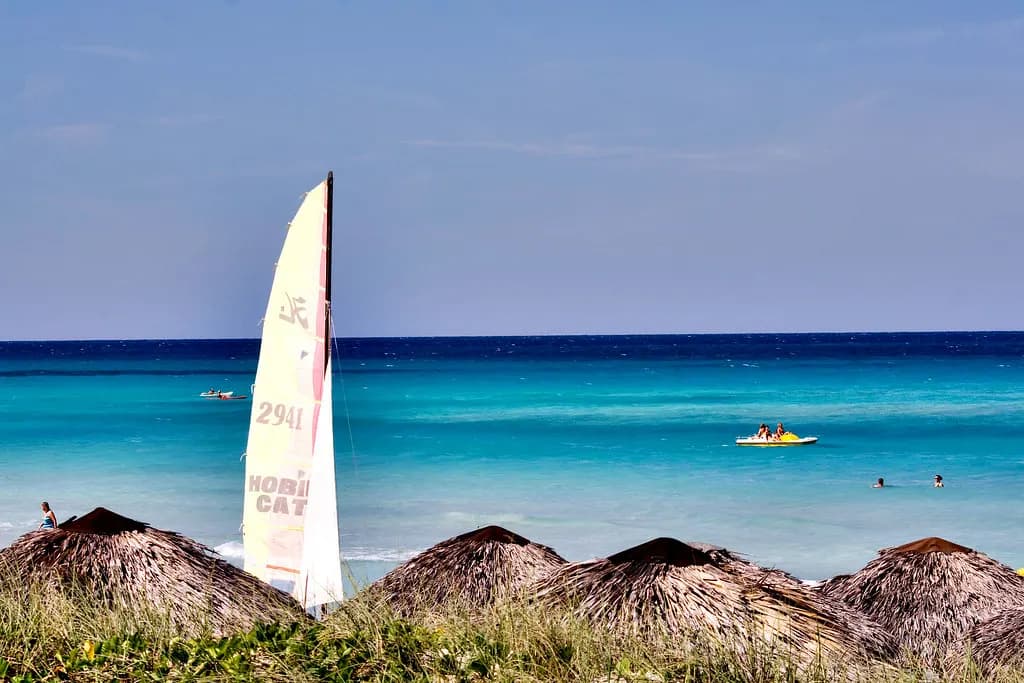
Varadero sits on a narrow peninsula so consistently lined with white sand and turquoise water that Cuba built its entire international beach-tourism industry around this one 20-kilometer strip, largely separate from the rest of the country's economy.
See full guide →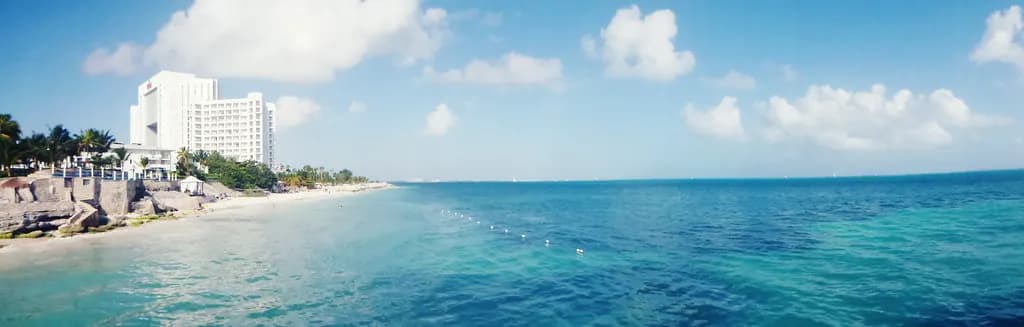 Cancún
Cancún
Mexico
Cancún didn't exist as a city until 1970 — Mexico's government picked the spot using a computer analysis of wind patterns, water color, and hurricane risk, then built an entire resort city from scratch on what had been an uninhabited sandbar.
See full guide →Comparing more than one route? See the full transport comparison guide.