Canada · North America
Banff
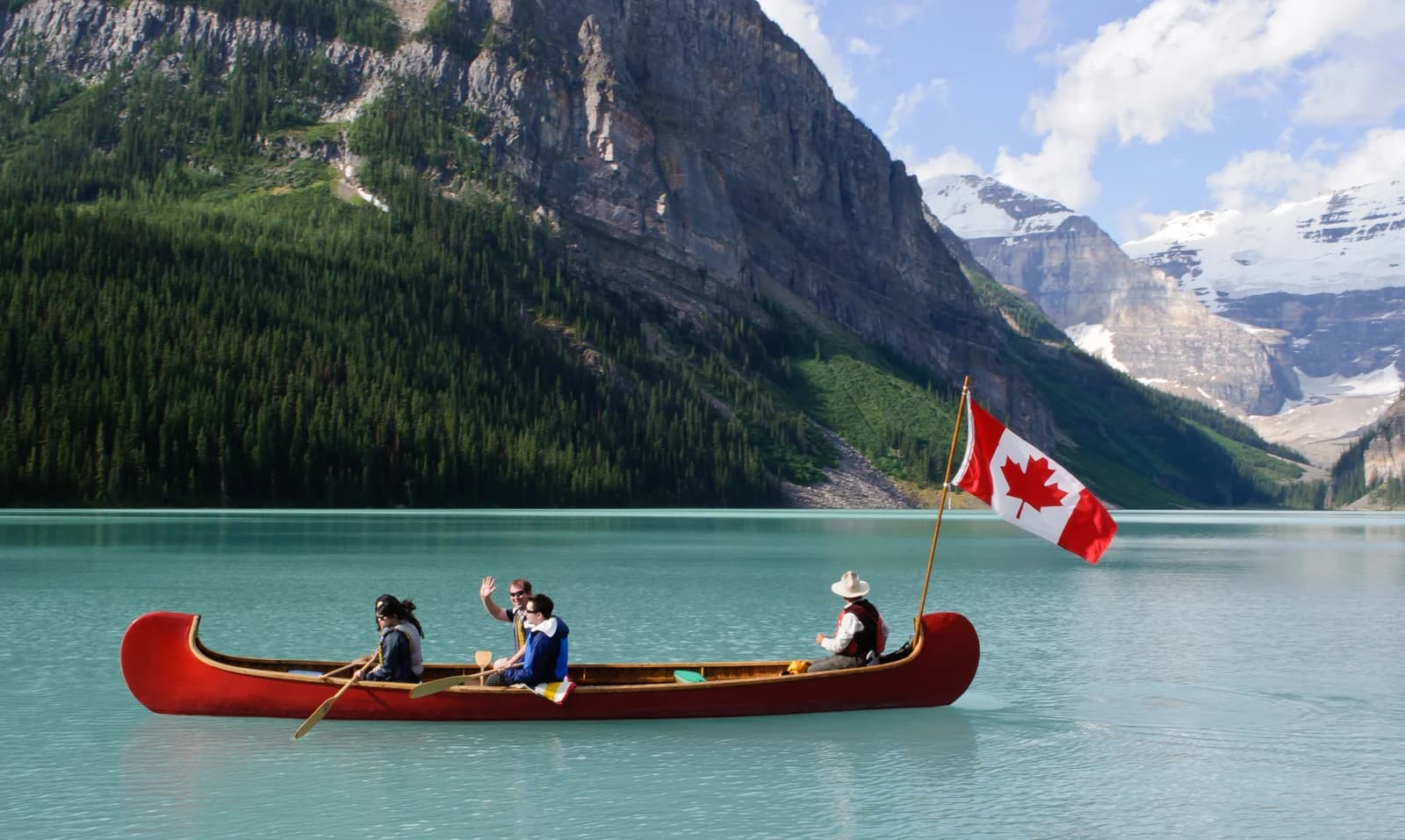
Banff National Park became Canada's first national park in 1885, created almost by accident after railway workers building the transcontinental line stumbled on natural hot springs — the glacial turquoise of Lake Louise a short drive away comes from rock flour, fine sediment ground by glaciers that stays suspended in the water and scatters light into that exact color.
Banff owes its existence to a genuine accident of railway construction. Workers building Canada's transcontinental railway in the 1880s stumbled on natural hot springs on Sulphur Mountain, and the discovery led directly to Banff National Park's creation in 1885 — Canada's first national park, and one of the earliest in the world.
Lake Louise, a short drive from Banff townsite, has become the park's single most photographed feature, its vivid turquoise water a direct result of rock flour — extremely fine sediment ground by glaciers slowly moving over bedrock, which stays suspended in the glacial meltwater and scatters light into that specific color rather than any mineral content or artificial influence.
Wildlife viewing here is genuinely more accessible than in most national parks — elk and bighorn sheep commonly turn up right around the townsite itself, while black bears, grizzly bears, and moose require heading into more remote sections of the park, or simple luck. Park authorities maintain strict distance and food-storage rules given how much human-wildlife contact the park's popularity generates.
The Icefields Parkway, connecting Banff to Jasper National Park further north, is regularly ranked among the most scenic drives in the world, running alongside glaciers, waterfalls, and turquoise lakes for roughly 230 kilometers — a single road that turns transit between the two parks into its own destination.
Banff's popularity has made it one of the busiest national parks in Canada, and summer crowds at Lake Louise and Moraine Lake specifically can mean parking lots filling before sunrise — a real practical consideration that shuttle services and early starts are built around, rather than something visitors can simply plan around casually.
What a trip here actually costs
$180 / day avg.
- 3-star hotel in Banff townsite
- Lake Louise and Moraine Lake day trip by shuttle
- Sit-down dinners in town
- Gondola ride up Sulphur Mountain
What to do at this tier
- • Lake Louise and Moraine Lake, both reachable by shuttle from Banff townsite
- • Sulphur Mountain gondola for a panoramic view over the Bow Valley
- • Johnston Canyon hike to its waterfalls, one of the park's most popular trails
$450 / day avg.
- Resort hotel with mountain views
- Private guided hike or wildlife tour
- Fine dining reservations
- Helicopter tour over the Icefields Parkway
What to do at this tier
- • Private guided hike with a naturalist focused on wildlife spotting
- • Helicopter tour over the Icefields Parkway and surrounding glaciers
- • Stay at one of the park's historic grand lodge hotels
These are average estimates for planning purposes, not real-time prices — actual costs vary by season, availability, and how far ahead you book.
How to get there
Click anywhere on the world map — any airport works, not just our main hubs.
Click anywhere on the map above — any airport in the world works — to see estimated travel time and cost from there.
Times and prices are planning estimates, not live fares — always check a booking site before you commit. See the full Transport Comparison guide for the general tradeoffs of each mode.
Best time to visit
June through September brings the most reliable access to hiking trails and the clearest lake colors. December through March draws a separate crowd for skiing and snowboarding at the park's resorts.
Safety notes
Generally safe, but genuine wildlife encounters are possible — carry bear spray on trails, know how to store food properly, and never approach animals regardless of how used to visitors they may appear.
Visa & currency
Canadian dollar (CAD). US and most Western European passport holders can typically enter visa-free for tourist stays, though an Electronic Travel Authorization (eTA) is required for visa-exempt air travelers — worth confirming current requirements before booking.
Questions people ask before visiting
Why is Lake Louise that specific turquoise color?
The color comes from rock flour, extremely fine sediment ground by glaciers as they slowly move over bedrock. This sediment stays suspended in the meltwater feeding the lake and scatters sunlight in a way that produces the vivid turquoise, rather than the water containing any mineral or dye.
What wildlife can you see in Banff National Park?
Elk and bighorn sheep are commonly seen even right around Banff townsite, while black bears, grizzly bears, and moose require more remote areas or luck. Wildlife viewing is genuinely one of the park's main draws, though visitors are strongly advised to keep a safe distance and never approach or feed any animal.
Is Banff worth visiting?
Yes, consistently rated among the most scenic mountain destinations in the world — turquoise glacial lakes, genuinely accessible wildlife viewing, and hiking ranging from easy lakeside walks to serious backcountry routes, all within Canada's oldest and most developed national park.
Banff or Jasper — which national park should I visit?
Banff is more developed, more accessible, and busier, with Lake Louise and the townsite drawing the bulk of Canadian Rockies tourism. Jasper, further north along the same Icefields Parkway, is larger, quieter, and better known for dark-sky stargazing and a more remote feel — many visitors combine both via the parkway connecting them.
Nearby destinations
 Vancouver
Vancouver
Canada
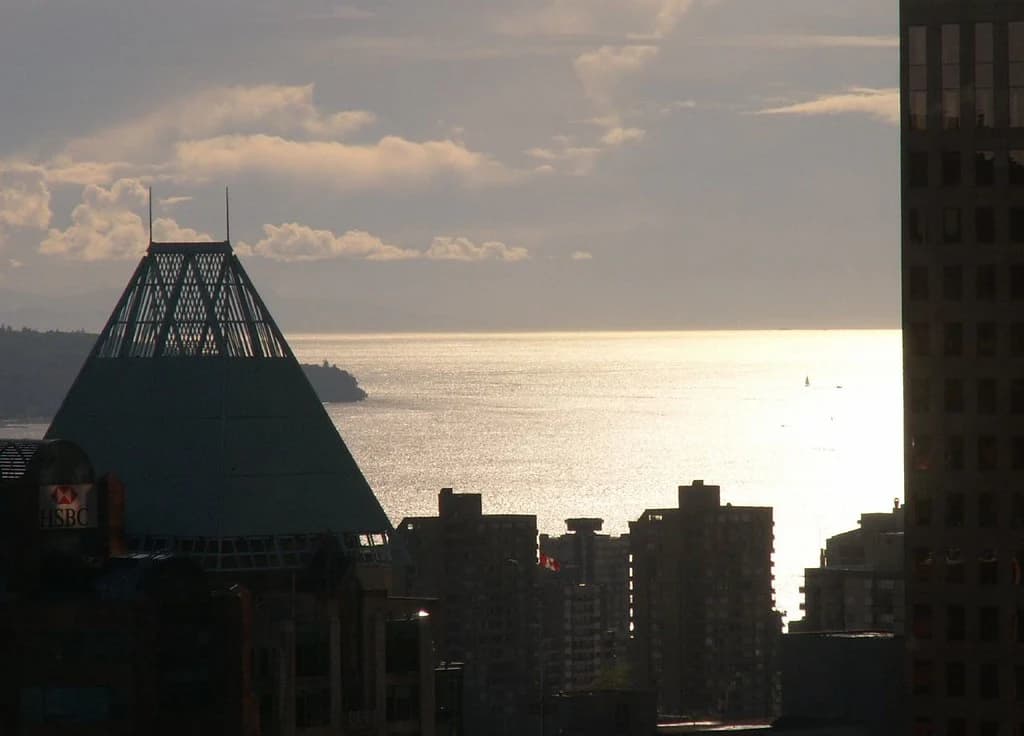
Vancouver is one of the only cities in the world where you can genuinely ski in the morning and walk a temperate rainforest beach in the afternoon — downtown sits wedged between the Pacific Ocean and the Coast Mountains, with Stanley Park's old-growth forest covering more ground than New York's Central Park.
See full guide →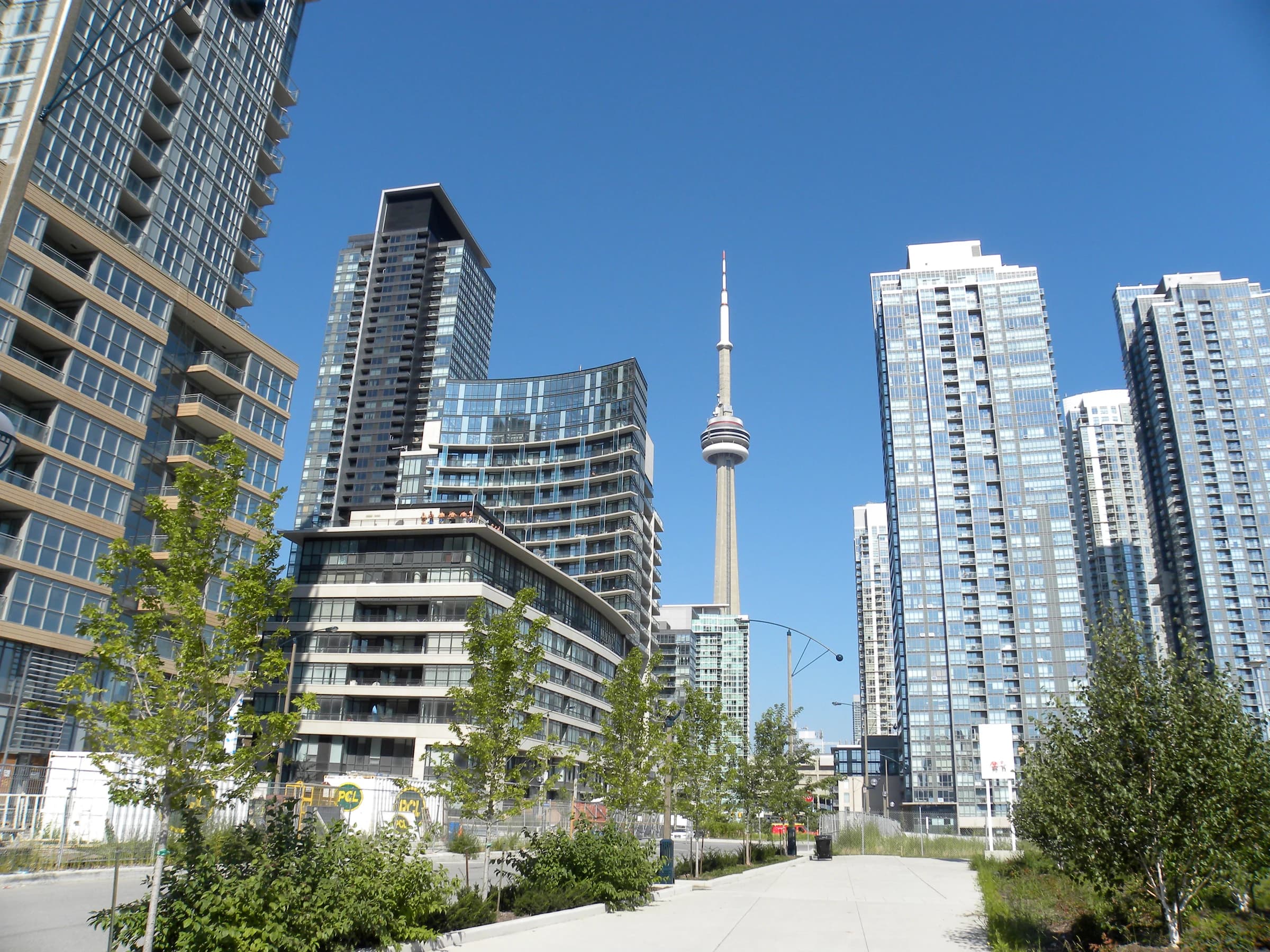 Toronto
Toronto
Canada
More than half of Toronto's residents were born outside Canada, a proportion higher than almost any other major city on Earth — and the CN Tower, once the world's tallest freestanding structure, still lets visitors walk a hands-free loop around its outer edge 356 meters up.
See full guide →Comparing more than one route? See the full transport comparison guide.