Canada · North America
Vancouver
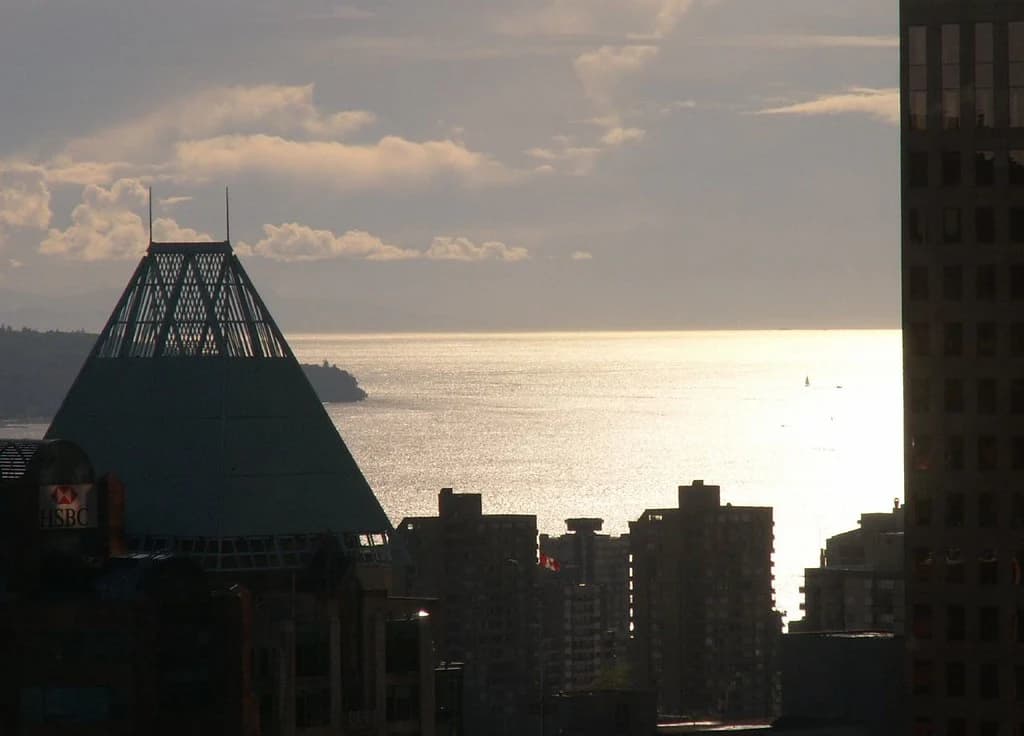
Vancouver is one of the only cities in the world where you can genuinely ski in the morning and walk a temperate rainforest beach in the afternoon — downtown sits wedged between the Pacific Ocean and the Coast Mountains, with Stanley Park's old-growth forest covering more ground than New York's Central Park.
Vancouver's setting is genuinely unusual among major cities — downtown sits on a peninsula wedged between the Pacific Ocean and the Coast Mountains, close enough to both that locals routinely describe skiing in the morning and walking a beach in the afternoon as an ordinary weekend option rather than an exaggeration.
Stanley Park anchors that setting on the peninsula's northern tip, covering roughly 400 hectares, more ground than New York's Central Park. Unlike most major urban parks, much of it is genuine old-growth temperate rainforest rather than landscaped grounds, with a seawall path circling the full perimeter that draws cyclists and walkers in roughly equal numbers.
The North Shore mountains, visible from most of downtown, hold the ski terrain that makes Vancouver's morning-ski, afternoon-beach reputation genuinely achievable — Grouse Mountain and Cypress Mountain are both reachable by a short drive or gondola ride, offering real alpine terrain a fraction of the distance from downtown that most ski destinations require.
Granville Island, a former industrial peninsula under the Granville Street Bridge, has been reworked into a public market and artisan district without losing its working-harbor feel entirely — commercial fishing boats and a cement plant still operate alongside the market stalls and galleries that draw most visitors.
Vancouver's cost of living, and particularly its housing costs, have become a defining civic issue over recent decades, consistently ranking among the least affordable cities in North America — a tension that shows up in local conversation more than in most tourist-facing information, but worth understanding as part of the city's current identity beyond the scenery.
What a trip here actually costs
$160 / day avg.
- 3-star hotel downtown
- Grouse Mountain gondola and trail pass
- Sit-down dinners featuring Pacific Northwest seafood
- Stanley Park bike rental
What to do at this tier
- • Stanley Park seawall by bike or on foot, largely free to enjoy
- • Granville Island's public market and artisan shops
- • Grouse Mountain gondola for a mountain view over the city and Pacific
$400 / day avg.
- 4-star hotel with harbor or mountain views
- Private day trip combining Grouse Mountain and Capilano Suspension Bridge
- Tasting menu at a top-rated seafood restaurant
- Whale-watching boat tour
What to do at this tier
- • Whale-watching boat tour into the surrounding waters
- • Private day trip combining Grouse Mountain and the Capilano Suspension Bridge
- • Tasting menu at a top-rated Pacific Northwest seafood restaurant
These are average estimates for planning purposes, not real-time prices — actual costs vary by season, availability, and how far ahead you book.
How to get there
Click anywhere on the world map — any airport works, not just our main hubs.
Click anywhere on the map above — any airport in the world works — to see estimated travel time and cost from there.
Times and prices are planning estimates, not live fares — always check a booking site before you commit. See the full Transport Comparison guide for the general tradeoffs of each mode.
Best time to visit
June through September brings the driest, warmest weather. Vancouver's famously rainy reputation is genuine, especially October through March, though winters stay mild by Canadian standards rather than brutally cold.
Safety notes
Generally safe by major-city standards; the Downtown Eastside neighborhood has visible, concentrated social challenges worth being aware of, though it's a small, specific area rather than something affecting the wider city.
Visa & currency
Canadian dollar (CAD). US and most Western European passport holders can typically enter visa-free for tourist stays, though an Electronic Travel Authorization (eTA) is required for visa-exempt air travelers — worth confirming current requirements before booking.
Questions people ask before visiting
How big is Stanley Park?
Roughly 400 hectares, larger than New York's Central Park, and unusual among major urban parks for containing genuine old-growth temperate rainforest rather than landscaped grounds. A seawall path circles its full perimeter, popular with cyclists, runners, and walkers alike.
Is Vancouver expensive?
Yes, consistently ranked among the most expensive cities in North America for housing specifically, which also pushes up hotel prices. Food and activities are more comparable to other major Canadian cities, so costs are manageable outside of accommodation if that's booked carefully.
Can you really ski and see the ocean on the same day in Vancouver?
Yes — the North Shore mountains, including Grouse Mountain and Cypress Mountain, are a short drive or gondola ride from downtown and offer genuine ski terrain in winter, while English Bay's beaches sit just a few kilometers away, making a single-day combination realistic for anyone with a car or willing to use transit and a rideshare.
How many days do you need in Vancouver?
Three to four days covers Stanley Park, Granville Island, and a mountain excursion. It also works well as the starting or ending point for a longer trip into the Canadian Rockies, given its position as the major gateway airport for western Canada.
Nearby destinations
 Toronto
Toronto
Canada
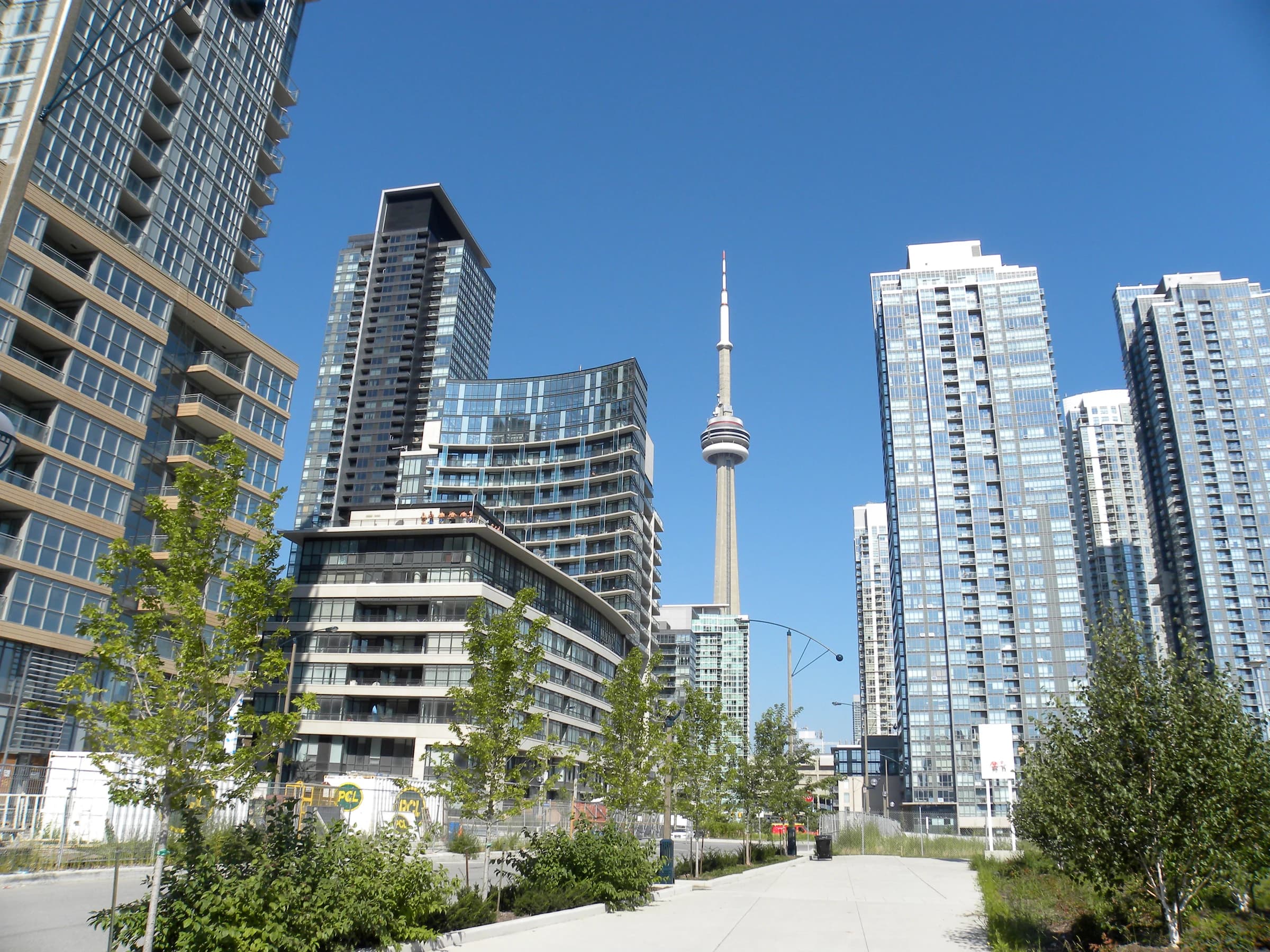
More than half of Toronto's residents were born outside Canada, a proportion higher than almost any other major city on Earth — and the CN Tower, once the world's tallest freestanding structure, still lets visitors walk a hands-free loop around its outer edge 356 meters up.
See full guide →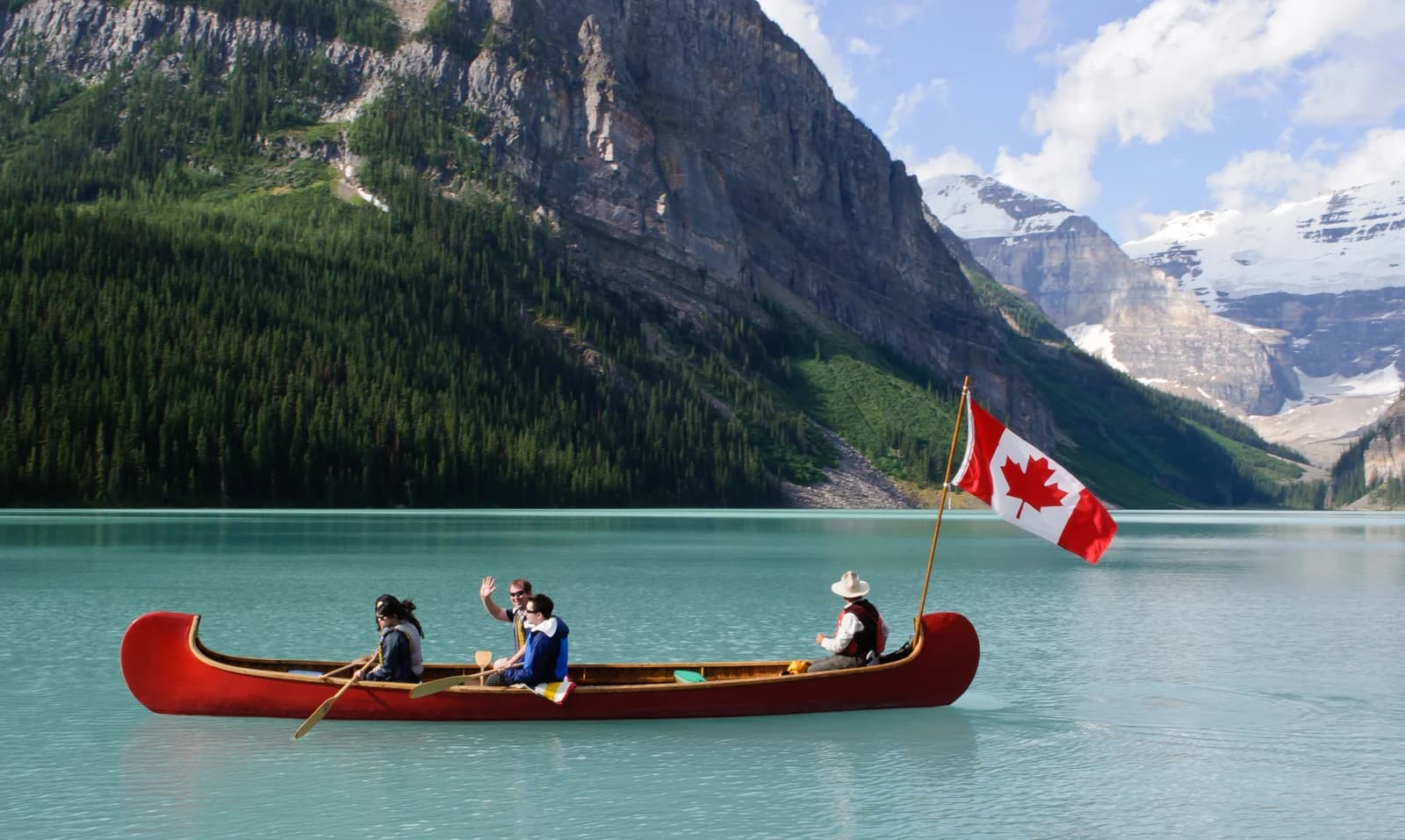 Banff
BanffBanff
Canada
Banff National Park became Canada's first national park in 1885, created almost by accident after railway workers building the transcontinental line stumbled on natural hot springs — the glacial turquoise of Lake Louise a short drive away comes from rock flour, fine sediment ground by glaciers that stays suspended in the water and scatters light into that exact color.
See full guide →Comparing more than one route? See the full transport comparison guide.