Aruba · North America
Aruba
Aruba sits just outside the Caribbean hurricane belt and gets some of the lowest rainfall of any Caribbean island — locals call it "One Happy Island," and the arid, cactus-dotted landscape looks more like a desert than the lush jungle most people picture when they think Caribbean.
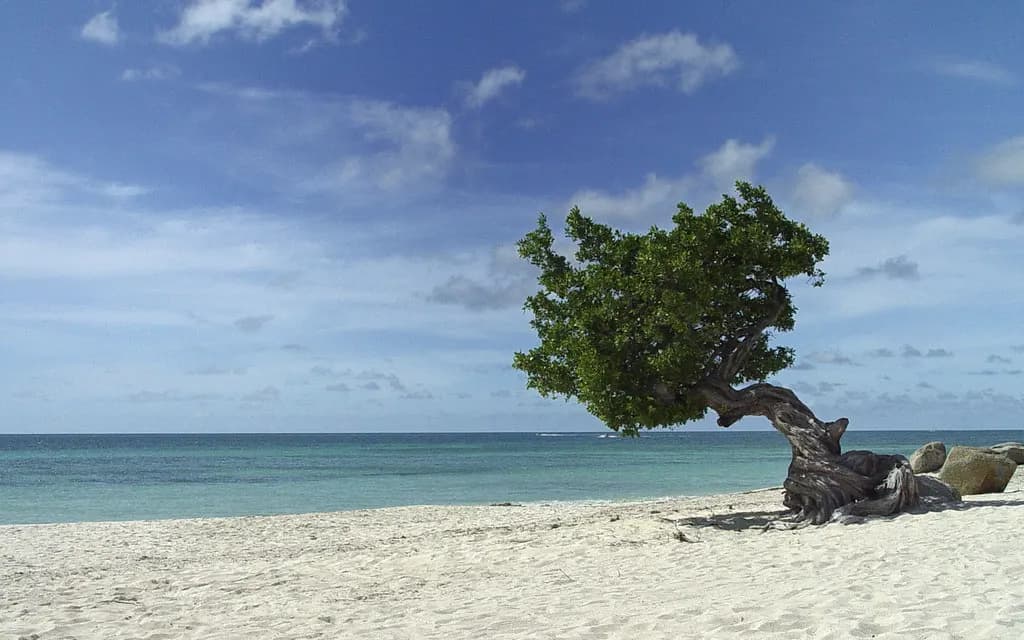
Aruba defies the typical Caribbean image in a genuinely visible way: the island receives some of the lowest annual rainfall of anywhere in the region, producing an arid, desert-like interior dotted with cacti and the distinctive wind-bent divi-divi trees that have become an unofficial symbol of the island — a landscape that looks considerably more like the American Southwest than the lush jungle most visitors picture when planning a Caribbean trip.
That same dry climate comes with a practical advantage: Aruba sits just north of Venezuela, well south of the primary Caribbean hurricane track, giving it a meaningfully lower storm risk than most of the region — a genuine factor in why the island markets itself confidently as "One Happy Island" and draws steady visitor numbers across a wider stretch of the year than hurricane-exposed destinations further north.
Eagle Beach, consistently ranked among the best beaches in the Caribbean and the world more broadly, offers a wide stretch of powder-soft white sand and calm, clear water, backed by a line of the island's signature divi-divi trees rather than dense resort development, giving it a slightly more open, natural feel than some more built-up Caribbean beach strips.
Arikok National Park, covering roughly a fifth of the island's total land area, protects Aruba's desert interior — rugged limestone terrain, cacti, and coastal caves with real archaeological significance, including ancient indigenous rock paintings — giving visitors access to a genuinely different Aruba beyond the beach resort strip.
As part of the Kingdom of the Netherlands, Aruba carries a distinct Dutch-Caribbean cultural blend — Papiamento, a Dutch-Spanish-Portuguese-African creole language, remains the everyday spoken language alongside Dutch, Spanish, and English, reflecting the island's genuinely multicultural history as a former Dutch trading post.
What a trip here actually costs
$140 / day avg.
- 3-star hotel near Eagle Beach or Palm Beach
- Rental car or taxi fares for Arikok National Park
- Sit-down Aruban and Caribbean-Dutch dinners
- Free beach access at Eagle Beach
What to do at this tier
- • Eagle Beach, consistently ranked among the best beaches in the Caribbean, free
- • Arikok National Park, covering the island's arid, cactus-dotted interior landscape
- • California Lighthouse for a panoramic island viewpoint, free
$320 / day avg.
- 4-5 star resort on Palm Beach
- Private Arikok National Park guided tour
- Multi-course dinner at a well-regarded restaurant
- Private catamaran or snorkeling excursion
What to do at this tier
- • Private guided tour of Arikok National Park's desert terrain and coastal caves
- • Private catamaran trip along the coast with snorkeling stops
- • Multi-course dinner at a well-regarded Aruba restaurant
These are average estimates for planning purposes, not real-time prices — actual costs vary by season, availability, and how far ahead you book.
How to get there
Click anywhere on the world map — any airport works, not just our main hubs.
Click anywhere on the map above — any airport in the world works — to see estimated travel time and cost from there.
Times and prices are planning estimates, not live fares — always check a booking site before you commit. See the full Transport Comparison guide for the general tradeoffs of each mode.
Best time to visit
April-August avoids peak winter crowds and pricing while still offering Aruba's consistently dry, sunny climate; the island's low hurricane risk makes most of the year genuinely viable.
Safety notes
Very safe overall, among the safer Caribbean destinations, with standard resort-area precautions enough for most visitors.
Visa & currency
Aruban florin (AWG), though US dollars are widely accepted. Aruba is part of the Kingdom of the Netherlands but sets its own entry requirements; many Western passport holders can enter visa-free for short stays, worth confirming before booking.
Questions people ask before visiting
Is Aruba worth visiting?
Yes — it combines consistently excellent, calm beaches with a genuinely unusual arid, desert-like interior landscape unique among Caribbean islands, plus a low hurricane risk that makes it a reliable choice nearly year-round.
Is Aruba really outside the hurricane belt?
Yes, largely — its position just north of Venezuela, well south of the main Caribbean hurricane track, gives Aruba a significantly lower storm risk than most of the Caribbean, a genuine practical advantage for travelers wary of hurricane-season disruptions.
Why is Aruba's landscape so different from other Caribbean islands?
Aruba receives some of the lowest annual rainfall of any Caribbean island, producing a genuinely arid, cactus-and-divi-divi-tree landscape in its interior — a stark contrast to the lush, jungle-covered islands most visitors expect, and a distinctive draw for those who've done the more typical Caribbean islands already.
Is Aruba expensive?
Yes, consistent with its reputation as an upscale Caribbean destination — prices generally run higher than budget-friendly options like the Dominican Republic, closer to or above Cancún's Hotel Zone.
How many days do you need in Aruba?
Four to five days suits a typical beach-focused resort stay. Add a day for the desert-like Arikok National Park, covering roughly a fifth of the island's total area, for a genuinely different landscape experience.
Nearby destinations
 Punta Cana
Punta Cana
Dominican Republic
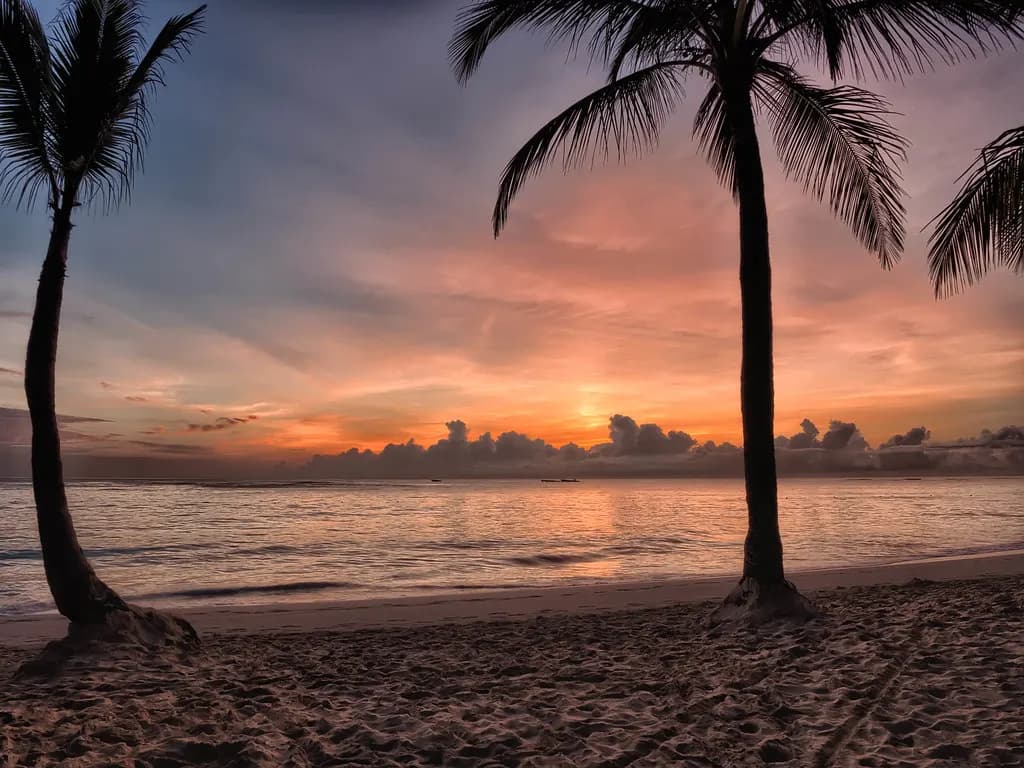
Punta Cana didn't have a single hotel until the 1970s — today it holds one of the largest concentrations of all-inclusive resorts on Earth, strung along roughly 30 uninterrupted miles of white sand that most visitors never leave for the entire trip.
See full guide →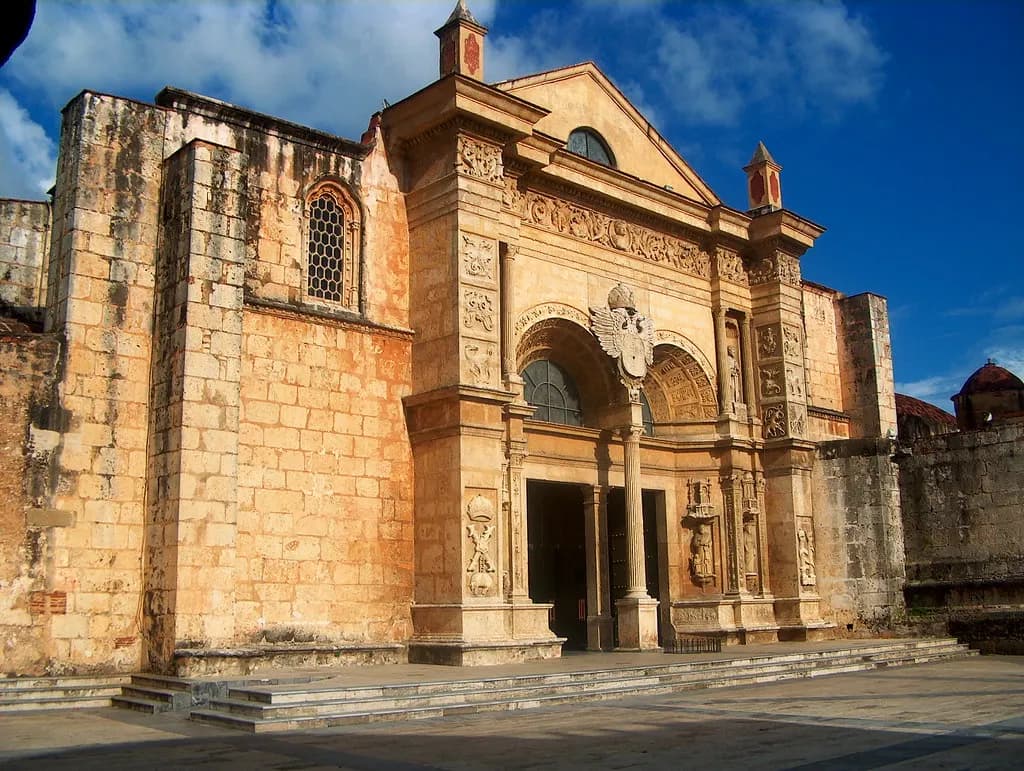 Santo Domingo
Santo Domingo
Dominican Republic
Santo Domingo's Zona Colonial holds the oldest cathedral, the oldest paved street, and the oldest fortress built by Europeans anywhere in the Americas — Columbus's own son governed the city from here while Europeans back home still had no real idea how big the continent they'd just found actually was.
See full guide →Comparing more than one route? See the full transport comparison guide.