Dominican Republic · North America
Santo Domingo
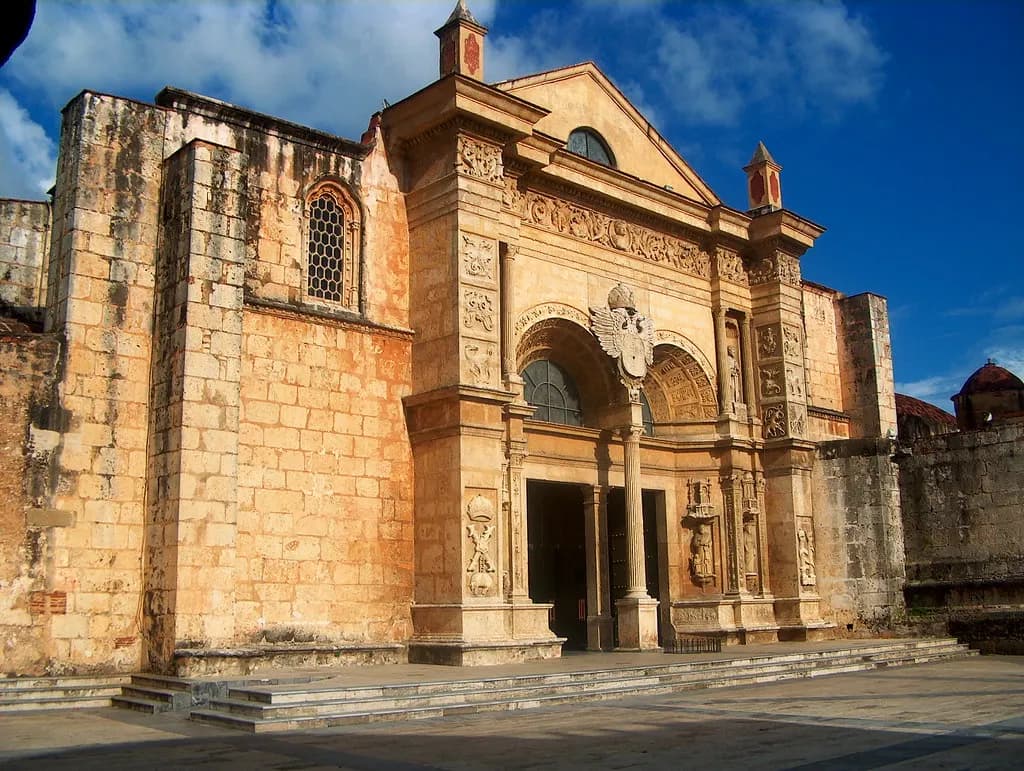
Santo Domingo's Zona Colonial holds the oldest cathedral, the oldest paved street, and the oldest fortress built by Europeans anywhere in the Americas — Columbus's own son governed the city from here while Europeans back home still had no real idea how big the continent they'd just found actually was.
Santo Domingo holds a genuinely unmatched claim among Western Hemisphere cities: Zona Colonial, its historic center, was founded in 1496 by Bartholomew Columbus, making it the first permanent European settlement in the Americas — and the surviving colonial core holds a remarkable concentration of "oldest" superlatives, including the oldest cathedral, the oldest paved street, and the oldest fortress built by Europeans anywhere in the hemisphere.
Diego Columbus, Christopher Columbus's son, governed the Spanish colony from here in the early 16th century, ruling from the Alcázar de Colón, a restored viceregal palace that still stands within Zona Colonial today — a direct physical link to the earliest years of European colonization, built while Spanish explorers were still mapping how large the newly encountered continent actually was.
Calle Las Damas, the oldest paved street in the Americas, takes its name from the noblewomen of the viceroy's court who reportedly strolled it in the evenings — a detail that adds a human texture to a street that also happens to be a foundational piece of urban infrastructure history for the entire hemisphere.
Fortaleza Ozama, overlooking the Ozama River, ranks among the oldest surviving military structures built by Europeans in the Americas, its defensive walls reflecting the genuine strategic importance Spain placed on protecting its first major American foothold.
Santo Domingo runs at a genuinely different pace and character from Punta Cana's resort-driven beach economy just a few hours away — a real, functioning Dominican capital with its own contemporary culture layered on top of that extraordinary colonial foundation, rewarding travelers willing to look beyond the all-inclusive circuit for a deeper sense of the country's actual history.
What a trip here actually costs
$35 / day avg.
- Hostel in Zona Colonial
- Local bus and público fares
- Casual Dominican lunches
- Free wander through Zona Colonial's streets and plazas
What to do at this tier
- • Zona Colonial wander, the oldest European-founded urban center in the Americas, free
- • Calle Las Damas, the oldest paved street in the Americas, free
- • Malecón waterfront promenade, free
$85 / day avg.
- 3-star hotel in Zona Colonial
- Cathedral and Alcázar de Colón entry
- Sit-down Dominican dinners
- Fortaleza Ozama entry
What to do at this tier
- • Catedral Primada de América, the oldest cathedral in the Americas
- • Alcázar de Colón, Diego Columbus's restored viceregal palace
- • Fortaleza Ozama, one of the oldest surviving military structures built by Europeans in the Americas
$200 / day avg.
- 4-5 star hotel near Zona Colonial or the Malecón
- Private guided colonial history tour
- Multi-course Dominican tasting menu
- Private day trip to nearby beaches
What to do at this tier
- • Private guided tour covering the Zona Colonial's full sequence of 'firsts' and Columbus family history
- • Multi-course Dominican tasting menu at a well-regarded Santo Domingo restaurant
- • Private day trip to beaches outside the city, away from the Punta Cana resort crowds
These are average estimates for planning purposes, not real-time prices — actual costs vary by season, availability, and how far ahead you book.
How to get there
Click anywhere on the world map — any airport works, not just our main hubs.
Click anywhere on the map above — any airport in the world works — to see estimated travel time and cost from there.
Times and prices are planning estimates, not live fares — always check a booking site before you commit. See the full Transport Comparison guide for the general tradeoffs of each mode.
Best time to visit
December-April brings the driest, most comfortable weather; hurricane season runs roughly June-November.
Safety notes
Generally safe in Zona Colonial and the main tourist areas with standard urban caution.
Visa & currency
Dominican peso (DOP). Visa requirements vary by nationality; many Western passport holders receive a simple tourist card on arrival, worth confirming current requirements before booking.
Questions people ask before visiting
Is Santo Domingo worth visiting?
Yes, particularly for travelers interested in genuine colonial history — Zona Colonial holds the oldest cathedral, street, fortress, and university in the Americas, a density of firsts that gives Santo Domingo a historical claim few other Western Hemisphere cities can match.
What makes Santo Domingo's Zona Colonial historically significant?
Founded in 1496 by Bartholomew Columbus (Christopher Columbus's brother), it became the first permanent European settlement in the Americas and the base from which further Spanish colonization of the continent was organized. Diego Columbus, Christopher's son, governed the colony from here, and the surviving buildings — including the Americas' first cathedral and university — reflect that foundational role.
Santo Domingo or Punta Cana — which should I prioritize?
Punta Cana is a dedicated all-inclusive beach resort zone with minimal cultural depth. Santo Domingo offers the Dominican Republic's genuine historical and cultural core, with real city life and colonial architecture. Many longer trips combine a Zona Colonial visit with a Punta Cana beach stay.
How many days do you need in Santo Domingo?
Two days covers Zona Colonial's major sites, including the cathedral, fortress, and Columbus-related buildings. A third day allows the Malecón waterfront and a deeper look at the city's contemporary neighborhoods beyond the historic core.
Nearby destinations
 Punta Cana
Punta Cana
Dominican Republic
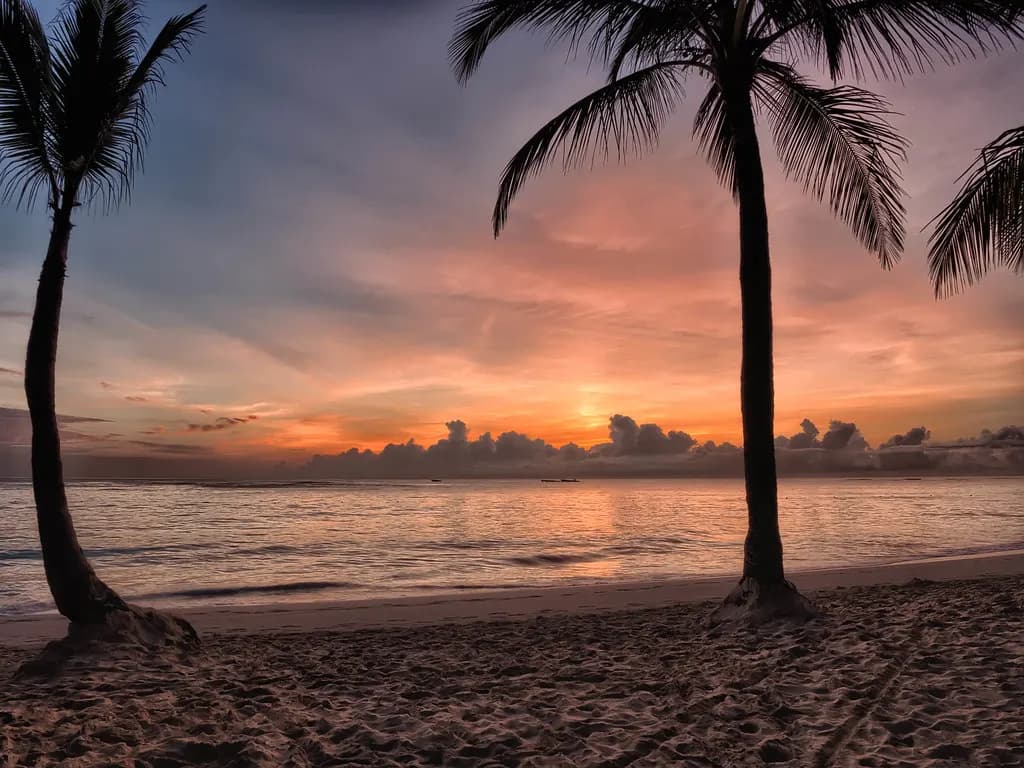
Punta Cana didn't have a single hotel until the 1970s — today it holds one of the largest concentrations of all-inclusive resorts on Earth, strung along roughly 30 uninterrupted miles of white sand that most visitors never leave for the entire trip.
See full guide →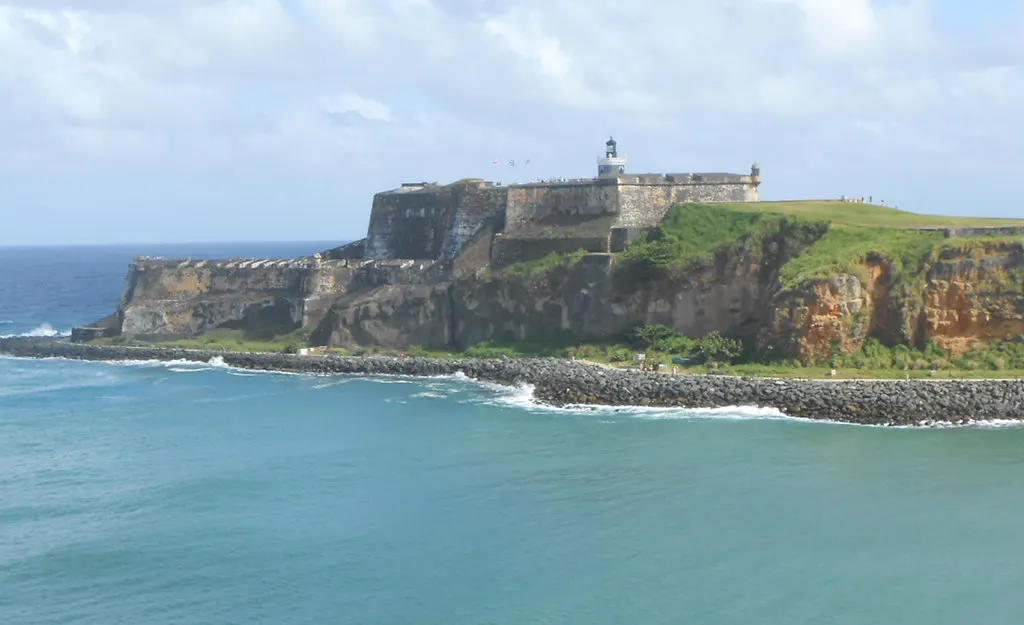 San Juan
San Juan
Puerto Rico
Old San Juan's fortress walls have defended the same seven blocks for over 400 years without ever being taken by force in a direct siege — not by Francis Drake in 1595, not by the Dutch in 1625, not by the British in 1797 — making it one of the most successfully defended cities in the Americas.
See full guide →Comparing more than one route? See the full transport comparison guide.