Mexico · North America
Tulum
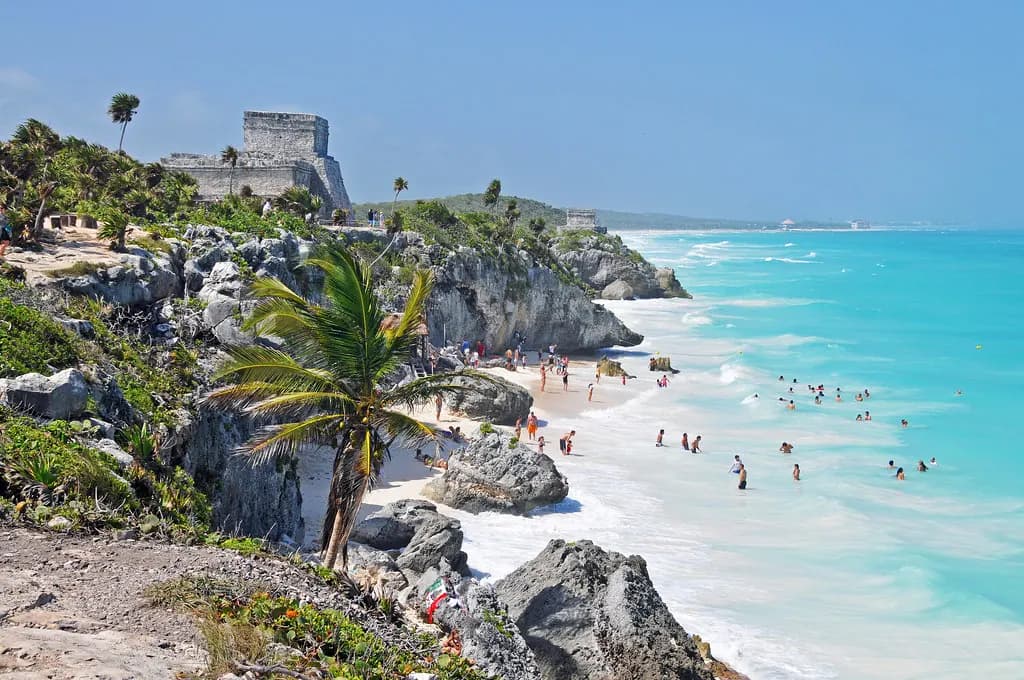
Tulum is the only major Mayan ruin site built directly on a Caribbean cliff overlooking the sea — everywhere else the Maya built inland, but here you can stand in a 13th-century watchtower and look straight down at turquoise water and a beach most resorts would kill for.
Tulum holds a genuinely unique position among Mayan archaeological sites: it's the only major ruin built directly on the Caribbean coast, perched on a cliff overlooking the sea, while nearly every other significant Mayan city was built inland. A watchtower structure known as El Castillo sits at the cliff's edge, and the combination of centuries-old stonework with turquoise water directly below gives Tulum a setting no other ruin site in the region can match.
The ruins themselves are relatively compact compared to Chichén Itzá or Cobá, but their coastal position and historical role — Tulum functioned as a walled trading port for the Mayan civilization, one of the last cities still occupied when Spanish colonizers arrived — give them significance beyond their physical scale.
The surrounding area holds some of the Yucatán Peninsula's best-known cenotes, natural freshwater sinkholes formed by collapsed limestone. Gran Cenote and Dos Ojos are particularly popular for their exceptional water clarity and accessible cave formations, offering swimming and snorkeling experiences genuinely distinct from anything the ocean provides.
Tulum's transformation from a quiet backpacker stop into one of Mexico's most fashionable destinations has happened largely within the past 15 years, driven by a boho-luxury aesthetic — eco-chic beachfront hotels, wellness retreats, and a design-forward restaurant scene — that's pushed prices, particularly along the beach road, up significantly. Tulum Pueblo, the actual town set back from the coast, remains noticeably more affordable and functions as a more genuine, less curated base for budget-conscious visitors.
Cobá, a larger and taller ruin site inland from Tulum, offers a worthwhile contrast for visitors with an extra day — its main pyramid remains climbable, unlike most major Mexican ruin sites, and the surrounding jungle setting, still being actively excavated, feels considerably less developed than Tulum's coastal site.
What a trip here actually costs
$45 / day avg.
- Hostel in Tulum Pueblo (town)
- Bike or colectivo fares to the beach and ruins
- Taco stand and casual Mexican meals
- Tulum ruins entry ticket
What to do at this tier
- • Tulum ruins, the only major Mayan site on the Caribbean coast, modest entry fee
- • Public beach access along the Tulum coastline, free
- • Tulum Pueblo wander, the town's more affordable, local-feeling center, free
$120 / day avg.
- 3-star hotel near the beach or town
- Guided cenote tour
- Sit-down beachfront restaurant dinners
- Bike rental for the beach road
What to do at this tier
- • Guided cenote tour covering Gran Cenote or Dos Ojos, swimming and snorkeling included
- • Bike rental along the scenic beach road connecting the ruins, hotels, and town
- • Sit-down dinner at one of Tulum's beachfront restaurants
$300 / day avg.
- Boutique beachfront eco-resort
- Private guided ruins and cenote tour
- Multi-course dinner at a well-regarded beach restaurant
- Private yoga or wellness sessions
What to do at this tier
- • Private guided tour combining the ruins, a cenote, and a Tulum Pueblo food stop
- • Multi-course dinner at a well-regarded beachfront restaurant
- • Private wellness or yoga session, reflecting Tulum's strong wellness-tourism identity
These are average estimates for planning purposes, not real-time prices — actual costs vary by season, availability, and how far ahead you book.
How to get there
Click anywhere on the world map — any airport works, not just our main hubs.
Click anywhere on the map above — any airport in the world works — to see estimated travel time and cost from there.
Times and prices are planning estimates, not live fares — always check a booking site before you commit. See the full Transport Comparison guide for the general tradeoffs of each mode.
Best time to visit
December-April brings the driest, most comfortable weather; hurricane season runs roughly June-November.
Safety notes
Generally safe in the main tourist areas with standard precautions; the beach road and town are both walkable and bikeable during the day.
Visa & currency
Mexican peso (MXN), though US dollars are widely accepted in tourist areas. Visa requirements vary by nationality; many Western passport holders receive a free tourist card (FMM) on arrival, worth confirming current requirements before booking.
Questions people ask before visiting
Is Tulum worth visiting?
Yes — it's the only significant Mayan ruin site built directly on the Caribbean coast, and the wider area combines that history with genuinely excellent beaches, some of the Yucatán's best cenotes, and a distinctly boho-upscale atmosphere that's made it one of Mexico's most fashionable destinations.
Are the Tulum ruins worth visiting?
Yes, particularly for the setting rather than sheer scale — Tulum's ruins are smaller than Chichén Itzá or other major Mayan sites, but no other significant ruin sits directly on a Caribbean cliff, giving it a combination of history and ocean view unmatched elsewhere in the region.
What are the best cenotes near Tulum?
Gran Cenote and Dos Ojos are among the most popular for their clear water and cave formations, both suited to swimming and snorkeling, while Cenote Calavera offers a more adventurous jump-in entry. Most are a short drive from Tulum town.
Is Tulum expensive now?
Yes, noticeably more expensive than it was a decade ago — Tulum's rise as a fashionable destination has driven prices, particularly for beachfront accommodation and dining, closer to or above Cancún's Hotel Zone in many cases, though Tulum Pueblo (the town, inland from the beach) remains comparatively more affordable.
How many days do you need in Tulum?
Three days covers the ruins, a beach day, and at least one cenote. A fourth or fifth day allows deeper cenote exploration or a day trip further into the Riviera Maya, including Cobá's taller, less-visited ruins.
Nearby destinations
 Cancún
Cancún
Mexico
Cancún didn't exist as a city until 1970 — Mexico's government picked the spot using a computer analysis of wind patterns, water color, and hurricane risk, then built an entire resort city from scratch on what had been an uninhabited sandbar.
See full guide →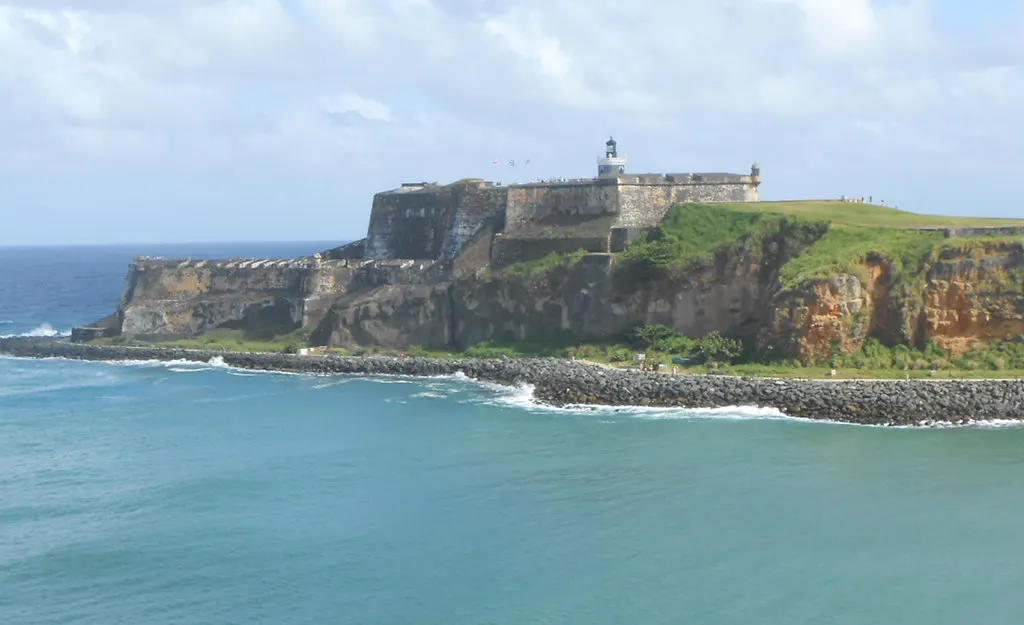 San Juan
San Juan
Puerto Rico
Old San Juan's fortress walls have defended the same seven blocks for over 400 years without ever being taken by force in a direct siege — not by Francis Drake in 1595, not by the Dutch in 1625, not by the British in 1797 — making it one of the most successfully defended cities in the Americas.
See full guide →Comparing more than one route? See the full transport comparison guide.