United States · North America
Charleston
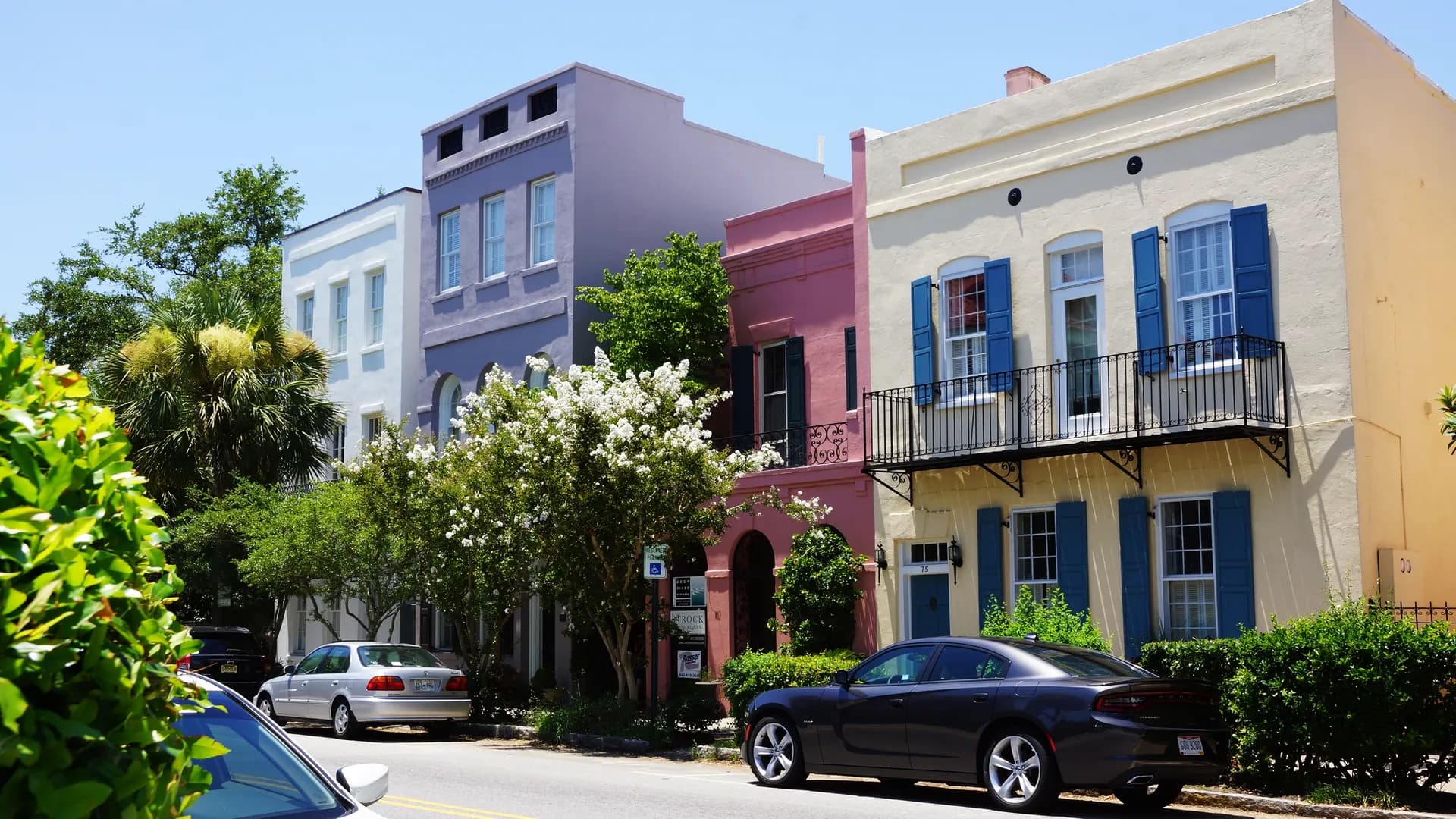
Charleston's pastel Rainbow Row houses and cobblestone streets make it one of the best-preserved historic cities in America, and that same preservation extends to a harder history the city doesn't hide: nearly half of all enslaved Africans brought to what's now the United States passed through this port, a fact the International African American Museum, opened in 2023, confronts directly rather than around.
Charleston holds one of the best-preserved historic urban cores in the United States, its colonial and antebellum architecture, including the pastel-colored merchant houses of Rainbow Row, surviving largely intact through centuries of hurricanes, wars, and, more recently, deliberate preservation efforts that have kept much of the city's 18th and 19th century character visible today.
That same historic preservation extends to a considerably harder history the city has moved, in recent years, toward confronting directly rather than working around. Charleston served as the primary port of entry for the Atlantic slave trade into what's now the United States, and historians estimate that nearly half of all enslaved Africans brought to the country passed through this specific harbor. The International African American Museum, which opened in 2023 on the site of the former Gadsden's Wharf, one of the primary disembarkation points for enslaved people arriving in Charleston, addresses that history directly, alongside the broader story of African American life and culture that followed.
Fort Sumter, sitting in Charleston's harbor and reachable by boat tour, marks the site where Confederate forces fired the first shots of the American Civil War on April 12, 1861, a conflict whose roots trace directly back to the same institution of slavery that had defined so much of Charleston's economy and society for the preceding two centuries.
The city's food culture draws heavily on Gullah Geechee traditions, developed by descendants of enslaved West Africans who maintained distinct language, culinary, and craft traditions along the Southeastern coast, and dishes rooted in that tradition, rice-based cooking in particular, remain central to what's now broadly celebrated as Charleston's distinctive Southern cuisine.
Charleston's historic district, with its cobblestone streets, church steeples, and harbor views, remains genuinely beautiful by almost any measure, and the city's more recent, deliberate effort to present its full history, both the architecture that draws visitors and the human cost behind much of the wealth that built it, has given a Charleston visit a depth that goes well beyond a simple historic walking tour.
What a trip here actually costs
$160 / day avg.
- 3-star hotel in or near the historic district
- Walking tour of the historic center
- International African American Museum entry
- Sit-down Southern restaurant dinners
What to do at this tier
- • Rainbow Row and historic district walking tour, free
- • International African American Museum
- • Fort Sumter boat tour
$380 / day avg.
- 4-5 star historic district hotel
- Private guided historic and Gullah culture tour
- Fine dining tasting menu
- Fort Sumter private boat tour
What to do at this tier
- • Private guided historic district and Gullah culture tour
- • Fine dining tasting menu at a top Charleston restaurant
- • Private Fort Sumter and harbor boat tour
These are average estimates for planning purposes, not real-time prices — actual costs vary by season, availability, and how far ahead you book.
How to get there
Click anywhere on the world map — any airport works, not just our main hubs.
Click anywhere on the map above — any airport in the world works — to see estimated travel time and cost from there.
Times and prices are planning estimates, not live fares — always check a booking site before you commit. See the full Transport Comparison guide for the general tradeoffs of each mode.
Best time to visit
March-May and September-November bring the mildest, most comfortable weather; summer runs hot and humid.
Safety notes
Very safe in the historic tourist district with standard city precautions.
Visa & currency
US dollar (USD). Most international visitors need a visa or ESTA authorization arranged in advance, worth confirming based on passport before booking.
Questions people ask before visiting
Is Charleston worth visiting?
Yes — Charleston holds some of the best-preserved colonial and antebellum architecture in the United States, including the colorful Rainbow Row houses, alongside genuinely significant and honestly presented history at sites like the International African American Museum and Fort Sumter.
What is Charleston's history with the slave trade?
Charleston served as the primary port of entry for the Atlantic slave trade into what's now the United States, with historians estimating that nearly half of all enslaved Africans brought to the country passed through the city. The International African American Museum, opened in 2023 on the former Gadsden's Wharf site, addresses this history directly.
What happened at Fort Sumter?
Confederate forces fired on Fort Sumter on April 12, 1861, marking the first shots of the American Civil War. The fort, accessible by boat tour from Charleston's harbor, remains a significant historical site for understanding the war's beginning.
How many days do you need in Charleston?
Three to four days covers the historic district, Rainbow Row, the International African American Museum, and a Fort Sumter boat tour at a comfortable pace, with time for the city's well-regarded Southern food scene.
Nearby destinations
 New Orleans
New Orleans
United States
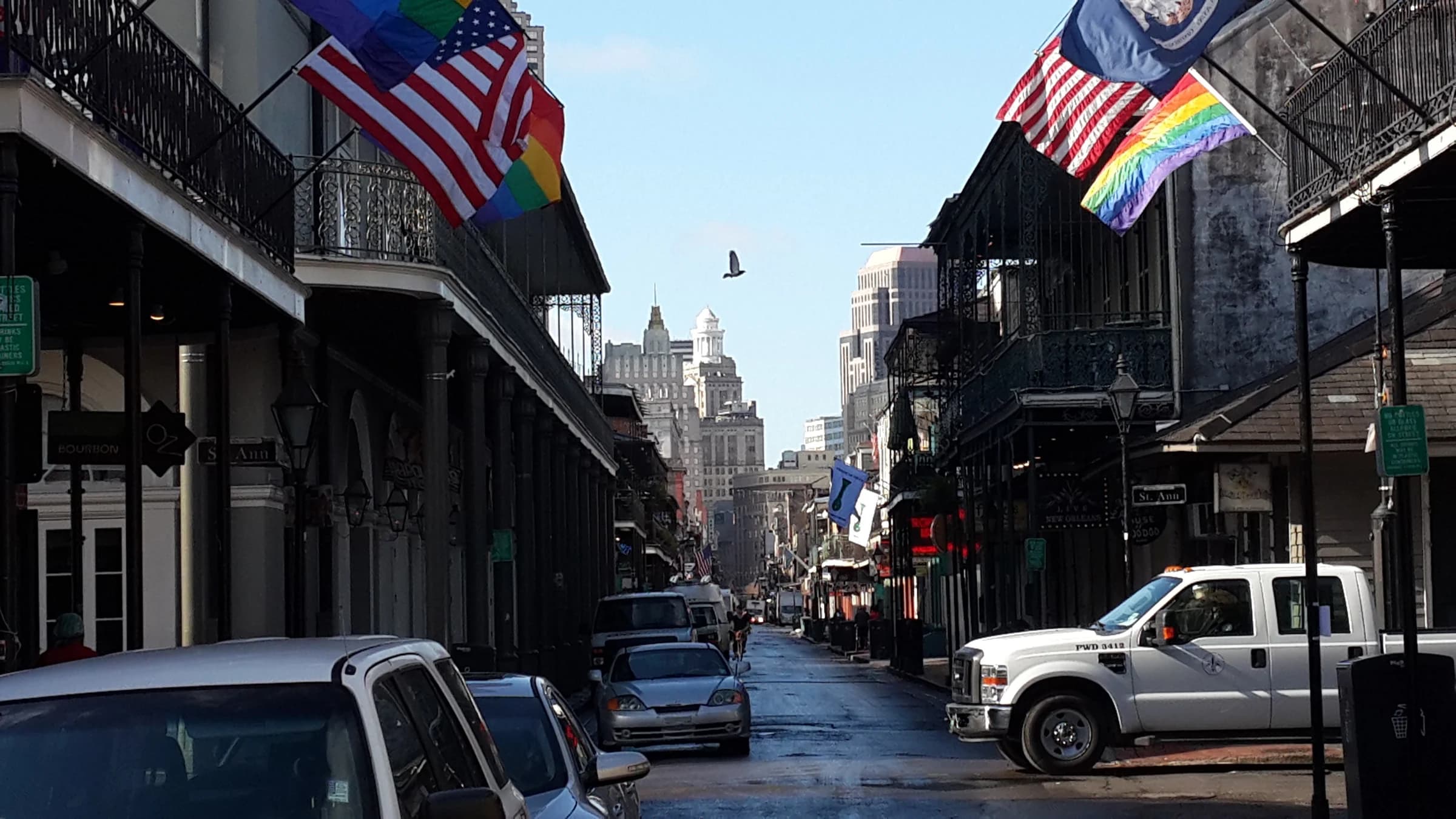
Much of New Orleans actually sits below sea level, held dry by a system of levees and pumps rather than natural elevation — a bowl-shaped geography that made the city's 2005 flooding after Hurricane Katrina a matter of engineering failure as much as storm severity, and one the city has spent two decades rebuilding around.
See full guide → Washington DC
Washington DC
United States
Nearly all of the Smithsonian's 19 museums along the National Mall are completely free to enter, a policy dating back to the institution's founding on the belief that access to knowledge shouldn't depend on ability to pay — genuinely rare among world-class museum collections of this size.
See full guide →Comparing more than one route? See the full transport comparison guide.