El Salvador · North America
San Salvador
El Salvador went from having the world's highest murder rate in 2015 to one of the lowest in the Americas within a decade, a security crackdown controversial for its methods but undeniable in its tourism effect, and San Salvador now anchors a surf coast and volcano route that was effectively off-limits to casual travelers a generation ago.
El Salvador's recent history involves one of the most dramatic security turnarounds documented anywhere in the world, and it's worth understanding honestly before booking a trip here rather than treating the country's past reputation or its current marketing at face value. In 2015, El Salvador recorded the highest homicide rate of any country on Earth, driven by entrenched gang violence that had made large parts of the country genuinely dangerous for years. By the mid-2020s, following a sweeping, controversial anti-gang crackdown launched in 2022 under extended states of emergency, the country's homicide rate had fallen to among the lowest in the Americas.
That security shift came at a real cost that deserves acknowledgment alongside the tourism benefit: the crackdown involved tens of thousands of arrests, frequently without individualized evidence, and drew sustained criticism from international human rights organizations over due process and detention conditions. Both facts, the dramatic drop in violence and the serious human rights concerns raised about how it was achieved, are true simultaneously, and understanding both gives a more complete picture than either alone.
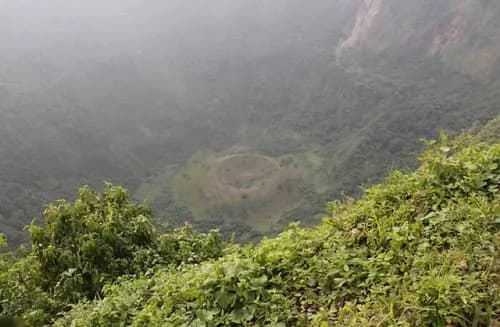
San Salvador itself functions primarily as a base for the surrounding region rather than a landmark-heavy destination. El Boquerón, a dormant volcano crater on the city's edge, offers an easy hike with views back over the capital, and the historic center holds a mix of colonial and modern architecture reflecting the city's periodic rebuilding after earthquakes.
The Ruta de las Flores, a scenic mountain route connecting colorful colonial towns like Juayúa and Ataco, has become one of the country's most popular day-trip circuits, coffee farms and weekend food markets drawing both domestic and international visitors. On the Pacific coast, El Tunco and El Zonte have built genuine international surf reputations, consistent breaks and a growing beach town scene at prices considerably below Costa Rica's more established surf destinations.
El Salvador remains a country in the middle of processing its own transformation, and visiting now means engaging with a place actively renegotiating its international image in real time, worth doing with eyes open to both what's genuinely improved and what that improvement required.
What a trip here actually costs
$45 / day avg.
- Hostel or budget guesthouse
- Local bus transport
- Local Salvadoran meals (pupusas and more)
- El Boquerón volcano crater hike
What to do at this tier
- • El Boquerón volcano crater hike, small entry fee
- • San Salvador historic center walk
- • Local pupusa stands, a genuine culinary highlight
$100 / day avg.
- Mid-range hotel
- Private driver for day trips
- Restaurant meals
- Ruta de las Flores guided day trip
What to do at this tier
- • Ruta de las Flores colonial towns day trip
- • Surf lesson at El Tunco or El Zonte
- • Joya de Cerén, a Maya archaeological site preserved by volcanic ash
These are average estimates for planning purposes, not real-time prices — actual costs vary by season, availability, and how far ahead you book.
How to get there
Click anywhere on the world map — any airport works, not just our main hubs.
Click anywhere on the map above — any airport in the world works — to see estimated travel time and cost from there.
Times and prices are planning estimates, not live fares — always check a booking site before you commit. See the full Transport Comparison guide for the general tradeoffs of each mode.
Best time to visit
November-April is the dry season and generally the more comfortable window for travel and volcano hikes.
Safety notes
Security has improved dramatically in recent years; standard urban precautions still apply, and it's worth staying current on official travel advisories given the country's recent history.
Visa & currency
United States dollar (USD), El Salvador's official currency. Many nationalities receive visa-free entry for short stays; confirm current requirements before booking.
Questions people ask before visiting
Is El Salvador safe to visit now?
By most current measures, yes — El Salvador's homicide rate has dropped dramatically since 2015 following a controversial mass-incarceration security policy, and the country now records among the lowest crime rates in the Americas. The policy itself remains a subject of serious human rights debate, worth understanding as context even for a straightforward tourism visit.
What is there to do in San Salvador?
San Salvador serves mainly as a base for the surrounding region, the Ruta de las Flores' colonial mountain towns, El Boquerón volcano crater overlooking the city, and the Pacific surf coast, particularly El Tunco and El Zonte, all within day-trip range.
Why did El Salvador's crime rate change so dramatically?
President Nayib Bukele's government began a mass anti-gang crackdown in 2022, arresting tens of thousands under extended states of emergency, which sharply reduced homicides but drew significant international criticism over due process and detention conditions. The security result and the human rights concerns are both real and worth weighing together.
Is El Salvador's surf coast worth visiting?
Yes, El Tunco and El Zonte have developed genuine international surf reputations, with consistent Pacific breaks, a growing beach town infrastructure, and considerably lower prices than more established Central American surf destinations like Costa Rica.
Nearby destinations
 Antigua Guatemala
Antigua Guatemala
Guatemala
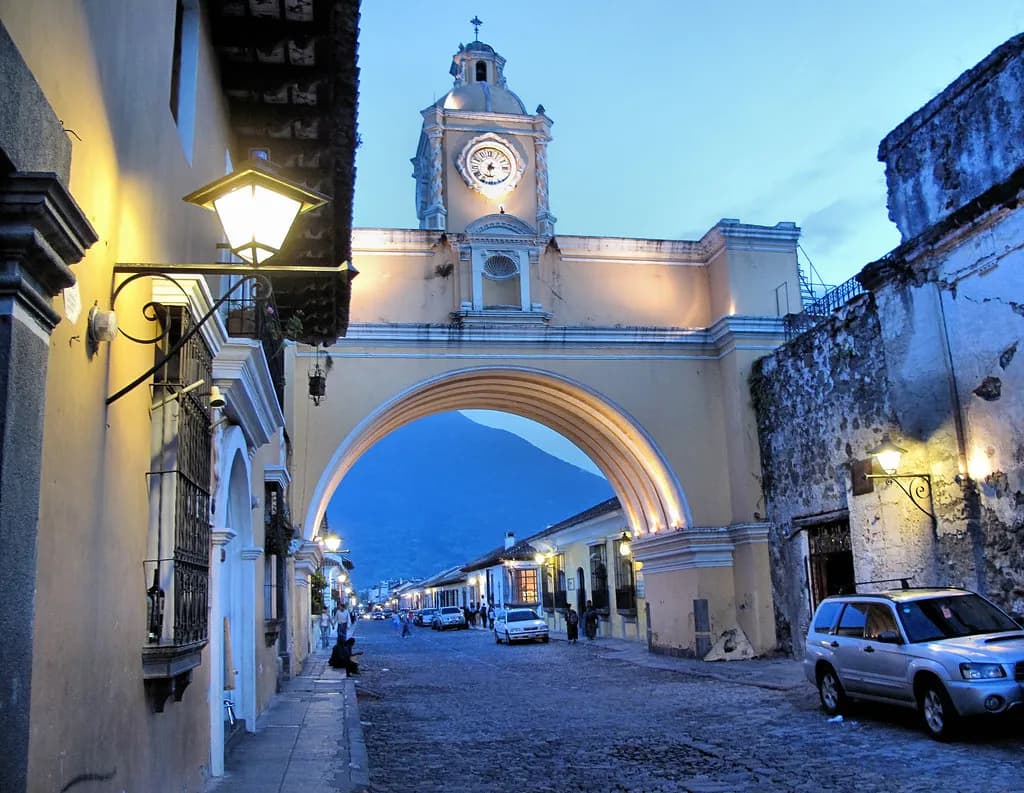
A 1773 earthquake devastated Antigua so thoroughly that Spanish colonial authorities abandoned it entirely and moved the capital of Central America to present-day Guatemala City, and rather than fully rebuild, the city left many of its grandest ruined churches standing in collapse, a deliberate choice that's preserved one of the best examples of Spanish Baroque colonial architecture anywhere in the Americas.
See full guide →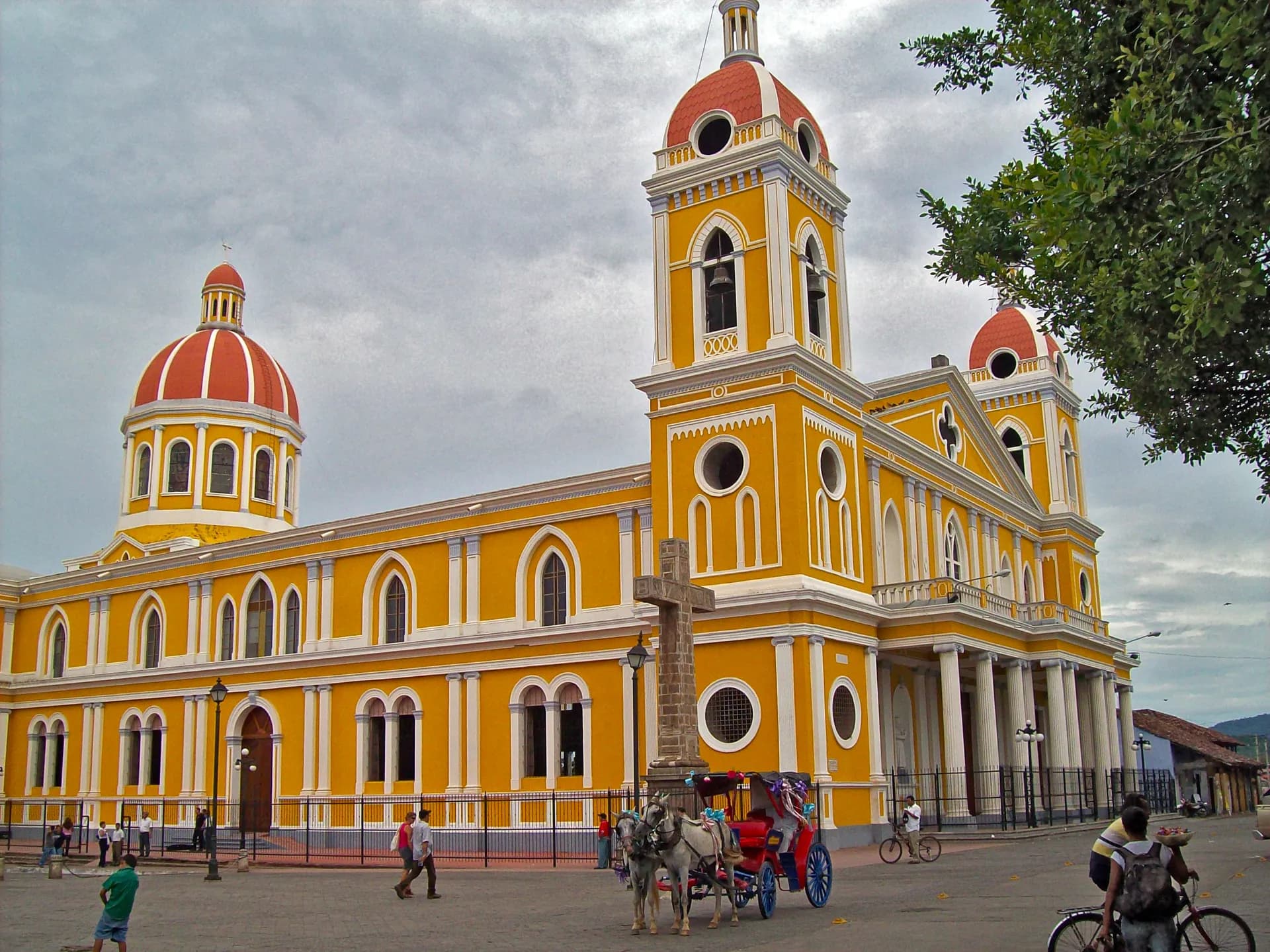 Granada
Granada
Nicaragua
Founded in 1524 on the shore of Lake Nicaragua, Granada holds a genuine claim to being the oldest European-founded city on the American mainland still standing largely on its original site, and the lake it sits beside once held a freshwater population of bull sharks, one of the only places on Earth where sharks were documented living permanently in fresh water.
See full guide →Comparing more than one route? See the full transport comparison guide.