Guatemala · North America
Antigua Guatemala
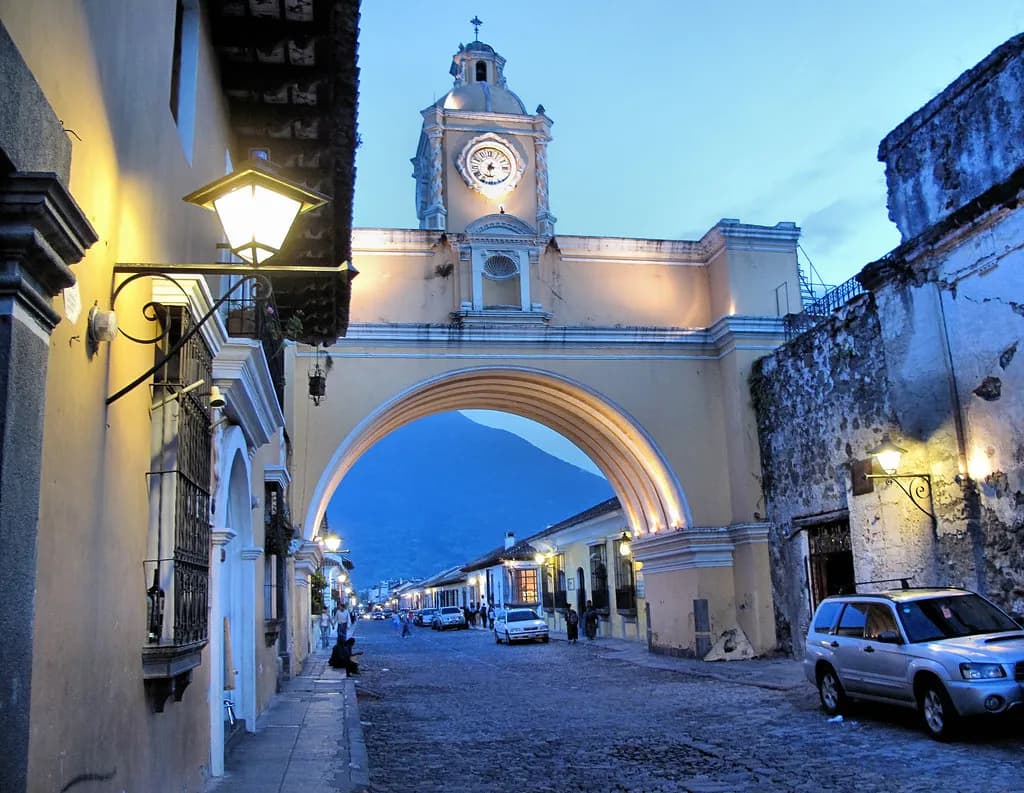
A 1773 earthquake devastated Antigua so thoroughly that Spanish colonial authorities abandoned it entirely and moved the capital of Central America to present-day Guatemala City, and rather than fully rebuild, the city left many of its grandest ruined churches standing in collapse, a deliberate choice that's preserved one of the best examples of Spanish Baroque colonial architecture anywhere in the Americas.
A major earthquake in 1773 devastated Antigua so severely that Spanish colonial authorities made the decision to abandon it as the capital of the Captaincy General of Guatemala, relocating the seat of colonial power to present-day Guatemala City rather than rebuild. That decision, unusual for the era, meant many of Antigua's grandest churches and convents were left standing in partial collapse rather than fully repaired, and those ruins remain a defining part of the city's character today, deliberately preserved rather than restored to their original form.
UNESCO recognized Antigua as a World Heritage Site in 1979, protecting a townscape that combines intact colonial buildings with these dramatic ruined structures, cobblestone streets, and a grid layout largely unchanged since the Spanish first established the city as their Central American capital in the 16th century.
Three volcanoes ring Antigua, Agua, Fuego, and Acatenango, giving the city a dramatic backdrop that shapes much of its outdoor tourism. Fuego remains one of the most consistently active volcanoes in Central America, and the overnight trek up neighboring Acatenango has become one of the region's most popular adventure activities, rewarding hikers with a close, after-dark view of Fuego's frequent eruptions from a safe viewing distance.
Antigua's Semana Santa, or Holy Week, processions rank among the most elaborate in the world, with volunteers spending hours constructing intricate alfombras, temporary carpets made from dyed sawdust, flowers, and pine needles, laid across entire streets only to be walked over and destroyed by the passing religious processions, a tradition that draws visitors from across the globe specifically for the display.
Guatemala's coffee industry, among the most significant in Central America, has deep roots in the volcanic soil surrounding Antigua, and coffee farm tours here offer a direct look at cultivation and processing methods that have made Antigua-grown coffee a recognized, premium designation in its own right within the wider Guatemalan coffee industry.
What a trip here actually costs
$30 / day avg.
- Guesthouse in the historic center
- Local tuk-tuk or walking transport
- Local Guatemalan restaurant meals
- Ruined churches and historic center, low entry fees
What to do at this tier
- • Historic center and ruined churches walk, low entry fees
- • Cerro de la Cruz viewpoint, free
- • Local market browsing, free
$75 / day avg.
- 3-star colonial-era hotel
- Guided Acatenango volcano overnight trek
- Coffee farm tour and tasting
- Sit-down restaurant dinners
What to do at this tier
- • Overnight Acatenango volcano trek with a Fuego eruption view
- • Coffee farm tour and tasting
- • Guided historic center and colonial architecture tour
These are average estimates for planning purposes, not real-time prices — actual costs vary by season, availability, and how far ahead you book.
How to get there
Click anywhere on the world map — any airport works, not just our main hubs.
Click anywhere on the map above — any airport in the world works — to see estimated travel time and cost from there.
Times and prices are planning estimates, not live fares — always check a booking site before you commit. See the full Transport Comparison guide for the general tradeoffs of each mode.
Best time to visit
November-April, the dry season, brings the most stable weather for both city exploration and volcano trekking.
Safety notes
Generally safe in the tourist center with standard precautions; the Acatenango trek requires reasonable fitness and proper gear given cold overnight temperatures at altitude.
Visa & currency
Guatemalan quetzal (GTQ). Many nationalities can enter visa-free for tourism, worth confirming based on passport before booking.
Questions people ask before visiting
Is Antigua Guatemala worth visiting?
Yes — Antigua, a UNESCO World Heritage Site, holds some of the best-preserved Spanish colonial architecture in the Americas, ringed by three volcanoes including the frequently active Fuego, and its Semana Santa processions with elaborate sawdust carpets rank among the most famous in the world.
Why did Antigua stop being Guatemala's capital?
A major earthquake in 1773 devastated the city so severely that Spanish colonial authorities relocated the capital of the Captaincy General of Guatemala to present-day Guatemala City. Rather than fully rebuild, Antigua left many of its grandest ruined churches standing, preserving them as historic ruins rather than reconstructing them.
What is the Acatenango volcano trek?
A popular overnight hike up Acatenango volcano, offering a close, dramatic view of neighboring Fuego volcano's frequent eruptions after dark. It's a genuinely demanding trek, gaining significant elevation, and most visitors book it through an organized tour with camping gear provided.
How many days do you need in Antigua?
Two to three days covers the historic center, its ruined churches, and a coffee farm tour, with an additional day needed for the Acatenango overnight volcano trek if attempting it.
Nearby destinations
 Oaxaca
Oaxaca
Mexico
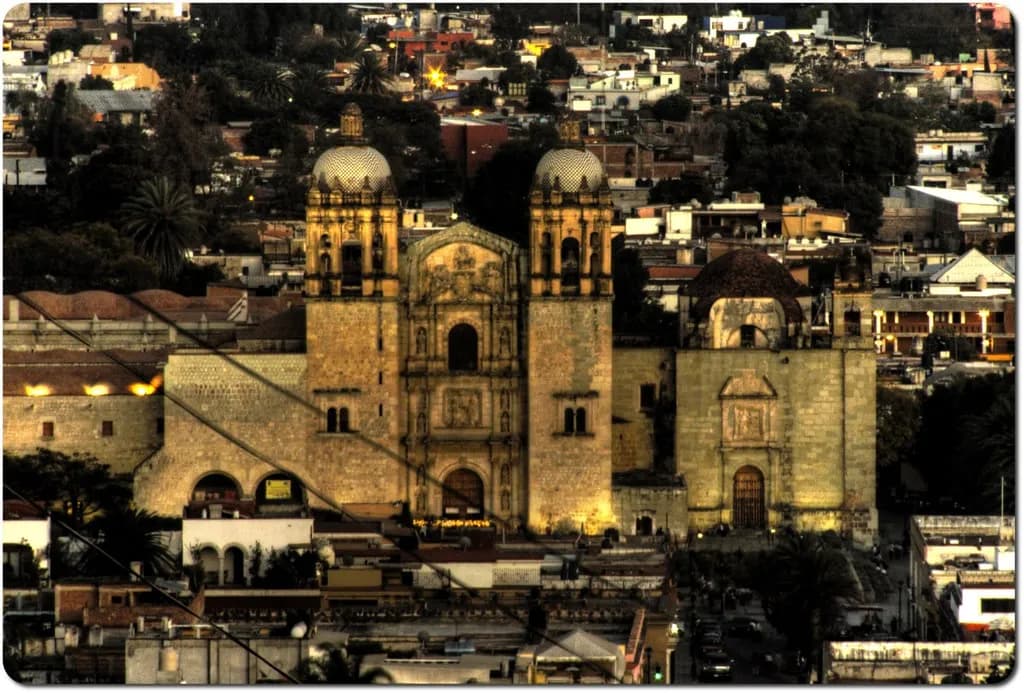
Nearly all of Mexico's mezcal comes from Oaxaca, produced across hundreds of small family-run palenques where agave is still roasted underground and crushed by hand or by a stone wheel pulled by a donkey, a slower, more artisanal process than tequila's industrial-scale production just a few states away.
See full guide →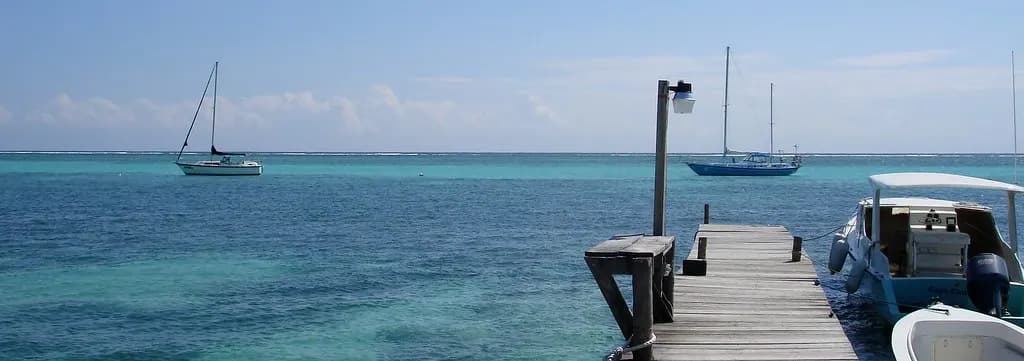 San Pedro
San Pedro
Belize
San Pedro, the only town on Ambergris Caye, still gets around mainly by golf cart — the island never built out a real road network for cars, and it sits directly against the Belize Barrier Reef, the second-largest barrier reef system on Earth after Australia's Great Barrier Reef.
See full guide →Comparing more than one route? See the full transport comparison guide.