Trinidad and Tobago · North America
Port of Spain
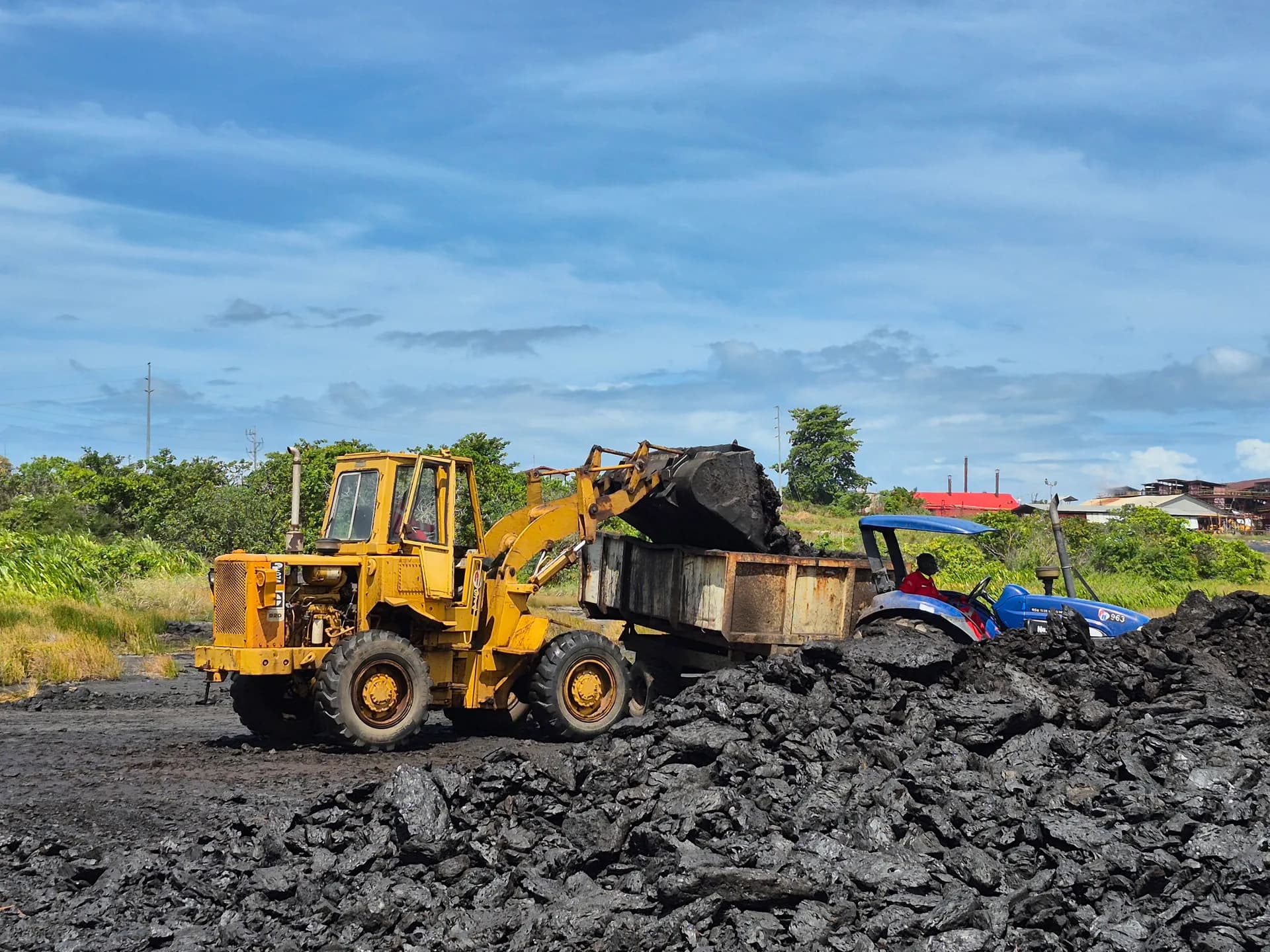
Trinidad's Pitch Lake is the largest natural asphalt deposit on Earth, a 40-hectare lake of solid-looking tar that's actually slowly bubbling and shifting, and it's supplied road-paving asphalt to cities worldwide for over a century, including, according to local lore, some of London's own streets.
Trinidad holds a genuinely strange natural feature that most visitors never expect from a Caribbean island: Pitch Lake, a 40-hectare deposit of natural asphalt in the island's southwest, the largest of its kind anywhere on Earth. It looks, from a distance, like a solid black parking lot dropped into the middle of the jungle, but the surface is in constant, extremely slow motion, occasionally surfacing ancient artifacts, fossilized trees preserved in the tar, and, according to persistent local legend, the remains of unlucky animals that wandered too far onto softer sections. The lake has been commercially mined for road-paving asphalt since the 19th century, supplying cities worldwide, London's streets included, according to local lore.
Port of Spain itself carries a genuinely different character from most Caribbean capitals, more industrialized and economically diverse, Trinidad's oil and gas sector having shaped the island's development away from the pure tourism dependency common elsewhere in the region. Queen's Park Savannah anchors the city center, ringed by the Magnificent Seven, a row of elaborate colonial-era mansions built by wealthy plantation owners and merchants, each in a different architectural style.
The city's global reputation, though, rests most heavily on Carnival, held in the days before Ash Wednesday and widely credited as one of the direct sources for Caribbean carnival traditions that have since spread to Notting Hill, Toronto, Brooklyn, and beyond. The scale of costume design, steel pan music (invented in Trinidad), and street parade culture here draws visitors specifically for the event, alongside a broader calypso and soca music scene that runs year-round beyond the festival itself.
Beyond the city, the Caroni Bird Sanctuary offers evening boat tours through mangrove swamps to watch thousands of scarlet ibis, Trinidad and Tobago's national bird, return to roost in a genuinely striking mass of red against green, while Maracas Bay provides the island's most popular beach escape, known as much for its bake and shark food stalls as the water itself.
Tobago, a short flight or ferry from Trinidad, offers a considerably different pace, quieter beaches and some of the more accessible reef diving in the southern Caribbean, and many visitors combine both islands into a single trip specifically to experience that contrast, urban and industrial against slow and coastal, within one small twin-island nation.
What a trip here actually costs
$130 / day avg.
- Mid-range hotel in Port of Spain
- Rental car or private driver
- Restaurant meals
- Pitch Lake guided tour
What to do at this tier
- • Pitch Lake guided walk
- • Queen's Park Savannah and Magnificent Seven colonial mansions
- • Maracas Bay beach day trip
- • Caroni Bird Sanctuary scarlet ibis boat tour
These are average estimates for planning purposes, not real-time prices — actual costs vary by season, availability, and how far ahead you book.
How to get there
Click anywhere on the world map — any airport works, not just our main hubs.
Click anywhere on the map above — any airport in the world works — to see estimated travel time and cost from there.
Times and prices are planning estimates, not live fares — always check a booking site before you commit. See the full Transport Comparison guide for the general tradeoffs of each mode.
Best time to visit
January-May is the dry season, and February or March specifically for Carnival if that's a priority, though it also means peak crowds and prices.
Safety notes
Standard urban precautions apply in Port of Spain, particularly at night; Pitch Lake and the main tourist circuit are well-established and generally safe for visitors.
Visa & currency
Trinidad and Tobago dollar (TTD). Many nationalities receive visa-free entry for short stays; confirm current requirements before booking.
Questions people ask before visiting
Is Trinidad and Tobago worth visiting?
Yes, for travelers wanting Caribbean culture beyond the resort-island template — Trinidad offers genuine urban energy, the world's largest natural asphalt lake, and globally renowned Carnival celebrations, while sister island Tobago provides a quieter, reef-diving beach counterpoint a short flight or ferry away.
What is Pitch Lake?
A 40-hectare natural deposit of asphalt in southwest Trinidad, the largest of its kind in the world, appearing solid enough to walk on in most areas while actually being in constant slow motion, occasionally swallowing ancient artifacts and, according to persistent local legend, the odd unlucky animal. It's been commercially mined for road-paving asphalt since the 19th century.
When is Trinidad Carnival?
Trinidad's Carnival, one of the most celebrated in the world and a major influence on Caribbean carnival traditions globally, runs in the days before Ash Wednesday, typically February or March depending on the Easter calendar, drawing large numbers of visitors specifically for the costumes, music, and street parades.
Is Tobago different from Trinidad?
Yes, considerably. Trinidad is the larger, more industrialized and urban island, while Tobago, a short flight or ferry away, offers a slower-paced, beach-and-reef-focused counterpoint, with some of the Caribbean's more accessible coral reef diving and snorkeling.
Nearby destinations
Comparing more than one route? See the full transport comparison guide.