Mexico · North America
San Miguel de Allende
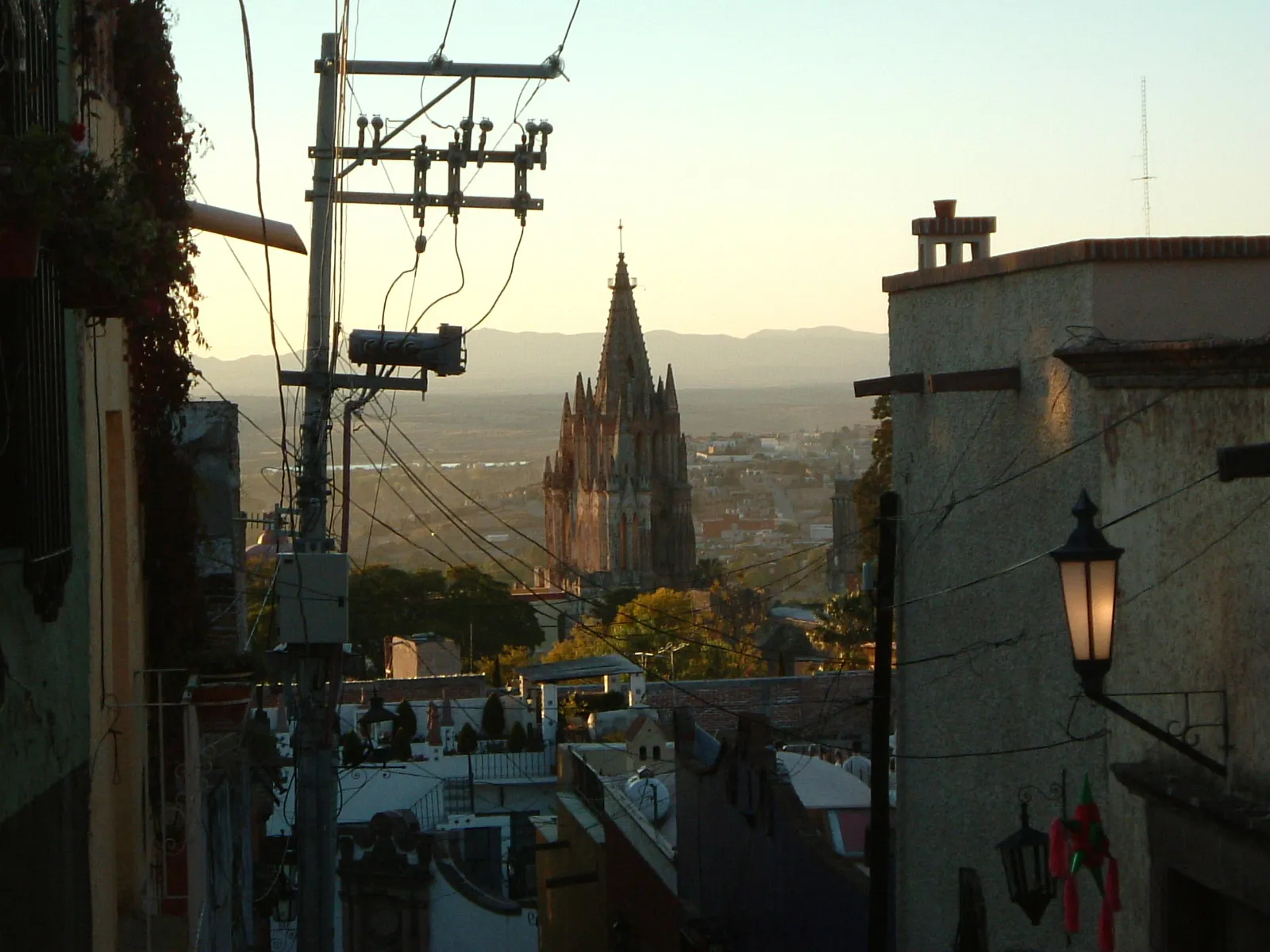
San Miguel de Allende's pink-spired parish church, La Parroquia, looks like it belongs in Europe partly because its self-taught 19th-century builder, a local bricklayer, designed it working mainly from postcards of Gothic cathedrals he'd never actually seen in person, improvising the engineering as he went.
La Parroquia de San Miguel Arcángel, the pink-spired church anchoring San Miguel de Allende's central plaza, looks distinctly out of place for colonial Mexico, closer in silhouette to a European Gothic cathedral than the Spanish colonial baroque style found on most churches from the same era across the country. The story behind that mismatch is part of what makes the building genuinely remarkable: its 1880s facade was designed by Zeferino Gutiérrez, a self-taught local bricklayer and mason who, according to well-established local history, worked primarily from postcards and prints of European cathedrals, having never traveled to see Gothic architecture in person himself. He reportedly improvised much of the actual structural engineering as construction proceeded, an act of confident amateur ambition that produced one of Mexico's most photographed church facades.
That improvised landmark anchors a historic center that's earned UNESCO World Heritage status for its broader collection of well-preserved 17th- and 18th-century colonial architecture, cobblestone streets climbing gently through a townscape of colorful facades and wrought-iron balconies that's remained remarkably intact compared to many of Mexico's other colonial-era towns.
San Miguel's more recent identity has been shaped substantially by a large American and Canadian expat community, which began settling in meaningful numbers starting in the mid-20th century, drawn initially by an art school that attracted international students and later by the town's colonial charm and mild climate. That community has grown considerably since, now representing a significant share of the town's population and visibly shaping its restaurant scene, English-language services, and gallery culture, a dynamic that gives San Miguel a genuinely different texture from comparably historic Mexican towns without similar expat presence.
Fábrica La Aurora, a converted textile factory, now houses a dense concentration of art galleries and design studios, part of a broader creative economy that's made San Miguel one of Mexico's most significant contemporary art markets outside Mexico City. El Charco del Ingenio, a botanical garden and nature reserve on the town's edge, adds a quieter counterpoint focused on the region's native cactus and succulent species.
Between the improvised Gothic cathedral, the intact colonial streetscape, and a genuinely international creative community layered on top of it, San Miguel de Allende offers a version of Mexican colonial travel shaped as much by 20th-century migration patterns as by its original 17th-century founding.
What a trip here actually costs
$110 / day avg.
- Boutique hotel in the historic center
- Local taxi or walking
- Restaurant meals
- Guided historic center walking tour
What to do at this tier
- • La Parroquia and the central Jardín plaza, free
- • Fábrica La Aurora art and design center
- • Mercado de Artesanías crafts market
- • El Charco del Ingenio botanical garden
$280 / day avg.
- Upscale boutique hotel with rooftop views
- Private driver for day trips
- Fine dining meals
- Wine tasting tour in the nearby Guanajuato wine region
What to do at this tier
- • Guided art studio and gallery tour
- • Nearby vineyard day trip and tasting
- • Hot air balloon ride over the town at sunrise
These are average estimates for planning purposes, not real-time prices — actual costs vary by season, availability, and how far ahead you book.
How to get there
Click anywhere on the world map — any airport works, not just our main hubs.
Click anywhere on the map above — any airport in the world works — to see estimated travel time and cost from there.
Times and prices are planning estimates, not live fares — always check a booking site before you commit. See the full Transport Comparison guide for the general tradeoffs of each mode.
Best time to visit
November-April offers the mildest, driest weather at San Miguel's roughly 1,900-meter elevation; the wet season runs roughly June-September.
Safety notes
One of Mexico's more consistently safe tourist towns; standard precautions apply as anywhere.
Visa & currency
Mexican peso (MXN). Many nationalities receive visa-free entry for short stays; confirm current requirements before booking.
Questions people ask before visiting
Is San Miguel de Allende worth visiting?
Yes, it's consistently ranked among Mexico's most beautiful colonial towns, its UNESCO-listed historic center holding well-preserved 17th- and 18th-century architecture, a distinctive pink-spired parish church, and one of the country's largest concentrations of art galleries and studios.
What is the story behind La Parroquia church?
The distinctive neo-Gothic pink spires were added in the 1880s by Zeferino Gutiérrez, a self-taught local bricklayer and mason who reportedly designed the facade using postcards and prints of European cathedrals as his only reference, since he had never traveled to see Gothic architecture firsthand, improvising much of the actual construction and engineering.
Why does San Miguel de Allende have such a large expat community?
American and Canadian expats began settling in significant numbers starting in the mid-20th century, drawn by the town's colonial architecture, mild climate, and art school scene, and that community has grown substantially since, now making up a meaningful share of the town's population and shaping its restaurant and gallery culture.
Is San Miguel de Allende safe to visit?
Yes, it's generally considered one of the safer and more tourist-established towns in Mexico, with a well-developed hospitality industry built up over decades of both domestic and international tourism.
Nearby destinations
 Mexico City
Mexico City
Mexico
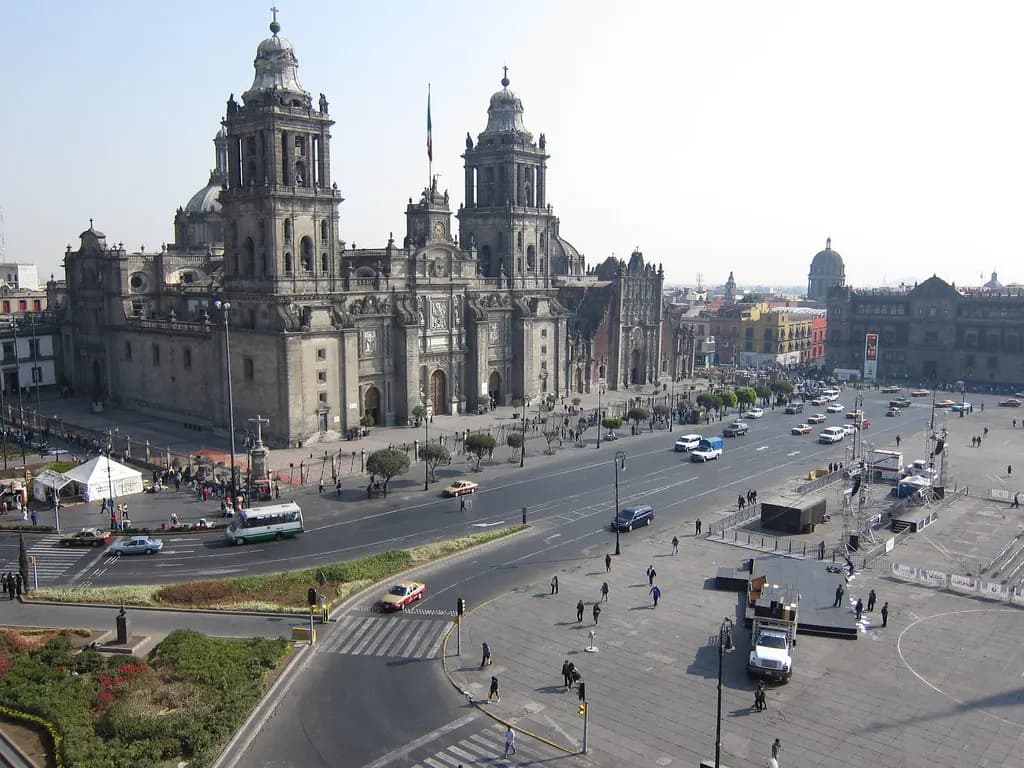
Mexico City sits on top of Tenochtitlan, the Aztec capital the Spanish demolished in 1521 — the ruins of its main temple, Templo Mayor, were only rediscovered in 1978 when electrical workers hit a carved stone disc a few blocks from the modern cathedral.
See full guide →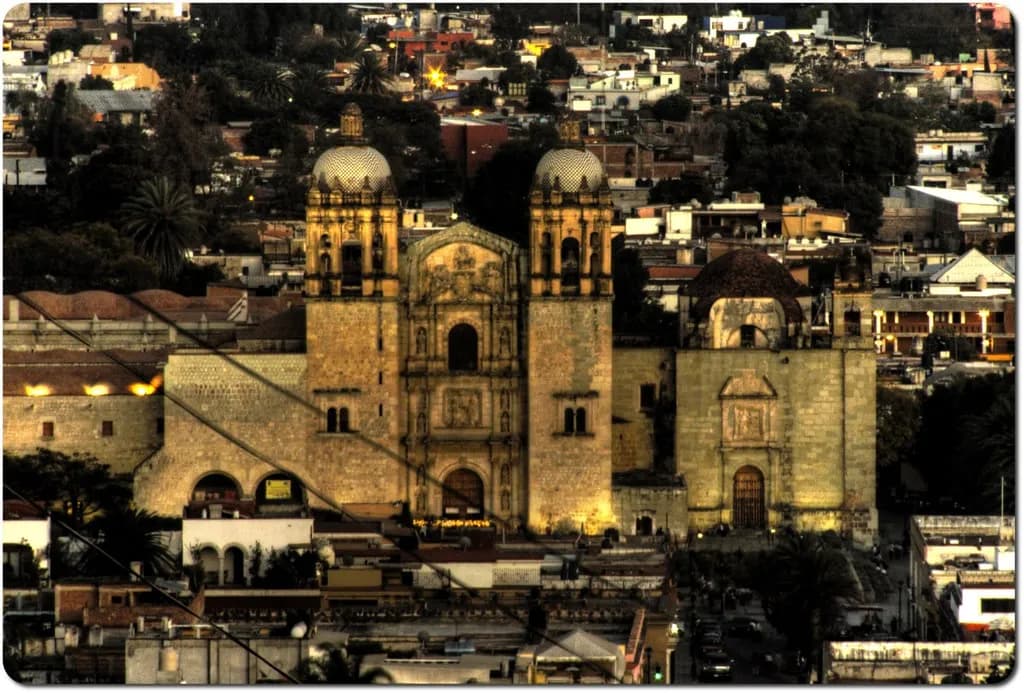 Oaxaca
Oaxaca
Mexico
Nearly all of Mexico's mezcal comes from Oaxaca, produced across hundreds of small family-run palenques where agave is still roasted underground and crushed by hand or by a stone wheel pulled by a donkey, a slower, more artisanal process than tequila's industrial-scale production just a few states away.
See full guide →Comparing more than one route? See the full transport comparison guide.