United States · North America
Denver
Denver's nickname, the Mile High City, isn't just a marketing phrase — the 13th step of the Colorado State Capitol building sits at exactly 5,280 feet above sea level, marked with an engraving, and the elevation genuinely shapes daily life here, from how quickly a beer hits you to why the city has become one of the most brewery-dense places in the country.
Denver's nickname, the Mile High City, is a literal fact rather than marketing language. The 13th step of the Colorado State Capitol building sits at precisely 5,280 feet, exactly one mile, above sea level, an elevation officially marked with an engraving that's become something of a local landmark in its own right. That altitude genuinely affects visitors in practical ways, from a noticeably faster alcohol effect to the increased hydration and sun protection most people find they need within their first day in the city.
That same elevation and dry climate have helped make Denver one of the most brewery-dense cities in the United States, with craft beer production benefiting from Colorado's water quality and a local culture that's embraced brewing as a genuine point of civic identity, concentrated particularly in the RiNo and LoDo districts.
Red Rocks Amphitheatre, built directly into a natural rock formation in the foothills outside the city, uses massive sandstone outcrops as both a dramatic backdrop and part of the venue's actual seating and stage structure. Its combination of acoustics and setting has made it one of the most sought-after venues in the country for touring musicians, and even a non-concert visit to see the formation itself remains a popular outing.
Denver's position as a genuine gateway to the Rocky Mountains gives it a range few similarly sized American cities can match, with Rocky Mountain National Park reachable within roughly 90 minutes, letting visitors combine a genuinely urban city experience with serious mountain scenery on the same short trip.
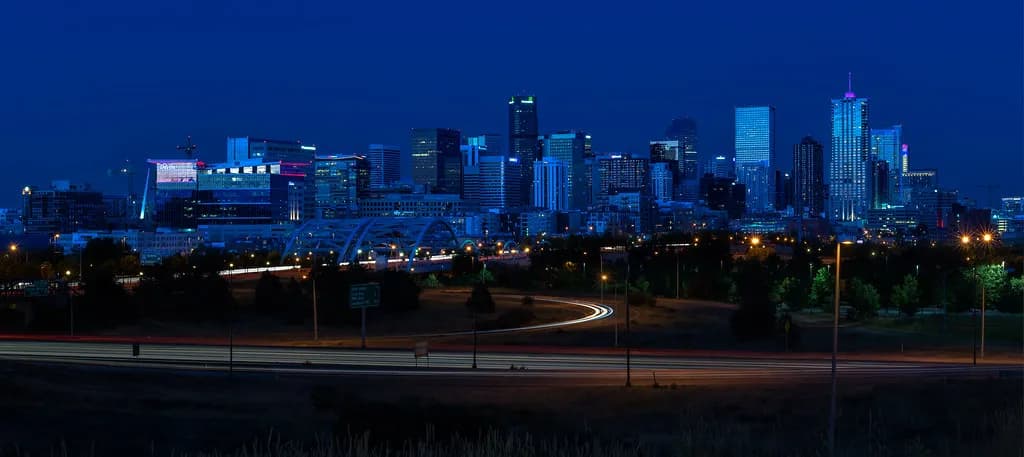
The city's downtown core, anchored by the pedestrian 16th Street Mall, remains genuinely walkable, and Denver's continued growth over the past two decades has added a considerable amount of new dining, brewery, and cultural infrastructure to a city that was, for much of the 20th century, considered more of a regional hub than a standalone destination.
What a trip here actually costs
$60 / day avg.
- Hostel dorm or budget hotel
- Local light rail transport
- Casual restaurant and brewery meals
- 16th Street Mall and downtown walk, free
What to do at this tier
- • Colorado State Capitol and Mile High marker, free
- • 16th Street Mall downtown walk, free
- • Civic Center Park and nearby museums, low or no entry fee
$150 / day avg.
- 3-star hotel
- Red Rocks concert or guided tour
- Rocky Mountain National Park day trip
- Sit-down restaurant dinners
What to do at this tier
- • Red Rocks Amphitheatre concert or self-guided visit
- • Rocky Mountain National Park day trip
- • Craft brewery tour across Denver's RiNo or LoDo districts
$350 / day avg.
- 4-5 star hotel
- Private guided brewery and food tour
- Fine dining tasting menu
- Private Rocky Mountain National Park day trip with a guide
What to do at this tier
- • Private guided brewery and Colorado food tour
- • Private Rocky Mountain National Park day trip with a dedicated guide
- • Fine dining tasting menu at a top Denver restaurant
These are average estimates for planning purposes, not real-time prices — actual costs vary by season, availability, and how far ahead you book.
How to get there
Click anywhere on the world map — any airport works, not just our main hubs.
Click anywhere on the map above — any airport in the world works — to see estimated travel time and cost from there.
Times and prices are planning estimates, not live fares — always check a booking site before you commit. See the full Transport Comparison guide for the general tradeoffs of each mode.
Best time to visit
June-September brings warm days and easier access to the surrounding mountains; snow can affect mountain access outside this window.
Safety notes
Generally safe with standard city precautions; the elevation and dry climate mean extra hydration and sun protection matter more than in most US cities.
Visa & currency
US dollar (USD). Most international visitors need a visa or ESTA authorization arranged in advance, worth confirming based on passport before booking.
Questions people ask before visiting
Is Denver worth visiting?
Yes — Denver combines a genuinely dense craft beer scene, the natural rock-formation Red Rocks Amphitheatre concert venue, easy access to Rocky Mountain National Park, and a walkable downtown, all sitting at exactly one mile above sea level.
Why is Denver called the Mile High City?
The 13th step of the Colorado State Capitol building sits at precisely 5,280 feet, one mile, above sea level, a fact marked with an official engraving. The elevation is genuine and noticeably affects visitors, from faster alcohol effects to the need for extra hydration and sun protection.
What is Red Rocks Amphitheatre?
A concert venue built directly into a natural rock formation outside Denver, using massive sandstone outcrops as both the stage backdrop and part of the seating structure. Its acoustics and setting have made it one of the most sought-after venues for touring musicians in the country.
How many days do you need in Denver?
Two to three days covers downtown, the brewery scene, and Red Rocks, with many visitors extending further to include a day trip or longer stay in Rocky Mountain National Park, roughly 90 minutes away.
Nearby destinations
 Las Vegas
Las Vegas
United States
The Las Vegas Strip, the stretch of casino resorts everyone pictures when they think of the city, technically isn't inside Las Vegas city limits at all — it sits in unincorporated Clark County, a legal quirk that traces back to the city itself once trying to impose stricter gambling regulations the casino owners wanted to avoid.
See full guide →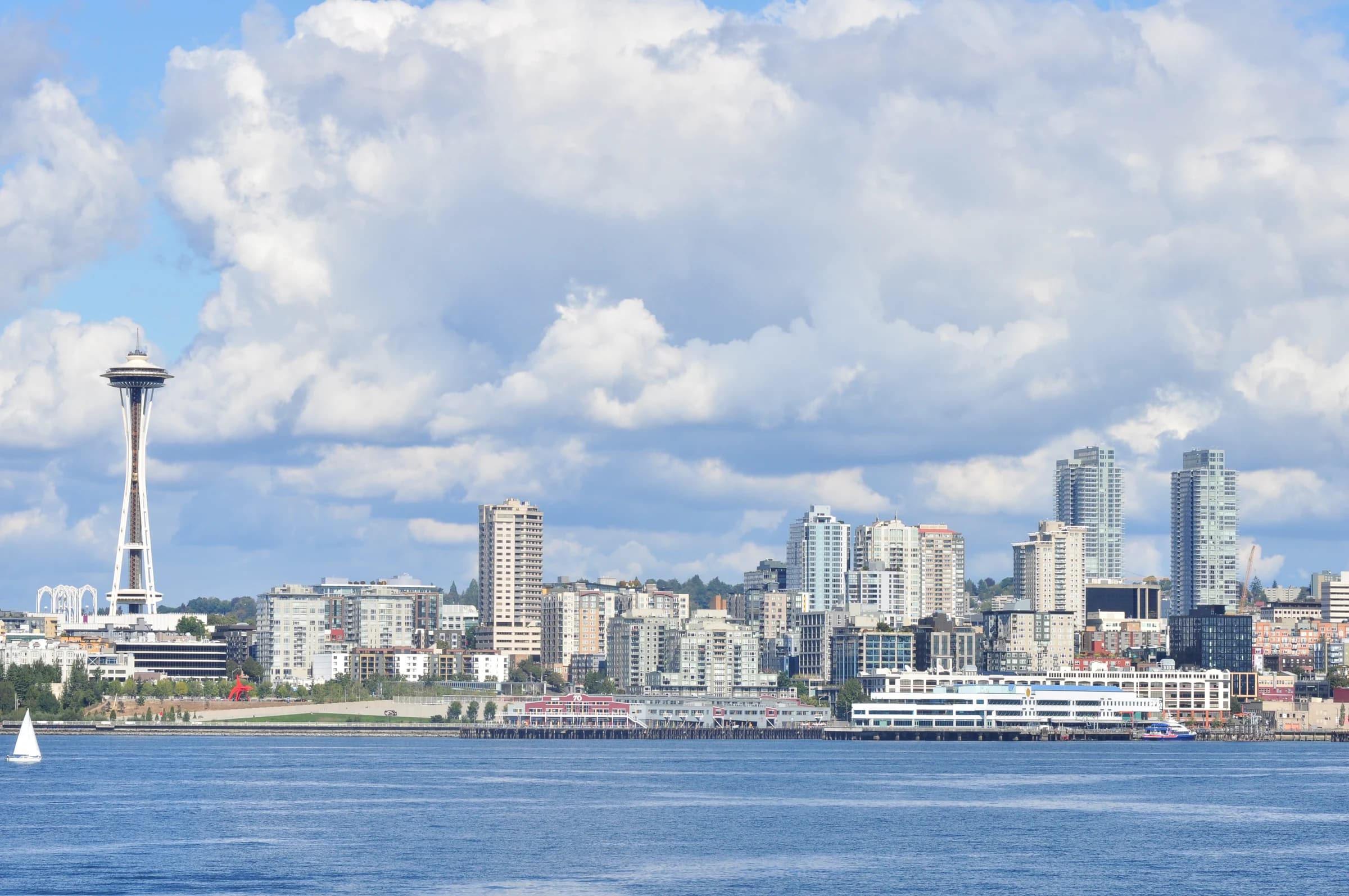 Seattle
Seattle
United States
Seattle's rainy reputation is genuinely misleading — the city actually gets fewer annual inches of rainfall than New York, Miami, or Houston, but it rains on far more days of the year, a steady drizzle instead of heavy downpours, which is exactly the kind of weather that built the city's coffee culture in the first place.
See full guide →Comparing more than one route? See the full transport comparison guide.