St. Kitts and Nevis · North America
Basseterre
St. Kitts and Nevis is the smallest sovereign nation in the Americas, by both area and population, yet its old sugar-cane railway still circles most of the main island — passengers now ride double-decker cars for the scenery instead of hauling cane to the mill.
St. Kitts and Nevis holds a specific distinction in the Americas: it's the smallest sovereign nation by both land area and population anywhere in North or South America, a twin-island federation connected by a short ferry crossing across a narrow channel.
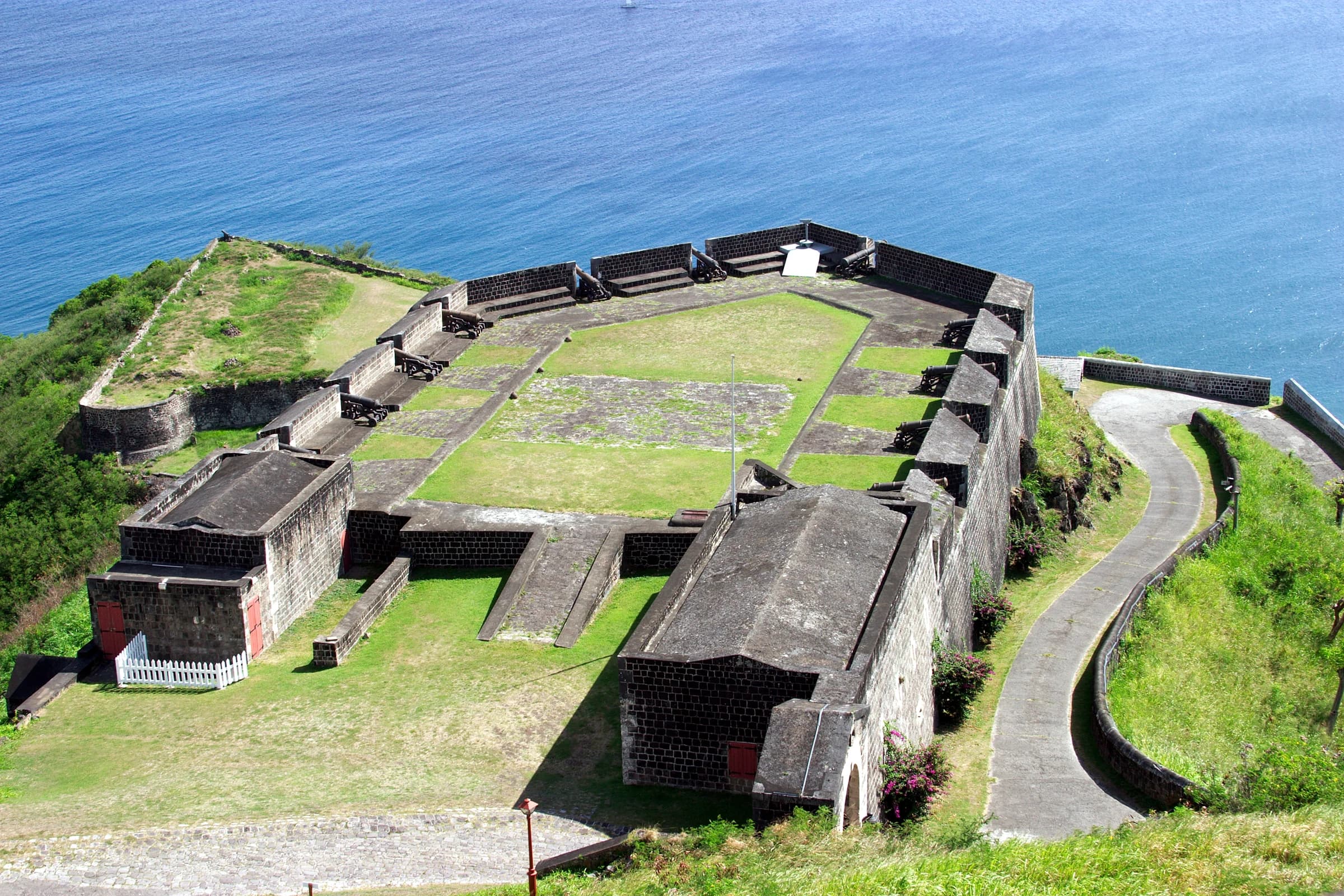
That small scale hasn't stopped St. Kitts from holding onto a genuinely significant piece of colonial history. Brimstone Hill Fortress, built largely by enslaved laborers over the 18th century on a steep volcanic hill overlooking the coast, earned the historical nickname the Gibraltar of the West Indies for its commanding, near-impregnable position. UNESCO recognized it as a World Heritage Site, and it remains one of the best-preserved fortifications from that colonial period anywhere in the Caribbean.
The island's other defining feature dates to its sugar economy: a narrow-gauge railway built in the early 1900s to haul cane from the fields to a central processing mill now carries tourists instead, in double-decker observation cars that circle much of the coastline, passing former plantation ruins and volcanic scenery that would otherwise be hard to reach by road.
Basseterre, the capital, centers on a small colonial core and cruise port, with most of the island's resort development concentrated on the flatter southeastern peninsula, where calmer beaches and newer hotels sit apart from the more historically dense northern half of the island.
Nevis, the federation's second island, offers a quieter counterpart reachable by a short ferry — a single dormant volcanic peak dominates its center, and its tourism infrastructure leans toward smaller boutique resorts rather than St. Kitts's larger-scale developments, making a combined visit to both islands a common way to experience the full federation.
What a trip here actually costs
$130 / day avg.
- 3-star hotel near Basseterre or the south peninsula
- Brimstone Hill Fortress entry and tour
- Sit-down Caribbean-Creole dinners
- St. Kitts Scenic Railway ticket
What to do at this tier
- • Brimstone Hill Fortress, a UNESCO-listed 18th-century hilltop fortress
- • St. Kitts Scenic Railway around the island's former sugar-cane route
- • Public beach access on the south peninsula
$320 / day avg.
- Beachfront resort on the south peninsula
- Private historical tour of Brimstone Hill and the old sugar estates
- Fine dining reservations
- Ferry day trip to Nevis with a private guide
What to do at this tier
- • Private historical tour of Brimstone Hill and the old plantation estates
- • Day trip by ferry to Nevis with a private guide
- • Catamaran tour combining a beach stop and snorkeling
These are average estimates for planning purposes, not real-time prices — actual costs vary by season, availability, and how far ahead you book.
How to get there
Click anywhere on the world map — any airport works, not just our main hubs.
Click anywhere on the map above — any airport in the world works — to see estimated travel time and cost from there.
Times and prices are planning estimates, not live fares — always check a booking site before you commit. See the full Transport Comparison guide for the general tradeoffs of each mode.
Best time to visit
December through April brings the driest, most comfortable weather. Hurricane season runs June through November, with the highest risk in late summer and fall.
Safety notes
Generally safe with a small, tourism-focused economy; standard precautions apply in Basseterre, particularly around the cruise port on busy ship days.
Visa & currency
Eastern Caribbean dollar (XCD), pegged to the US dollar; US dollars are widely accepted. Most nationalities can enter visa-free for tourist stays — worth confirming current requirements before booking.
Questions people ask before visiting
What is Brimstone Hill Fortress?
A UNESCO World Heritage 18th-century British fortress built largely by enslaved laborers on a steep volcanic hill, historically nicknamed the Gibraltar of the West Indies for its commanding position and near-impregnability. It's one of the best-preserved colonial fortifications in the Caribbean, with sweeping views over the coast and neighboring islands.
What is the St. Kitts Scenic Railway?
A narrow-gauge railway originally built in the early 1900s to haul sugar cane to a central processing mill, now repurposed to carry tourists in double-decker observation cars around much of the island's coastline, passing former plantation ruins and coastal scenery.
Should you visit St. Kitts or Nevis?
They're a single federation connected by a short ferry, so many visitors do both — St. Kitts has more resort infrastructure, the Scenic Railway, and Brimstone Hill, while Nevis is quieter, known for a dormant volcano peak and a more low-key, boutique-resort atmosphere.
Is St. Kitts worth visiting?
Yes, particularly for travelers wanting Caribbean beaches combined with genuine colonial-era history and volcanic hiking, without the crowds of more heavily marketed islands — it remains less internationally known than similarly-sized Caribbean destinations.
Nearby destinations
 St. John's
St. John's
Antigua and Barbuda
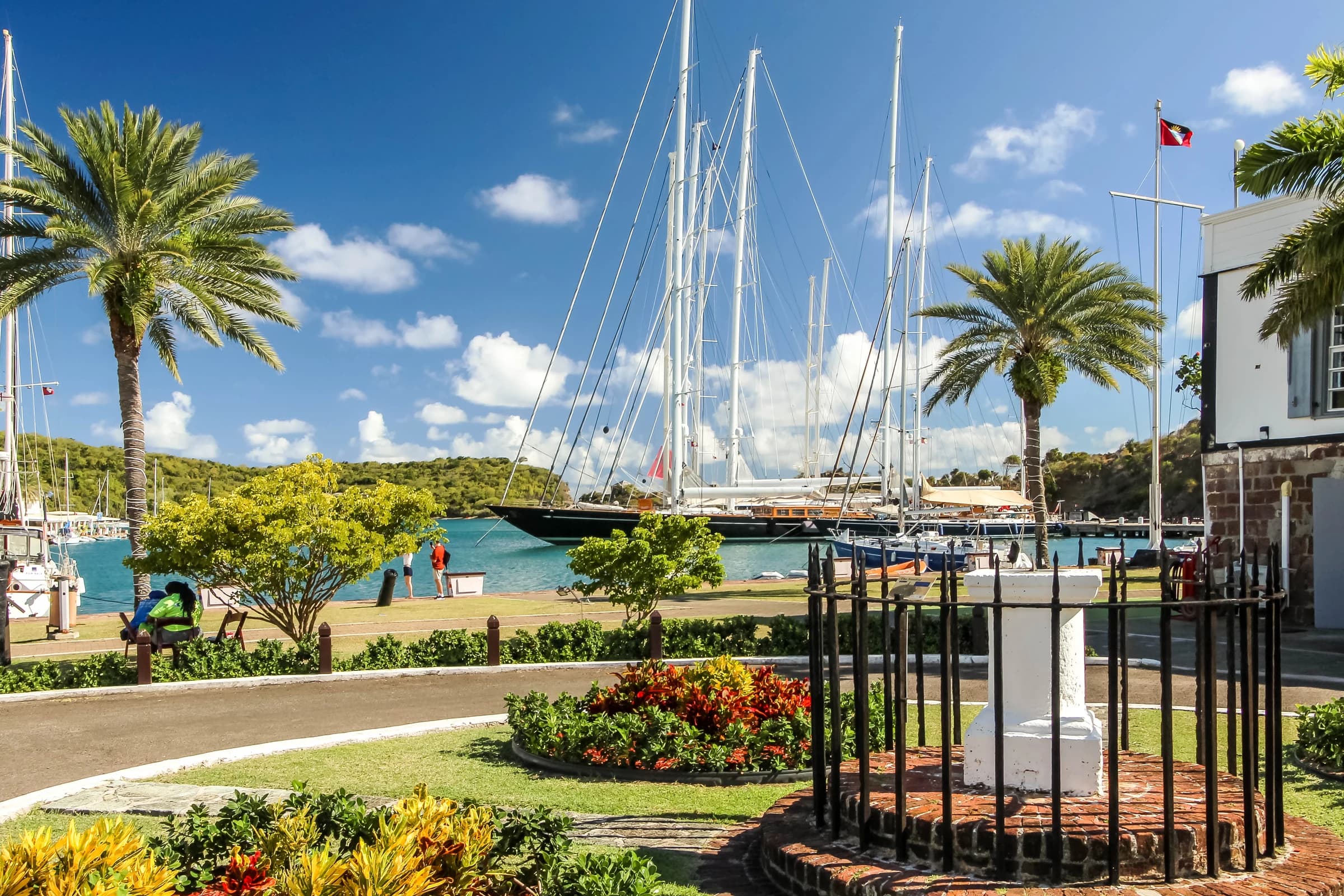
Antigua markets itself around a single, oddly specific claim — 365 beaches, one for every day of the year — and while nobody has ever produced an official count to verify it, the island genuinely is ringed by an unusual number of distinct coves for its size.
See full guide →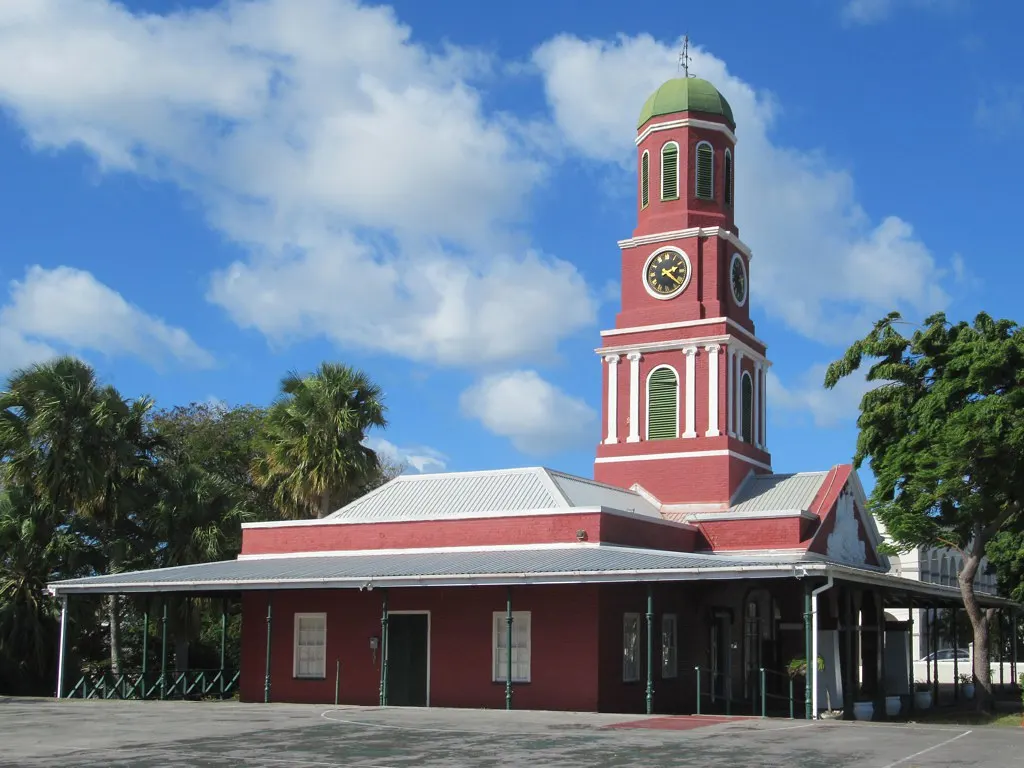 Bridgetown
Bridgetown
Barbados
Barbados is the birthplace of rum — Mount Gay, founded in 1703 on the island and still producing today, holds the Guinness World Record as the oldest rum brand still in existence, and Bridgetown's historic garrison is now a UNESCO World Heritage Site built partly on that trade.
See full guide →Comparing more than one route? See the full transport comparison guide.