Spain · Europe
Barcelona
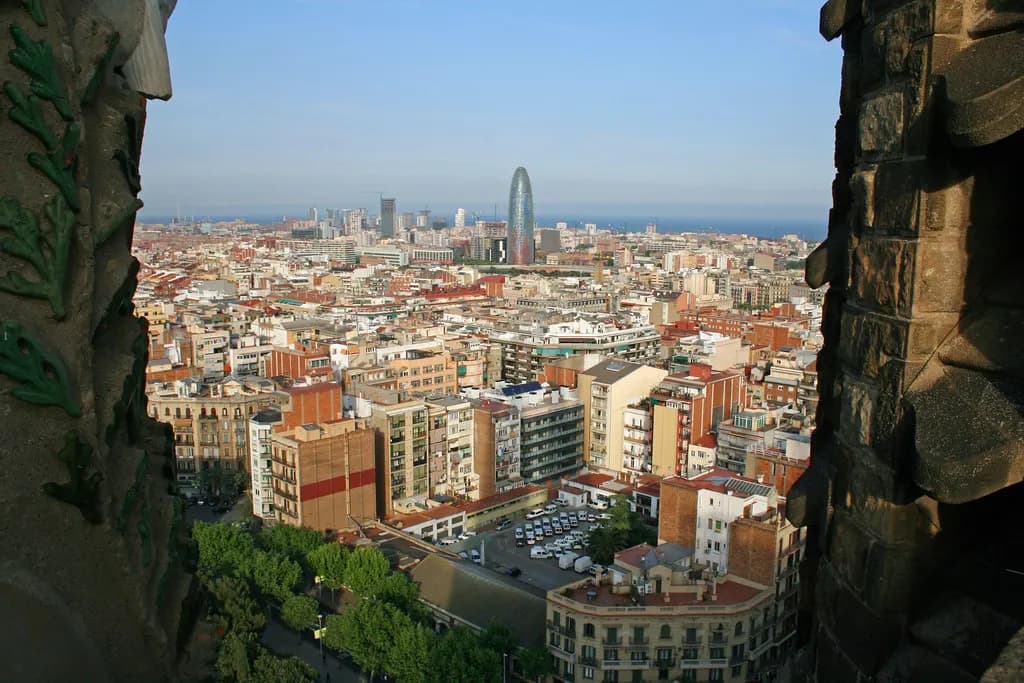
Gaudí spent over a decade on a church that's still not finished, and somehow that unfinished cathedral is now the thing everyone plans their trip around.
Antoni Gaudí started the Sagrada Família in 1883 and it's still under construction, more than a century after his death in 1926. Completion dates keep shifting, currently pointing toward the 2030s for the main towers, and the church has become the thing that reorganizes most people's Barcelona trip around it: book the ticket first, then plan everything else.
But Gaudí is only one layer. The Gothic Quarter behind La Rambla is a maze of medieval streets that predates him by centuries, and it's genuinely disorienting in a good way — narrow enough that the sun barely reaches the ground at midday, opening suddenly into small squares with a church or a café. La Rambla itself is worth one walk for the energy, but it's the tourist thoroughfare, not the city's best food or shopping, and it's also where pickpocketing complaints concentrate most heavily. The Boqueria market just off it is the exception — genuinely good, genuinely worth a lunch stop, just watch your bag in the crowds.
Barcelona runs on a later clock than most of Europe. Dinner reservations for 9pm are normal, not late, and restaurants that open at 8 will often sit half-empty until 9:30. Tapas culture makes this easier to navigate as a visitor — order two or three small plates per stop and move between two or three bars over an evening instead of committing to one long sit-down meal.
The beach is a fifteen-minute walk from the Gothic Quarter, which is unusual for a city this historically dense. Barceloneta gets crowded and touristy; if you want sand without the crowd, the beaches further up toward Poblenou thin out considerably past midweek.
Catalan, not Spanish, is the everyday language of signage and conversation, and locals notice the difference. It doesn't change how you get around — Spanish and English both work fine — but a "bon dia" instead of "buenos días" tends to land better with people who work in tourism-heavy jobs and hear the same Spanish greeting fifty times a day.
What a trip here actually costs
$65 / day avg.
- Hostel in El Raval or Gràcia
- Metro T-Casual 10-ride pass
- Pintxos and market lunches at La Boqueria
- One paid Gaudí site, booked ahead
What to do at this tier
- • Walk the Gothic Quarter's back streets, no ticket required
- • Barceloneta beach for the afternoon, free
- • Bunkers del Carmel for a free sunset view over the whole city
$150 / day avg.
- 3-star hotel in Eixample or El Born
- Sagrada Família plus one more Gaudí site
- Sit-down tapas dinners
- Half-day Montserrat trip
What to do at this tier
- • Sagrada Família interior, booked at least a week ahead
- • Park Güell's monumental zone in the morning before the heat
- • Tapas crawl through El Born, four or five small plates across two bars
$320 / day avg.
- Design hotel near Passeig de Gràcia
- Skip-the-line access to all major Gaudí sites
- Multi-course dinner at a Michelin-listed restaurant
- Private guided Gothic Quarter walk
What to do at this tier
- • Sagrada Família with tower access, timed entry
- • Private Gaudí architecture tour covering Casa Batlló and Casa Milà
- • Day trip to Montserrat with a private driver and monastery visit
These are average estimates for planning purposes, not real-time prices — actual costs vary by season, availability, and how far ahead you book.
How to get there
Click anywhere on the world map — any airport works, not just our main hubs.
London is one of our researched reference cities — every mode below is hand-checked, not a formula.
| Mode | Time | Approx. cost | Notes |
|---|---|---|---|
| Flight | 2h10 | $45-150 | Fastest option; book 6-8 weeks out for the lower end of the range. |
Times and prices are planning estimates, not live fares — always check a booking site before you commit. See the full Transport Comparison guide for the general tradeoffs of each mode.
Best time to visit
May and June bring warm weather without the August crowds and heat, which push the city and the beaches to capacity. September is a close second.
Safety notes
Low rates of violent crime, but pickpocketing is common enough to plan around, especially on La Rambla, the metro, and the beach. Keep valuables zipped and front-facing in crowds.
Visa & currency
Euro. Standard Schengen 90-day visa-free entry applies for most Western passport holders.
Questions people ask before visiting
Is Barcelona safe from pickpockets?
Violent crime is low, but pickpocketing is a real and well-documented issue, concentrated on La Rambla, the metro, and Barceloneta beach. Keep bags zipped and in front of you in crowds and you'll avoid the vast majority of incidents.
How many days do you need in Barcelona?
Four days covers the Gaudí sites, the Gothic Quarter, and a beach afternoon without rushing. A week lets you add a day trip to Montserrat or a slower pace through the smaller neighborhoods like Gràcia.
Do I need to book Sagrada Família tickets ahead?
Yes, essentially always. Walk-up availability is unreliable even in shoulder season, and the tower-climb tickets sell out days in advance during summer.
Is La Rambla worth walking or just a tourist trap?
It's worth walking once for the atmosphere, but treat it as a thoroughfare rather than a destination — the actual restaurants and shops on it skew toward tourist pricing, and the real Gothic Quarter streets just off it are more interesting.
What's the best neighborhood to stay in for nightlife?
El Born and Gràcia both give you good nightlife within walking distance of a metro without being directly on top of the loudest, most tourist-heavy strips near the beach.
Nearby destinations
 Lisbon
Lisbon
Portugal
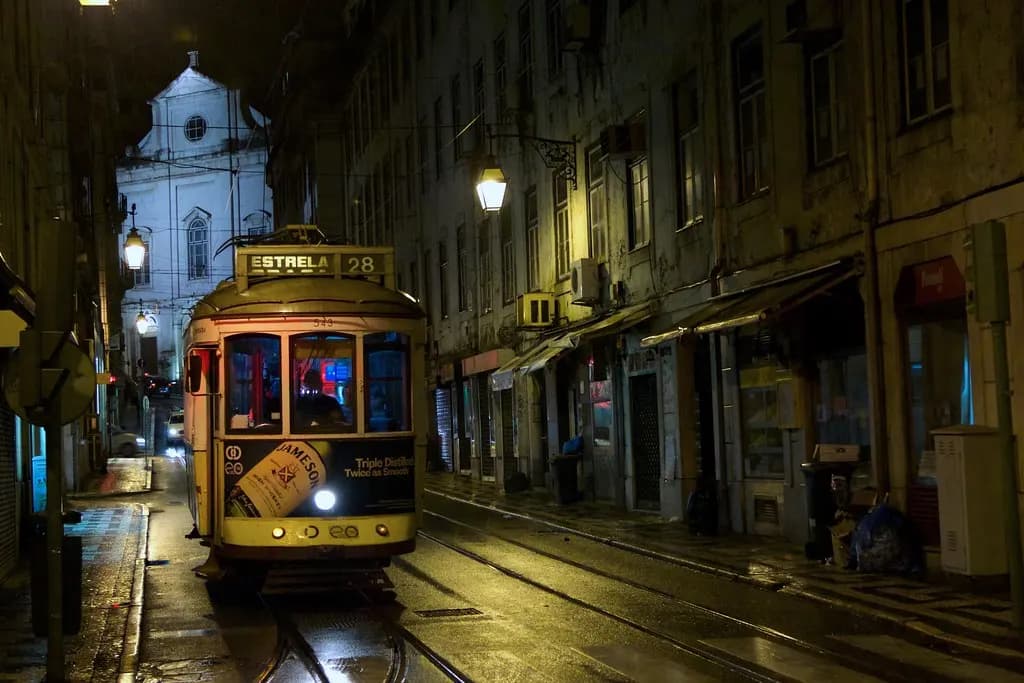
A city built on seven hills, where a rattling yellow tram doubles as the cheapest sightseeing tour you'll find in Western Europe.
See full guide →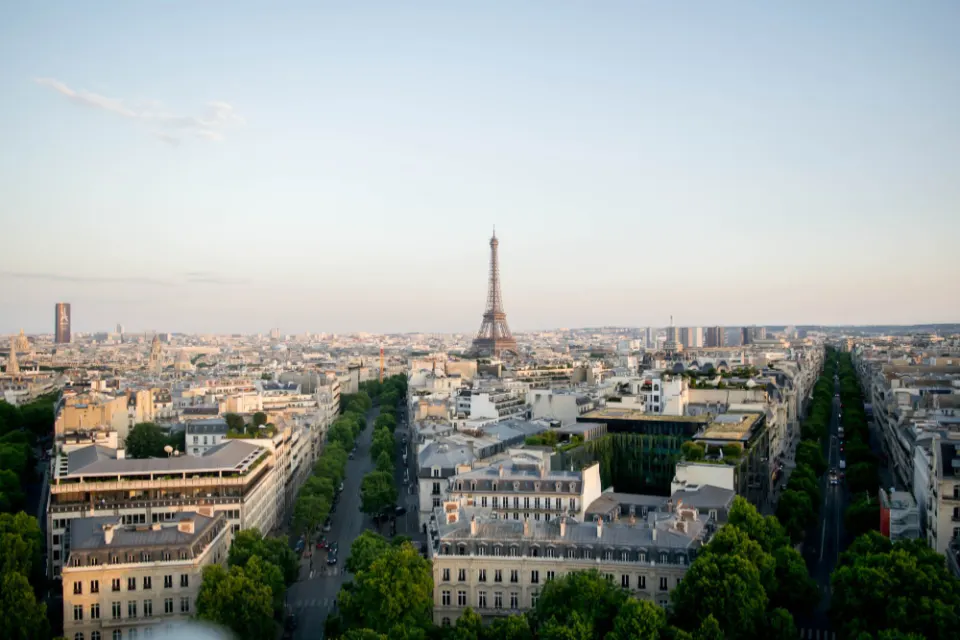 Paris
ParisParis
France
The city is laid out in twenty numbered arrondissements spiraling out from the center like a snail shell, and once that clicks, Paris stops feeling like a maze.
See full guide →Comparing more than one route? See the full transport comparison guide.