Poland · Europe
Gdansk
A shipyard strike here in 1980 grew into Solidarity, the first independent trade union in the Soviet bloc, and historians trace a direct line from it to the fall of Communism across Eastern Europe less than a decade later.
Gdansk holds a specific and significant place in 20th-century history: in August 1980, workers at the Gdansk Shipyard, led by an electrician named Lech Wałęsa, went on strike and formed Solidarity, the first independent trade union permitted to operate anywhere in the Soviet bloc. What began as a labor dispute grew into a broader anti-Communist movement that historians widely credit as a major catalyst for the political changes sweeping Eastern Europe by 1989 — a direct line from a single shipyard gate to the fall of Communism across the region.
The European Solidarity Centre, a striking modern museum built directly at those same shipyard gates, covers that history in detail, including original strike documents, the famous 21 demands posted on the shipyard wall, and the movement's eventual role in Poland's transition to democracy.
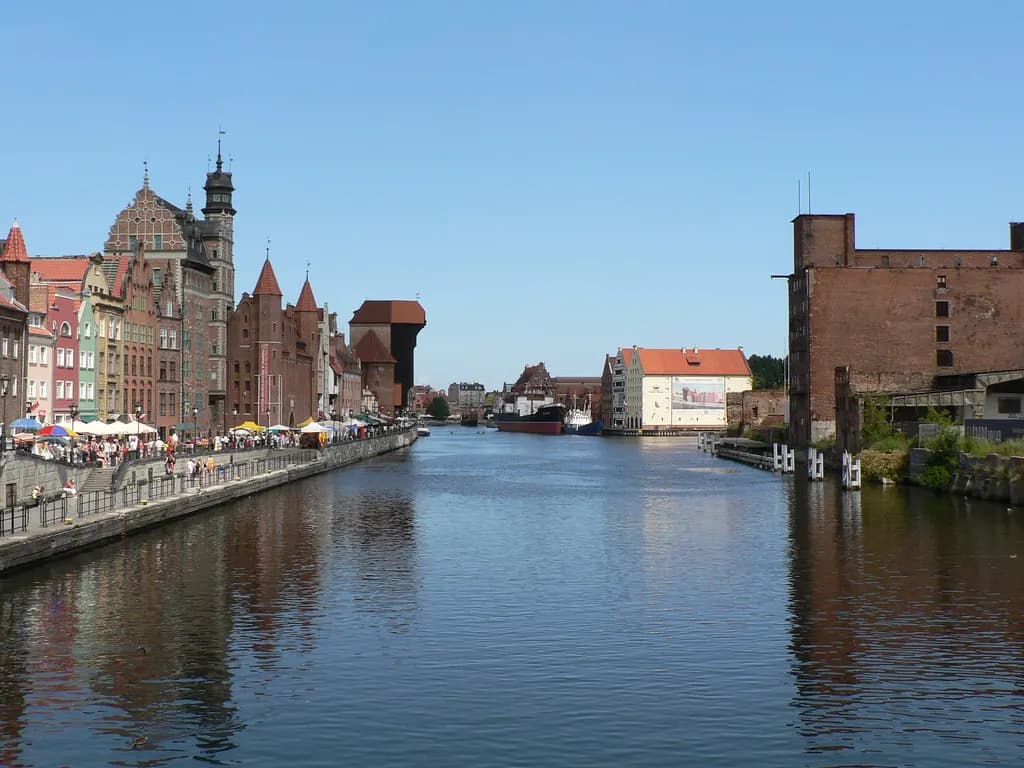
Gdansk's old town tells an entirely different, older story — the city flourished for centuries as a major Hanseatic League trading port, and its architecture, largely destroyed during World War II and painstakingly reconstructed afterward, reflects that Baltic trading wealth: tall, narrow merchant houses along the Long Market, and St. Mary's Church, one of the largest brick churches in the world.
Along the Motlawa River waterfront, a large wooden medieval crane — one of the largest surviving examples in Europe, dating to the 15th century and used to load and unload Hanseatic trading ships — still stands as one of Gdansk's most recognizable landmarks.
The city's coastal position gives it a genuine beach-town option that landlocked Polish cities like Krakow or Warsaw can't offer: Sopot, a Baltic Sea resort town, sits a short train ride away, and Malbork Castle, the largest brick castle in the world and a UNESCO World Heritage Site, makes for a substantial and worthwhile day trip about an hour inland.
What a trip here actually costs
$35 / day avg.
- Hostel near the old town
- Tram day pass
- Milk bar and casual Polish lunches
- Free wander through the reconstructed old town
What to do at this tier
- • Long Market (Dlugi Targ) and the reconstructed Hanseatic old town, free
- • Waterfront wander along the Motlawa River, including the medieval crane, free
- • St. Mary's Church exterior, one of the largest brick churches in the world, free
$85 / day avg.
- 3-star hotel near the old town
- European Solidarity Centre entry
- Sit-down Polish dinners
- Day trip to Sopot beach or Malbork Castle
What to do at this tier
- • European Solidarity Centre, covering the shipyard strikes and the movement's role in ending Communism
- • Day trip to Sopot, a Baltic Sea beach resort town a short train ride away
- • Sit-down dinner featuring Polish and Kashubian regional dishes
$190 / day avg.
- 4-5 star hotel near the waterfront
- Private guided Solidarity and Hanseatic history tour
- Tasting menu at a modern Polish restaurant
- Private day trip to Malbork Castle
What to do at this tier
- • Private guided tour connecting the Hanseatic trading history to the Solidarity movement
- • Private day trip to Malbork Castle, the largest brick castle in the world, about an hour away
- • Tasting menu at a well-regarded modern Polish restaurant
These are average estimates for planning purposes, not real-time prices — actual costs vary by season, availability, and how far ahead you book.
How to get there
Click anywhere on the world map — any airport works, not just our main hubs.
Click anywhere on the map above — any airport in the world works — to see estimated travel time and cost from there.
Times and prices are planning estimates, not live fares — always check a booking site before you commit. See the full Transport Comparison guide for the general tradeoffs of each mode.
Best time to visit
May-September brings the mildest weather and the only realistic window for the Baltic Sea beaches at nearby Sopot; winters are genuinely cold.
Safety notes
Very safe overall. Standard urban caution is enough almost everywhere in the city.
Visa & currency
Polish złoty (PLN), not the euro. Standard Schengen 90-day visa-free rule applies for most Western passport holders.
Questions people ask before visiting
Is Gdansk worth visiting?
Yes — it combines a genuinely significant 20th-century political history (the birthplace of the Solidarity movement) with a beautifully reconstructed Hanseatic old town and direct Baltic Sea beach access, a combination few other Polish cities offer.
What was the Solidarity movement, and where can I learn about it in Gdansk?
Solidarity, founded at the Gdansk Shipyard in 1980, was the first independent trade union in the Soviet bloc and grew into a broader anti-Communist movement that historians credit as a major catalyst for the fall of Communism across Eastern Europe by 1989. The European Solidarity Centre, built at the former shipyard gates, covers this history in depth.
Gdansk or Krakow — which should I visit?
Krakow has the more famous historic core and is closer to Auschwitz. Gdansk offers a distinct Hanseatic trading-city architecture, direct Baltic Sea access, and the more recent, still-living history of the Solidarity movement. They cover genuinely different parts of Poland's story rather than competing directly.
Is Gdansk cheap to visit?
Yes, similar to the rest of Poland — noticeably cheaper than Western European cities across food, transit, and accommodation.
How many days do you need in Gdansk?
Two days covers the old town, the European Solidarity Centre, and the waterfront. A third day allows a beach day at nearby Sopot or a trip to Malbork Castle, the largest brick castle in the world, about an hour away.
Nearby destinations
 Warsaw
Warsaw
Poland
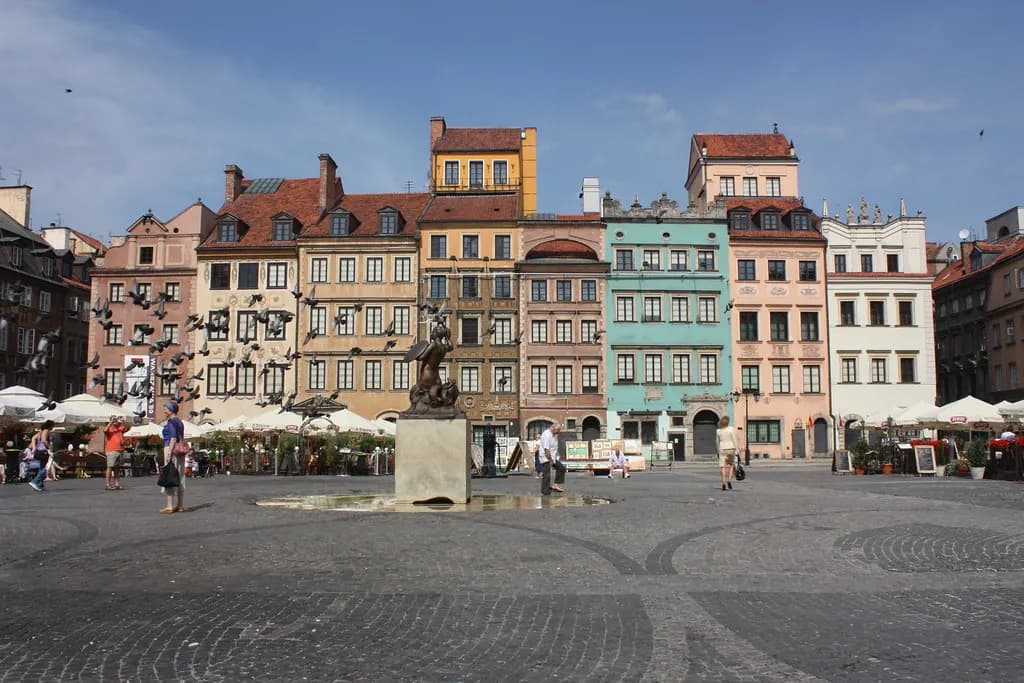
About 85% of the city was deliberately destroyed after the 1944 Warsaw Uprising, and the Old Town you see today is a meticulous postwar reconstruction, rebuilt from old paintings and photographs — the rebuild itself is what earned it UNESCO status, not original age.
See full guide →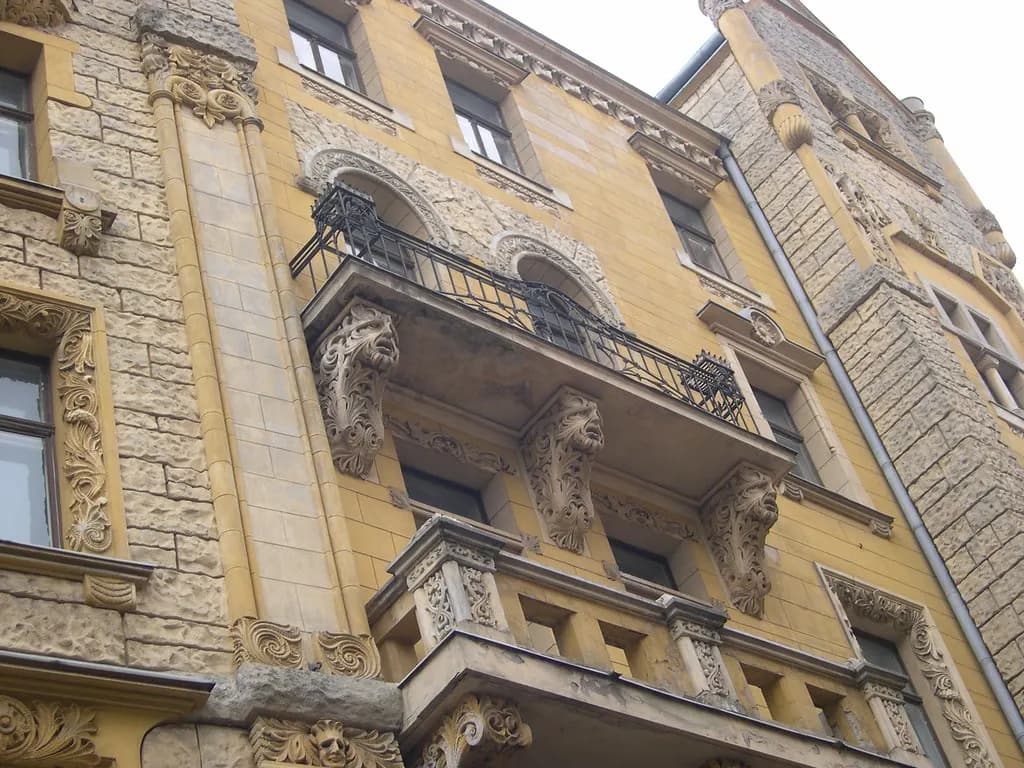 Riga
RigaRiga
Latvia
This city holds the largest collection of Art Nouveau buildings anywhere in Europe — entire streets of ornate, sculpture-covered facades that most visitors have never even heard Riga is known for.
See full guide →Comparing more than one route? See the full transport comparison guide.