Austria · Europe
Vienna
A single cup of coffee buys you a table for as long as you want it — the coffeehouse as a legal, UNESCO-recognized institution, not just a place to grab a drink and leave.
Vienna's coffeehouse culture is not a marketing angle — it's recognized by UNESCO as an element of intangible cultural heritage, and the custom behind it is specific: order one coffee and the table is yours for as long as you want it, no pressure to order more, no time limit implied by the staff. A glass of tap water arrives automatically with every coffee, unordered and uncharged. Café Central and Café Sacher get the tourist attention, but plenty of quieter, equally traditional coffeehouses exist a few blocks off the main routes with shorter lines and the same century-old formula.
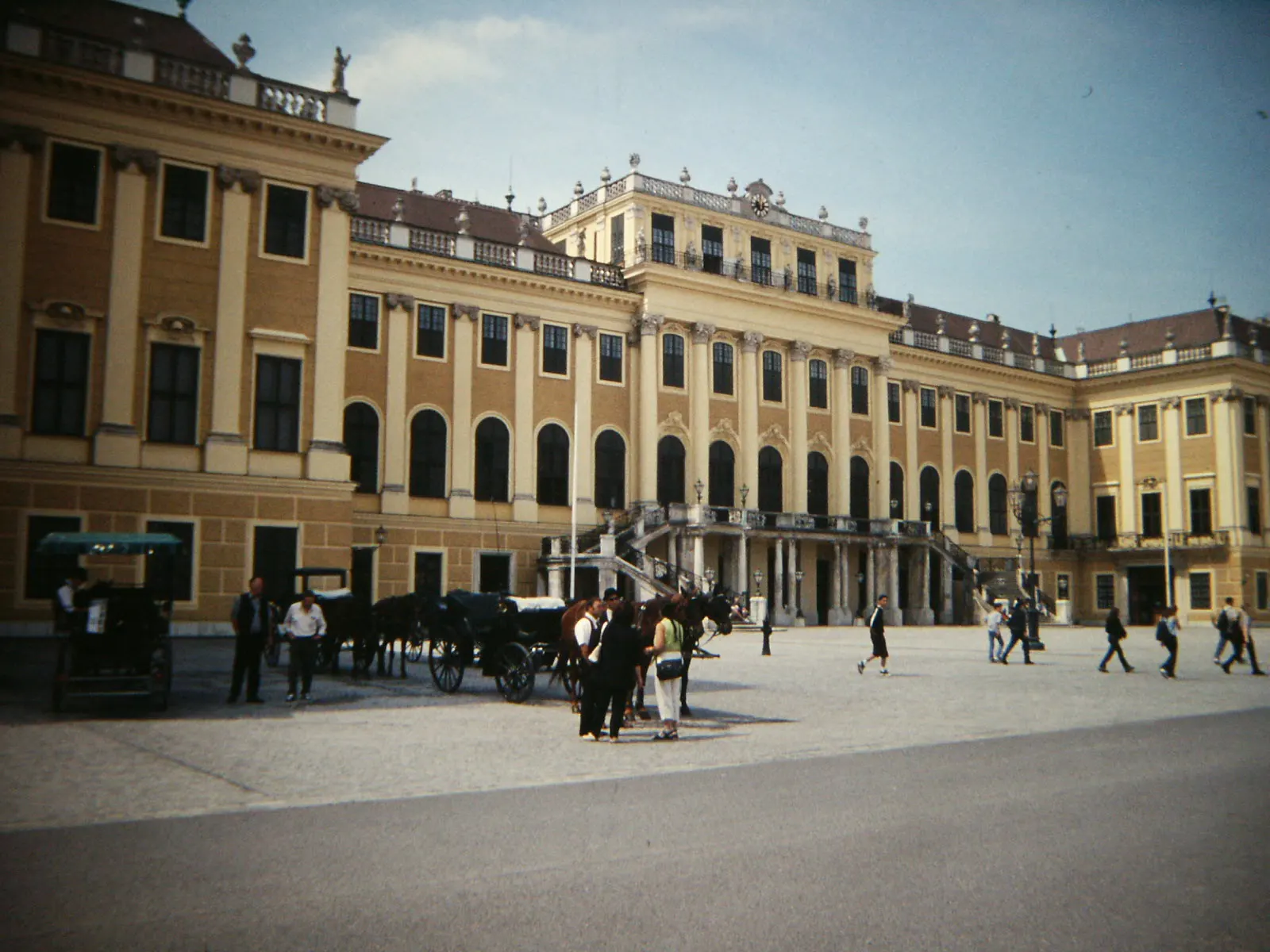
The Habsburg dynasty ran an empire from Vienna for the better part of six centuries, and the architecture still carries that weight. Schönbrunn Palace, the former imperial summer residence, is enormous — over a thousand rooms, though only a fraction are open to visitors — and the gardens alone are worth a couple of hours. Belvedere Palace, smaller and originally built for a Habsburg-era military commander, now houses Gustav Klimt's The Kiss along with a strong broader collection, and makes a reasonable substitute if you only have time for one palace and care more about art than imperial scale.
Classical music runs deeper here than in most cities that claim the label. Mozart, Beethoven, and Brahms all worked in Vienna, and the tradition is still functioning, not just historical — the Vienna State Opera puts on performances year-round and sells a limited number of standing-room tickets for a few euros each, available only in person a couple of hours before curtain. It's one of the better value experiences in the city if you're willing to stand.
The Ringstrasse, the grand boulevard that replaced the old city walls in the 19th century, loops around the historic center and passes most of the major public buildings — the Opera House, the Parliament, the Rathaus (city hall) — in sequence, making it a reasonable walking or tram route to get oriented on day one.
Vienna consistently ranks near the top of global quality-of-life surveys, and it shows in small ways once you're there: the public transit is clean and punctual, the parks are well maintained, and the city feels notably calmer and more orderly than its size would suggest.
What a trip here actually costs
$60 / day avg.
- Hostel near the Naschmarkt or outside the Ringstrasse
- Trams and U-Bahn day pass
- Naschmarkt lunches, bakery breakfasts
- Standing-room opera or Philharmonic ticket
What to do at this tier
- • Naschmarkt for lunch, dozens of stalls, genuinely cheap and good
- • Free walk along the Ringstrasse past the major imperial buildings
- • Standing-room ticket at the Vienna State Opera, a few euros, in person only
$140 / day avg.
- 3-star hotel inside or near the Ringstrasse
- Schönbrunn Palace ticket with gardens
- Traditional coffeehouse visits, one sit-down dinner
- Belvedere or Kunsthistorisches Museum entry
What to do at this tier
- • Schönbrunn Palace and gardens, half a day
- • Sachertorte and a Melange at a historic coffeehouse like Café Central
- • Belvedere Palace for the art collection, including Klimt's The Kiss
$300 / day avg.
- 4-5 star hotel near the historic center
- Private guided tour of Schönbrunn and Belvedere
- Seated opera tickets at the Vienna State Opera
- Multi-course dinner at a well-regarded restaurant
What to do at this tier
- • Private guided tour covering both Schönbrunn and Belvedere in one day
- • Seated tickets to the Vienna Philharmonic or State Opera
- • Day trip into the Wachau Valley wine region with a private driver
These are average estimates for planning purposes, not real-time prices — actual costs vary by season, availability, and how far ahead you book.
How to get there
Click anywhere on the world map — any airport works, not just our main hubs.
London is one of our researched reference cities — every mode below is hand-checked, not a formula.
| Mode | Time | Approx. cost | Notes |
|---|---|---|---|
| Flight | 2h20 | $50-160 | Fastest option; book 6-8 weeks out for the lower end of the range. |
Times and prices are planning estimates, not live fares — always check a booking site before you commit. See the full Transport Comparison guide for the general tradeoffs of each mode.
Best time to visit
April-May and September-October bring comfortable weather; December adds the Christmas markets if you don't mind the cold.
Safety notes
One of the safest major capitals in Europe by most measures. Standard urban caution is enough almost everywhere in the city.
Visa & currency
Euro. Standard Schengen 90-day visa-free rule applies for most Western passport holders.
Questions people ask before visiting
What's the etiquette in a traditional Viennese coffeehouse?
Order one coffee and you can sit for hours without pressure to leave or order more — that's the actual custom, not a loophole. Table service is standard, and a glass of water is brought automatically with every coffee, no charge.
Schönbrunn or Belvedere — which palace should I visit?
Schönbrunn is bigger, grander, and the former imperial summer residence, worth it if you only have time for one. Belvedere is smaller but houses Klimt's 'The Kiss' and a strong art collection, better if art matters more to you than palace architecture.
Is Vienna expensive?
Mid-range for Western Europe — cheaper than Paris or Amsterdam, more expensive than Prague or Budapest. Coffeehouse culture actually helps the budget traveler, since a single coffee can substitute for an expensive sit-down meal for an hour or two of rest.
Can tourists get affordable classical music or opera tickets?
Yes — the Vienna State Opera sells standing-room tickets for a few euros, available only in person a couple of hours before showtime. It's a genuinely good way to see a world-class opera house without the full ticket price.
How many days do you need in Vienna?
Three days covers the historic center, one palace, and a proper coffeehouse afternoon. A fourth day lets you add the second palace or a day trip to the Wachau Valley.
Nearby destinations
 Prague
Prague
Czechia
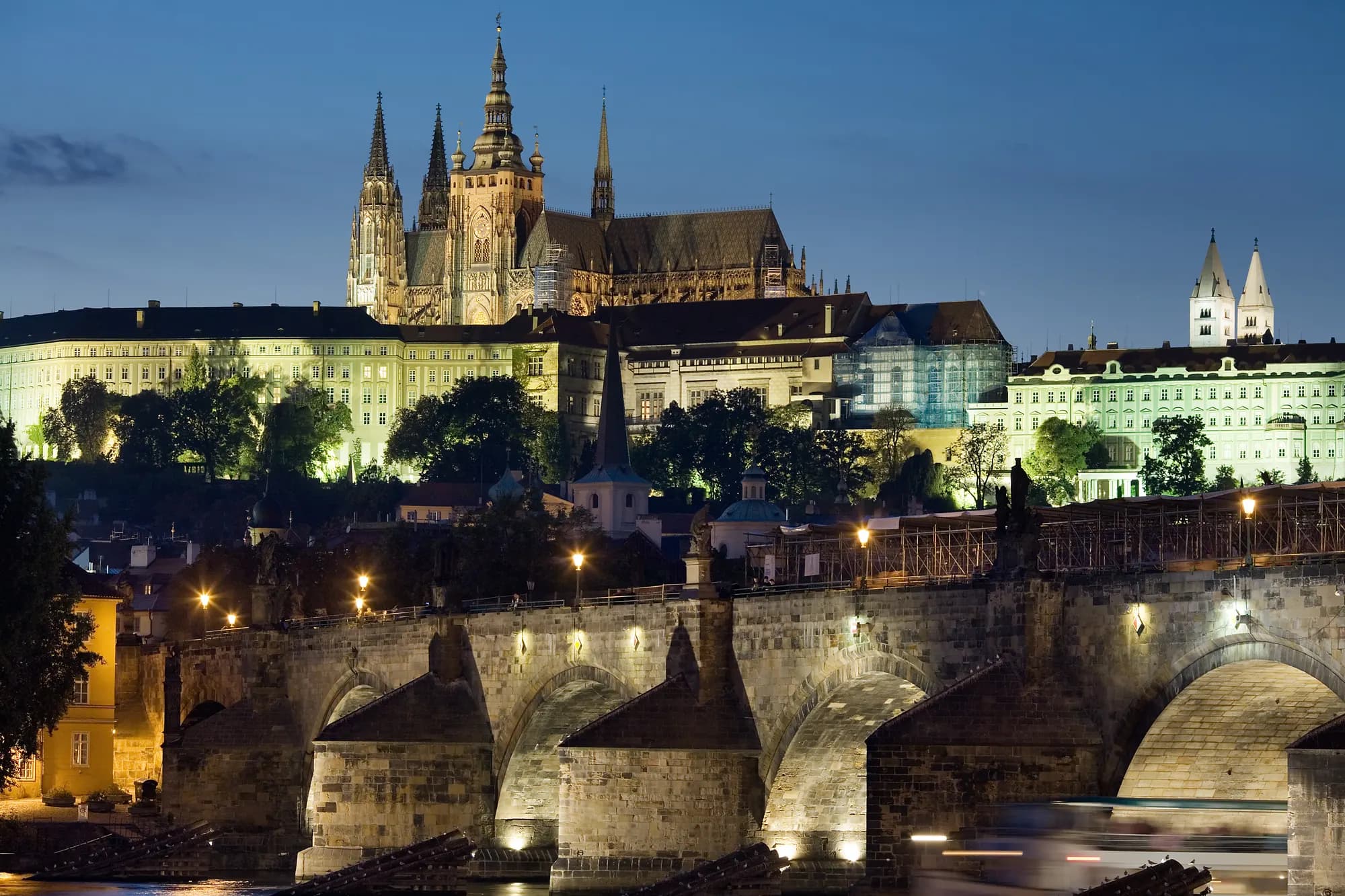
The beer costs less than the bottled water in most restaurants, which tells you almost everything about the local priorities before you've even seen the castle.
See full guide → Budapest
Budapest
Hungary
Two cities merged into one in 1873 — Buda's hills on one bank, Pest's flat grid on the other — and you can still feel the seam every time you cross the Chain Bridge between them.
See full guide →Comparing more than one route? See the full transport comparison guide.