Hungary · Europe
Budapest
Two cities merged into one in 1873 — Buda's hills on one bank, Pest's flat grid on the other — and you can still feel the seam every time you cross the Chain Bridge between them.
Budapest is technically two cities that merged in 1873: Buda, hilly and residential, on the west bank of the Danube, and Pest, flat and grid-planned, on the east. The seam between them is still legible today — cross the Chain Bridge, the first permanent link between the two halves, completed in 1849, and the character of the city shifts noticeably from one side to the other.
The thermal baths are the thing Budapest does that almost nowhere else in Europe does at this scale. The city sits on more than a hundred thermal springs, and bathing culture here dates back to Roman times, with a major revival under Ottoman rule in the 16th century. Széchenyi, in Pest's City Park, is the largest and most photographed — yellow neo-Baroque buildings surrounding outdoor pools that stay busy year-round, including chess players perched at the water's edge in winter. Gellért, on the Buda side, is smaller and more Art Nouveau, generally the quieter choice.
The ruin bar scene grew out of Budapest's stock of abandoned buildings in the old Jewish Quarter during the 2000s — entrepreneurs took over crumbling, half-condemned apartment blocks rather than renovating them, filled them with mismatched secondhand furniture, and left the decayed walls mostly as they were. Szimpla Kert is the original and the most famous, which also means it's the most crowded on weekend nights; the surrounding blocks have several quieter alternatives with the same aesthetic.
Hungary is in the EU but has not adopted the euro — the currency is the forint, and prices look inflated to visitors doing quick math, since a normal coffee might run over a thousand forints. It's worth pulling local currency from an ATM rather than assuming euro prices apply, and double-checking any place that quotes prices in euros directly, since the conversion is sometimes unfavorable to the visitor.
Hungarian is a linguistic outlier in Europe, unrelated to the Slavic, Germanic, or Romance languages spoken in every neighboring country — it belongs to the Uralic family, distantly related to Finnish. This is part of why so little of it is guessable even for visitors who speak several other European languages, and why most people default quickly to English, which is widely spoken in tourist-facing businesses.
What a trip here actually costs
$38 / day avg.
- Hostel in the Jewish Quarter or near Deák Ferenc tér
- Metro and tram day pass
- Langos and market hall lunches
- Daytime entry to a thermal bath
What to do at this tier
- • Walk Buda Castle district's streets and viewpoints, free
- • Daytime thermal bath entry at Széchenyi or Gellért
- • Free walk across the Chain Bridge at sunset for the Parliament view
$90 / day avg.
- 3-star hotel in Pest, walkable to the river
- Full thermal bath day with massage add-on
- Traditional goulash dinners
- Danube river cruise at night
What to do at this tier
- • Full thermal bath experience with a massage, Széchenyi or Gellért
- • Evening in a ruin bar in the Jewish Quarter, Szimpla Kert or a quieter alternative
- • Night cruise on the Danube past the illuminated Parliament building
$210 / day avg.
- 4-5 star hotel with a river or Parliament view
- Private guided tour of Buda Castle district
- Multi-course dinner at a well-regarded restaurant
- Private thermal bath cabin experience
What to do at this tier
- • Private guided history tour of Buda Castle and the Fisherman's Bastion
- • Private thermal bath cabin, away from the crowds
- • Multi-course tasting menu dinner, one of the city's higher-end restaurants
These are average estimates for planning purposes, not real-time prices — actual costs vary by season, availability, and how far ahead you book.
How to get there
Click anywhere on the world map — any airport works, not just our main hubs.
London is one of our researched reference cities — every mode below is hand-checked, not a formula.
| Mode | Time | Approx. cost | Notes |
|---|---|---|---|
| Flight | 2h35 | $45-155 | Fastest option; book 6-8 weeks out for the lower end of the range. |
Times and prices are planning estimates, not live fares — always check a booking site before you commit. See the full Transport Comparison guide for the general tradeoffs of each mode.
Best time to visit
May-June and September bring mild weather without the peak summer crowds at the thermal baths and along the riverfront.
Safety notes
Very safe overall. Standard pickpocket caution on public transit and in the busiest nightlife streets late at night is enough.
Visa & currency
Hungarian forint (HUF), not the euro. Standard Schengen 90-day visa-free rule applies for most Western passport holders.
Questions people ask before visiting
Which thermal bath should I visit — Széchenyi or Gellért?
Széchenyi is the bigger, more social choice, with grand yellow neo-Baroque buildings and outdoor pools that get lively, especially at the night bathing parties on select evenings. Gellért is smaller, more Art Nouveau, and generally quieter — better if you want relaxation over spectacle.
What exactly is a ruin bar?
A bar set up inside a formerly abandoned building — often a crumbling old apartment block — decorated with mismatched furniture and layered street art rather than renovated into a normal venue. Szimpla Kert in the Jewish Quarter is the original and most famous, though it's also the most crowded.
Does Budapest use the euro?
No — Hungary uses the forint (HUF), not the euro. Prices in forints look large (a coffee might be 1,000+ HUF) which throws off some visitors doing quick mental math; withdraw local currency and double-check exchange rates before assuming a price is expensive.
Is Budapest a budget-friendly city?
Yes, one of the more affordable major European capitals — food, drink, and transit all run noticeably cheaper than Vienna or Prague, let alone Paris or Amsterdam.
How many days do you need in Budapest?
Three days covers both sides of the river, a thermal bath visit, and one evening in the ruin bar district. A fourth adds room for the House of Terror museum or a slower Buda Castle district visit.
Nearby destinations
 Vienna
Vienna
Austria
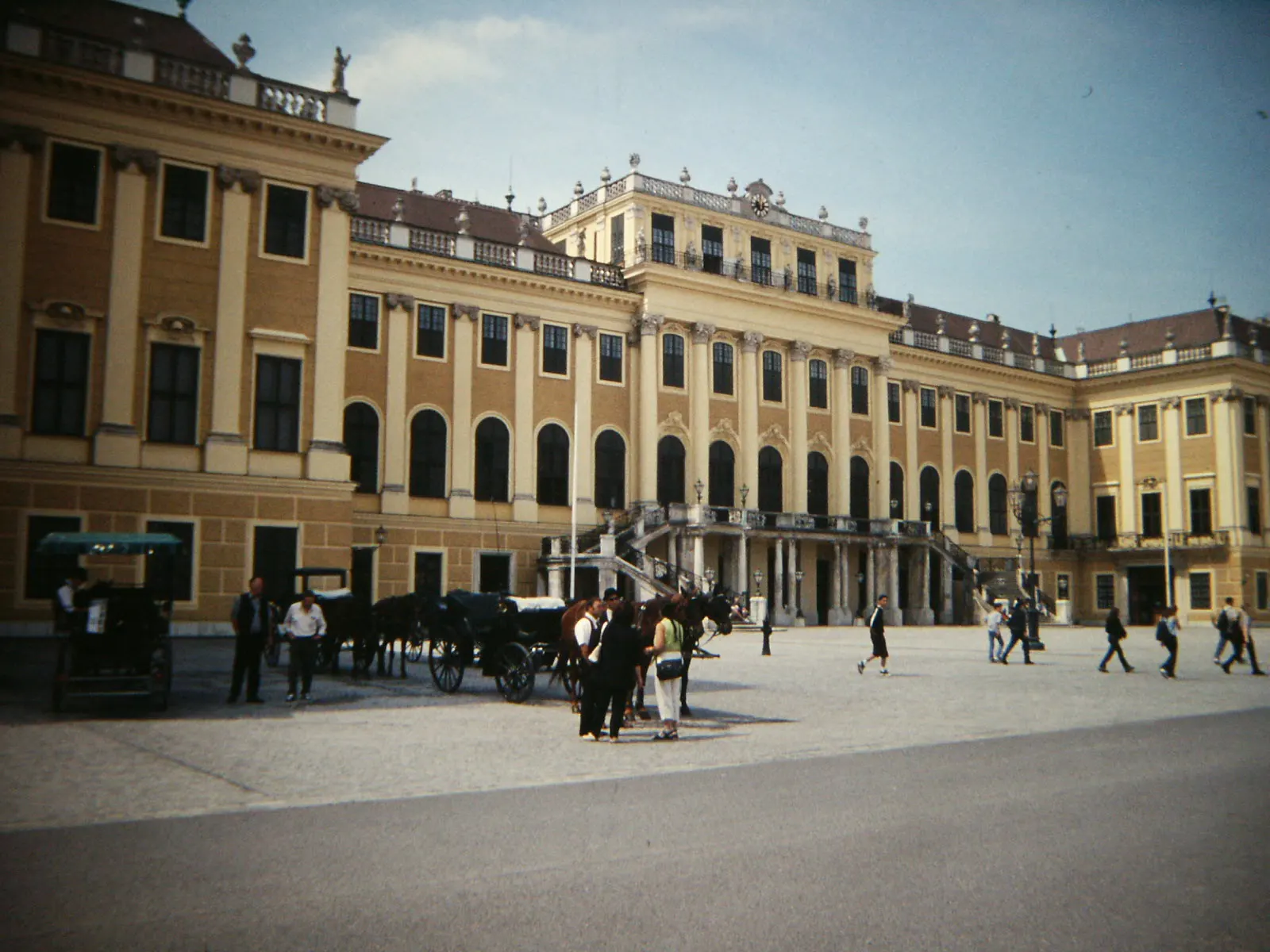
A single cup of coffee buys you a table for as long as you want it — the coffeehouse as a legal, UNESCO-recognized institution, not just a place to grab a drink and leave.
See full guide →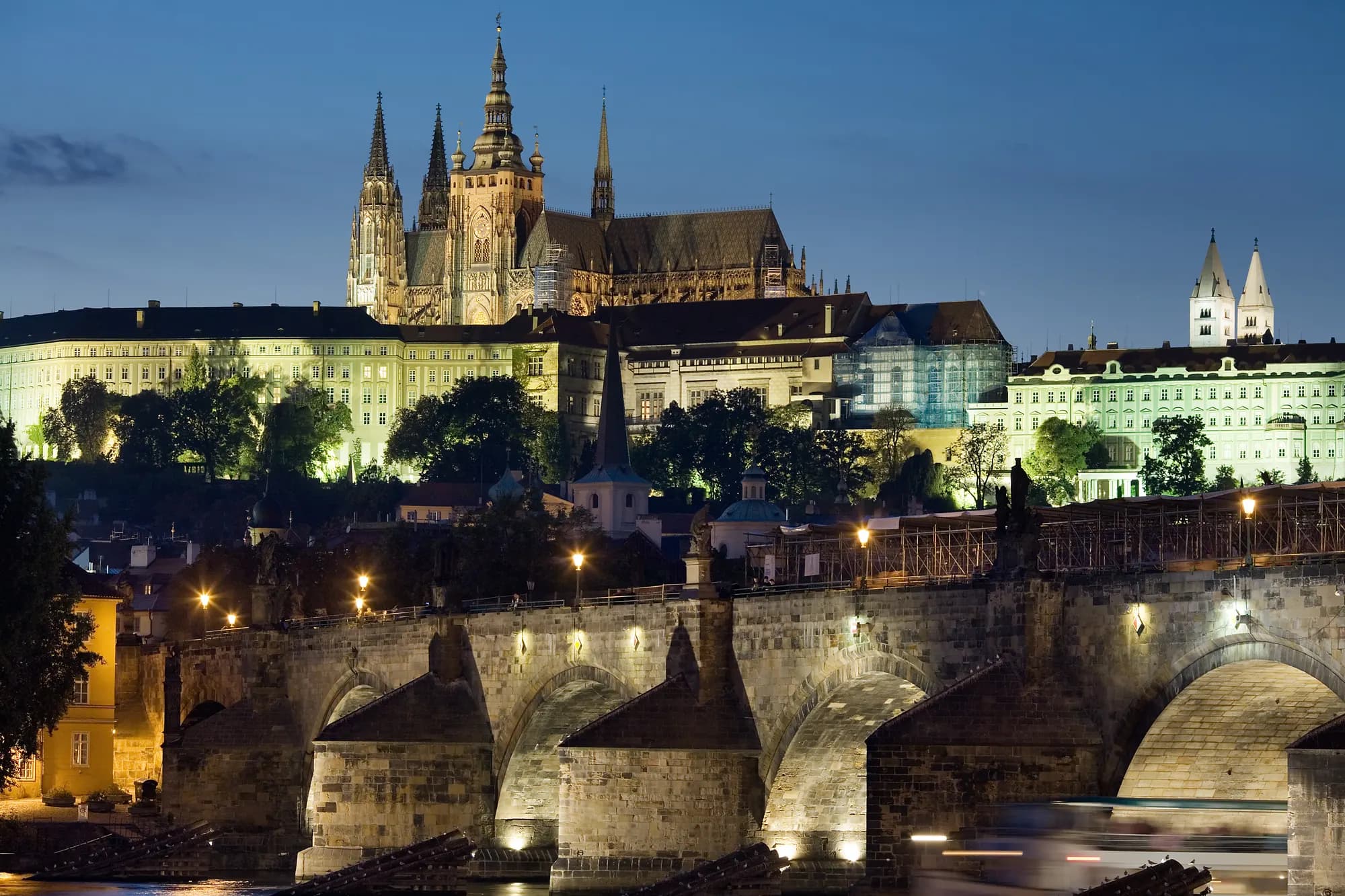 Prague
Prague
Czechia
The beer costs less than the bottled water in most restaurants, which tells you almost everything about the local priorities before you've even seen the castle.
See full guide →Comparing more than one route? See the full transport comparison guide.