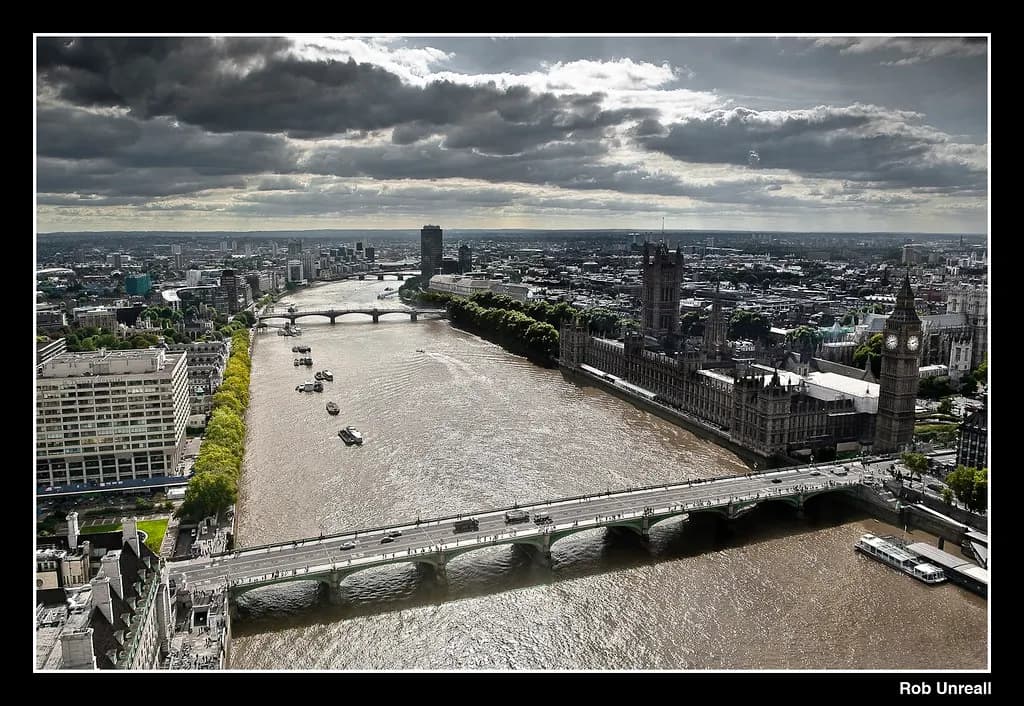
United Kingdom · Europe
London
The Underground opened in 1863, which makes it the oldest metro system in the world — parts of the tunnel network are old enough that some lines still can't fit modern-sized trains.
The London Underground, opened in 1863 as the world's first metro system, still carries the marks of its age — some of the deepest, oldest tunnels on the network were bored to a diameter that physically can't accommodate the larger trains used elsewhere, which is why certain lines still run noticeably smaller carriages than others. It's a genuinely strange piece of infrastructure history hiding in plain sight for anyone riding the Central or Bakerloo lines.
London's major museums operate on a model that's rare among world capitals: general admission to the British Museum, National Gallery, Tate Modern, and Natural History Museum is free, a policy dating back to a 19th-century belief that culture shouldn't be gated by wealth, still intact today. The British Museum specifically houses the Rosetta Stone and the Parthenon Marbles — the latter a genuine, ongoing diplomatic dispute with Greece over where they should permanently reside, similar to the conversation happening around the Acropolis Museum in Athens.
The city's markets serve different purposes and shouldn't be treated as interchangeable. Borough Market, tucked under London Bridge, is a serious food market — good for an actual meal from vendors doing one thing well rather than a browsing experience. Camden Market, further north, is larger and leans harder into alternative fashion, vintage, and general stall culture, better suited to an afternoon of wandering than a specific culinary stop.
Theatre is one of London's genuine cultural exports, and the West End runs a repertoire distinct from Broadway — some shows overlap, but plenty of major productions premiere in London first or never transfer at all. Same-day discounted tickets are available at the TKTS booth in Leicester Square for visitors willing to be flexible about which show.
London is expensive relative to most of the destinations in this guide, particularly on accommodation and dining, though the free-museum model does real work offsetting that for anyone spending most of a day inside them rather than at paid attractions. Public transit, using a contactless card rather than paper tickets, is comparatively reasonable and covers the entire city efficiently despite its age and sprawl.
What a trip here actually costs
$75 / day avg.
- Hostel in Zone 1-2
- Oyster card or contactless transit
- Free museum entry, market lunches
- Free walking through Southbank and the parks
What to do at this tier
- • British Museum, free general admission, home to the Rosetta Stone and Parthenon Marbles
- • Southbank walk along the Thames, free, especially good at sunset
- • Borough Market for lunch, genuinely good food from dozens of vendors
$170 / day avg.
- 3-star hotel in a central zone
- West End theatre ticket
- Sit-down dinners, one proper pub meal
- Tower of London or Westminster Abbey entry
What to do at this tier
- • Tower of London and the Crown Jewels, booked ahead
- • West End theatre show, a genuine alternative to Broadway with a different repertoire
- • Westminster Abbey, coronation site for centuries of British monarchs
$380 / day avg.
- 4-5 star hotel in Mayfair or Kensington
- Private guided tour of the Tower of London and Crown Jewels
- Multi-course dinner at a well-regarded restaurant
- Premium West End theatre seats
What to do at this tier
- • Private guided tour combining the Tower of London with lesser-visited City of London history
- • Premium theatre seats plus a pre-show dinner in Covent Garden
- • Private day trip to Windsor Castle, the world's oldest continuously occupied castle
These are average estimates for planning purposes, not real-time prices — actual costs vary by season, availability, and how far ahead you book.
How to get there
Click anywhere on the world map — any airport works, not just our main hubs.
Click anywhere on the map above — any airport in the world works — to see estimated travel time and cost from there.
Times and prices are planning estimates, not live fares — always check a booking site before you commit. See the full Transport Comparison guide for the general tradeoffs of each mode.
Best time to visit
May-September brings the mildest, driest weather, though rain is a real possibility at almost any time of year — pack for it regardless of season.
Safety notes
Very safe overall, among the safer major world capitals. Standard pickpocket caution on the Underground and in crowded markets is enough.
Visa & currency
British pound (GBP). The UK is outside the Schengen zone, with its own separate visa-free entry rules for most Western passport holders, typically up to 6 months.
Questions people ask before visiting
Is London expensive to visit?
Yes, consistently one of the more expensive European capitals for accommodation and dining specifically. Free museums (see below) help offset this significantly, and public transit with an Oyster card or contactless payment is reasonably priced relative to the rest of the trip.
Are the free museums in London actually worth visiting?
Yes — the British Museum, National Gallery, Tate Modern, and Natural History Museum are all free general admission and genuinely world-class, not a watered-down version of a paid experience. Special ticketed exhibitions within them do cost extra.
Borough Market or Camden Market — which is better?
Borough Market, near London Bridge, is food-focused and excellent for a lunch stop among genuinely good vendors. Camden Market is larger, more alternative and market-stall focused, better for browsing and people-watching than a specific meal. They serve different purposes rather than competing directly.
How many days do you need in London?
Four days covers the major free museums, Westminster, and one market neighborhood without rushing. London genuinely rewards more time than that if you have it — a week lets you add day trips and go deeper into specific neighborhoods rather than just the highlights.
Is the London Underground easy for first-time visitors?
Yes, despite its age — it's extensive, frequent, and well-signed, with contactless card payment now standard (no need to buy a physical ticket). Expect stairs and some walking between platforms at older stations, and mind the gap literally, it's a real hazard at several stations.
Nearby destinations
 Paris
ParisParis
France
The city is laid out in twenty numbered arrondissements spiraling out from the center like a snail shell, and once that clicks, Paris stops feeling like a maze.
See full guide →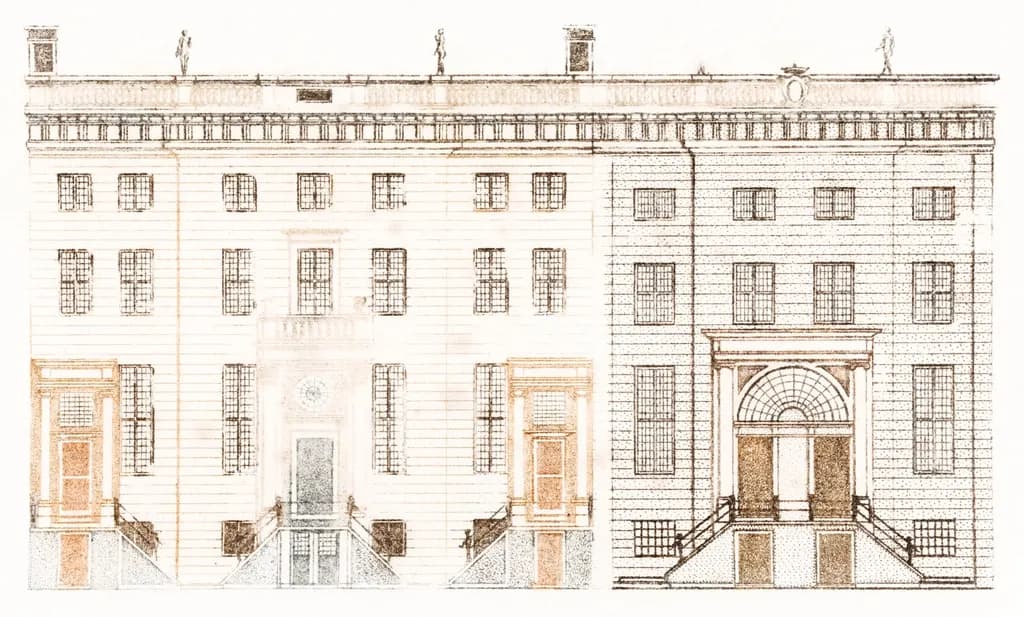 Amsterdam
Amsterdam
Netherlands
There are more bikes than people registered in this city, and the bike lanes are enforced with more consequence than the actual roads — step into one without looking and you'll hear about it.
See full guide →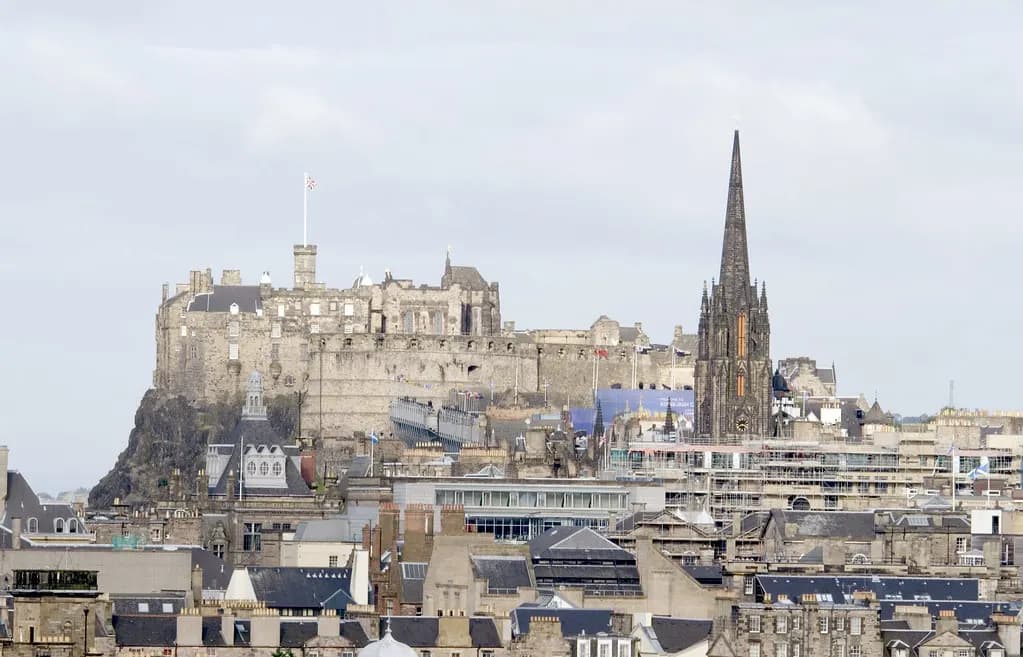 Edinburgh
Edinburgh
Scotland, United Kingdom
An extinct volcano sits inside the city limits, and you can hike to the top of it in under an hour, then be back at a pub on the Royal Mile before your legs stop complaining.
See full guide →Comparing more than one route? See the full transport comparison guide.