Luxembourg · Europe
Luxembourg City
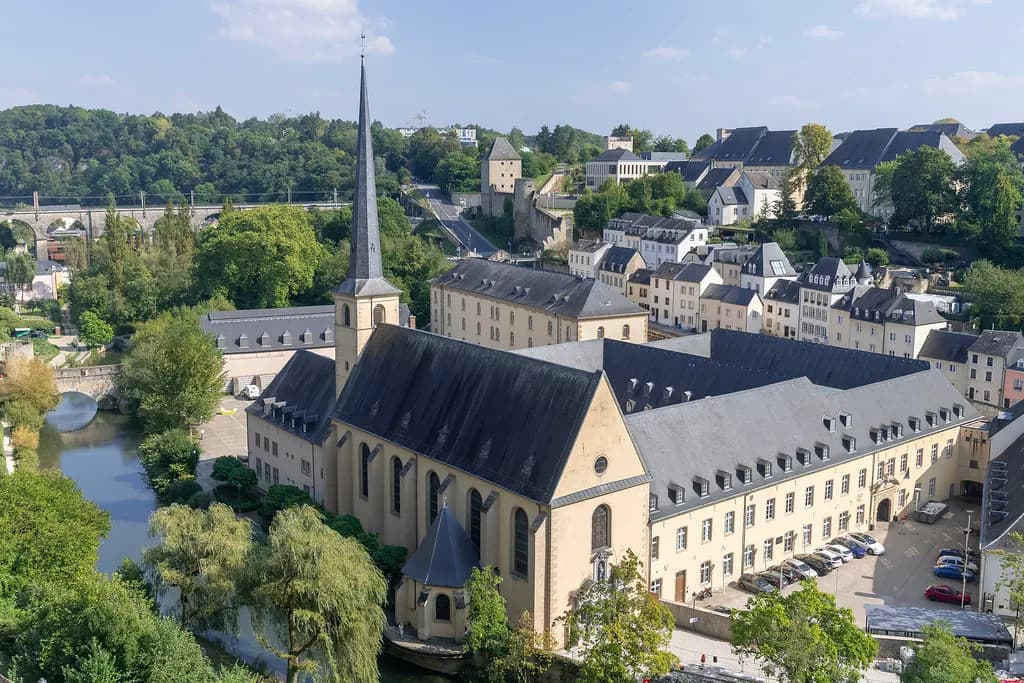
Luxembourg's old town sits on top of a gorge so steep that the city built an entire second level of fortifications — tunnels carved directly into the rock — and you can walk through kilometers of them today.
Luxembourg City's old town sits on a dramatic sandstone plateau above a gorge carved by the Alzette and Pétrusse rivers, a natural defensive position that made the city one of the most heavily fortified in Europe for centuries — earning it the nickname "Gibraltar of the North" at the height of its military importance.
Beneath the old town, the Bock Casemates form an extensive network of tunnels and chambers cut directly into the rock starting in the 17th century, expanded by successive Spanish, French, Austrian, and Prussian occupiers. At their peak, the casemates could shelter thousands of soldiers along with horses, workshops, and bakeries during a siege — several kilometers remain open today, and walking through them, with occasional windows cut into the cliff face overlooking the gorge, gives a genuinely different perspective on the city than the streets above.
The Chemin de la Corniche, a walkway running along the old fortification line above the gorge, is often called "Europe's most beautiful balcony" — a claim that holds up reasonably well given the view over the lower town's terracotta rooftops and the green gorge below.
Luxembourg's outsized wealth, driven by its status as one of the world's major private banking and financial centers relative to its tiny population, is visible in the city's prices and its striking modern Kirchberg district, home to several European Union institutions and contemporary architecture that contrasts sharply with the historic core just across the valley.
The country's small size works in visitors' favor logistically — Brussels, Trier, and Metz are all under two hours away by train, making Luxembourg City an easy, low-effort add-on to a broader Benelux or eastern France itinerary, even for travelers who'd otherwise never plan a dedicated trip to one of Europe's smallest nations.
What a trip here actually costs
$140 / day avg.
- 3-star hotel near the old town
- Bock Casemates entry
- Sit-down European dinners
- Museum pass covering the National Museum
What to do at this tier
- • Bock Casemates, kilometers of tunnels carved into the gorge rock, self-guided walk
- • Chemin de la Corniche, a scenic walkway along the old fortifications overlooking the gorge
- • Grand Ducal Palace exterior and the compact old town streets
$300 / day avg.
- 4-5 star hotel with gorge or old town views
- Private guided fortification and gorge history tour
- Multi-course tasting menu
- Private day trip into the Moselle wine region
What to do at this tier
- • Private guided tour covering the city's fortress history and its modern role as an EU and banking center
- • Private day trip into the Moselle wine region just outside the city
- • Multi-course dinner at a well-regarded Luxembourg City restaurant
These are average estimates for planning purposes, not real-time prices — actual costs vary by season, availability, and how far ahead you book.
How to get there
Click anywhere on the world map — any airport works, not just our main hubs.
Click anywhere on the map above — any airport in the world works — to see estimated travel time and cost from there.
Times and prices are planning estimates, not live fares — always check a booking site before you commit. See the full Transport Comparison guide for the general tradeoffs of each mode.
Best time to visit
May-September brings the mildest weather for walking the gorge paths and casemates comfortably.
Safety notes
Very safe overall, among the safer capitals in Europe. Minimal precautions needed beyond normal urban awareness.
Visa & currency
Euro. Luxembourg is in the Schengen area; standard 90-day visa-free rule applies for most Western passport holders.
Questions people ask before visiting
Is Luxembourg City worth visiting?
Yes, and it surprises most first-time visitors — the old town sits dramatically above a deep gorge carved by the Alzette and Pétrusse rivers, laced with underground fortifications, and the whole historic core is UNESCO-listed despite the country's tiny size and low profile on most travel itineraries.
Are the Bock Casemates worth visiting?
Yes — this network of tunnels and galleries, carved directly into the rock beneath the old town starting in the 17th century, once housed thousands of soldiers, workshops, and even bakeries during sieges. Several kilometers remain open to walk through, with viewpoints over the gorge along the way.
Is Luxembourg City expensive?
Yes — it's one of the wealthiest countries in the world per capita, driven by its outsized banking and finance sector, and prices for hotels and dining reflect that. Budget travel in the strict backpacker sense is genuinely difficult here.
Is Luxembourg City a good day trip destination?
It works well either as a standalone weekend or a day trip from Brussels, Trier, or Metz, all under two hours away by train — the compact old town and casemates are realistically coverable in a single focused day if time is tight.
How many days do you need in Luxembourg City?
One full day covers the old town, the gorge viewpoints, and a walk through part of the Bock Casemates. A second day allows the Grand Ducal Palace and the Kirchberg modern district, home to several EU institutions.
Nearby destinations
 Ghent
GhentGhent
Belgium
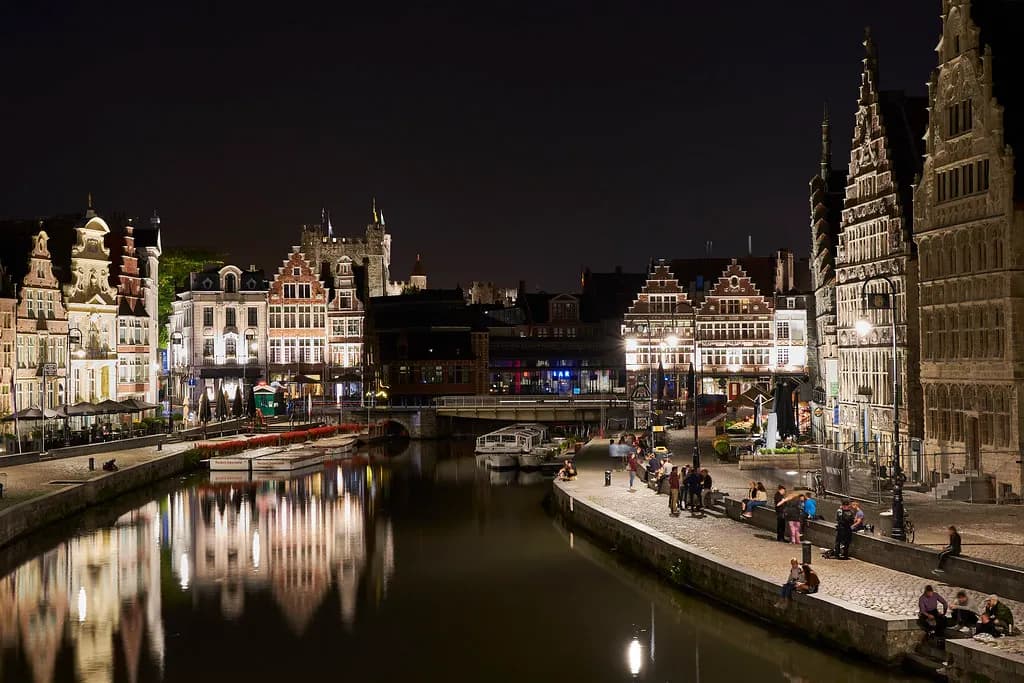
Ghent has nearly the same medieval canal-and-guild-house scenery as Bruges, minus the crowds, because most travelers only ever hear about the smaller city twenty minutes down the road.
See full guide →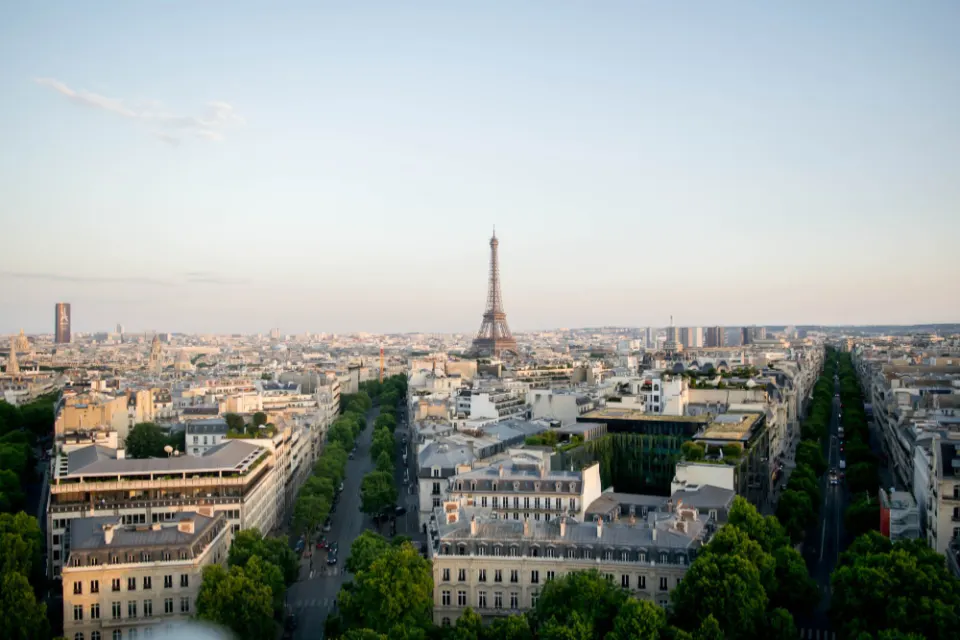 Paris
ParisParis
France
The city is laid out in twenty numbered arrondissements spiraling out from the center like a snail shell, and once that clicks, Paris stops feeling like a maze.
See full guide →Comparing more than one route? See the full transport comparison guide.