Belgium · Europe
Ghent
Ghent has nearly the same medieval canal-and-guild-house scenery as Bruges, minus the crowds, because most travelers only ever hear about the smaller city twenty minutes down the road.
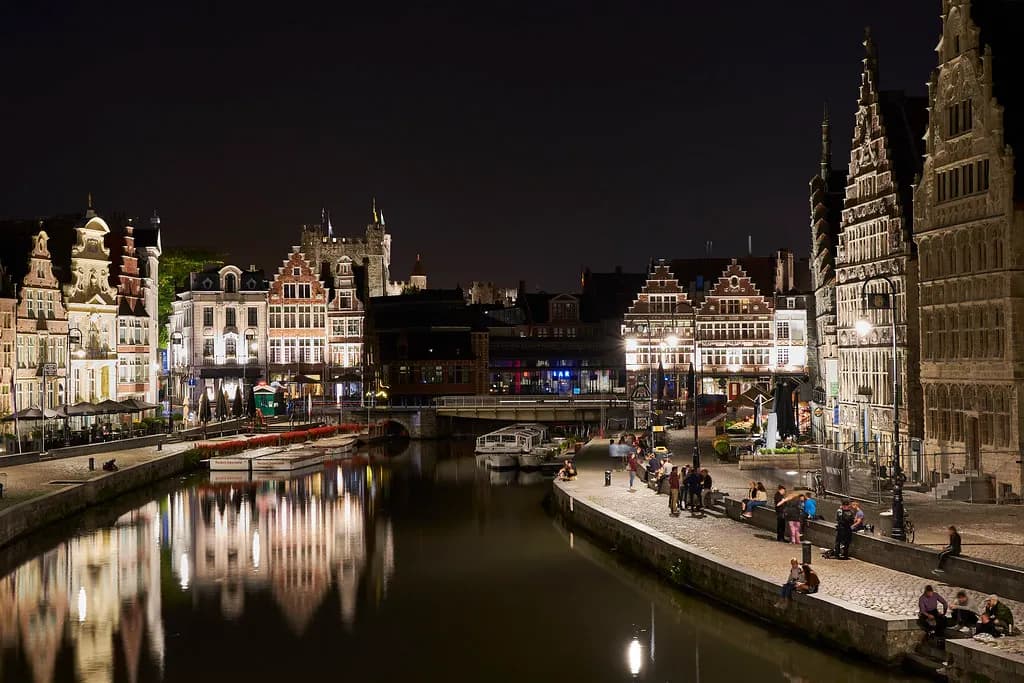
Ghent gets consistently overshadowed by Bruges, twenty minutes away by train, despite holding a comparably well-preserved medieval center — canals lined with ornate guild houses, a genuine castle, and Gothic church spires — at a fraction of the crowds. Most travelers simply never hear Ghent mentioned as an alternative, which is precisely why the ones who do make the trip tend to come away surprised.
Graslei and Korenlei, the twin quaysides facing each other across Ghent's central canal, hold a row of guild houses dating largely to the city's medieval wealth as a textile trading center — a view frequently compared to Bruges' most photographed corners, minus the density of tour groups.
Gravensteen Castle, a genuine moated medieval fortress right in the city center, dates to the 12th century and remains substantially intact, giving visitors an actual castle to explore rather than a reconstructed approximation — narrow stone stairways, battlements, and a small but unflinching museum covering the counts of Flanders who once ruled from it.
Saint Bavo's Cathedral holds the Ghent Altarpiece, a monumental early 15th-century polyptych by Jan van Eyck widely regarded as one of the most important paintings in the history of Western art — and also one of the most eventful, having survived attempted destruction, Napoleonic seizure, Nazi looting during World War II, and a still-unsolved 1934 theft of one of its panels, a mystery that remains formally open with the Belgian police to this day.
Unlike Bruges, which leans heavily on its preserved-for-tourism identity, Ghent functions as a genuine university city with a large student population, giving its historic streets a livelier, more lived-in energy after dark — a real contrast that makes the two cities worth pairing rather than choosing between.
What a trip here actually costs
$50 / day avg.
- Hostel near the center
- Tram day pass
- Frites and casual Belgian lunches
- Free wander through the historic center and canals
What to do at this tier
- • Graslei and Korenlei, the historic guild-house waterfront, free to walk
- • Gravensteen Castle exterior and the surrounding streets, free
- • Patershol neighborhood wander, Ghent's old tanners' quarter, free
$115 / day avg.
- 3-star hotel near the historic center
- Ghent Altarpiece and Saint Bavo's Cathedral entry
- Sit-down Belgian dinners with local beer pairings
- Gravensteen Castle entry
What to do at this tier
- • The Ghent Altarpiece at Saint Bavo's Cathedral, one of the most significant paintings in Western art history
- • Gravensteen Castle interior, a genuine medieval fortress open to explore
- • Sit-down dinner pairing Belgian dishes with Ghent's own local beers
$250 / day avg.
- 4-5 star hotel with canal views
- Private guided art and medieval history tour
- Multi-course Belgian tasting menu
- Private canal boat tour
What to do at this tier
- • Private guided tour connecting the Altarpiece's history with Ghent's medieval guild wealth
- • Private canal boat tour through the historic waterfront at a quieter hour
- • Multi-course tasting menu at a well-regarded Ghent restaurant in Patershol
These are average estimates for planning purposes, not real-time prices — actual costs vary by season, availability, and how far ahead you book.
How to get there
Click anywhere on the world map — any airport works, not just our main hubs.
Click anywhere on the map above — any airport in the world works — to see estimated travel time and cost from there.
Times and prices are planning estimates, not live fares — always check a booking site before you commit. See the full Transport Comparison guide for the general tradeoffs of each mode.
Best time to visit
April-June and September-October bring mild, comfortable weather; Ghent Festivities in July is a major 10-day cultural event worth knowing about if avoiding crowds, or seeking them out.
Safety notes
Very safe overall. Standard urban caution is enough almost everywhere in the city.
Visa & currency
Euro. Belgium is in the Schengen area; standard 90-day visa-free rule applies for most Western passport holders.
Questions people ask before visiting
Ghent or Bruges — which should I visit?
Bruges is smaller, more postcard-perfect, and busier with day-trippers, especially in summer. Ghent has comparable medieval canal scenery and guild houses, plus a livelier day-to-day energy from its large student population, at a noticeably calmer pace than Bruges. Many travelers who've already done Bruges specifically seek out Ghent for that contrast.
Is Ghent worth visiting?
Yes — it has one of the best-preserved medieval city centers in Belgium, the Ghent Altarpiece (one of the most significant paintings in Western art history), and a genuine local energy that comes from being a real university city rather than a preserved-for-tourism old town.
What is the Ghent Altarpiece?
A monumental early 15th-century polyptych by Jan van Eyck, widely considered one of the most influential paintings in Western art history and one of the most frequently stolen artworks ever — it's survived attempted theft, wartime looting by the Nazis, and a still-unsolved 1934 panel theft. It's on permanent display in Saint Bavo's Cathedral.
Is Ghent cheap to visit?
Moderate — cheaper than Bruges' more tourist-driven pricing and generally in line with the rest of Belgium, making it a reasonable value pick within Western Europe.
How many days do you need in Ghent?
Two days covers the historic center, the Ghent Altarpiece, and Gravensteen Castle comfortably. A third day allows a slower pace through the Patershol neighborhood and its restaurants, or a day trip to Bruges or Antwerp.
Nearby destinations
 Bruges
Bruges
Belgium
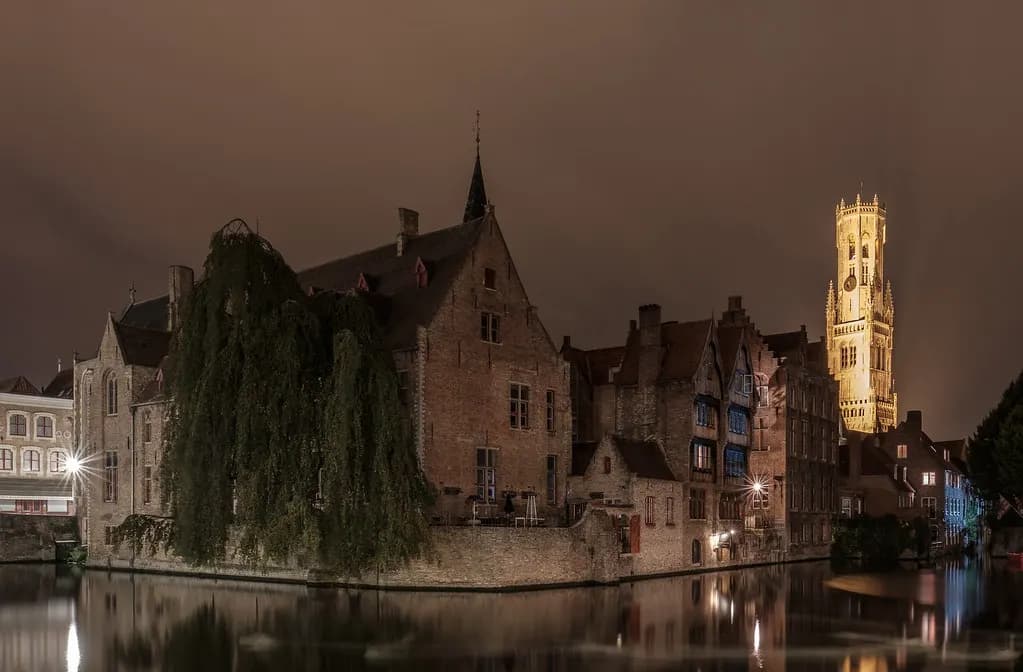
The entire medieval center stopped growing centuries ago when the river connecting it to the sea silted up and the port died — which is exactly why it still looks the way it did in the 1400s instead of getting rebuilt over.
See full guide →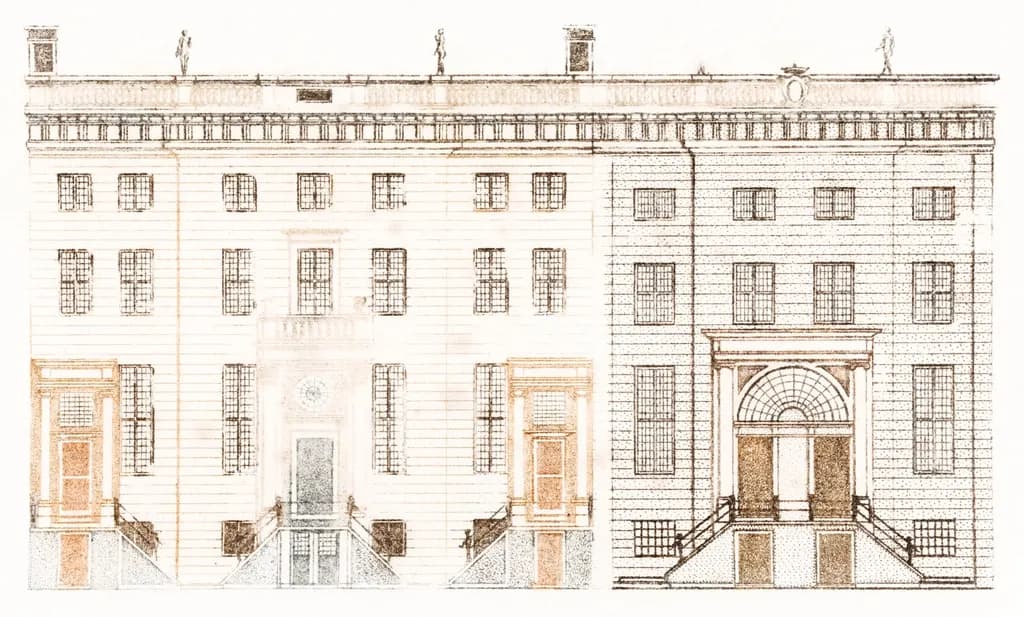 Amsterdam
Amsterdam
Netherlands
There are more bikes than people registered in this city, and the bike lanes are enforced with more consequence than the actual roads — step into one without looking and you'll hear about it.
See full guide →Comparing more than one route? See the full transport comparison guide.