United Kingdom · Europe
Liverpool
Before Abbey Road, before Britain had even heard of them, the Beatles played nearly 300 shows at a small Liverpool club called the Cavern — the original was demolished in the 1970s, and the current one is a rebuild a few doors down using the original bricks.
Liverpool's most famous cultural export started in a small, sweaty basement club rather than a recording studio. The Cavern Club, on Mathew Street, hosted the Beatles for nearly 300 performances between 1961 and 1963, years before international fame — grueling, unglamorous gigs that helped shape the band well before "Love Me Do" ever charted. The original venue was demolished in 1973 during nearby subway construction; the Cavern Club that exists today is a careful reconstruction a few doors down the same street, built in part using bricks salvaged from the original building, and it remains a genuine, still-operating live music venue rather than a static museum piece.
Beyond the Cavern, Liverpool's Beatles geography is scattered across the wider city: Penny Lane and Strawberry Field are real streets and places, not just song titles, and the childhood homes of John Lennon and Paul McCartney are preserved and managed by the National Trust, offering a more intimate, unpolished look at where the songwriting partnership actually began.
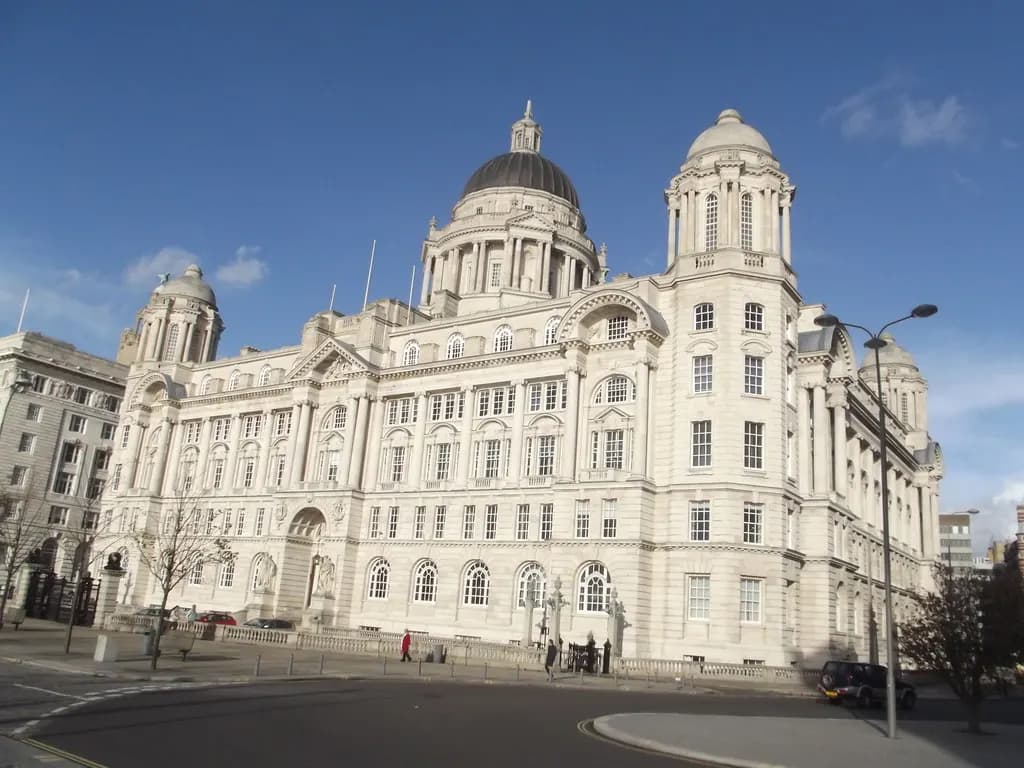
The city's waterfront, anchored by the Three Graces — a trio of grand early 20th-century buildings built during Liverpool's peak as a major maritime trading port — was UNESCO World Heritage-listed for decades until a controversial 2021 delisting over new nearby development, one of the rare cases of a site losing that status entirely. The buildings themselves remain as striking and historically significant as ever, regardless of the paperwork.
Liverpool holds two major cathedrals within walking distance of each other, deliberately connected by a street named Hope Street: the Anglican Cathedral, one of the largest cathedrals in the world built in a traditional Gothic Revival style, and the Metropolitan Cathedral, a strikingly modern circular Catholic cathedral completed in 1967 — two entirely different architectural approaches to the same idea, a few minutes' walk apart.
National Museums Liverpool operates several major sites, including the Walker Art Gallery, entirely free to enter, giving the city one of the stronger free museum offerings in England outside London itself.
What a trip here actually costs
$55 / day avg.
- Hostel near the center
- Bus and train day pass
- Pub lunches and casual British food
- Free entry to National Museums Liverpool sites
What to do at this tier
- • Pier Head and the Three Graces waterfront buildings, free to walk
- • Walker Art Gallery and other National Museums Liverpool sites, free entry
- • Penny Lane and Strawberry Field, real locations named in Beatles songs, free to visit
$120 / day avg.
- 3-star hotel near the waterfront
- Beatles Story museum and Cavern Club entry
- Sit-down dinners
- Anglican and Metropolitan Cathedral visits
What to do at this tier
- • The Beatles Story museum, a thorough exhibition covering the band's Liverpool years
- • Cavern Club, the reconstructed venue where the Beatles played nearly 300 early shows
- • Liverpool Anglican Cathedral and Metropolitan Cathedral, strikingly different in architecture, both worth entering
$260 / day avg.
- 4-5 star hotel on the waterfront
- Private Beatles childhood homes tour via National Trust
- Multi-course dinner at a well-regarded restaurant
- Private guided maritime and waterfront history tour
What to do at this tier
- • Private National Trust tour of John Lennon's and Paul McCartney's childhood homes, booked well ahead
- • Private guided tour covering Liverpool's maritime trading history alongside its musical legacy
- • Multi-course dinner at a well-regarded Liverpool restaurant
These are average estimates for planning purposes, not real-time prices — actual costs vary by season, availability, and how far ahead you book.
How to get there
Click anywhere on the world map — any airport works, not just our main hubs.
Click anywhere on the map above — any airport in the world works — to see estimated travel time and cost from there.
Times and prices are planning estimates, not live fares — always check a booking site before you commit. See the full Transport Comparison guide for the general tradeoffs of each mode.
Best time to visit
May-September brings the mildest weather for walking the waterfront and outdoor Beatles sites comfortably.
Safety notes
Very safe overall. Standard urban caution is enough almost everywhere in the city.
Visa & currency
Pound sterling (GBP). The UK is not in the Schengen area; most Western passport holders can enter visa-free for stays up to 6 months, though it's worth confirming current requirements for your specific nationality before flying.
Questions people ask before visiting
Is Liverpool worth visiting even if I'm not a big Beatles fan?
Yes — the Beatles history is genuinely deep and well-presented, but Liverpool also has a UNESCO-recognized waterfront (the Three Graces buildings), two major cathedrals with strikingly different architecture, and one of the best free art and history museum scenes in England outside London.
Is the Cavern Club the real, original venue?
Not physically — the original Cavern Club, where the Beatles played nearly 300 shows early in their career, was demolished in 1973 during subway construction. The current Cavern Club is a careful reconstruction a few doors down on the same street, built partly using bricks salvaged from the original building.
What Beatles sites are worth visiting in Liverpool?
The Cavern Club reconstruction, Penny Lane and Strawberry Field (both real places named in Beatles songs), and the childhood homes of John Lennon and Paul McCartney, now managed by the National Trust and open for guided tours booked well in advance.
Is Liverpool's waterfront really UNESCO-listed?
It was until 2021, when UNESCO controversially delisted it over new waterfront development the organization felt compromised the historic setting — a rare and contested removal. The Three Graces buildings and the wider Pier Head remain historically significant and worth visiting regardless of the current UNESCO status.
How many days do you need in Liverpool?
Two days covers the Beatles sites, the waterfront, and one of the two cathedrals. A third day allows both cathedrals plus the Walker Art Gallery or National Museums Liverpool's other collections, several of which are free to enter.
Nearby destinations
 Dublin
Dublin
Ireland
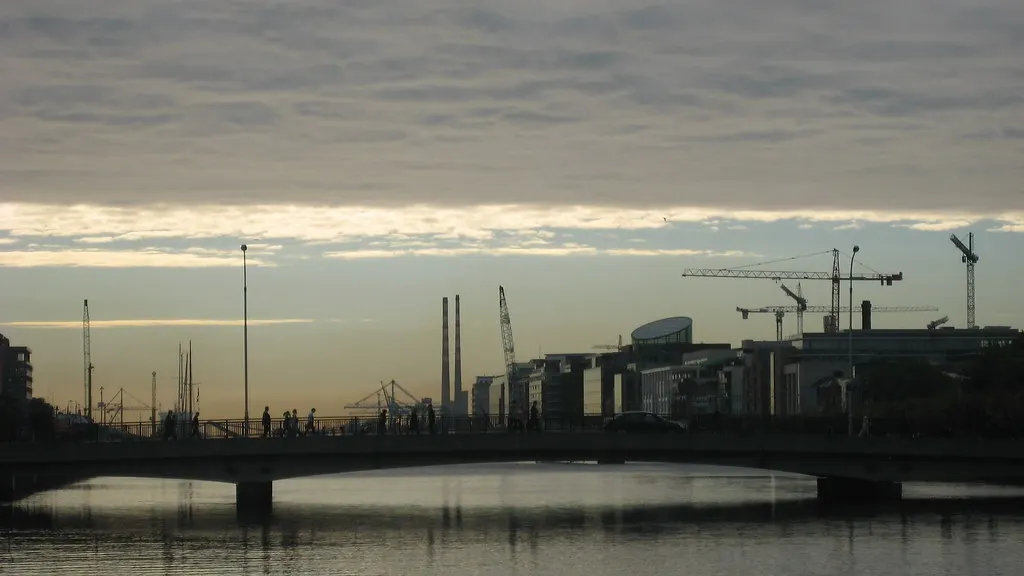
Four Nobel laureates in literature came out of a city you can walk across in under 40 minutes — Yeats, Shaw, Beckett, and Heaney, with Joyce arguably more famous than all of them despite never winning one.
See full guide →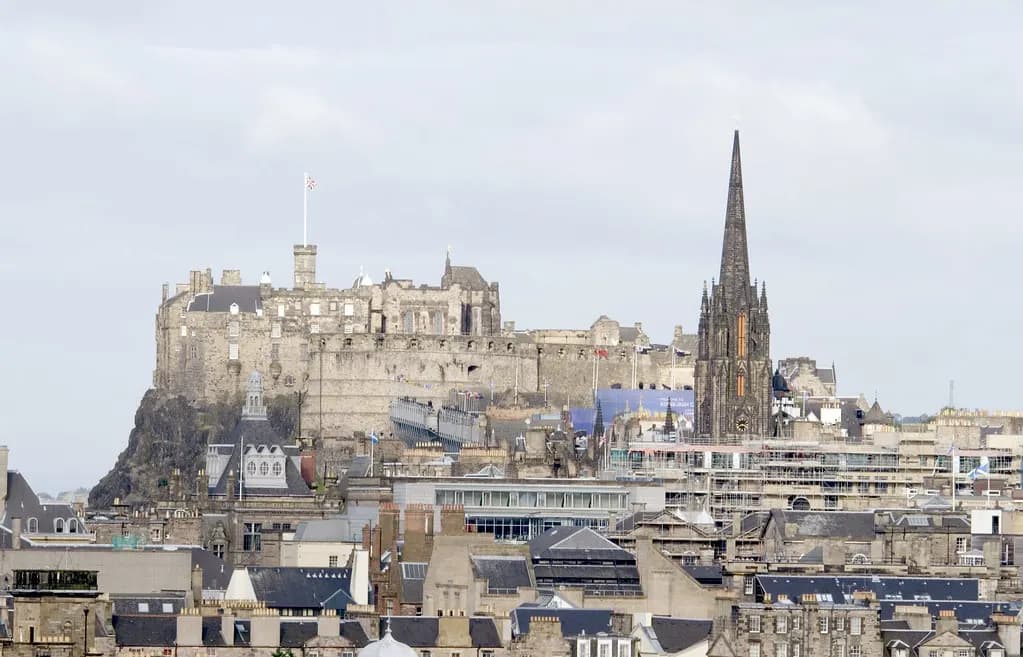 Edinburgh
Edinburgh
Scotland, United Kingdom
An extinct volcano sits inside the city limits, and you can hike to the top of it in under an hour, then be back at a pub on the Royal Mile before your legs stop complaining.
See full guide →Comparing more than one route? See the full transport comparison guide.