Albania · Europe
Tirana
Albania spent nearly 50 years as one of the most isolated, paranoid dictatorships in Europe, building over 170,000 concrete bunkers for a foreign invasion that never came — and its capital has spent the last two decades literally painting over that history, one building at a time, in bright, deliberate color.
Tirana's modern identity is impossible to separate from the nearly five decades Albania spent as one of Europe's most extreme and isolated Communist dictatorships under Enver Hoxha. Convinced of imminent invasion from both NATO and the Soviet bloc after breaking with each of them in turn, Hoxha's government built an estimated 173,000-plus concrete bunkers across the country — roughly one for every 11 Albanians at the time — a paranoid infrastructure project that never once saw combat and left behind one of the strangest built landscapes anywhere in Europe.
Since the regime's collapse in 1991, Tirana has taken a deliberate, visually striking approach to processing that history: former bunkers have been converted into museums like Bunk'Art, and drab Communist-era apartment blocks across the city have been repainted in bold, often clashing colors as part of a citywide beautification push led by artist-turned-mayor Edi Rama in the early 2000s — a genuinely unusual civic strategy that turned architectural bleakness into a defining visual identity rather than hiding it.
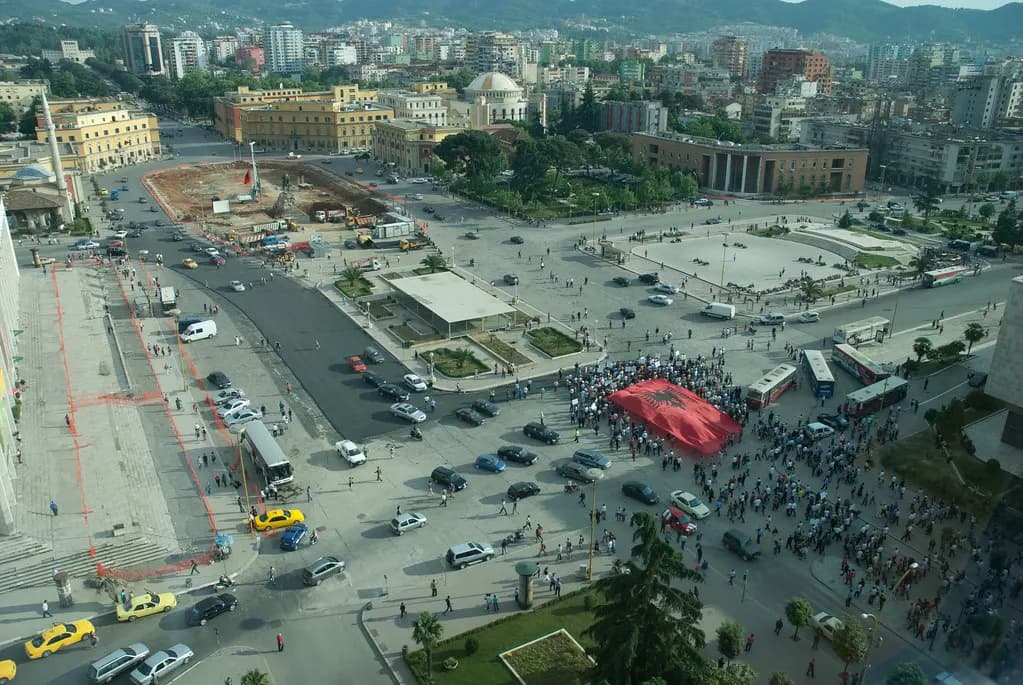
Skanderbeg Square, the city's central plaza, is named for Albania's national hero, a 15th-century nobleman who led a lengthy resistance against Ottoman expansion, and the square anchors a mix of Ottoman-era mosques, Italian-influenced fascist-period architecture from Albania's brief occupation, and newer development side by side.
Mount Dajti, reached by a cable car nicknamed the Dajti Ekspres, gives visitors an escape from the city center into genuine hiking trails and a sweeping panoramic view back over Tirana's sprawl and the surrounding valley.
Albania's tourism numbers have grown quickly in recent years, but Tirana itself remains genuinely inexpensive and relatively undercrowded compared to other Balkan capitals, making it one of the more distinctive, lower-cost additions to a broader Balkans itinerary.
What a trip here actually costs
$30 / day avg.
- Hostel near the center
- Bus fares
- Byrek and casual Albanian lunches
- Free wander through Skanderbeg Square and the colorful districts
What to do at this tier
- • Skanderbeg Square and the surrounding pastel-painted communist apartment blocks, free
- • Et'hem Bey Mosque exterior and the National History Museum's exterior mosaic, free
- • New Bazaar (Pazari i Ri) market wander, free
$70 / day avg.
- 3-star hotel near the center
- Bunk'Art museum entry
- Sit-down Albanian dinners
- Mount Dajti cable car ticket
What to do at this tier
- • Bunk'Art 1 or Bunk'Art 2, former Cold War-era bunkers converted into history museums
- • Mount Dajti cable car (Dajti Ekspres) for hiking trails and a panoramic city view
- • Sit-down dinner featuring Albanian dishes like tavë kosi and byrek
These are average estimates for planning purposes, not real-time prices — actual costs vary by season, availability, and how far ahead you book.
How to get there
Click anywhere on the world map — any airport works, not just our main hubs.
Click anywhere on the map above — any airport in the world works — to see estimated travel time and cost from there.
Times and prices are planning estimates, not live fares — always check a booking site before you commit. See the full Transport Comparison guide for the general tradeoffs of each mode.
Best time to visit
April-June and September-October bring mild, comfortable weather without the intense summer heat.
Safety notes
Generally very safe for visitors. Standard urban caution is enough almost everywhere in the city.
Visa & currency
Albanian lek (ALL), not the euro. Albania is not in the EU or Schengen area; most Western passport holders can enter visa-free for stays up to 90 days, though it's worth confirming current requirements for your specific nationality before flying.
Questions people ask before visiting
Is Tirana worth visiting?
Yes, and it's one of the more surprising capitals in Europe to visit right now — decades of extreme isolation under Communist rule left a genuinely unusual built environment, and the last 20-plus years of rapid, colorful redevelopment have given the city an energy that's hard to find described accurately before actually seeing it.
Why does Albania have so many bunkers?
Enver Hoxha, Albania's Communist dictator from 1944 to 1985, built an estimated 173,000-plus concrete bunkers across the country in a decades-long paranoid preparation for an invasion that never came, from either NATO or the Soviet bloc after Albania broke with both. Several bunkers in Tirana have since been converted into museums, cafés, or left as blunt reminders of that era.
Is Albania safe to visit?
Yes, generally very safe for tourists — Albania's reputation from decades of isolation and post-Communist instability in the 1990s has lagged well behind the reality of the country today. Standard urban caution in Tirana is enough for most visitors.
Is Tirana cheap to visit?
Yes, one of the most affordable capitals in this guide — Albania remains genuinely inexpensive across food, transit, and accommodation, even as tourism has grown quickly in recent years.
How many days do you need in Tirana?
Two days covers Skanderbeg Square, the bunker museums, and a walk through the colorfully repainted communist-era apartment blocks. A third day allows Mount Dajti, reachable by cable car, for hiking and a panoramic city view.
Nearby destinations
 Kotor
KotorKotor
Montenegro
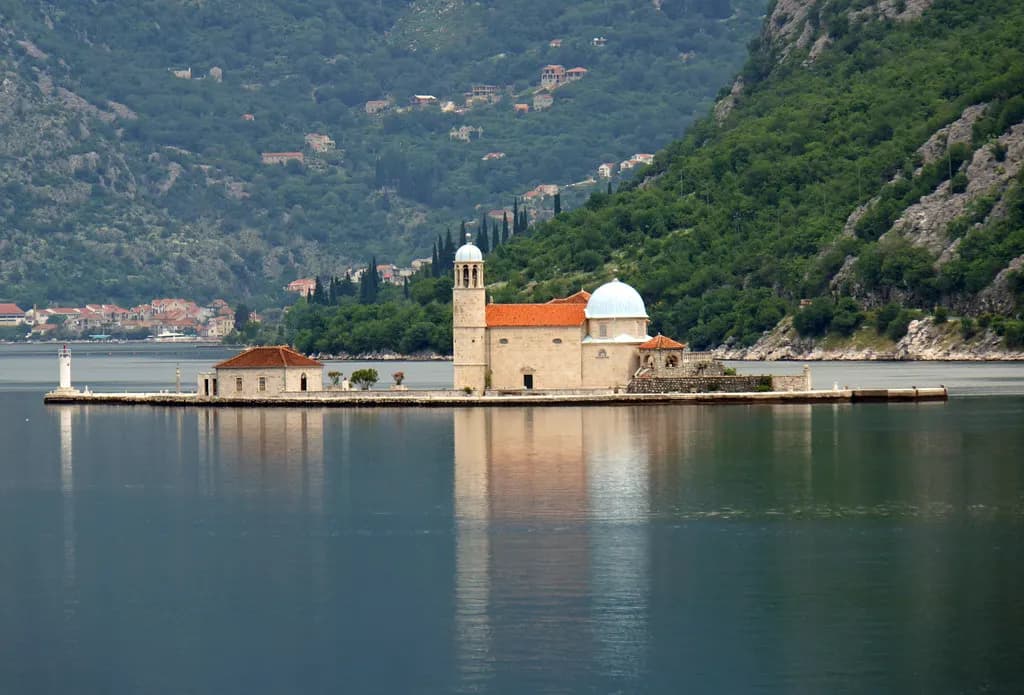
Kotor's bay looks so much like a fjord that guidebooks have called it 'the southernmost fjord in Europe' for decades — it isn't actually one geologically, but the mountains dropping straight into the water make the mistake an easy one to keep making.
See full guide →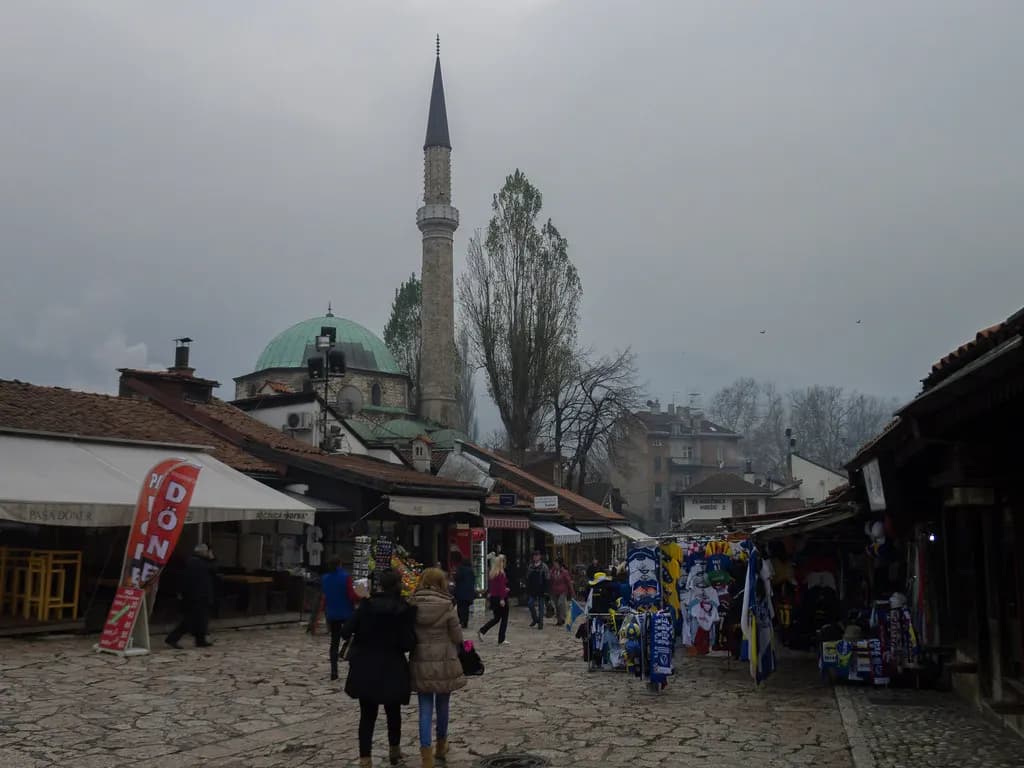 Sarajevo
Sarajevo
Bosnia and Herzegovina
A single bridge in Sarajevo is where a 19-year-old's gunshot in 1914 set off a chain of alliances that became World War I — the spot is marked, unremarkable, and easy to walk past without noticing.
See full guide →Comparing more than one route? See the full transport comparison guide.