Malta · Europe
Valletta
This entire capital was built in under 15 years by the Knights of St. John specifically to withstand another Ottoman siege after they survived one by a matter of weeks in 1565 — and it's still one of the most densely fortified city centers anywhere in Europe.
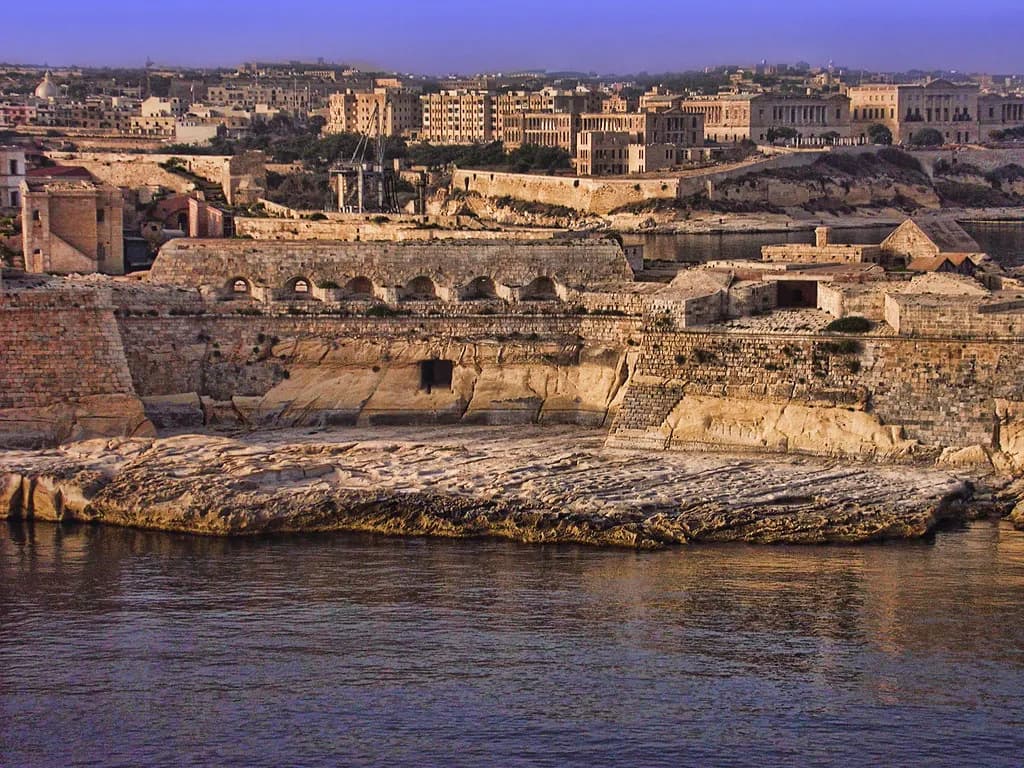
Valletta exists because of a siege. In 1565, the Knights of St. John — a Catholic military order that had relocated to Malta after losing Rhodes — and Maltese defenders held off a massive Ottoman invasion force for nearly four months, an outcome so unlikely that it stunned European capitals watching from afar. The Knights built Valletta almost immediately afterward, in under 15 years, as a purpose-built fortress city engineered so that a second siege could never succeed the same way — bastion walls, angled ramparts, and a street grid designed as much for defense as for daily life.
That defensive design is still the first thing visitors notice: Valletta's entire historic core sits behind massive stone fortifications, dense enough and small enough — walkable end to end in under half an hour — that it functions almost like a single unified monument rather than an ordinary capital with scattered landmarks.
St. John's Co-Cathedral, built by the Knights as their conventual church, hides one of the most understated-looking exteriors of any major European cathedral behind an interior of dense Baroque gilding — and holds The Beheading of Saint John the Baptist, Caravaggio's largest surviving painting and the only work he ever signed, painted during the artist's own turbulent stay on Malta.
The Grandmaster's Palace, seat of the Knights' leadership for over two centuries, now houses the offices of Malta's president, a rare case of a building maintaining an unbroken line of governmental use since the 16th century.
Mdina, Malta's walled former medieval capital, sits a short trip from Valletta and offers a quieter, more residential counterpoint — nicknamed the "Silent City" for its hushed, largely car-free streets — while Comino's Blue Lagoon, reachable by boat, gives Valletta genuine beach and swimming access without leaving the island nation. Between the fortress history, the density of Baroque art, and the easy day-trip options, Malta punches well above its size for a country that's easy to underestimate on a map.
What a trip here actually costs
$45 / day avg.
- Hostel or guesthouse near the center
- Bus day pass
- Pastizzi and casual Maltese lunches
- Free wander through the fortifications and Upper Barrakka Gardens
What to do at this tier
- • Walk the bastion walls and Upper Barrakka Gardens for harbor views, free
- • St. John's Co-Cathedral exterior and Republic Street wander, free
- • Pastizzi (flaky savory pastries) from a local bakery, genuinely cheap and a real local staple
$100 / day avg.
- 3-star hotel within the city walls
- St. John's Co-Cathedral entry
- Sit-down Maltese dinners
- Half-day trip to Mdina
What to do at this tier
- • St. John's Co-Cathedral interior, including Caravaggio's largest surviving painting
- • Grandmaster's Palace, seat of the Knights of St. John and now Malta's presidential offices
- • Half-day trip to Mdina, Malta's quiet former medieval capital
$220 / day avg.
- 4-5 star hotel with harbor views
- Private guided Great Siege and fortification history tour
- Multi-course Mediterranean dinner
- Private boat trip to the Blue Lagoon on Comino
What to do at this tier
- • Private guided tour covering the Great Siege and the city's rapid fortress construction
- • Private boat day to the Blue Lagoon on Comino, one of the Mediterranean's more striking swimming spots
- • Multi-course Mediterranean tasting menu at a well-regarded Valletta restaurant
These are average estimates for planning purposes, not real-time prices — actual costs vary by season, availability, and how far ahead you book.
How to get there
Click anywhere on the world map — any airport works, not just our main hubs.
Click anywhere on the map above — any airport in the world works — to see estimated travel time and cost from there.
Times and prices are planning estimates, not live fares — always check a booking site before you commit. See the full Transport Comparison guide for the general tradeoffs of each mode.
Best time to visit
April-June and September-October bring warm, comfortable weather without the intense July-August heat, when temperatures regularly pass 32°C (90°F).
Safety notes
Very safe overall, among the safer capitals in Europe. Standard urban caution is enough.
Visa & currency
Euro. Malta is in the Schengen area; standard 90-day visa-free rule applies for most Western passport holders. English is an official language alongside Maltese.
Questions people ask before visiting
Is Valletta worth visiting?
Yes — it's one of the most densely historic capitals in Europe, built in a single sustained construction effort by the Knights of St. John, with the entire city center UNESCO-listed and small enough to walk end to end in under half an hour, unusual for a national capital.
What was the Great Siege of Malta?
In 1565, a small force of Knights of St. John and Maltese defenders held off a massive Ottoman invasion fleet for nearly four months, an unlikely victory that stunned Europe. Valletta was built immediately afterward, specifically engineered to make sure a second siege could never succeed the same way.
Is Malta expensive?
Moderate — pricier than Eastern Europe but noticeably cheaper than Western European capitals, and English is an official language alongside Maltese, which makes it an easy, low-friction destination for English-speaking travelers.
Valletta or Mdina — which should I prioritize?
Valletta is the working capital, dense with Baroque architecture and the main historic sites. Mdina, Malta's former medieval capital, is smaller, quieter, and often called the "Silent City" — a reasonable half-day trip from Valletta rather than a competing base.
How many days do you need in Valletta?
Two days covers the fortifications, St. John's Co-Cathedral, and the Grandmaster's Palace comfortably given the city's small size. A third day allows a trip to Mdina or the Blue Lagoon on nearby Comino island.
Nearby destinations
 Dubrovnik
Dubrovnik
Croatia
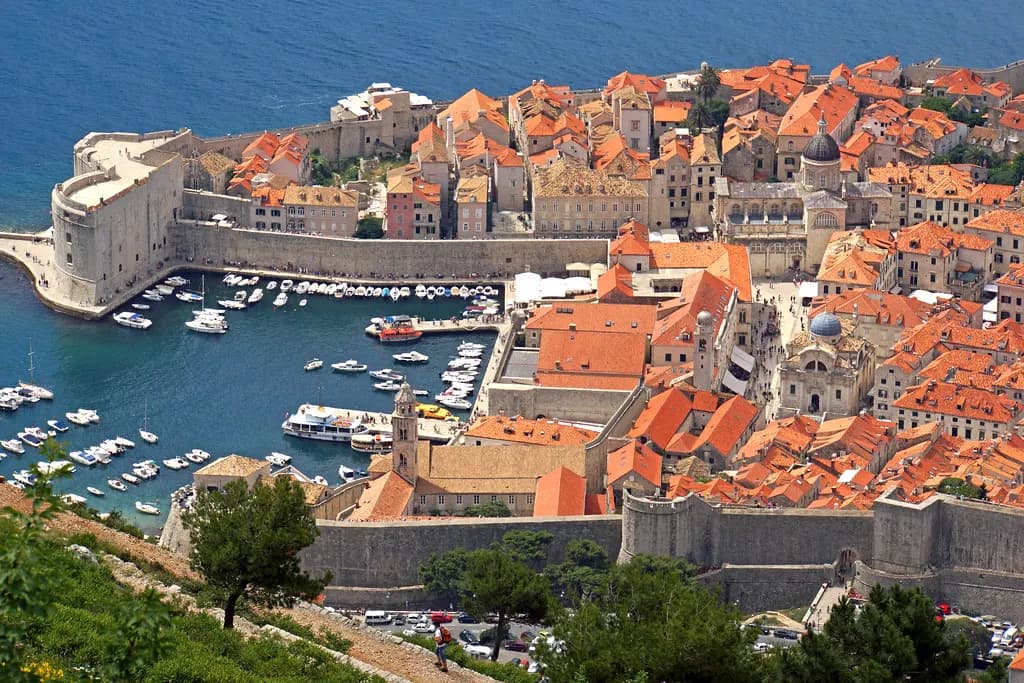
This walled city was an independent maritime republic for over 400 years, wealthy enough to rival Venice, before Napoleon finally ended it in 1808 — the walls that made it defensible then are what make it a full-day walk today.
See full guide →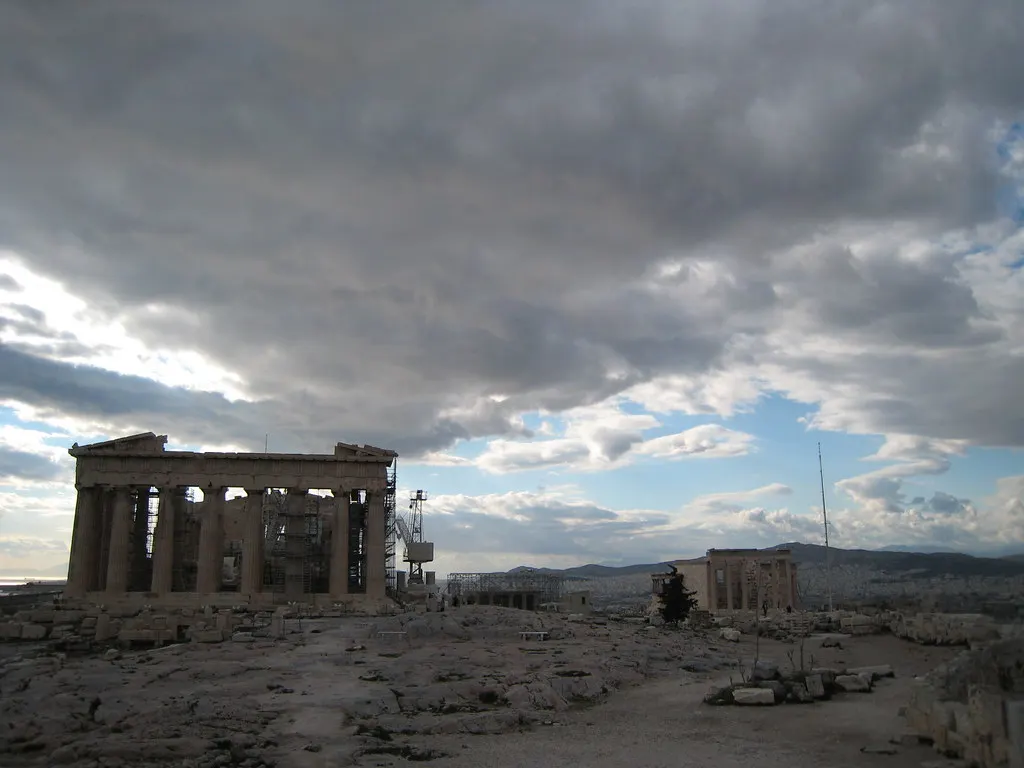 Athens
Athens
Greece
You can stand in the shadow of a 2,500-year-old temple, then walk two minutes and find some of the best street art in southern Europe covering the side of an apartment block — the ancient and the unfinished sit right next to each other here.
See full guide →Comparing more than one route? See the full transport comparison guide.