Croatia · Europe
Dubrovnik
This walled city was an independent maritime republic for over 400 years, wealthy enough to rival Venice, before Napoleon finally ended it in 1808 — the walls that made it defensible then are what make it a full-day walk today.
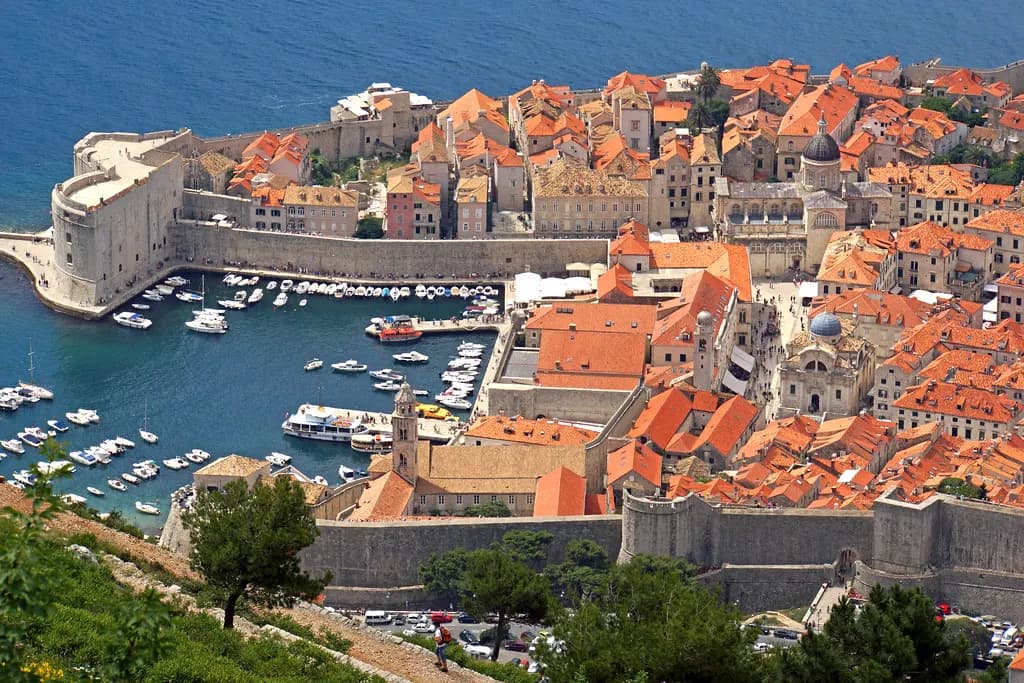
Dubrovnik operated as an independent maritime republic, the Republic of Ragusa, for over four centuries, wealthy enough from trade to genuinely rival Venice at its peak and sophisticated enough to abolish the slave trade in 1416, centuries ahead of most of Europe. That independence ended in 1808 when Napoleon's forces dissolved the republic, but the city walls built to defend it — up to 6 meters thick in places, encircling the entire Old Town — remain almost fully intact, among the best-preserved medieval fortifications in Europe.
Walking the walls, a roughly 2-kilometer loop with real elevation change and long exposed stretches, takes about two hours and gives a vantage point over the Old Town's uniform terracotta rooftops and the Adriatic beyond that no ground-level view can match. Starting right at opening avoids both the midday heat and the crowds that build steadily through the day.
Dubrovnik's global profile rose sharply after it served as the primary filming location for King's Landing in Game of Thrones, and the city has leaned into that association fully — dedicated filming location tours exist alongside the older Old Town history — while also absorbing a level of visitor volume the show's fame helped accelerate.
That volume is the city's real practical challenge. Cruise ships can deposit several thousand additional visitors into the compact Old Town within a couple of hours, several times a week during peak season, and the difference between visiting during a cruise surge and visiting in a quieter window is dramatic enough that checking arrival schedules ahead of time genuinely changes the experience.
Stradun, the limestone-paved main street running through the Old Town, is polished smooth by centuries of foot traffic and reflects light strongly enough on sunny days that it's a recognizable feature in its own right, lined with shops and cafés in what were once the republic's grandest buildings. For a quieter alternative to the walled city itself, the Elafiti Islands, a short boat ride away, offer beaches and villages without Dubrovnik's density of visitors.
What a trip here actually costs
$130 / day avg.
- 3-star hotel outside the immediate Old Town
- City walls entry ticket
- Sit-down Croatian and seafood dinners
- Cable car to Mount Srđ for the sunset view
What to do at this tier
- • City walls walk, about two hours, best done at opening to avoid crowds and heat
- • Old Town wander along Stradun, the main limestone-paved street, free
- • Cable car up Mount Srđ for a panoramic sunset view over the walled city
$300 / day avg.
- 4-5 star hotel with Old Town or sea views
- Private early-morning walls tour before the crowds
- Multi-course seafood dinner
- Private boat trip to the Elafiti Islands
What to do at this tier
- • Private early-access city walls tour before general opening hours
- • Private boat day trip to the Elafiti Islands, quieter and less developed than Dubrovnik itself
- • Multi-course seafood tasting menu at a well-regarded restaurant
These are average estimates for planning purposes, not real-time prices — actual costs vary by season, availability, and how far ahead you book.
How to get there
Click anywhere on the world map — any airport works, not just our main hubs.
Click anywhere on the map above — any airport in the world works — to see estimated travel time and cost from there.
Times and prices are planning estimates, not live fares — always check a booking site before you commit. See the full Transport Comparison guide for the general tradeoffs of each mode.
Best time to visit
May-June and September-October bring warm weather with noticeably fewer cruise ship crowds than the July-August peak.
Safety notes
Very safe overall. The main practical risk is heat exhaustion on the exposed city walls walk in summer — bring water and sun protection.
Visa & currency
Euro. Croatia is in the Schengen area; standard 90-day visa-free rule applies for most Western passport holders.
Questions people ask before visiting
Is Dubrovnik worth visiting despite the crowds?
Yes, but timing matters more here than almost anywhere else in this guide — cruise ship arrivals can flood the Old Town with several thousand extra visitors within a couple of hours, several times a week in peak season. Checking cruise schedules and visiting early morning or evening makes a real difference.
How long does the city walls walk take?
About two hours at a steady pace, covering roughly 2 kilometers with real elevation change and no shade for much of it. Starting early morning avoids both the worst heat and the largest crowds on the narrow sections.
Is Dubrovnik expensive?
Yes, one of the pricier destinations in Croatia and noticeably more expensive than it was a decade ago, partly driven by its global profile. Still generally more affordable than Zurich or Reykjavik, but a step up from most of the Balkans.
When's the best time to visit to avoid cruise ship crowds?
May-June and September-October give warm weather with meaningfully fewer cruise arrivals than the July-August peak, when the Old Town can feel genuinely overwhelmed for several hours a day.
How many days do you need in Dubrovnik?
Two days covers the Old Town and city walls walk. A third day allows a boat trip to the nearby Elafiti Islands or a swim at one of the beaches outside the main walled area, away from the densest crowds.
Nearby destinations
 Athens
Athens
Greece
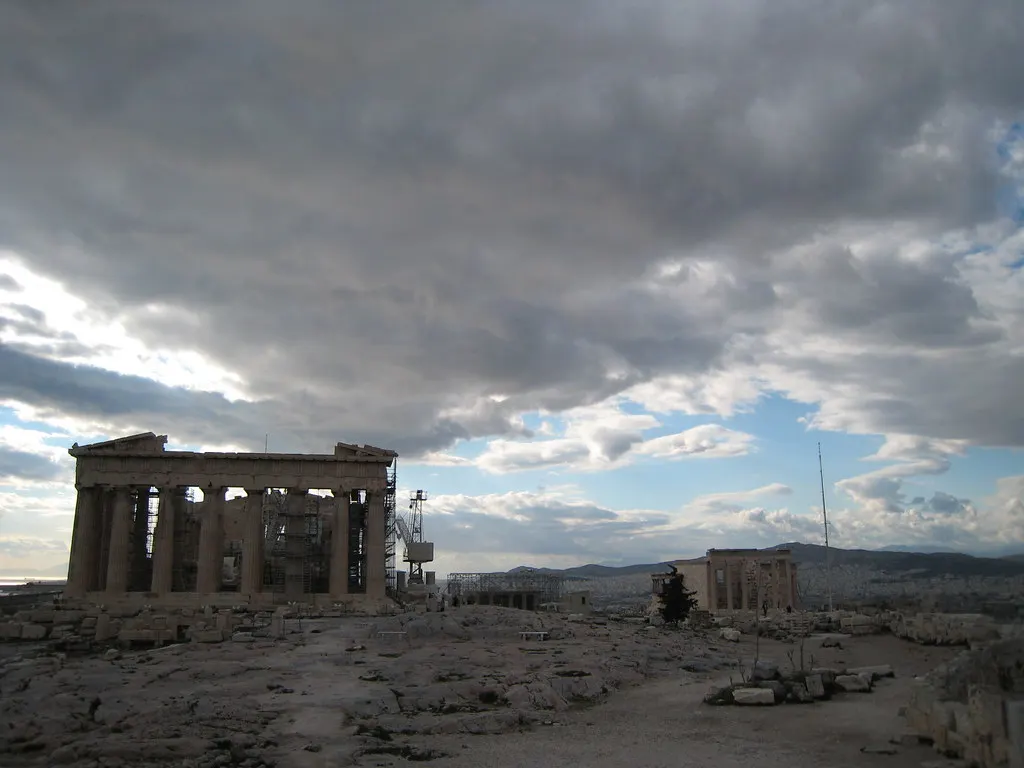
You can stand in the shadow of a 2,500-year-old temple, then walk two minutes and find some of the best street art in southern Europe covering the side of an apartment block — the ancient and the unfinished sit right next to each other here.
See full guide →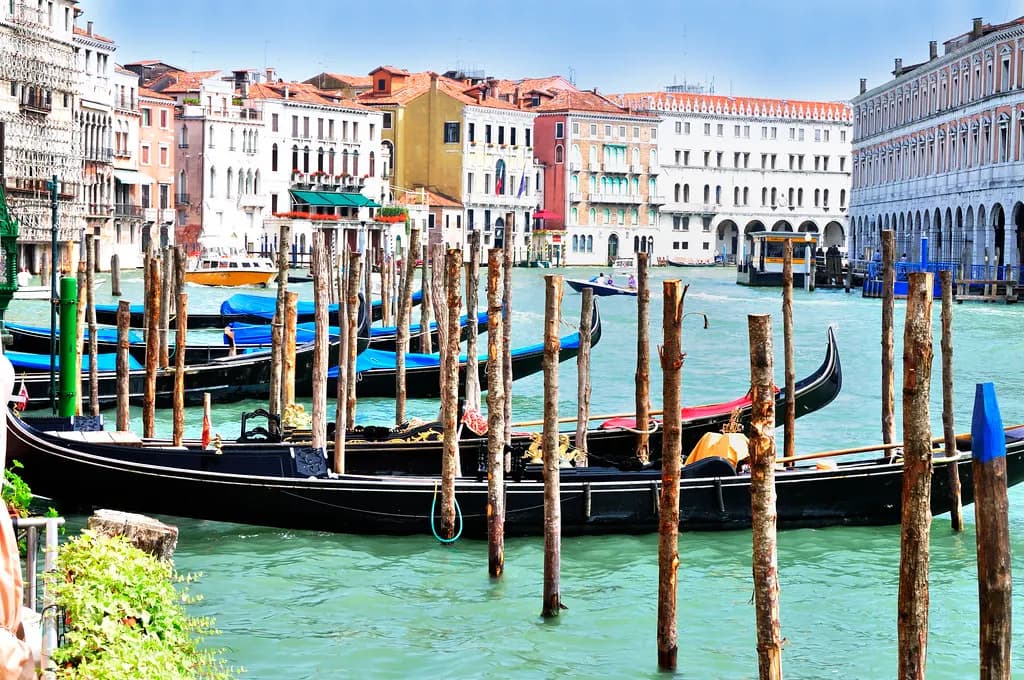 Venice
Venice
Italy
There are no cars here, not because of a pedestrian-zone policy but because the city is built across more than a hundred small islands — a boat is the only way to move anything heavier than a suitcase.
See full guide →Comparing more than one route? See the full transport comparison guide.