Italy · Europe
Venice
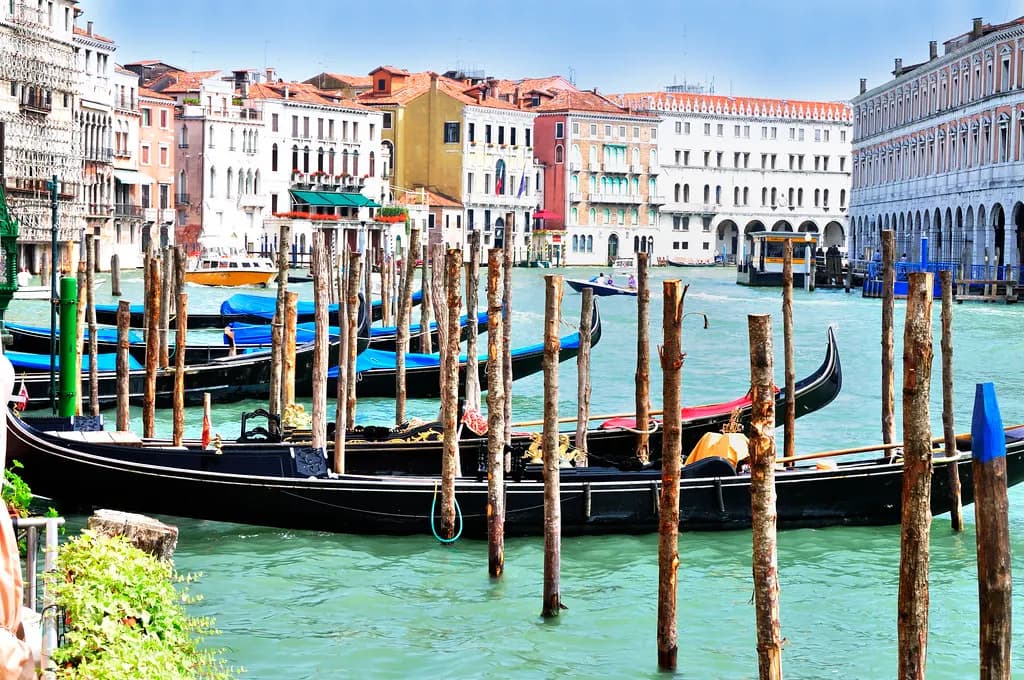
There are no cars here, not because of a pedestrian-zone policy but because the city is built across more than a hundred small islands — a boat is the only way to move anything heavier than a suitcase.
Venice is built across roughly 120 small islands in a lagoon, connected by bridges and canals, with no roads in the conventional sense anywhere in the historic center. Everything moves by water or on foot — deliveries, ambulances, garbage collection, funerals. The vaporetto, the public water bus, is the actual transit system locals use daily; a gondola is a tourist experience, memorable once, priced accordingly at around €80 for a half hour.
St. Mark's Square sits at the lowest point in the city, which makes it the first place to flood during acqua alta, the seasonal high-tide flooding that typically runs autumn through early spring when tides, wind, and rain align. It's usually shallow, forecastable a day or two out, and locals navigate it with raised walkways rather than panic — worth checking forecasts for if you're visiting October through January, not a reason to avoid the trip.
The Doge's Palace, attached to the basilica, was the seat of Venetian political power for centuries, and its most memorable feature for most visitors is the Bridge of Sighs — the enclosed passage connecting the palace to the old prisons, named for the sighs of condemned prisoners supposedly catching their last view of the city through its windows. The standard ticket covers the main halls; a separate "Secret Itineraries" tour goes into the smaller administrative rooms and the prison cells themselves.
Venice introduced a day-tripper access fee in recent years, charged on specific peak dates to visitors not staying overnight, aimed squarely at managing crowd volume rather than raising serious revenue. It's a few euros, doesn't apply to overnight guests, and hasn't changed the practical experience of visiting so much as it's become a minor planning detail — book the entry online ahead of a day trip if that's your plan.
Murano and Burano, both short vaporetto rides from the main islands, make a reasonable half-day combined rather than a full day apiece. Murano is the glassblowing island, still home to working furnaces you can watch through gallery windows; Burano is smaller and almost aggressively photogenic, its fishing houses painted in colors bright enough that, according to local lore, fishermen could identify their own home through fog.
Away from St. Mark's Square, the city rewards deliberately getting lost — the six sestieri (districts) each have a different character, and some of the best food is at unmarked bacari, small wine bars serving cicchetti (Venetian tapas) standing up at the counter, a world away from the tourist-menu restaurants clustered near the main sights.
What a trip here actually costs
$160 / day avg.
- 3-star hotel away from St. Mark's Square
- Multi-day vaporetto pass
- Doge's Palace and St. Mark's Basilica tickets
- Sit-down dinners, one bacaro (wine bar) crawl
What to do at this tier
- • St. Mark's Basilica and Square, booked entry to skip the general line
- • Doge's Palace, two to three hours including the Bridge of Sighs
- • Half-day Murano and Burano combined by vaporetto
$380 / day avg.
- Canal-view hotel or converted palazzo
- Private water taxi instead of vaporetto
- Skip-the-line guided tour of the Doge's Palace secret itineraries
- Multi-course dinner at a canal-side restaurant
What to do at this tier
- • Private water taxi tour through the smaller canals, away from the Grand Canal crowds
- • Doge's Palace 'Secret Itineraries' guided tour into the private and prison rooms
- • Multi-course dinner at a Michelin-listed restaurant on the water
These are average estimates for planning purposes, not real-time prices — actual costs vary by season, availability, and how far ahead you book.
How to get there
Click anywhere on the world map — any airport works, not just our main hubs.
Click anywhere on the map above — any airport in the world works — to see estimated travel time and cost from there.
Times and prices are planning estimates, not live fares — always check a booking site before you commit. See the full Transport Comparison guide for the general tradeoffs of each mode.
Best time to visit
April-June and late September-October bring comfortable temperatures without the peak-summer crowding and heat, and avoid the autumn-winter acqua alta season.
Safety notes
Very safe overall. The real practical risks are pickpocketing in St. Mark's Square crowds and getting genuinely lost in the sestieri, which is usually harmless but worth a downloaded offline map for.
Visa & currency
Euro. Standard Schengen 90-day visa-free rule applies for most Western passport holders.
Questions people ask before visiting
Is Venice worth visiting now that there's a day-tripper access fee?
Yes — the fee (a few euros, charged to day visitors not staying overnight, on specific peak dates) is aimed at crowd control, not at making the city inaccessible. It's a minor cost next to the trip itself and doesn't apply if you're staying overnight in the city.
Should I take a gondola or the vaporetto?
They serve different purposes. The vaporetto (water bus) is real public transport, cheap if you get a multi-day pass, and how you'll actually get around. A gondola ride is a scenic, expensive novelty (starting around €80 for 30 minutes) — worth it once for the experience, not as transportation.
When does acqua alta flooding happen?
Typically autumn through early spring, driven by tides, wind, and rainfall together — St. Mark's Square is the lowest point and floods first. It's usually shallow and predictable enough to check forecasts for, not a reason to avoid the city, but worth knowing about if you're visiting October-January.
Are Murano and Burano worth a day trip?
Murano (glassblowing) and Burano (brightly painted fishing houses) are both reachable by vaporetto in under an hour and make a good half-day combined, rather than a full day each — Burano's charm is a couple of hours of wandering, not more.
How many days do you need in Venice?
Two full days covers St. Mark's Square, the Doge's Palace, and getting genuinely lost in the smaller sestieri (districts) away from the crowds. A third day makes room for Murano and Burano.
Nearby destinations
 Rome
RomeRome
Italy
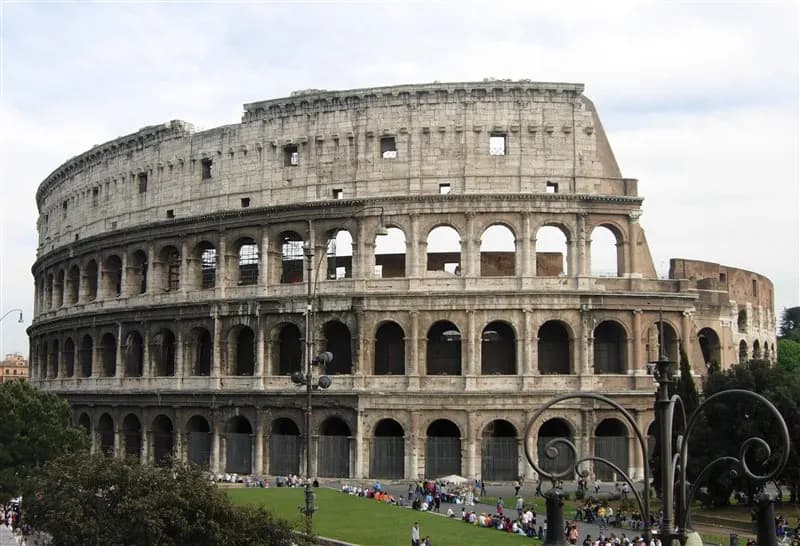
You can walk out of a 2,000-year-old amphitheater, cross one street, and order a coffee standing at a bar counter for a euro-fifty, no big deal to anyone but you.
See full guide →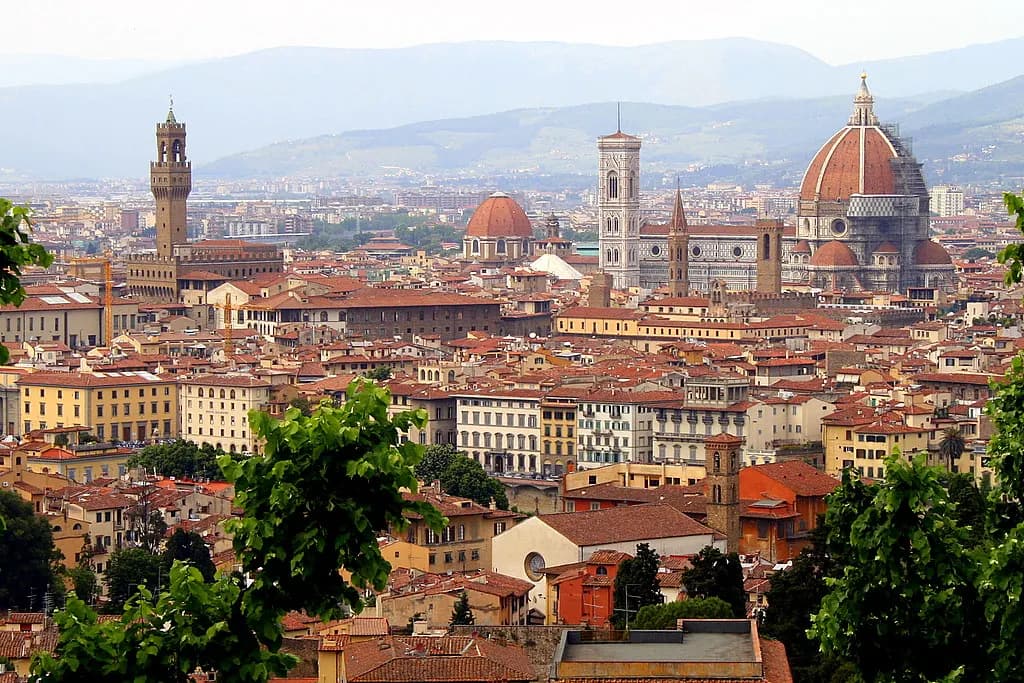 Florence
Florence
Italy
The entire historic center fits inside a walk you could do in under an hour, which is exactly why it gets so crowded — everyone's aiming for the same few blocks.
See full guide →Comparing more than one route? See the full transport comparison guide.