Italy · Europe
Rome
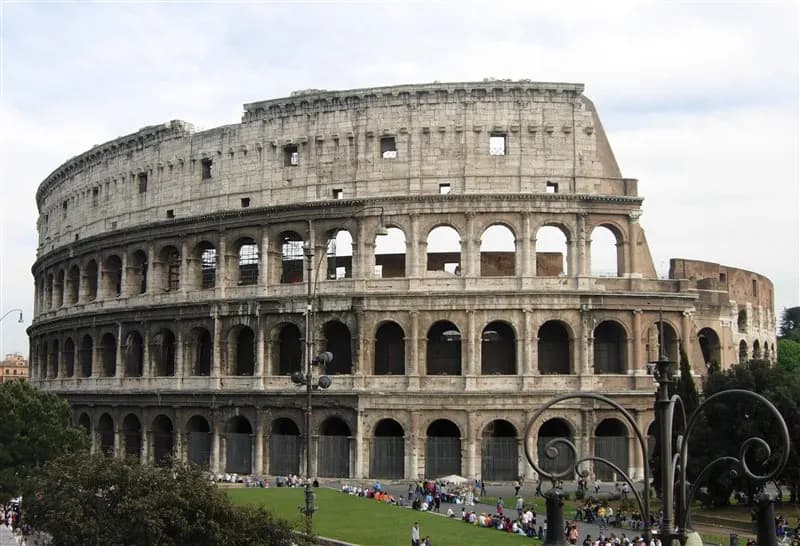
You can walk out of a 2,000-year-old amphitheater, cross one street, and order a coffee standing at a bar counter for a euro-fifty, no big deal to anyone but you.
Rome doesn't organize itself around a single old town the way a lot of European capitals do — the ancient city, the Renaissance city, and the modern city are stacked on top of each other and spill into one another block by block. You can be looking at a 2nd-century column, then order lunch at a place that's been open since the 1960s, then walk past a metro station that's still partially closed because construction crews keep hitting more ruins every time they dig.
That last part is not an exaggeration. Rome's metro has two and a half lines for a city of nearly three million people, largely because any new excavation is legally required to stop and document whatever archaeological find turns up underneath it. The practical result for visitors: buses do a lot of the heavy lifting, traffic is dense, and the historic center rewards walking over transit for anything under about 40 minutes.
Food deserves real attention here, more than in most cities where "eat well" is a throwaway line. Rome has four defining pasta dishes — cacio e pepe (cheese and pepper, deceptively simple, easy to get wrong), carbonara (egg, guanciale, pecorino, no cream despite what half the recipes outside Italy claim), amatriciana (tomato, guanciale, chili), and gricia (essentially carbonara without the egg). A restaurant that does all four well, without photos on the menu or someone outside trying to pull you in off the street, is usually a safe bet. Expect a coperto, a small per-person cover charge, on most bills — it's standard, not a scam.
The Vatican and the Colosseum are the two sites that punish poor planning the hardest. Both routinely run multi-hour queues in peak season for anyone showing up without a timed ticket, and both sell out days ahead in summer for the better entry slots. Book before you land, not after.
Trastevere, across the river from the main historic center, is where the evening pace slows down — cobblestone streets, ivy-covered buildings, and a much higher ratio of actual Romans to tourists after dark than you'll find near the Trevi Fountain, which is worth seeing once but is genuinely one of the most crowded few square meters in the city at almost any hour.
What a trip here actually costs
$70 / day avg.
- Hostel near Termini or in Trastevere
- Standing espresso at bars instead of sit-down cafés
- Pizza al taglio and market lunches
- Free entry to churches and piazzas, one paid site every few days
What to do at this tier
- • Roman Forum and Palatine Hill, combined with a Colosseum ticket, one entry fee
- • Trastevere wandering in the evening, no cost beyond dinner
- • Pantheon, free entry, arrive right at opening to beat the crowds
$160 / day avg.
- 3-star hotel walkable to the historic center
- Skip-the-line Colosseum and Vatican tickets
- Sit-down trattoria dinners
- Half-day guided tour of ancient Rome
What to do at this tier
- • Timed-entry Colosseum with underground and arena floor access
- • Vatican Museums and Sistine Chapel, booked ahead
- • Evening food tour through Testaccio or Trastevere
$350 / day avg.
- 4-5 star hotel near the Spanish Steps or Trastevere
- Private early-access Vatican and Sistine Chapel tour
- Multi-course dinners at well-regarded trattorias
- Private driver for a day trip to Tivoli
What to do at this tier
- • Early-access Vatican tour before public opening hours
- • Private guide through the Colosseum and Forum with skip-line access
- • Day trip to Tivoli's Villa d'Este with a private driver
These are average estimates for planning purposes, not real-time prices — actual costs vary by season, availability, and how far ahead you book.
How to get there
Click anywhere on the world map — any airport works, not just our main hubs.
London is one of our researched reference cities — every mode below is hand-checked, not a formula.
| Mode | Time | Approx. cost | Notes |
|---|---|---|---|
| Flight | 2h40 | $50-175 | Fastest option; book 6-8 weeks out for the lower end of the range. |
Times and prices are planning estimates, not live fares — always check a booking site before you commit. See the full Transport Comparison guide for the general tradeoffs of each mode.
Best time to visit
April-May and late September-October give you comfortable walking weather; July and August turn the city into a genuinely difficult heat to sightsee in for hours at a time.
Safety notes
Very safe from violent crime. Pickpocketing on crowded buses and near major sites like the Colosseum and Termini station is the main risk to plan around.
Visa & currency
Euro. Standard Schengen 90-day visa-free rule applies for most Western passport holders.
Questions people ask before visiting
How many days do you need in Rome?
Four days is a workable minimum — one for ancient Rome (Colosseum, Forum, Palatine), one for the Vatican, and two for everything else, including at least one day with no fixed plan. Rome punishes rushing more than most cities.
Are skip-the-line Vatican tickets worth the extra cost?
Yes, close to essential in peak season. Standard queue times for the Vatican Museums regularly run past two hours in summer, and a timed-entry or guided ticket turns that into a five-minute wait.
Is Rome walkable or do I need to use transit constantly?
The historic center is very walkable — most major sites sit within a 30-40 minute walk of each other. The metro is limited because excavation keeps hitting more ruins, so buses fill the gaps, and traffic makes them slower than you'd expect.
What should I actually eat in Rome that isn't a tourist trap?
The four Roman pasta dishes — cacio e pepe, carbonara, amatriciana, and gricia — are the benchmark. If a menu has photos of the food or a tout outside pulling you in, that's usually the signal to keep walking to the next block.
Is it true restaurants charge a cover charge in Rome?
Yes, called coperto, typically €2-3 per person just for sitting down, on top of the bill. It's standard practice, not a scam, and should be listed on the menu.
Nearby destinations
 Florence
Florence
Italy
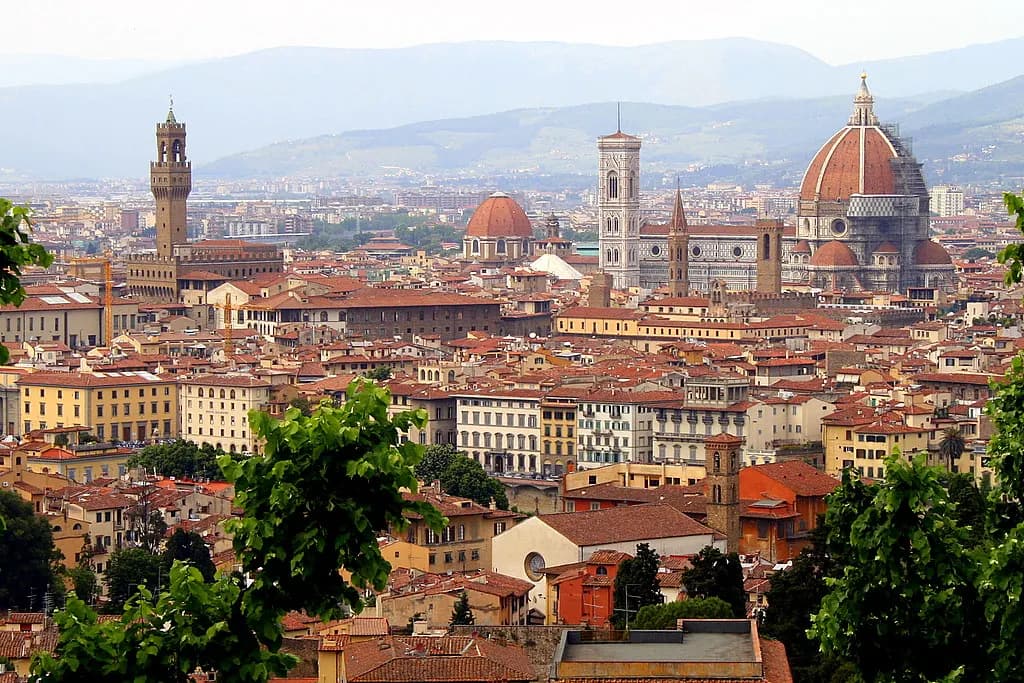
The entire historic center fits inside a walk you could do in under an hour, which is exactly why it gets so crowded — everyone's aiming for the same few blocks.
See full guide →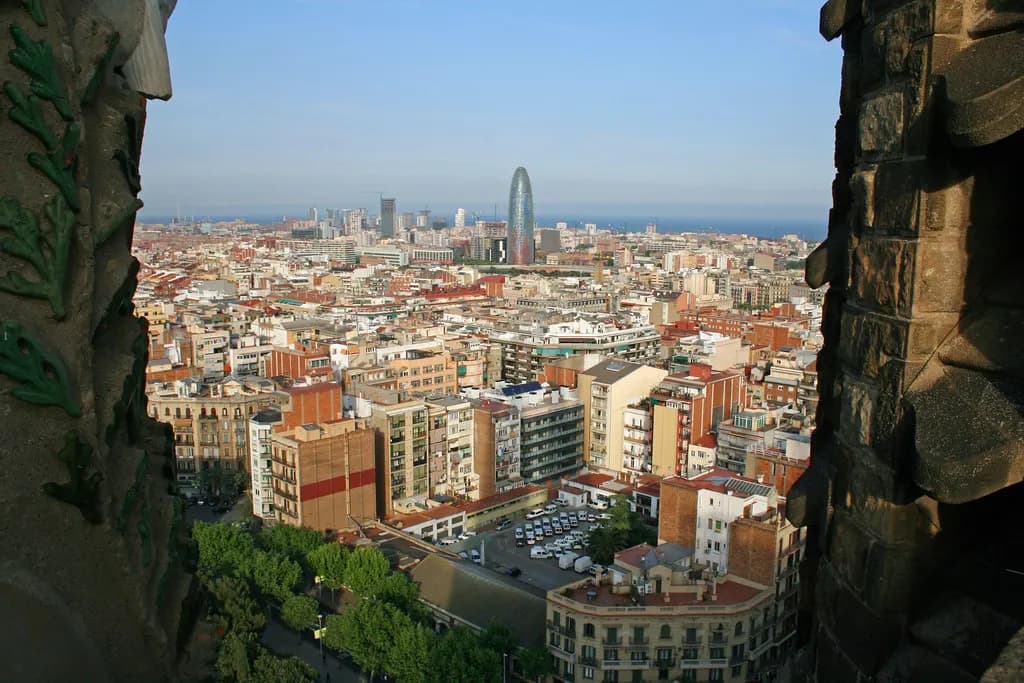 Barcelona
Barcelona
Spain
Gaudí spent over a decade on a church that's still not finished, and somehow that unfinished cathedral is now the thing everyone plans their trip around.
See full guide →Comparing more than one route? See the full transport comparison guide.