Italy · Europe
Florence
The entire historic center fits inside a walk you could do in under an hour, which is exactly why it gets so crowded — everyone's aiming for the same few blocks.
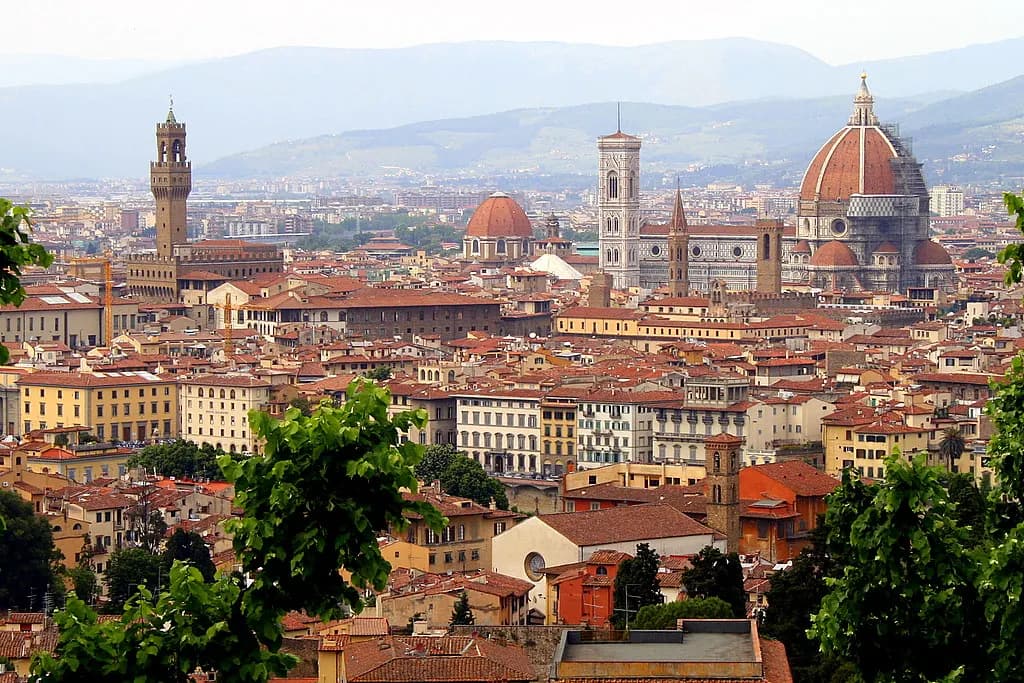
Florence is small in a way that surprises people who arrive expecting something closer to Rome. The historic center, the part with the Duomo, the Uffizi, and the Ponte Vecchio, covers roughly a square mile, walkable end to end in under an hour without stopping. That compactness is also the source of the city's biggest practical problem: everyone visiting Florence is funneled through the same few streets, and in peak season it shows.
The Duomo dominates the skyline before you've even entered the center — Brunelleschi's dome, completed in 1436 using construction techniques that were considered borderline impossible at the time, still the largest brick dome ever built. Climbing it means several hundred narrow steps and a view that makes the climb worth it, but book the timed slot ahead; walk-up tickets are unreliable most of the year.
Two museums do most of the heavy lifting for Florence's art reputation, and they're different enough in scale that treating them as interchangeable is a mistake. The Accademia is small and specific — you're mainly there for Michelangelo's David, and the visit runs about an hour including the smaller galleries around it. The Uffizi is a genuinely large Renaissance collection, Botticelli's Birth of Venus among hundreds of other major works, and rushing it in under two hours means missing most of what makes it worth the ticket price.
Tuscan food shifts the register from what you'd find in Rome or Naples — heavier on grilled meat, particularly bistecca alla fiorentina, a thick-cut steak usually served for two, and simpler pasta dishes that lean on good olive oil rather than elaborate sauces. The Chianti wine region starts less than an hour outside the city, close enough for a half-day trip that still feels like a real change of scenery rather than a rushed detour.
The Oltrarno district, across the river from the main tourist center, is where a lot of the city's actual working artisans still operate — leather workshops, small jewelry makers, frame restorers — running businesses that predate the tourism economy built around them. It's a five-minute walk from the Ponte Vecchio and gets a fraction of the foot traffic.
What a trip here actually costs
$65 / day avg.
- Hostel near Santa Maria Novella or San Lorenzo
- Walking everywhere, the center doesn't require transit
- Panino from a market stall, Mercato Centrale for lunch
- One museum ticket, booked ahead to skip the line
What to do at this tier
- • Climb to Piazzale Michelangelo for a free sunset view over the whole city
- • Walk the Ponte Vecchio at sunrise before the crowds and the jewelry shops open
- • Mercato Centrale for lunch, a dozen food stalls under one roof
$150 / day avg.
- 3-star hotel in or near the historic center
- Timed tickets to both Uffizi and Accademia
- Sit-down Tuscan dinners, bistecca alla fiorentina at least once
- Half-day Chianti wine tasting tour
What to do at this tier
- • Accademia to see Michelangelo's David, booked at least a few days ahead
- • Uffizi Gallery, two to three hours, booked separately from the Accademia
- • Half-day Chianti tour with tastings at two or three small vineyards
$330 / day avg.
- 4-5 star hotel with a Duomo or Arno view
- Private early-access tour of the Uffizi before public hours
- Multi-course Tuscan tasting menus
- Private Chianti day trip with a driver and vineyard lunch
What to do at this tier
- • Early-access Uffizi tour before the museum opens to the public
- • Private guided walk through the Oltrarno artisan district's leather and jewelry workshops
- • Full-day private Tuscany tour covering Chianti and a hill town like San Gimignano
These are average estimates for planning purposes, not real-time prices — actual costs vary by season, availability, and how far ahead you book.
How to get there
Click anywhere on the world map — any airport works, not just our main hubs.
London is one of our researched reference cities — every mode below is hand-checked, not a formula.
| Mode | Time | Approx. cost | Notes |
|---|---|---|---|
| Flight | 2h20 | $55-175 | Fastest option; book 6-8 weeks out for the lower end of the range. |
Times and prices are planning estimates, not live fares — always check a booking site before you commit. See the full Transport Comparison guide for the general tradeoffs of each mode.
Best time to visit
April-May and October offer mild temperatures and noticeably thinner crowds than the July-August peak, when the small center gets genuinely overwhelmed.
Safety notes
One of the safer major Italian cities. Standard pickpocket caution around the Duomo and Ponte Vecchio in high season is the main thing to keep in mind.
Visa & currency
Euro. Standard Schengen 90-day visa-free rule applies for most Western passport holders.
Questions people ask before visiting
Is 2 days enough in Florence?
It's enough to see the Duomo, cross the Ponte Vecchio, and pick one major museum — Uffizi or Accademia, not comfortably both. Three days lets you do both museums properly and add a half-day into the Tuscan countryside.
Should I book the Uffizi or the Accademia if I can only pick one?
The Accademia is a shorter visit built around Michelangelo's David and a handful of other rooms — in and out in an hour. The Uffizi is a much larger Renaissance collection that rewards two to three hours. If time is tight, the Accademia is the faster, more self-contained option.
Is Florence walkable?
Almost entirely. The historic center is compact enough that most sites sit within 15-20 minutes of each other on foot, and much of it is pedestrianized or close to it.
What's worth a day trip from Florence?
The Chianti wine region, roughly 30-40 minutes south, gives you vineyard landscapes and wine tastings without a long drive. Siena and San Gimignano both work as a half-day each if you want medieval hill towns instead.
Do I need to book restaurants ahead in Florence?
For anything well-reviewed in the center, yes, especially for dinner — the city is small enough that good tables fill up fast relative to how many visitors are competing for them.
Nearby destinations
 Rome
RomeRome
Italy
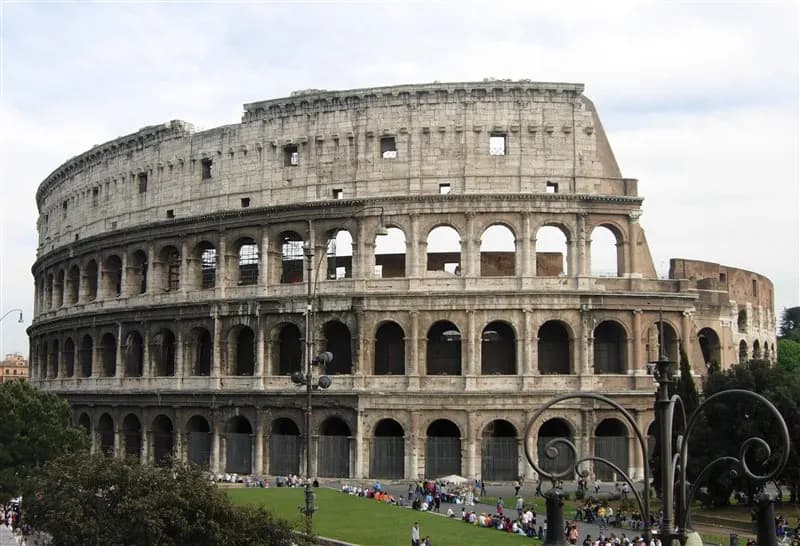
You can walk out of a 2,000-year-old amphitheater, cross one street, and order a coffee standing at a bar counter for a euro-fifty, no big deal to anyone but you.
See full guide →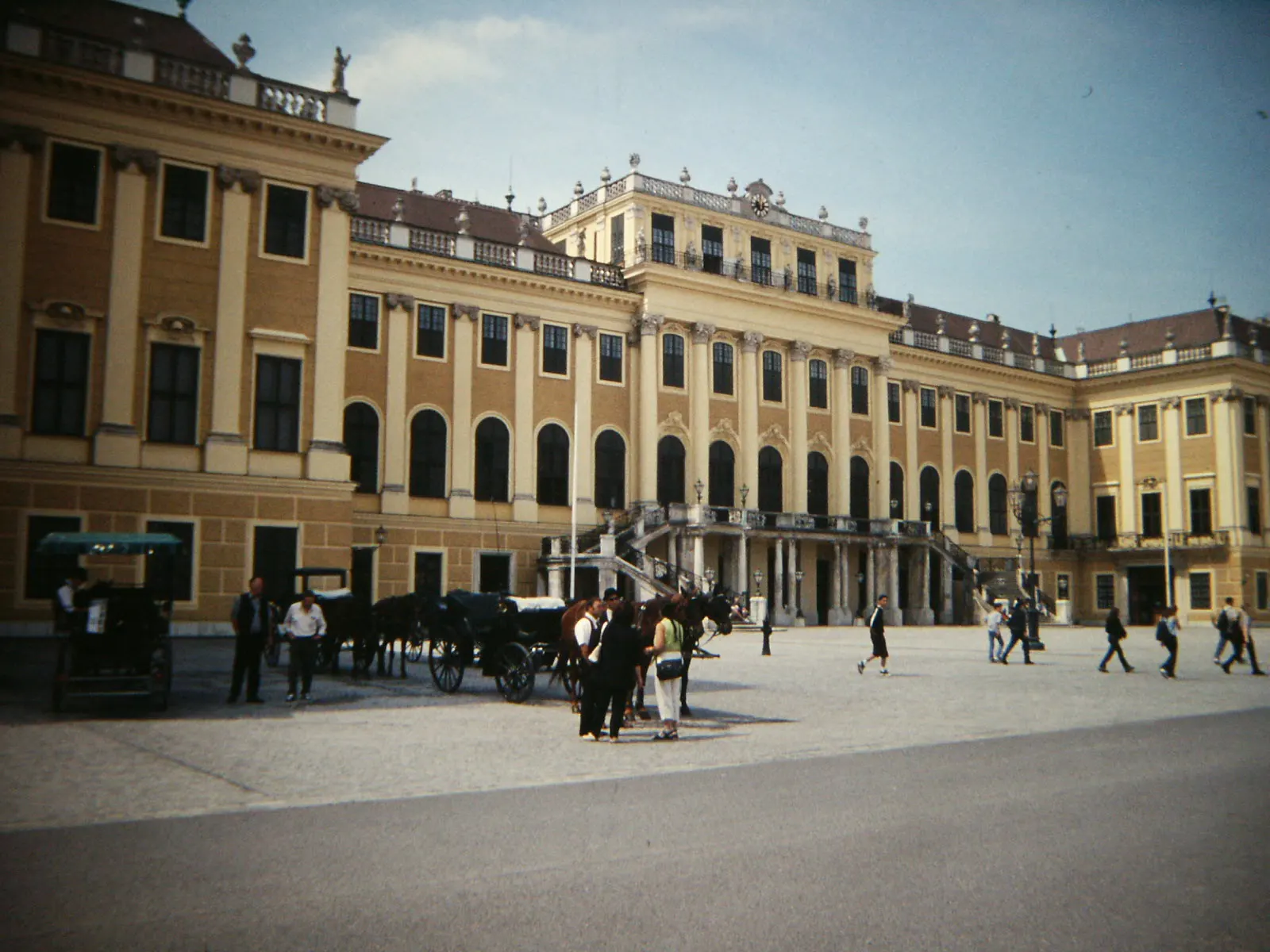 Vienna
Vienna
Austria
A single cup of coffee buys you a table for as long as you want it — the coffeehouse as a legal, UNESCO-recognized institution, not just a place to grab a drink and leave.
See full guide →Comparing more than one route? See the full transport comparison guide.